
Last reviewed: September 24, 2026
Custom bag buyers usually ask about materials, minimum order quantity, sampling, price, quality and delivery. The useful answer is rarely one universal number. It depends on the exact bag, decoration, quantity split, destination and evidence required for the order.
This custom bag FAQ is a navigation page for sourcing teams. It gives the short answer, identifies the information needed for a reliable answer and routes each topic to a deeper guide. For the complete supplier-evaluation framework, start with the Custom Bag Manufacturer Buyer’s Guide. For supplier comparison questions, use How to Choose a Custom Bag Manufacturer.
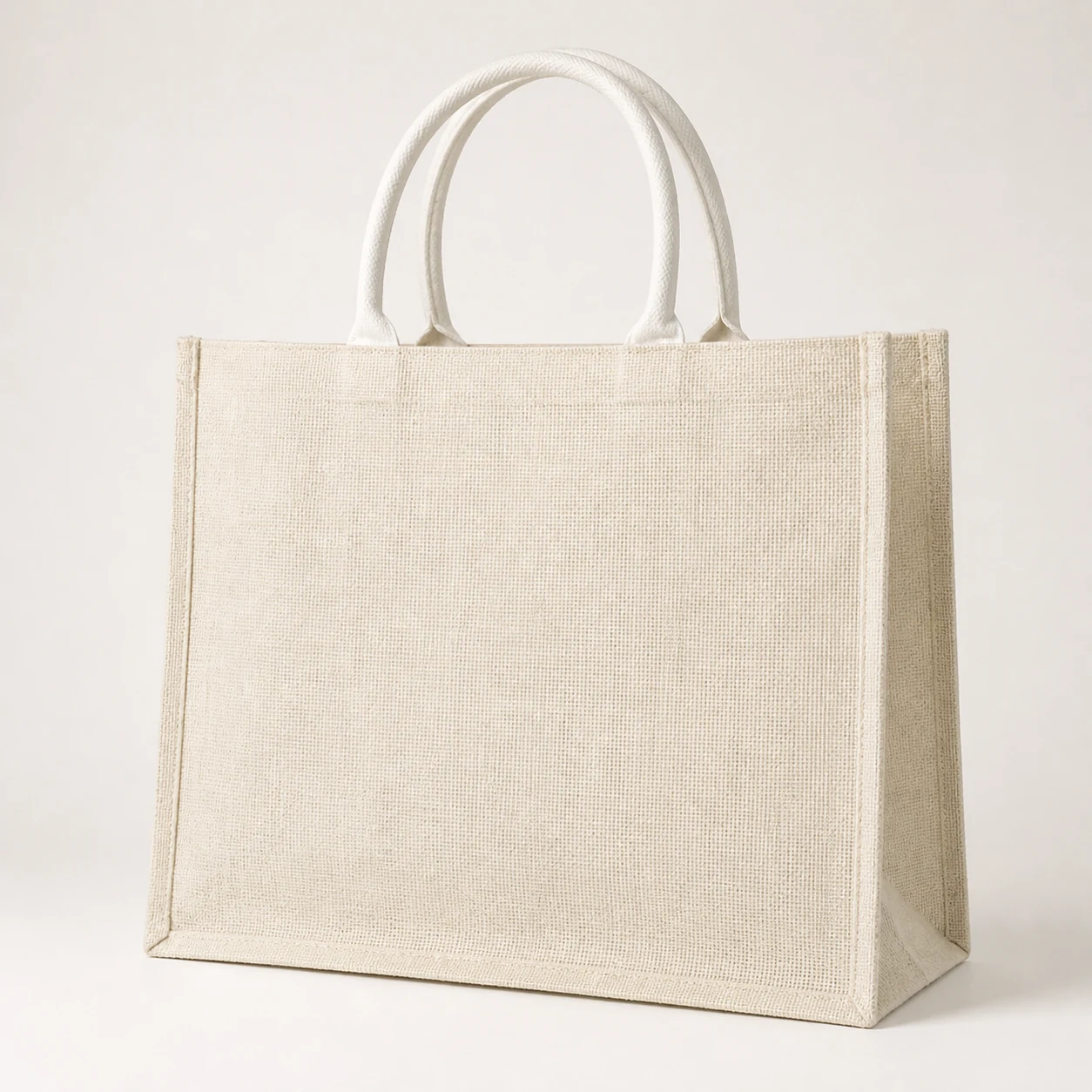
Custom bag FAQ: the short answers
| Buyer question | Short answer | What must be confirmed |
|---|---|---|
| Which bag type should we choose? | Start with the packed product, end use and selling channel. | Dimensions, weight, opening, carry method, protection and presentation. |
| Which material is best? | No material is best for every project. | Construction, finish, load, care, claim evidence and destination requirements. |
| What is the MOQ? | MOQ is project-specific. | Material, colour, size, decoration, hardware, SKU split and packing. |
| How much does a custom bag cost? | Compare quotations only against one controlled specification. | Product cost, sample/tooling, packing, inspection, freight and destination charges. |
| Can we approve a sample first? | Yes; define which sample stage answers which question. | Stock reference, prototype, decorated sample, pre-production sample and approval authority. |
| How long does production take? | Timing starts from agreed milestones, not from the first inquiry. | Material readiness, sample approval, deposit, artwork, production, inspection and shipping basis. |
| How is quality controlled? | Use order-specific CTQs, evidence and release authority. | Approved sample, tolerances, defect classes, inspection timing and disposition rules. |
| Are sustainability or compliance claims available? | Only when evidence matches the material, entity, scope, market and order. | Document owner, issuer, validity, product/batch scope and chain of custody. |
1. Product and supplier fit
What information should a buyer send first?
Send the intended use, bag format, finished dimensions, material direction, construction, colour, artwork, branding method, quantity by SKU, packing, destination and required delivery date. Mark every item as confirmed, optional or open for supplier recommendation. Photos can illustrate a feature, but they should not silently replace measurable specifications.
A useful first brief also lists the evidence needed: swatches, sample stages, test or claim documents, inspection records, pack-out photographs and shipping documents. The custom shopping bag tech-pack guide provides a field-by-field structure.
Are LUCKYSTAR’s website pictures the complete specification?
No. Current public listings help buyers review product directions and communication channels, but each order remains subject to its written specification and confirmation. Browse custom tote bags, custom drawstring bags, custom cosmetic bags, custom shopping bags and custom pouch bags. Current marketplace listings can also be reviewed on LUCKYSTAR’s Alibaba.com storefront and LUCKYSTAR’s Made-in-China storefront. Platform prices, MOQ and timing are dynamic listing information, not universal commitments.
Should we ask for a factory, manufacturer or trading company?
Ask which operating model controls the parts of your project that matter: product development, material sourcing, sampling, production coordination, inspection evidence, packing and export communication. A label alone does not prove process control. Request the legal entity, production location for the order, responsible contacts, approval route and change-notification process. The OEM vs ODM Bag Manufacturing guide helps define design ownership and development responsibility.
2. Bag format, size and material
How do we choose the right bag type?
Work backward from the contents and the user. A tote needs the right opening, handles and load route. A drawstring bag loses usable height to the cord channel. A cosmetic bag needs adequate zipper opening and internal organization. A shopping bag may need gussets, base support and a retail pack-out. Decide what the bag must hold, protect, present and carry before choosing a silhouette.
How should bag size be specified?
State whether measurements are finished external dimensions, usable internal dimensions or flat cut-part dimensions. Include the measurement points, gusset, opening, handle drop, cord channel, seam allowance effects and packed product size. Approve the sample with its intended contents. For carrier sizing, see the Shopping Bag Size and Capacity Guide; for handles and reinforcement, see the Shopping Bag Handle Guide.
Which bag material is most durable?
“Durable” is incomplete without a failure mode. Buyers may mean seam strength, tear resistance, abrasion, coating adhesion, water exposure, shape retention, repeated opening or print durability. Compare candidate constructions against the expected load and use, then agree how performance will be checked. Use How to Choose the Right Custom Bag Material and the broader Bag Material Guide for Wholesale Buyers for material questions.
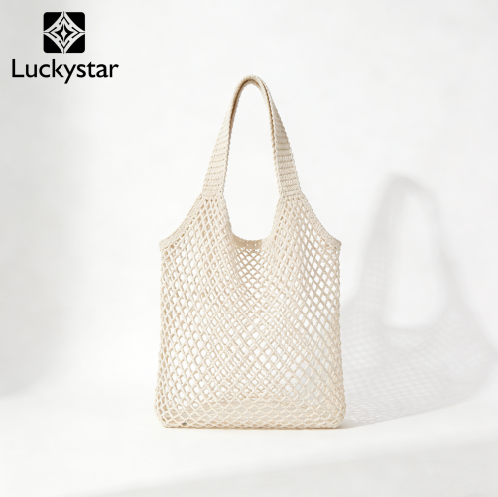
Can one material be called waterproof, recycled or eco-friendly?
Only with defined scope and evidence. “Waterproof” might refer to a material surface, while seams, zippers or openings still admit water. A recycled claim needs the proposed material, percentage, certificate or transaction evidence and chain-of-custody scope. “Eco-friendly” is too broad unless the specific advantage and boundary are stated. Review RPET Shopping Bag Certification and Sourcing and Eco-Friendly Bag Manufacturer: Claim Evidence Audit before publishing claims.
3. Branding and artwork
Which printing or decoration method should we use?
Match the method to the actual substrate, artwork detail, colour count, print area, order route, desired feel and performance requirement. Screen printing, heat transfer, digital methods, embroidery, embossing, debossing, labels and hardware solve different problems. Approve decoration on the production-representative material because texture, coating, heat and colour can change the result.
Use the Custom Tote Bag Printing Methods and Custom Shopping Bag Printing Methods comparisons. For focused decisions, see Screen Printing vs Heat Transfer, Heat Transfer Printing for Custom Bags, Screen Printed Bag Production Control and Embossed and Debossed Logos on Bags.
What artwork files are needed?
Provide editable vector artwork where appropriate, linked or embedded assets, fonts or outlined text, colour references, finished print dimensions, position from defined bag edges, number of locations and an artwork revision. Also identify which visual is an exact brand requirement and which is a supplier-production adjustment. A digital proof controls content and placement; a physical sample or strike-off controls how the decoration appears on the material.
Can a supplier guarantee exact colour from a screen?
No screen preview is a physical colour standard. Base material, texture, gloss, opacity, lighting, ink or thread and decoration method affect appearance. Agree a physical reference, colour route, viewing condition and tolerance appropriate to the product. If repeat orders matter, retain the approved artwork revision, material reference and colour evidence.
4. MOQ, price, samples and timing
What is the typical MOQ for custom bags?
There is no single MOQ that applies to every bag. MOQ can be constrained by material purchase, dyeing or colour route, printing setup, moulds or tooling, hardware, labels, carton efficiency and the number of SKUs. Ask for the MOQ under your exact specification and quantity split. The Custom Bag MOQ Buyer Guide explains how to compare a lower-volume route with a production-efficient route.
Why can two quotations be very different?
The quotations may not describe the same product or commercial basis. Check material identity and construction, dimensions, reinforcement, decoration, labels, individual packing, carton quantity, sample or tooling charges, inspection, test requirements, Incoterm, freight assumptions and quotation validity. Use the Custom Bag Cost Guide to build a landed-cost comparison instead of ranking one unit-price column.
Can cost be reduced without reducing quality?
Sometimes. Simplify where the feature does not support the customer experience or CTQ: reduce unnecessary SKU fragmentation, standardize hardware, use production-efficient dimensions, simplify artwork, improve carton utilization or align material choices across related items. Do not quietly remove reinforcement, lower material construction or change decoration after approval. See How to Reduce Custom Bag Cost and Lead Time for a controlled value-engineering process.
What sample stages may be needed?
| Sample stage | What it can answer | What it cannot approve alone |
|---|---|---|
| Stock reference | General scale, material family or construction idea. | Your exact dimensions, colour, artwork and packing. |
| Material or colour swatch | Surface, colour direction, texture or coating route. | Finished sewing, fit, load route and decoration. |
| Prototype | Size, shape, opening, compartments and construction feasibility. | Bulk colour and production-process consistency. |
| Decorated sample | Logo method, size, position, colour interaction and surface result. | Unspecified bulk tolerances or carton pack-out. |
| Pre-production sample | Agreed material, construction, branding and packing reference. | Automatic release of bulk without the agreed inspection evidence. |
The Custom Bag Sample Development Process covers stage gates for general bags. Shopping-bag teams can also use the Custom Shopping Bag Sample Development Process.
How long do sampling and production take?
Ask for a milestone schedule tied to the project. It should state when artwork, material, sample feedback, commercial confirmation and production release are due; what happens after each approval; and whether the requested delivery date means ex-works, port departure or arrival. Special material, hardware, decoration, testing, revisions, peak capacity and freight route can change timing. Treat a lead time as an order-specific written confirmation.
5. Quality control and repeat orders
What should a custom bag quality plan contain?
Define critical-to-quality characteristics: material and colour reference, finished dimensions, construction and seam requirements, handle or strap attachment, closure function, logo appearance and placement, labels, cleanliness, packing and carton marking. For each CTQ, identify the inspection method, timing, sampling or frequency, acceptance rule, record and release authority.
Start with the Custom Bag Quality Inspection Checklist and Bag Quality Standards: Build a CTQ Acceptance Plan. Shopping-bag projects can use the Custom Shopping Bag Quality Control Checklist.
Is AQL always the correct answer?
AQL is one sampling approach, not a universal quality promise. The purchase specification must define the inspection level or sample plan, lot definition, defect classes, acceptance values, critical defects, reinspection and disposition authority. Functional or destructive tests may need separate frequencies. Never copy an AQL number from another product and assume it matches the current buyer’s risk.
Which bag tests are required?
Required tests depend on use, claim, buyer protocol, material, destination and product contact. Possible checks include measurements, seam or handle performance, opening and closure cycles, abrasion, colour transfer, print adhesion, loading, coating or water exposure and restricted-substance testing. Agree method, conditioning, specimen, acceptance criteria and report scope before production. The Reusable Shopping Bag Testing Guide gives a decision framework without treating one test list as universal.
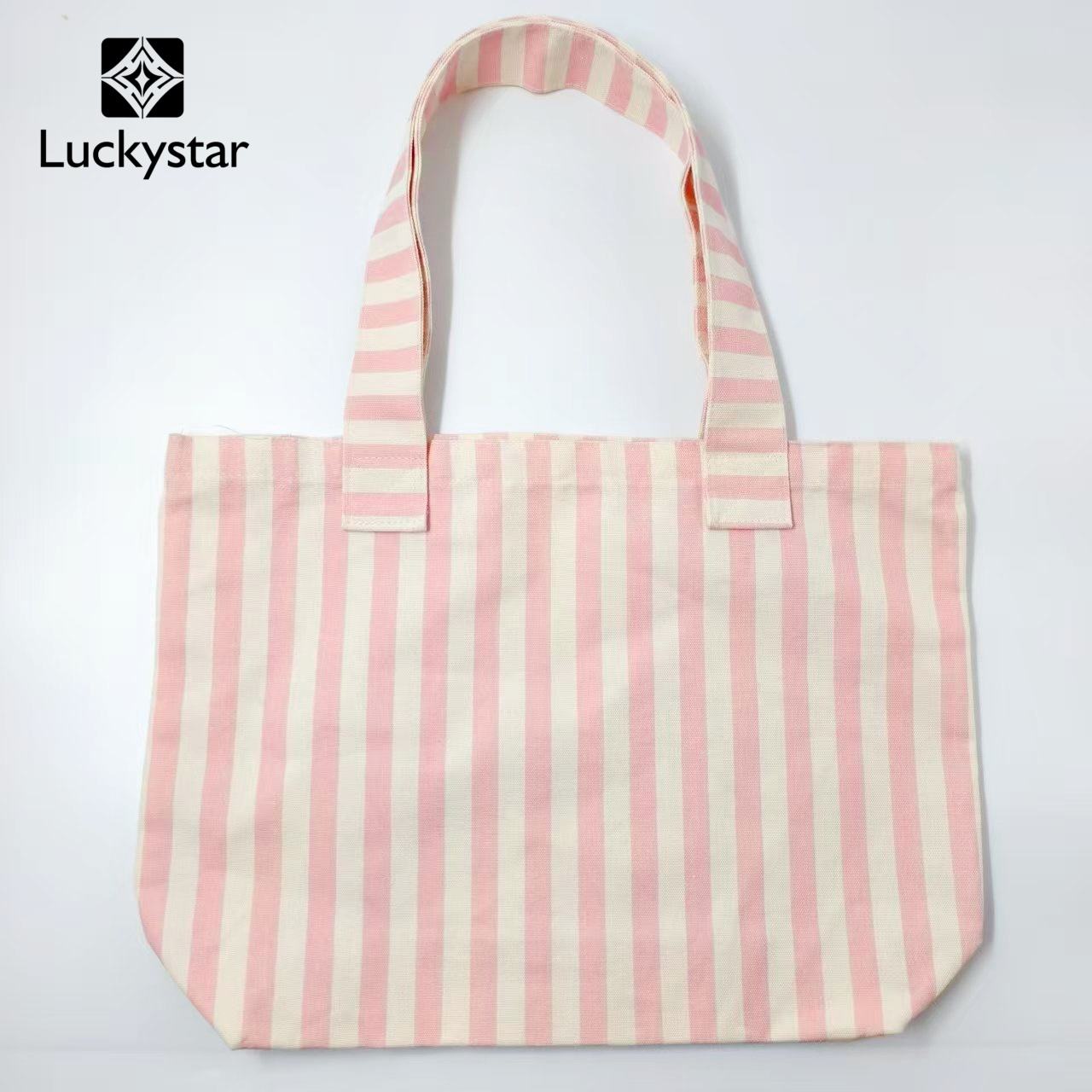
How can repeat orders stay consistent?
Retain the approved sample, specification revision, bill of materials, artwork, colour reference, supplier material reference, tooling or method details, pack-out and inspection history. Require notification before changing material source, construction, decoration, hardware, label, tooling or production route. Reorders should compare against retained evidence, while still recognizing that materials and processes have realistic, agreed tolerances.
6. Compliance, packing and delivery
Does one certificate cover every LUCKYSTAR bag?
No. A certificate or report may apply only to one legal entity, material, sample, model, component, order, issuer scope or validity period. Do not expand a single report to an entire product line. Before making a claim, verify the document owner, applicant, manufacturer where stated, sample description, test method, conclusion, issue date, validity, authorized use and whether the proposed order matches the tested scope.
What should be confirmed for individual packing and cartons?
Specify folding method, inserts, tissue, protective film, individual bag, barcode, warning or market labels, units per inner and master carton, carton dimensions, gross and net weight targets, marks and pallet requirements. Approve a golden pack-out sample. Packing affects appearance, labour, freight volume and receiving efficiency, so it should be priced and inspected as part of the product.
Which Incoterm or shipping method is best?
No method is best for every order. Ask who is responsible for export handling, main freight, insurance, import clearance, duties, taxes and final delivery; where risk transfers; which documents are supplied; and whether the quotation includes destination charges. Compare landed cost and schedule risk rather than freight price alone. The How to Import Custom Bags from China guide covers supplier checks, documents, inspection, freight and customs planning.
7. Product-specific starting points
| Project | Start with | Then verify |
|---|---|---|
| Custom tote bag | How to Choose a Tote Bag Manufacturer | Fabric construction, size, handle route, reinforcement and branding. |
| Custom cosmetic bag | How to Choose a Cosmetic Bag Manufacturer | Opening, lining, zipper/hardware, compartments, care and product fit. |
| Custom drawstring bag | Custom Drawstring Bag Supplier Guide | Usable height, cord channel, cord/eyelet route, material and closure function. |
| Custom shopping bag | Custom Shopping Bag Printing Methods | Material, converting process, handles, bottom/gusset, artwork and pack-out. |
8. Troubleshooting common sourcing situations
How can buyers compare suppliers fairly?
Give shortlisted suppliers the same RFQ revision, quantity split, packing requirements, evidence list, Incoterm and requested schedule. Then normalize each response before scoring it. A lower quote may exclude decoration, individual packing, testing, inspection or destination charges; a longer quotation may simply identify more assumptions. Compare product scope, sample route, change control, quality evidence, communication ownership and landed-cost basis—not only the headline unit price.
What should happen when a sample does not meet the brief?
Record the gap against a numbered requirement rather than saying the sample “does not look right.” Mark the measured result, photograph the issue, state the required correction, identify whether artwork, material, construction or workmanship caused it and issue a new revision. Confirm which points passed so they are not accidentally changed. A corrected sample should clearly state what was revised and which previous approval it replaces.
Can material or hardware change after sample approval?
Only through controlled reapproval. The supplier should identify the proposed substitute, reason, affected characteristics and available evidence. The buyer then decides whether a swatch, component sample, decorated panel, functional check or complete pre-production sample is needed. A visually similar zipper, coating, cord or fabric can behave differently in sewing, decoration, loading, packing or use, so undocumented substitution creates avoidable repeat-order risk.
How should a quality issue be reported?
Provide the order and SKU, specification and artwork revision, affected quantity, defect description, photographs with scale, location on the bag, carton or sequence information and whether the issue is isolated or repeated. Separate containment from root-cause analysis: first identify and protect conforming stock, then investigate material, method, equipment, handling or change history. Agree who can rework, replace, downgrade or reject affected goods.
Can several products be packed or shipped together?
Potentially, but consolidation should be confirmed for the specific project. Check legal entities, export documents, pickup points, production readiness, carton marks, compatibility, customs descriptions, freight basis and responsibility if one item is late. A consolidated shipment can reduce handling in some situations, but it can also delay ready goods or complicate documents. Ask for a written consolidation plan and revised landed-cost comparison.
| Situation | Evidence to request | Decision owner |
|---|---|---|
| Quotation assumptions differ | Normalized cost sheet listing inclusions, exclusions, validity and delivery basis. | Buyer or sourcing owner. |
| Sample correction | Commented sample report, new revision and retained pass/fail points. | Named product approval owner. |
| Material substitution | Change notice, comparison, supporting evidence and reapproval record. | Buyer plus technical/quality owner where required. |
| Bulk defect | Containment record, affected quantity, inspection result and disposition authorization. | Agreed buyer/supplier quality authority. |
| Shipment consolidation | Carton list, document plan, readiness milestones, cost and responsibility matrix. | Logistics and commercial owners. |
What should you send for a useful quotation?
- Bag type, intended use and the products it must hold.
- Finished external and usable internal dimensions, plus packed weight.
- Material and construction direction, with performance priorities.
- Vector artwork, colours, decoration size, location and number of sides.
- Handle, strap, cord, zipper, hardware, lining, pockets, labels and reinforcement.
- Quantity by design, colour, size and delivery destination.
- Sample stage, approval owners and required evidence.
- Inspection, testing, claim and market-specific requirements.
- Individual packing, carton, barcode, marks and delivery basis.
LUCKYSTAR can review a defined project brief and identify the decisions still needed before a quotation is comparable. MOQ, pricing, sample route, timing, testing and performance remain subject to specification and written confirmation.
Send your custom bag specification for review. Or email a prefilled sourcing brief.
If the project covers several bag types, contact LUCKYSTAR with the SKU list and one shared delivery brief so common materials, branding and packing can be reviewed together.






