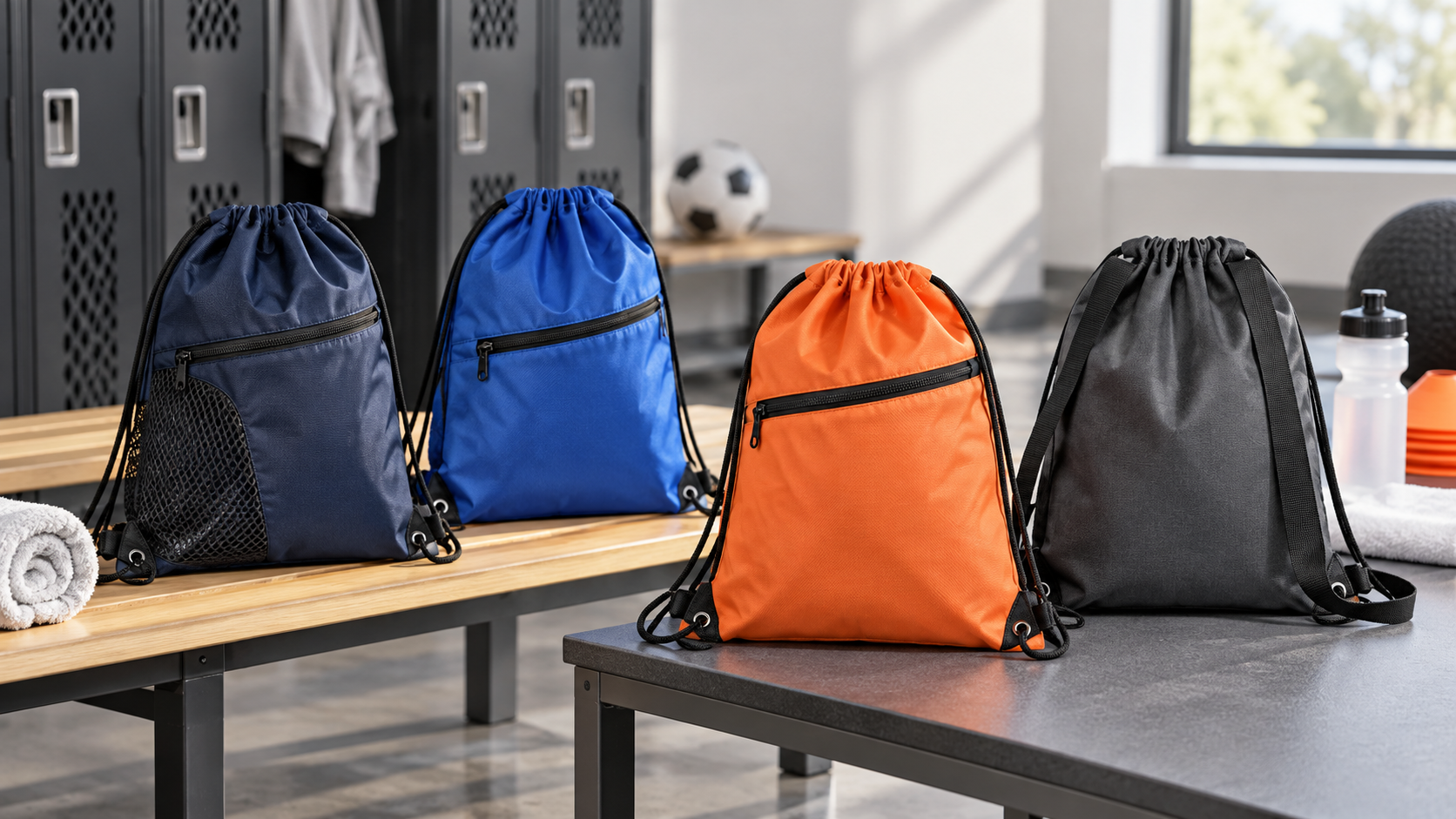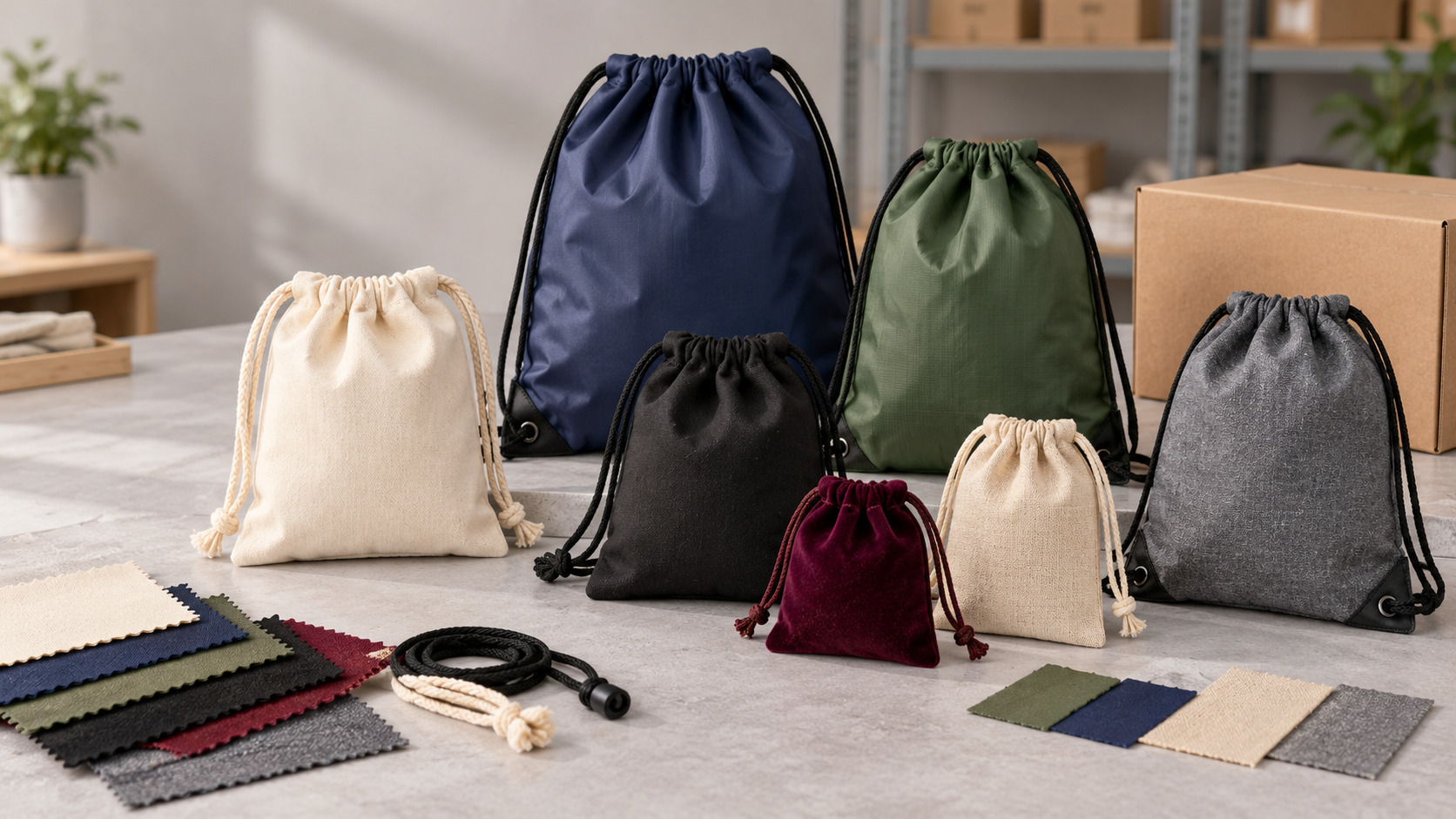
Last reviewed: September 28, 2026
A bag can look excellent in a sample room and still fail in the market because nobody converted the brand promise into measurable acceptance rules. Bag quality is not a mood, a price tier or a final inspector's opinion. It is the degree to which a defined product meets stated and implied needs under agreed conditions.
This guide shows buyers how to build a Critical-to-Quality, or CTQ, acceptance standard for custom bags. It links customer use to measurable characteristics, test methods, tolerances, defect consequences and release decisions. For the wider sourcing sequence, supplier qualification and commercial controls, use the Custom Bag Manufacturer Guide.
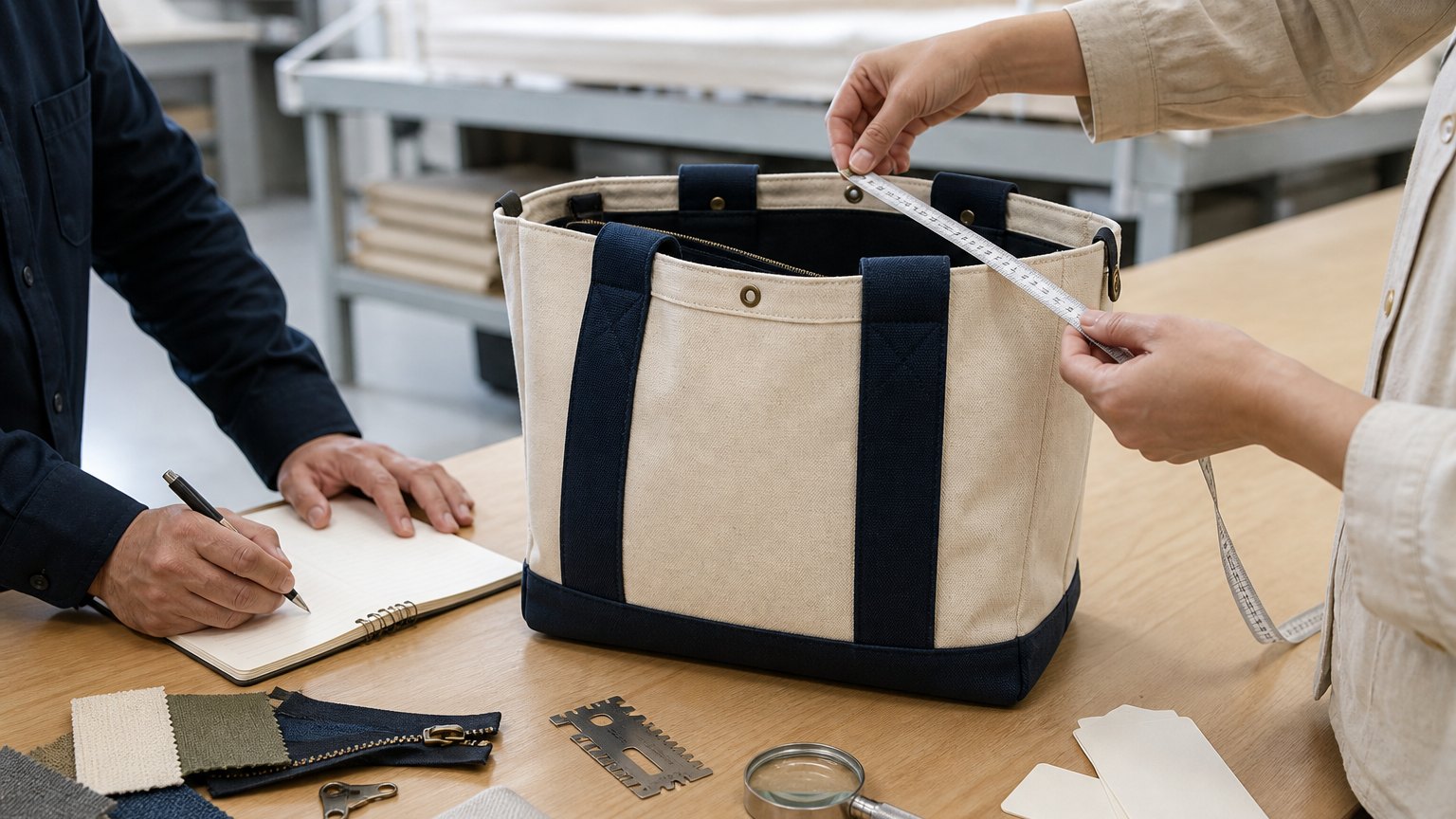
A quality requirement becomes controllable only when the characteristic, method, condition, tolerance and decision rule are defined together.
Buyer Quick Answer
Start with the bag's real job, list the failures that would harm the user or brand, and select the few characteristics that prevent those failures. For every CTQ, record the target, unit, point of measure, sample condition, test method, tolerance, sample size or test quantity, defect severity, evidence and release owner. A golden sample supports this file but does not replace it. Final inspection can verify an agreed standard; it cannot invent one after production.
Scope: A Bag Quality Standard, Not Another Inspection Checklist
This article defines the acceptance target before inspection begins. It does not repeat the stage-by-stage checks in the Custom Bag Quality Inspection Checklist, the production sequence in the custom bag manufacturing process, or general supplier due diligence in How to Choose a Custom Bag Manufacturer. Those pages answer where, when and by whom evidence is collected. This page answers what "conforming" means.
What Bag Quality Actually Means
ASQ describes quality in technical use as characteristics that satisfy needs and freedom from deficiencies. That is a more useful starting point than "premium." A lightweight promotional drawstring bag and a structured retail tote can both be high quality when each meets its intended requirements. The mistake is applying one vague standard to different jobs. Begin with fitness for use, then translate that use into observable and measurable product outcomes.
The ASQ Quality Glossary also distinguishes customer requirements, key product characteristics, tolerance and repeatability. Together, those ideas explain why a measurable specification and a repeatable method belong in the same document.
Convert the Customer Promise Into CTQs
Write the customer promise in operational language. "A dependable daily commuter bag" may imply that the strap carries a named peak load, the zipper operates through a chosen cycle count, the laptop compartment fits a defined device envelope, the coating resists an agreed exposure, and the bag remains comfortable along a real carry route. Each promise should create one or more product characteristics that can be designed, verified and released.
ASQ's House of Quality guidance connects customer requirements to measurable design targets.
Build a Three-Level CTQ Hierarchy
Use three levels: need, performance driver and characteristic. "Protect the contents" is the need. Closure security, base stability and impact buffering are performance drivers. Zipper stop retention, loaded upright stability and foam thickness at named panels are measurable characteristics. This hierarchy prevents the team from treating a material name such as "600D" as the final requirement when the customer actually needs protection.
- Need: what the user or channel must experience.
- Driver: the product behavior that creates that experience.
- CTQ: the characteristic and limit used to accept the output.
Write Every Acceptance Line the Same Way
A useful acceptance line contains nine fields: CTQ ID, product location, characteristic, target or reference, tolerance or limit, method, condition, sampling or test quantity, and decision rule. Add revision, owner and evidence location for document control. If one field is missing, two competent inspectors can reach different conclusions while both believe they followed the specification.
CTQ Master Table for a Custom Bag
| Customer need | Example CTQ | Method and condition | Acceptance output |
|---|---|---|---|
| Carries the intended load | Handle attachment survives the defined loaded-use sequence | Approved load, fill profile, lift pattern and cycle count | No seam opening, webbing slip or panel tear beyond the written limit |
| Fits the named contents | Usable opening and compartment envelope | Named points of measure with bag in the specified empty or filled condition | All controlled dimensions inside tolerance and fit trial passes |
| Opens reliably | Zipper operation and stop security | Defined pull direction, speed, bag support and cycle quantity | No jamming, tooth separation, stop loss or prohibited force trend |
| Presents the brand consistently | Logo location, color and visible workmanship | Controlled lighting, viewing distance, substrate and approved reference | Within numeric placement limits and named appearance boundaries |
| Ships and arrives correctly | Pack-out, labeling and carton identity | Approved packing sample and order allocation file | Correct SKU, count, protection and label at every defined level |
CTQ Family 1: Functional Performance
Functional CTQs answer whether the bag does its job. Examples include load carrying, closure operation, leak or thermal behavior, compartment access, convertibility, foldability and upright stability. Select only the functions relevant to the use case. A cooler bag needs a route-specific thermal plan; a simple tote does not. The custom cooler bag factory guide shows how an assembly-specific test differs from a generic quality slogan.
CTQ Family 2: Dimensions, Fit and Capacity
Dimensions must name the points of measure and the bag condition. Overall width can mean top edge, base seam or maximum gusset spread. An unstructured bag changes shape when filled; a padded compartment loses usable space to foam and binding. Combine exterior points of measure with a real-content fit check when fit drives the purchase. The method should say whether the bag is flattened, naturally relaxed or filled with a standard profile.
CTQ Family 3: Construction and Interfaces
Many failures occur where components meet: handle to body, zipper to opening, lining to shell, piping around corners, reinforcement to load path and hardware to webbing. Control the interface rather than approving each component independently. A strong webbing strap is irrelevant if its stitch area, backing panel or edge distance cannot transfer the load. Construction CTQs should identify the seam or attachment, not merely say "strong stitching."
CTQ Family 4: Appearance and Brand Execution
Appearance can be controlled without pretending every judgment is numeric. Use measurements for logo size and placement, controlled references for approved color and texture, and boundary samples or annotated images for acceptable workmanship variation. State viewing distance, lighting and whether the bag is filled. A tiny mark visible only under magnification should not automatically carry the same consequence as a front-panel stain visible at retail distance.
CTQ Family 5: Evidence, Claims and Pack-Out
Some CTQs govern records and identity rather than the bag alone: correct material lot, approved artwork revision, traceable claim evidence, care label, carton mark and SKU allocation. Do not write "certified material" without naming the component, claim, scheme and evidence needed for the actual order. The eco-friendly bag claim evidence audit separates certificate scope from order-level proof.

The approved evidence set should connect product samples, construction references, measurements, component identity and release records.
Prioritize CTQs by Failure Consequence
Not every detail deserves equal control. Rank failures by effect on safety or legal exposure, core function, customer use, brand presentation, downstream assembly and cost of escape. A sharp detached hardware part, a failed handle or an incorrect regulated label can require immediate containment. A small internal stitch tail may be minor if it does not affect function or presentation. Priority determines prevention, test quantity and escalation, not simply inspection attention.
Separate Specification From Preference
"Neat," "premium" and "good hand feel" are preferences until they are linked to a reference and boundary. Replace "straight logo" with an angular or positional limit. Replace "smooth zipper" with an operating method plus prohibited events and, where justified, a force range. Replace "same color" with an approved physical reference, viewing condition and agreement about instrument data or visual assessment. Leave genuine design choices in the approval process instead of disguising them as defects.
Define the Measurement Method Before the Number
A tolerance without a method is incomplete. Name the tool, resolution, measurement path, datum, bag support, operator action and reporting precision. For soft goods, pulling the fabric flat can add centimeters that disappear when the bag relaxes. For seam allowance, a destructive section may be required; it cannot be checked on every finished unit. The custom bag tech pack guide explains how points of measure and construction instructions fit into the controlled product file.
Control Sample Conditioning and Test State
Record formal conditioning when a method requires it, but also control practical state: folded or unfolded, empty or loaded, zipper open or closed, strap length, and recovery time after unpacking. The same bag can measure differently immediately after compression and after recovery.
Set Tolerances From Function and Process
Do not copy one tolerance across every dimension. Start with the maximum variation the user, component interface, packing plan or decoration can accept. Then check whether the selected material and process can hold that range. Soft panels may tolerate more variation than a fitted insert or zipper opening. If the functional limit is tighter than proven capability, change the design, process or test strategy before bulk release.
State the Decision Rule
The decision rule says how evidence becomes release, hold, rework or rejection. Define whether a result exactly on the limit passes, what happens when a result is inconclusive, whether retest is permitted, who reviews borderline appearance, and whether rework triggers full or focused reinspection. NIST defines a decision rule as the rule describing how measurement uncertainty is considered when stating conformity to a requirement.
Account for Measurement Uncertainty Where It Matters
Bag inspection rarely needs metrology-laboratory complexity, but the principle matters when tolerances are tight or decisions are costly. Tool accuracy, operator technique, a flexible datum and environmental state all add variation. NIST explains that measurement produces a value with uncertainty. If the measurement system cannot reliably distinguish acceptable from unacceptable output, improve the method or widen the design margin rather than arguing over the last digit.
Create One Controlled Reference Package
The reference package should include the tech pack revision, bill of materials, measurement chart, artwork, color references, approved construction sample, test methods, CTQ table, defect catalog, packing specification and change history. Give every artifact an owner and revision. The custom bag sample development process helps buyers turn prototype comments into a production-ready reference.
Know What the Golden Sample Cannot Prove
A sealed sample is valuable physical evidence of shape, construction and appearance. It does not define an invisible material grade, destructive seam result, full size tolerance, repeat-order substitution rule or acceptable defect rate. It also ages, fades and can be lost. Use the sample as one controlled artifact and convert its critical attributes into written or measured requirements. "Same as sample" is not enough for a scalable program.
Build the Test Plan From Failure Modes
Ask how the bag is most likely to fail in use, transport, storage and care. Then choose tests that reproduce the relevant stress with controlled inputs. A test is useful only when its method, sample quantity, preconditioning and pass criteria are defined before results arrive. ASTM's zipper guidance notes that no single zipper strength test determines suitability for every end use; the same system thinking applies to an assembled bag.
Engineer Seam and Strap CTQs Around the Load Path
Specify what carries the load from contents to base, body, reinforcement, stitch field, webbing and hardware. CTQs may include attachment geometry, stitch type or count range, seam allowance at a named section, reinforcement dimensions, prohibited needle damage and loaded-use outcome. For reusable totes, the reusable tote bag manufacturing process maps this load path through cutting and sewing.
Evaluate Closures and Hardware as Assemblies
Zipper tape, chain, slider, puller, stops, opening geometry and sewing alignment form one system. A component certificate or supplier specification cannot prove the finished assembly operates under the real bag load. Define opening state, pull direction, cycles, prohibited snagging, stop security and visual damage. Apply the same assembly logic to snaps, magnets, buckles, hooks and adjustable straps.
Match Material and Appearance Tests to the Risk
Fiber name, denier or GSM does not by itself prove performance. Identify the property that affects use: abrasion, tear, seam behavior, coating adhesion, color transfer, cleaning response, odor, water behavior or surface recovery. Test the finished combination when lamination, print, embroidery or sewing changes the material. For life-cycle performance, the Sustainable Bags That Last guide converts expected use into a durability requirement.
Include Loaded Use, Packing and Recovery
Many bags pass empty-table inspection but fail after realistic filling, folding or compression. Use a defined payload profile, peak load, carry route, open-close pattern and recovery time. Confirm that packing does not create permanent creases, print transfer, zipper distortion or mixed SKUs. The tote bag receiving handoff guide connects factory pack-out evidence to warehouse verification.
Example Acceptance Matrix
| CTQ | Control statement | Evidence | Decision |
|---|---|---|---|
| Finished width | Named top-edge points, bag relaxed and empty, target plus/minus project tolerance | Recorded values by sample and tool ID | Pass within limits; hold affected lot if systematic drift appears |
| Handle attachment | Approved construction plus project load and cycle sequence | Pre-production destructive result and in-line construction checks | No prohibited opening, slip or tear; failed result triggers containment |
| Zipper operation | Close supported bag at defined fill; cycle along normal path | Cycle log and prohibited-event record | No jam, separation or stop failure in the agreed sequence |
| Logo placement | Measure from named panel datum, not from a flexible outside edge | First-off and lot sample measurements | Pass numeric placement; appearance reference resolves orientation |
| Pack-out identity | SKU, quantity, fold, protection and label match controlled allocation | Pack sample, carton photos and count records | Release only when product and document identity agree |
Classify Defects by Consequence
Critical, major and minor are decision categories, not adjectives. Define them for the actual bag and sales channel. A critical defect creates unacceptable safety, legal or severe use risk. A major defect makes the product unsuitable for its intended use or materially harms saleability. A minor defect departs from the standard without materially reducing use. Add product-specific examples and photos; do not rely on a generic list detached from the CTQs.
Use AQL as a Sampling Tool, Not a Quality Specification
Acceptance Quality Limit plans tell the team how to sample and decide on a lot under a named scheme; they do not tell the factory what a good bag is. The CTQ and defect catalog must exist first. ISO states that ISO 28590 introduces the ISO 2859 attribute-sampling series and helps select an appropriate inspection system. Your purchase documents should name the applicable plan, lot definition, inspection level, severity categories and accept/reject numbers rather than saying only "AQL inspection."
Assign CTQs to the Earliest Useful Control Gate
Some evidence belongs before production: material identity, artwork and construction feasibility. Some belongs at first-off: logo position, seam geometry and assembly behavior. Some is monitored in line: stitch formation, component identity and dimensional drift. Some belongs at final release: workmanship sampling, quantity, packing and order identity. The custom shopping bag factory readiness audit illustrates why verifying the right process boundary matters.
Control Changes Against the CTQ Baseline
Every proposed substitution or revision should identify affected CTQs and required evidence. A new fabric can change color, seam behavior, hand feel, print adhesion and packing volume. A zipper supplier change can alter dimensions and operating behavior. A shared module in an OEM family can spread one change across many SKUs; the OEM bag product platform guide explains how to manage that impact.
Compare Suppliers on the Same Quality Scope
A low quote can exclude destructive tests, retained standards, component traceability, in-line control or reinspection. Send the same CTQ table and ask every supplier to mark responsibility, method, test quantity, evidence, timing and cost. The quote should distinguish routine production control from third-party testing or buyer-specific validation. This makes quality scope visible before price negotiation.
| Supplier question | Weak answer | Decision-ready answer |
|---|---|---|
| Which CTQs are checked at first-off? | "All important details" | IDs, method, quantity, record and release owner are named |
| How are borderline results handled? | "QC will decide" | Decision rule, hold boundary, review authority and retest rule are written |
| What does the price include? | "Standard inspection" | Routine checks, destructive samples, external tests and reinspection are separated |
| How are changes controlled? | "We will inform you" | Revision, affected lots, CTQ impact, approval and evidence are traceable |
Track Quality Performance After Release
Useful metrics include first-pass CTQ acceptance, repeat defect rate, change-related failure, customer escape by CTQ family, rework hours and time from hold to disposition. Avoid a single "pass rate" that hides severity and repeat patterns. Connect complaints and returns back to the CTQ hierarchy: did the requirement fail, was the method weak, did the process drift, or was the need never translated into a characteristic?
Why Work With LUCKYSTAR on Bag Quality Standards?
LUCKYSTAR can help a buyer move from product intent to a controlled acceptance file across tote, drawstring, cosmetic, cooler, shopping and other custom bag routes. The discussion can align use case, BOM, construction, samples, CTQs, evidence gates, pack-out and change control before the bulk order is released.
For programs with multiple materials or SKUs, LUCKYSTAR can coordinate common standards while preserving category-specific tests. The goal is not to promise that every bag passes every possible test. It is to select defensible requirements, make evidence comparable and keep release decisions traceable.
Ask LUCKYSTAR to review your bag CTQ and acceptance plan. Send the intended use, contents, dimensions, material direction, artwork, order quantity, destination, target market, known failure risks and any required test or claim documents.
Frequently Asked Questions
What does CTQ mean in bag manufacturing?
CTQ means Critical to Quality: a product or process characteristic that must be controlled to satisfy an important customer, functional, safety, legal or brand requirement. It should have a defined method and acceptance limit, not only a descriptive label.
Is a golden sample enough to control bag quality?
No. It is valuable visual and construction evidence, but it cannot fully define tolerances, destructive results, invisible material identity, test conditions, sampling or change rules. Use it inside a controlled reference package.
How many CTQs should a bag have?
Use the vital few needed to prevent meaningful failures, then support them with ordinary specification and workmanship checks. Too few leave important risks undefined; too many make every detail equally urgent and weaken execution.
Should every CTQ be measured on every bag?
No. Some are verified by supplier records, some through first-off or destructive tests, some by in-line monitoring and some through final sampling. The control point and quantity should match risk, detectability and test cost.
Is AQL the same as a quality standard?
No. AQL-based plans support sample selection and lot decisions. The product specification, CTQs, defect definitions and methods state what conforms. Both may be needed, but they solve different problems.
Can one CTQ plan be reused for repeat orders?
Yes, when the product, method and risk remain valid. Review changes in materials, suppliers, components, artwork, packing, destination rules and customer complaints before reusing it. Keep revision and approval history.
Turn Bag Quality Into an Acceptance Contract
The most reliable quality conversation starts before inspection: what must the customer experience, which characteristic creates it, how will that characteristic be measured, and what decision follows the evidence? When those questions are answered in one controlled CTQ plan, samples, production checks and final inspection all point to the same definition of conforming output.
Review the current custom bag range, then use the custom tote bag supplier program to organize repeatable handoffs, the custom printed tote bag artwork approval guide for decoration CTQs, and the broader Custom Bag Manufacturer Guide to connect quality acceptance with sourcing, cost, MOQ and delivery.
Email a prefilled CTQ acceptance brief