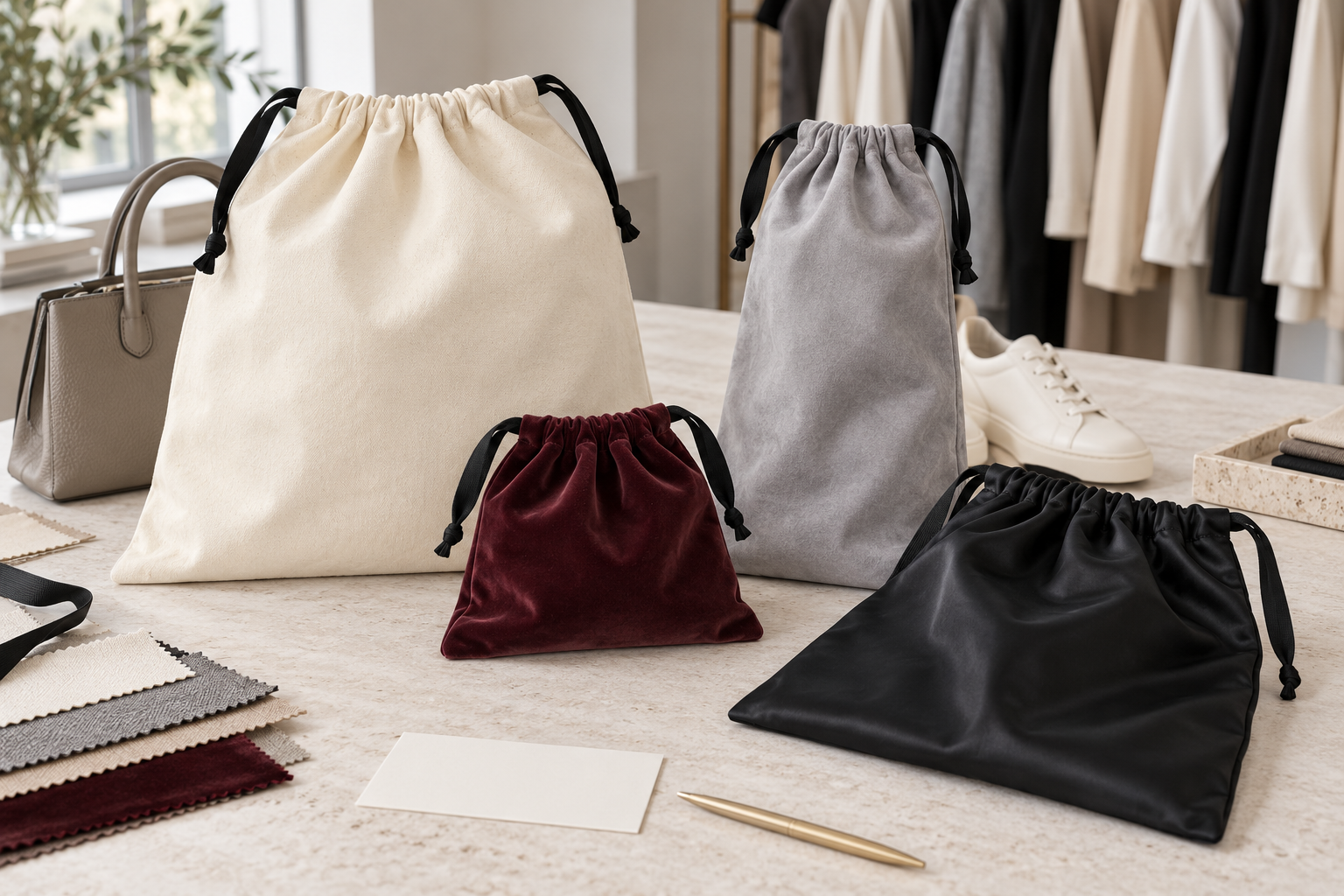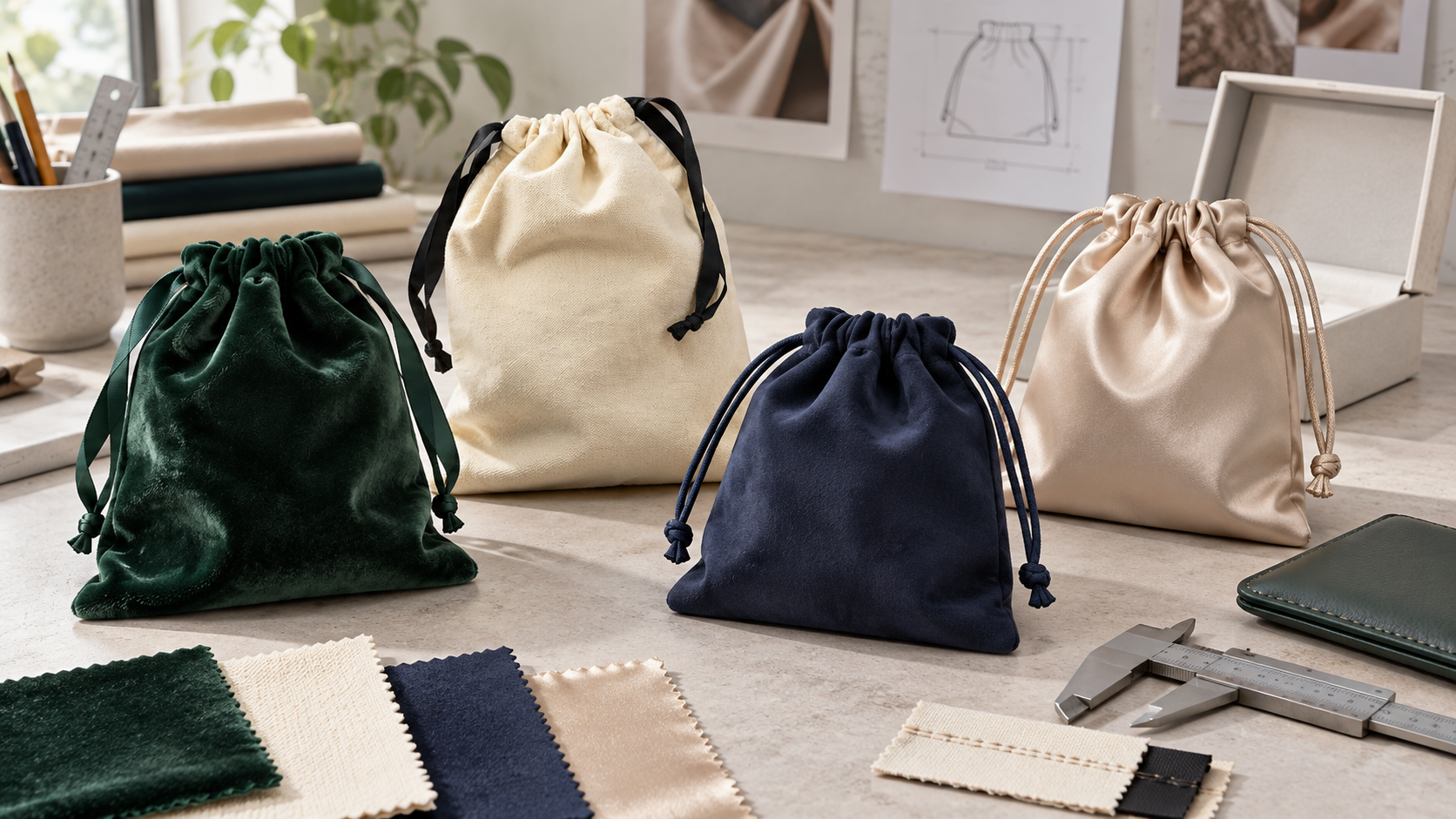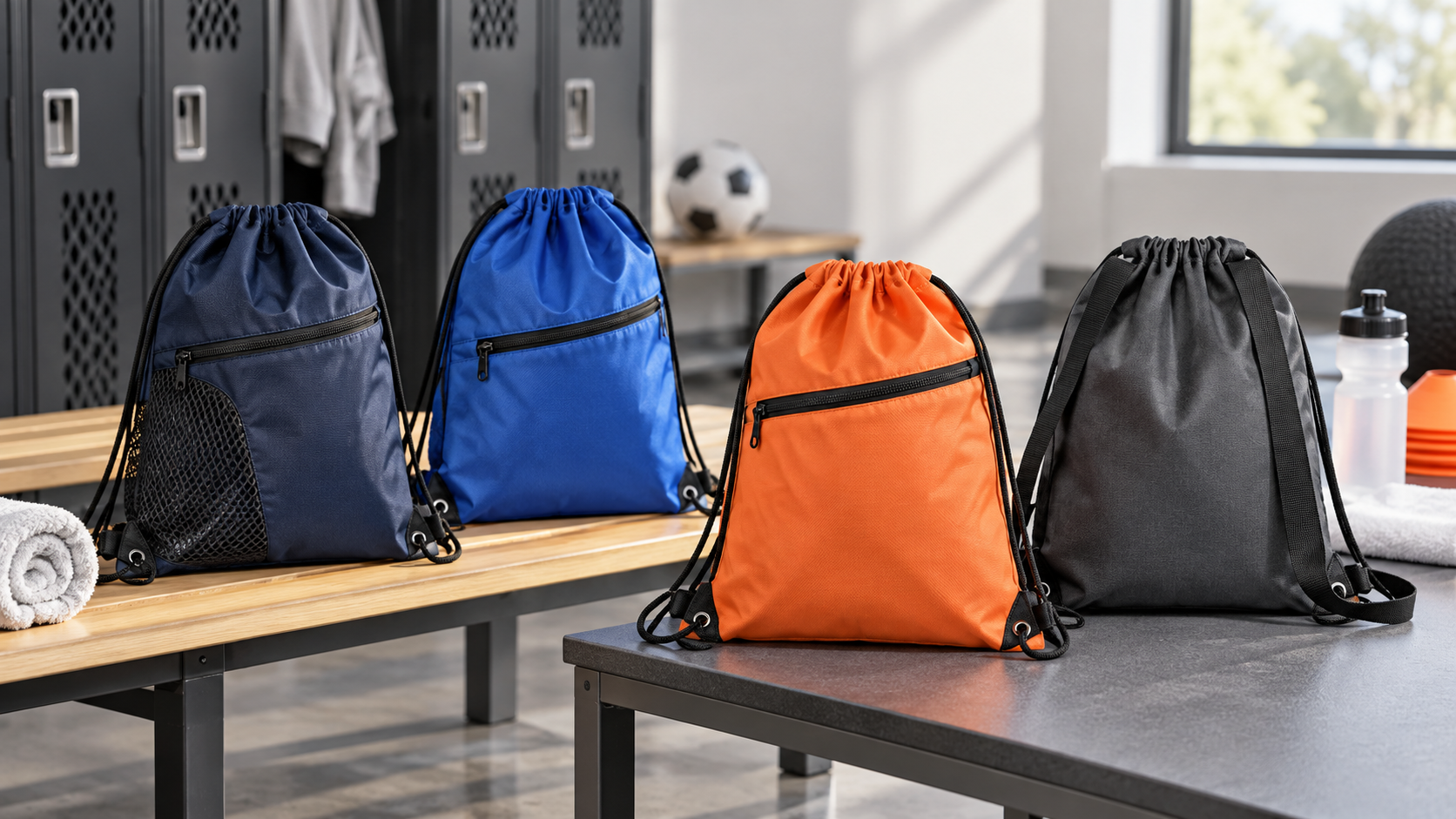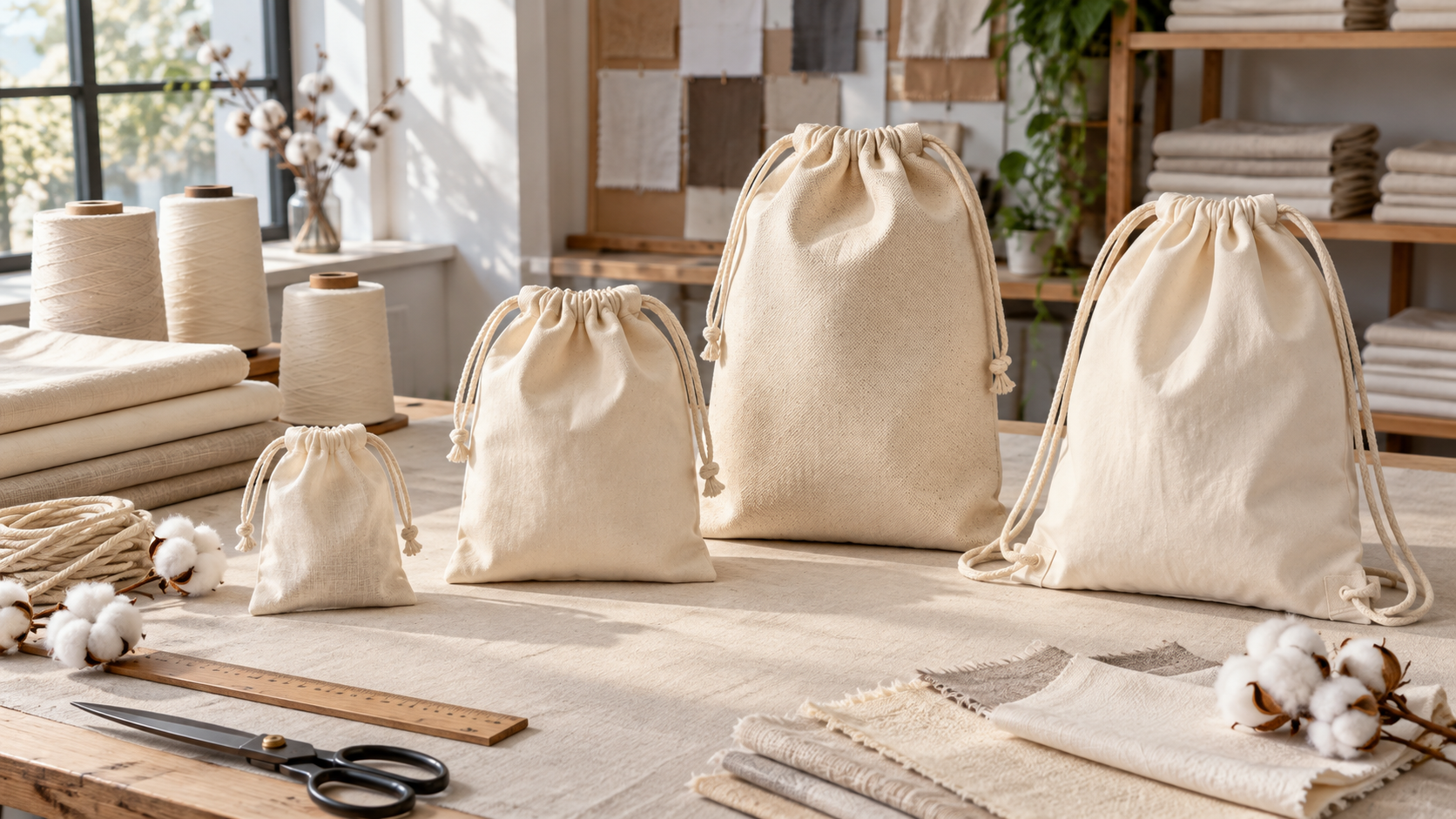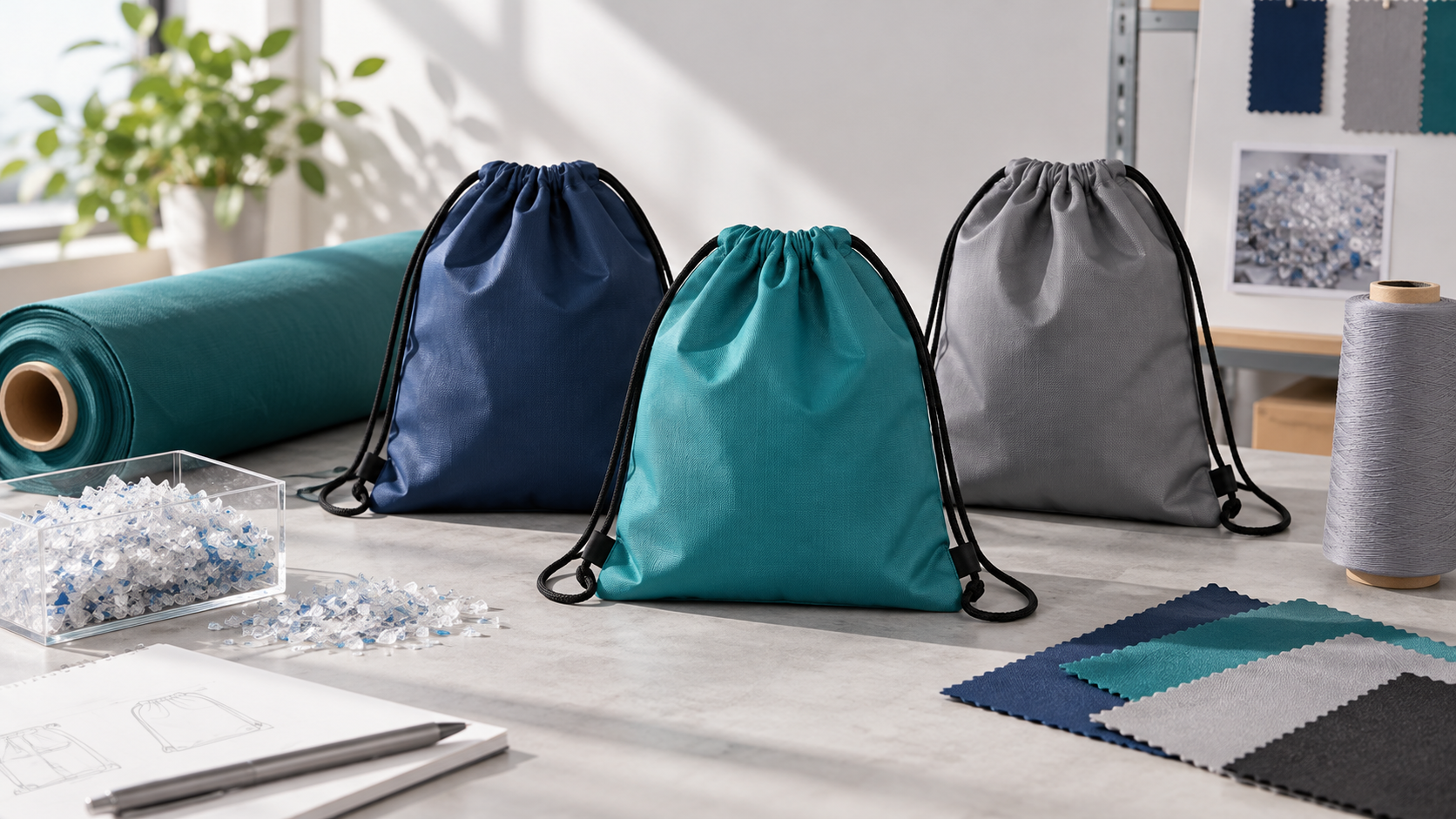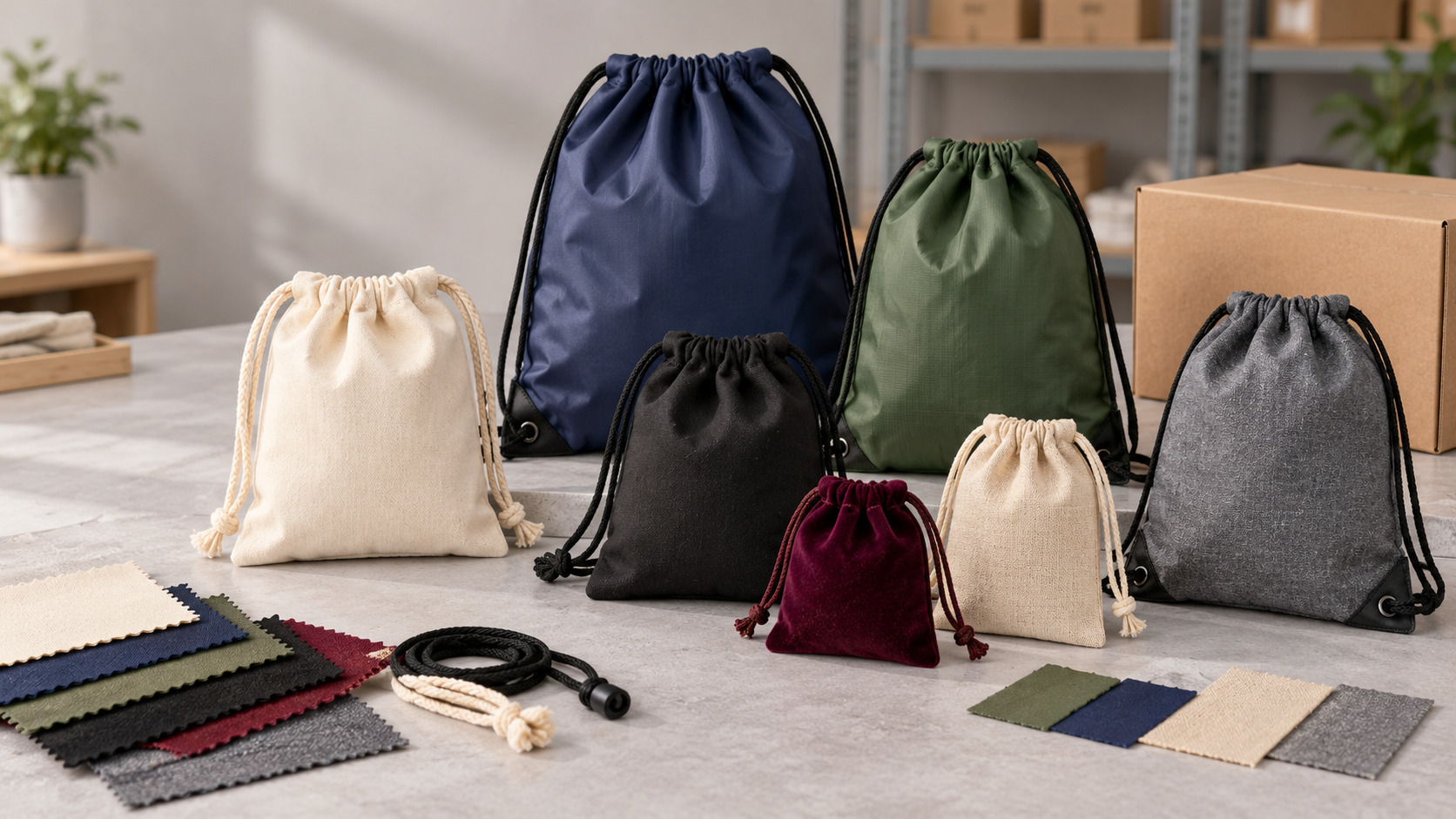
The custom bag sample development process moves from a written brief to a prototype, consolidated feedback, any required revisions and a documented production approval. Give every round a clear question to resolve, identify temporary materials and assign one approval owner. Bulk release requires a matching sample and specification with blocking issues closed.
Need a sample plan that can release bulk production? Send the bag use, drawings or reference, revision, materials, dimensions, artwork, sample purpose, tests, quantity, target market and required arrival date. LUCKYSTAR can return its proposed sample stages, substitutions, evidence, charges and approval gates for written review.
The most effective custom bag sample development begins with a clear brief and ends with an approved physical reference supported by written specifications. When either end is missing, the same sample can be interpreted differently by the buyer, merchandiser and production team. This guide explains how to control that process, what to review at each stage and how to give feedback without creating avoidable rounds.
If you are still selecting the right supplier, start with our Custom Bag Manufacturer Guide. To identify a suitable construction before development begins, browse our product range.
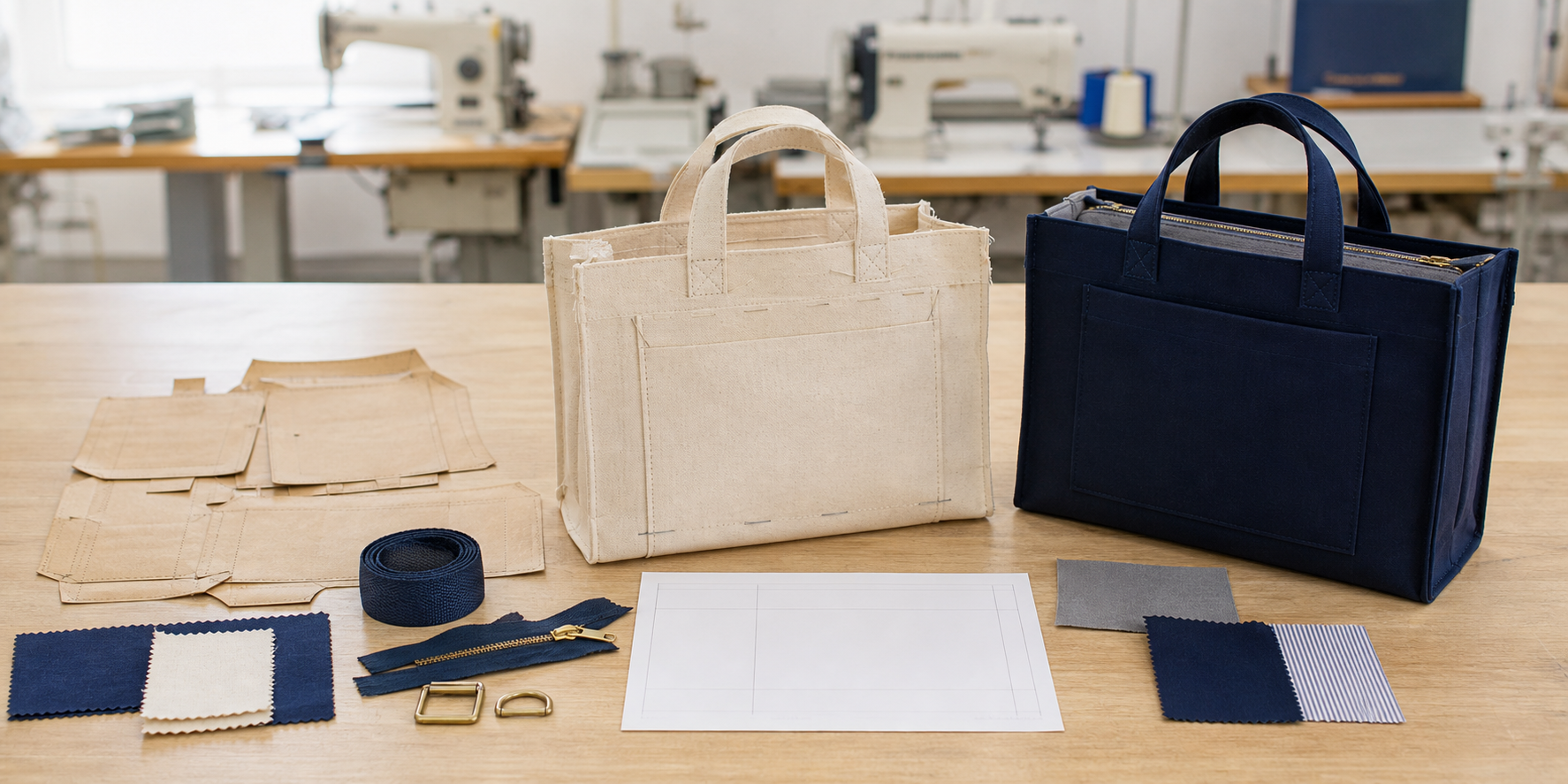
A reliable sample process makes each change visible: first the pattern and construction, then the materials, details and production-ready standard.
What should a custom bag sample prove?
A sample should reduce uncertainty. It does not need to prove every compliance point in the first round, but it should have a defined purpose. A rough construction prototype may be perfect for checking dimensions and pocket access even if the fabric color is temporary. A pre-production sample has a different job: it should represent the materials, artwork, workmanship and packing standard expected from bulk production.
| Question to resolve | Evidence from the sample | Typical buyer decision |
|---|---|---|
| Is the size and shape right? | Finished dimensions, capacity, silhouette and opening | Approve or revise proportions |
| Will it perform as intended? | Load, access, closure, comfort and reinforcement checks | Confirm function or strengthen key areas |
| Do the materials support the product? | Fabric hand feel, structure, lining, webbing and hardware | Approve exact inputs or request alternatives |
| Is the branding producible? | Logo size, color, position, edge quality and adhesion | Approve artwork execution and tolerances |
| Can the standard be repeated? | Construction details, measurements and documented workmanship | Freeze the reference for production |
The custom bag sample development process at a glance
The route below suits most cut-and-sew tote, cosmetic, shopping, drawstring, cooler, backpack and travel bag projects. Simple adaptations may combine stages. New structures, specialty materials or regulated end uses may require additional prototypes and testing.
| Stage | Factory activity | Buyer input | Gate before moving on |
|---|---|---|---|
| 1. Brief review | Clarify use, construction, quantity, timing and risks | Sketch, dimensions, reference, target market and priorities | Open questions are recorded |
| 2.Material direction | Propose fabric, lining, webbing, zipper and hardware | Performance, color, compliance and budget requirements | Sample substitutions are disclosed |
| 3. Pattern engineering | Build patterns, seam allowances and assembly route | Confirm critical dimensions and carrying method | Construction is feasible |
| 4. First prototype | Cut, decorate and assemble the first physical piece | Wait for the complete sample before changing scope | Prototype is measured and photographed |
| 5.Review and feedback | Compare sample with specification and list deviations | One consolidated, prioritized comment set | Every comment has an owner and action |
| 6. Revision | Update pattern, materials, artwork and workmanship | Approve resolved points; flag remaining risks | New revision is traceable |
| 7. Pre-production sample | Make the production reference using confirmed inputs | Final approval, signed sample or written release | Specification is frozen |
| 8.Production handoff | Issue BOM, artwork, patterns, tolerances and quality points | Approve any documented limitation | Production team has one current standard |
Stage 1: convert the idea into a sample brief
A reference photo shows appearance, but it rarely defines the product. Begin with intended use, finished dimensions, expected load, target quantity, destination market and delivery window. Add the preferred material, body and lining color, closure, pockets, handles, reinforcement, logo method, labels and packing when known.
Separate requirements from preferences. For a laptop bag, identify the device model or its measured outside dimensions and required clearance; a screen diagonal alone does not define compartment fit. Mark functional requirements separately from appearance preferences so the sampling team knows which features must remain fixed.
A useful brief also identifies the decision maker. When marketing, product, purchasing and compliance teams comment independently, a sample can move in several directions at once. Name one person who will combine internal feedback and authorize each round.
Stage 2: confirm materials and allowed substitutions
The first prototype is not always made from bulk material. A custom-dyed fabric may not exist until after color approval or production booking. A bespoke zipper pull may require tooling. The sample room may therefore use a substitute to prove shape and construction. That is acceptable only when the substitution is visible in the sample record.
Record the proposed material name, weight or thickness, color reference, finish and performance requirement. Do the same for lining, foam, webbing, zipper, buckle, thread and label. If a component is temporary, state what it proves and what it does not. A stock zipper in the first prototype can confirm opening length, but it cannot approve the final puller, plating or tape color.
Stage 3: pattern engineering and first prototype
The pattern translates finished dimensions into cut pieces, seam allowances, folds, gussets, bindings and attachment points. A change that looks small on a sketch can affect several pieces. Moving a zipper may alter the opening, lining pattern and assembly order. Increasing handle drop may require a different reinforcement area.
During first-sample construction, the sample maker also tests manufacturability. Can the material turn cleanly at a corner? Is there enough room to sew behind a pocket? Does a thick binding create a bulky intersection? The best result is not simply a good-looking one-off piece. It is a construction that can be repeated with controlled variation.
The broader custom bag manufacturing process shows how this development work connects with material procurement, cutting, sewing, inspection and delivery.
Which sample type do you actually need?
| Sample type | Primary purpose | May use temporary inputs? | Should not be used to approve |
|---|---|---|---|
| Mock-up or toile | Check scale, shape and access quickly | Yes | Final color, hand feel or workmanship |
| Development prototype | Review construction, proportions and component layout | Yes, if listed | Any undisclosed substitute |
| Artwork or color proof | Approve print, embroidery, label or color execution | The carrier may differ | Overall bag construction |
| Sales sample | Presentation, photography or buyer meetings | Sometimes | Bulk standard unless production inputs match |
| Pre-production sample | Set the final bulk production reference | Normally no | Nothing unresolved without a written exception |
| Shipment or production sample | Show what the line produced from bulk materials | No | Design decisions that should have been frozen earlier |
Stage 4: review the prototype in a fixed order
Reviewing from the outside inward helps prevent attractive details from distracting from basic failures. First verify identity and revision. Then check dimensions, capacity and function. Continue with materials, logo, components, workmanship and packing. Use the same order for every round so comments remain comparable.
| Review area | What to check | Useful evidence |
|---|---|---|
| Dimensions | Length, height, depth, opening, straps and pocket locations | Measurement table with method and tolerance |
| Capacity and ergonomics | Fit of intended contents, balance, carrying comfort and access | Representative load and use photos |
| Materials | Fabric identity, hand feel, color, lining, foam and reinforcement | Labeled swatches and BOM reference |
| Branding | Artwork size, position, color, registration, edge and adhesion | Approved artwork and placement dimensions |
| Components | Zipper action, puller, buckle, snap, webbing and attachment | Component code or approved physical sample |
| Workmanship | Seam alignment, stitch security, binding, corners and loose threads | Close-up photos and defect limits |
| Packing | Folding, protection, label, barcode, insert and carton method | Packing mock-up and pack instruction |
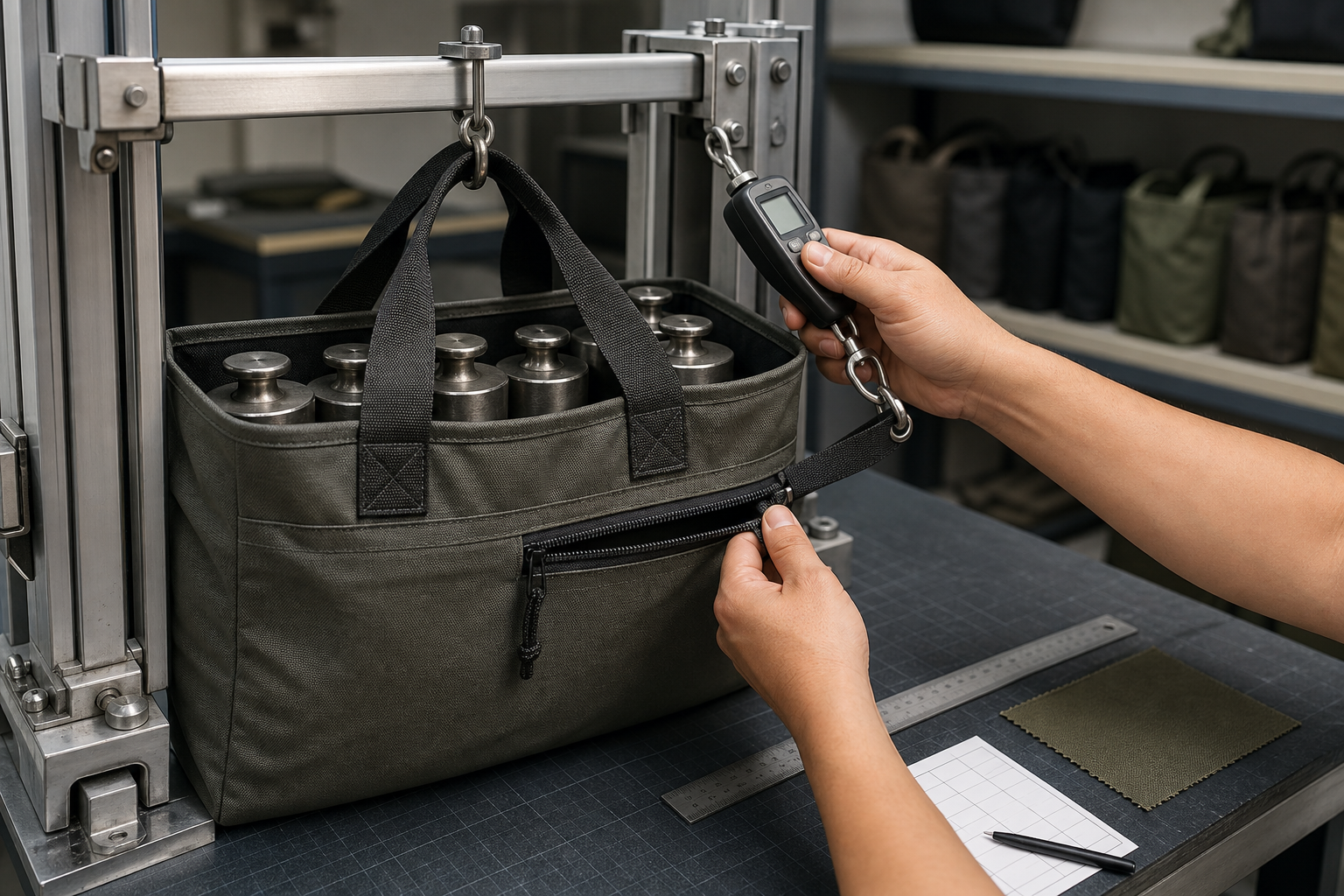
A physical prototype should be used, not only observed. Representative load, closure and carrying checks often reveal issues that a flat measurement table cannot show.
Functional checks should resemble real use
A buyer does not need to reproduce a certified laboratory in the meeting room, but basic use checks should be relevant. Load the sample with representative contents. Open and close the zipper repeatedly. Carry it by each intended handle or strap. Check whether a cosmetic pouch tips, a cooler lining folds into the zipper, or a backpack seam creates pressure against the body.
Formal tests depend on product claims, material, destination market and customer requirements. They may include seam strength, handle attachment, colorfastness, abrasion, zipper performance, coating adhesion or restricted-substance testing. Agree which checks are development screens and which require an accredited laboratory.Never present an informal sample-room check as a compliance result.
Stage 5: give feedback that a sample room can execute
“The pocket feels wrong” identifies a reaction, not a correction. Useful feedback records the location, current condition, required result and acceptance method. Mark the sample or photograph with a clear reference, but repeat the instruction in a written comment log so the meaning survives after files are forwarded.
| Feedback element | Weak version | Actionable version |
|---|---|---|
| Location | Fix the pocket | Front slip pocket, top edge |
| Current condition | Too small | Opening measures 145 mm on revision 1 |
| Required result | Make it bigger | Increase finished opening to 170 mm; keep pocket centered |
| Priority | Please improve | Required for revision 2 approval |
| Evidence | See message | Comment 04, annotated photo B and updated dimension table |
The measurements in the feedback table are an illustrative writing example, not a Luckystar sample record or a universal pocket size. For your own feedback sheet, record sample ID, revision, review date, location, observed result, required result, method, priority, action owner, deadline and closure evidence. Separate approved points, blocking corrections and optional changes. One named buyer approver should confirm whether the next revision is approved, needs correction or remains on hold.
How long does sample development take?
There is no responsible universal lead time. A simple logo adaptation using stock materials may move quickly. A new backpack with custom-dyed fabric, branded hardware and several compartments may require more sourcing and revision work. For early planning, buyers can separate factory work from courier and approval time.
| Timing layer | Schedule field to confirm | Main variables |
|---|---|---|
| Brief clarification | Date when open brief questions will close | Completeness, time zones and number of decision makers |
| Material and component sourcing | Availability and approval date for each input | Stock availability, custom color, tooling and supplier response |
| Pattern and first sample | Confirmed sample-room slot and dispatch target | Complexity, sample-room capacity and decoration method |
| International courier | Current courier estimate to the review address | Origin, destination, customs and service level |
| Buyer review | Agreed buyer review deadline | Internal coordination and functional testing |
| Each revision round | Revision scope, next dispatch and review dates | Scope of changes and new material requirements |
These schedule fields need confirmation for the actual design; they are not fixed lead-time allowances. Separate sample construction, courier transit and buyer review, and record the dependency that releases each stage. For bulk-order planning, use our custom bag production timeline guide.
What should a sample quotation include?
Sample price is not a scaled bulk unit price. It can include pattern work, one-off material purchasing, individual decoration setup, manual construction and courier service. A higher sample charge does not automatically mean a higher production price, and a free sample does not prove that development risk has disappeared.
| Quotation item | What to confirm | Why it matters |
|---|---|---|
| Sample charge | What the fee covers and whether it is refundable | Prevents assumptions about future credit |
| Number of pieces | One sample or a set for several teams | Affects construction and courier cost |
| Revision allowance | Which corrections are included and what creates a new charge | Separates defect correction from scope change |
| Tooling and artwork setup | Screens, molds, digitizing or plates and their ownership | May be reusable for production |
| Courier | Included or collect, destination and service | Avoids a hidden project-level cost |
| Lead-time basis | Start point and exclusions | Clarifies whether timing starts after payment, artwork or materials |
For a wider view of how development, setup and unit costs fit together, see How Much Do Custom Bags Cost?
From approved sample to production standard
The production handoff should identify the approved sample ID and date, specification revision, bill of materials, measurement methods and tolerances, artwork, material/component references, functional tests, defect and release rules, packing and inspection requirements. Record the authorized approver, every conditional approval and which version supersedes earlier files. ISO 10005:2018, the published third edition confirmed in 2023, provides guidance for establishing, reviewing, accepting, applying and revising quality plans; it does not specify requirements, set bag-specific limits or certify this process. Use the quality inspection checklist to turn approved requirements into order-specific checks and records.
Before bulk cutting, the factory should review known risk points with production and quality teams. These may include a tight corner, layered handle attachment, shade-sensitive panels, logo placement near a seam or a zipper that can catch the lining. The pre-production meeting turns sample knowledge into line controls. Our guide to preventing quality issues in bulk custom bag production covers the next set of controls.
Common sampling mistakes
- Starting from a photo without a product brief. The sample maker must guess dimensions, material and construction.
- Changing several variables without a revision log. Nobody can tell which change caused the improvement or new problem.
- Approving a temporary material as if it were final. Bulk color, feel or sewing behavior then differs unexpectedly.
- Reviewing only appearance. Capacity, carrying comfort, closure and reinforcement remain untested.
- Sending comments from several people. Conflicting instructions create repeated work and longer lead time.
- Booking custom materials before risky details are resolved. A later change can make purchased fabric or hardware unusable.
- Treating the sample as the only specification. Measurements, substitutions and tolerances disappear when production scales.
Buyer’s sample approval checklist
- The sample revision and date are clearly identified.
- Finished dimensions are measured using an agreed method and tolerance.
- Main fabric, lining, foam, webbing, zipper, hardware, thread and labels are identified.
- Every temporary substitution is listed with its final replacement.
- Logo artwork, size, color, position and application method are approved.
- Representative contents fit and the bag can be carried, opened and closed as intended.
- Reinforcement, seam security, binding and critical workmanship are acceptable.
- Packing, folding, barcode, label and carton requirements are defined.
- Open points have a named owner, action and deadline.
- The written specification and physical sample match before production release.
Company-claim boundary: the following section is LUCKYSTAR publisher self-description and a commercial sample-development proposal. It is not independent proof of factory ownership, sample-room capability, production readiness, material identity, performance, test results, certification, capacity, MOQ, price or delivery. Legal seller and sites, sample types, substitutions, materials, test/inspection scope, charges, rights, approval authority and schedule remain project-specific and subject to current evidence, final specification, quotation, contract and written confirmation.
How LUCKYSTAR describes its sample-plan review
LUCKYSTAR states that it can review a controlled product brief and return its proposed sample route and approval package.
- Name each sample: state the sample ID, revision, purpose, materials and questions it is intended to resolve.
- Disclose substitutions: identify temporary materials/components and specify how the production item will be approved.
- Define evidence: connect dimensions, appearance, function, decoration, packing and required tests to methods and limits.
- Control comments: consolidate observations, required result, owner and status in one revision log.
- Release production: match the sealed reference to the final specification, bill of materials, artwork and approved deviations before bulk commitment.
Review the bag product range and inspection checklist, then send the development brief for an order-specific sample proposal.
Frequently asked questions
How many sample rounds are normal?
There is no ideal fixed number. An adaptation of a proven construction may be approved after one physical round plus a color proof. A new multi-compartment design may need several prototypes. The goal is to resolve meaningful uncertainty, not to reach an arbitrary round count.
Does the first sample need final materials?
Not always. Temporary material can be efficient when the first purpose is to verify size and construction. It must be documented, and a later production reference should use the approved bulk material or clearly approved equivalent.
Can a digital mock-up replace a physical sample?
A digital mock-up is useful for artwork scale and placement, but it cannot prove hand feel, capacity, closure action, reinforcement or workmanship. A physical sample remains the stronger control for a new cut-and-sew bag.
Can production start before final approval?
Sometimes buyers reserve standard material or capacity to protect a deadline, but cutting or customizing material before approval transfers risk. Record what is being committed, the financial exposure and which decisions can no longer change.
How should I compare manufacturers during sampling?
Look beyond the first sample’s appearance. Evaluate the questions the supplier asks, how substitutions are disclosed, whether comments are tracked, how quickly technical risks are identified and whether the final standard is documented. Use our custom bag manufacturer checklist for the broader assessment.
Make every sample round close a defined decision
Use one sample ID and revision, one consolidated comment log, disclosed substitutions and measurable release conditions so the final approved reference can support production and inspection.

Review the LUCKYSTAR bag range, then send the sample-development inputs through the contact form or Email a project brief. The email link opens a prefilled draft for your review before sending.
Legal seller and facilities, sample-room and production route, materials, substitutions, test methods/results, approval scope, deliverables, capacity, MOQ, price, packing, schedule and delivery terms are subject to current evidence, final specification, quotation, contract and written confirmation.