A print method is not a finish selected after the tote bag has been designed. It changes the artwork rules, color result, surface feel, sample process, unit cost and even the order in which the bag should be assembled. A method that produces a sharp one-color logo on smooth cotton may not reproduce a photographic illustration on coarse canvas. A transfer that looks excellent on a small run may be less economical when the order grows.
Planning an order? Discuss a logo method for your tote bag. Start with the details you know; undecided specifications can be discussed.
This guide helps B2B buyers choose among the main custom tote bag printing methods without treating one process as universally best. Start with the actual bag, artwork and sales channel. You can review our custom tote bag options while comparing the methods below. For the broader process of selecting, sampling and managing a supplier, use the Custom Bag Manufacturer Guide.
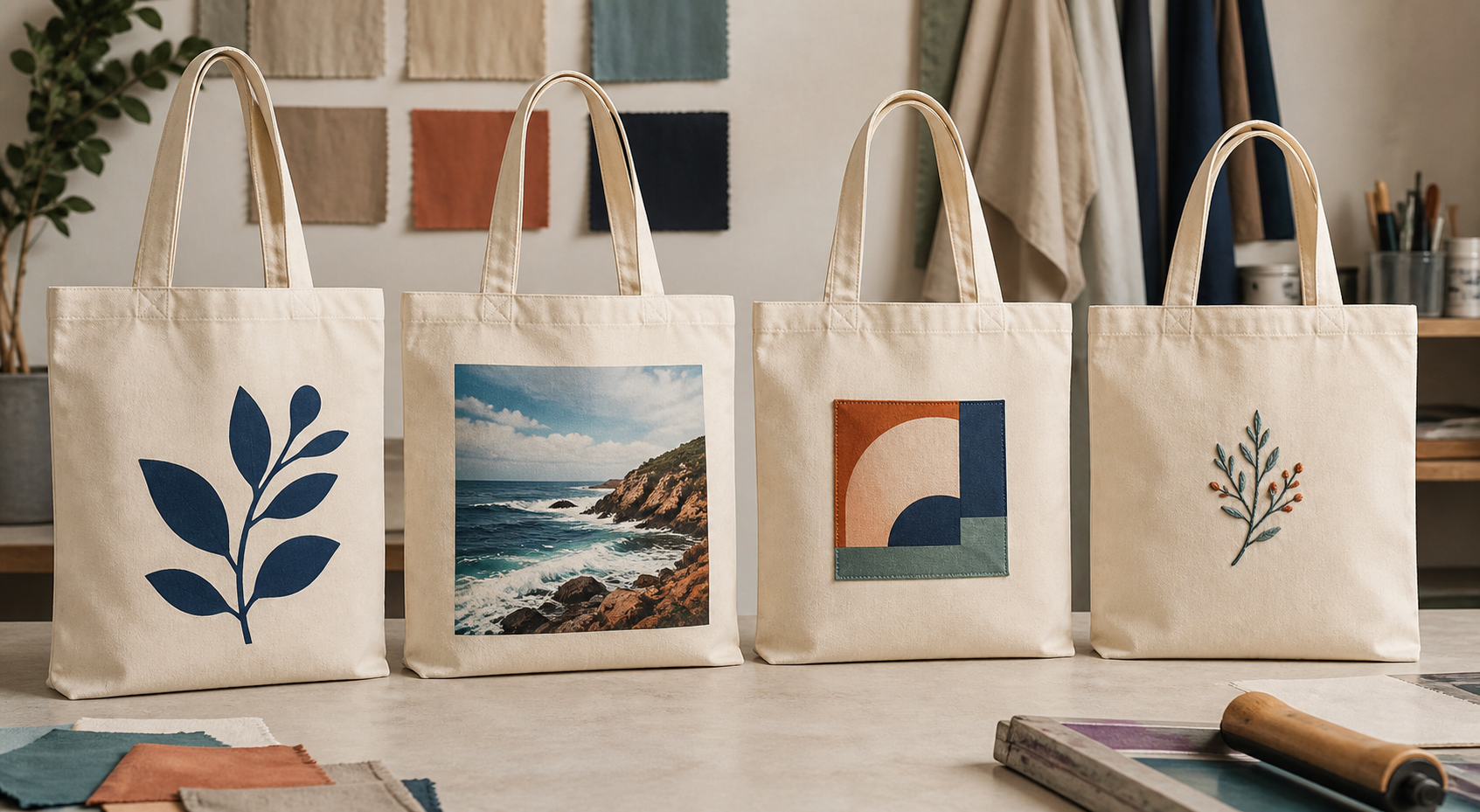
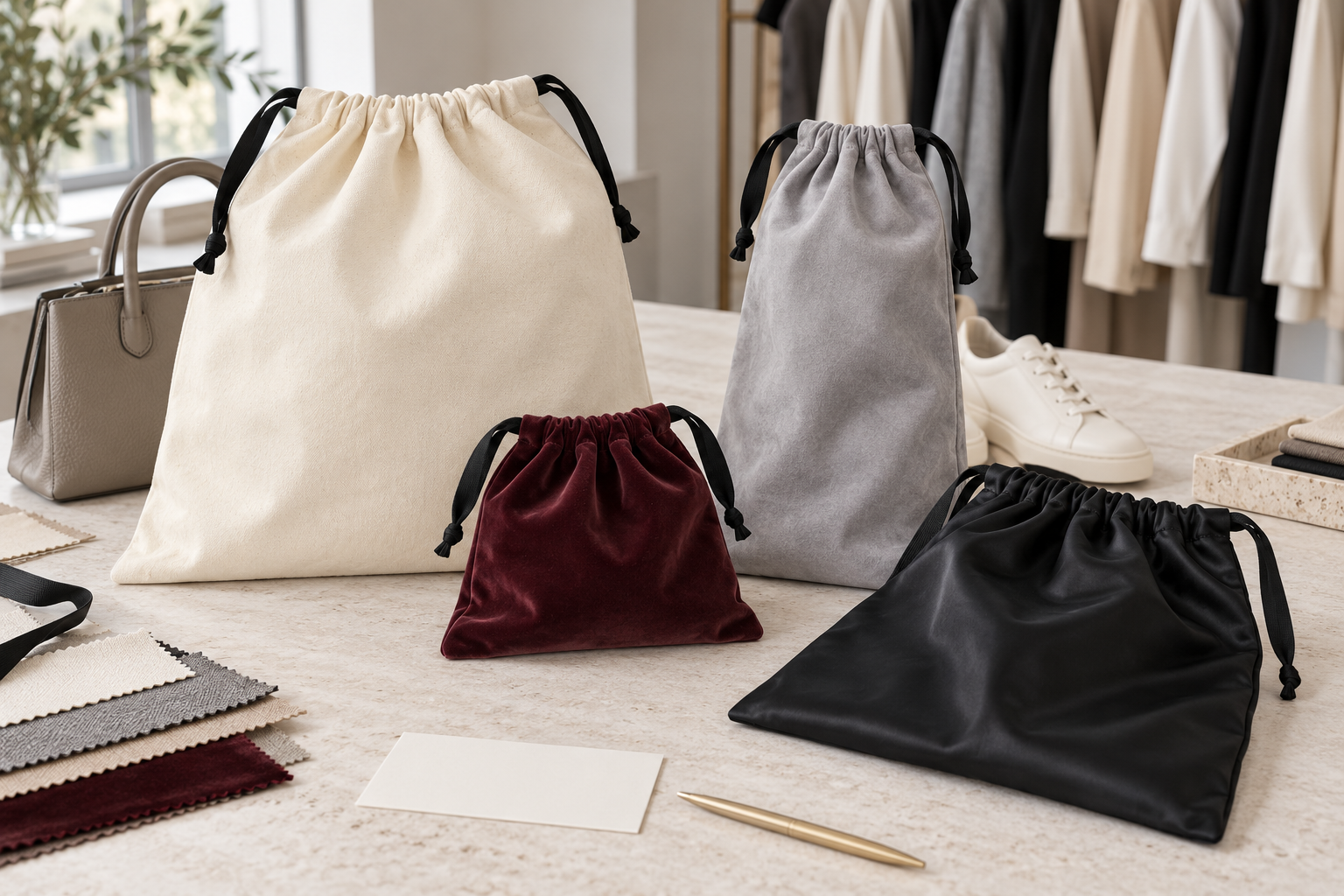
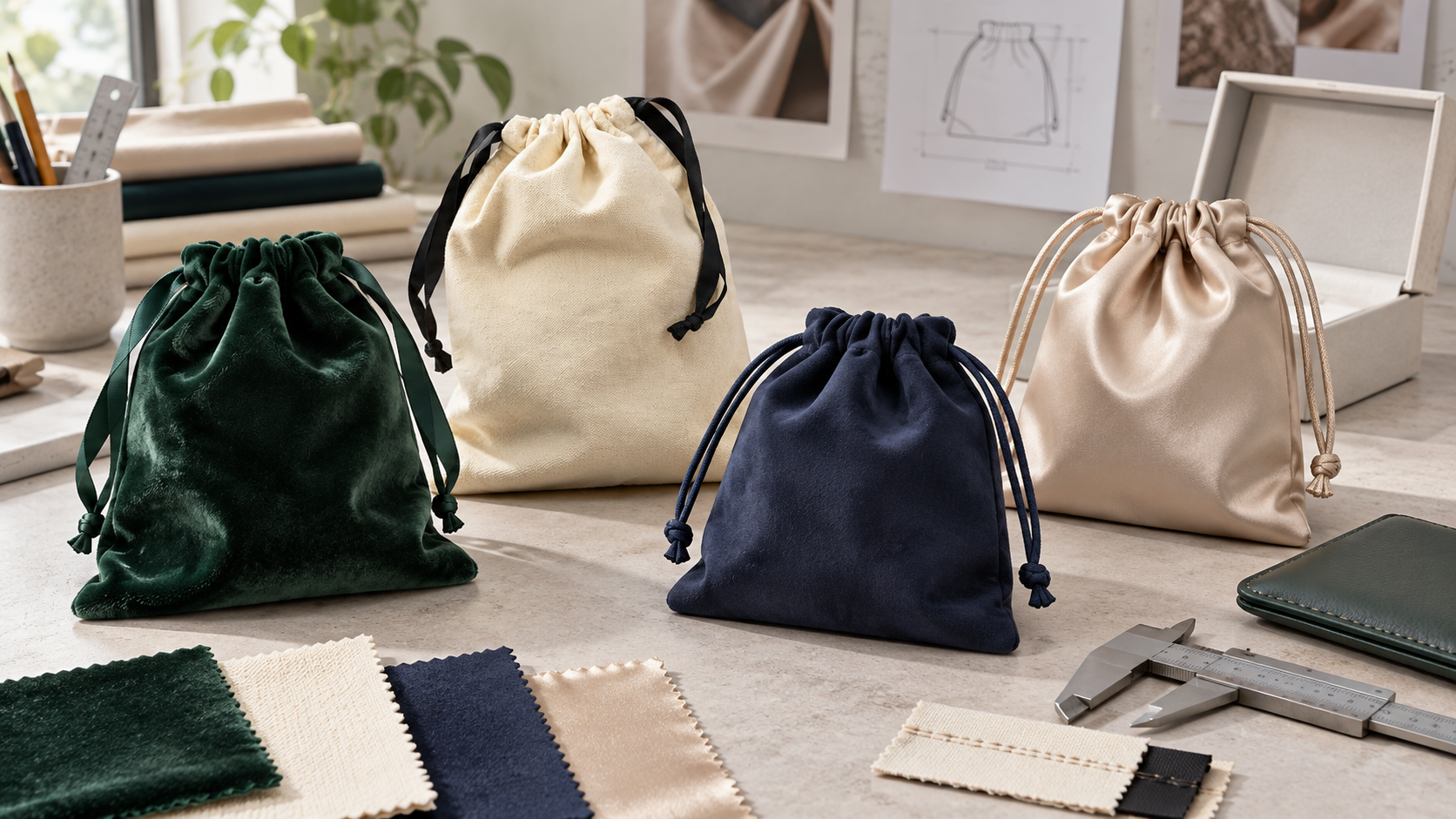
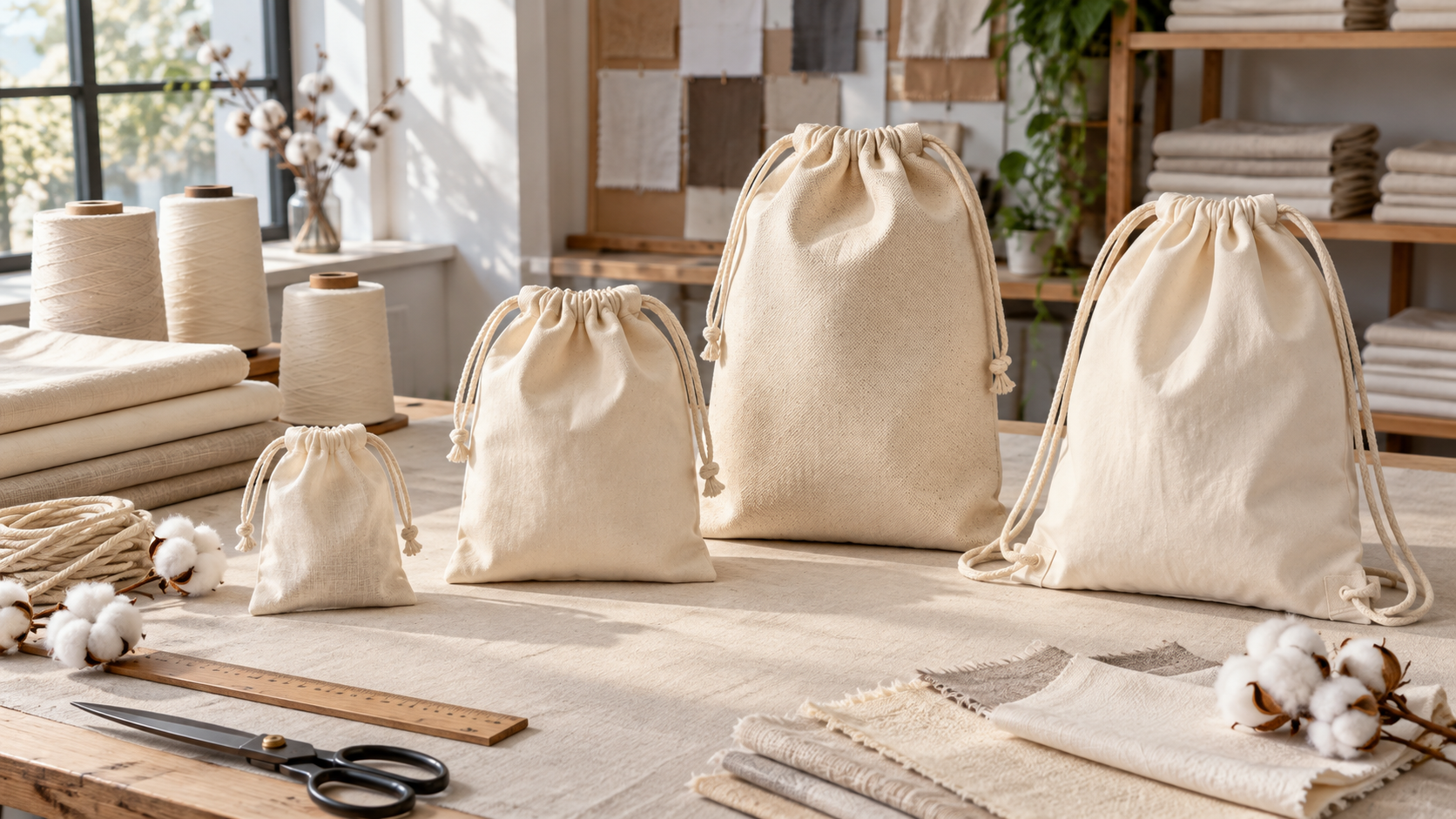
The same tote can support very different brand expressions when the decoration process is chosen around the artwork and fabric.
Quick comparison of custom tote bag printing methods
The table is a sourcing shortcut, not a substitute for a decorated sample. Ink system, machine setup, fabric finish and operator control can change the result within the same method.
| Method | Best first use case | Main strength | Main trade-off |
|---|---|---|---|
| Screen printing | Simple spot-color artwork and medium-to-large runs | Strong solid color and efficient repeat production | A separate screen and setup are normally needed for each color |
| DTG | Detailed, shaded or photographic artwork on suitable cotton-rich surfaces | Fine detail without separating every artwork color into a screen | Pretreatment, fabric color and surface texture affect the result |
| DTF transfer | Full-color logos, short runs and mixed artwork | Versatile color and material application | Creates a transfer layer whose hand and edge need approval |
| Other heat transfer | Special films, metallic effects, names or defined graphic shapes | Useful for effects that are difficult to print directly | Heat, pressure and film choice must suit the fabric |
| Dye sublimation | Polyester, pale bases and full-coverage color | Color becomes part of the polyester rather than a heavy surface layer | Not the normal choice for natural cotton canvas |
| Embroidery or patches | Premium marks, small motifs and tactile branding | Dimensional, durable visual character | Not technically printing; stitch density, backing and reverse finish matter |
1. Screen printing: dependable for bold, repeatable graphics
In screen printing, ink is pushed through a prepared mesh screen onto the tote. Each spot color is normally separated and printed through its own screen. That setup is why a one- or two-color logo often becomes attractive at volume, while a small order with many colors can carry disproportionate setup cost.
Screen printing is especially useful for type, line art, bold logos and graphic shapes. It can also print halftones, but a buyer should not assume that a complex photograph will behave like a direct digital image. Coarse canvas interrupts fine lines and tiny reversed details. Dark fabric may need an underbase to keep colors visible, which changes ink deposit and hand feel.
| Approve before bulk | What to examine | Typical correction |
|---|---|---|
| Opacity | Is the fabric color showing through unevenly? | Adjust ink system, underbase or number of passes |
| Registration | Do adjacent colors align at their edges? | Improve screen alignment or simplify vulnerable details |
| Coverage | Are valleys in textured canvas receiving enough ink? | Adjust mesh, squeegee, ink deposit or artwork scale |
| Cure | Does the print resist the agreed rub or care evaluation? | Correct time, temperature and production control |
| Hand feel | Does a large print area feel heavier than the design intends? | Review ink type, coverage and artwork construction |
2. DTG: detailed direct printing on suitable fabric
Direct-to-garment printing applies an inkjet image directly to the textile. It is useful when the artwork contains gradients, many colors or small tonal changes that would be cumbersome to separate into multiple screens. Cotton and cotton-rich fabrics are common starting points, but the exact printer, ink and pretreatment system must be qualified for the proposed tote.
Dark fabric usually needs a white-ink layer and pretreatment. That can affect color, feel and the appearance around the print. Epson's official DTG guidance notes that pretreatment is used when printing white ink on darker bases and recommends cotton or cotton/polyester blends for its maker systems. This is a process-specific reference, not permission to skip testing on the buyer's actual fabric.
A tote panel is not a T-shirt. Seams, gussets, pockets and handles can limit platen access, so the factory should confirm whether printing happens on a cut panel before sewing or on a finished bag. Panel printing offers a flatter surface and larger design freedom, but placement must survive cutting and assembly.
3. DTF and heat transfers: flexible color with a distinct surface
Direct-to-film printing first creates the graphic on a transfer film; adhesive is added and the image is heat-pressed onto the textile. It can reproduce full-color art and is practical for shorter runs, multiple designs or situations where direct ink printing is less suitable. The finished mark sits on the surface, so buyers should approve its flexibility, gloss, thickness and edge.
Heat transfer is a broader family. Cut vinyl, printed transfer papers, reflective films, metallic films and other specialty products do not share one performance profile. A quotation that says only "heat transfer" is incomplete. Ask for the exact transfer type, supplier recommendation, application settings and care limitations.
| Transfer risk | What can cause it | Sample check |
|---|---|---|
| Lifting edge | Poor bond, wrong pressure, contaminated surface or incompatible coating | Flex the fabric and complete the agreed care or rub evaluation |
| Visible press mark | Heat and pressure compressing or polishing the fabric | Inspect at several angles after the sample cools |
| Dye migration | Color moving from some synthetic fabrics into the transfer | Review after heat exposure and a defined waiting period |
| Heavy hand | Large solid film area | Fold and carry a complete tote, not only a flat swatch |
4. Dye sublimation: best understood as a polyester process
Sublimation uses heat to turn dye into a gas that bonds with suitable polyester. It is valuable for bright, continuous images and edge-to-edge graphics on white or pale polyester panels. Because the dye becomes part of the material, the result does not have the same surface film as a transfer.
The limitations are equally important. Standard sublimation is not intended to produce an opaque white layer, so the fabric color influences the image. Natural cotton canvas is not its normal substrate. For an all-over printed tote, printing panels before cutting or sewing is often the practical route; pattern allowance, repeat position and seam continuity must be controlled.
5. Embroidery and patches: when tactile branding matters more than print
Embroidery is often compared with printing because buyers are choosing a logo method, even though it is a stitched decoration. It can make a small mark feel premium and can work well on substantial canvas. It is less suitable for tiny text, smooth photographic shading or a very large solid area that would become stiff and expensive.
Backing, stitch density, thread, needle, fabric tension and the reverse-side finish all affect the result. A dense motif can pucker the tote or distort a pocket. Woven, printed, leather-look and rubber patches offer other branding directions, but they add attachment and edge-quality requirements.
Match the method to the tote material and color
The method and the shell fabric are one system. If material is still open, our Canvas vs Cotton Tote Bags comparison and fabric-weight guide help define the base before decoration trials.
| Tote surface | Good methods to sample first | Main concern |
|---|---|---|
| Smooth natural cotton | Screen print, qualified DTG, DTF, embroidery | Shrinkage, pretreatment and dark-fabric opacity |
| Coarse cotton canvas | Screen print with suitable setup, DTF, embroidery or patches | Texture can break fine detail or create uneven ink coverage |
| Polyester canvas | Sublimation on suitable pale fabric, qualified transfer, screen print | Heat behavior and possible dye migration |
| Recycled blend | Method selected after composition and surface trials | Blend variability, flecks and fiber response |
| Coated or laminated material | Specialized compatible ink, transfer or applied label | Adhesion, heat damage and coating chemistry |
| Dark fabric | Opaque screen ink, white-base DTG/DTF, embroidery | Underbase accuracy, hand feel and color shift |
Prepare artwork for production, not only for the screen
A print-ready file is more than a high-resolution logo. The factory needs the final print size, position, color targets and any acceptable simplification. Vector art is useful for spot-color screen printing and cut graphics. High-resolution raster art is often needed for photographic digital work. Fonts should be outlined or supplied correctly, and transparent effects should be reviewed against the real bag color.
Pantone explains that its PMS system is intended for graphics applications including screen printing, while its FHI system serves textile and product materials. It also warns that color appearance changes by material and finish. A Pantone reference is therefore a shared target, not a guarantee that ink on canvas will look identical to a coated paper chip.
| Artwork field | What the buyer should provide | What the factory should return |
|---|---|---|
| Final dimensions | Width, height and orientation in millimeters | Scaled placement proof on the correct tote size |
| Position | Reference from top edge, centerline, pocket or seam | Measurable placement and tolerance |
| Color | Spot references or an approved visual target | Ink or thread proposal and physical strike-off |
| File construction | Vector or adequate raster resolution at final size | Color separation, underbase or transfer preview |
| Minimum detail | Identify elements that cannot be removed | Method-specific warning before sample production |
How printing method changes cost and MOQ
Printing cost has both setup and running components. Screen preparation and color registration are spread across the order, so the unit cost often improves with volume. Digital and transfer methods can reduce screen setup and make multiple designs easier, but consumables and pressing time remain. Embroidery is influenced by stitch count and machine time. The cheapest method at 100 pieces may not be cheapest at 10,000.
| Cost driver | Methods most affected | Quotation detail to standardize |
|---|---|---|
| Number of spot colors | Screen printing | Exact color count including underbase |
| Printed area and ink coverage | All print and transfer methods | Final artwork size, front/back and coverage |
| Artwork variants | Screen print setup versus digital/transfer workflow | Quantity per design and whether names change |
| Stitch count | Embroidery | Digitized size, stitch estimate and backing |
| Panel versus finished-bag printing | DTG, screen print and sublimation | Production sequence and placement tolerance |
| Testing and approvals | Every method | Strike-off, sample and any performance test charges |
For the other commercial variables behind a quotation, read How Much Do Custom Bags Cost?. You can also browse the full Product Range when comparing tote bags with other promotional formats.
Approve a print strike-off and a finished tote
A flat strike-off answers color and detail questions quickly. It does not show how the design sits between seams, how the bag folds, whether a pocket interferes, or how the decoration feels in use. Buyers should approve both a representative printed substrate and a finished construction sample when the artwork is important.
- Confirm the production artwork: size, colors, underbase, orientation and placement.
- Approve the material: composition, color, finish and weight.
- Review a strike-off: color, detail, opacity, hand and surface defects.
- Review a finished sample: placement, seam interaction, folds and overall brand effect.
- Record the standard: sign, date and keep an approved control sample.
- Define bulk checks: sample size, tolerances, testing and disposition of defects.
The workflow aligns with our custom bag sample development process. It also prevents the common mistake of approving artwork on a monitor while leaving the physical result undefined.
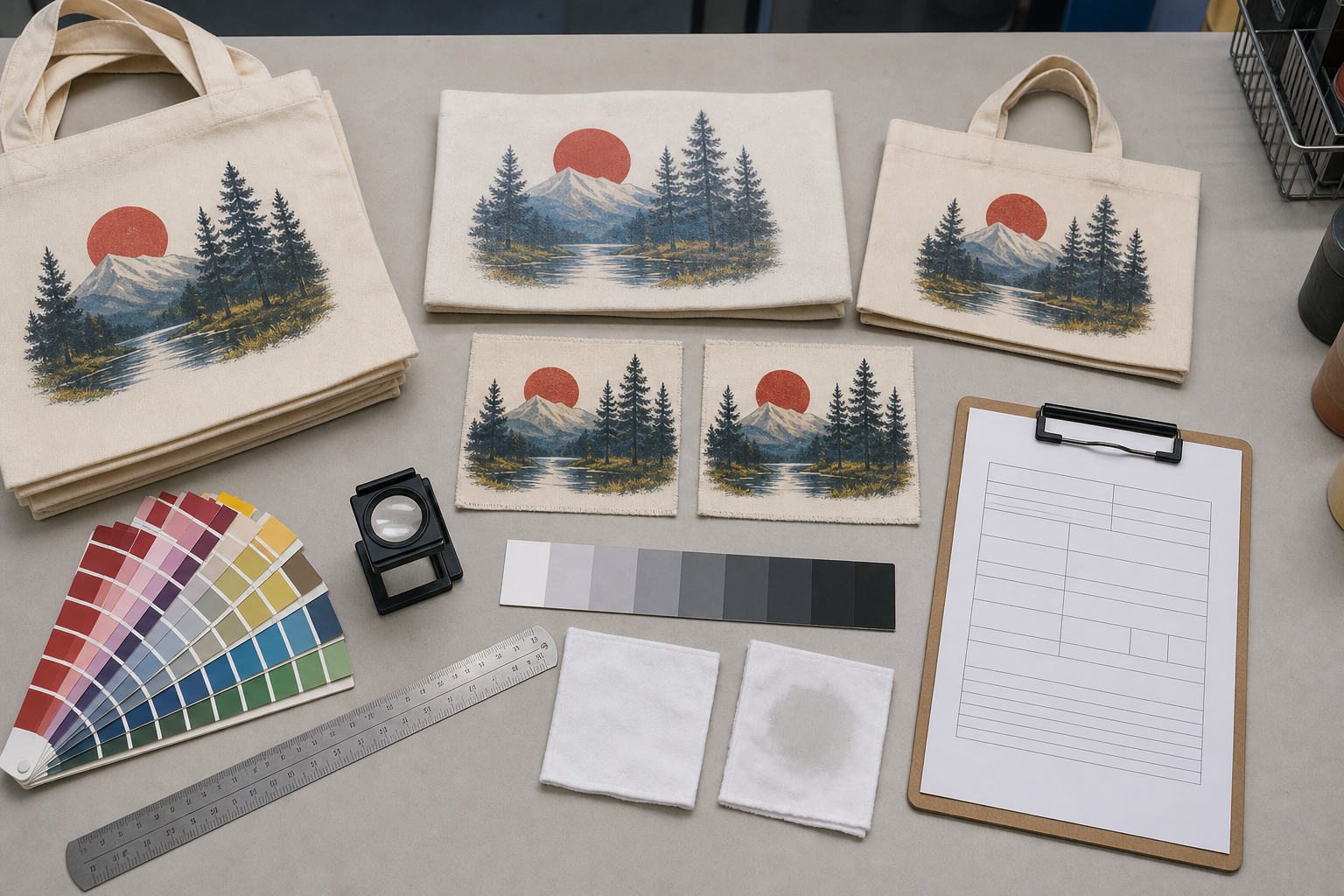
A useful approval set combines the printed tote, color target, measurable placement and agreed performance checks.
Inspect print quality in bulk production
Inspection should compare production with the signed sample, not with a memory of the digital artwork. Check at normal viewing distance first, then inspect edges, coverage and defects closely. Use the same lighting and agreed color target whenever color is critical.
For rubbing performance, ISO 105-X12:2016 describes dry and wet rubbing tests for dyed or printed textiles. The exact acceptance level must be set for the product and market; citing a test method without an agreed requirement is not enough.
| Bulk check | What to measure or compare | Possible defect |
|---|---|---|
| Placement | Distance from agreed reference points | Tilted, off-center or inconsistent logo |
| Color | Approved sample under controlled viewing conditions | Hue or density variation across the lot |
| Edge and registration | Fine lines and boundaries between colors | Blur, gap, ghosting or misalignment |
| Coverage | Solid areas and textured fabric valleys | Pinholes, streaks, mottling or show-through |
| Bond or cure | Agreed rub, flex, adhesion or care evaluation | Cracking, lifting, smearing or transfer |
| Cleanliness | Bag face, reverse and packing contact points | Ink marks, adhesive residue or offset |
Add these checkpoints to the Custom Bag Quality Inspection Checklist. The related guide on tote bag order details buyers overlook covers construction and repeat-order risks beyond the printed logo.
Common print failures and what they usually mean
| Symptom | Likely area to investigate | Do not assume |
|---|---|---|
| Fine lines disappear | Artwork scale, mesh, texture, resolution or transfer detail | That sending a larger file alone will solve it |
| Dark fabric changes the logo | Underbase, opacity and color target | That the same ink formula looks identical on every base |
| Print cracks on folds | Ink or film flexibility, cure, deposit and bag packing | That all cracking is caused by the fabric |
| Color rubs onto a white cloth | Cure, fixation, excess surface color or process compatibility | That visual approval proves rubbing performance |
| Logo position varies | Jig, panel cutting, operator reference and tolerance | That a center mark on the artwork controls production |
What to put in the purchase order
| Specification field | Minimum information |
|---|---|
| Method | Exact printing, transfer, embroidery or patch process |
| Artwork | Controlled file name/version, final size and color separation |
| Placement | Measurable location and acceptable tolerance |
| Color standard | Pantone or physical target plus viewing agreement |
| Substrate | Approved fabric composition, color, finish and weight |
| Approval reference | Signed strike-off and finished sample identification |
| Performance | Named evaluations, acceptance criteria and care claim |
| Inspection | Sampling plan, defect categories and action for nonconformity |
FAQ about tote bag printing
What is the best printing method for cotton tote bags?
Screen printing is a strong starting point for simple artwork and volume. DTG may suit detailed multicolor designs, while DTF can suit shorter runs or varied artwork. The best choice still depends on fabric surface, bag color, hand feel and quantity.
Which method is best for a photographic image?
Qualified DTG, DTF or sublimation can reproduce tonal artwork more directly than a basic spot-color screen print. Sublimation generally requires a suitable polyester base, while DTG and DTF have different pretreatment and surface characteristics. Compare decorated samples.
Can a logo be printed over seams or pockets?
Sometimes, but the result is harder to control. Uneven height can interrupt pressure, ink deposit or transfer bonding. Printing a flat panel before sewing is often more consistent when the design approaches a seam.
How do buyers match a brand color?
Supply a color reference, approve a physical strike-off on the production fabric, and define the viewing conditions and tolerance. A monitor preview should not be the only approval standard.
Should print testing be completed before bulk production?
Yes. Testing should reflect the intended risk, such as dry or wet rubbing, flexing, adhesion or a care cycle. Confirm the method and acceptance requirement before the order starts.
Choose the method by the result you need to repeat
The best custom tote bag printing method is the one that reproduces the approved artwork on the approved fabric at the required quantity, hand feel and performance level. A successful decision is not simply "screen print versus digital." It is a controlled combination of substrate, artwork, process, sample and inspection.
Explore our custom tote bags or return to the Custom Bag Manufacturer Guide for the complete sourcing framework. If you can share the tote material, quantity, artwork, print size and target market, send us your brief for a method recommendation and quotation.

Discuss a logo method for your tote bag
You do not need a complete specification to start a conversation. Include these details in your message:
- Tote material and color, if known.
- Logo artwork, print size and preferred placement.
- Approximate quantity and destination.
Discuss a logo method for your tote bag using the contact form, or Email a project brief with this article already referenced. The email link opens a draft in your email app; you can add artwork or a specification before sending.
MOQ, pricing, sample arrangements and delivery terms are subject to specification and written confirmation.