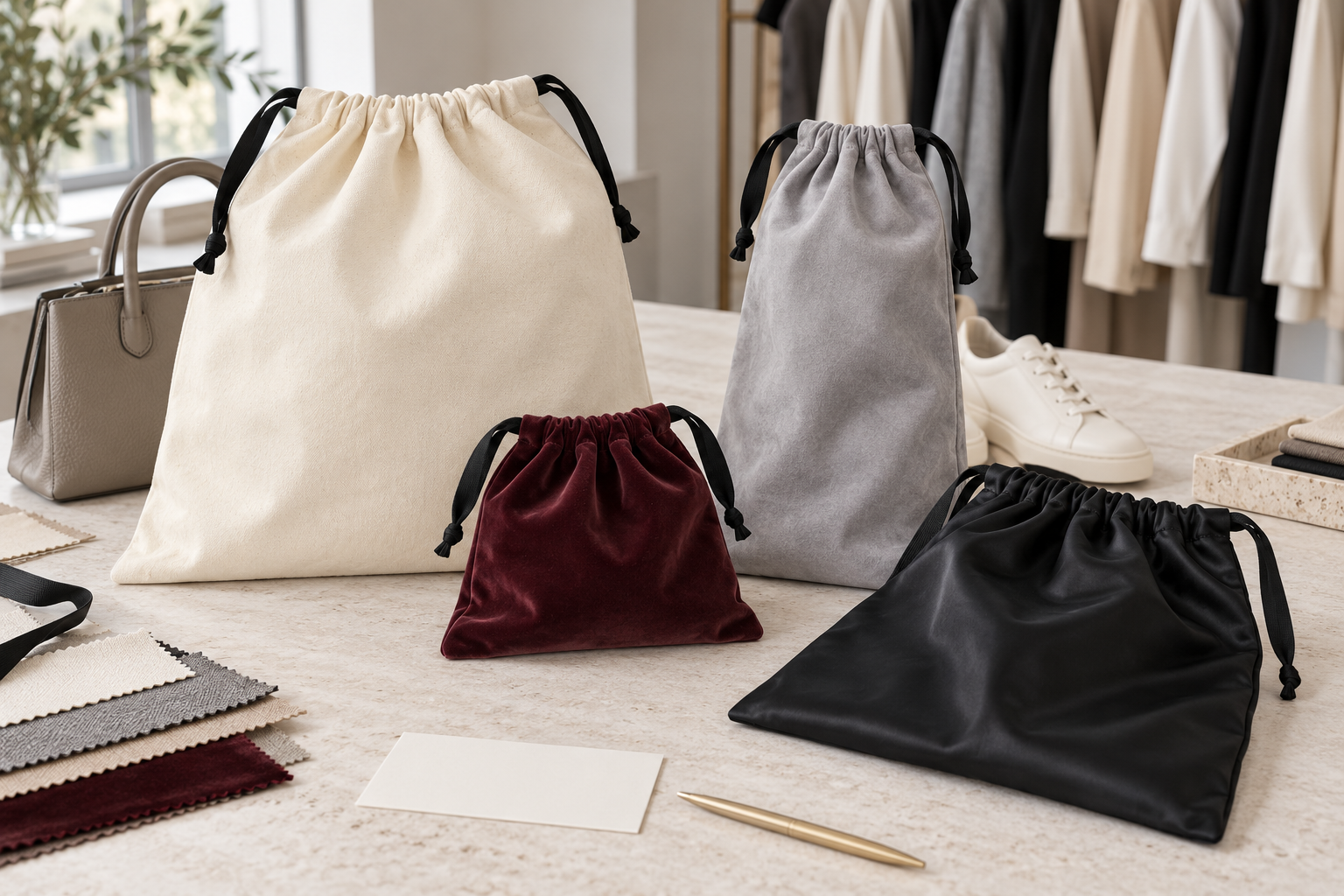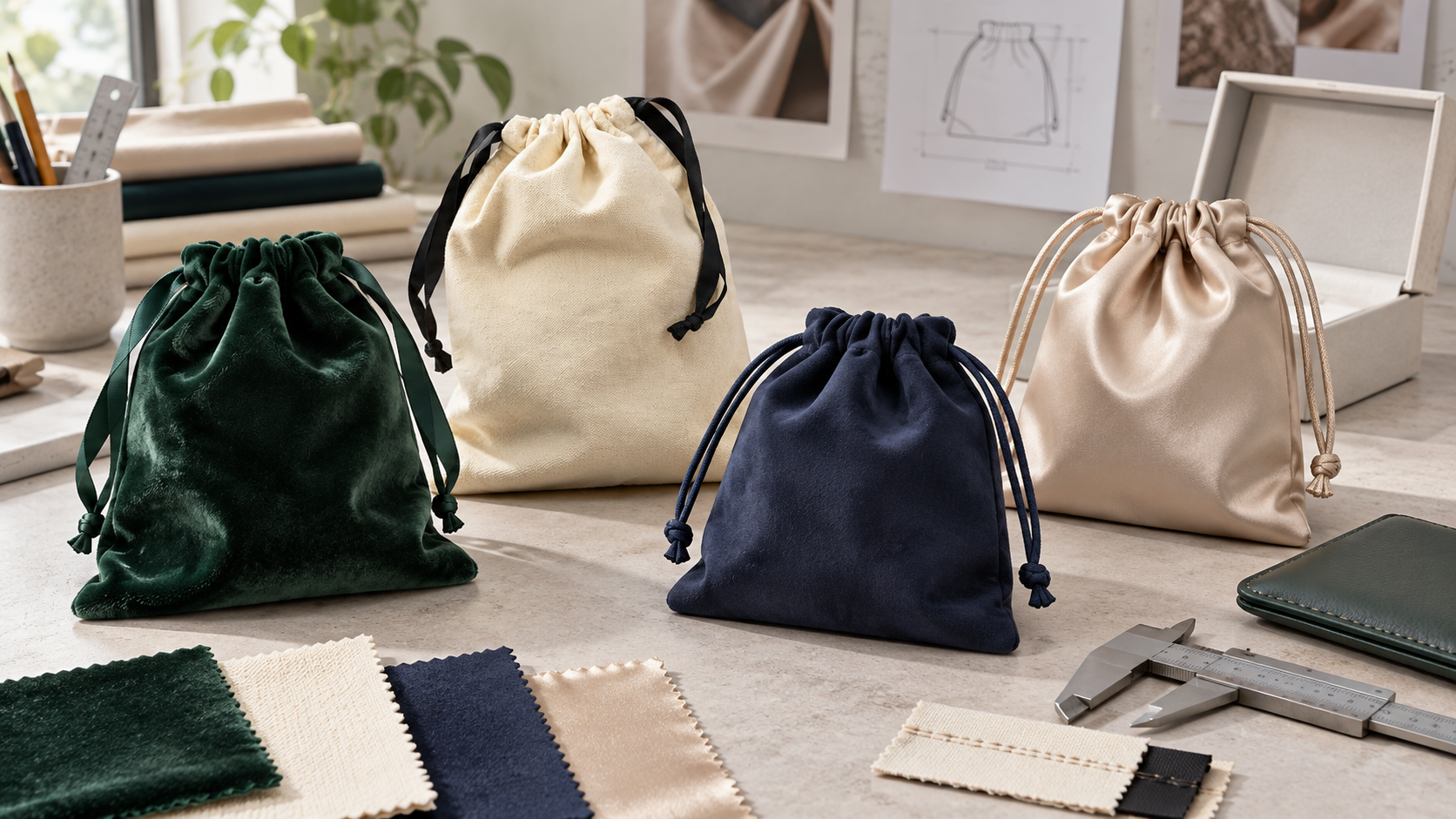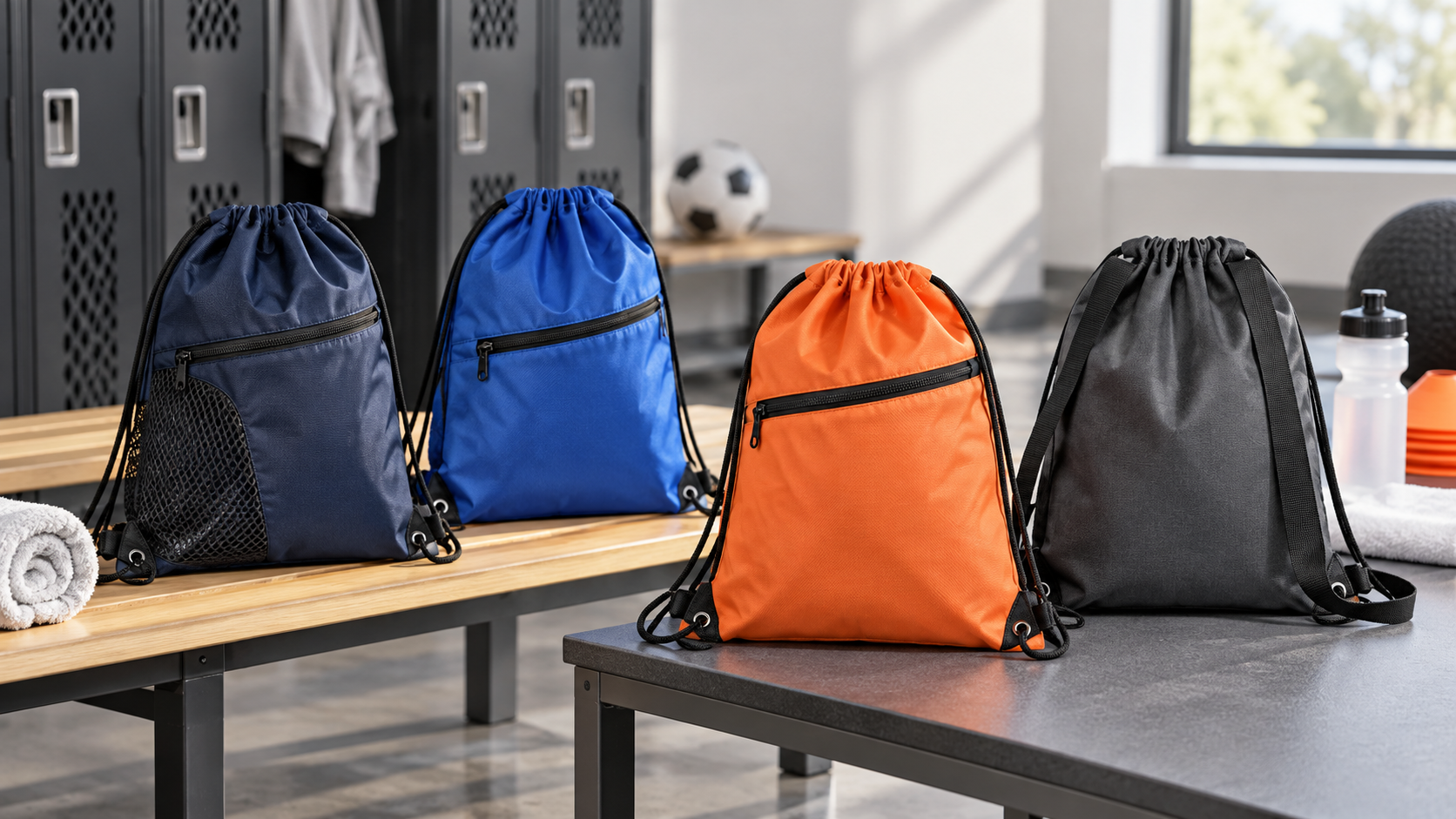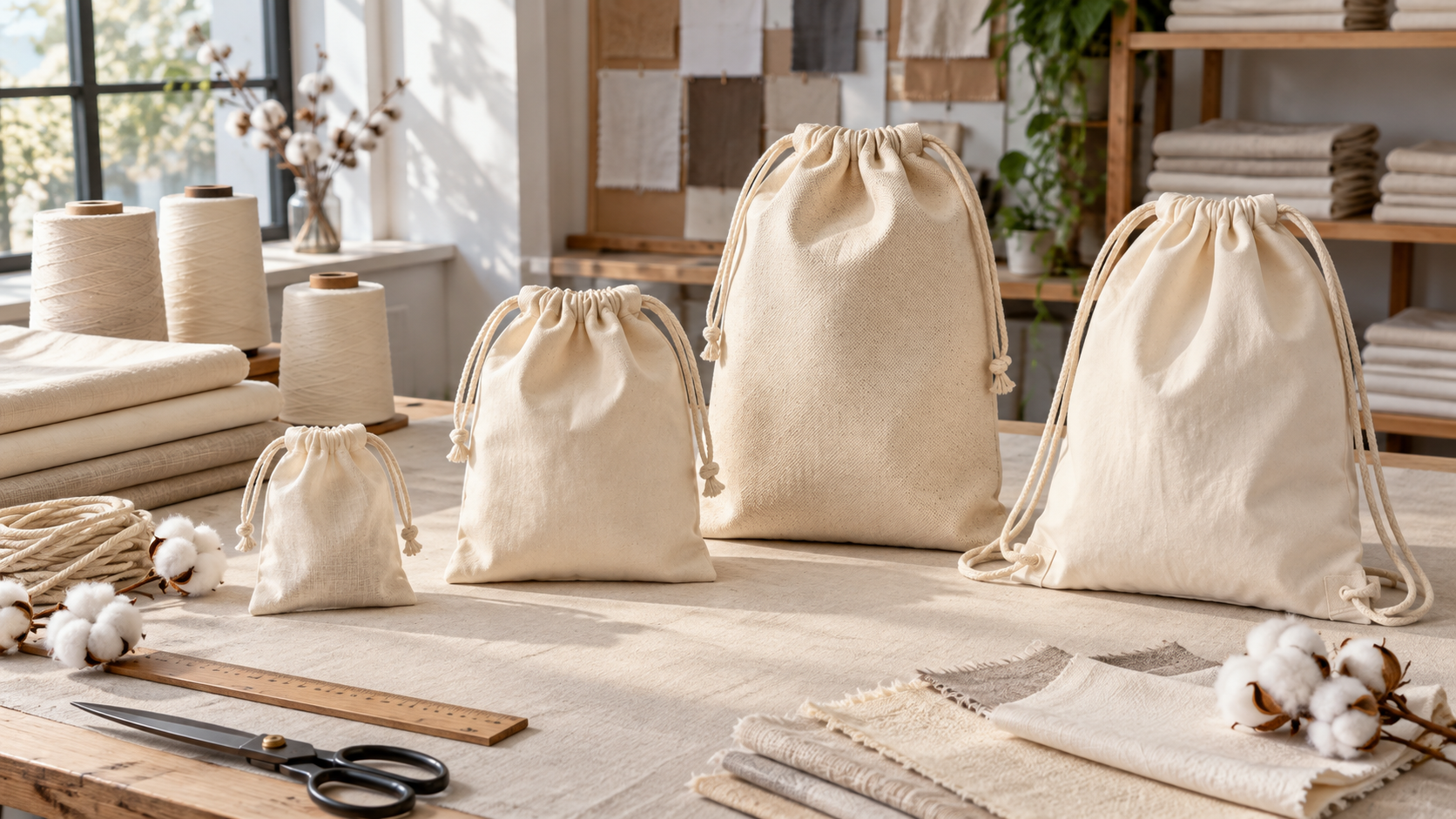
“Small, medium and large” can be useful signs at a checkout counter, but they are not useful manufacturing specifications. One retailer’s medium bag carries two folded shirts; another must accept a shoe box and fragrance set. A bag can have a large calculated volume and still fail because its opening is too narrow, the base does not match the product footprint or the filled height exposes a premium purchase.
This Shopping Bag Size and Capacity Guide for Retailers shows how to build a practical size family from actual transactions. It separates external dimensions, product-entry clearance, internal footprint, geometric volume, usable product capacity and carrying capacity. It also connects those choices to checkout speed, store storage, artwork, MOQ, carton cube and bulk quality control.
See how different carrier formats can support the size plan among LUCKYSTAR’s retail shopping bag options. When vetting the production partner, combine the category-specific Custom Shopping Bag Manufacturer guide with the supplier principles covered by the Custom Bag Manufacturer pillar.
Planning an order? Send a retailer size-system brief. Include representative frequent, upper-normal and exceptional baskets; packaged dimensions, mass and orientation; checkout, fixture and stockroom constraints; proposed size roles; finished, opened and packed datums; material, gusset, base and handles; artwork; quantity and allocation; validation; packing; destination and required date.
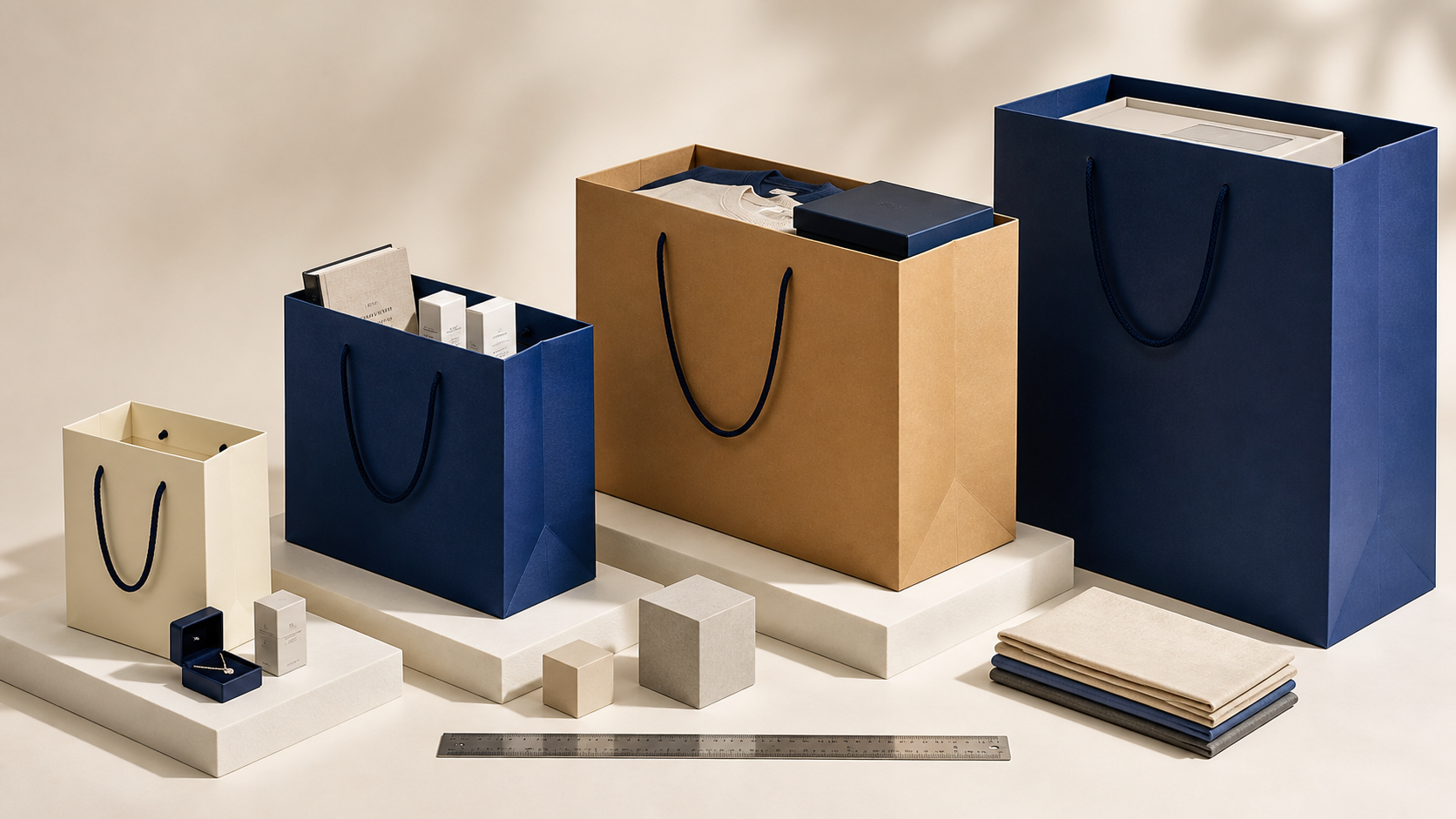
A useful size family assigns each bag a retail job and a product set; size names come after the physical fit is proved.
1. A retailer needs a size system, not a popular dimension
A web search can provide common-looking dimensions, but it cannot know the retailer’s product assortment, packaging, store fixtures, customers or fulfilment model. A fashion chain with soft merchandise may cover most transactions with two paper sizes. A beauty retailer may need a small bag for single items, a medium footprint for boxed sets and a tall option for bottles. A footwear retailer is often controlled by the largest shoe-box family rather than average basket volume.
The goal is not to make every purchase fit perfectly. It is to cover the most important baskets with the fewest controlled sizes while protecting genuine exceptions. Too few sizes cause over-bagging, awkward loads or double-bagging. Too many sizes fragment MOQ, confuse store teams, consume stockroom space and make forecasting difficult.
Give each size one primary role. A small bag might protect high-frequency beauty purchases; a medium may cover the everyday multi-item basket; a large horizontal may serve rigid apparel or footwear boxes; an extra-large lightweight carrier may be reserved for bulky outerwear. If two sizes perform the same role, test whether one can be removed.
2. Build the evidence from transaction baskets
Start with sales or fulfilment data, then add physical product knowledge. Export a useful sample of transactions by store type, channel and season. Count items, but do not stop there. The same three-item basket could be three lipsticks, three books or three shoe boxes. Add product-family dimensions, packaging orientation, mass, fragility and any item that cannot be rotated.
Create three basket tiers for each important channel: frequent, upper-normal and exceptional. The frequent basket should drive everyday efficiency. The upper-normal basket tests whether the size system avoids routine overflow. Exceptional purchases can use a special size or a deliberate two-bag rule rather than forcing every normal transaction into an oversized carrier.
Interview store staff after the data review. They see issues that line-item exports miss: nested gift boxes, returns combined with new purchases, wet umbrellas, winter coats, tissue presentation, anti-theft devices or a product that catches on the bag mouth. Treat these observations as test cases, not anecdotes to replace data.
| Planning input | What to collect | Decision it informs | Common data trap |
|---|---|---|---|
| Transaction export | Items, quantities, product families, store/channel, date and transaction frequency | Basket clusters and target coverage by size | Treating item count as physical volume |
| Master product dimensions | Packaged W × H × D, mass, permitted orientation and rigid edges | Bag footprint, mouth and load path | Using unboxed product dimensions |
| Season and promotion | Peak baskets, gift sets, outerwear, sales events and holiday wrapping | Core versus temporary or reserve size | Designing only from annual averages |
| Store operating review | Counter space, loading sequence, tissue, security removal and handover method | Opening, height, handle and dispenser design | Validating fit away from checkout |
| Stockroom constraints | Shelf/bin dimensions, replenishment path, weekly use and reserve policy | Fold direction, bundle count and number of active sizes | Ignoring folded stack thickness |
| Customer carry context | Walking time, public transport, hand/shoulder use, privacy and weather | Proportion, handle drop, closure and upper load | Approving a bag only on the counter |
| Damage / return evidence | Crushing, tip, scuff, torn base, double-bagging and customer complaints | Which size or product pairing needs correction | Responding by making every bag heavier |
3. Separate six kinds of fit
A product “fits” only when it passes through the opening, settles in the intended orientation, remains contained, can be carried and arrives with acceptable presentation. Check these conditions separately.
Entry fit is the clear opening during the actual loading action. Handles, top turns, closures and stiff side folds can reduce it. Base fit is the usable footprint after gussets and seams occupy space. Stack fit is the stable arrangement of multiple items. Height fit controls containment and privacy. Carry fit covers balance, hand clearance and the filled envelope near the body. Presentation fit covers tissue, box protection, logo visibility and the bag’s final silhouette.
A shoe box might fit the stated width and depth yet fail to enter diagonally through a short paper-bag mouth. A tall bottle may enter but cause the handles to close against its cap. A soft jacket can fit a small footprint yet project above the top and pull the bag face into the artwork. Use physical mock-ups early.
4. Use size bands as starting hypotheses
Retailers often need an initial range before all samples are available. The following bands are concept-screening ranges, not industry standards, finished tolerances or automatic recommendations. They describe common retail directions in centimetres and must be adjusted for material, gusset route, product clearance, handles and brand proportion.
| Concept size role | Illustrative finished envelope (W × H × D) | Possible retail direction | First fit risk |
|---|---|---|---|
| Mini / jewellery | About 12–20 × 15–22 × 6–10 cm | Jewellery, small fragrance, single premium item and gift card | Hand clearance, tiny base folds and disproportionate handle hardware |
| Small retail | About 20–28 × 20–30 × 8–12 cm | Beauty, pharmacy, compact books, accessories and small gifts | Rigid cartons catch at the mouth or occupy the full base diagonal |
| Medium everyday | About 28–38 × 28–38 × 10–15 cm | Folded apparel, mixed beauty baskets, books and general retail | A broad category creates excess void for frequent small transactions |
| Large horizontal | About 38–52 × 30–42 × 12–18 cm | Shoeboxes, folded outerwear, boxed sets and wider home goods | Base sag, arm projection and inefficient counter storage |
| Large vertical | About 30–42 × 40–55 × 12–18 cm | Tall gift packs, bottles, posters or vertically packed apparel | High centre of gravity, short handles and product exposure |
| Deep reusable shopper | About 35–50 × 30–42 × 16–26 cm | Grocery, multi-item general retail and planned repeat use | Capacity exceeds comfortable load or checkout staff overfill it |
5. Specify finished dimensions and measurement state
A shopping bag changes shape between the factory table, checkout counter and customer’s hand. Record which state each dimension represents. Define width at the top opening or at the main face. Define height from the finished top edge to a named base datum, excluding handles. Define depth as the fully opened distance between identified folds, seams or side planes.
Internal base dimensions are usually smaller than the nominal external footprint because seams, folded layers, binding, a bottom board and side taper consume space. Clear mouth can be smaller than top width because handles or a closure pull the faces together. Filled dimensions may grow in one direction and shrink visually in another.
| Point of measure | Method to state | Retail question answered | Production variable behind it |
|---|---|---|---|
| Finished face width | Bag flat, named horizontal datum, no stretching | Front presentation and broad product entry | Raw sheet or web span, pleat allowance and joining overlap |
| Finished height | Top finished edge to defined bottom fold/seam/base plane | Containment, privacy and carried proportion | Blank or panel length plus top and base take-up |
| Opened depth / gusset | Full distance between named opened folds, seams or outer planes | Product footprint and base stability | Score spacing, pleat, boxed corner or separate panel |
| Usable internal base | Length × depth available above folds/seams/board in a naturally opened bag | Whether rigid products sit flat without bridging corners | Layer stack, board clearance, taper and seam allowance |
| Clear mouth | Usable opening under the defined checkout loading action | Whether the largest product enters without force | Top stiffness, handles, side folds and closure |
| Handle drop / spacing | Named inside vertical drop and horizontal spacing in a stated state | Pickup, shoulder clearance and filled balance | Component length, insertion/overlap and attachment fixture |
| Flat pack and stack | Folded length, width and thickness under defined bundle pressure and count | Counter dispenser, stockroom and carton capacity | Material layers, handles, gusset nesting, board and fold route |
Put these definitions into the factory-ready shopping bag tech-pack instructions. A dimension without a datum, state and tolerance is a description, not an inspection rule.
6. Calculate theoretical volume carefully
For an ideal rectangular space, dimensions in centimetres can be converted to litres with:
Theoretical volume (L) = W × H × D ÷ 1,000
The conversion follows the litre as the special name for a cubic decimetre, as recorded in the BIPM SI terminology. The arithmetic is useful for comparing early rectangular concepts. It is not automatically the Shopping Bag Capacity available to products.
External dimensions include material thickness and structural zones. The bag may taper, curve, fold inward or lose height below its handles. A bulky soft item can use the upper volume while a rigid box cannot. A set of bottles may leave voids but still create a high concentrated load. Report the dimensions used in any calculation and call the result “theoretical geometric envelope,” not verified usable capacity.
The linked BSI page currently resolves to 25/30531601 DC, a draft published 6 November 2025. It is not proof that a final adopted edition applies to the order. Preserve the distinction between geometric volume, usable product capacity and carrying capacity, and confirm the current applicable standard with the buyer and destination-market specialist.
| Capacity expression | What it means | Appropriate use | What it cannot prove |
|---|---|---|---|
| External geometric envelope | W × H × D calculated from named outside dimensions | Fast comparison of rectangular concepts | Internal fit, clear opening, carry load or standing |
| Internal geometric envelope | Approximation from usable internal planes | Better early comparison after structural deductions | Packing efficiency for irregular products |
| Product-set capacity | Named products in approved orientations and quantities | Retail quotation, sample approval and staff instructions | All future products or a mass rating |
| Transaction coverage | Share of defined baskets served by a size under a stated rule | Deciding the minimum useful size family | Structural performance or customer preference |
| Carrying capacity | A load result under a fully specified test condition | Structural validation and controlled claims | Whether the products fit or checkout is efficient |
| Comfortable retail load | Normal basket that staff and customers can pack and carry as intended | Store use, training and size selection | Ultimate strength or every user experience |
7.Convert product fit into a coverage matrix
Once prototype footprints exist, test representative baskets against them. Give each basket a rule: fits cleanly, fits with an approved orientation, should split, or requires a special carrier. Weight the result by transaction frequency rather than counting every basket equally.
Do not force 100% coverage if the last fraction creates a disproportionately large size. A rare oversized product may use a reusable special bag, protective sleeve, box handle or separate handover method. The matrix should also flag combinations that fit geometrically but exceed the intended comfortable or structural load.
| Size-family decision field | Small | Medium | Large / special |
|---|---|---|---|
| Primary retail role | High-frequency compact purchases | Everyday multi-item basket | Rigid, bulky or seasonal products |
| Named product controllers | Largest small carton and normal pair/set | Upper-normal basket and common box | Footwear, outerwear, gift set or reserve exception |
| Target transaction coverage | Weighted share assigned by data | Cumulative coverage after small | Purposeful remainder, not every imaginable purchase |
| Normal / upper load | Defined product set and mass | Defined product set and mass | Defined limit or split-bag rule |
| Checkout selection cue | Fast visual product-family rule | Fallback for mixed normal baskets | Manager/store instruction for exceptions |
| Store inventory role | Fast-moving front position | Core replenishment position | Lower-volume reserve or seasonal position |
| Retirement trigger | Redundant with medium or low actual use | No longer serves distinct basket cluster | Exception replaced by another delivery method |
Give every approved size a style code, not only a name or color.“Medium blue” becomes ambiguous when materials, handles, seasonal artwork or market versions change. The size code should connect the drawing, BOM, sample, price, carton and store replenishment record.
8. Design the checkout selection rule
A mathematically elegant size family can fail if staff cannot select it quickly. A good checkout rule uses visible product cues: single small boxed item, normal mixed basket, footwear box, bulky outerwear. Avoid asking staff to estimate litres or kilograms. Place sizes in a consistent order and make the difference obvious by footprint or proportion, not a subtle two-centimetre change.
Time the complete interaction: retrieve the bag, open it, add tissue or protection, load the products, present handles and hand it over. Record product catches, bag changes and unnecessary void. A slightly wider mouth may save more store labor than a smaller theoretical material area. A size that stands or stays open may be valuable for one channel even if it packs less densely.
Write a split-bag rule for incompatible products. Heavy bottles may belong below soft items but damage premium cartons. Food, chemicals or wet products may require separation from textiles. A single bag may fit the volume yet create a poor customer handover.
9. Treat the handle as part of the effective size
Handle drop changes how a dimension feels. A deep paper bag with short rope handles may trap the hand against tall products. A wide reusable bag needs enough clearance for the intended hand or shoulder route. Longer handles also increase swing, leverage, display height and folded carton bulk.
Balance depends on spacing and product placement. If the handles sit too close together on a wide face, the top may collapse around the basket. If they sit too far apart, a small user may struggle to gather both handles. Check the loaded bag while walking, turning and setting it down, using the Shopping Bag Handle Guide to specify drop, spacing, attachment and comfort.
10. Connect depth and base design to usable capacity
Increasing depth changes more than litres. It affects product entry, base area, fold intersections, standing, arm projection, material yield, print registration and flat stack thickness. A deep soft bag may bulge around products rather than create a clean rectangular space. A bottom board can improve presentation but reduces flexibility and adds a component.
Choose whether the bag uses side gussets, bottom gusset, side-and-bottom geometry, boxed corners or separate panels. Then measure the usable base after seams and folds. The Shopping Bag Gusset and Bottom Reinforcement Guide explains route-specific base structures and their effect on point loads.
Compare appropriate constructions through LUCKYSTAR’s shopping bag product page. A material route should support the chosen size family; it should not force every product into one familiar factory pattern.
11.Scale artwork by viewing state, not one percentage
Copying one logo at the same percentage of face width across all sizes rarely creates a coherent family. A mini bag may need more clear margin around a mark, while a large carrier may look empty or billboard-like. Define the visual hierarchy, viewing distance and loaded face curvature for each size.
Place artwork on the final route-specific dieline or pattern. Mark side folds, base folds, seams, glue laps, handle holes, patches, bindings and bottom-board zones. Review the bag flat in storage, open at checkout and filled in the customer’s hand. Barcodes, legal lines and small contact details should remain away from variable folds.
A shared color and handle can unify the family even when proportions differ. If several sizes share a print process, ask whether screens, plates, cylinders or digital files are size-specific and how this affects setup, MOQ and color approval.
12. Validate stockroom and carton efficiency
Retail capacity includes the capacity of the store to hold the empty bags. Measure one production-intent flat bag and a realistic stack. Rope handles, webbing, boards, gusset layers and thick bottom folds create uneven bundles. Multiply actual stack thickness by daily use and replenishment interval, then compare it with the fixture.
Use a physical carton trial. Confirm fold direction, handle lay, bundle count, pressure, carton orientation, measured outer dimensions, weight and recovery after storage. Open bags from the top, middle and bottom. Check false folds, blocked gussets, board imprint, print transfer and whether staff can open the bag without reshaping it.
Store allocation should be size-specific. A chain can receive the correct total number of bags and still fail because flagship stores need more large sizes or beauty-only stores consume mostly small. Pack labels and allocation files should use the same size codes as the tech pack and purchase order.
| Retail / logistics validation | Method | Pass evidence | Decision if it fails |
|---|---|---|---|
| Checkout loading trial | Representative staff, baskets, tissue and timed normal sequence | Correct size chosen quickly; products enter without forced rotation | Change mouth, footprint, selection cue or size boundary |
| Customer carry trial | Normal/upper basket, realistic walk, clothing and hand/shoulder route | Balanced, contained and comfortable without unacceptable swing | Change handle, proportion, product rule or upper basket |
| Fixture / dispenser check | Production-intent stack, daily demand and named shelf/bin | Accessible size order and enough stock between replenishments | Change fold, bundle, fixture or active size count |
| Master-carton trial | Final bags, handles/boards, pressure, hold time and orientation | Verified count, cube, weight and clean recovery | Change packing, carton, count or reinforcement placement |
| Allocation simulation | Use by store type, launch quantity, reserve and carton minimum | Each location receives usable mix without excessive break-pack | Revise size ratios, carton assortment or delivery waves |
| Peak-season scenario | Gift sets, outerwear, promotions and temporary tissue/wrapping | Core system covers planned peak or special size is ready | Create controlled seasonal exception, not permanent excess |
| Post-launch review | Actual size usage, substitutions, double-bagging, damage and staff feedback | Forecast and physical roles agree within the review rule | Reallocate, retrain, resize or retire a redundant SKU |
13. Include ecommerce and omnichannel exceptions
Buy-online-pick-up-in-store orders may arrive prepacked in shipping cartons or paper mailers. The customer carrier must accept that secondary package or the store needs a clear handover alternative. Returns can combine a used product box with a new purchase. Gift orders may add tissue, cards and nested boxes. Add these flows to the transaction test set.
Do not assume a store bag belongs inside an ecommerce parcel. Its folded dimensions, handles and board may increase parcel tier or cause creasing. If the same carrier must serve both channels, include the mailer or shipper dimensions and automated packing limits in the brief.
14. Control size changes through sampling
Begin with simple paper or fabric mock-ups to compare footprints, then build production-intent samples for the final material route. A hand-made paper bag can prove fit but not converted crease behavior. A substitute board can change standing and internal clearance. A digitally printed sample may not represent bulk print registration across folds.
Use the Custom Shopping Bag Sample Development Process to separate concept, fit, decorated and production-reference stages. Record each sample’s assumptions. Approve a size only after the real product set, opening, carrying, checkout, stack and carton have been reviewed.
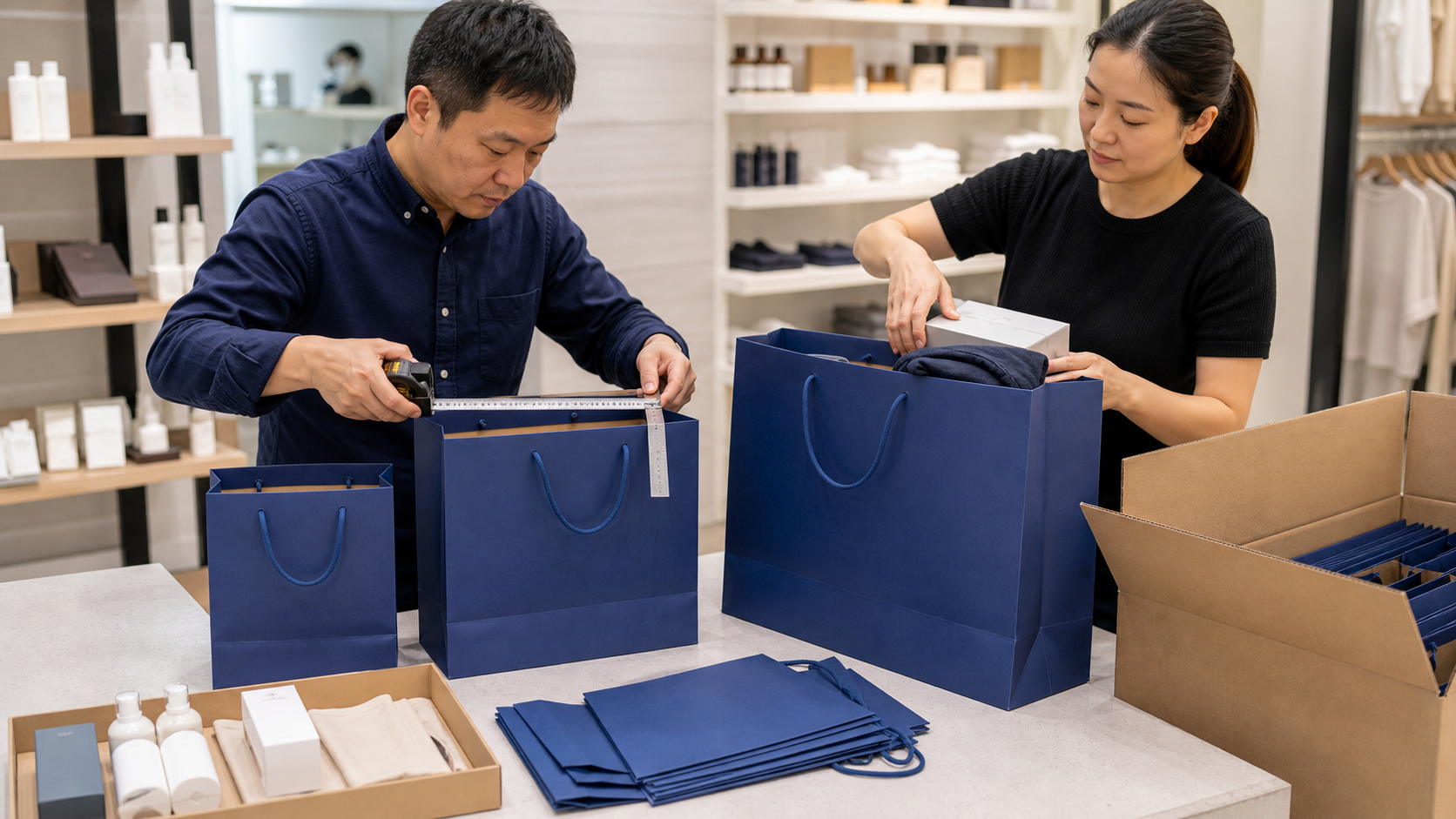
A retail validation session combines clear-mouth measurement, representative product loading, staff selection and empty-bag storage.
15. Set bulk tolerances around retail consequences
Tolerance should follow material, route, size and function. A few millimetres may matter at the mouth of a tight rigid-box carrier; the same difference may be harmless on a soft oversized apparel bag. Apply separate tolerances to face width, height, opened depth, clear mouth, internal base, handle geometry, artwork position and folded pack.
Measure the bag in a defined state after an agreed conditioning or rest period. For reusable textile bags marketed with a wash/care route, include dimensional change in the validation. ISO 3759:2011 describes preparation, marking and measurement for textile dimensional-change tests, while ISO 5077:2007 covers determining dimensional change after specified washing and drying procedures. A qualified laboratory should choose the applicable treatment and method for the actual article.
Inspect size as a system. A bag can meet face width and still fail if one gusset is inverted, the base is asymmetric or handles tilt the loaded product. Use the Custom Shopping Bag Quality Control Checklist to connect incoming, first-off, in-line and final checks.
16. Understand cost, MOQ and inventory effects
Each size can require different material yield, patterns or dies, boards, screens/plates, handle lengths, packing and cartons. A total order of 10,000 bags divided into four sizes and three artworks is not one 10,000-unit production lot. Show the complete size × material × color × artwork × destination matrix when comparing quotations.
Larger is not always proportionally more expensive, and a small bag is not always the cheapest. Mini paper carriers can have high handling and handle-installation cost relative to material. A large simple non-woven bag may use more body material but run efficiently. A board or premium rope can dominate a small order. Normalize commercial options with How Much Do Custom Shopping Bags Cost?.
MOQ may be driven by paper, fabric, film, board, handle color, printing or converting setup. Shared materials can improve leverage, but do not scale one construction blindly if product fit changes. The Custom Shopping Bag MOQ and Production Time guide shows how size splits affect production and critical path.
17. Right-size without weakening the retail job
Right-sizing reduces obvious empty volume, but the smallest geometric bag is not automatically the best environmental or commercial choice. A bag that is difficult to load may be discarded, doubled or replaced. A size family with excessive variants can create obsolete inventory. A durable reusable bag that is too large or uncomfortable may not be reused.
Measure the outcome: material and pack-out per accepted store-ready unit, transaction coverage, double-bagging, damage, inventory write-off and intended reuse. Protect product fit, carry function and presentation while removing redundant sizes or unnecessary depth. Avoid unsupported claims based solely on the word “right-sized.”
Company-claim boundary: LUCKYSTAR statements in this section are publisher self-description, not third-party verification, a laboratory result, or a guarantee of a standard size, product fit, transaction coverage, carrying load, carton cube, lower cost, lower impact, MOQ or delivery. Confirm the contracting entity, assigned production site and subcontracting; exact material and construction; finished measurement state and tolerances; representative product set; artwork; sampling and test methods; quantity/allocation; packing; and release terms for each order.
18. How LUCKYSTAR describes its retail size-system review
LUCKYSTAR states that its project team can organize a retailer’s basket evidence into a proposed size family, subject to specification and written confirmation. The review can connect product entry, opened footprint, handle use, checkout selection, artwork, store handling, carton planning and size-level controls.
- Basket evidence: record frequent, upper-normal and exceptional product sets with packaged dimensions, mass, orientation and rigid edges.
- Measurement control: define finished, opened, filled and packed states; width, height, depth, clear mouth, usable internal base, handle geometry and tolerance priorities.
- Coverage rule: assign each size a named retail job, normal and exception baskets, checkout cue and retirement trigger.
- Physical trials: use production-intent samples for product entry, loading, carry, counter/fixture, stack, carton and recovery checks under buyer-approved conditions.
- Artwork and identification: control size codes, converted artwork, viewing states, colors and allocation by market, store or launch wave.
- Commercial comparison: compare the approved construction, size/SKU matrix, pack-out and evidence requirements before evaluating price, MOQ or schedule.
Review the public custom shopping bag options. Teams still qualifying suppliers can use the manufacturer selection guide and Custom Bag Manufacturer Guide. Then send the product sets, size roles and validation requirements for a project-specific review.
19. What should a size-and-capacity RFQ contain?
A useful RFQ makes capacity auditable. Send product evidence, intended size roles, finished measurements, material directions, handles, artwork, load conditions, quantity matrix, store allocation and packing. If dimensions remain open, ask each supplier to explain the product-fit assumptions behind its proposed size instead of returning an unqualified “standard medium.”
| RFQ field | Retailer input | Manufacturer response expected | Release evidence |
|---|---|---|---|
| Size roles and baskets | Frequent, upper-normal and exceptional product sets with dimensions, mass and orientation | Proposed size family, coverage assumptions and exception rule | Signed physical basket-fit matrix |
| Finished measurements | W × H × D, clear mouth, internal base, handles, states, datums and tolerance priorities | Route-specific POM chart, dieline/pattern and achievable tolerances | Measured production-intent samples |
| Material and construction | Appearance, use, care, load, foldability, destination and open decisions | Exact BOM, gusset/base/handle route and size-specific constraints | Approved component and construction masters |
| Artwork family | Files, viewing state, sizes, colors, safe zones and shared elements | Converted templates, process/setup by size and registration tolerances | Flat, open and loaded print approval |
| Retail validation | Checkout sequence, carry route, fixture, peak scenario and pass/fail rules | Sample stages, test plan and operating limits | Recorded store simulation and loaded trials |
| Quantity and allocation | Units by size × material × color × artwork × destination and launch wave | MOQ drivers, shared components, schedule and size-level price | Normalized commercial matrix |
| Pack-out and quality | Fold, stack, bundle, carton, store labels, inspection and report needs | Pieces/carton, measured cube/weight, recovery check and size-specific control plan | Successful carton trial and approved QC record |
Frequently asked questions
What are standard Retail Shopping Bag Sizes?
There is no universal retail standard that makes small, medium or large interchangeable across stores and materials. Use market ranges only to begin a concept, then define finished dimensions, clear mouth, internal base, handles and a named product set for every SKU.
How do I calculate shopping bag volume in litres?
For an ideal rectangle measured in centimetres, multiply W × H × D and divide by 1,000. State whether the dimensions are external or internal. The result is a theoretical geometric envelope, not guaranteed usable capacity or carrying strength.
What is the difference between volume and carrying capacity?
Volume describes space under a defined method. Carrying capacity describes a load result under defined conditions. A large lightweight bag may accept bulky apparel but not heavy bottles; a compact reinforced bag may carry more mass while fitting fewer products.
How much clearance should be added around a product?
There is no reliable universal allowance. Required clearance depends on material stiffness, opening, insertion angle, product corners, tissue, loading speed, seams and gussets. Prototype the largest rigid item and normal basket, then set the approved internal dimensions from the trial.
Should bag height cover the product completely?
That depends on privacy, protection, tissue, handle clearance and brand presentation. Premium or sensitive purchases may need full containment. Tall decorative products may intentionally remain visible. Approve the filled handover state, not only the empty bag.
How many shopping bag sizes should a retailer stock?
Use the smallest family that covers important basket clusters without routine over-bagging, damage or double-bagging. Many retailers can begin testing two or three core roles plus a controlled exception, but the correct count comes from transaction and store evidence.
Can one shopping bag size serve footwear and apparel?
Sometimes. A horizontal bag may accept a common shoe box and folded clothing, but the normal loads, tissue and handle geometry must remain practical. If the footwear box forces excessive void for most apparel transactions, separate roles may be more efficient.
How should shopping bag dimensions be written?
Use an explicit order such as finished W × H × D in millimetres or centimetres, then define each datum and measurement state. Add clear mouth, internal base and handle dimensions where they control product fit. Avoid relying on a picture or size name.
Do washable shopping bags need a different size specification?
They may. If a textile bag is intended to be washed, validate dimensional change under an applicable treatment and measurement method. Decide whether the quoted finished dimensions apply before treatment, after treatment or both, and align care instructions with the test.
When should carton dimensions be confirmed?
After final material, gussets, handles, boards, fold and packing are present in production-intent samples. Estimated carton dimensions are useful for early budgeting, but freight and store allocation should use a successful physical pack-out.
Turn basket data into a repeatable retail tool
A good Shopping Bag Size Guide does not end with a chart. It connects real purchases to clear size roles, measurable finished bags, fast checkout rules, comfortable carrying, efficient storage and controlled bulk supply. The best capacity is the capacity that products and people can actually use.
Send LUCKYSTAR your representative baskets, largest rigid products, preferred material directions, store constraints, artwork, quantity by size and destination. The team can help turn those inputs into a tested size architecture and comparable quotation.

Request a retailer size-system proposal
Turn representative baskets into an auditable size, fit, checkout and pack-out brief before comparing an unqualified small, medium or large.
Review LUCKYSTAR custom shopping bag options, then send your project details through the contact form or Email a project brief. The email link opens a draft for your review before sending.
Factory assignment, material/construction, size, capacity, fit, coverage, load, artwork, samples, testing, inspection, price, MOQ, allocation, packing, schedule and release terms are subject to due diligence, specification and written confirmation.