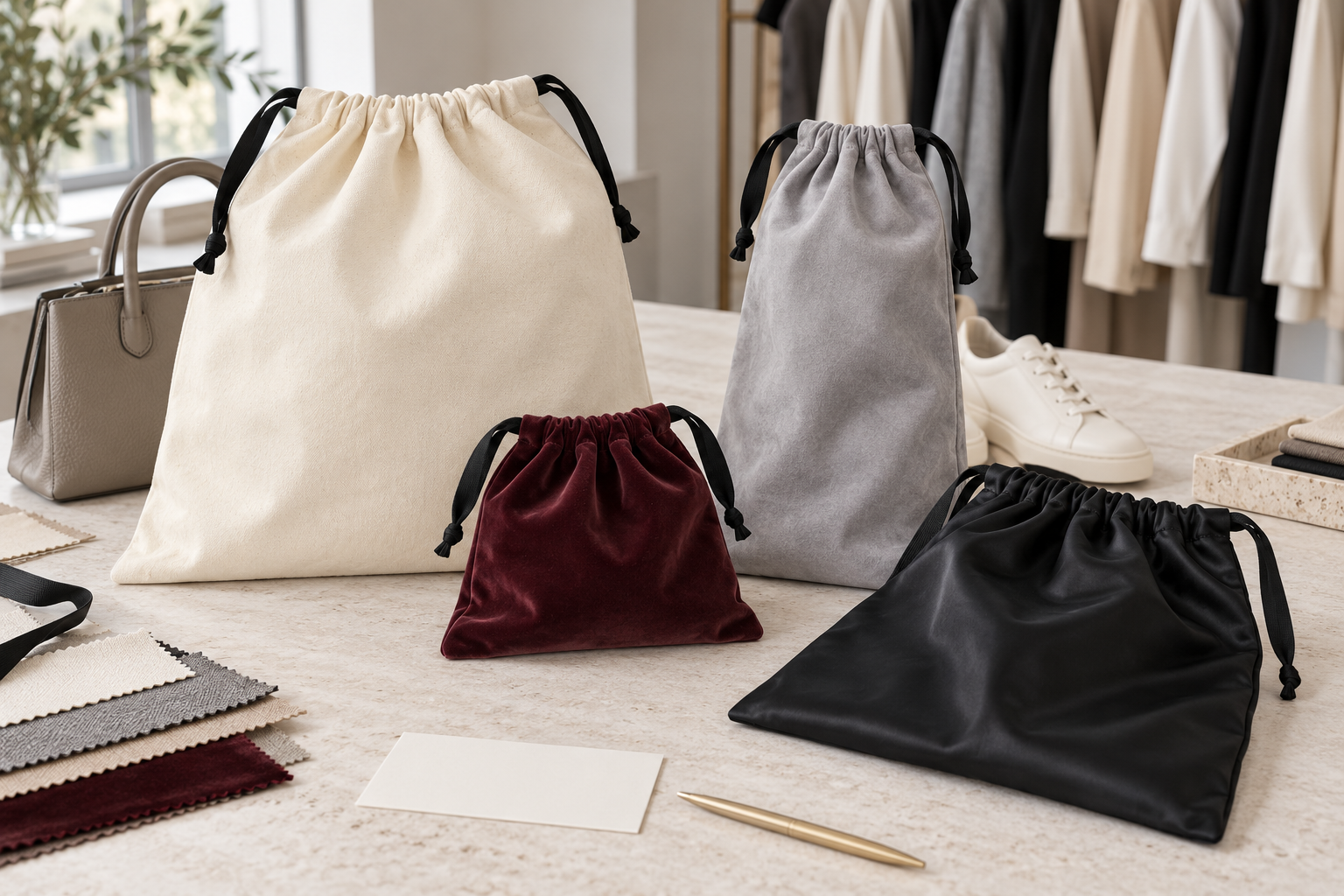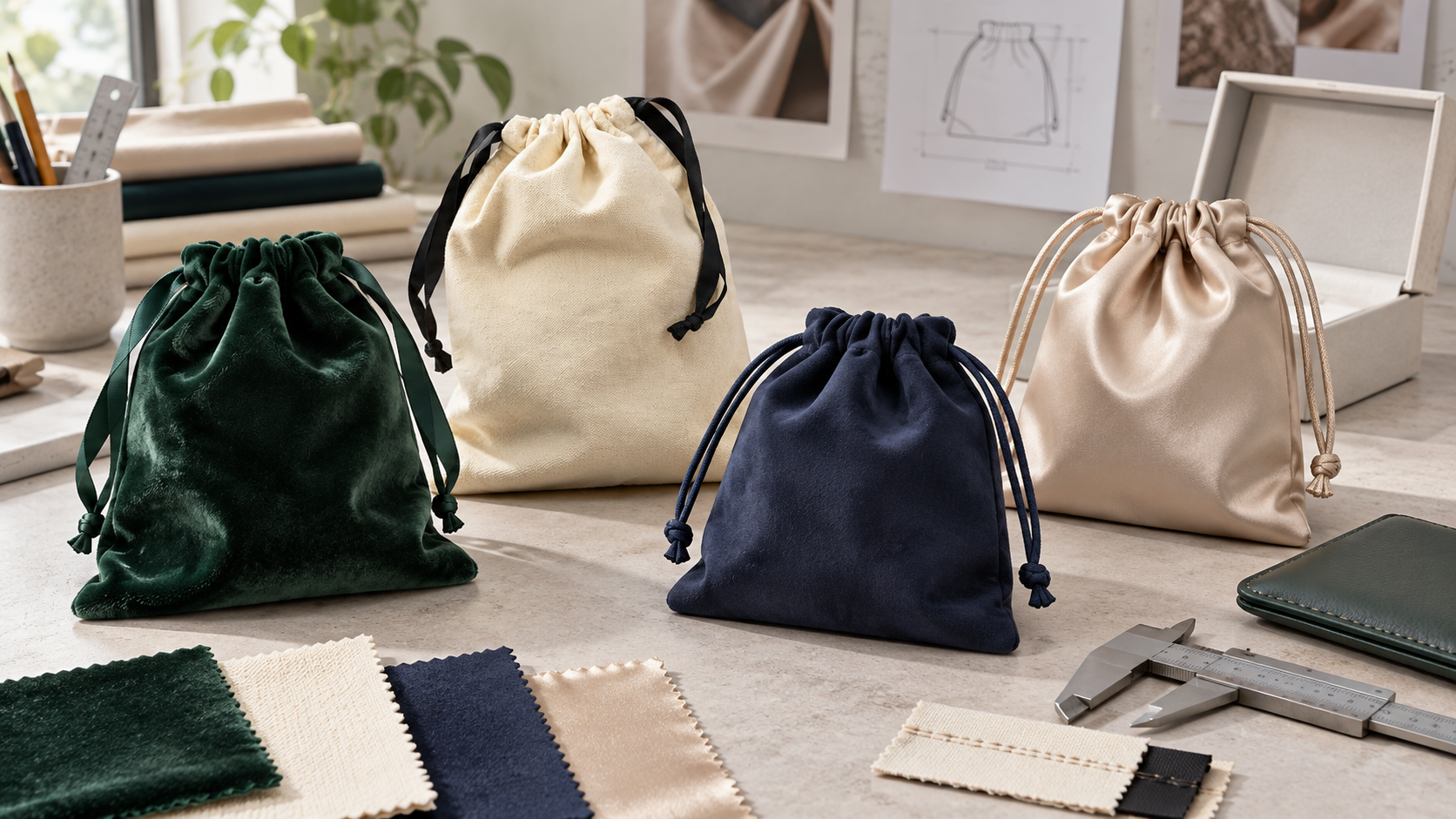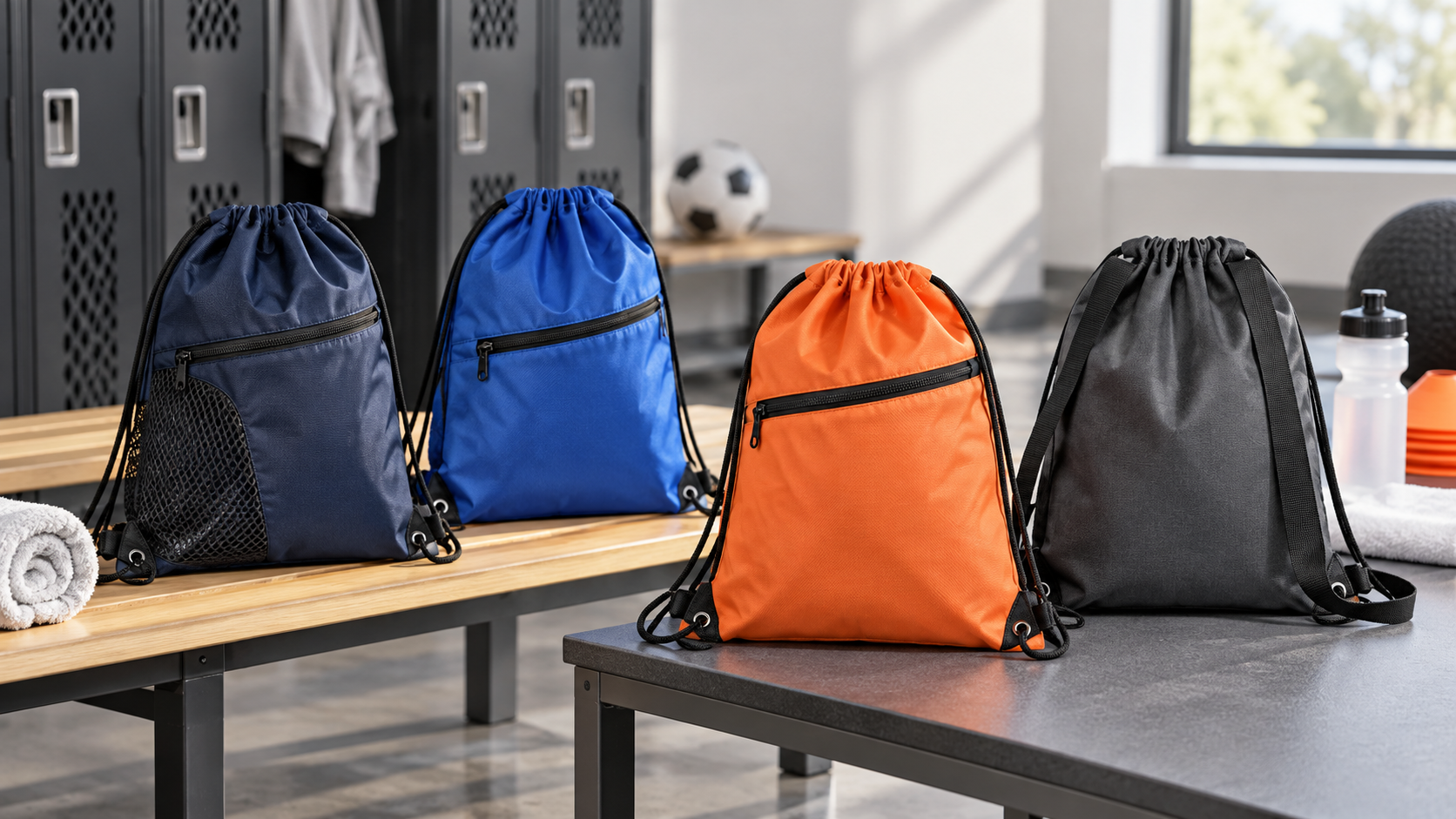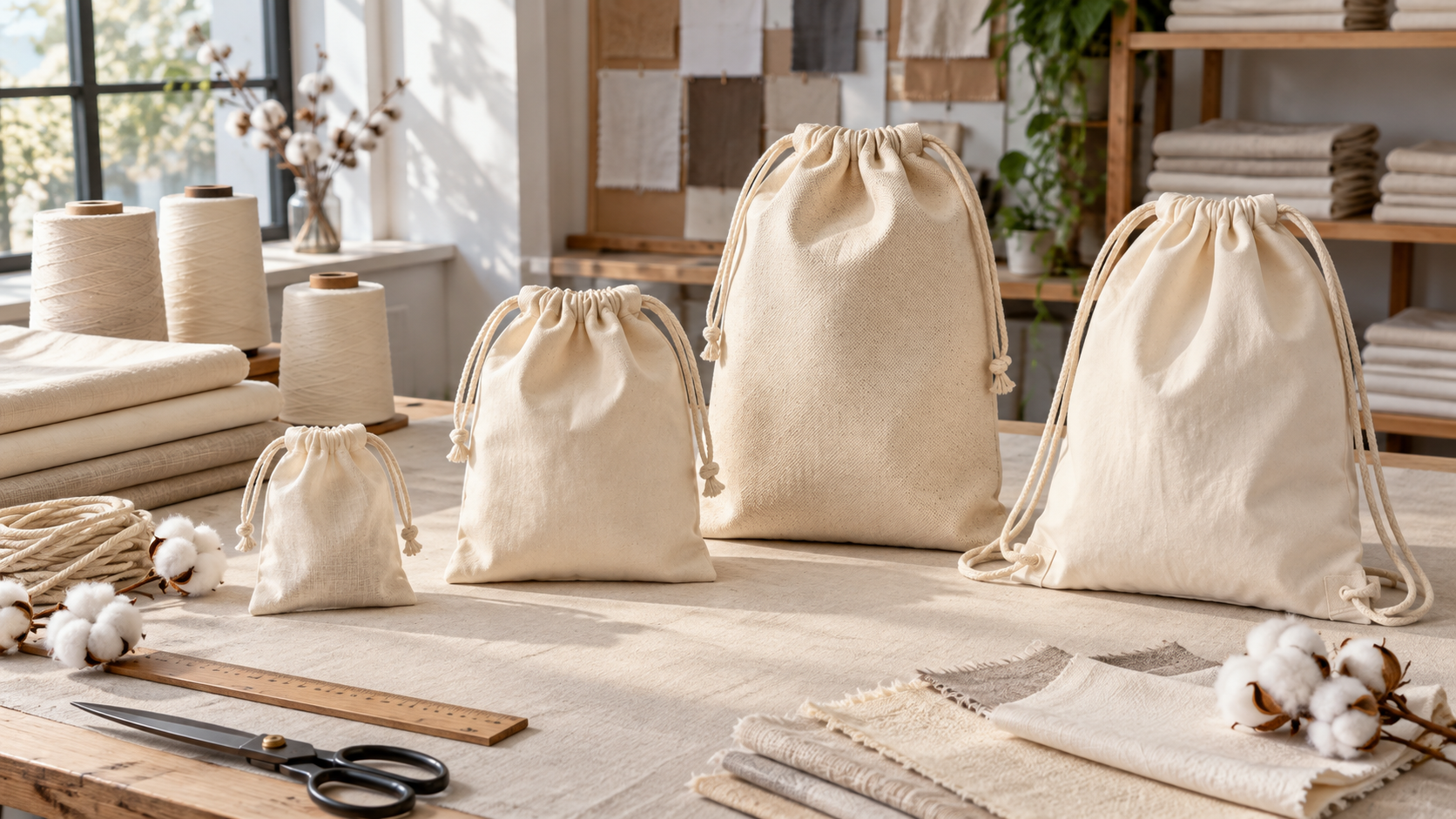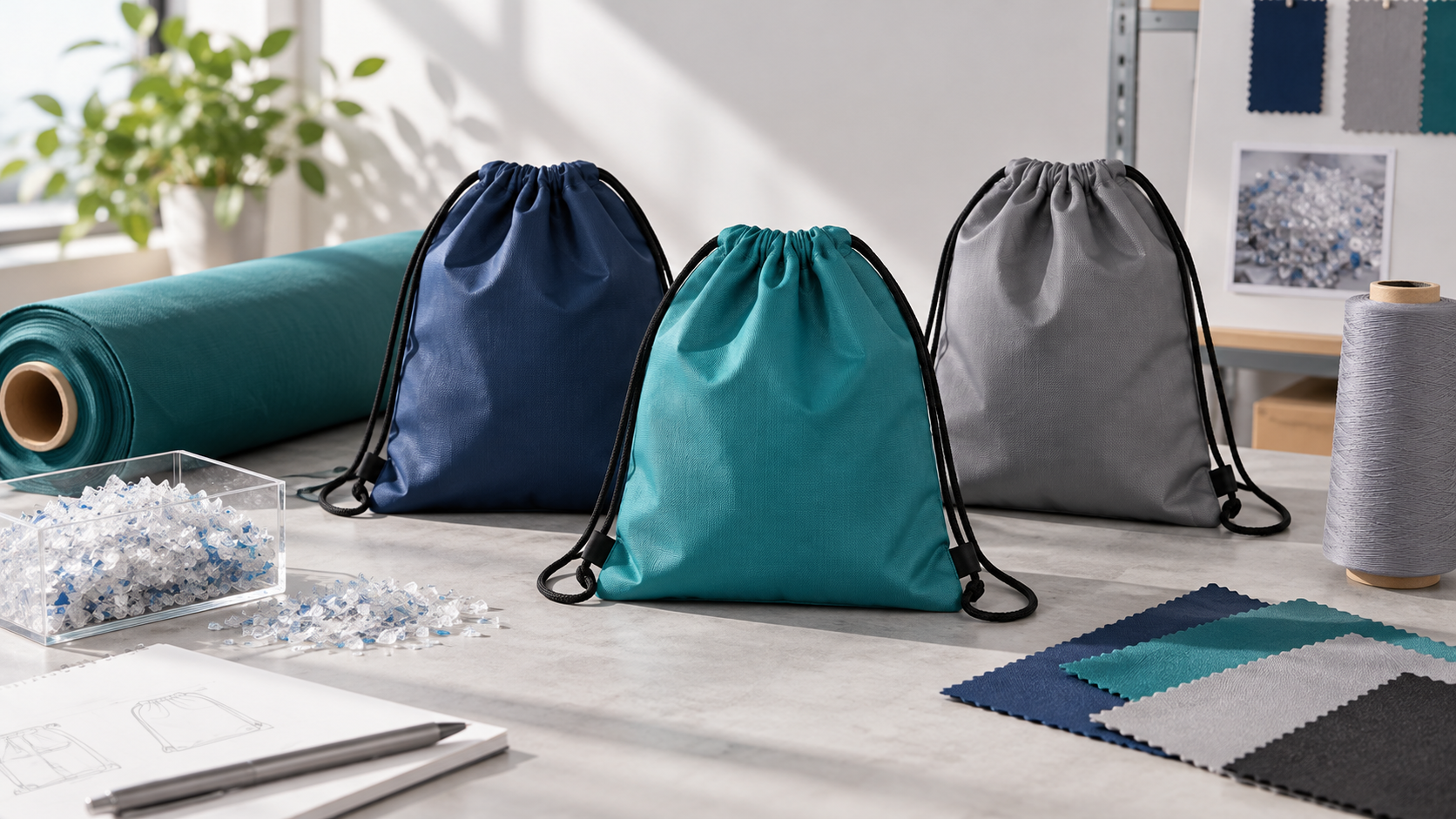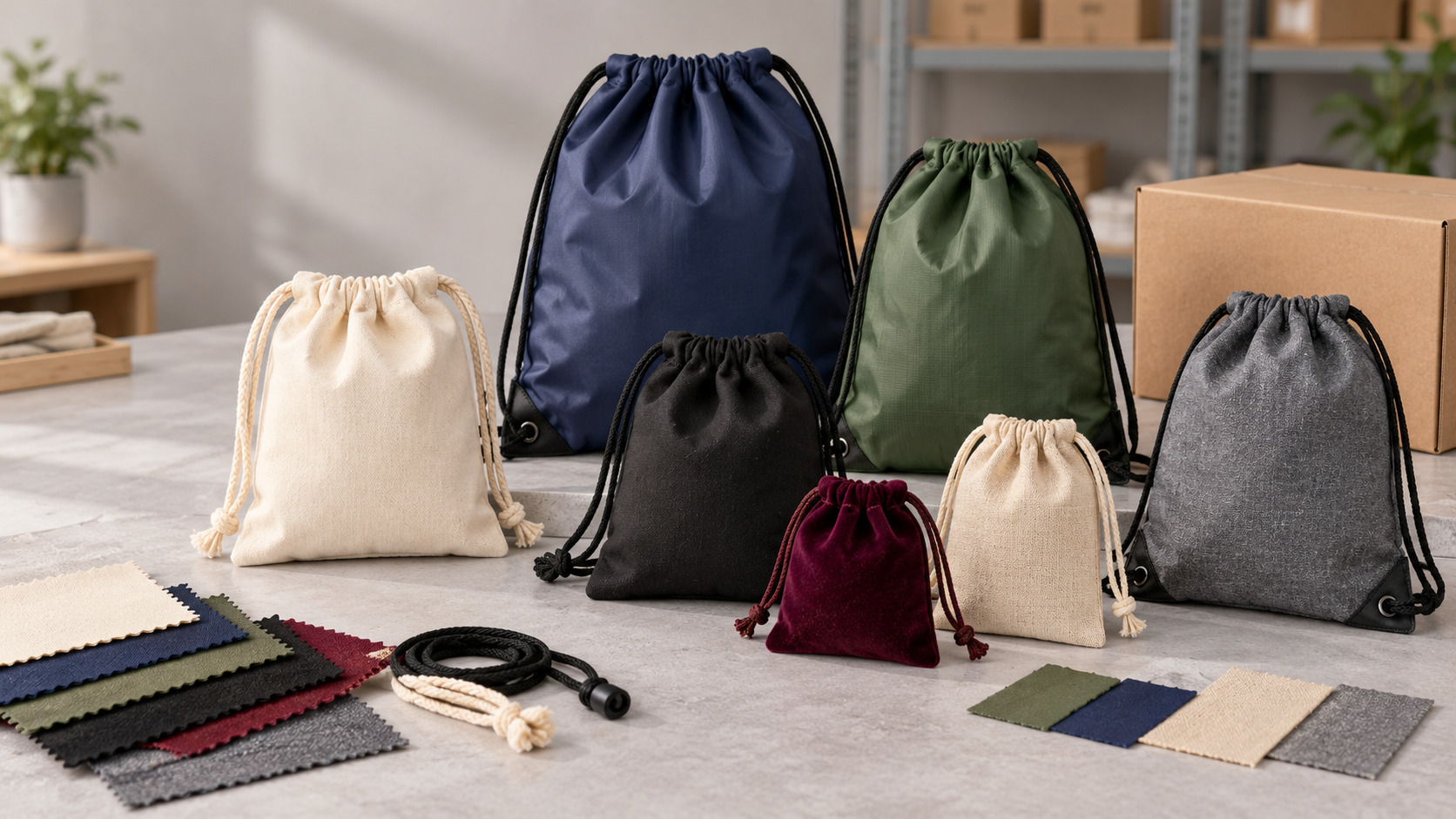
In bag sourcing, OEM usually starts from a buyer-defined design, while ODM starts from a supplier-developed style that the buyer adapts. Choose the route by identifying what already exists, what must be developed, who approves each change and which files will be delivered. Neither label establishes quality, exclusivity or ownership by itself.
Need to compare an OEM, ODM or hybrid route? Send the product use, starting files or reference, protected inputs, requested changes, quantity/SKU split, target market, approvals, file/tooling deliverables and required arrival date. LUCKYSTAR can return its proposed development route, assumptions and quotation scope for written review.
If you have a complete technical pack, request a review of manufacturing feasibility and any proposed substitutions. If you have a reference style, identify its base-style version and the permitted changes. If you have only a use case, ask to compare starting constructions before committing to custom development. In each route, list development outputs, approval owners, charges and open decisions.
This guide explains the practical differences between the two routes. For the wider sourcing framework—supplier capability, bag categories, quality control, MOQ and quotation preparation—start with our Custom Bag Manufacturer: Complete OEM/ODM Buyer’s Guide. If you are still choosing a product format, browse the product range before preparing the brief.
OEM vs ODM Bag Manufacturing at a Glance
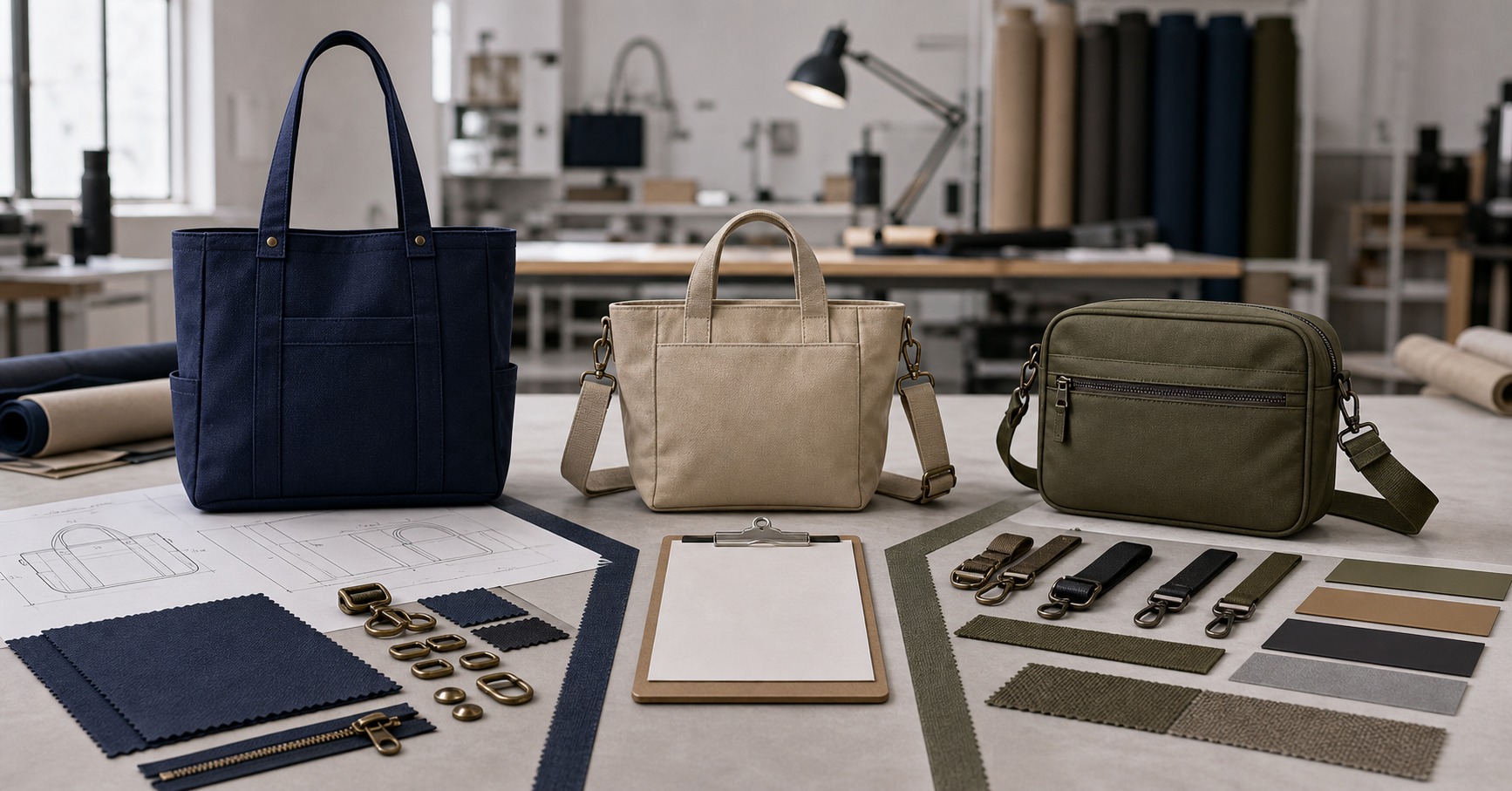
In common sourcing language, OEM bag manufacturing usually means that the buyer controls the product concept and specification while the supplier engineers, samples and produces it. ODM bag manufacturing usually begins with a supplier-developed or production-proven style that the buyer adapts. The terms are not applied identically by every supplier, so the scope written into the quotation and approval record matters more than the label.
| Decision point | OEM route | ODM route | What the buyer should confirm |
|---|---|---|---|
| Starting input | Buyer sketch, reference sample, technical pack or original concept | Existing supplier style, pattern or sample platform | Which dimensions, materials and construction details are already fixed |
| Product differentiation | Potentially high because the structure can be created for the project | Usually concentrated in color, material, trim, branding and selected features | Which changes are permitted without rebuilding the pattern |
| Development work | More engineering, pattern work and validation may be required | Core construction has often been sampled or produced before | What is genuinely proven and what still requires testing |
| Timeline | Often longer before a stable sample is approved | Can be shorter when the base style and materials are available | Whether custom color, hardware or packaging removes the time advantage |
| Cost structure | More sample, pattern, tooling or engineering cost may appear | Lower initial development cost is possible, but not guaranteed | Which charges are one-time, recurring or refundable against an order |
| Control record | Buyer specification plus the approved sample governs production | Supplier base specification plus an approved customization list | Which document is the final production authority |
Neither route guarantees better workmanship. An excellent ODM project can be more reliable than a poorly documented OEM project, while a well-controlled OEM program can deliver differentiation that a catalog-based style cannot. Quality depends on material control, construction suitability, sampling discipline and production inspection.
What OEM Bag Manufacturing Actually Requires
An OEM bag manufacturer is expected to translate a buyer-controlled idea into something that can be cut, sewn, decorated, inspected and reordered. That translation is where most of the technical work sits. A rendering may show appearance, but it rarely defines seam allowance, reinforcement, zipper grade, lining attachment, logo tolerance or how the bag should hold its shape when loaded.
A useful OEM brief does not need to answer every engineering question. It should separate non-negotiable brand or functional requirements from areas where the supplier may recommend a solution. For example, the outside dimensions and pocket positions may be fixed, while the reinforcement material and sewing sequence remain open to factory advice.
| Buyer-controlled input | Factory development output | Approval evidence |
|---|---|---|
| Purpose, user and intended load | Construction and reinforcement recommendation | Loaded-use review or agreed performance check |
| Finished dimensions and layout | Patterns, seam allowances and assembly method | Measurement chart with tolerances |
| Material direction and color standard | Available fabric, lining, webbing and trim options | Approved physical swatches or named color reference |
| Logo artwork and placement | Decoration method, printable area and process limits | Approved artwork proof and decorated sample |
| Closure, pockets and hardware concept | Component specification and attachment detail | Approved component board or sample record |
| Packing and market requirements | Fold, protection, labels, carton plan and test route | Approved packing instruction and compliance list |
Before development, separate buyer-provided artwork and specifications, supplier background designs and know-how, third-party references, and newly created project files, patterns, molds or tooling. WIPO distinguishes assignment from licensing: an assignment transfers ownership of an IP asset, while a licence authorizes use while ownership is retained. WIPO also notes that national rules may require written form, registration or other formalities. Record ownership, permitted uses, territory, duration, exclusivity, sublicensing, confidentiality, tooling/file custody, post-termination handling and public-display permission in agreements reviewed for the relevant jurisdictions. The OEM or ODM label is not an ownership or non-infringement ruling.
What ODM Bag Manufacturing Actually Requires
An ODM bag manufacturer offers a starting platform. It may be a current catalog style, a production sample, a pattern family or a construction the supplier already understands. The buyer gains speed by avoiding some early pattern and feasibility work, then invests attention in the changes that matter commercially.
The fastest ODM project is not the one with the longest customization list. It is the one that protects the proven parts of the base style. Changing a bag from black to a stocked navy fabric and adding a screen-printed logo is different from changing its dimensions, adding a padded lining, moving the zipper, replacing the handles and introducing custom metal hardware. The second project may still be called ODM, but its development risk now resembles OEM.
Ask what “existing design” really means
- Has this exact construction been produced in bulk, or does only a showroom sample exist?
- Are the pattern and bill of materials current, or will they be rebuilt for the order?
- Which fabrics and trims are regularly stocked, and which require a new supplier minimum?
- Can dimensions change without disturbing the bag’s proportions or sewing sequence?
- Is the style exclusive to another customer, protected by design rights or restricted by territory?
- Which performance claims, if any, have been tested on the base construction?
A responsible supplier should not offer another customer’s protected design as an open ODM product. Buyers should also avoid treating a competitor’s finished product as a free technical pack. Use references to explain function and taste, then document an independent product direction.
Which Route Fits Your Bag Project?
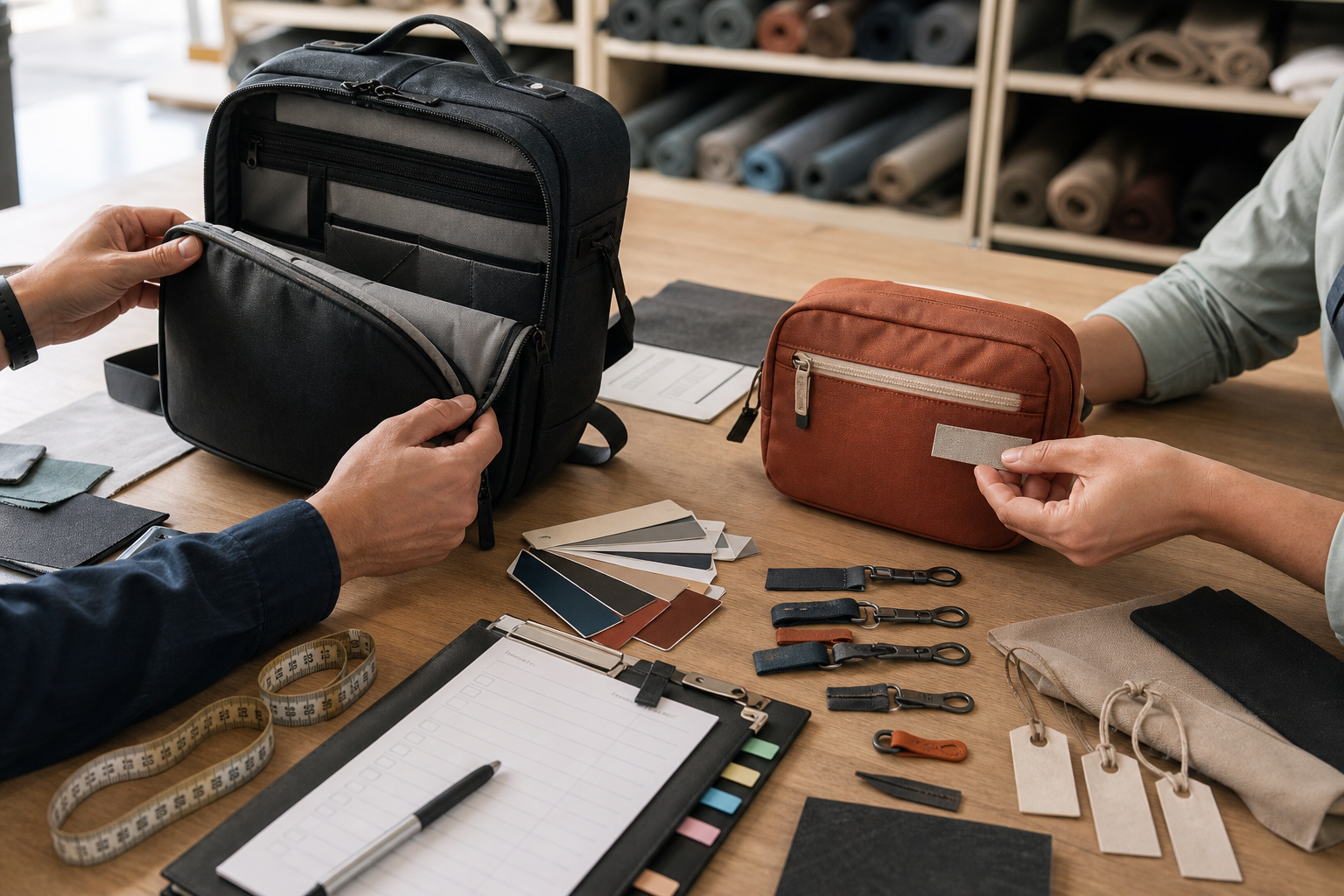
The choice should match the commercial objective. A new flagship collection, patented function or exact retail system may justify the development time of OEM. A campaign bag with a fixed launch date may benefit from an ODM platform. Many successful orders use a hybrid route: retain a proven body construction, then redesign the visible or high-value details.
| Project situation | Likely route | Why | Main caution |
|---|---|---|---|
| Original structure with new compartments or load requirements | OEM | The pattern and construction need to be engineered around the use | Allow enough sample rounds for function, not only appearance |
| Fast promotional launch using a familiar tote or pouch | ODM | A proven base can reduce pattern and setup work | Custom materials or packing can still drive MOQ and lead time |
| Retail brand wants a recognizable silhouette with unique details | Hybrid | A stable base can support custom pockets, trims, colors and branding | Record exactly which structural parts remain unchanged |
| Buyer has a complete technical pack and approved materials | OEM | The manufacturing task is execution against a controlled specification | Check whether local material equivalents require reapproval |
| Buyer has only a mood board and target price | ODM first | Physical base styles make trade-offs easier to evaluate | Do not promise originality until the final scope is defined |
| Repeat order of a previously approved bag | Existing controlled program | The approved specification matters more than the OEM/ODM label | Confirm material, color, trim and packaging have not changed |
How OEM and ODM Affect MOQ, Cost and Lead Time
ODM is often described as the low-MOQ, low-cost route. That can be true when the buyer accepts stock materials, standard trims and the existing size. It becomes less true as customization increases. A custom-dyed fabric, branded zipper pull or printed packaging component may carry its own minimum regardless of whether the base pattern is already available.
OEM development does not automatically require a huge order either. A factory may sample an original design at a modest quantity when suitable stock materials and standard hardware are used. The more useful approach is to identify the limiting component. Our guide to the typical MOQ for custom bags explains how material, decoration and production setup interact.
| Cost or timing driver | OEM effect | ODM effect | Possible control |
|---|---|---|---|
| Pattern and engineering | New pattern work and more sample review are common | Reduced when the base pattern is current and suitable | Freeze dimensions early and consolidate comments |
| Custom-dyed material | May create a fabric MOQ and color approval stage | Creates the same constraint if stock colors are rejected | Use stocked colors or combine volume where appropriate |
| Custom hardware or mold | Often part of the differentiation plan | Can remove the speed advantage of the platform | Use standard hardware with a branded puller or label |
| Decoration | Setup depends on print, embroidery, patch or label method | Usually similar because the branding process is order-specific | Match the method to artwork, quantity and material |
| Sample rounds | More rounds may be needed to validate structure | Fewer rounds are possible if changes remain cosmetic | Review one consolidated comment sheet per round |
| Testing and compliance | New materials or functions may need a full review | Previous data helps only if the exact material and construction match | Define the market and test requirements before quotation |
When budgeting, compare the complete development and order cost rather than only the unit price. Include sample charges, tooling, testing, packaging, inspection and freight assumptions. The article How Much Do Custom Bags Cost? provides a separate framework for price comparison.
Sampling and Change Control: Where Both Routes Succeed or Fail
OEM and ODM projects fail in similar ways when decisions remain scattered across emails, chat messages, marked photographs and unrecorded calls. Before bulk production, both routes need a single approved reference that identifies the bag, material, dimensions, artwork, components, workmanship, packing and any accepted deviations.
For OEM, list the drawing and technical-pack revisions, material approvals, sample record and agreed file deliverables. For ODM, also identify the supplier base style, unchanged features and every approved modification. Assign one owner to compile the final package and one authorized approver to release it. Record temporary sample materials and their required replacement before bulk release.
| Control gate | OEM evidence | ODM evidence | Release question |
|---|---|---|---|
| Development start | Design brief and responsibility map | Base style ID and customization brief | Do both parties know what is fixed and open? |
| Material approval | Approved swatches and component specification | Base materials plus documented substitutions | Will bulk material match the reviewed sample? |
| Prototype review | Measurements, function, construction and appearance comments | Comparison against the selected base and change list | Are comments consolidated and measurable? |
| Pre-production freeze | Final technical record and approved production sample | Final customization sheet and approved production sample | Has every temporary item been replaced or recorded? |
| Bulk inspection | Inspection against specification and approved sample | Inspection against base specification plus approved changes | Are defect definitions and tolerances agreed? |
| Repeat order | Controlled revision and material continuity check | Base-style revision plus customization continuity check | What changed since the previous production? |
For a detailed approval workflow, see the Custom Bag Sample Development Process. To understand how the approved product moves into material preparation, cutting, decoration, sewing, inspection and shipment, continue with the custom bag manufacturing process from design to delivery.
Compare Quotations on the Same Basis
A low OEM quotation may exclude pattern charges, custom hardware or test costs. A low ODM quotation may assume a stock material, standard packing and no structural changes. Ask each supplier to show what the price includes, what remains provisional and which decisions can change the number.
| Quotation line | What to request | Why it matters |
|---|---|---|
| Development basis | OEM brief version or ODM base-style reference | Prevents different products from being compared as if they were identical |
| Sample charges | Prototype type, included revisions, courier and refund policy | Separates development cost from bulk unit price |
| Material and trim | Composition, weight or grade, color basis and hardware specification | Exposes substitutions hidden behind generic material names |
| Branding | Method, size, colors, placements and setup charge | Allows artwork complexity to be priced consistently |
| MOQ and color split | Total order minimum plus minimum per style and color | Shows whether one component is controlling the quantity |
| Packing | Individual protection, labels, carton quantity and carton marks | Affects labor, carton volume and retail readiness |
| Timing and trade term | Sample days, bulk days after approval, quote validity and Incoterm | Prevents a fast ex-factory estimate from being mistaken for an arrival date |
Risk Questions Buyers Should Ask Before Choosing
| Risk | Question to ask | Evidence to request |
|---|---|---|
| The ODM style is not production-proven | When was this exact construction last produced and at what scale? | Current sample, production record or clear disclosure that it is a concept |
| Original work is reused | Who owns the new pattern, mold, artwork and final design files? | Written ownership, confidentiality and display terms |
| Custom changes are lost in bulk | Where are all modifications recorded after approval? | One controlled change list tied to the production sample |
| Sample materials differ from bulk | Which sample items are temporary or substituted? | Substitution log and pre-production material approval |
| ODM speed is overstated | Which custom elements still need dyeing, tooling or testing? | Component-level lead-time assumptions |
| OEM design is not manufacturable at target cost | Which features have the greatest cost or consistency risk? | Costed alternatives that preserve the intended user benefit |
| Repeat order drifts | How are specification revisions and material changes controlled? | Version number, retained sample and repeat-order confirmation sheet |
The supplier’s questions are as informative as its answers. A capable team will clarify use, dimensions, load, material, logo, packing and delivery expectations before presenting a confident price. Use the checklist in How to Choose a Custom Bag Manufacturer when comparing communication and control systems.
A Practical RFQ for OEM or ODM Bags
A concise RFQ makes the route visible. State whether you are providing an original specification, modifying a reference sample or asking to review supplier-developed platforms. Then give enough commercial context for the manufacturer to recommend a realistic path.
| RFQ field | Information to provide |
|---|---|
| Route | OEM, ODM or open to a hybrid recommendation; explain the starting point |
| Product use | Target user, what the bag carries, expected load and use conditions |
| Design input | Sketch, technical pack, physical reference, base-style photo or mood board |
| Dimensions | Width, height, depth, handle drop and critical pocket or opening measurements |
| Materials | Preferred composition, weight, color, lining, insulation and acceptable alternatives |
| Construction | Closure, handles, pockets, reinforcement, binding and special functions |
| Branding | Vector artwork, placement, finished size, colors and preferred method |
| Quantity | Total units, style and color split, trial volume and forecast repeat volume |
| Market and compliance | Sales country, customer requirements and known test expectations |
| Packing and timing | Retail or bulk packing, destination and required in-hand date |
| Ownership | Confidentiality, exclusivity, tooling and file-control expectations |
Company-claim boundary: the following section is LUCKYSTAR publisher self-description and a commercial development proposal. It is not independent proof of factory ownership, ownership or licensing rights in a design, exclusivity, non-infringement, protected know-how, production history, quality, certification, capacity, MOQ, price or delivery. Legal seller and sites, source and rights to each input, deliverables, tooling/file access, materials, samples, tests, inspection and schedule remain project-specific and subject to current evidence, reviewed agreements, final specification, quotation, contract and written confirmation.
How LUCKYSTAR describes its OEM/ODM route review
LUCKYSTAR states that it can review the starting materials and commercial objective, then return its proposed development route and order controls.
- Map the starting point: identify buyer files, physical references, supplier base styles and third-party inputs separately.
- Define the change scope: distinguish unchanged construction from new dimensions, materials, components, functions, decoration and packing.
- List deliverables and rights questions: record proposed samples, specifications, artwork proofs, patterns/tooling/files and the agreements requiring legal review.
- Price the same scope: state sample/revision charges, tooling, tests, inspection, packing, MOQ by controlling component, timing triggers and exclusions.
- Control release: connect every approved change to one specification, sample and evidence package before bulk production.
Review the bag product range and sample-development process, then send the inputs for an OEM/ODM route proposal.
Frequently Asked Questions
Is OEM always fully custom?
No. Some buyers use the term OEM for any private-label order, while others reserve it for production from a complete buyer-owned specification. Define the actual development responsibility, not only the label.
Is ODM the same as adding a logo to a stock bag?
That is the simplest form, but ODM can include changes to material, color, trim, pockets, straps and packaging. Once structural changes become extensive, the project may require OEM-style sampling and control even if it started from an existing design.
Can an ODM bag still look distinctive?
Yes. A thoughtful material palette, useful feature changes, custom trim, proportion adjustments and coordinated packaging can create a strong brand result. Distinctiveness should be judged against the market and the exact rights attached to the base style.
Which route has the lower MOQ?
ODM may support a lower opening quantity when stock materials and standard components are accepted. A custom color, branded hardware or special packaging can create the same component minimums as an OEM project.
Who owns the design?
Ownership depends on the starting materials, the development agreement and local law. Buyer artwork, supplier base patterns, newly created tooling and final product files may have different owners. Put the intended rights and confidentiality terms in writing before paying for development.
Compare the route, deliverables and rights assumptions in one brief
Define what already exists, what will change, who supplies each input, what evidence releases production and which ownership or licence questions require agreement and legal review.

Review the LUCKYSTAR bag range, then send the OEM/ODM project inputs through the contact form or Email a project brief. The email link opens a prefilled draft for your review before sending.
Legal seller and facilities, design provenance and rights, deliverables, tooling/file access, materials, samples, testing, inspection, capacity, MOQ, price, packing, schedule and delivery terms are subject to current evidence, reviewed agreements, final specification, quotation, contract and written confirmation.