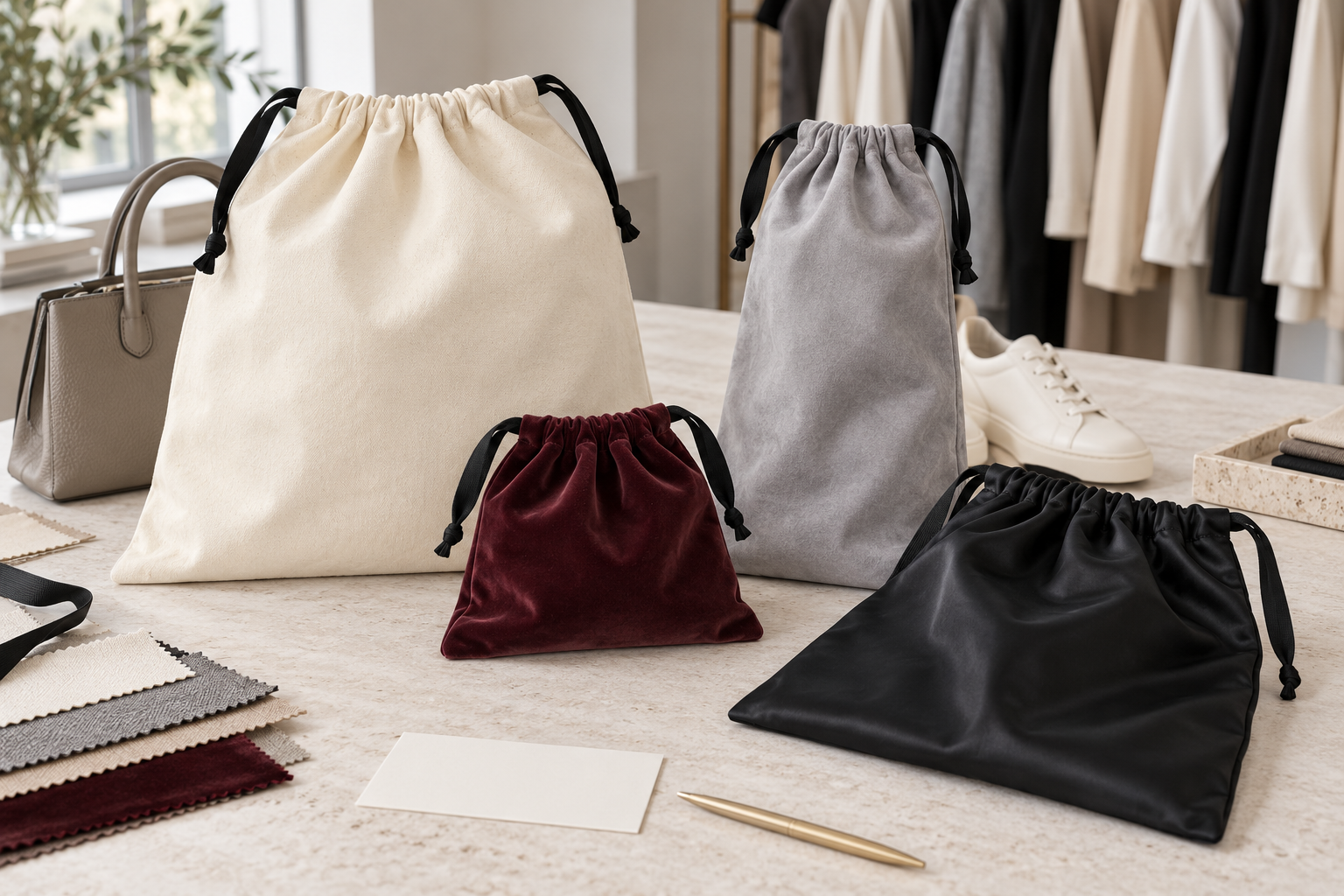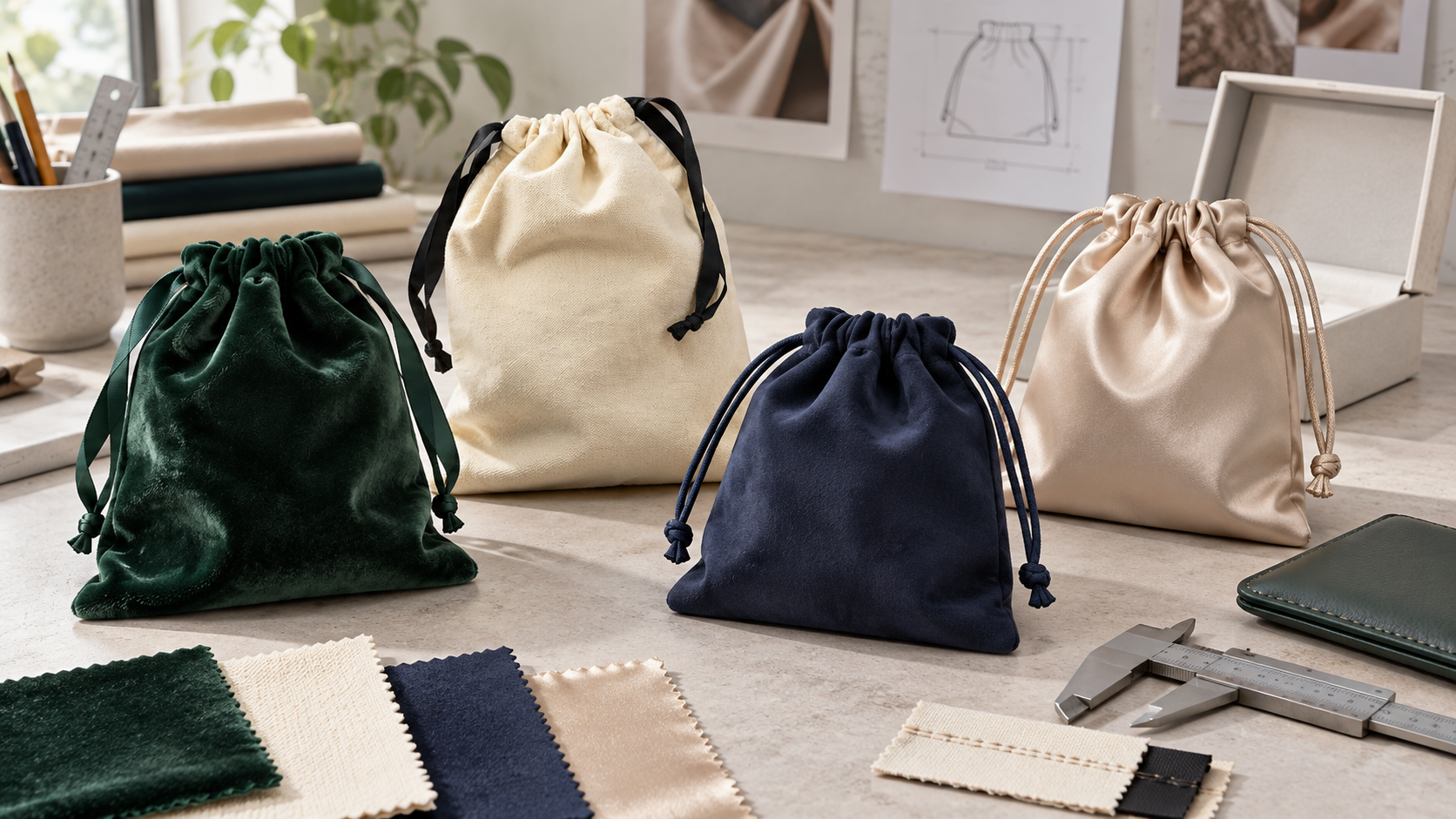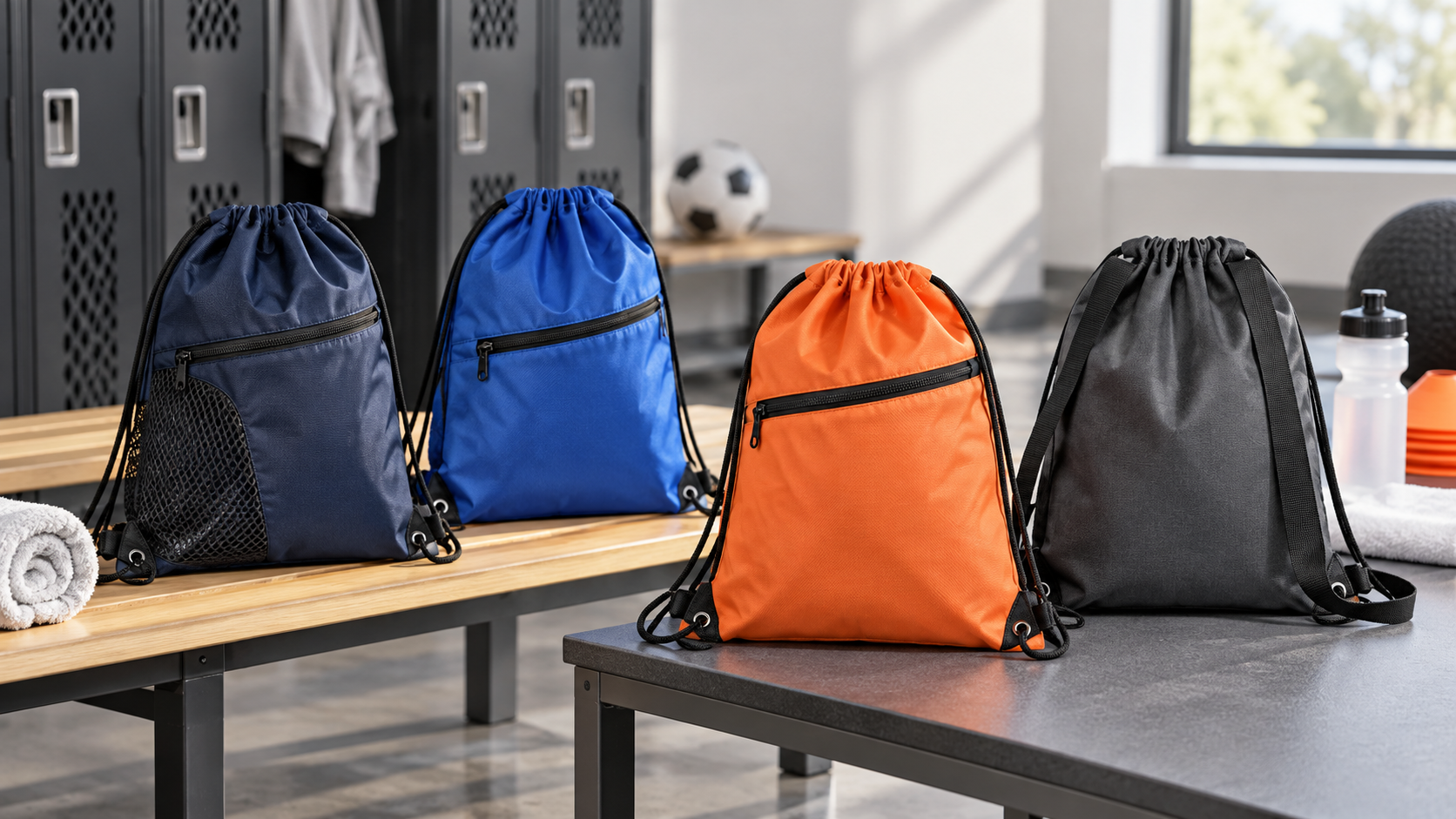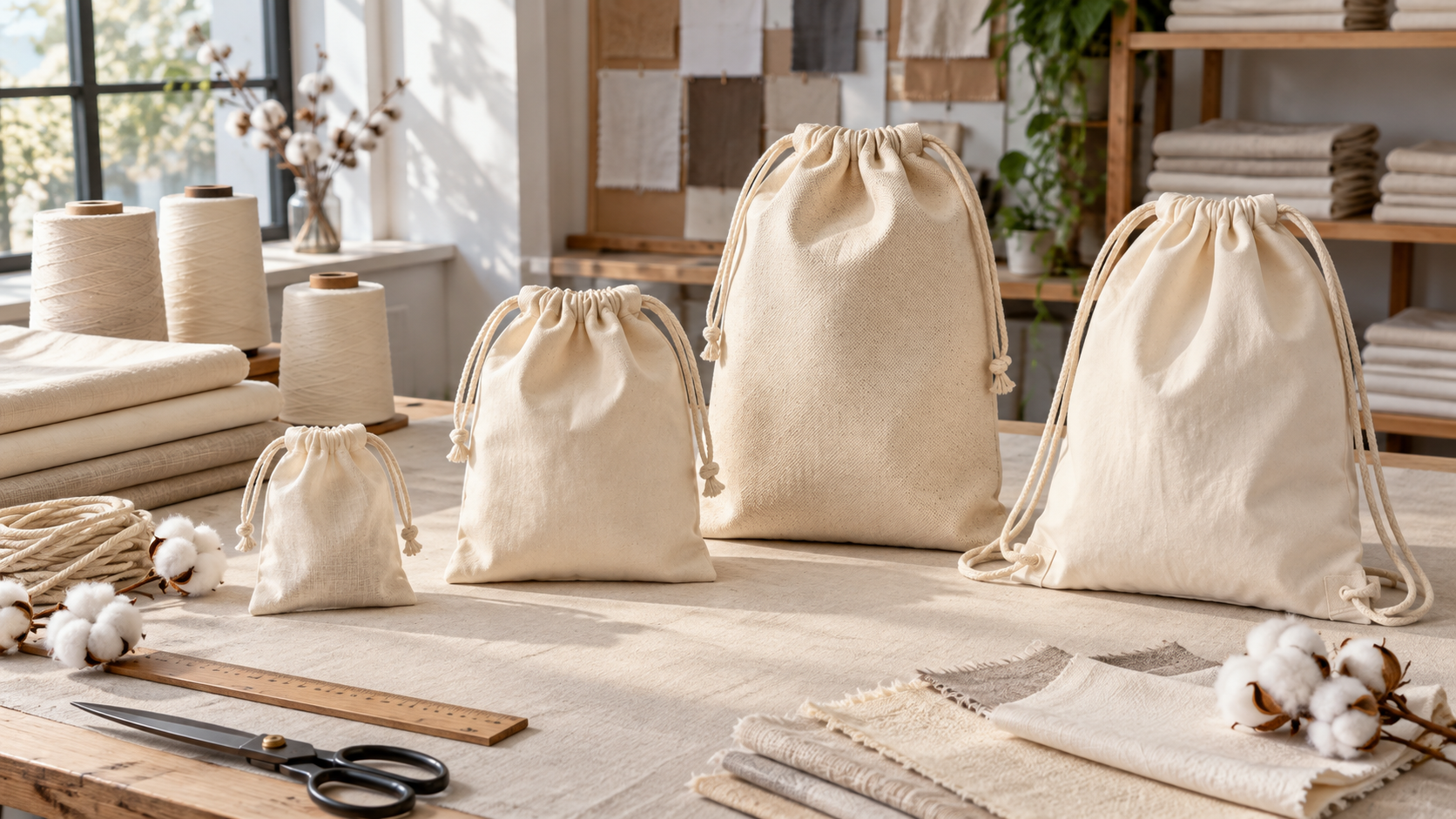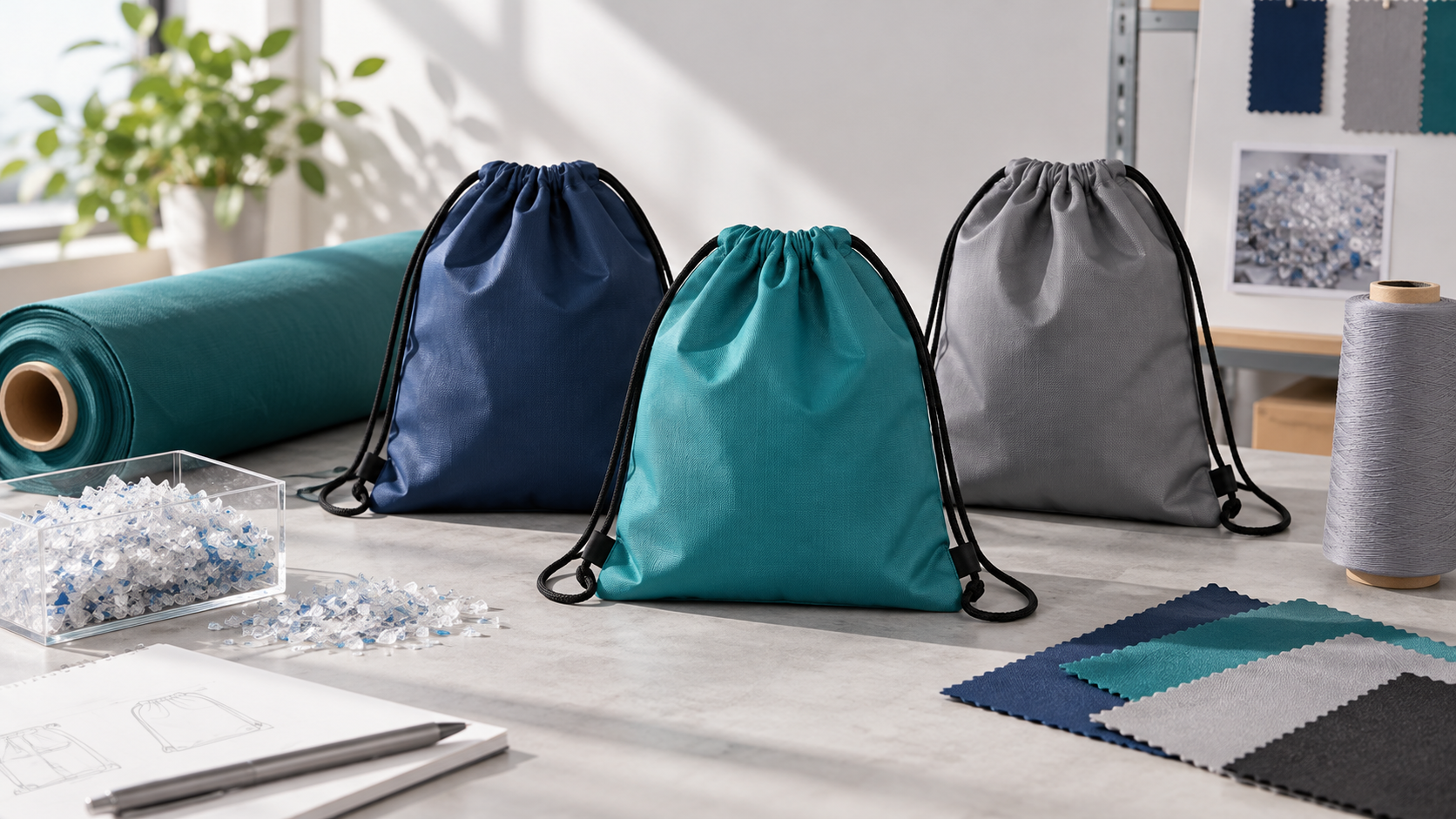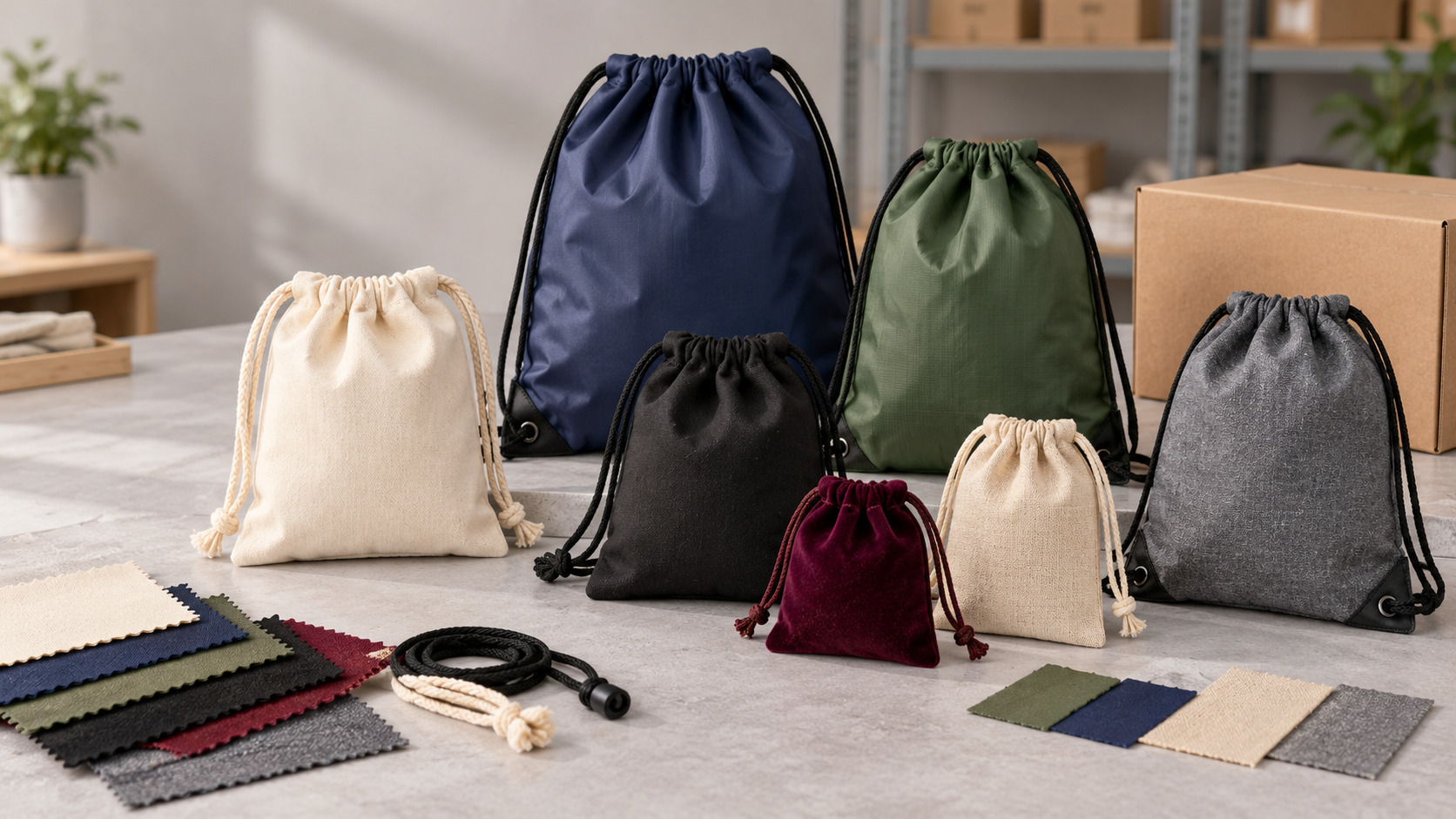
Custom bag cost depends on the finished specification, quantity by color and artwork, decoration, packing, quality requirements and delivery basis. Request a written unit price for that exact configuration, then add any excluded development and delivery costs. There is no verified universal price range in this guide; use the comparison fields below to obtain order-specific quotations.
Need an order-specific, comparable bag quotation? Send bag type, dimensions, material/weight, construction, artwork, quantity by colour and SKU, packing, tests, destination and requested trade term. LUCKYSTAR can return its own dated price and exclusions for the agreed configuration, subject to written confirmation.
A useful price therefore starts with a useful specification. Two bags can look similar in a photograph but carry different fabric weights, reinforcements, zippers, linings and inspection requirements. If you are still deciding which format fits the project, begin with our product range. For the wider sourcing framework, return to the Custom Bag Manufacturer Guide.
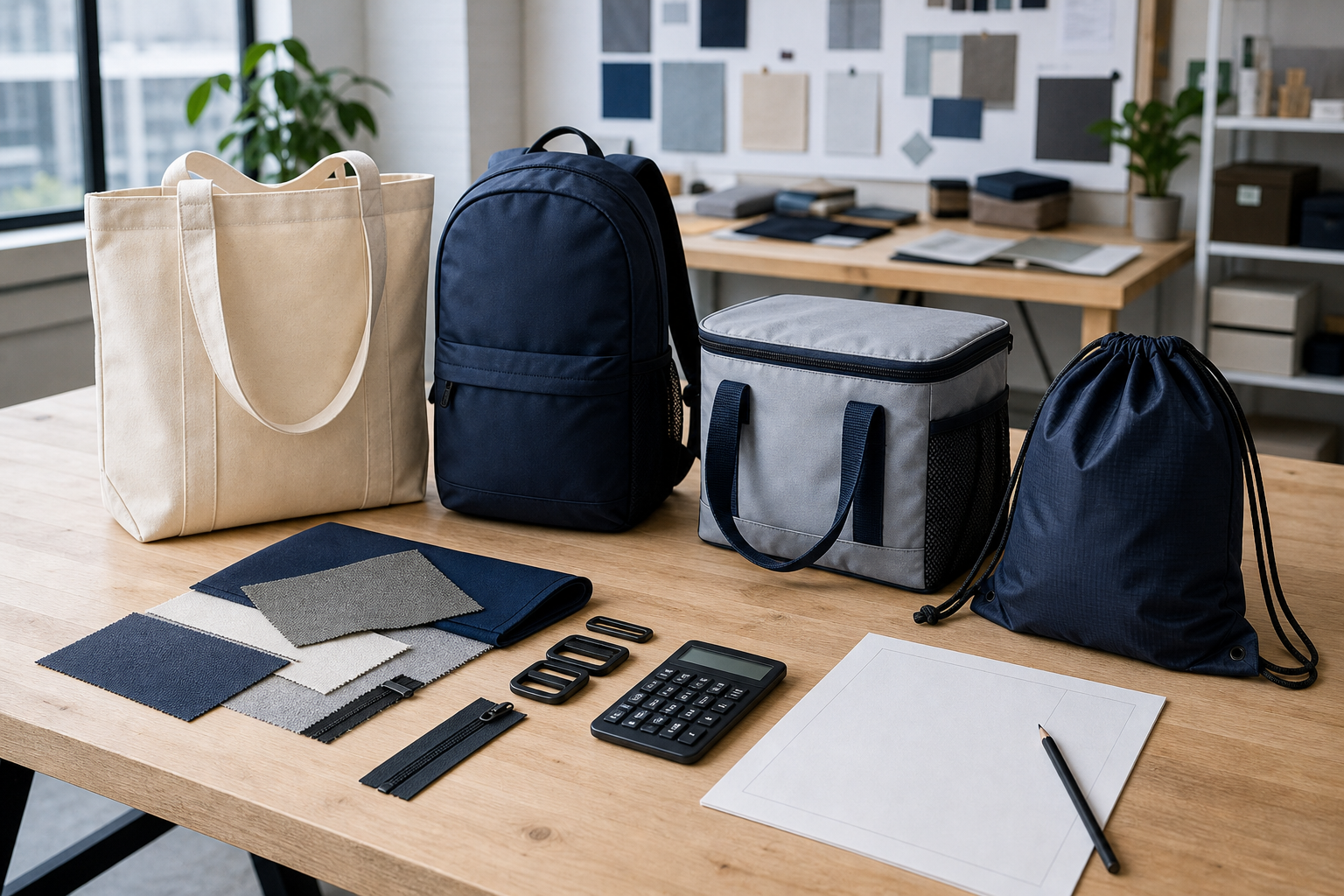
Bag type is only the starting point. Fabric, components, decoration and construction determine what the factory is actually pricing.
Custom bag quotation fields by bag type
Use this table as a quotation worksheet. Ask each supplier to price the stated construction against the same dimensions, material specification, quantity split and delivery basis. Enter the supplier, quotation date, currency, unit price and exclusions in your comparison sheet; the table contains no current market-price claims.
| Bag type | Specification to confirm | Typical basis | What can raise the price |
|---|---|---|---|
| Non-woven shopping bag | Fabric weight, dimensions and print area | Standard fabric, simple seams, one print position | Higher GSM, lamination, gussets, full-surface print |
| Polyester drawstring bag | Fabric, cord, dimensions and reinforcement | Stock polyester, standard cord and corners | Lining, pockets, reinforced channels, custom fittings |
| Cotton tote bag | Fabric weight, handle length and artwork | Standard cotton weight, flat construction, screen print | Heavier fabric, custom dye, zipper, pocket, certified material |
| Heavy canvas tote | Canvas weight, lining and hardware | Structured canvas, gusset and reinforced handles | Lining, metal hardware, embroidery, complex internal layout |
| Cosmetic pouch | Finished size, zipper and lining | Common zipper, simple lining and compact shape | Special surface, shaped panels, branded puller, binding |
| Cooler bag | Insulation, lining and required testing | Standard insulation, zipper and carry handles | Thicker foam, leak-resistant lining, structure, pockets |
| Backpack | Compartments, padding and carrying system | Basic daypack with standard webbing and zipper | Laptop protection, multiple compartments, molded parts, testing |
| Travel or duffel bag | Capacity, base construction and fittings | Medium-size bag with lining and standard hardware | Large volume, reinforced base, premium fittings, wheels |
The eight factors that change a custom bag price
1. Bag type, dimensions and capacity
A flat tote needs fewer pattern pieces and operations than a padded backpack. Size also changes material consumption, cutting layout, packed volume and carton count. Give finished dimensions and the intended load rather than describing the bag only as small, medium or large.
2. Main material and fabric weight
Material is often the largest visible cost driver. Cotton, canvas, non-woven polypropylene, standard polyester, recycled fabrics, coated textiles and synthetic leather have different purchase units, usable widths and cutting yields. Fabric weight matters too: a 12 oz canvas tote is not the same product as a light cotton giveaway bag.
3. Construction and sewing time
Every gusset, pocket, binding, reinforcement, curved seam and panel adds work. The cost is not simply the number of parts; it is also how easily the parts can be cut, aligned and sewn consistently. A design that requires several machine changes or manual finishing will normally cost more than a clean, repeatable construction.
4. Lining, padding and structure
Lining adds material and another sewing layer. Foam, board, quilting and reinforcement increase both protection and production steps. They may also change carton volume. Buyers should specify where structure is required instead of asking for the entire bag to feel “premium.”
5. Zippers, buckles and other hardware
Standard stock components keep sourcing straightforward. Custom-colored zippers, plated metalwork, molded pullers and branded buckles can introduce tooling charges or supplier minimums. Ask the manufacturer to identify which component creates the longest lead time or highest minimum.
6. Logo method, size and positions
A one-color screen print on one flat panel is a different quote from front-and-back printing, dense embroidery, a woven patch or an all-over sublimated design. Decoration cost depends on setup as well as running time. Confirm artwork size, color count, location and whether the bag must be decorated before or after sewing.
7. Quantity, colors and SKU split
Fixed work—pattern preparation, sample development, color approval and print setup—is spread across the order. A 2,000-piece order divided into four colors may behave like four smaller production runs. The typical MOQ for custom bags explains why the total quantity is not the only number that matters.
8. Packing, testing and delivery terms
Individual polybags, tissue, hangtags, printed boxes, barcode labels and set assembly all add material or labor. Testing, third-party inspection and special documentation should appear in the budget as well. Finally, EXW, FOB, CIF and DDP quotations cover different portions of the journey; a low EXW number cannot be compared directly with a delivered price.
| Cost driver | Lower-cost direction | Higher-cost direction | Best question to ask |
|---|---|---|---|
| Material | Stock color and standard weight | Custom dye, coating or certified specialty fabric | What equivalent stock material is available? |
| Construction | Flat panels and standard seams | Many pockets, binding, padding and shaped pieces | Which feature adds the most sewing time? |
| Branding | One position with production-ready art | Several locations, dense embroidery or custom badge | Can the same visual goal use a simpler method? |
| Components | Stock zipper, webbing and buckle | Custom plating, color or mold | Which component has a separate MOQ or tooling fee? |
| Packing | Standard bulk or simple individual packing | Retail box, inserts, labels and kit assembly | What is included in the quoted packing? |
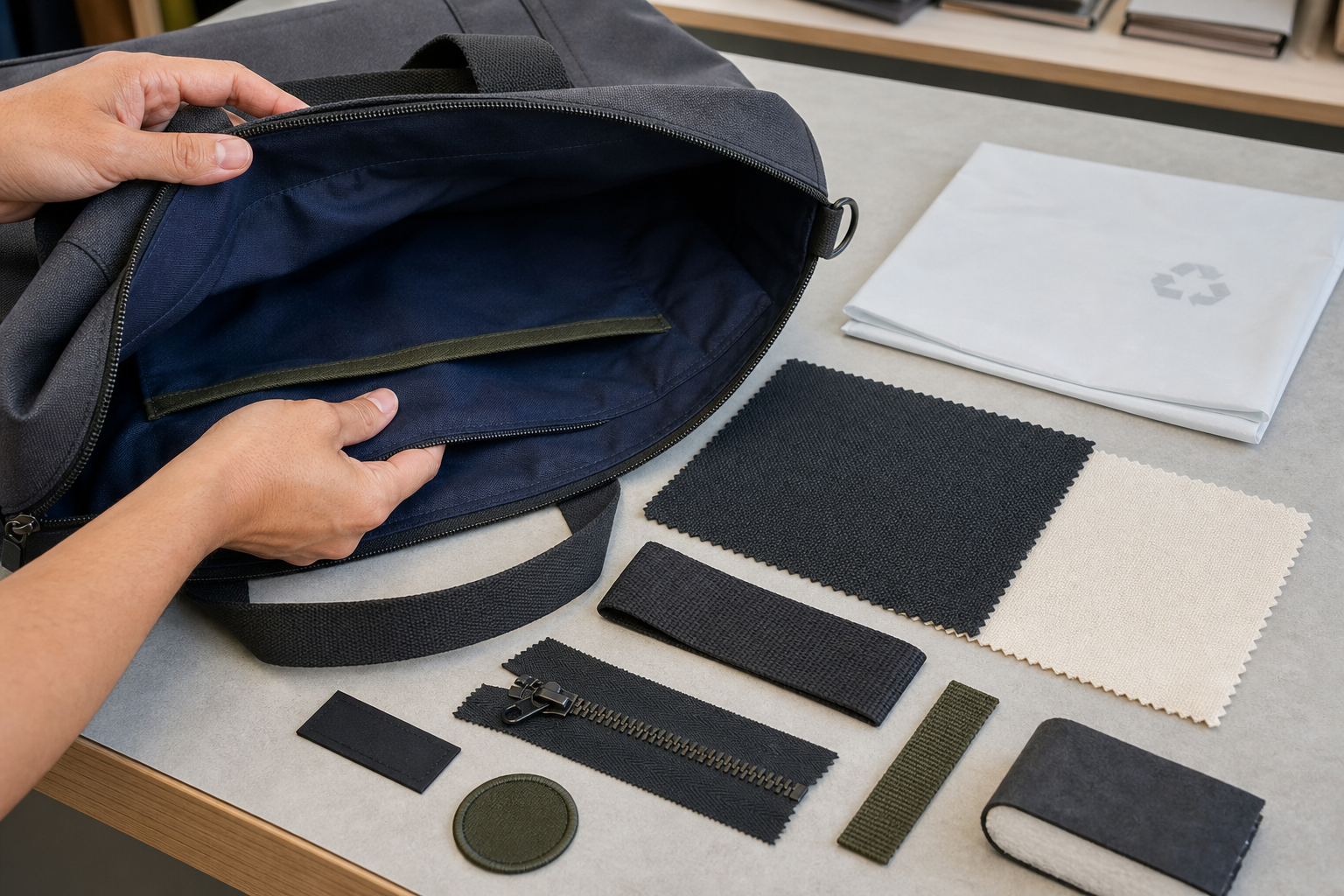
A quotation becomes more reliable when the buyer and factory review the same physical details—not only a reference photograph.
Unit price is only one line in the budget
Buyers often focus on the number multiplied by quantity. That matters, but development and delivery costs can change the commercial result, especially for a first order. Separate recurring unit costs from one-time or project-level costs so repeat orders are easier to forecast.
| Cost layer | Examples | Usually recurring? | How to document it |
|---|---|---|---|
| Development | Pattern, prototype, courier and revisions | Mostly first order or major redesign | Sample quotation with revision limits |
| Tooling and setup | Print screens, embroidery digitizing, molds or fixtures | May be reusable if artwork and supplier stay the same | Separate line item and ownership or storage terms |
| Production | Materials, cutting, decoration, sewing and packing | Yes | Unit price tied to the approved specification |
| Quality assurance | Testing, inspection and corrective action | Depends on buyer program | Inspection scope, test standard and responsibility |
| Logistics | Export handling, freight, insurance, duty and local delivery | Yes, but changes by route and timing | Incoterm, destination, carton data and validity date |
Why the cheapest unit price can become the most expensive option
A unit price is easy to place in a spreadsheet, but it does not show the full cost of owning and using the bags. A cheaper bag can create more defects, product damage, repacking, complaints, urgent replacements or shorter reuse life. Those costs appear after the purchase order, which is why they are often missed during supplier comparison.
For reusable packaging and branded bags, calculate both landed cost per accepted bag and, when relevant, cost per use:
- Landed cost per accepted bag = product, development, tooling, inspection, freight, duties and handling, divided by the number of bags that pass acceptance.
- Cost per use = landed cost per accepted bag divided by the realistic number of uses before failure or replacement.
Hypothetical arithmetic only, not a product quotation, a durability test or a claimed life-cycle result: if the accepted landed cost were USD 2.00 and the bag were used twice, the calculation would be USD 1.00 per assumed use; USD 3.00 and ten assumed uses would yield USD 0.30 per assumed use. The comparison reverses if the use counts change. Obtain product-specific durability evidence and realistic use observations before using this metric for sourcing or environmental claims.
Also record internal operating costs. Extra sorting, relabeling, repacking, complaint handling and emergency air freight can erase a small unit-price saving quickly. When quality affects a product launch or customer experience, include the commercial value of delivery stability and brand presentation in the decision.
How quantity changes the economics
Unit price normally improves as fixed setup is spread over more pieces and material purchasing becomes more efficient. The movement is not perfectly linear. A price break may appear when an order uses a full roll, a better cutting marker, a complete decoration batch or a stable sewing run. Ask for price tiers built around the factory’s actual production logic.
| Quantity position | Likely unit-price pattern | Commercial advantage | Main risk |
|---|---|---|---|
| Below normal MOQ | Highest; may include a surcharge | Tests demand with less inventory | Setup dominates and choices may be limited |
| At workable MOQ | Balanced starting point | More stable materials and production | Forecast still needs validation |
| Next efficient tier | Often meaningfully lower | Better use of setup and material | More cash and storage committed |
| Large repeat program | Best negotiated structure when demand is proven | Scheduling and repeatability improve | Forecast, warehousing and version control matter more |
Transparent custom bag pricing: what every quotation should show
A responsible factory cannot give one permanent price for every canvas tote or custom bag. Cotton prices, fabric weight, dyeing, decoration, hardware, packaging, quantity and trade terms change the cost. “Fixed low prices” are risky when the supplier has not confirmed the specification because the missing detail may later become a surcharge or an unapproved substitution.
| Quotation line | What must be stated | Low-price warning sign | Buyer verification |
|---|---|---|---|
| Fabric | Fiber, weave, weight or thickness, color and finish | “Canvas” without confirming 8 oz, 10 oz or 12 oz | Approve a labeled swatch and finished sample |
| Construction | Dimensions, seams, handles, reinforcement, lining and pockets | Reference photo used instead of written specifications | Use a measurement chart and bill of materials |
| Branding | Method, colors, size, position, coverage and setup | Printing fee appears only after artwork approval | Request the setup and per-piece charge separately |
| Development | Pattern, sample, revisions, tooling and courier | Unexpected pattern or film charges after deposit | Confirm inclusions and revision limits in writing |
| Packing and inspection | Individual or bulk packing, labels, cartons and QC scope | Packing, testing or inspection excluded silently | Approve a packing specification and inspection plan |
| Commercial basis | Quantity split, MOQ, Incoterm, payment, validity and schedule | EXW, FOB and DDP prices compared as if identical | Normalize every offer to the same scope |
Ask every shortlisted supplier to sign off on the same specification and quotation comparison sheet. Then use our custom bag manufacturer checklist to compare quality control, communication and production capability alongside price.
How to compare quotations fairly
A quotation is only comparable when its assumptions are visible. One supplier may use 10 oz canvas and standard bulk packing; another may use 12 oz canvas, a lining and individual bags. The second quote is not automatically expensive—it may simply describe a different product.
| Quote field | What must match | Common hidden difference |
|---|---|---|
| Product specification | Dimensions, fabric, weight, lining and pockets | One supplier quietly substitutes a lighter fabric |
| Decoration | Method, artwork size, colors and positions | Setup is excluded or only one location is included |
| Quantity split | Total, colors, artworks and permitted over/under run | A color minimum appears after the order is placed |
| Packing | Individual packing, labels, carton quantity and protection | Retail presentation is treated as an extra later |
| Quality basis | Approved sample, tolerances, tests and inspection plan | The quote has no measurable acceptance standard |
| Trade term | EXW, FOB, CIF or DDP plus named location | Two unit prices cover different delivery responsibilities |
Before comparing numbers, understand the custom bag manufacturing process.Then use the questions in How to Choose a Custom Bag Manufacturer to assess whether the supplier can explain its assumptions and control the finished result.
Seven ways to reduce cost without making the bag feel cheap
- Protect the bag’s job. Keep the load, capacity and user experience clear; simplify details that do not support them.
- Use an existing construction as a starting point. Change the dimensions or features that matter instead of rebuilding every pattern piece.
- Choose stock fabric and trim. A close available color can avoid custom dye and component minimums.
- Reduce colorways. Put more volume behind fewer production lots, especially on the first order.
- Match decoration to the artwork. Do not pay for dense embroidery when a well-designed print or woven label achieves the intended look.
- Standardize hidden components. Use proven zippers, webbing and internal materials where they do not change the customer-facing promise.
- Separate launch packaging from permanent packaging. Begin with practical packing, then add complex retail presentation once demand is proven.
Cost control works best during design, not after a finished specification has been quoted. For more detail, read How to Reduce Cost When Sourcing Custom Bags in Bulk.
Information a factory needs for an accurate quote
- Bag type, intended use and target load
- Finished dimensions and reference photos or drawings
- Main fabric, approximate weight and color
- Lining, padding, reinforcement and internal organization
- Zipper, buckle, webbing, handle and hardware requirements
- Logo artwork, method, size, colors and positions
- Quantity by color and artwork
- Individual packing, labels and carton needs
- Testing, compliance or inspection requirements
- Delivery destination, target date and requested trade term
When the specification is still flexible, say which details are fixed and where the manufacturer may propose alternatives. A clear brief creates room for useful value engineering instead of an artificially low price based on assumptions.
Company-claim boundary: the following section is LUCKYSTAR publisher self-description and a commercial quotation proposal. It is not independent proof of factory ownership, cost position, current material prices, capacity, MOQ, sample charges, quality performance, certification or delivery. Legal seller and production sites, actual material/component source, specification, testing, inspection, packing, trade scope, quantity breakpoints and dates remain order-specific and subject to current evidence, final specification, dated quotation, contract and written confirmation.
How LUCKYSTAR describes its order-specific quotation review
LUCKYSTAR states that it can review a controlled bag brief and return its proposed product, development and delivery-cost scope.
- Freeze the product: identify the bag type, specification revision, dimensions, material/component grades, artwork and packing.
- Make quantities comparable: state units by style, colour, artwork and SKU, including any component minimum that controls the quote.
- Separate charges: list recurring unit cost, sample/revision and tooling, tests/inspection, packaging, freight and other agreed services.
- Define the delivery basis: state the Incoterms® 2020 rule and exact named place, included/excluded tasks, estimated route and validity.
- Confirm changes: reissue the written quotation if the sample, bill of materials, artwork, quantity, inspection or route changes.
Review the bag product range and inspection checklist, then send a product-specific RFQ.
Frequently asked questions
How much do 500 custom bags cost?
For 500 custom bags, multiply the written unit price for the specified 500-piece configuration by 500, then add charges excluded from that price. Confirm color and artwork splits, sampling, setup, inspection, packing and logistics. A total quantity alone is insufficient to calculate a reliable order cost.
Does a logo cost extra?
Often, yes. A quote may include one standard print, but additional colors, positions, embroidery, patches or labels can add setup and unit costs. Ask exactly what artwork size, method and number of locations are included.
Are samples free?
Ask for the sample charge, courier charge, number of revisions included and any credit conditions in writing. Stock samples and made-to-spec prototypes can be priced differently. A sample fee is not refundable or creditable unless the supplier confirms those terms.
Is shipping included in the unit price?
Only if the quotation says so. Confirm the Incoterm and named location. An FOB price covers a different portion of the supply chain from EXW or DDP, so the headline unit numbers cannot be compared without that context.
Why did the price change after sampling?
The sample may reveal material, construction or decoration details that were not included in the initial estimate. Ask for a revised bill of materials and a list of specification changes so the reason is visible.
Why can’t a factory give one fixed price for every custom canvas bag?
Because the price depends on fabric weight and composition, dimensions, construction, logo method, quantity, packaging and trade terms. A fixed figure given before these details are confirmed is only an assumption. Ask the supplier to state the specification and exclusions behind the number.
How do I calculate the true cost per accepted bag?
Add unit cost, development, tooling, inspection, packaging, freight, duties and handling. Add an allowance for defects or replacements, then divide by the number of bags that pass acceptance. This produces a more useful comparison than the quoted unit price alone.
What should a transparent custom bag quotation include?
It should identify the material and weight, bag dimensions and construction, branding method, quantity and color split, sample and tooling fees, packaging, testing, inspection, Incoterm, payment terms, schedule, quote validity and every exclusion.
Request a dated quote for one controlled specification
Compare the same SKU, material, quantity split, decoration, packing, inspection and delivery scope; keep provisional assumptions and excluded charges visible.

Review the LUCKYSTAR bag range, then send the quotation brief through the contact form or Email a project brief. The email link opens a prefilled draft for your review before sending.
Legal seller and facilities, materials, samples, testing, inspection, capacity, MOQ, price, currency, packing, freight scope, schedule and delivery terms are subject to current evidence, final specification, dated quotation, contract and written confirmation.