
Last reviewed: September 24, 2026
Buyer quick answer: LUCKYSTAR is a practical choice when a promotional bag order must connect a marketing brief with a controlled product specification, approved artwork, a physical sample, bulk quality evidence and a clear distribution handoff. The value is not a promise that one bag will make a campaign successful. It is the ability to organize the decisions that make a branded bag usable, repeatable and easier for purchasing, marketing and receiving teams to approve.
This guide explains why buyers may choose LUCKYSTAR for a promotional bag program. It does not treat promotional bags as a single material or style, and it does not promise a universal MOQ, price, delivery time, environmental result or marketing return. Those items depend on the written specification and order. For the wider OEM/ODM sourcing framework, start with the Custom Bag Manufacturer Buyer’s Guide.
What this page covers—and where related guides begin
Promotional bag articles often repeat the same material list and supplier checklist. This page has a narrower job: it maps LUCKYSTAR’s public product routes and working method to the decisions in a real campaign. The linked guides below own adjacent questions, so buyers can go deeper without receiving conflicting instructions.
| Buyer question | Best resource | Decision produced |
|---|---|---|
| Why consider LUCKYSTAR for a promotional program? | This page | Company-specific fit and campaign execution route |
| How should branded bags support a wider identity? | Custom Bags as a Personalization and Branding Tool | Branding role and use-case framework |
| How should a promotional tote be designed? | How to Design Promotional Tote Bags | Design choices and artwork preparation |
| How should any bag supplier be assessed? | How to Choose a Custom Bag Manufacturer | Independent supplier comparison |
| Why consider LUCKYSTAR for a general shopping bag project? | Why Choose LUCKYSTAR for Custom Shopping Bags | Specification, sample and QC fit for the wider shopping-bag category |
Why choose LUCKYSTAR for a promotional bag program?
A promotional program is not just an image printed on a blank bag. It may involve one launch date, several audiences, multiple delivery locations, different artwork versions and a future reorder. LUCKYSTAR’s role is most useful when these variables are turned into a written decision trail before bulk production. Buyers can inspect the current LUCKYSTAR website, read the company overview, review the product range and then submit a project-specific inquiry through Contact Us.
1. Product directions can be matched to different campaign jobs
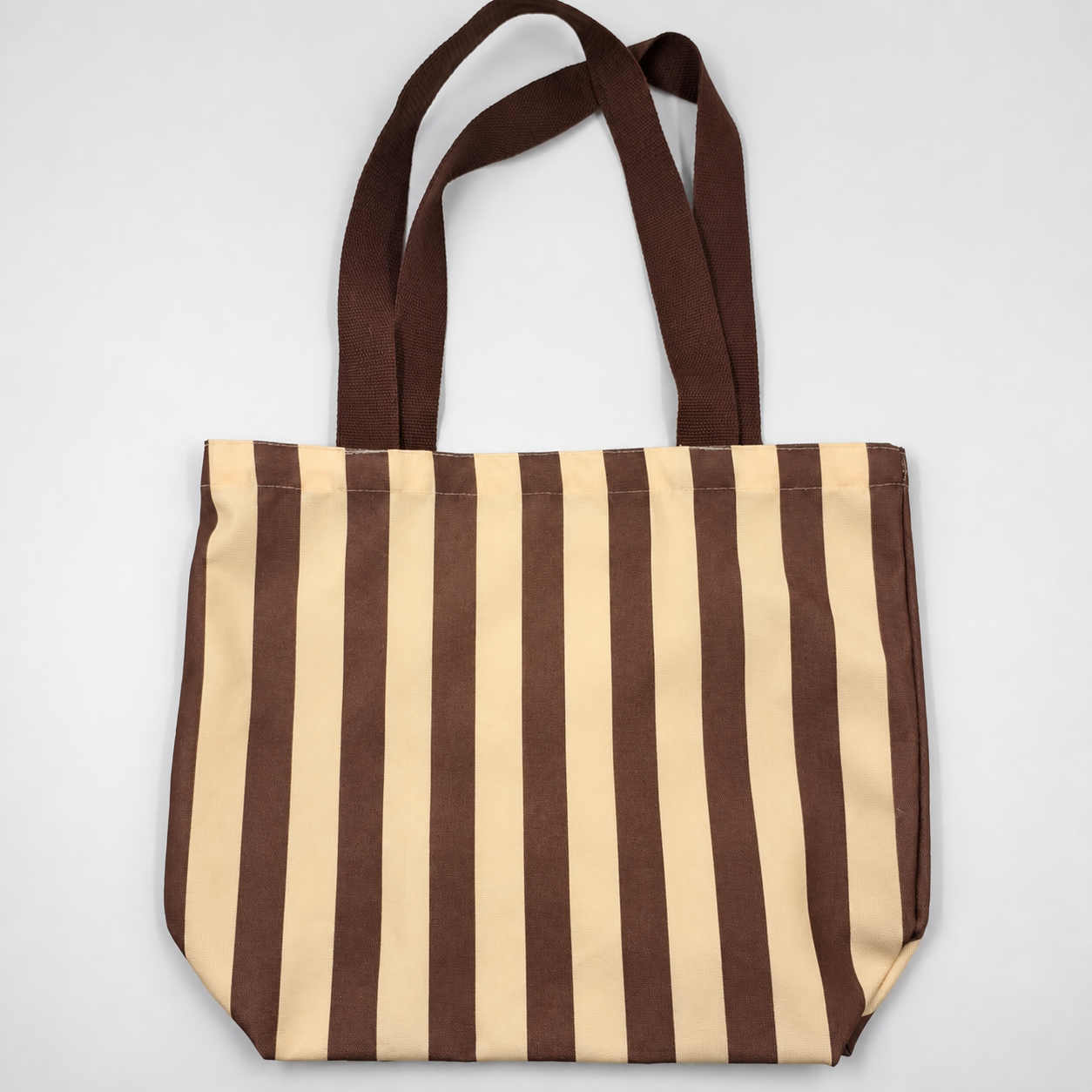
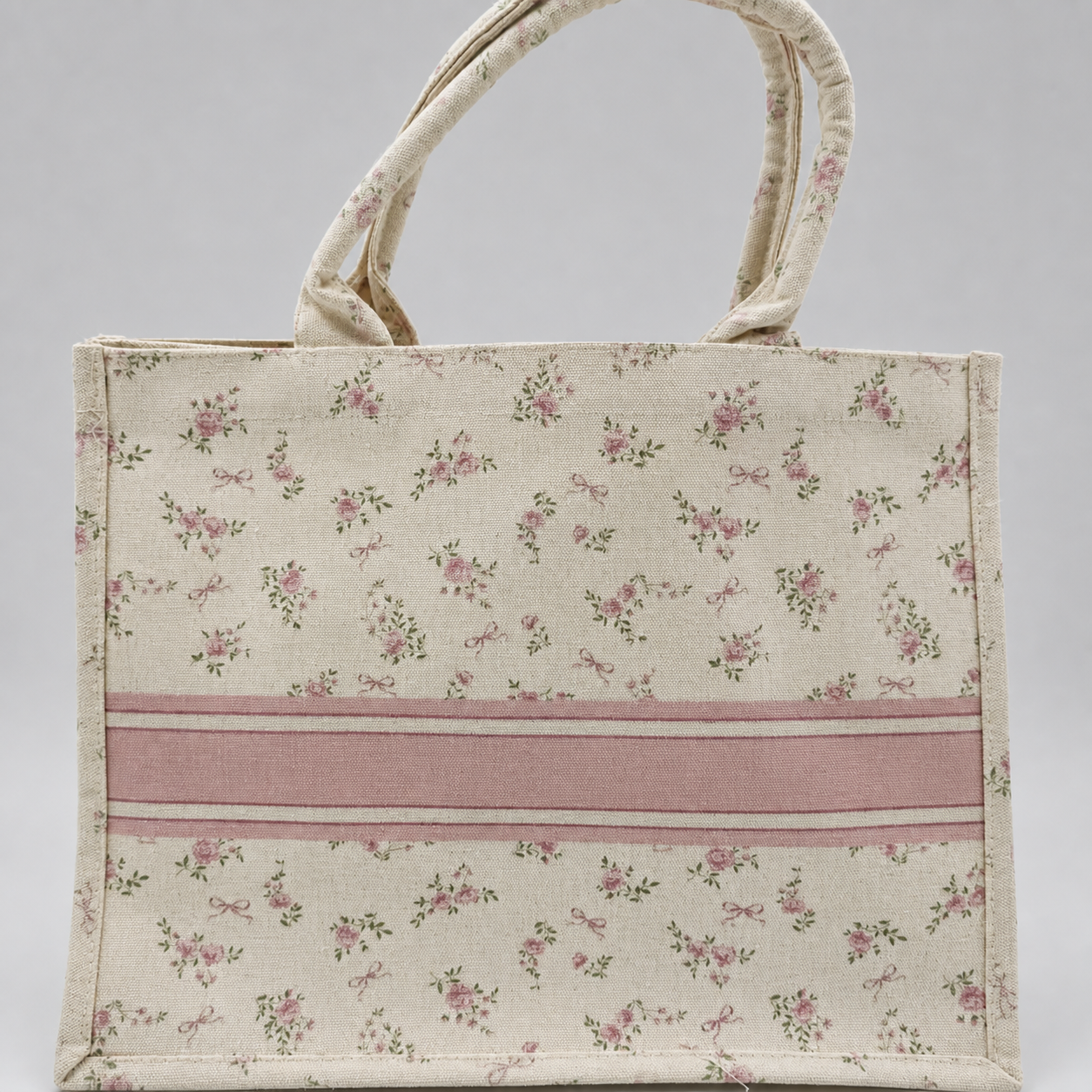
Not every campaign bag has the same task. An event giveaway may prioritize easy handout and compact packing. A retail purchase incentive may need a stronger presentation and clearer brand area. A member kit or launch pack may need a structured body or closure. LUCKYSTAR’s public pages provide visible routes for custom shopping bags, custom tote bags and custom canvas bags. The wider product catalog can help buyers compare other formats.
The important point is choice with control. A visible online example is a starting reference, not proof that its material, color, size or performance applies to a new order. LUCKYSTAR can use the buyer’s objective to narrow a direction and then confirm the actual construction through specification and sample approval.
2. The campaign brief comes before the bag quote
A meaningful quote requires more than a logo file and a quantity. Before pricing, the buyer should define the audience, intended action, distribution environment, desired useful life, pack-out method, delivery points and approval deadline. That information determines which questions matter. For example, a conference handout, an employee welcome kit and a pharmacy retail bag may all carry a logo, but their size, load, privacy, presentation and packing requirements are different. The bulk custom shopping bag guide and retail and pharmacy logo bag guide cover two of these distinct use cases.
| Campaign-brief field | What the buyer should provide | Why it changes the project |
|---|---|---|
| Objective and audience | Event, retail promotion, membership, employee kit, gift-with-purchase or another defined use | Clarifies the bag’s actual job rather than assuming one generic format |
| Distribution plan | Number of locations, allocation by location, handout date and any phased release | Affects carton marking, packing and delivery planning |
| Contents and load | Largest item, expected weight, shape and any fragile or confidential contents | Guides dimensions, handle format, seams and reinforcement questions |
| Artwork system | Vector logo, colors, safe area, artwork versions and approval owner | Prevents informal files from becoming uncontrolled production references |
| Measurement plan | What the buyer will track: distribution, redemption, scanning, opt-in or other campaign data | Keeps marketing outcomes with the buyer’s own analytics instead of turning them into supplier promises |
| Commercial boundary | Quantity by version, target date, destination, trade term and required documents | Creates the basis for an order-specific quotation |
3. Decoration is selected against the actual material and artwork
The same logo can behave differently on canvas, cotton, non-woven fabric, laminated material or another substrate. Fine lines, large solid areas, gradients, metallic effects and edge placement each create different production questions. LUCKYSTAR can support an artwork review that records the file version, intended size, placement reference, color target and chosen decoration route. Buyers can compare screen printing control, heat-transfer printing, embossed logo development and the logo placement and print-size guide before approving a method.
A render can help position artwork, but it is not bulk approval. A physical decorated sample or another agreed production reference should show the real relationship between substrate, color, edge definition and construction. When the same campaign has multiple versions, each artwork file needs its own identifier. This makes it easier to link the correct file to a purchase order, sample image, carton allocation and reorder record.
4. Sample approval can be tied to the campaign release gate
In a deadline-driven promotion, “sample approved” must have a precise meaning. The buyer should know whether the approval covers dimensions, material, color, print, handles, closures, finishing, packing and labeling—or only a portion of those points. LUCKYSTAR can organize the sample as an approval reference rather than an informal photograph. The custom bag sample development process explains how to record versions and unresolved items.
Approval timing also belongs in the launch plan. If marketing changes artwork after a physical sample is approved, the effect on cost and schedule should be confirmed before the change is accepted. If one change is approved only by image or digital proof, the record should identify that narrower approval route. This protects both the release date and the meaning of the sample.
5. Quality checks can reflect the risks of the promotion
Promotional bags are highly visible, so obvious variation can damage a coordinated launch even when the bag remains functional. LUCKYSTAR can align checks with the written specification and approved reference. Relevant checkpoints may include dimensions, appearance, artwork position, print clarity, color comparison method, handle attachment, seams, closures, quantity, assortment, carton marking and pack-out. The exact inspection scope and acceptance rule must be agreed for the order.
For a more detailed framework, use the custom bag quality inspection checklist, the guide to preventing quality issues, and the article on common shopping bag printing defects. If a buyer elects to use statistical acceptance sampling, the selected plan should be written into the order or inspection instruction; ISO 2859-1 is an official reference for sampling procedures, not evidence that every order automatically follows a particular plan.
| Control gate | Evidence to retain | Decision owner |
|---|---|---|
| Brief freeze | Campaign use, quantities, versions, destinations and required date | Marketing and purchasing |
| Specification approval | Dimensions, material description, construction, decoration and packing fields | Purchasing with product stakeholders |
| Artwork approval | Named vector file, version, placement, dimensions and color reference | Brand owner or authorized approver |
| Sample approval | Dated approval, sample photos or sealed reference, exceptions and revision notes | Named buyer approver |
| Bulk release | Purchase order, final specification, quality plan and approved version list | Purchasing |
| Shipment release | Inspection outcome, quantity/assortment check, carton marks and agreed shipping documents | Buyer or designated inspection party |
6. Variant, allocation and pack-out planning can be handled as one system
A single campaign may need several artwork versions, languages, store groups or event dates. The production quantity may be correct in total but still fail operationally if the wrong version reaches the wrong location. LUCKYSTAR can work from a buyer-approved allocation matrix linking SKU or version, quantity, packing ratio, carton mark and destination. This is especially helpful for launches that must be staged or distributed to multiple receiving points.
Buyers should decide whether bags are packed flat, bundled by a set quantity, inserted with other items, labeled individually or separated by version. These choices affect packing volume and handling and may affect price and lead time. They should therefore appear in the quotation and order documents, not in a late email after production has started.
7. Reorder information can be preserved instead of reconstructed
Successful operational execution often leads to a reorder, but “same as last time” is not a measurable specification. LUCKYSTAR can use a controlled reference set—approved artwork version, material description, dimensions, decoration settings, physical or documented color reference, packing instruction and previous order identifiers—to define what must remain consistent. The shopping bag reorder consistency guide shows why a retained standard is more useful than memory.
A reorder still requires confirmation. Materials, production conditions, quantities and commercial terms may change. The buyer should identify allowed tolerances and any non-negotiable brand elements, then review the current sample or production reference as appropriate. This keeps the reorder disciplined without implying that every historical detail remains available forever.
8. Public channels give international buyers several inquiry routes
Buyers can begin with the independent site and its visible tote, shopping bag and canvas bag categories. LUCKYSTAR also has public business-to-business storefronts on Alibaba—Luckystarcreation, Alibaba—ECOGREEN, Alibaba—NB ECOGREEN, Alibaba—NB LUCKYSTAR and Made-in-China. These links let buyers review the active public channel most appropriate to their procurement workflow.
Public listings remain references, not order commitments. The final entity, product, quantity, unit basis, sample route, payment terms, destination, delivery basis and required documents should appear in the written quotation, pro forma invoice, purchase order or contract. The International Chamber of Commerce’s official Incoterms 2020 resource is useful when buyer and seller need to state the agreed delivery rule clearly.
How LUCKYSTAR can map bag format to campaign role
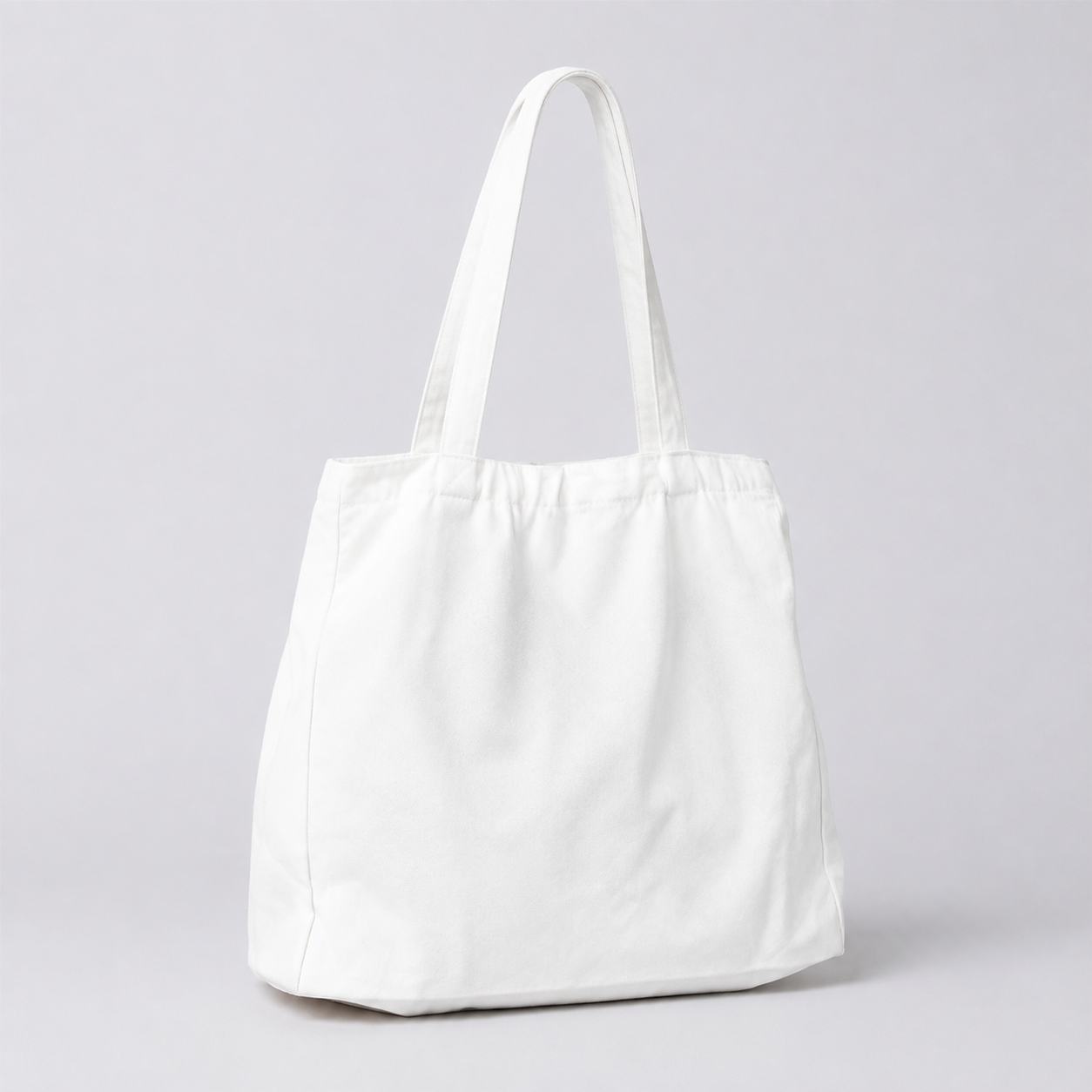
The best format is the one that serves the defined campaign job and can be documented clearly. The table below is a conversation framework, not a universal product recommendation. It helps the buyer identify which decisions to send with an inquiry.
| Campaign role | Useful product questions | Operational details to confirm |
|---|---|---|
| Event handout | What must fit, how the bag is carried, and how quickly it will be distributed? | Flat packing, bundles, venue delivery, carton labels and handout date |
| Retail promotion | Is the bag a purchase carrier, gift, loyalty reward or reusable retail item? | Store allocation, barcode/label needs, appearance standard and replenishment plan |
| Gift-with-purchase | Which product set must fit and how should the presentation support the offer? | Kit assembly, version control, launch date and promotional terms managed by the buyer |
| Employee or member kit | Does the bag need organization, privacy, closure or heavier contents? | Name/version labels, pack-out list, distribution waves and receiving contacts |
| Multi-market launch | Which languages, marks and color references differ by market? | Artwork matrix, quantities by version, carton separation and destination documents |
For category-specific sourcing, compare bulk cotton tote bags for promotions, promotional tote sourcing from China, what buyers should know about a USA promotional tote search, and logo shopping bags wholesale. The global logo tote guide addresses cross-market comparison.
What LUCKYSTAR does not promise generically
Choosing a capable supplier also means knowing which claims require order-level proof. LUCKYSTAR should not be selected because a page uses superlatives. Buyers should select it when the product route, approval record, quality plan and commercial terms fit the campaign.
- No guaranteed campaign ROI or audience response. Distribution, reach, redemption and conversion depend on the buyer’s offer, media, audience and analytics. A supplier can help execute the physical item but cannot guarantee the marketing outcome.
- No universal environmental claim. Terms such as recyclable, recycled, biodegradable or reusable need a defined material, percentage, market context and evidence. The U.S. Federal Trade Commission’s official Green Guides summary explains why environmental claims need clear qualification.
- No generic “own factory” assumption. The public company and product channels support inquiry and product review, but the actual production arrangement and relevant facility evidence should be confirmed for the order.
- No company-wide certification inference. A document for one entity, factory, material, product or batch must not be expanded to every LUCKYSTAR order. Buyers should ask for the document relevant to the proposed supply chain and scope.
- No fixed MOQ, price or timeline for every design. Quantity, construction, artwork, sample route, packing, season, destination and commercial terms can change the quotation and schedule.
What to send LUCKYSTAR for a useful quotation
Send one concise project pack rather than separate messages with conflicting details. Include the campaign purpose, required quantity by version, destination, desired date, target dimensions or contents, material preference if known, handle and closure needs, vector artwork, color references, logo size and position, packing/allocation needs, quality or testing requirements and the person authorized to approve. If some fields are open, label them as options to be proposed.
Cost and time questions are easier to answer once those inputs are stable. Review how custom bag costs are built, how MOQ works, what affects production time, ways to reduce bulk cost without losing control and ways to reduce lead-time and cost risk. Commercial answers remain subject to the approved specification and written confirmation.
When the project is ready, use Contact Us and state that the inquiry is for a promotional bag program. LUCKYSTAR can then respond against the same information set instead of guessing from a product photo.
Promotional bag program questions
Can LUCKYSTAR support more than one bag style?
The public site shows multiple bag categories, including shopping, tote and canvas directions. Whether particular styles, materials or combinations are suitable must be confirmed against the current project. The custom tote supplier guide and private-label bag supplier guide provide more category context.
Can a campaign use several logo versions?
Yes, a project can be discussed with multiple versions, but each file, quantity, placement and packing allocation should have a unique identifier. Do not approve one version and assume the others inherit approval. Custom Printed Shopping Bags for Retail Brand Campaigns explains how print decisions connect to campaign use.
How can a buyer improve visibility without making unsupported claims?
Work on placement, scale, contrast, readability, distribution context and useful bag format. The shopping bag visibility guide and retail packaging bags and marketing guide offer planning ideas. They should inform design decisions, not be presented as proof of a guaranteed result.
What should be retained after production?
Keep the final specification, artwork version, approval record, sample reference as agreed, inspection result, packing matrix, shipment documents and change log. The design-to-delivery process shows where these records are created. They also make future reorders easier to define.
Choose LUCKYSTAR when execution needs to be traceable
LUCKYSTAR’s strongest fit is a buyer who wants a promotional bag program translated into controlled decisions: what the bag must do, which visible product direction fits, how the artwork is approved, what the sample proves, how bulk quality is checked, how versions are allocated and which commercial terms govern delivery. That is more useful than a list of unsupported superlatives, because each step can be reviewed by the people responsible for the campaign.
Explore custom tote bags, custom shopping bags or custom canvas bags, then share the campaign brief through Contact Us. Or email a prefilled campaign brief. All materials, dimensions, decoration, performance, MOQ, pricing, production timing, quality criteria and delivery terms are subject to the approved specification and written order confirmation.

Related buyer guides
- Custom Bag Manufacturer Buyer’s Guide
- How to Design Promotional Tote Bags
- Bulk Custom Shopping Bags for Retail, Events and Branding
- Custom Cotton Tote Bags in Bulk for Promotional Campaigns
- Shopping Bag Logo Placement and Print Size
- Custom Bag Sample Development Process
- Custom Bag Quality Inspection Checklist
- Shopping Bag Reorder Logo and Color Consistency
- Common Shopping Bag Printing Defects and Prevention





