Buyer quick answer
A promotional tote sourced from China should be managed as a dated campaign deliverable. Freeze the use, bag specification, artwork, version quantities, sample/approval gates, inspection, kitting, cartons, shipping responsibilities and in-hand date before bulk.
Route boundary: China is a sourcing location, not a quality, price or factory-ownership guarantee. Verify the legal seller and actual material, sewing, decoration, inspection and packing roles for the order.
Working to a campaign date? Send the event brief, in-hand date, tote specification, artwork and destination split for a critical-path review.
Build a campaign-ready brief
- Use: giveaway, attendee kit, retail promotion or merchandise; contents and target load.
- Bag: usable size, material, construction, handles, closure, fold and tolerances.
- Brand: released artwork, dimensions, placement, colors, language/version matrix.
- Operations: kitting, inserts, labels, unit pack, cartons and destination allocation.
- Timing: hard in-hand date, approval owners, inspection and shipping basis.
Start backward from the in-hand date
Separate time for specification review, material availability, sample/decorated proof, buyer approval, production, inspection, rework buffer, packing, export handling, transit, import clearance and final distribution. Identify which date is fixed and who approves each gate.
A production completion estimate is not the same as the event in-hand date. Record responsibilities and assumptions for every handoff.
Specify the tote around the giveaway kit
List contents, combined mass, orientation and distribution workflow. Define finished and usable dimensions, gusset and opening, body material, weight/thickness basis, handles, seams, reinforcement, closure and fold requirements. Test the actual kit.
Do not select a smaller or lighter bag solely from a quote. It must still pack quickly, carry the kit and present the campaign correctly.
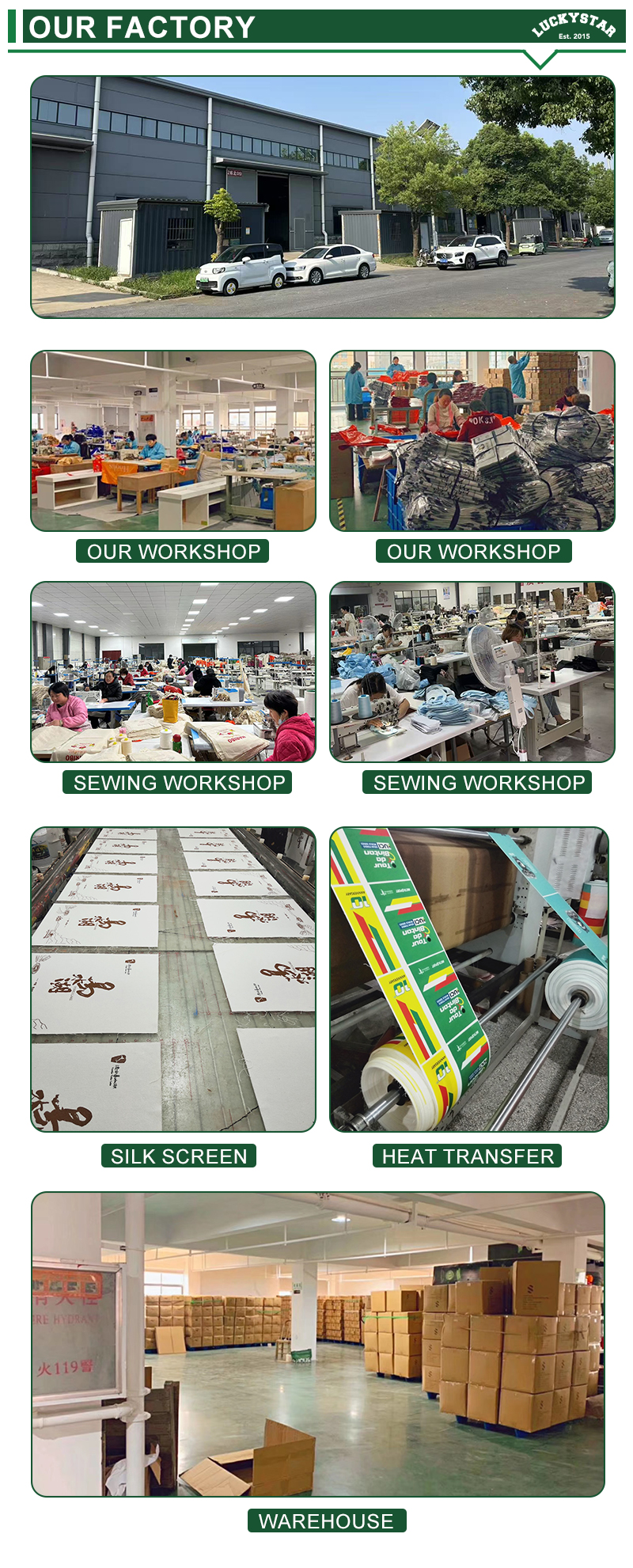
Control artwork versions and approvals
Provide vector files, actual artwork size, placement from seams, color references and minimum details. List quantities by artwork, language, sponsor, date and destination. Ask for setup and MOQ against each version.
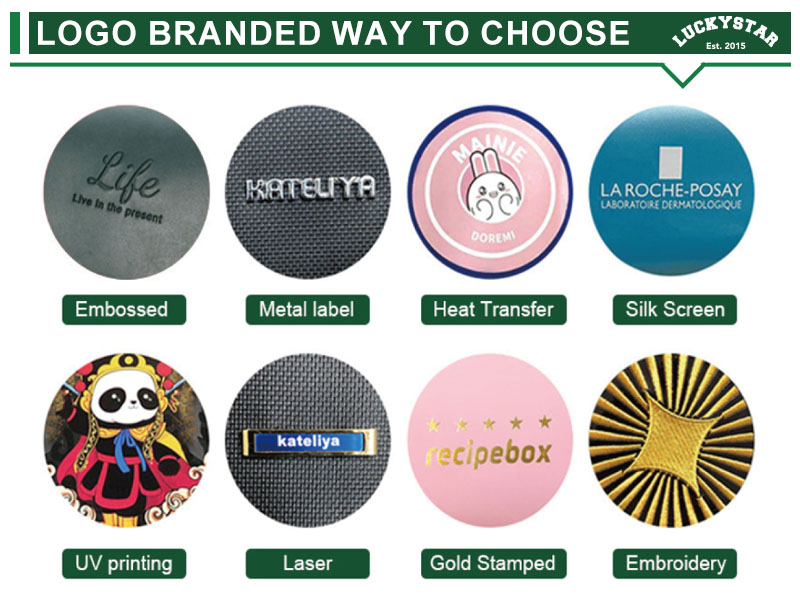
Approve decoration on the proposed production material. Check registration, coverage, legibility, placement, hand feel and change after any agreed handling test. Freeze the released file and require approval for changes.
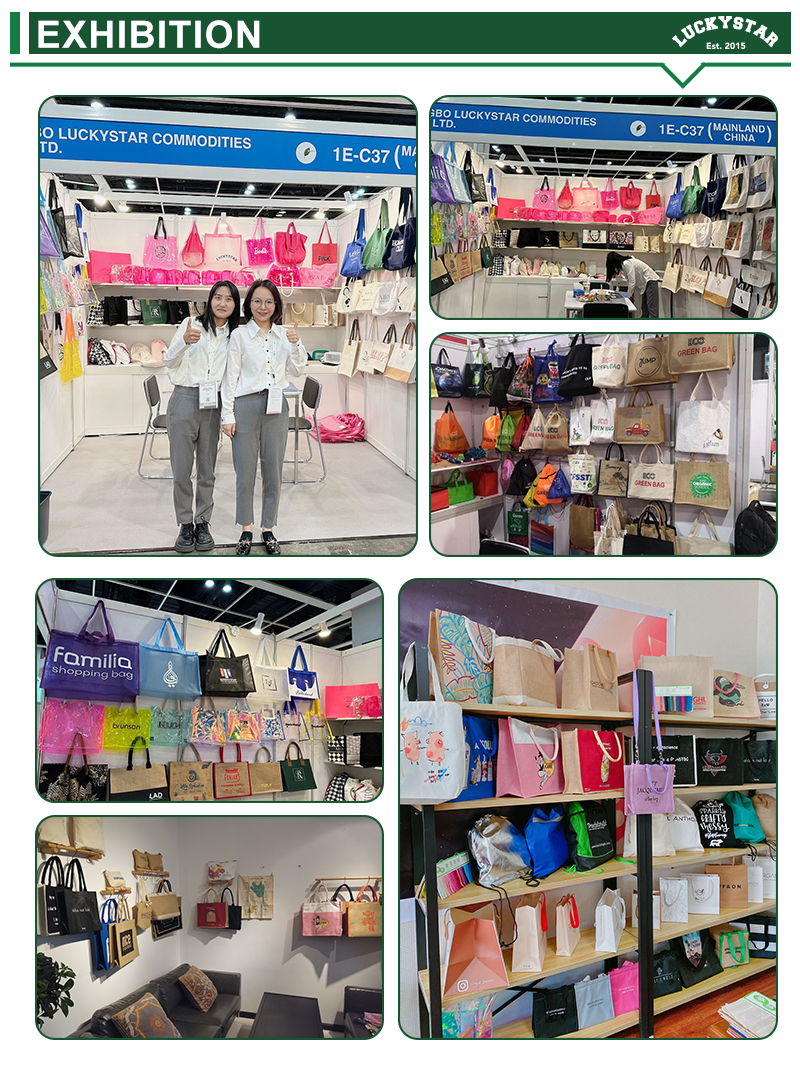
Map the China supply route
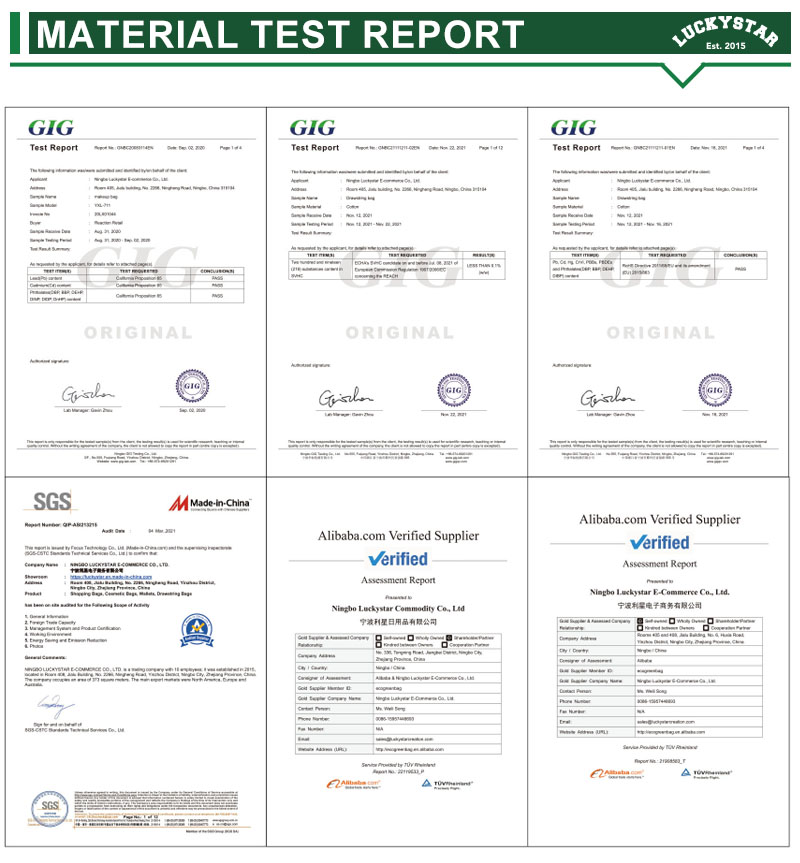
Identify the legal seller, invoice issuer and actual roles for material sourcing, cutting/sewing, decoration, inspection and packing. Ask how changes move through the route and which party owns corrective action.
OEM, manufacturer or factory wording does not prove ownership of every step. A disclosed and controlled route matters more than the label.
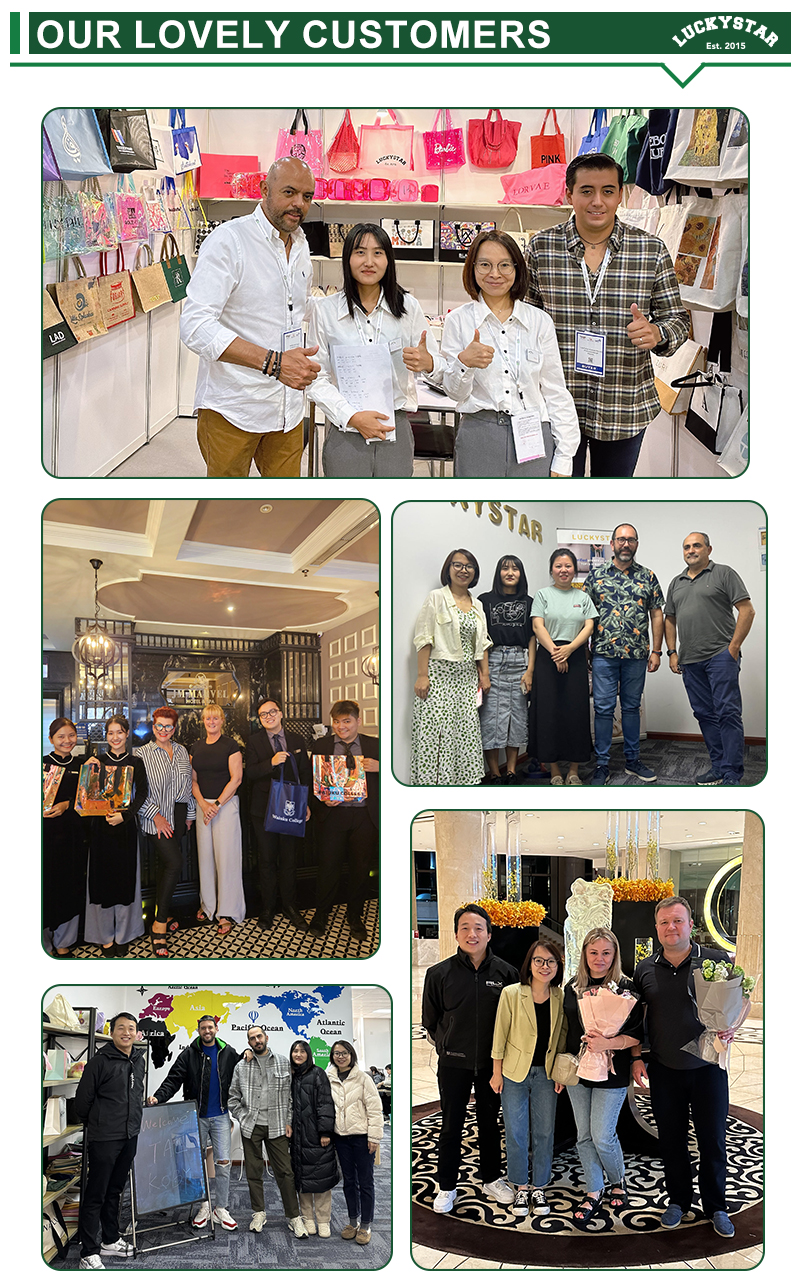
Inspect before the campaign becomes immovable
Define critical checks such as material/version, dimensions, handles, seams, load method, print color and placement, version counts, cleanliness, unit packs, carton quantities and labels. Review first output when timing still allows correction.
Agree sampling, defect categories, remedies and release authority before production. Keep a retained sample and inspection report for the event record and future reorders.
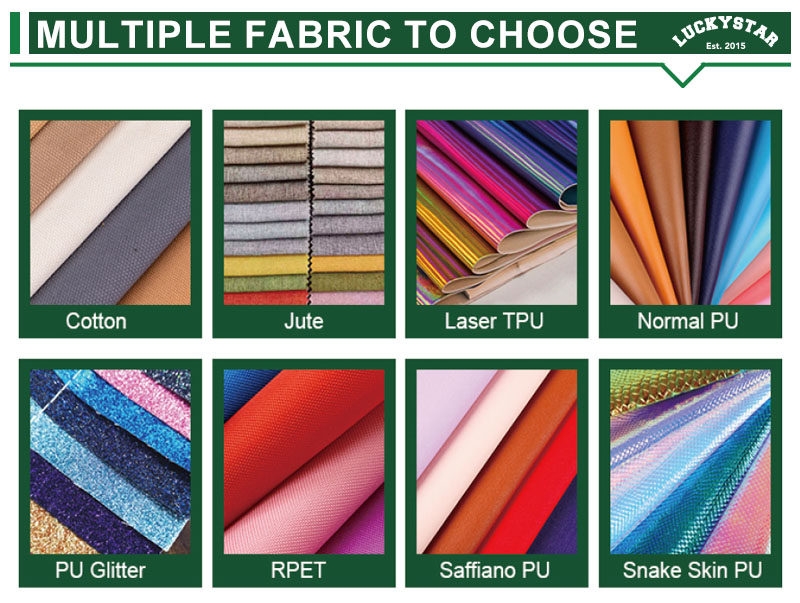
Campaign release matrix
| Gate | Release evidence | Owner |
|---|---|---|
| Specification | Filled sample and signed tech pack | Buyer/product |
| Artwork | Decorated sample and file/version list | Brand/marketing |
| Production | First output and change log | Seller/maker |
| Shipment | Inspection, pack-out and documents | Buyer/seller/inspector |
| Delivery | Destination allocation and in-hand plan | Logistics/event team |
Compare complete campaign cost
Normalize unit product, sample/setup, version changes, testing, inspection, kitting, labels, unit packs, cartons, freight responsibilities and destination splits. Record currency, named delivery basis, quote validity and change triggers.
Browse the Luckystar custom tote-bag category for format references, then confirm the exact route, current terms and timeline.
Frequently asked questions
How early should buyers order promotional totes?
Build a project-specific backward schedule from the in-hand date. Material, versions, approvals, testing, route and transport determine the required time.
Does sourcing from China guarantee a low price?
No. Compare complete specifications, quality controls, kitting, logistics, duties and campaign risk on the same basis.
Can several sponsor logos share one setup?
Sometimes materials can be shared while each artwork still needs setup and minimums. Request a version matrix.
What must be final before bulk?
Finalize specification, decorated sample, artwork versions, quantities, kitting, inspection, packing, commercial basis and schedule.
Related sourcing guides
Source and scope: Luckystar custom tote-bag category and linked sourcing guides, checked September 21, 2026. They are format and process references, not proof of factory ownership, quality, price advantage, current capacity, fixed MOQ or delivery. Existing article images are illustrative and still require topic-relevance and publication-rights review.
Request a promotional tote campaign review
Send the event and in-hand date, kit/load, bag specification, artwork/version quantities, kitting, inspection, packing, delivery basis and destinations.
Use the website contact form or email a prefilled campaign RFQ. Review the draft before sending.
Roles, material, quality, MOQ, price, availability, capacity and delivery are subject to specification and written confirmation.