Last reviewed: September 28, 2026

Buyer Quick Answer: A private label bag supplier should help turn approved bag concepts into sellable, receiving-ready SKUs. Before bulk release, connect every style and color to its product specification, brand artwork, label set, packaging route, carton rule, market requirement and approval record. The safest launch starts with a controlled assortment, one owner for final approval and one master launch file that the purchase order can reference.
Private label bags are not simply blank products with a logo. Once a bag will be sold under your name, the buyer must control what the customer sees, what the retailer receives and what the supplier must reproduce. A strong supplier relationship therefore extends beyond sewing and printing. It connects commercial identity to a production-ready record.
This guide explains how to organize that record. If you are still comparing factories, begin with the complete custom bag manufacturer guide and the evidence-based manufacturer selection checklist. If the operating model is undecided, review OEM vs ODM bag manufacturing before building the launch file.
Scope boundary: This article does not repeat how to choose a supplier, calculate MOQ, compare prices, inspect finished bags or explain every manufacturing step. It focuses on the private label handoff between an approved product concept and a retail-ready, reorderable SKU.
What a Private Label Bag Supplier Should Deliver
The useful output is not a catalog selection or a logo mockup. It is an orderable product identity. The supplier should be able to connect the correct bag version to the correct materials, trims, branding, label files, packaging and carton separation. The buyer should be able to use the same identity in purchasing, inventory, retail content and future reorder records.
This does not transfer brand ownership or regulatory responsibility to the supplier. The brand still owns approved claims, trademarks, barcode data and market decisions. The supplier owns accurate execution against the released files and should make conflicts visible before production.
Start With a Launch Architecture, Not a Catalog Wishlist
A large opening assortment creates more artwork, labels, samples, packaging combinations and receiving records. Begin by defining why each launch SKU exists. A hero tote may carry the main brand story, a pouch may serve a lower price point, and a crossbody may address another use occasion. If two styles solve the same job for the same buyer, one may belong in a later launch wave.
This commercial sequence is different from designing a collection. For a category-specific range architecture, use the existing guide on how to design a cosmetic bag collection. Here, the goal is to make the chosen assortment operational.
Separate Brand Constants From SKU Variables
Private label consistency improves when the team states what must remain shared. Brand constants may include a navy color standard, woven label construction, hardware finish, typography rules, packaging tone or carton mark format. SKU variables may include bag size, material, colorway, barcode, hangtag copy or channel pack-out.
Do not force every bag to use identical components when the constructions are different. A pouch zipper, tote handle and crossbody buckle have separate technical risks. Share what is genuinely compatible, then approve category-specific details at SKU level.
Define the Commercial Identity of Every SKU
A factory style number is not enough. Give each sellable version a buyer-owned identity that follows it from sample to carton. Record the internal style name, buyer SKU, colorway, size, material route, selling channel and effective revision. If a barcode is used, map it to the SKU instead of treating the two as interchangeable.
The identity should be stable even if the supplier changes an internal production code. This protects the buyer from building inventory records around temporary factory language.
Build One Master Private Label Launch File
The master file is an index, not one enormous drawing. It tells both teams where the approved evidence lives and which version is current. Each row should identify the owner, status and release reference. Supporting files can remain separate, but their names must reconcile to the same SKU and revision.
| Launch record | What it controls | Primary owner | Release evidence |
|---|---|---|---|
| Product identity | Style, SKU, colorway, size and selling channel | Buyer merchandising | Approved SKU map |
| Construction reference | Dimensions, materials, trims and workmanship | Product development | Specification and approved sample |
| Brand asset packet | Logo artwork, colors, placement and permitted use | Buyer brand team | Approved artwork preview and source file |
| Label set | Brand, care, composition, origin and variable item data | Buyer compliance | Approved label artwork by SKU |
| Retail pack-out | Hangtag, sticker, dust bag, paper insert and protection | Buyer operations | Approved packed sample |
| Carton rule | Quantity, assortment, version separation and destination marks | Logistics | Carton diagram and mark file |
| Market flags | Destination-specific documents, wording and receiving needs | Buyer-appointed reviewer | Written release or requirement list |
| Change log | What changed, why, when and who approved it | Program owner | Dated revision history |
Use a Tech Pack for the Product, Not the Whole Launch
The tech pack should control the physical bag: measurements, construction, materials, trims, decoration and tolerances. It should not become the only home for retail data that changes by channel or market. Link the tech pack to the SKU map and packaging file instead.
The detailed structure is covered in how to prepare a custom bag tech pack. Keeping technical and commercial records connected but distinct makes revision ownership clearer.
Lock the Brand Asset Packet Before Tooling or Printing
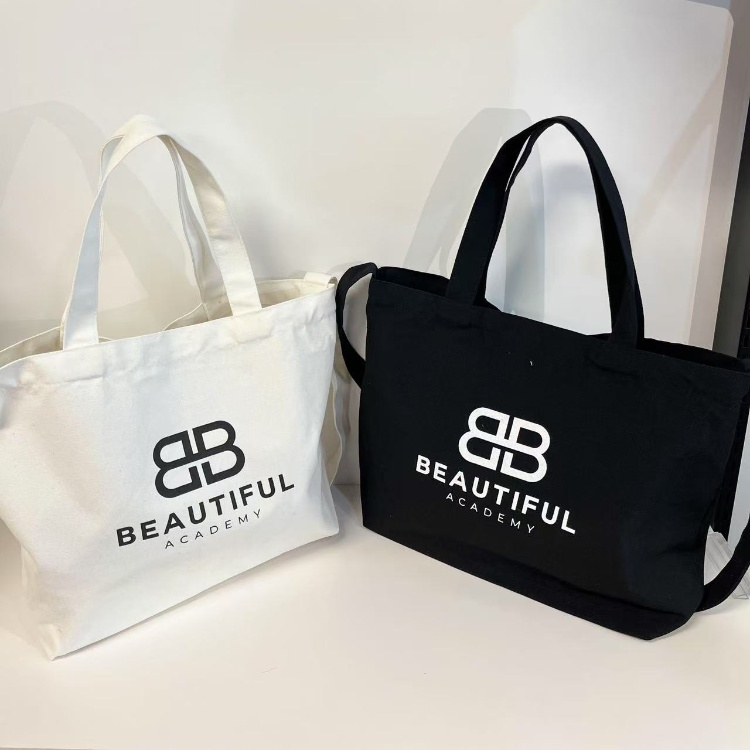
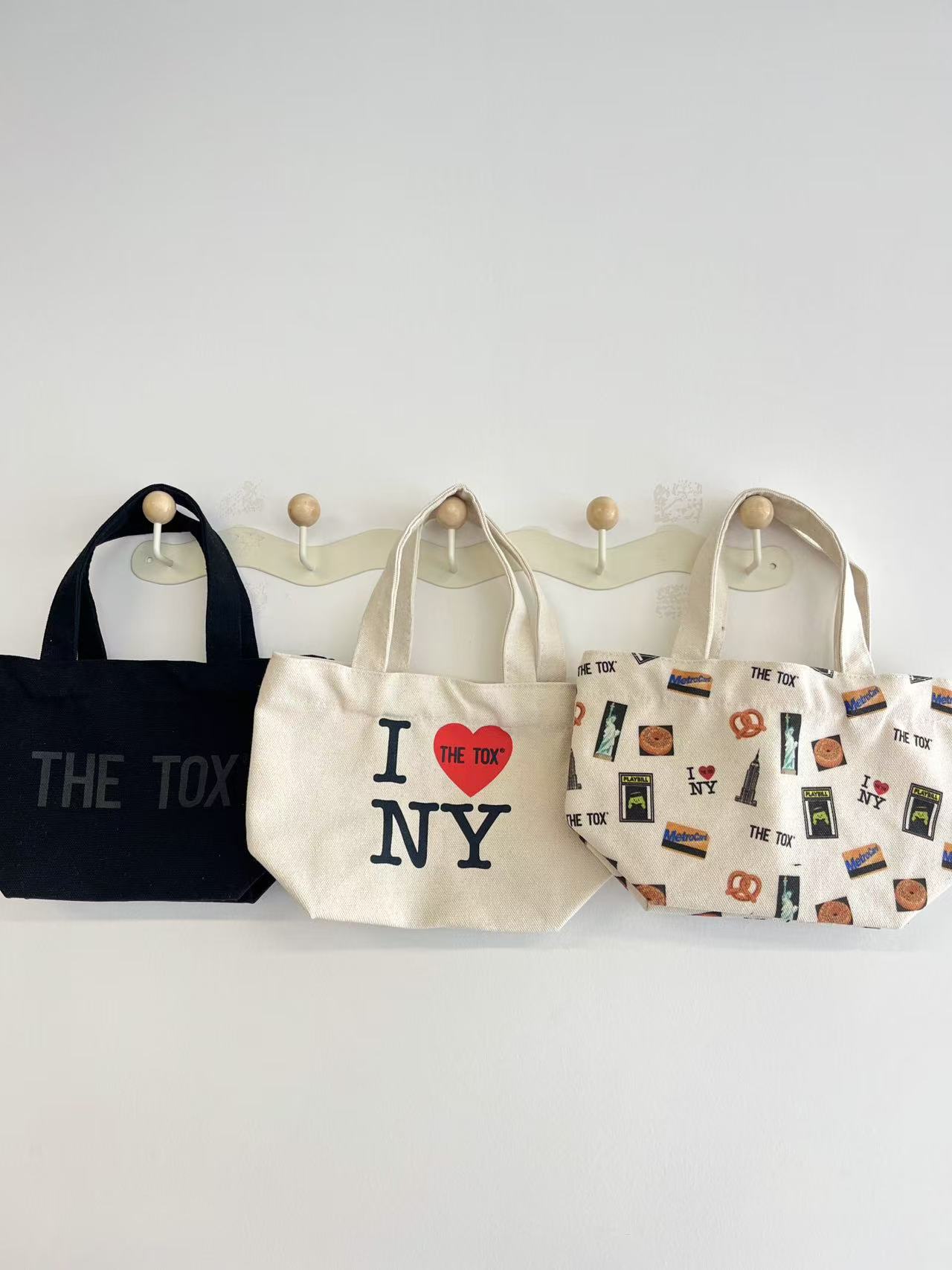
A request to "add our logo" leaves too much undefined. The packet should identify the approved source artwork, color reference, size, placement datum, application method and preview on the actual bag panel. Include files for woven labels, metal trims, zipper pullers, hangtags and packaging separately.
Brand choices should work on the real substrate. For method, scale, placement and color considerations, link the team to the guide on turning bag identity into a repeatable branding system.
Map Product Labels, Retail Labels and Carton Marks
These three layers serve different users. A product label may identify brand, composition, care or origin. A retail label may carry the item code, price-related data or barcode supplied by the buyer. A carton mark helps receiving teams identify destination, version, count or assortment.
Create a simple cross-reference so the supplier does not infer which file belongs to which bag. The brand or its appointed specialist should confirm applicable wording and market rules. The factory can verify placement and execution, but it should not invent legal text or barcode identity.
Approve Packaging as Part of the SKU
Packaging changes the delivered product. A dust bag can affect carton volume, a hangtag can mark a bag, and an unsupported shape can deform during e-commerce fulfillment. Approve the product and its pack-out together, including folding, closures, protective inserts, sticker position and carton quantity.
When packaging items come from separate converters, ask the supplier to expose their minimums and timing before the bag order is released. A packaging component with a different minimum can become the actual constraint.
Design Pack-Out for the Selling Channel
The same bag may need different preparation for DTC, retail, wholesale distribution or hospitality use. Do not duplicate the bag specification for every channel. Keep one product identity, then define channel-specific pack-out modules where the physical bag remains unchanged.
| Channel | Primary receiving concern | Pack-out emphasis | Evidence to approve |
|---|---|---|---|
| DTC fulfillment | Clean arrival and shape protection | Protective wrap, compact parcel fit and scannable item identity | Packed transit trial and unboxing review |
| Physical retail | Fast merchandising and correct item data | Hangtag position, display condition and SKU separation | Retail-ready sample and receiving map |
| Wholesale distributor | Assortment accuracy and carton handling | Inner packs, carton counts and destination marks | Pack ratio and carton label proof |
| Hospitality or corporate program | Location allocation and presentation | Site codes, kit components and batch separation | Allocation list and sample kit |
Control Shared Components Without Hiding SKU Risk
Sharing webbing, labels, zipper tape or cartons can simplify purchasing, but only after the team confirms compatibility. Record which SKUs share a component and which need independent approval. A material can look similar across bags while behaving differently after sewing, heat application or packing.
When a shared component changes, the change log should show every affected SKU. This is safer than revising one sample and assuming the rest of the collection follows automatically.
Create One Approval Owner and Clear Review Roles
Design, buying, compliance, marketing and logistics may all comment, but the supplier needs one consolidated release. Name the person authorized to approve the product, artwork, label set, packaging and final launch file. Other reviewers can own their fields without sending conflicting factory instructions.
A useful rule is that comments are not approvals. Record a decision, revision and effective date after comments are resolved. Informal messages should not silently replace the controlled file.
Sample the System, Not Only the Bag
A beautiful bag sample can still fail as a private label SKU if the wrong label, hangtag or carton identity reaches the customer. Use sample stages to answer different questions: product feasibility, brand trim approval, finished product approval and packed SKU approval.
For the distinction between prototypes, approval samples and pre-production references, use the custom bag sample development process. Keep one approved physical reference and connect it to the released files.
Test One End-to-End Orderable SKU
Before releasing a complex range, trace one representative SKU from buyer code to bag specification, artwork, label file, pack-out and carton. Ask a second person to identify every component using only the master launch file. Any ambiguity found in this exercise will multiply across the remaining versions.
Choose the representative SKU because it contains meaningful complexity, not because it is the easiest. It should test the handoffs the launch actually depends on.

Release the Launch Through Evidence Gates
A single final approval is too vague for a multi-SKU line. Use gates that show what is safe to commit at each stage. Material or packaging purchases should not run ahead of the decisions they depend on unless the buyer explicitly accepts that risk.
| Gate | Decision | Minimum evidence | Do not release if |
|---|---|---|---|
| Assortment gate | Which SKUs enter launch wave one | SKU purpose, quantities and channel map | Versions are duplicated or unnamed |
| Product gate | The bag is physically approved | Specification, material reference and signed sample | Open comments affect construction or function |
| Brand gate | Identity can be produced | Artwork, placement, trim proof and color approval | Factory is using a preview or old file |
| Retail-data gate | Labels and item identity are correct | SKU map, buyer-supplied data and artwork proof | Barcode, wording or destination is unresolved |
| Pack-out gate | The SKU can ship and be received | Packed sample, carton rule and allocation plan | Product and carton versions cannot be reconciled |
| Production gate | Bulk may start | Released purchase order and complete launch index | Late changes are still arriving outside change control |
Connect the Purchase Order to the Released Revision
The purchase order should name the SKU, quantity, colorway, price basis, delivery requirement and applicable specification revision. Reference the approved sample and launch file instead of attaching an unstructured folder that contains several competing versions.
If a change is accepted after order release, issue a controlled revision and confirm any effect on cost, timing, inventory data or packaging. The guide on reducing custom bag lead time and cost explains why disciplined approvals protect both schedule and spend.
Keep MOQ and Cost Discussions at SKU Level
A private label line can have several constraints: bag body quantity, custom color, woven label, metal trim, hangtag or dust bag. Ask the supplier to show which requirement drives each minimum and whether components can be shared across SKUs without mixing finished inventory.
Use the dedicated guides for custom bag MOQ planning and custom bag cost structure. This article keeps the focus on how those decisions are recorded in the launch system.
Plan Dates Backward From the In-Hand Launch Need
The advertised launch date is not the factory ship date. Build backward from the required in-hand date and include sample approvals, brand trim proofs, packaging procurement, production, inspection, freight and receiving preparation. Decide which tasks may run in parallel and which depend on a signed release.
For a full timing framework, review how long custom bag production takes. The private label launch file should show the decision owner and latest safe approval date for each critical input.
Inspect Retail Identity Alongside Product Quality
Finished-bag inspection should cover construction and function, but a private label release also needs SKU and pack-out checks. Inspect the correct label, artwork revision, colorway, hangtag, packaging, assortment and carton identity. A technically good bag in the wrong retail version is still a failed delivery.
Build product-specific defect and shipment rules using the custom bag quality inspection checklist, then add the private label identity fields from the launch file.
Prepare the Receiving Team Before the Shipment Arrives
Share the final SKU list, carton count logic, pack ratios, destination marks and approved exceptions with the receiving party. If an external warehouse or distributor uses different item codes, include a cross-reference. Do not wait until containers or parcels arrive to discover that factory and warehouse identities do not match.
Receiving feedback should return to the program owner. Repeated carton, label or allocation issues belong in supplier review and future release gates.
Build the First Reorder From the Approved Record
A reorder should begin with the last approved SKU record, not a product photo. Ask whether anything changed in the material route, trim source, artwork, label wording, packaging, destination or quantity split. Mark unchanged fields as confirmed and release revised fields through the same approval owner.
If the commercial problem is inventory allocation and replenishment rather than private label identity, continue to the wholesale tote bag buying and inventory guide.
Add Line Extensions Without Copying Old Errors
A new color or size should inherit only the approved constants. Create a new SKU row, identify the variables and evaluate whether the change affects material minimums, decoration, label data, packing or inspection. Never duplicate a folder and assume every old file is still correct.
Require an explicit effective date. This helps the supplier separate old and new labels, packaging and carton marks during a transition.
Warning Signs in a Private Label Launch Handoff
- The supplier can show a logo mockup but cannot identify the approved source artwork.
- Several colorways share one vague name and no buyer SKU.
- Packaging is discussed only after the finished bag sample is approved.
- Different departments send factory changes without one release owner.
- Barcode or label data is copied from an old product without buyer confirmation.
- The purchase order does not reference a specification or sample revision.
- A reorder begins from photos, chat history or memory instead of the approved record.
How Luckystar Supports a Private Label Bag Launch
Luckystar can review a multi-SKU brief, identify shared and SKU-specific components, coordinate product samples with brand trims, and align packaging and carton instructions with the released product record. The aim is to make differences visible before production, not to hide them inside a general quotation.
For projects that have not yet reached this stage, the custom bag manufacturing process from design to delivery explains the broader handoffs. Buyers evaluating an ongoing tote program can also use the repeatable tote bag supplier program guide.
Information to Send for a Private Label Launch Review
- Planned styles, colorways, sizes and quantity by SKU.
- Target use, selling channel, destination and in-hand date.
- Bag references or technical files and material direction.
- Logo source files, brand colors and decoration preferences.
- Label, hangtag, barcode, packaging and carton requirements.
- Approval owner and any required buyer, retailer or importer reviews.
A concise master index is more useful than a folder of unexplained attachments. If information is provisional, label it clearly so the supplier can separate planning assumptions from released instructions.
Email a prefilled private label launch brief

Frequently Asked Questions
What is the difference between a private label bag supplier and a custom bag manufacturer?
A private label supplier may support an existing or supplier-developed product platform that is released under the buyer's brand. A custom manufacturer may also develop original constructions. The exact boundary varies, so define design ownership, permitted changes, tooling, product files and reorder rights in writing.
Do I need a SKU before requesting a sample?
You can begin early development with a project name, but assign a stable buyer SKU before labels, barcode files, retail packaging or carton separation are approved. This keeps the physical sample connected to the sellable identity.
Can several private label bags share labels and packaging?
They can share genuine constants such as a woven brand label or dust bag material, but item data, size, pack-out and carton rules may still vary. Record shared components and SKU-specific files separately.
Who should provide barcode and label wording?
The buyer or its appointed system and reviewers should provide and approve product identity, barcode data, claims and required wording. The supplier should confirm production feasibility, placement and execution against the approved files.
What should be saved for a private label reorder?
Save the approved specification, physical sample reference, material and trim records, logo files, label artwork, SKU map, packaging and carton instructions, inspection criteria, purchase order revision and change log. Confirm every changed field before the new order is released.
Build the Sellable Record Before Bulk Production
Browse the current OEM/ODM product range to shortlist formats before the private label launch file is released. The supplier relationship becomes more reliable when every bag has one commercial identity and every identity connects to the correct product, brand, label, packaging and receiving evidence. Start with a controlled launch wave, appoint one approval owner, test an end-to-end SKU and release each dependency through clear gates.
Ready to turn selected bag concepts into a retail-ready private label line? Request a private label bag launch review with Luckystar. Include the planned SKU list, branding files, packaging needs, target channels, quantities and required in-hand date. You can also return to the core custom bag manufacturer guide for the complete sourcing framework.