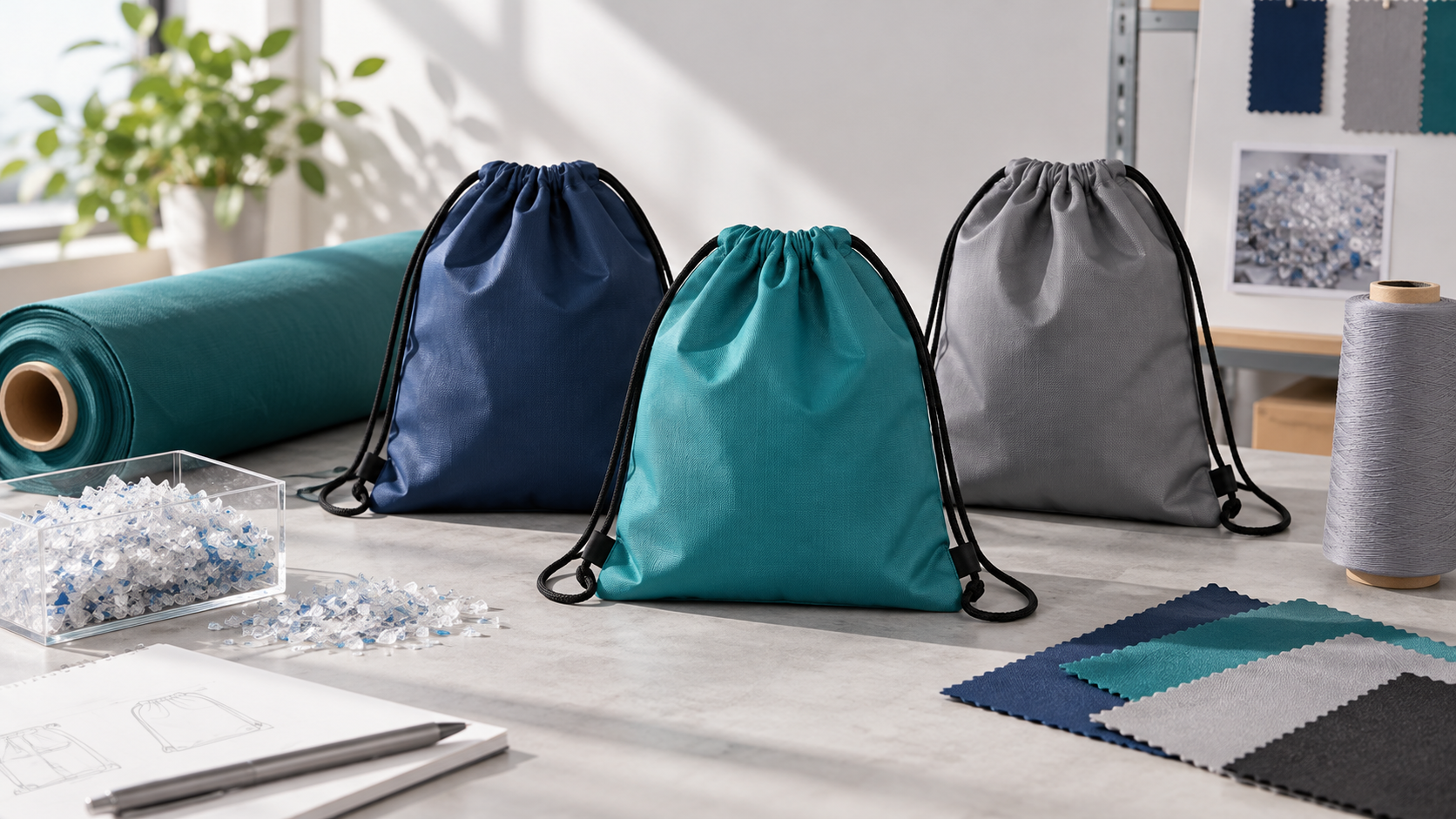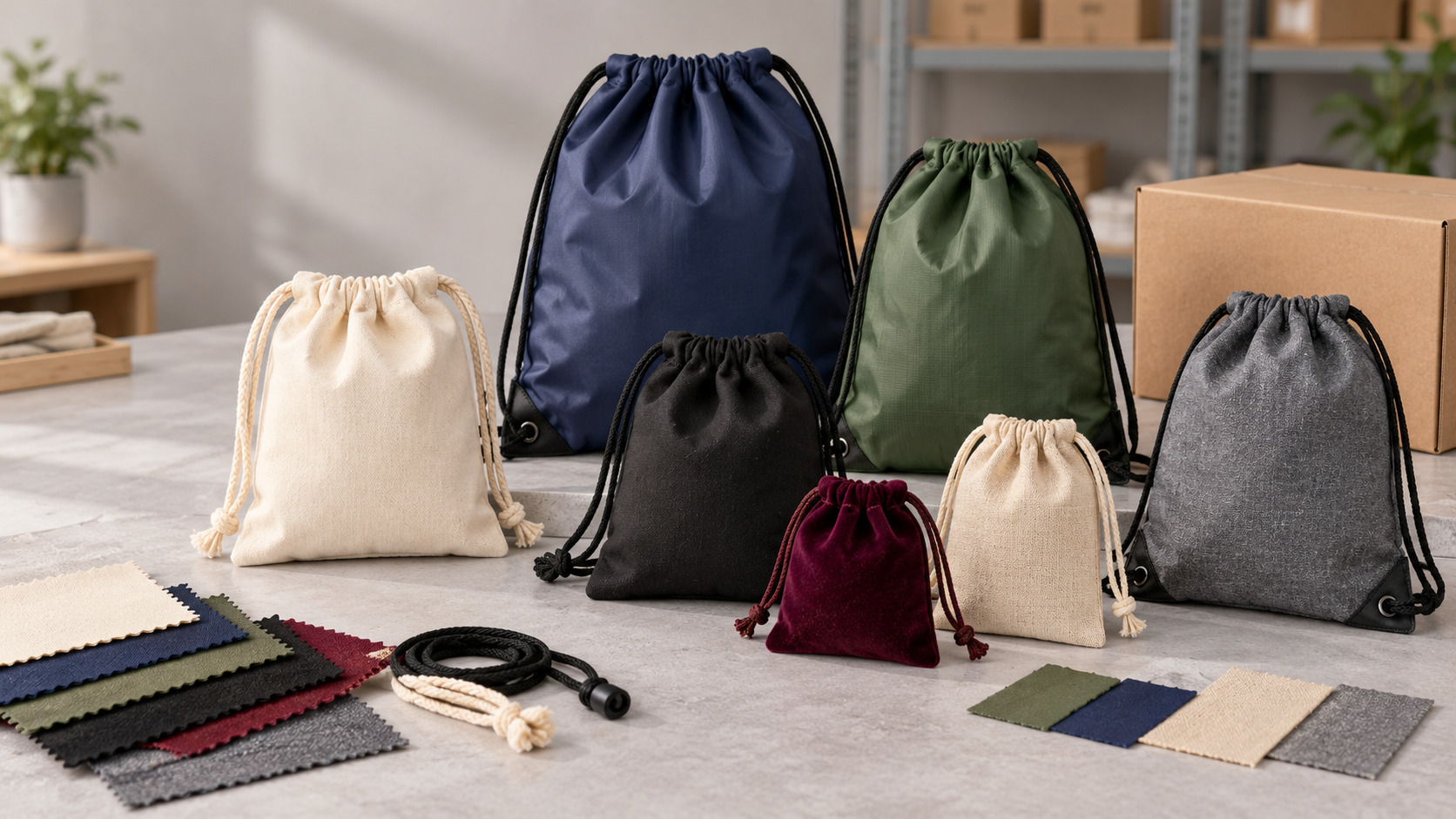
Intent boundary: This page covers worldwide cosmetic bag supplier and production-model comparison. It is not the broad China supplier hub. For the complete sourcing workflow, use the China Cosmetic Bag Manufacturers Guide.
A cosmetic pouch looks uncomplicated until ten suppliers quote ten different products. One assumes a thin unlined giveaway. Another prices a retail case with a coated lining and branded hardware. A third offers only a stock body with a printed logo. All three may call the result “custom,” yet their development work, production control and commercial risk are not comparable.
Planning an order? Send the same controlled RFQ you will use for every shortlisted supplier. Include the bag use and payload, destination and channel, construction and materials, brand assets, quantity by SKU/color, packing, required evidence, target date and the commercial basis you want compared.
This guide profiles ten custom cosmetic bag manufacturers worldwide that represent distinct sourcing routes in 2026. The purpose is not to declare one universal winner. It is to help beauty brands, retailers, distributors and promotional buyers identify the operating model that fits their quantity, design ownership, target market and launch date. Buyers who want to review product directions first can explore LUCKYSTAR's custom cosmetic bag collection. For the wider sourcing framework across bag categories, start with the Custom Bag Manufacturer Guide.
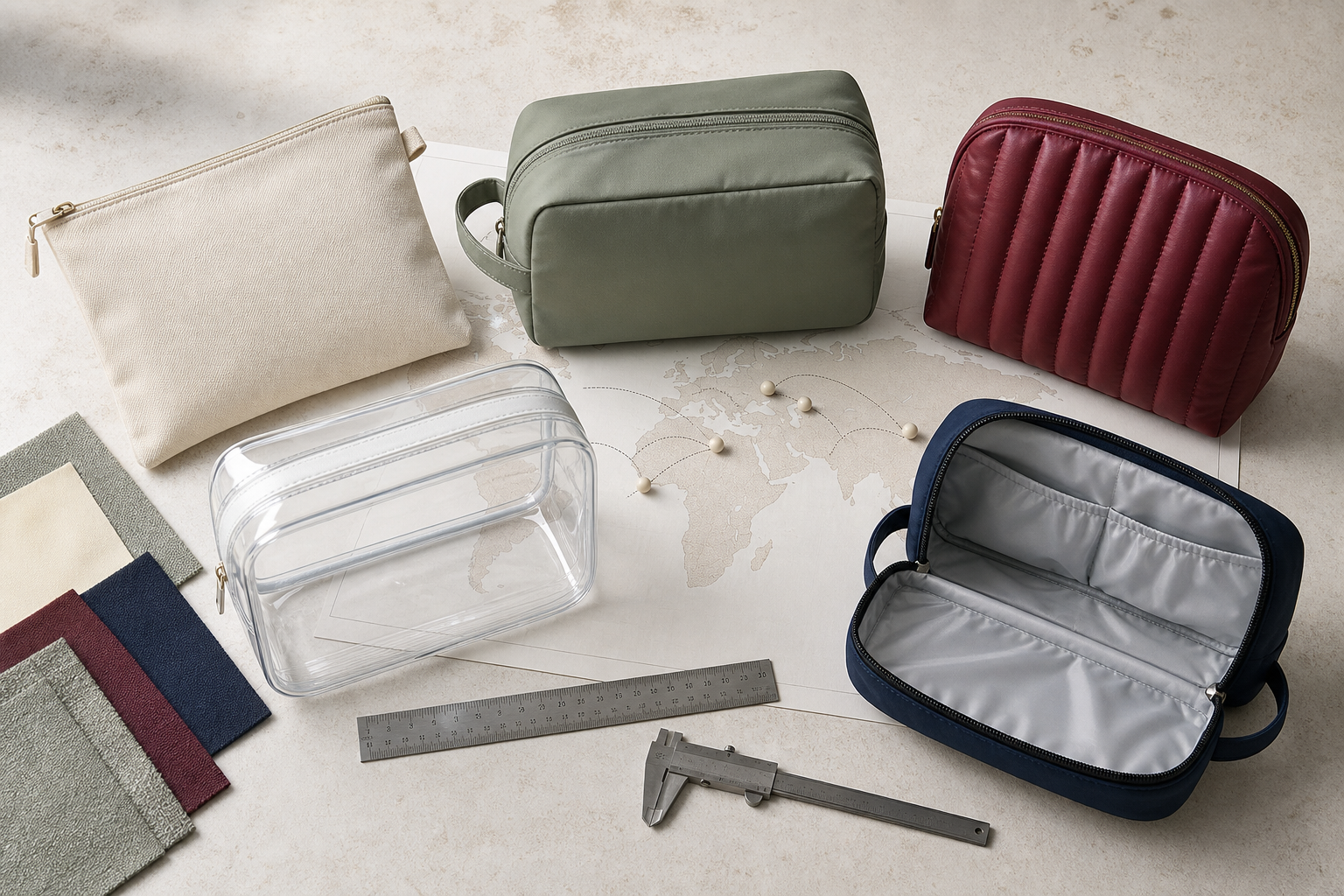
A useful global shortlist compares structures, materials and production models before comparing prices.
Quick answer: the 2026 shortlist at a glance
The companies below are ordered to make the comparison readable, not to suggest that number one beats number ten for every brief. Some operate Asian export factories. Some combine Western product development with manufacturing in Asia. Others provide genuinely local production for smaller or specialized runs. The appropriate choice depends on what the bag must do and what evidence the buyer needs.
| Company | Base / production model | Potential fit to verify | Verify before ordering |
|---|---|---|---|
| 1. LUCKYSTAR | Ningbo, China; OEM/ODM manufacturer and exporter | Beauty, retail, GWP and coordinated multi-product programs | Order-specific factory route, MOQ, material documents and schedule |
| 2. Rivta | Dongguan, China; audited cosmetic bag factory with a deep alternative-material library | Sustainability-led beauty and hospitality programs | Certificate and composition scope for the selected material |
| 3. Uinta Design | US/Amsterdam/China offices; production stated in China and Vietnam | Brands needing design support, 3D mockups and managed global production | Actual production site, MOQ and ownership of tooling and artwork |
| 4. Synberry | China and Cambodia factories; broad OEM/ODM bag manufacturing | Multi-site sourcing and established export programs | Which site makes the order and whether inputs can move between sites |
| 5. Ciffnoo | China; cosmetic bag specialist with in-house printing | Print-led beauty collections and higher-volume programs | Audit documents, print approvals and realistic booked capacity |
| 6. KONCAI | Guangdong, China; soft bags plus structured and hard beauty cases | Professional makeup artists, salons and structured storage systems | Facility allocation, tooling ownership and sample-to-bulk controls |
| 7. Bags2Crown | Mumbai, India; website-described soft-goods production, branding and packing | Pilot runs, India sourcing, amenity pouches and campaign bags | Project minimum, export compliance and capacity for the required date |
| 8. Countryside Art | UK-based factory; cotton cosmetic bags and printing | UK-made, lower-volume printed cotton pouches | Available formats, sourced components and production window |
| 9. IBA Hartmann | Augsburg, Germany; local prototyping with managed custom production | European development, tactile promotional packaging and detailed prototypes | Bulk production country, partner factory and origin wording |
| 10. Royal Case | Texas, USA; domestic soft sewing and engineered case production | Made-in-USA specialty cases and protective custom structures | Cosmetic-specific finish, minimum quantity and material options |
This is a shortlist, not a purchase recommendation. Send the same controlled RFQ to the most relevant two or three candidates and compare like with like. LUCKYSTAR's cosmetic bag supplier evaluation checklist provides the deeper qualification process.
How we selected these custom cosmetic bag manufacturers
Many online lists mix consumer labels, wholesalers, printing companies and actual contract manufacturers. A luxury brand may make an excellent retail cosmetic case but still offer no OEM service to another beauty company. We excluded fame as a selection criterion and looked instead for public evidence of custom product development, manufacturing or a clearly managed production program.
| Evaluation area | Review weight | Evidence considered | Why buyers should care |
|---|---|---|---|
| Manufacturing identity and control | 20% | Named facility, production location, in-house steps or an explained partner network | Reveals accountability for cutting, sewing, printing, assembly and corrective action |
| Cosmetic bag specialization | 15% | Pouches, vanity cases, brush organizers, clear bags, train cases and toiletry formats | Beauty storage creates different lining, spill, zipper and compartment risks from a basic tote |
| Customization depth | 15% | Pattern, material, structure, closure, lining, hardware, decoration and packing | Separates full product development from adding a logo to an existing body |
| Quality and verification | 15% | QC stages, sampling controls, audits, testing and document boundaries | A website claim is useful only when the order can be checked against evidence |
| Commercial flexibility | 10% | MOQ route, development path, sample timing and ability to scale | The ideal engineering partner may still be commercially unsuitable for the order |
| Material and process range | 10% | Textiles, coated materials, transparent films, hardware, printing and assembly | A broader library increases options but must still be matched to performance |
| International buyer fit | 10% | Export support, multi-site planning, packing, inspection and communication | Production is only one part of getting a compliant order to market |
| Public information clarity | 5% | Specific and internally consistent descriptions that buyers can challenge | Transparent pre-sales information makes due diligence faster |
Why a worldwide list contains different operating models
“Worldwide” does not mean that every region offers the same supply chain. China remains prominent because fabric, zippers, coated films, molded parts, printing, sewing and export services can be coordinated within mature manufacturing clusters. India offers competitive sewn-goods and kitting routes. The UK, Germany and USA can be compelling where local development, origin, small quantity or specialized engineering matters more than the lowest unit cost.
A buyer should therefore compare the model before the country. A domestic printer may ship 100 cotton pouches faster than an offshore factory. A multi-site Asian group may offer stronger scale and tariff options. A design agency may simplify development while adding a management layer. None is automatically better; each changes cost, visibility and responsibility.
Use the focused rankings below after the operating model or campaign goal is clear:
- China manufacturers: compare sewing, welded-film, print-led and structured-case processes.
- USA manufacturers: distinguish domestic factories from design offices, decorators and managed networks.
- OEM/ODM manufacturers: decide whether the buyer or supplier should own development.
- Private-label manufacturers: compare brand layers, retail packing and repeat-order control.
- Low-MOQ manufacturers: examine entry quantities, hidden component minimums and scale-up paths.
- Sustainable manufacturers: compare traceability, chemistry, durability and order-level evidence.
- Promotional GWP suppliers: compare stock decoration, custom manufacturing, proofing, pack-out and campaign timing.
- Clear PVC and TPU manufacturers: compare film grades, welding, optical quality, compliance and transparent-bag fit.
- Luxury cosmetic bag manufacturers: compare premium materials, hardware, workmanship, master-sample control and retail presentation.
1. LUCKYSTAR — listed for coordinated beauty bag programs
Location and model: Ningbo, China; custom bag and apparel manufacturer/exporter supporting OEM and ODM projects.
Ningbo LUCKYSTAR Commodities Co., Ltd. presents a cross-category manufacturing program covering customized bags, apparel and promotional products. For cosmetic bags, that breadth is useful when a brand needs more than a pouch: a beauty launch may combine a makeup bag with a tote, gift packaging, apparel or event merchandise. Working through one project team can make shared colors, artwork files, labels, packing instructions and shipment timing easier to coordinate.
LUCKYSTAR is most relevant when the buyer has a commercial objective but still needs manufacturing feedback on material, structure, lining, zipper, branding or pack-out. The team can support development from a reference, sketch or specification and connect sampling, production, inspection and export packing. Its Product Range also gives buyers room to build a coordinated collection rather than source every item independently.
- Possible fit: beauty brands, private-label collections, gift-with-purchase programs, retailers and promotional distributors.
- Why shortlist it: broad customization, multi-category coordination and a practical route from concept to packed order.
- Verify: the production site assigned to the project, material specifications, MOQ by color and logo process, sample stages, test plan and dated production schedule.
- Potential mismatch: a domestic small-run workshop will usually suit an order of only a few dozen locally made pieces needed almost immediately.
2. Rivta — listed for sustainable-material specialization
Location and model: Dongguan, China; cosmetic bag factory focused on beauty, hospitality and alternative-material projects.
Rivta describes manufacturing experience dating to 1990 and publishes a particularly deep material library. Its cosmetic bag routes include RPET, recycled nylon, recycled cotton, transparent materials and a range of plant-content or vegan-leather alternatives. The site also gives project-level guidance around sampling, QC, factory visits and document scope rather than treating a certification name as proof for every order.
This makes Rivta a logical candidate when material storytelling is central to the brief. Yet unusual materials can differ in backing, coating, plant or recycled content, durability and certificate eligibility. A buyer still needs the complete bill of materials and order-specific evidence before making consumer-facing claims.
- Possible fit: skincare, fragrance, hospitality and travel-retail projects that need a broader sustainable-material discussion.
- Why shortlist it: cosmetic bag specialization and unusually visible material/document boundaries.
- Verify: current audit documents, composition, supplier certificate scope, transaction documentation, colorfastness and cleaning performance.
3. Uinta Design — listed for US-led design with global production
Location and model: offices in North America, Amsterdam and China; the company states manufacturing facilities in China and Vietnam.
Uinta Design operates more like an integrated product-development partner than a conventional factory sales office. Its cosmetic bag offer begins with design and 3D visualization, then moves through material sourcing, sampling, manufacturing and internal or third-party quality control. That structure suits a marketing or product team that needs help translating a mood board into a producible silhouette.
The extra design layer can reduce ambiguity, but buyers should understand where responsibility changes hands. Confirm the legal contracting party, the final manufacturing site, who owns CAD files and patterns, which quality team releases production and whether tooling can move if the relationship changes.
- Possible fit: North American or European brands that value product management and visual development support.
- Why shortlist it: design-first workflow, multi-region communication and China/Vietnam production options.
- Verify: site allocation, MOQ, prototype fees, revision limits, IP ownership and the inspection standard used for bulk.
4. Synberry — listed for China-and-Cambodia production flexibility
Location and model: factories in China and Cambodia with OEM/ODM production across bags and soft accessories.
Synberry publishes a cosmetic pouch program covering flat pouches, travel organizers, clear travel styles, structured vanity cases, amenity pouches and padded formats. It states an OEM/ODM history since 1993, a 500-unit starting point for cosmetic bag programs and factory certifications that buyers can request for review. The second-country option is attractive when tariff exposure, capacity or origin planning is part of the sourcing strategy.
Multi-site capability is valuable only when the site is frozen early. Materials, workmanship, sub-suppliers and available processes may differ between China and Cambodia. The approved sample should come from—or be formally transferred to—the exact facility scheduled for production.
- Possible fit: established retailers and importers seeking scale plus an alternative Asian production origin.
- Why shortlist it: broad cosmetic bag structures and declared China/Cambodia manufacturing.
- Verify: production country, material origin, audit scope, sample-transfer process, tariff classification and contingency rules.
5. Ciffnoo — listed for print-led cosmetic bag collections
Location and model: China-based cosmetic bag manufacturer with an in-house printing facility.
Ciffnoo describes more than 30 years of manufacturing experience, a 20,000-square-meter facility, OEM/ODM support and a strong print-development offer. Its published capabilities include a pattern library, custom printed fabrics, design mockups and sampling. For seasonal beauty collections that live or die by artwork registration and color control, in-house printing can reduce one supplier handoff.
Artwork depth does not remove production risk. Buyers should approve color on the correct base material, confirm repeat alignment across seams, test rub and transfer resistance, and define how panels are cut when the pattern has a direction or hero motif.
- Possible fit: high-impact printed pouches, beauty campaigns and coordinated seasonal graphics.
- Why shortlist it: cosmetic bag focus plus printing under the same stated facility.
- Verify: active audits, color standard, print proof sequence, strike-off approval, booked line capacity and defect handling.
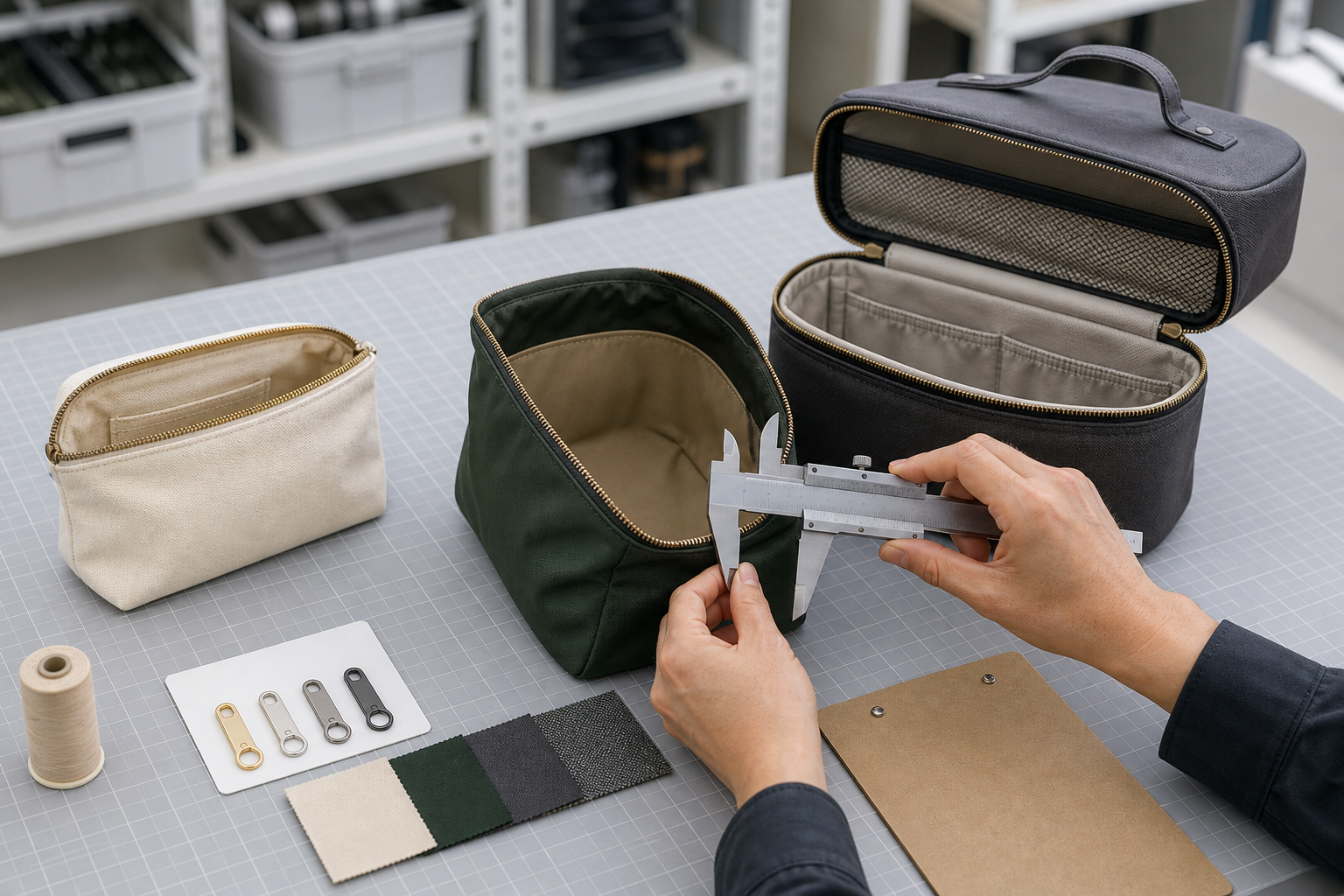
Public research builds the shortlist; equivalent samples and written acceptance criteria decide which supplier receives the order.
6. KONCAI — listed for soft bags and structured professional cases
Location and model: Guangdong, China; production focused on makeup cases, salon cases and soft cosmetic bags.
KONCAI stands out because its range crosses the boundary between sewn cosmetic pouches and engineered hard or semi-hard cases. Public company information describes separate facilities, R&D and experience with professional makeup, salon and beauty-storage products. That makes the company relevant when trays, dividers, mirrors, wheels, frames or molded structures matter as much as the outer fabric.
Complex cases also create extra control points. The buyer should identify who owns molds and dies, how replacement parts are managed, which components are safety critical, and whether a soft sample accurately represents the later structured production process.
- Possible fit: makeup artists, salon distributors, professional beauty storage and mixed soft/hard case ranges.
- Why shortlist it: specialized case engineering rather than only flat pouch sewing.
- Verify: the assigned facility, mold ownership, wheel/handle/hinge tests, component replacement plan, packing drop protection and final inspection method.
7. Bags2Crown — listed for India-based pilot runs and kit assembly
Location and model: family-run manufacturing unit in Mumbai, India, with in-house development, branding and packing.
Bags2Crown publishes unusually direct descriptions of what it makes and what it does not. Cosmetic formats include flat pouches, box bags, vanity cases and amenity kits, with multiple branding methods, custom zippers, linings, brush loops and retail packing. The company website also describes branding and packing support for hotel, corporate-gift and GWP pouch programs.
Its “no fixed MOQ” statement should not be read as every construction being economical at any quantity. Printing, custom hardware and material dyeing can still introduce supplier minimums. Request separate pricing for a pilot using available inputs and a scaled version using fully customized components.
- Possible fit: India sourcing, pilots, amenity pouches, promotional kits and assembly-heavy programs.
- Why shortlist it: disclosed in-house Mumbai production and practical kitting support.
- Verify: project minimum, export-market compliance, capacity, component origin, assembly responsibility and delivery contingency.
8. Countryside Art — listed for UK-made printed cotton pouches
Location and model: UK factory manufacturing and printing cotton cosmetic and wash bags.
Countryside Art offers a focused alternative to large offshore programs; its standard cosmetic bags include flat and gusseted formats, with screen or digital printing, optional linings, zippers and sewn-in labels. The company states that the cosmetic bags are manufactured in its UK factory and explains that many fabrics are sourced or finished in Turkey or the UK.
This route fits museums, artists, heritage retailers and brands that want low-volume UK production with strong printed artwork. It is less suited to a complicated molded vanity case or a price-led six-figure promotion. Buyers should also distinguish UK bag manufacture from the origin of fabric, zipper and lining components.
- Possible fit: shorter runs, UK-made positioning, cotton artwork and straightforward zipped formats.
- Why shortlist it: clear local-production statement and visible fabric/print choices.
- Verify: current minimum, available shapes, fabric origin, color repeatability, lining options and seasonal lead time.
9. IBA Hartmann — listed for German prototyping and tactile brand packaging
Location and model: Augsburg, Germany; concept development and 1:1 prototype construction with managed production.
IBA Hartmann approaches a cosmetic bag as tactile promotional packaging. Its program covers textiles, transparent films, mesh, faux leather, linings and varied internal divisions. The company highlights prototype construction in Augsburg and ISO 9001:2015, giving European buyers a local development conversation before bulk.
The website does not mean every bulk bag is manufactured in Augsburg. That distinction must be made explicit in the quotation. Confirm the production country, partner facility, audit access, origin statement and whether the bulk line reproduces the German prototype without substituting materials or methods.
- Possible fit: European beauty, pharmaceutical and promotional teams needing close prototype collaboration.
- Why shortlist it: tactile design experience and local sample development.
- Verify: bulk origin, partner factory, production-transfer file, certification scope and responsibility for corrective action.
10. Royal Case — listed for made-in-USA engineered soft cases
Location and model: Sherman, Texas, USA; domestic soft sewing and case engineering.
Royal Case Company states that it has produced soft sewn cases and bags in Texas for more than 40 years. The strength here is not fashion printing; it is engineered protection, inserts, foam, straps and carrying solutions. A beauty-device company, professional tool brand or clinical skincare supplier may value those capabilities more than a conventional pouch catalog.
The buyer should review whether the factory's industrial finishing meets the visual expectations of beauty retail. A rugged protective case can perform exceptionally and still require refinement in lining, edge finishing, zipper feel or packaging before it belongs on a premium cosmetics shelf.
- Possible fit: beauty devices, professional tools, protective organizers and made-in-USA requirements.
- Why shortlist it: domestic sewing plus engineering around the product being carried.
- Verify: cosmetic-grade finish, material range, minimum quantity, tooling, cleanability, weight and landed cost.
Compare the four supplier models before requesting prices
| Supplier model | What it does well | Common limitation | Examples in this guide |
|---|---|---|---|
| Export OEM/ODM factory | Full structure, materials, branding, packaging and production-scale cost engineering | More development decisions, material minimums and international logistics | LUCKYSTAR, Rivta, Ciffnoo, KONCAI |
| Multi-site manufacturing group | Capacity and origin alternatives across more than one country | Site-to-site material and workmanship differences must be controlled | Synberry |
| Design-led managed production | Closer product development, presentation and account management | An added coordination layer and less direct factory visibility unless disclosed | Uinta Design, IBA Hartmann |
| Domestic specialist workshop | Local communication, smaller runs, origin value and specialized engineering | Higher unit cost or a narrower material and structure range | Bags2Crown, Countryside Art, Royal Case |
Which manufacturer type fits your project?
| Purchasing scenario | Best starting model | Primary decision factor | Relevant guide |
|---|---|---|---|
| 3,000-piece private-label retail collection | Cosmetic-focused OEM/ODM factory | Repeatable structure, finish, labels and retail pack-out | Sample development process |
| 50,000-piece global GWP launch | Export factory with campaign planning and capacity evidence | Confirmed allocation, production calendar, packing and delivery control | GWP campaign planning |
| 300-piece first-market test | Low-MOQ factory or domestic workshop | Using available inputs without creating an inventory trap | Cosmetic bag MOQ and production time |
| Certified recycled-material program | Material specialist with document control | Order-specific composition and chain-of-custody evidence | RPET sourcing checklist |
| Professional train case with inserts | Structured-case or protective-case engineer | Hardware, frame, insert, handle and drop performance | Flat pouch vs box bag vs train case |
| Printed UK museum pouch | Domestic print-and-sew workshop | Artwork, local origin, small quantity and delivery date | Cosmetic bag material guide |
How to turn the Top 10 into a defensible final decision
Treat the ranking as a research filter rather than outsourced procurement. A defensible final choice still requires equivalent information from every candidate.
- Write the use case first. State whether the bag is a retail SKU, GWP, subscription item, travel organizer, professional case or secondary packaging.
- Freeze the comparison specification. Define finished dimensions, structure, outer material, lining, closure, branding, packing, quantity and delivery destination.
- Ask who manufactures each step. Record the legal contracting entity, sampling room, bulk factory, printing site and any subcontracted processes.
- Normalize the quotation. Separate sample fees, molds, screens, unit price, packaging, tests, inspection, freight, duty and tax.
- Request evidence selectively. Ask only for audits, certifications and tests that apply to the market and product, then verify scope and validity.
- Sample the top two or three. Review them against the same dimensions, workmanship, appearance, function and cleaning checks.
- Lock the bulk benchmark. Sign off the physical sample, bill of materials, artwork, color standard and packing instruction before production materials are released.
- Agree on inspection and remedies. Define defect classes, tolerance, sampling plan, rework, replacement and shipment-release authority.
Use the Cosmetic Bag Tech Pack guide to prepare the specification. For verification, continue with the Cosmetic Bag Quality Control Checklist and custom cosmetic bag testing guide. These focused resources prevent this ranking article from repeating the detailed technical guidance already available in the Cosmetic Bag cluster.
Comparison boundary: supplier descriptions on this page are screening summaries of public, supplier-controlled information. Capabilities, locations, certificates, customer references, MOQs, capacity, prices and schedules must be verified directly for the exact legal entity, facility, material route and order. LUCKYSTAR statements are publisher self-description and remain subject to the same order-specific verification.
RFQ table for comparing shortlisted manufacturers
| RFQ field | What the buyer supplies | What each manufacturer must return |
|---|---|---|
| Product role | Retail, GWP, packaging, travel or professional use; intended contents | Recommended construction and unresolved risks |
| Dimensions and structure | Finished width, height, depth, opening, pockets, brush loops and handles | Construction drawing, measurement method and tolerance |
| Materials | Performance target, feel, color and claim requirements | Full composition, weight/thickness, supplier route and available evidence |
| Branding | Vector artwork, dimensions, colors and placement | Process, setup fee, proof stage, tolerance and durability expectation |
| Quantity | Total pieces plus breakdown by style and color | MOQ assumptions, price breaks and allowed split |
| Timeline | Required delivery date and destination | Brief freeze, sample, approval, materials, bulk, inspection and shipment dates |
| Quality | Critical functions, defect definitions and applicable tests | QC checkpoints, sampling plan, records and remedy proposal |
| Packing and trade terms | Retail pack, barcode, carton, pallet and preferred Incoterm | Pack specification, carton data, loading quantity, quote basis and exclusions |
When LUCKYSTAR may fit a beauty bag RFQ
LUCKYSTAR is not presented as the answer to every sourcing problem. Its advantage is the ability to connect cosmetic bag development with the wider commercial program. A beauty team can discuss the pouch, its packaging, a matching tote, event merchandise or other promotional products through one coordinated brief. This is especially useful when color, artwork, delivery date and pack-out must remain consistent across several items.
| LUCKYSTAR capability | Practical buyer value | What should be written into the order |
|---|---|---|
| OEM/ODM development | Moves a reference, sketch or brief toward a manufacturable sample | Approved dimensions, construction, BOM, artwork and revision record |
| Material and structure options | Balances target look, use, cleaning, quantity and price | Composition, thickness/weight, color standard, lining and component grade |
| Beauty and promotional applications | Supports retail, private label, GWP, travel and event requirements | Named use case, target customer, contents, channel and performance priorities |
| Quality and export coordination | Connects sample approval, bulk checks, packing and shipment preparation | Inspection criteria, records, carton specification, schedule and Incoterm |
| Cross-category product range | Reduces coordination when a launch contains multiple customized items | Item-level specifications plus one shared color, artwork and delivery matrix |
To start a meaningful quotation, send the bag format, intended contents, finished size, material direction, logo artwork, quantity per color, packaging, destination and required delivery date. LUCKYSTAR can then identify missing decisions and propose the next sample step. For landed-cost planning, also review How Much Do Custom Cosmetic Bags Cost?.
Frequently asked questions
Who is the best custom cosmetic bag manufacturer in 2026?
There is no single best manufacturer for every brief. LUCKYSTAR may suit coordinated OEM/ODM beauty and promotional programs when the order-specific factory route, specification, evidence and commercial terms are confirmed. Rivta suits material-led sustainability projects, Uinta provides design-led global production, KONCAI specializes in structured professional cases, and domestic workshops may be better for smaller local runs. The correct answer follows the specification and evidence, not the list position.
Are all companies on this list direct factories?
No. The list intentionally includes several operating models. Some companies state direct factory production, some operate multiple sites, and others manage development and production across partner or international facilities. Buyers should ask which legal entity and physical site will perform every major step.
What MOQ should I expect for custom cosmetic bags?
MOQ changes with material availability, color, print setup, hardware, structure and packing. A domestic printed cotton pouch may work at a relatively small quantity, while a custom-dyed bag with molded hardware can require much more. Ask for MOQ per style, per color and per customization route rather than one headline number.
Should I choose a local manufacturer or import?
Local production can improve origin clarity, communication and small-run speed. Importing can provide deeper component supply, greater scale and lower unit cost at volume. Compare total landed cost, development time, required evidence and inventory exposure. Buyers considering China can use the guide to importing custom cosmetic bags from China.
How can I tell whether a supplier is a factory or trading company?
Request the legal business name, factory address, video or visit, production photos tied to current work, audit reports and a process map identifying subcontracted steps. A trading or managed-production model is not automatically bad; the risk comes from an undisclosed model and unclear accountability.
Which documents should sustainable cosmetic bag suppliers provide?
The answer depends on the claim. At minimum, request the material composition and supplier identity. Certified recycled claims may require valid scope and transaction documentation. Do not assume a company-level logo proves the exact fabric, component or finished order.
How many manufacturers should receive the RFQ?
Usually three to five qualified suppliers are enough for the first comparable quotation, followed by samples from the strongest two or three after scoring. Sending a vague request to dozens of vendors creates inconsistent assumptions and more work without improving the decision.
How often should this manufacturer ranking be updated?
Review the list at least annually and reconfirm company status before every material order. Facilities, certifications, capacity, staff, websites and production-country options can change faster than an article publication cycle.
Final recommendation
The most useful top cosmetic bag manufacturers list does not hide the differences between a factory, a design-led production partner and a domestic specialist. It makes those differences the basis of the decision. Start with the product's job, select the right operating model, issue one controlled RFQ and verify the finalists through equivalent samples and written evidence.
For brands that need an adaptable OEM/ODM partner across retail cosmetic bags, GWP pouches, travel organizers and coordinated promotional products, LUCKYSTAR offers a practical place to begin. Review the custom cosmetic bag options, the complete manufacturer selection framework and the manufacturer qualification guide, then send your project brief for a tailored quotation.

Request a comparable cosmetic bag RFQ
Send the same specification to each shortlisted supplier: bag use and payload, destination and channel, construction and materials, brand assets, quantity by SKU/color, packing, required evidence, target date and commercial comparison basis.
Review LUCKYSTAR custom cosmetic bag options, then send your project details through the contact form or Email a project brief. The email link opens a draft for your review before sending.
Supplier fit, factory route, materials, construction, branding, samples, testing, documentation, packaging, inspection, MOQ, price, schedule and delivery terms are subject to due diligence, specification and written confirmation.