Intent boundary: This page covers premium and luxury cosmetic bag supplier comparison. It is not the broad China supplier hub. For the complete sourcing workflow, use the China Cosmetic Bag Manufacturers Guide.
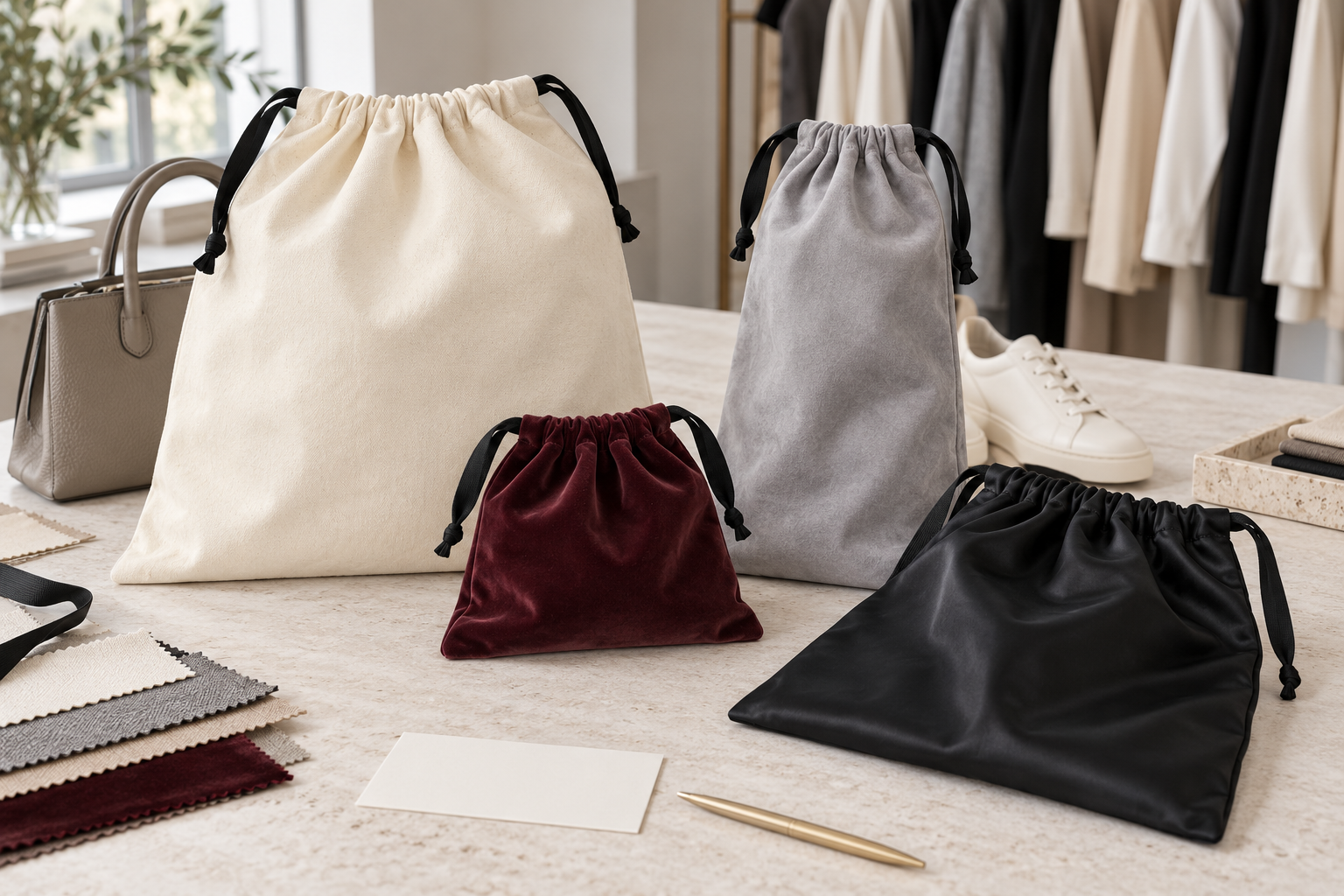
A luxury cosmetic bag is judged before its zipper is opened. The silhouette must sit correctly on a counter, the material must feel intentional in the hand, the hardware finishes must agree with the beauty packaging, and the lining should look as considered as the exterior. Those results come from controlled development—not from adding gold-colored metal to an ordinary pouch.
A buyer searching for a Premium Cosmetic Bag Manufacturer or Luxury Makeup Bag Manufacturer should therefore qualify the approval system as carefully as the sample itself. The phrase on a supplier page matters less than the team's ability to reproduce the same tactile and visual result over a complete production run.
This guide screens ten Luxury Cosmetic Bag Manufacturers and managed development partners for premium beauty brands. It evaluates the capabilities that protect perceived value at scale: material and color masters, pattern engineering, custom hardware, refined workmanship, sealed-sample control, confidentiality, testing and retail-ready pack-out. Buyers can review LUCKYSTAR's custom cosmetic bag collection for initial directions and use the worldwide cosmetic bag manufacturer core guide when luxury execution is only one part of a wider sourcing decision.
Planning an order? Send one finish-control brief. Include the bag dimensions, intended contents, material and handfeel, hardware, branding, quality limits, quantity by SKU, packaging, destination and required date.
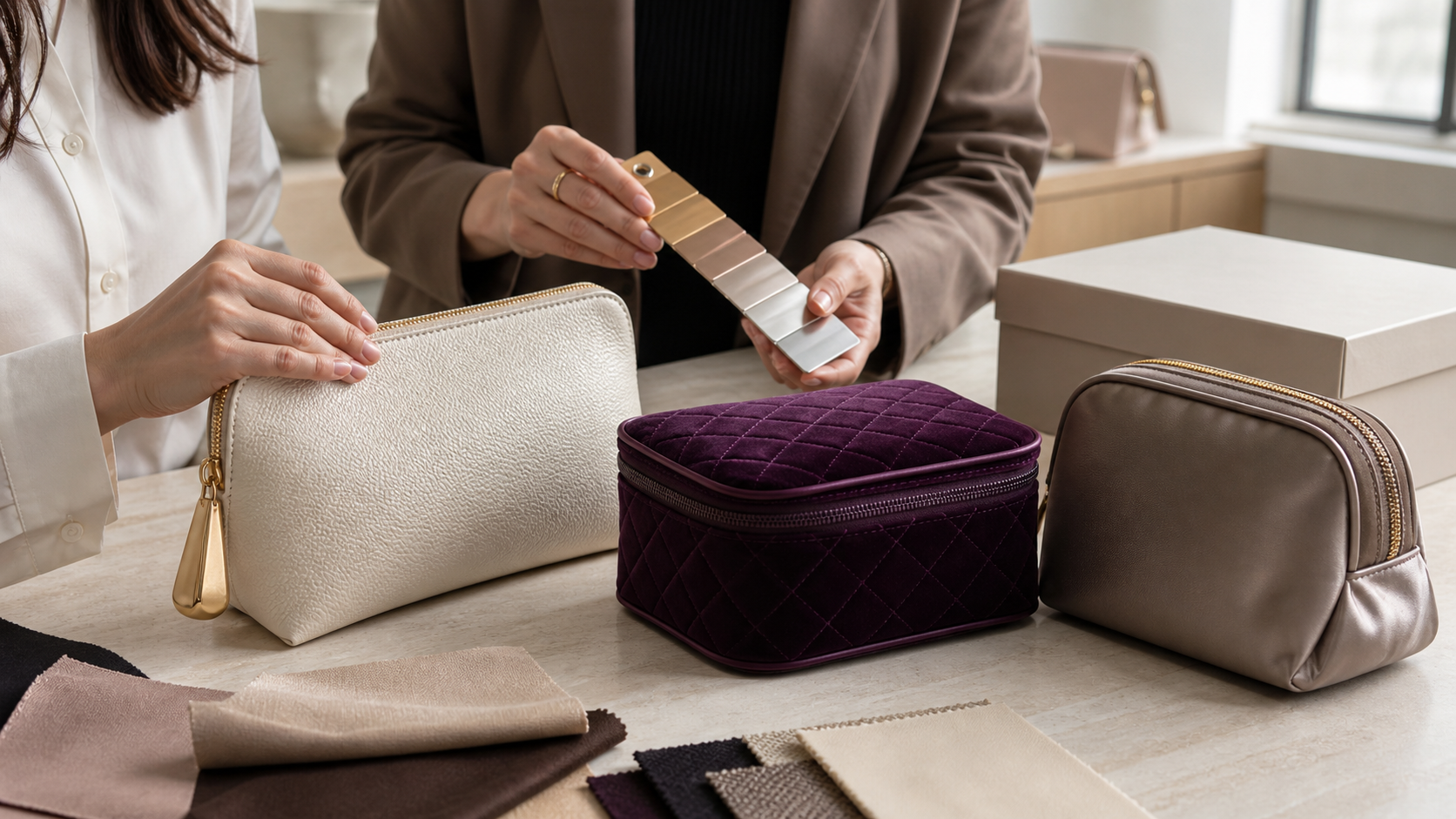
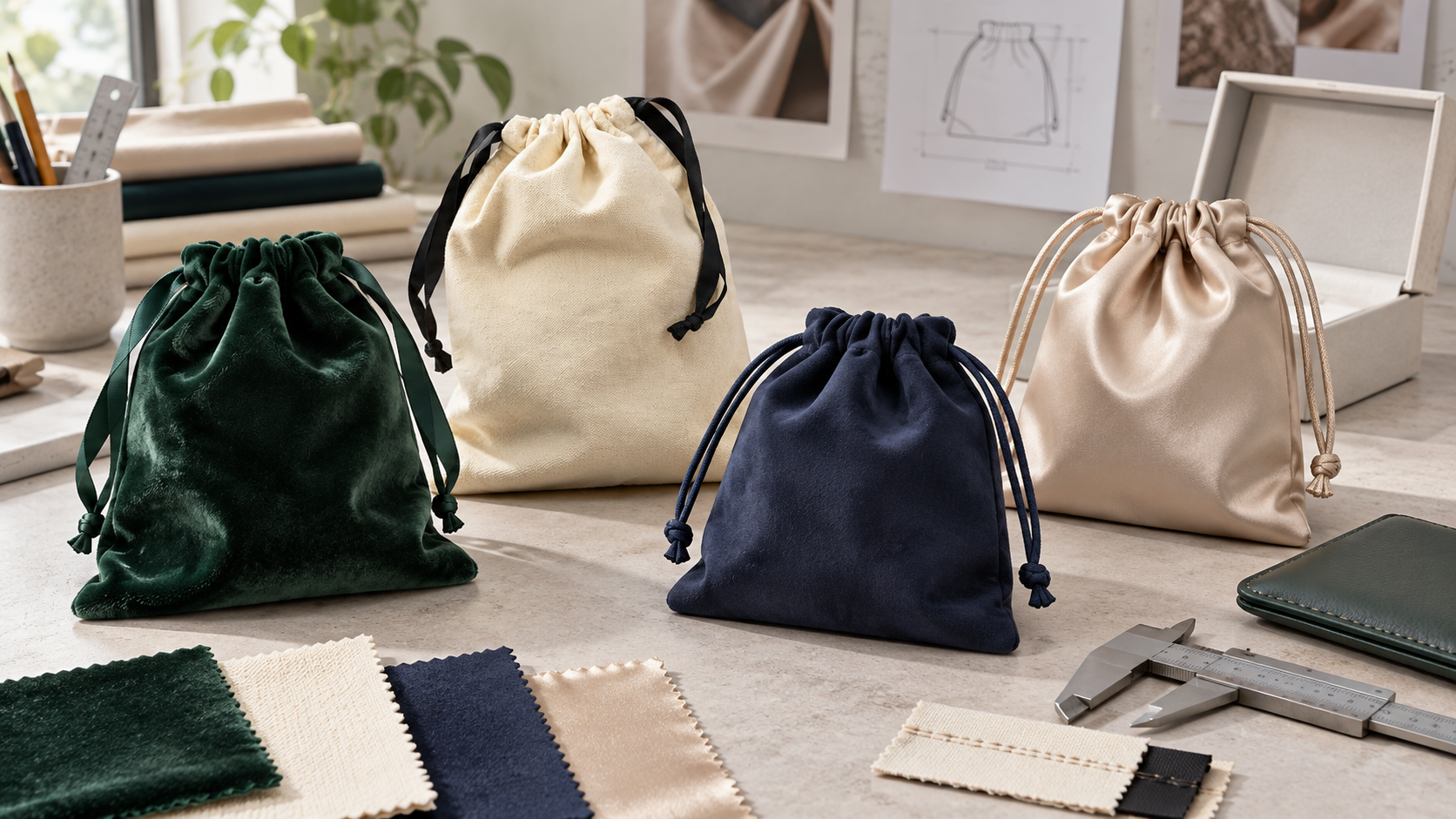
Premium development starts with a coordinated capsule: silhouette, handfeel, color, hardware and presentation must work as one system.
Quick answer: top 10 luxury cosmetic bag manufacturers
| Editorial sequence and manufacturer | Premium-strength signal | Potential buyer fit | Verify before nomination |
|---|---|---|---|
| 1. LUCKYSTAR | Cross-category OEM/ODM coordination for bags, packaging and promotional collections | Beauty brands needing a bespoke bag and coordinated launch components | Assigned factory, workmanship limits, hardware ownership and sealed-sample route |
| 2. Timmy Bags | Beauty-focused factory with vegan leather, foil/debossing, custom pullers and printed lining options | Formal beauty-brand onboarding and retail or GWP programs | Order-specific plant, audit validity and approved premium component sources |
| 3. Changlin | Quilted, velvet, PU and RPET beauty directions plus supplier-reported luxury-group audits | Larger premium beauty and seasonal GWP runs | Brand references, audit scope, line booking and lot consistency |
| 4. Ecorivta | Luxury GWP focus, sustainable material library and coordinated beauty accessories | Premium brands combining design, sustainability and gifting | Order-level chain of custody, claim wording and physical master standards |
| 5. LantaoBags | Published material, custom hardware, Pantone and AQL control details | Growing brands seeking detailed development at a published 300-unit starting route | Legal factory identity, in-house steps, test claims and premium-finish repeatability |
| 6. Jundong Factory | PU, velvet, satin, TPU and EVA cases with custom lining, metal logos and pullers | Material-led luxury pouches and structured vanity cases | Actual MOQ by component, finish masters and bulk-quality records |
| 7. CaseFoundry | Beauty-specialist product development with standard, branded and fully custom routes | Brands wanting guided design and retail-ready GWP execution | Managed-production model, factory location, origin and production accountability |
| 8. Mucci Cases & Bags | Broad makeup-case engineering, PU/leather routes and in-house development claims | Structured cases, professional beauty kits and mixed accessory programs | Material authenticity, compliance scope and cosmetics-bag workmanship level |
| 9. Jaspa Beauty | Beauty-only portfolio spanning pouches, vanity bags, organizers and private label | Retailers building a coordinated cosmetic-storage family | Factory proof, sample quality, current documents and premium hardware control |
| 10. Vaelobag | Boutique-oriented PU cosmetic sets, ODM support and published 500-unit route | Emerging brands testing fashion-led premium styles | Factory ownership, workmanship limits, material sources and scale-up plan |
What makes a cosmetic bag genuinely premium?
Luxury is a system of decisions. A minimalist nylon pouch can feel more premium than an overdecorated PU case if the former has a clean silhouette, smooth zipper motion, balanced proportions and disciplined finishing. Conversely, a heavy metal plaque cannot rescue rippled panels, mismatched plating or an interior that collapses when opened.
| Luxury cue | Commodity shortcut | Premium execution | Approval evidence |
|---|---|---|---|
| Silhouette | Shape is accepted from an empty catalog sample | Pattern, reinforcement and fill behavior are tuned for the intended products | Empty, half-filled and fully filled profile photographs plus retained sample |
| Material hand | Generic “premium PU” or “velvet” description | Named construction, thickness, backing, pile direction, gloss and tactile master | Supplier-coded swatch and approved production lot |
| Hardware | Closest stock gold is chosen during production | Puller geometry, weight, engraving, edge radius, plating color and clear coat are specified | Signed plating master, dimensioned drawing and cycle/corrosion plan |
| Color harmony | Outer fabric alone is Pantone matched | Outer, lining, thread, zipper tape, edge finish, label and packaging are viewed together | Complete component color board under agreed lighting |
| Workmanship | “Good quality” appears on the PO without measurable limits | Stitch density, piping balance, quilting alignment, edge cleanliness and symmetry have limits | Golden sample plus acceptable/unacceptable defect samples |
| Interior | Low-cost lining and exposed seam decisions are made late | Lining drape, cleanability, pocket balance, logo repeat and seam finish match the exterior promise | Open-bag presentation review and representative residue test |
| Presentation | A standard polybag is assumed | Shape retention, tissue, dust pouch, insert, carton density and unboxing sequence are engineered | Complete packed sample and transit-conditioned review |
For component-level detail, use the cosmetic bag zipper and hardware guide and the Pantone, lab-dip and bulk color approval guide. Those articles cover the mechanics; this ranking asks whether a supplier can connect them into one premium product.
How we evaluated the manufacturers
| Evaluation area | Weight | What earned credit |
|---|---|---|
| Premium cosmetic-bag relevance | 18% | Visible pouches, vanity cases, quilted bags or structured organizers suited to beauty retail |
| Material and finish control | 16% | Tactile materials, controlled coatings, color matching and order-level material approval |
| Pattern and workmanship depth | 15% | Structure, quilting, piping, edge, lining and close-tolerance construction capability |
| Hardware and branding | 13% | Custom pullers, plating, metal plates, embossing, foil, embroidery and printed linings |
| Sampling and master control | 12% | Revision discipline, component masters, pre-production approval and change control |
| Quality, testing and compliance | 11% | Appearance limits, functional tests, audit routes and market-specific evidence |
| Beauty-program service | 9% | Retail/GWP pack-out, collection coordination, delivery and repeat-order support |
| Public evidence clarity | 6% | Specific, attributable capability information that a buyer can verify |
Comparison boundary: every supplier description below summarizes public, supplier-controlled information. Treat materials, environmental or performance language, factory status, equipment, customer references, audits, certificates, quantities, prices, schedules and capacity as claims to verify for the exact legal entity, production site, material lot, document scope, sample and order. LUCKYSTAR statements are publisher self-description and require the same order-specific verification.
1. LUCKYSTAR — listed for coordinated premium beauty programs
LUCKYSTAR is listed first by the publisher for brands that want the cosmetic bag coordinated with a wider launch rather than treated as an isolated accessory. Its custom cosmetic bag program can coordinate material, construction, lining, hardware, logo and packaging, while the wider Product Range makes it possible to align the bag with totes, promotional items, apparel or other campaign components.
The most valuable role is orchestration: a premium bag brief often crosses several component suppliers and approval languages. LUCKYSTAR states that its project team can help translate a creative direction into a manufacturable specification, coordinate prototypes, identify finish risks and discuss packing and delivery against the launch calendar, subject to specification and written confirmation. That is especially useful when one brand color must remain coherent across soft goods and packaging.
- Possible fit: retail capsules, VIP gifting, holiday sets, PR kits and coordinated beauty campaigns.
- Ask for: a component board, hardware/plating master, revised pre-production sample, defect board and packed golden sample.
- Potential mismatch: a buyer seeking only a dozen ready-made pieces may be better served by a local decorator or stockist.
Ask LUCKYSTAR to review your premium cosmetic bag brief before locking the material or puller; small specification changes made before tooling are far less expensive than corrections after bulk components arrive.
2. Timmy Bags — listed as a beauty-focused option for formal vendor onboarding
Timmy Bags presents itself as a custom cosmetic bag OEM/ODM factory established in 2007. Its public range spans vegan leather, foil stamping, emboss/deboss, metal plates, custom zipper pullers and printed linings, all relevant to premium retail and GWP work. It also publishes several audit and material-certification routes and a typical custom MOQ of 300–500 pieces, subject to style.
- Possible fit: beauty brands combining premium finishes with structured vendor onboarding.
- Verify: assigned site, certificate scope, custom-hardware supplier, inspection plan and material-lot traceability.
3. Changlin — listed for scaled quilted and fashion-led beauty programs
Changlin publishes quilted RPET, velvet, cotton, PU and other makeup-bag directions. It describes support from an affiliated manufacturing group with more than 26 years of OEM/ODM experience and reports ISO 9001, SEDEX and GRS certification, plus L'Oréal and LVMH audit experience. It also names luxury and beauty groups among customers; those are supplier claims that a buyer should verify before relying on them.
- Possible fit: larger holiday collections, quilted pouches and beauty GWP with premium visual cues.
- Verify: customer references, audit scope, material allocation, quilting limits and capacity reservation.
4. Ecorivta — listed for sustainable luxury gifting
Ecorivta positions its Dongguan factory around beauty GWP bags and sewn accessories. It publishes quilted, velvet, satin, recycled and plant-based material routes, a 500-piece typical custom MOQ, in-house design support and supplier-reported BSCI, Sedex/SMETA, GRS and beauty-brand audit credentials. A brand can also develop coordinated bags, scrunchies, eye masks and other accessories.
- Possible fit: sustainable premium GWP, fragrance gifting, travel retail and coordinated accessory sets.
- Verify: order-level certification, transaction evidence, material composition, claim language and retained masters.
5. LantaoBags — listed for public detail on hardware and lower-volume premium development
LantaoBags publishes a 300-piece starting MOQ, seven-day prototype reference, ISO 9001/BSCI claims and a wide material library. More importantly for premium work, its site describes YKK/SBS zipper options, logo-engraved pulls, Pantone-matched zipper tape, several electroplated finishes, fabric/thread/hardware color coordination and AQL 2.5 inspection.
- Possible fit: growing premium brands needing a detailed development conversation at moderate quantity.
- Verify: legal entity, in-house steps, hidden component minimums, test methods and bulk finish consistency.
6. Jundong Factory — listed for a broad premium material and structure palette
Jundong Factory publishes PU, vegan leather, velvet, satin, TPU, nylon, canvas and EVA cosmetic-bag routes. Its customization content includes custom lining, foil, metal logos, pullers and Pantone matching. Structured EVA cases, satin pouches and velvet constructions give a brand several ways to express premium positioning without relying on one material family.
- Possible fit: comparing soft pouches, plush finishes and structured vanity-case concepts.
- Verify: component-level MOQ, mold ownership, material aging, plating master and production-lot QC records.
7. CaseFoundry — listed as a design-guided route for beauty retail and GWP
CaseFoundry develops cosmetic bags, brush belts, travel organizers, GWP accessories and retail products for beauty brands. Its three routes—standard, branded standard and fully custom—allow a team to match development depth to schedule and budget. Fully custom projects can specify dimensions, material, color, hardware and packaging.
- Possible fit: North American beauty teams seeking guided product development or a faster branded-standard route.
- Verify: actual plant, country of origin, production agreement, inspection responsibility and IP/tool ownership.
8. Mucci Cases & Bags — listed for structured and professional beauty cases
Mucci Cases & Bags says it has produced customized cosmetic bags, jewelry cases, makeup train cases and professional light-up cases since 2014. It lists PU, leather, canvas, clear materials and a sample-making reference of seven to ten days. Its factory page describes material access, sample making, production, printing and packaging facilities, plus ISO 9001 and BSCI claims.
- Possible fit: train cases, vanity cases, professional artist kits and mixed accessory programs.
- Verify: exact material, hardware durability, structural testing, current documents and cosmetic-contact requirements.
9. Jaspa Beauty — listed for a coordinated beauty-storage range
Jaspa Beauty presents a beauty-specific OEM/ODM portfolio covering makeup pouches, travel organizers, toiletry bags, vanity cases, portable cosmetic cases and custom private-label products. It reports operation since 2008, an ISO-certified route, more than 500 SKUs and service to over 50 markets.
- Possible fit: retailers and beauty brands assembling a coherent cosmetic-storage collection.
- Verify: manufacturing identity, premium workmanship sample, shared-component controls and delivery by SKU.
10. Vaelobag — listed as a boutique route for emerging premium brands
Vaelobag identifies Shantou Weiqiao Luggage Co., Ltd. as its cosmetic-pouch manufacturer and publishes PU, Korean-style organizer and private-label directions. The site gives a 500-piece-per-SKU starting point, 25-to-35-day production reference after sample approval and customization across shape, color, pattern and logo.
- Possible fit: small-to-medium fashion-beauty programs using PU and trend-led organizers.
- Verify: factory ownership, real monthly capacity, source materials, defect limits and scale-up continuity.
Match the manufacturer to the luxury brief
| Project type | Strong shortlist | Decision gate |
|---|---|---|
| Coordinated beauty launch with multiple product categories | LUCKYSTAR, Ecorivta | One approved color/finish system and one accountable delivery plan across items |
| Premium retail pouch with custom puller and lining | LUCKYSTAR, Timmy, LantaoBags, Jundong | Signed material, plating and printed-lining masters survive bulk replication |
| Quilted velvet holiday GWP | Changlin, Ecorivta, Jundong | Pile direction, shade band, quilting alignment and pack recovery are controlled |
| Structured vanity or professional case | Mucci, Jundong, Jaspa | Shell, handle, hinge, zipper, tray and drop/impact criteria match real use |
| Design-guided project without a finished tech pack | LUCKYSTAR, CaseFoundry, Ecorivta | Scope, design ownership, revision allowance and manufacturing responsibility are written |
| Moderate-quantity premium market test | LantaoBags, Vaelobag, Timmy | Finished MOQ includes custom material, hardware, packaging and color splits |
| Sustainable luxury story | Ecorivta, Changlin, Timmy | Order-level chain-of-custody and claim evidence cover the quoted product |
If the commercial goal is mainly a branded retail collection, compare this list with the private-label cosmetic bag manufacturer ranking. If sustainability leads the brief, use the sustainable cosmetic bag manufacturer ranking. Those pages evaluate different risks and prevent this article from repeating their full guidance.
Build a premium approval hierarchy—not one vague “approved sample”
A single sample cannot carry every decision. If the supplier later changes zipper tape, plating bath, backing fabric or padding density, a buyer needs component masters to identify the change.Build approvals in layers and state which document wins if two references conflict.
| Approval stage | What it freezes | What remains open | Required record |
|---|---|---|---|
| Concept prototype | Basic size, silhouette, opening and user interaction | Production color, exact material and hardware finish | Dated revision notes and annotated photos |
| Material master | Supplier code, thickness, backing, texture, gloss, color and hand | Finished-bag behavior until the material is sewn | Signed physical swatch plus lot-reference rule |
| Hardware/plating master | Geometry, logo, mass, finish color, gloss and protective coat | Attachment and zipper behavior in the final bag | Dimensioned drawing, signed chip and approved puller |
| Showroom sample | Desired aesthetic at presentation quality | Whether the same result is production-repeatable | Creative approval with deviations clearly listed |
| Pre-production sample | Production materials, pattern, workmanship, branding and pack method | Normal bulk variation within written limits | Sealed sample, BOM, specification and inspection standard |
| First-off and pilot | Line setup, operator method, fixtures and process settings | Sustained performance over the full run | First-off approval and pilot inspection report |
| Bulk golden sample | Accepted production result for inspection and reorders | Future material aging and approved engineering changes | Sealed factory/buyer/inspector samples with retention period |
The custom cosmetic bag sample development process explains revision workflow in more detail. The luxury difference is stricter hierarchy: the production team must know exactly which material, finish and defect reference controls each decision.
Inspect the details that shoppers read as quality
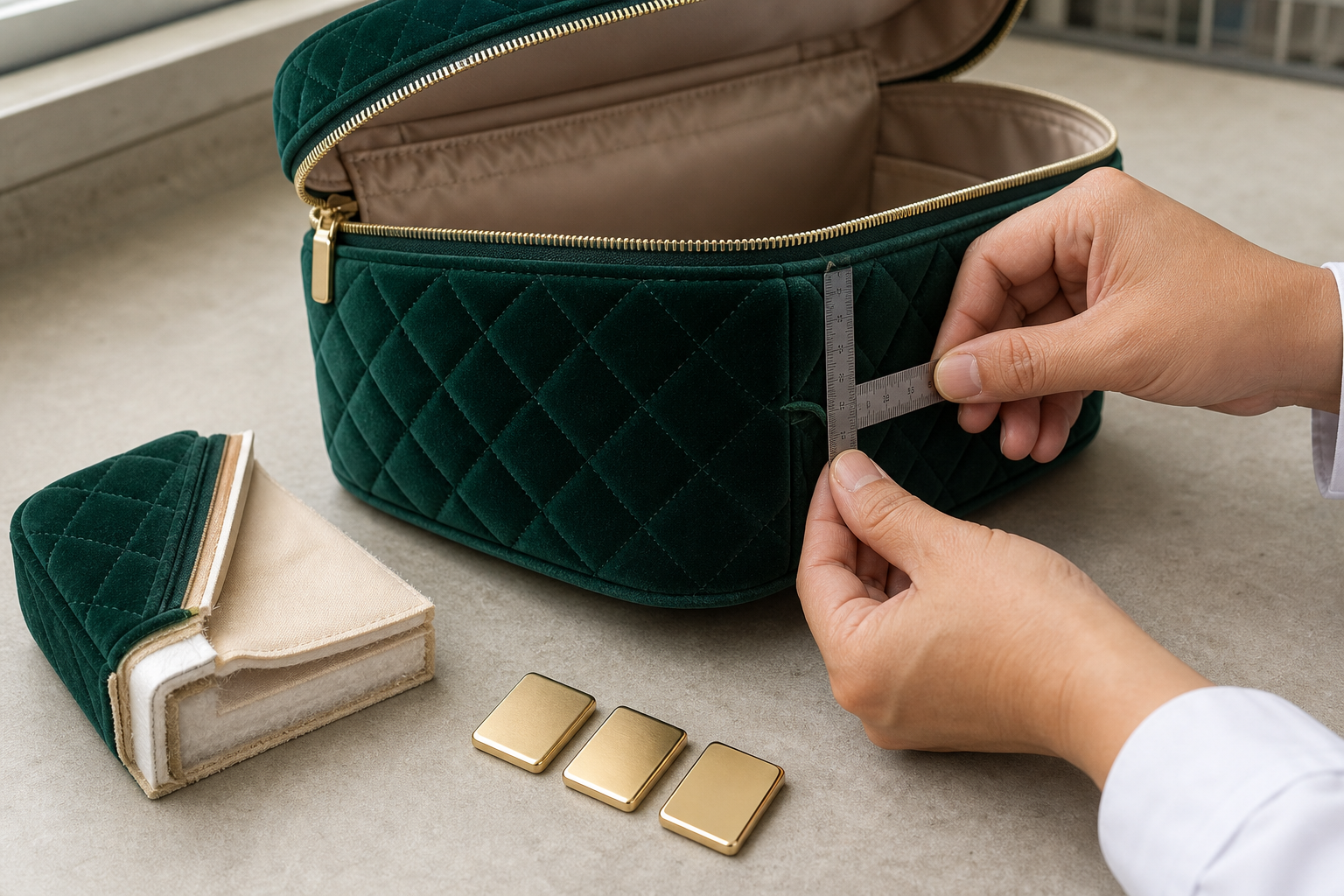
A sealed sample should be supported by component masters and defect limits, so bulk approval does not depend on memory or showroom lighting.
| Inspection zone | Premium failure | Useful control | Buyer acceptance evidence |
|---|---|---|---|
| Front silhouette | Twist, lean, collapsed gusset or uneven top line | Pattern/fixture control and filled profile check | Front/side template and retained limit sample |
| Quilting and pile | Diamonds drift at seams; velvet shades reverse between panels | Marker direction, quilting datum and bundle control | Panel-alignment tolerance under fixed lighting |
| Piping and corners | Piping wanders, rolls or thickens at joins | Cut strip width, cord size, tension and corner method | Symmetry points and acceptable join location |
| Zipper and puller | Wavy tape, rough motion, noisy puller or plating mismatch | Tape preconditioning, curve control and approved component lots | Operating-force/cycle plan and signed finish master |
| Logo | Crooked plate, shallow deboss, foil void or embroidery puckering | Placement fixture and method-specific settings | Position tolerance and approved strike-off |
| Lining/interior | Baggy lining, raw threads, stained corners or distorted print repeat | Pattern allowance, clean handling and inside-out inspection | Open-bag and inside-out appearance standard |
| Pack-out | Crease, crushed pile, hardware rub or transferred color after storage | Tissue/insert, protective wrap and carton-density trial | Conditioned packed sample and transit review |
Use the Cosmetic Bag Quality Control Checklist to translate the golden sample into measurable inspection points. For pack-out engineering, continue to the beauty-brand cosmetic bag packaging guide.
MOQ and price: the custom components set the real minimum
A factory may sew 300 bags, but an exclusive plated puller, custom-dyed velvet, woven lining or molded shell may require more components than the sewing MOQ. Ask for four numbers: finished-bag MOQ, material MOQ, hardware/tooling MOQ and packaging MOQ. Then ask how unused components are owned, stored, inspected and written off.
RFQ checklist for a luxury cosmetic bag manufacturer
| RFQ field | Minimum useful detail | Manufacturer response to request |
|---|---|---|
| Brand and channel | Retail, GWP, VIP, PR, travel retail; target customer and shelf price | Recommended development and pack-out route |
| Product architecture | Dimensions, intended contents, fill weight, opening, pockets and expected life | Drawing, pattern risks, tolerances and reinforcement proposal |
| Material | Look, hand, finish, color, cleanability, restricted substances and sustainability claim | Named supplier/grade options, swatches, MOQ and evidence |
| Hardware | Zipper size, puller drawing, mass, logo, plating color/gloss and test expectation | Stock/custom routes, mold charge, ownership, MOQ and master process |
| Branding | Vector artwork, size, location, finish and appearance limits | Method recommendation, strike-off and production control |
| Quality and testing | Markets, use conditions, defect classification, inspection level and lab scope | Control plan, test matrix, inspector access and corrective-action path |
| Packaging | Tissue/dust bag/box, barcode, insert, retail labels, carton marks and unboxing order | Packed prototype, carton plan, loading data and transit validation |
| Commercial terms | Quantity by SKU/color, launch date, destination, Incoterm and forecast | Itemized tooling, component MOQs, sample/bulk timeline and capacity commitment |
| Confidentiality and IP | Restricted artwork, embargo date, mold ownership and disposal requirement | NDA, access control, sample handling and tooling-return/destruction terms |
Protect the launch before sending the design
Luxury launches are often embargoed and recognizable from one puller or print. Use an NDA appropriate to the jurisdictions and transaction, watermark shared renderings, restrict editable artwork, and identify who may access development samples. The purchase agreement should address tooling ownership, overruns, seconds, unauthorized production, photography, subcontractors and the return or destruction of samples and molds.
How LUCKYSTAR describes its premium-bag coordination
LUCKYSTAR describes a coordination route for teams seeking to balance commercial requirements and design intent. A project can begin with a reference, mood board or tech pack, then move through material comparisons, prototype revisions, order-specific quality points and export packing. The project team can also discuss adjacent launch items through the public Product Range, with product, site, timing and commercial feasibility confirmed for each order.
The right premium proposal is not always the most elaborate. LUCKYSTAR can review which visible and tactile details need physical masters and where a stock component may simplify development, subject to sample approval and written confirmation. Review the wider Custom Bag Manufacturer Guide and the practical Cosmetic Bag Manufacturer selection guide before creating the final shortlist.
Frequently asked questions
Who is the best luxury cosmetic bag manufacturer?
There is no universal winner. This publisher-led screen lists LUCKYSTAR for bespoke bags and coordinated launch items, Timmy for beauty-focused vendor qualification, Changlin for scaled quilted programs and Ecorivta for sustainable luxury GWP. These are shortlist directions rather than performance conclusions. Select by the exact product, quantity, evidence and service model.
What materials make a cosmetic bag look luxurious?
Fine-grain PU, coated textiles, velvet, satin, high-density nylon, structured recycled fabrics and selected leather can all work. The perceived result depends on backing, thickness, hand, finish, pattern, reinforcement and workmanship. Material name alone does not establish luxury.
Can a sustainable cosmetic bag still feel premium?
Yes. Recycled nylon, certified recycled polyester, organic textiles and carefully specified bio-based composites can support premium design. Approve tactile and visual performance alongside traceability, composition and claim wording; sustainability evidence and luxury execution are separate requirements.
What is a realistic MOQ for luxury cosmetic bags?
At the 14 September 2026 source check, selected supplier pages in this shortlist published starting references from roughly 300 pieces upward for some styles. These are supplier snapshots, not a universal range or quotation; the actual minimum depends on fabric, exclusive hardware, tooling, packaging and SKU or color splits. Obtain component-level MOQs before relying on a finished-bag headline.
How many samples should a premium project require?
There is no fixed count. Most bespoke programs need an initial prototype, one or more revisions and a production-material pre-production sample. Complex custom hardware, print, quilting or structured cases may also need component strike-offs, molds, pilot output and packed samples.
Which cosmetic bag details should be sealed as masters?
Keep signed material and color swatches, zipper tape, thread, lining, logo strike-off, puller/plating chip, pre-production bag, defect limits and packed golden sample. Each master needs a date, revision and retention owner.
How should a beauty brand test custom metal hardware?
Start with the intended use and market. Common considerations include dimensions, sharp edges, pull/attachment strength, zipper cycling, finish adhesion, corrosion or artificial perspiration exposure and restricted substances. Agree methods and acceptance criteria with qualified testing support before bulk.
How can a brand reduce premium cosmetic bag cost without making it look cheap?
Protect the most visible and tactile cues, then simplify low-value complexity. A stock zipper with an exclusive puller may outperform a fully custom zipper; one well-controlled lining can be better than several small color runs. Compare changes against a sealed sample and complete landed cost.
Start with the finish standards, not the word “luxury”
A serious RFQ names the product, customer, channel and launch date, then makes premium intent measurable through material masters, hardware finish, silhouette, workmanship, packaging and testing. Send two or three must-have cues and let the manufacturer propose practical routes at different cost and MOQ levels.
Use the global manufacturer core page for a broader shortlist, review LUCKYSTAR's custom cosmetic bag options, and request a project-specific quotation with your reference images, quantity, material direction, destination and deadline.

Send one finish-control brief
Define the intended contents, dimensions, material hand, lining, hardware and plating masters, branding, workmanship limits, testing, quantity by SKU, packaging, destination and required date. Send the same brief to every shortlisted supplier.
Review LUCKYSTAR custom cosmetic bag options, then send your project details through the contact form or Email a project brief. The email link opens a draft for your review before sending.
Supplier fit, factory and process route, material and finish claims, certificates or audits, samples, testing, packaging, inspection, MOQ, price, schedule and delivery terms are subject to due diligence, specification and written confirmation.