
Last reviewed: September 24, 2026
A custom gift bag is not one fixed product. It may be a paper carrier handed over at checkout, a small drawstring pouch around jewelry, a textile tote that becomes part of the gift, a zippered beauty pouch inside a campaign set, or one component in a coordinated box-and-bag presentation. Calling all of these products “gift bags” can produce quotations that are impossible to compare.
This guide gives sourcing, merchandising and packaging teams a cross-format decision process: choose the format around the packed gift, write one controlled brief, approve the filled presentation and define bulk acceptance. It does not duplicate the wider supplier framework in the Custom Bag Manufacturer Buyer’s Guide or the brand-system work in Custom Bags as a Branding System.

Quick answer: what should you send a custom gift bag manufacturer?
- The packed product: dimensions, weight, fragility, surface sensitivity and the number of items in each set.
- The handover moment: retail checkout, e-commerce unboxing, corporate gifting, gift with purchase, event distribution or direct mail.
- The selected format: paper carrier, drawstring pouch, textile tote, zippered pouch or a coordinated combination.
- A controlled specification: finished dimensions, material construction, colour, handles or closure, reinforcement, logo method, labels, inserts and individual packing.
- A filled sample requirement: the bag should be approved with the intended gift, tissue, box, insert and closure—not only while empty.
- Written acceptance criteria: appearance, measurements, function, branding, pack-out, carton and evidence requirements.
Price, MOQ, sample timing and production timing should be confirmed after these details are reviewed. They are not universal promises across every gift-bag construction.
1. Define “gift bag” by its job, not its name
| Format | Where it often fits | Questions that decide suitability | Detailed guide |
|---|---|---|---|
| Paper carrier bag | Retail checkout, apparel, beauty, events and boxed gifts. | Will the gift be placed directly inside? Does the base support the box? How should handles, tissue and closure work together? | Paper Shopping Bags Wholesale |
| Fabric drawstring pouch | Jewelry, fragrance, small accessories, keepsakes and secondary packaging. | Does the internal size allow the cord channel to close? Could fabric, print or trim contact a sensitive product? | Drawstring Pouches for Gift and Retail Packaging |
| Canvas or textile tote | Corporate gifts, event kits, retail programs and gifts intended to include a carry item. | Is the tote only packaging, or part of the gift? What load, handle route and print area must the sample prove? | Custom Drawstring Tote Bags for Branded Promotions |
| Zippered pouch or cosmetic bag | Beauty gift sets, travel kits, subscription programs and gift-with-purchase campaigns. | What products must fit? Are lining, zipper opening, pockets, wipeability or product-contact evidence required? | Custom Cosmetic Bag Packaging for Beauty Brands |
| Box, pouch and carrier system | Premium sets and multi-item launches where the presentation has several layers. | Which component protects, which presents and which carries? Who controls colour, size and pack-out across the set? | Wholesale Pouch Bags: Plan Gift Kits and Pack-Out |
There is no automatically superior material. Paper may provide a crisp carrier presentation; a soft pouch may protect a small surface; a tote may add continuing use; a zippered pouch may organize a set. The right decision depends on contents, channel, presentation, logistics and evidence. Do not turn a desired brand message such as “premium,” “natural” or “sustainable” into an unsupported material claim. Define the physical result and ask what documentation is available for the proposed order.
2. Measure the gift before sizing the bag
Bag dimensions copied from another project can fail as soon as tissue, ribbon or a rigid box is added. Record the largest packed state, not only the product itself. A paper carrier also needs insertion clearance and a base that supports the box. A drawstring pouch loses usable height to the cord channel and gathered closure. A zippered pouch needs enough opening length to insert the widest item. A textile tote may need gussets or reinforcement if the kit is bulky.
| Measurement input | What to record | Common failure if omitted |
|---|---|---|
| Product or inner box | Maximum length, width, height and packed weight. | The gift fits in a sketch but cannot be inserted or sits above the closure. |
| Presentation materials | Tissue, sleeve, filler, insert, ribbon, card and protective wrap. | The final presentation becomes overfilled, lumpy or difficult to assemble. |
| Usable internal space | Seam allowance, cord channel, zipper opening, folds, gusset and reinforcement zones. | A nominal size is mistaken for the actual usable volume. |
| Handover and carrying | Hand carry or shoulder carry, walking distance, stacking and temporary storage. | Handle route or bag proportion is uncomfortable or unstable. |
| Carton and workstation | Flat or formed delivery, packing sequence, workstation footprint and carton quantity. | The bag looks acceptable but slows fulfillment or wastes shipping volume. |
For a carrier-specific measuring method, use the Shopping Bag Size and Capacity Guide for Retailers. For handle type, length and reinforcement questions, use the Shopping Bag Handle Guide.
3. Build an RFQ that makes quotations comparable
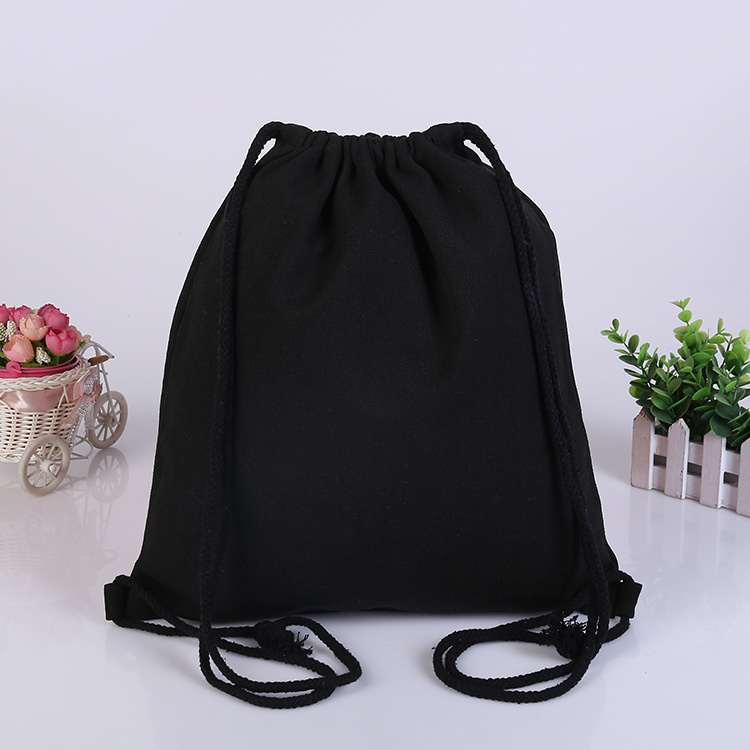
A useful RFQ separates confirmed requirements from options that still need supplier input. Reference photographs are helpful, but label what you want from each image: “use the flat cotton cord,” “match this upright proportion,” or “do not copy the printed artwork.” Do not send a mood board and assume every visual detail has been approved.
| RFQ section | Minimum information | Approval evidence |
|---|---|---|
| Program | Gift contents, sales channel, destination market, launch date and quantity by SKU. | One-page program brief with revision and owner. |
| Format and size | Bag type, finished external and usable internal dimensions, gusset, opening and packed weight. | Measured prototype filled with intended contents. |
| Material construction | Paper or fabric identity, weight/thickness where relevant, finish, lining, reinforcement and colour route. | Approved swatch, material card or signed sample tied to the bill of materials. |
| Closure and carry | Handle, cord, ribbon, zipper, snap or other closure; size, colour and attachment. | Working sample with opening, closing and carrying check. |
| Branding | Vector artwork, finished size, position, colour, method and number of locations. | Artwork proof plus physical strike-off or decorated sample. |
| Pack-out | Tissue, insert, hangtag, barcode, individual bag, set assembly, carton marking and carton quantity. | Golden pack-out sample and packing photographs. |
| Quality and claims | Measurement tolerances, appearance limits, function checks, sampling plan and required test or chain-of-custody documents. | Written inspection checklist and order-specific evidence. |
| Commercial basis | Quantity split, destination, Incoterm, requested sample route and target delivery date. | Quotation listing assumptions, exclusions and validity. |
If your team already owns a complete design and specification, the OEM vs ODM Bag Manufacturing guide clarifies the handoff. If structure and presentation still need development, write those unknowns into the brief rather than presenting a mood board as a finished OEM specification.
4. Choose decoration after the surface and format are fixed
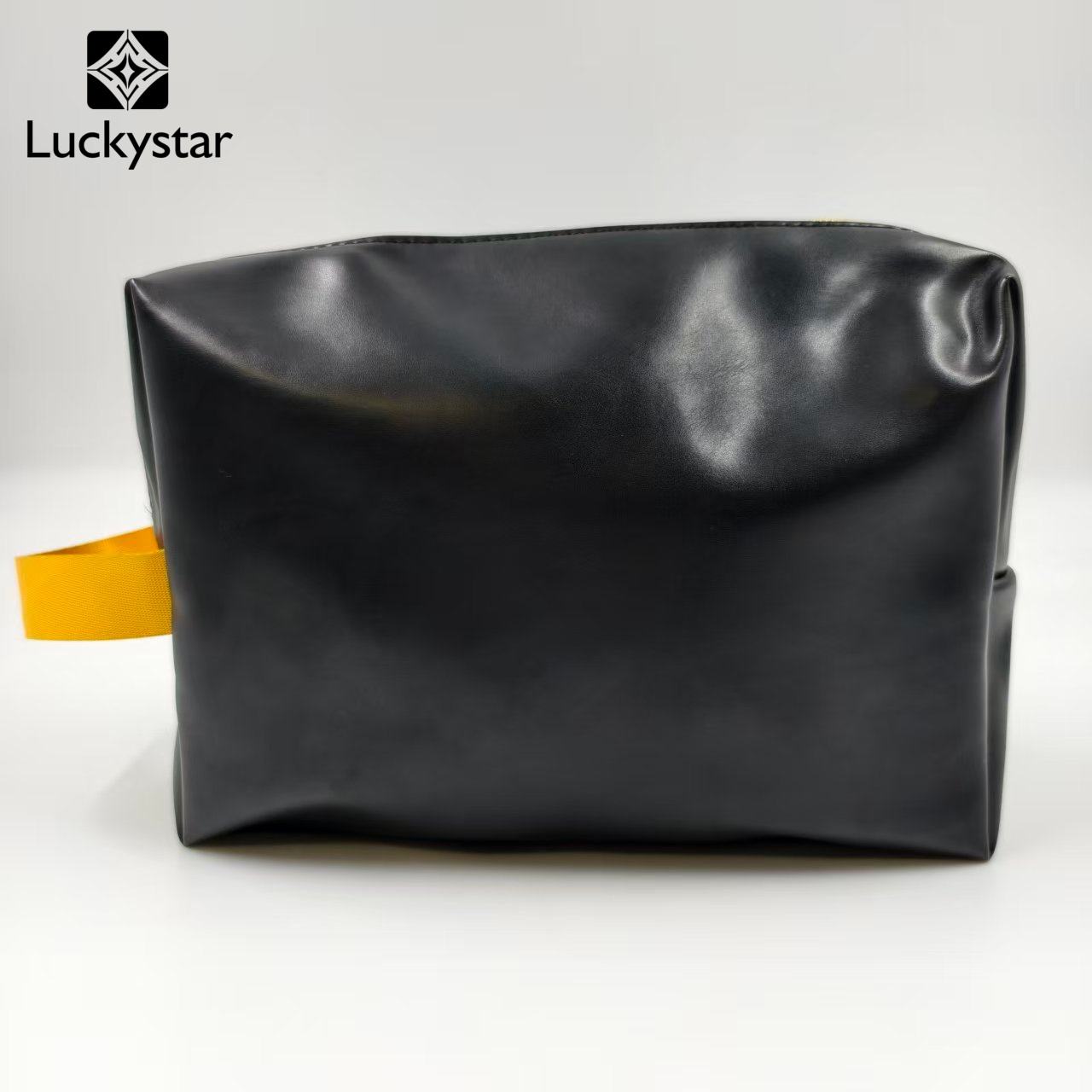
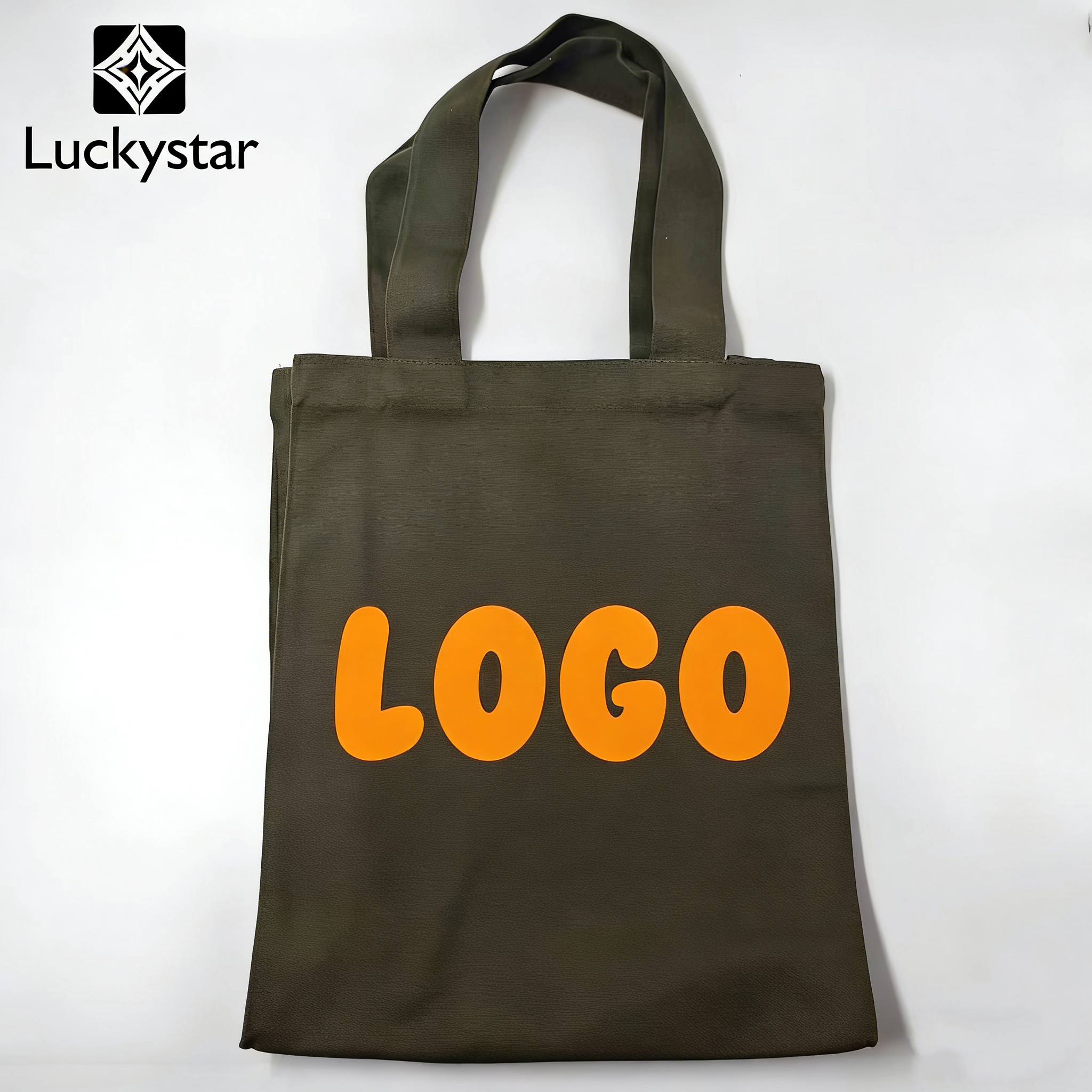
A logo technique cannot be selected independently from the bag. Paper, open-weave fabric, coated textile, plush material and synthetic leather accept different processes and show fine artwork differently. Seams, folds, gathers, handles and zipper paths reduce the usable decoration area. Approve the logo at its finished physical size on the actual surface.
- For the full method comparison, use Custom Shopping Bag Printing Methods.
- For artwork files, bleed, folds and production zones, use How to Prepare Shopping Bag Artwork and Dielines.
- For placement and usable print area, use Shopping Bag Logo Placement and Print Size Guide.
- For paper-carrier foil, embossing and spot UV, use Foil Stamping, Embossing and Spot UV for Luxury Shopping Bags.
- For the wider presentation decision, use the Luxury Retail Shopping Bag Finishing Guide.
Colour names such as “warm gold,” “ivory” or “forest green” are not production standards. Record the colour reference, substrate and approval route. A screen proof can approve layout, but it cannot prove sheen, relief, ink coverage, foil adhesion or the way a fabric texture breaks a fine line.
5. Approve a filled sample and a golden pack-out
An empty bag can hide the most expensive problems. A carrier may bow once a rigid box is inserted. A pouch may close cleanly while empty but leave too little cord when filled. A logo may look centered on a flat panel and shift visually after the gusset expands. Tissue may cover the artwork or make the handles too short to gather comfortably.
- Material or colour approval: confirm the proposed surface, colour and construction before judging decoration.
- Artwork proof: freeze revision, size, position and colour separation.
- Prototype: check the structure and usable volume with actual contents or dimensionally accurate dummies.
- Decorated sample: inspect the logo on the intended material and completed bag.
- Golden pack-out: assemble the gift exactly as fulfillment will—contents, tissue, insert, label, closure, individual protection and carton orientation.
- Pre-production record: capture the approved sample, bill of materials, measurements, artwork revision, packing method and permitted changes.
The Custom Shopping Bag Sample Development Process explains the carrier route in detail. For sample scope, charges, revision control and handoff, use Custom Sample Bag Manufacturer: Scope, Cost & Handoff. A sample photograph is useful for communication, but when touch, colour, fit or relief matters, retain a physical approval master.
Run a short packing-station trial before freezing the sample
A presentation approved in a meeting room may still be awkward in fulfillment. Ask the people who will assemble the gift to pack several sets in the intended sequence. Record which component is picked first, how the bag is opened, where tissue or an insert is placed, whether barcode labels remain visible, how long cords or ribbons take to arrange, and how the completed unit is protected before cartoning.
The trial should answer operational questions that a beauty shot cannot. Can the product be inserted without scraping the print or lining? Does the zipper opening accept the rigid inner box? Does tissue catch in the drawstring channel? Can the handles lie flat without crushing the bow? Is the correct artwork easy to identify when several SKUs share one bag shape? Does the assembled bag remain stable while waiting for the next packing step?
Update the golden pack-out with the result. Use numbered photographs, component names, quantities, orientation and carton layers. If a change to the product, inner box, insert or label affects fit, reopen the relevant approval instead of treating the bag as an isolated component. This small pilot is especially useful when a gift program combines items from different vendors or when final assembly happens in another country.
6. Evaluate supplier evidence, not adjectives
A “renowned,” “premium” or “professional” supplier label is not evidence. Ask how the supplier will control the specific construction and pack-out you are buying. For a coordinated gift program, responsibility across components matters as much as the individual bag.
| Evidence area | Useful evidence | Warning sign |
|---|---|---|
| Relevant construction | Current samples or production records for a comparable material, closure, size and pack-out. | Only computer renders or unrelated products. |
| Material control | Bill of materials, material reference and a process for substitutions or lot changes. | The material name changes between quote, sample and production. |
| Artwork control | Revisioned proof, finished dimensions, placement reference and physical decoration approval. | Approval exists only in chat or on a different substrate. |
| Sample control | Comment sheet, revised sample record and signed pre-production master. | Changes are made without a new approval point. |
| Bulk quality | First-off comparison, in-line checks, final inspection and traceable defect records. | “Strict QC” without a product-specific checklist or acceptance rule. |
| Pack-out coordination | Golden pack-out, component count, carton plan and final packing photographs. | Each component is acceptable alone, but no one owns the assembled set. |
| Claims and documents | Evidence tied to the material, product, order, market and validity period. | A logo, certificate or test report is generalized to every product. |
Use the broader manufacturer evaluation framework for supplier model, capability, sampling and quotation review. This page adds the gift-program questions: Who verifies the assembled set? Who controls cross-component colour? What happens if an insert, box or product dimension changes after bag approval? Who owns the final packing instruction?
7. Put gift-specific checks inside the quality plan
| Inspection area | What to check | Why the filled state matters |
|---|---|---|
| Identity and count | Correct SKU, colour, artwork, insert, tag, component count and carton marking. | Multi-item gift sets can be visually similar while components differ. |
| Measurements and fit | Finished dimensions, usable opening, closure clearance and product insertion/removal. | Nominal dimensions do not prove that the packed gift fits. |
| Handles and closure | Attachment, symmetry, cord/ribbon length, zipper path, snap alignment and agreed carrying check. | Weight and volume change handle feel and closure geometry. |
| Appearance | Shape, wrinkles, contamination, colour consistency, scuffing, edge condition and presentation. | Filling can reveal bowing, collapse, transparency or pressure marks. |
| Branding | Correct artwork revision, position, size, colour, coverage, adhesion and surface condition. | Expanded gussets and gathered closures change the visual center. |
| Pack-out | Assembly sequence, tissue, insert, label, individual protection, carton orientation and carton quantity. | The complete unboxing and fulfillment flow only exists after assembly. |
| Order-specific evidence | Agreed material, performance, regulatory or chain-of-custody documents. | A photograph cannot prove composition, compliance or environmental claims. |
The Custom Shopping Bag Quality Control Checklist owns the wider dimensional and construction inspection. For print-specific defects, use the Shopping Bag Printing Quality Control Checklist. Test method, sample size and acceptance criteria must be written for the order; there is no single universal pass value for every paper, textile or pouch gift bag.
8. What changes cost, MOQ and lead time?
Commercial terms depend on the confirmed format and order. Important drivers include material construction, custom colour, bag size, reinforcement, handles or closure, number of artwork positions, printing or finishing route, tooling, quantity split by SKU, sample rounds, component assembly, individual packing, inspection, destination and delivery basis.
A coordinated set can introduce minimums at more than one level: the bag material, printed component, ribbon or cord colour, hardware, insert, box and carton may each have different production constraints. Ask the quotation to state which assumption drives the offered quantity and what changes when colours or artworks are split.
For total custom-bag economics, use How Much Do Custom Bags Cost?. For carrier-specific cost drivers, use How Much Do Custom Shopping Bags Cost?. The workflow from specification through delivery is covered by Custom Bag Manufacturing Process: From Design to Delivery.
9. Where this guide stops—and which related page to use
| If your main question is… | Use this page | Scope owner |
|---|---|---|
| How do I source wholesale paper carriers for retail or gifts? | Wholesale Paper Shopping Bags for Boutique Retail Packaging | Paper retail-carrier use, materials and wholesale planning. |
| Why and when should I use a fabric drawstring pouch? | Custom Drawstring Pouches for Modern Brands | Drawstring-pouch format and brand application. |
| How do I source velvet pouches for gifts? | Bulk Velvet Drawstring Pouches for Gifts | Velvet-specific hand feel, closure, decoration and sourcing. |
| How do I buy cotton drawstring bags in bulk? | Bulk Cotton Bags with Drawstring | Cotton material and bulk pouch decisions. |
| How should a multi-item pouch gift kit be packed? | Wholesale Pouch Bags: Plan Gift Kits and Pack-Out | Kit contents, pack-out and fulfillment handoff. |
| How should our bag express the brand across a range? | Custom Bags as a Branding System | Brand hierarchy, product roles and production translation. |
This boundary is deliberate. It allows the current page to answer the cross-format gift-bag question without competing with narrower pages that already own paper carriers, pouch materials, printing, sample development, quality control and pricing.
10. Use LUCKYSTAR’s public references as starting points
Ningbo Luckystar Commodities Co., Ltd. currently presents multiple bag categories through the LUCKYSTAR product range, including custom tote bags, custom drawstring bags, custom pouch bags, custom cosmetic bags and custom shopping bags. These public pages establish current category directions; they do not freeze material composition, MOQ, price, delivery or performance for a new order.
The real drawstring photograph in this guide comes from a public product page on the LUCKYSTAR Made-in-China storefront. See the source product page for the original reference. Public photographs help your team choose a direction, but the signed project specification and approved sample remain the controlling references.
RFQ checklist for a custom gift bag project
- gift contents, packed dimensions, total weight and surface sensitivity;
- channel, recipient, handover moment and intended presentation;
- preferred format and any acceptable alternative;
- external and usable internal dimensions, gusset and opening;
- material construction, colour, lining and reinforcement;
- handle, cord, ribbon, zipper or other closure details;
- vector artwork, finished logo size, position, colours and method;
- tissue, insert, hangtag, barcode, individual packing and carton requirements;
- required sample stages, approval records and physical master;
- bulk inspection scope, order-specific test or document requirements;
- quantity by SKU, destination, Incoterm and target delivery date.
All commercial terms remain subject to the final specification, material availability, artwork, packing, production schedule and written confirmation.
Frequently asked questions
Is a paper bag or fabric bag better for gifts?
Neither is automatically better. Choose around the contents, handover moment, protection, presentation, intended use, logistics and evidence requirements. Approve the complete packed result.
How much extra space should a gift bag have?
There is no universal allowance. It depends on the product geometry, insertion direction, tissue or filler, closure, usable internal space and desired presentation. Test with the actual packed item or a dimensionally accurate dummy.
Should we approve an empty bag sample?
An empty sample is useful for construction review but is not enough. Approve a filled sample and a golden pack-out so fit, closure, handle behavior, logo position and presentation are visible together.
Can one supplier coordinate the bag, pouch, box and insert?
It may be possible for a project, but confirm which components are within scope, which operations or partners are used, who controls cross-component colour and dimensions, and who owns final pack-out inspection. Do not infer an owned production line from a broad product range.
Can a product photo prove that a gift bag is sustainable or compliant?
No. A photograph can show visible construction and appearance. Material composition, recycled content, certification, safety, performance and market compliance require order-specific evidence tied to the relevant product, material, entity and validity period.
What should the manufacturer quote include?
The quotation should identify the product specification, quantity split, material and decoration assumptions, sample or tooling charges, packing, inspection basis, Incoterm, timing assumptions, validity and exclusions. Clarify what triggers a revised price or schedule.
Request a custom gift bag project review
Send LUCKYSTAR your gift contents, packed dimensions, preferred format, reference images, vector artwork, quantity by SKU, packing, destination and target date. The team can review the suitable product route, identify the sample and evidence gates, and confirm order-specific commercial terms in writing.
Contact LUCKYSTAR for a custom gift bag quotation. Or email a prefilled gift-bag brief.






