
Last reviewed: September 24, 2026
Buyer quick answer: a small batch custom bag order works best when it is treated as a controlled commercial pilot, not as a vague request for “a few bags.” Define the use, construction, artwork, quantity by version, packing and approval method first. Then separate the physical sample from the pilot batch, inspect the pilot against the approved reference and record what must change before a larger order.
This page focuses on that pilot-order decision. It does not set one universal low MOQ or promise that every fully customized design can be produced in any requested quantity. Material rolls, stock colors, printing setup, hardware, labels, cartons and the number of artwork versions can each create a different minimum. For the wider sourcing framework, begin with the Custom Bag Manufacturer Buyer’s Guide.
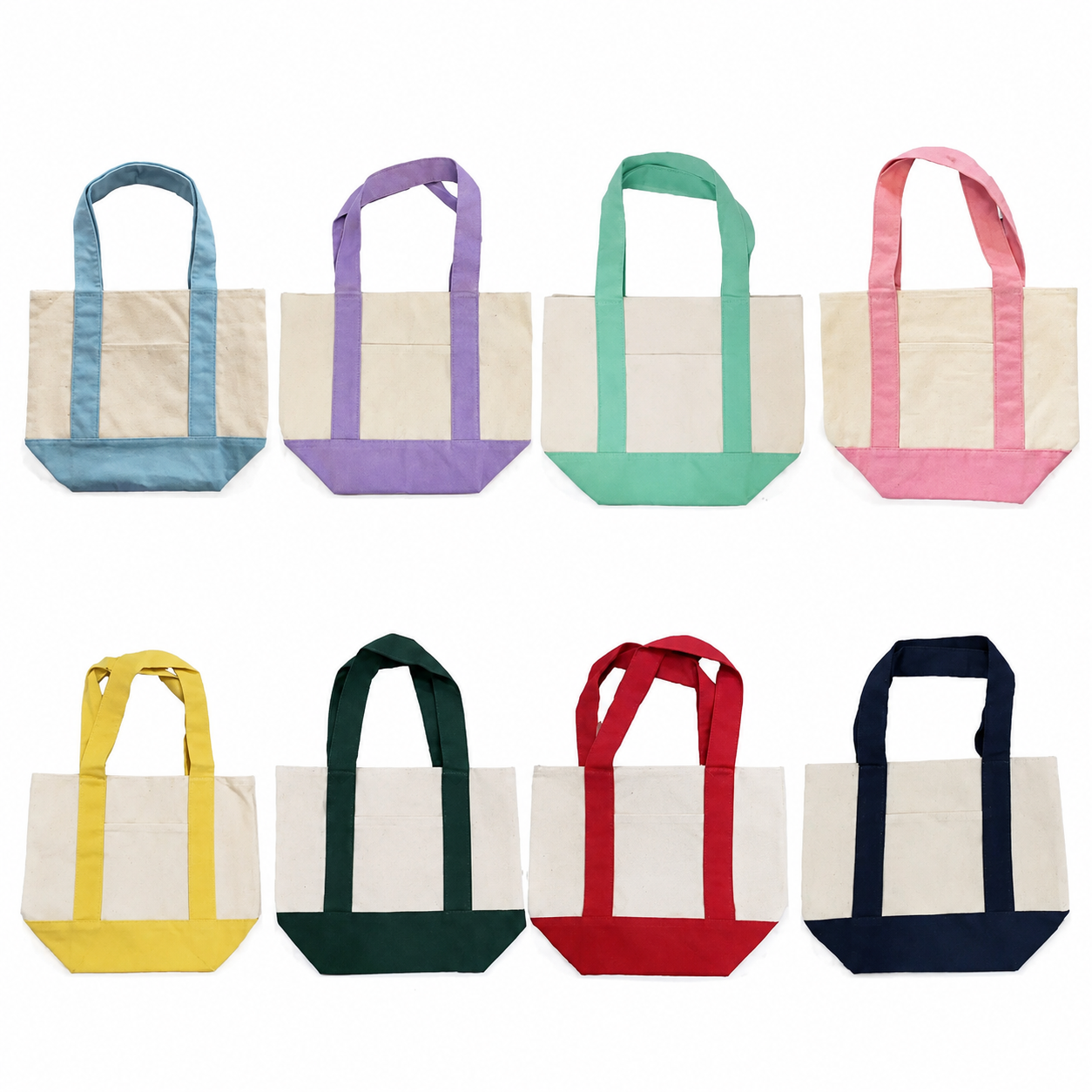
Small batch is a project stage, not a magic number
Buyers often use “small batch” to mean low financial exposure, fewer units, a market test or a limited release. A supplier hears a different question: can the requested materials, decoration and packing be combined efficiently at the proposed quantity? Both views matter. The useful starting point is to name the stage of the project and the decision that follows it.
| Stage | What it should prove | What it does not prove | Next decision |
|---|---|---|---|
| Development sample | Shape, measurements, construction, artwork position and selected details | Bulk consistency, packing efficiency or commercial demand | Revise, approve or stop development |
| Pilot batch | Whether an approved specification can be repeated across a limited commercial run | That a larger run will be identical without a controlled reference and current confirmation | Correct, repeat at the same scale or prepare to scale |
| Small commercial batch | A sellable or distributable quantity for a defined launch, store group or campaign | Guaranteed sales, engagement, sustainability or reorder economics | Measure the buyer’s own launch results and review production evidence |
| Scale order | A larger purchase based on a stable product and documented handoff | That previous prices, inputs or timing remain unchanged | Confirm current specification, quantity, quality plan and delivery terms |
The custom bag sample development process explains the sample stage in depth. The typical MOQ guide explains how minimums are formed. This article connects those topics by showing how to use a limited run as a decision gate.
Where this guide fits among LUCKYSTAR’s related resources
Small-batch content can easily duplicate general MOQ, costing and manufacturer-selection articles. The table below keeps each page’s purpose distinct. Use this page for pilot design; move to the linked page when the question becomes more specific.
| Question | Resource | Output to keep |
|---|---|---|
| How do bag minimums work? | What Is the Typical MOQ for Custom Bags? | MOQ assumptions by style, color and component |
| What belongs in the development sample? | Custom Bag Sample Development Process | Approved sample version and unresolved-item list |
| What affects the price? | How Much Do Custom Bags Cost? | Comparable quotation scope |
| What affects timing? | How Long Does Custom Bag Production Take? | Milestone schedule with approval dependencies |
| How should the supplier be evaluated? | How to Choose a Custom Bag Manufacturer | Evidence-based supplier comparison |
| How should the pilot be inspected? | Custom Bag Quality Inspection Checklist | Product-specific inspection record |
| How does a project move through production? | Custom Bag Manufacturing Process | Controlled handoff from design to shipment |
Build the MOQ stack before asking for “low MOQ”
One quoted number can hide several independent minimums. A supplier may be able to cut and sew a limited quantity, while the chosen fabric dye lot, zipper color, printed label or carton creates a higher purchasing minimum. A low unit count may also become impractical when it is split across many colors and artworks. Ask for the assumptions behind the minimum so the team can change the correct variable.
| MOQ layer | Typical question to ask | Possible pilot adjustment |
|---|---|---|
| Base material | Is the material stocked, made to order or tied to a roll/dye-lot requirement? | Use an available material or color when it still meets the product brief |
| Construction | Does the design require special cutting, quilting, reinforcement, lining or tooling? | Freeze one construction instead of testing several structures in bulk |
| Decoration | Which setup, plate, screen, transfer, embroidery or other preparation applies? | Reduce artwork versions, print positions or color count after reviewing the intended result |
| Trims | Are zipper, cord, buckle, handle, label and thread colors stocked or custom? | Select an approved standard trim rather than creating a new custom component |
| Packing | Are custom polybags, inserts, barcodes, hangtags or cartons required? | Use a simpler compliant pack-out for the pilot and document the scale-order change |
| Version split | Is the quantity divided by color, size, logo, language or destination? | Concentrate the pilot on the few versions that answer the most important question |
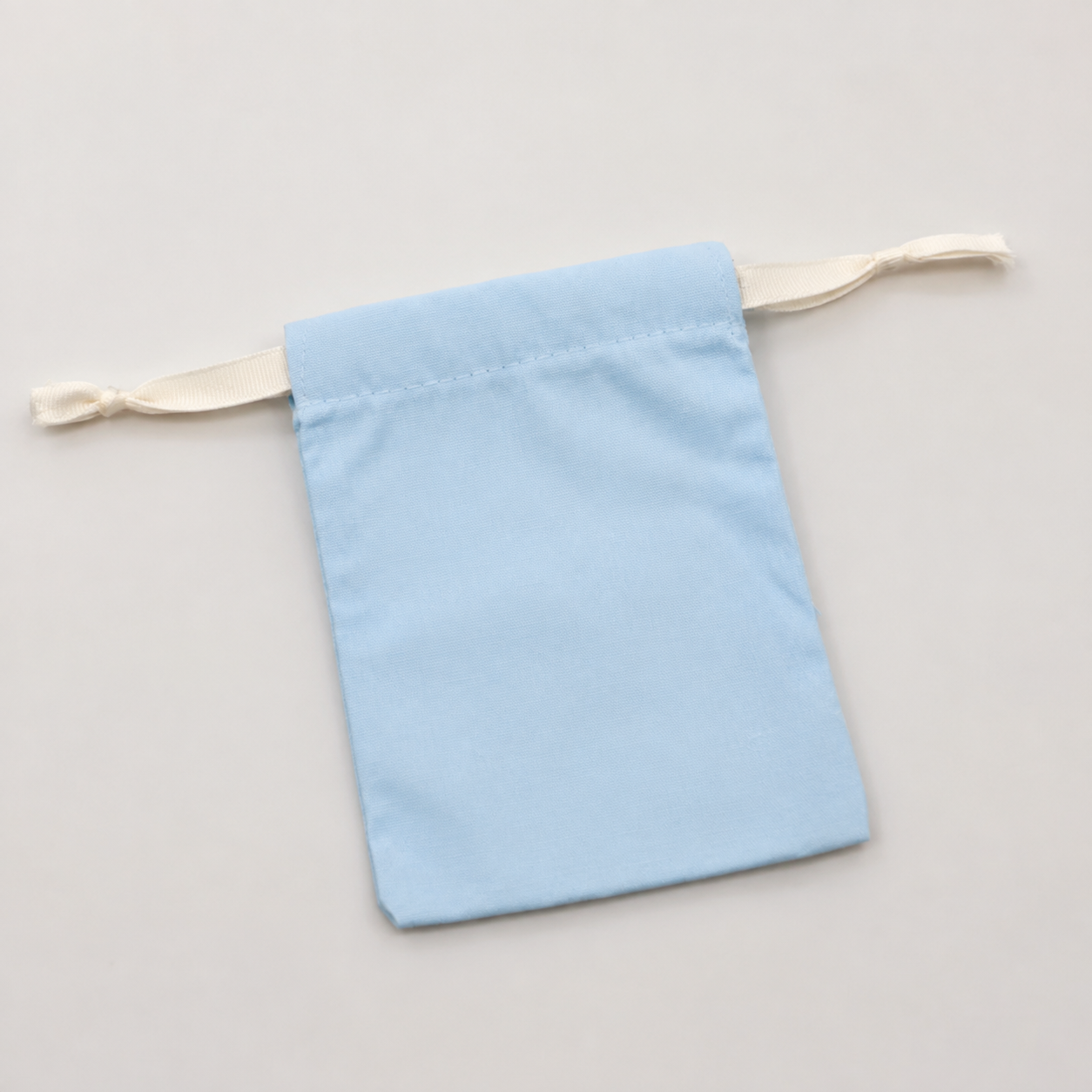
Format-specific examples make this clearer. Review blank drawstring pouches at low MOQ, low-MOQ cotton drawstring bags, blank PVC shopping bags for retail promotions and blank PVC tote bag checks. These pages address category details; they do not replace a quotation for the buyer’s exact combination.
Create a pilot brief that can survive handoffs
The pilot brief should be short enough to use but complete enough that purchasing, design, sampling, production and inspection refer to the same item. A product photo alone cannot define material composition, dimensions, tolerances, printing method or packing. Start with the bag’s job: what goes inside, how it is carried, where it is distributed or sold, and which features are essential. If the main question is how the bag supports a wider identity, use the custom bags as a branding system guide to define that role before translating it into product fields.
Then record the product fields. Include finished dimensions and how they are measured; material description and color reference; body, gusset and lining construction; handle or cord dimensions; closures and internal details; artwork file name, size and position; label and packaging requirements; quantity by version; destination; inspection expectation; and the person authorized to approve changes. The custom bag tech pack guide provides a fuller handoff structure, while the custom bag material guide helps frame material questions without turning an unverified sample into a blanket performance claim.
A pilot should deliberately freeze some variables. If color, size, fabric weight, closure and logo method all change at once, the team may not know which choice caused a result. Keep the non-critical fields stable, name the one or two questions the pilot must answer, and state what evidence will count as a pass.
Approve the sample without confusing it with the batch
A sample approval should say exactly what was reviewed. A buyer may approve shape and dimensions while waiting for the final zipper color, or approve digital artwork while requiring a physical decorated sample before bulk production. Those are different approvals. Record the date, version, approved points, open points and allowed tolerance. If the sample is altered after approval, give the revision a new identifier.
For a shopping bag, the shopping bag sample development guide shows category-specific checkpoints. For a cosmetic or toiletry format, use the custom cosmetic bag sample guide. If the objective is only to develop a new reference before committing to production, the custom sample bag manufacturer guide stays focused on scope, cost and handoff.
After approval, the pilot batch tests repeatability. It should be made against the released specification, artwork and packing instruction. Informal messages such as “same as the photo” or “make it a little larger” should be converted into controlled dimensions or a revised approved reference before the batch begins.
Inspect the pilot for the risks that matter
A pilot is valuable only if someone records what happened. The quality plan should match the product and the business decision. Useful checks may include quantity by version, dimensions, visible material and color comparison, print position and clarity, seam appearance, handle or cord attachment, zipper operation, lining alignment, cleanliness, labels, barcodes, packing ratio and carton marks. Testing needs should be defined for the specific material, market and intended use.
Do not turn a short checklist into an unsupported promise of “perfect quality.” Instead, record the sample size, defect categories, acceptance rule, findings, rework or disposition and approver. The guide to preventing custom bag quality issues explains upstream controls. If a buyer elects to use statistical acceptance sampling, the plan should be named in the order or inspection instruction. ISO 2859-1 is an official sampling reference; linking it here does not claim that every LUCKYSTAR order automatically follows one particular level or acceptance limit.
| Pilot question | Evidence to collect | Decision example |
|---|---|---|
| Does the construction repeat? | Measurements, seam/attachment checks and defect photos by unit | Approve, tighten a tolerance or revise a construction detail |
| Does decoration reproduce clearly? | Approved artwork version, placement measurements and close-up comparisons | Keep the method, change artwork or change the substrate/method pairing |
| Does packing work for receiving? | Pack count, carton dimensions, marks, photos and receiving feedback | Keep, simplify or redesign the pack-out before scale |
| Can versions stay separated? | SKU matrix, quantity count and carton allocation | Approve the version-control system or reduce the split |
| Is the product ready to scale? | Approved change list, inspection result, commercial review and launch feedback owned by the buyer | Scale, repeat another pilot or stop |
Control cost without hiding what the pilot must learn
A small run usually spreads setup and development work across fewer units, so the unit price may be higher than a larger order. That does not automatically make the pilot poor value; it means the team should decide which uncertainty it is paying to reduce. Ask the quotation to separate sample work, production quantity, decoration, labels, special packing, testing or inspection, freight basis and any one-time setup where applicable.
Reduce complexity before removing a feature that the pilot must test. Standardizing one material color, one body size or one packing method may reduce fragmentation. By contrast, deleting the closure when closure performance is the core question makes the pilot cheaper but less informative. Compare the custom bag cost-control guide and lead-time and cost reduction guide for larger-order planning.
Decoration choice also changes setup and detail reproduction. The digital versus screen printing guide for low-MOQ shopping bags is useful when artwork and quantity make printing method a key decision. The correct method remains material- and artwork-dependent.
Plan time as a chain of approvals
“Fast” is not a complete schedule. A pilot timeline should show when the brief is frozen, when materials and artwork are confirmed, when the sample is reviewed, how revisions are handled, when bulk production is released, when inspection occurs and when shipping begins. A late buyer change can move more than one downstream milestone.
Keep sample time and production time separate. Confirm whether the quoted production lead time begins after deposit, final artwork, material approval, physical sample approval or another written release condition. Also define the shipping basis and destination. The International Chamber of Commerce’s official Incoterms 2020 resource helps buyer and seller name an agreed delivery rule; the actual rule must appear in the written commercial documents.
Category pages such as custom shopping bag MOQ and production time and cosmetic bag MOQ and production time provide focused questions. They are planning references, not fixed LUCKYSTAR promises for every design.
Use a written scale-up gate
Before placing a larger order, compare the pilot outcome with the original decision criteria. Separate buyer-owned market information—sell-through, customer feedback, campaign distribution or store performance—from supplier-owned production evidence. Neither should be invented. The buyer determines whether the product met its commercial objective; the supplier and inspection record show whether the product met the agreed specification.
- Close the change list. Give every approved correction a new specification or artwork version.
- Confirm what remains the same. Do not rely on “same as pilot”; cite the retained sample, measurements, materials, artwork and packing record.
- Requote the actual scale quantity. Confirm current inputs, version split, testing, inspection, packing, destination and commercial terms.
- Update the quality plan. A larger batch may require a different sampling scope or inspection arrangement.
- Preserve reorder evidence. Keep the final specification, approval record, change log, inspection report and shipment identifiers together.
Why buyers may choose LUCKYSTAR for a small-batch custom bag project
The article title remains focused on small-batch planning; the reasons to consider LUCKYSTAR belong in the working method, not in a rewritten promotional headline. Buyers can review the LUCKYSTAR independent site, the company overview and the current product range before sending a brief through Contact Us. Or email a prefilled pilot brief.
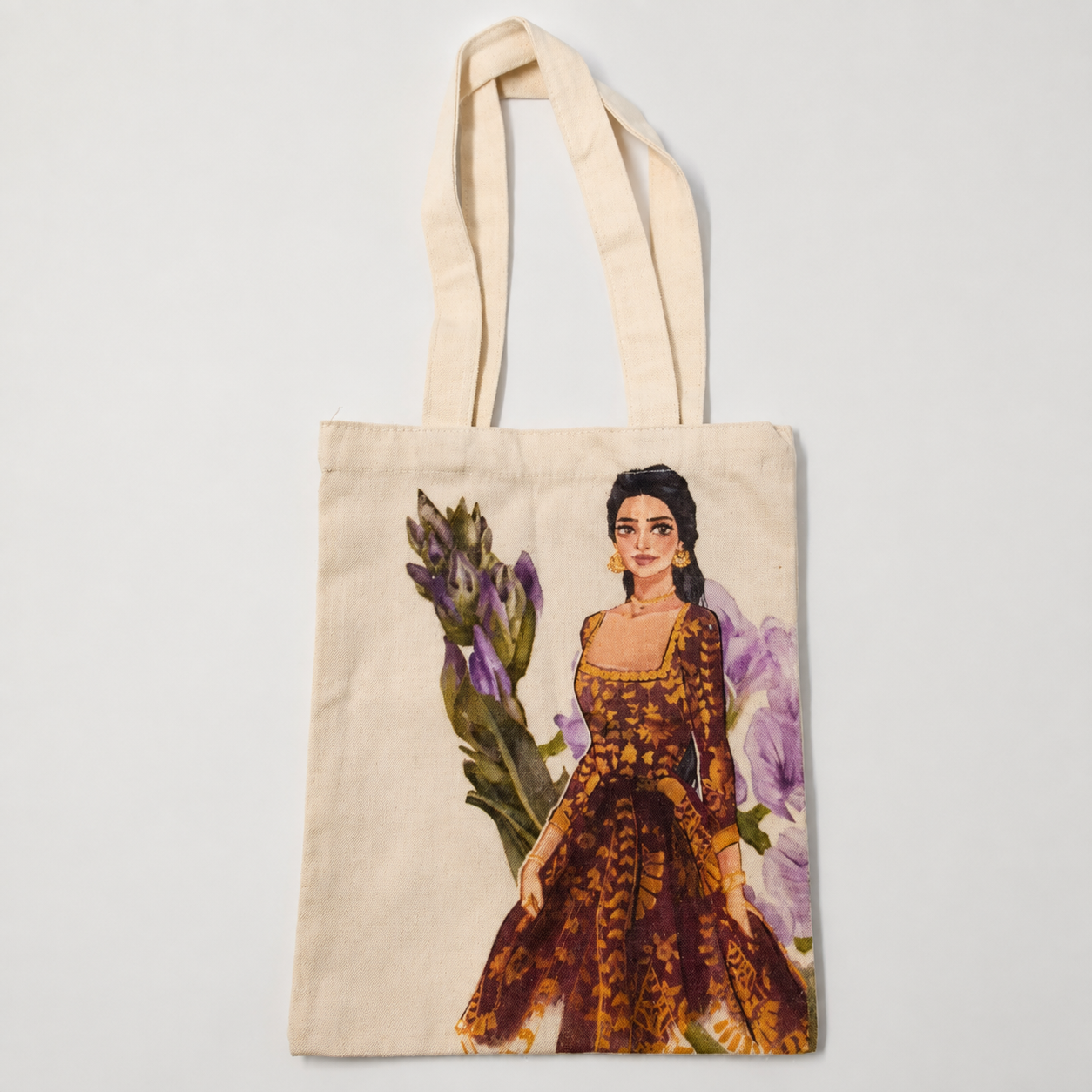
- Several public product routes are visible. Buyers can compare custom tote bags, custom shopping bags, custom drawstring bags, custom pouch bags, custom cosmetic bags, custom canvas bags and custom cotton bags. A visible example starts the discussion; it does not replace specification confirmation.
- OEM/ODM and sample routes can be discussed. The useful output is a named sample version, written exceptions and a release decision—not an unsupported claim that every idea is immediately production-ready.
- The project can be organized around specifications. Quantity, material, construction, artwork, trims and packing can be reviewed as connected choices, helping buyers understand what creates the proposed minimum.
- Pilot evidence can feed the next order. Sample approval, inspection observations and version records create a clearer handoff than scattered photos and chat messages.
- Multiple public B2B channels are available. International buyers can also review Alibaba—Luckystarcreation, Alibaba—ECOGREEN, Alibaba—NB ECOGREEN, Alibaba—NB LUCKYSTAR and Made-in-China, then confirm which selling entity and written terms apply to the order.
- The same framework can support later expansion. The private-label bag supplier guide, promotional bag program guide and custom bag format guide help buyers extend the discussion without changing this page into another general manufacturer article.
These are reasons to start a project discussion, not guarantees of a particular MOQ, price, schedule, facility, certification, performance or result. All commercial and technical terms remain subject to the approved specification and written confirmation.
Do not turn “small batch” into an automatic sustainability claim
A limited run can reduce a buyer’s exposure to unsold inventory, but that does not by itself prove a lower environmental impact. Material composition, recycled content, processing, packaging, transport, product life, reuse behavior and end-of-life conditions all matter. Avoid claims such as “eco-friendly,” “zero waste,” “recyclable” or “biodegradable” unless the statement is narrowed to the actual product, market and supporting evidence.
The U.S. Federal Trade Commission’s official Green Guides summary is a useful reference for qualifying environmental marketing claims. LUCKYSTAR product discussions should identify the exact evidence required for the proposed material or order instead of treating one certificate, one tested sample or one product image as proof for the full range.
Small-batch custom bag questions
What is the minimum order for a small custom bag run?
There is no single number that applies to every bag. The practical minimum depends on the product, material, color, construction, decoration, trim, packing and quantity split. Send the full specification and ask for the assumptions behind the quotation. Blank-stock routes may differ from fully customized production.
Is one sample the same as a small batch?
No. A development sample helps approve a specific design and its defined features. A pilot batch tests whether the approved reference can be repeated across multiple units and packed as intended. Both should have their own approval record.
Which bag format is suitable for a pilot?
The format should match what the project needs to learn. A drawstring pouch may suit a packaging or kit question; a tote may suit a retail or promotional carry question; a cosmetic bag may test lining, zipper and organization. The custom drawstring bag guide, custom shopping bag guide and product links above provide starting points.
Should a pilot include several colors?
Only when color assortment is part of the decision. Every added color can affect material sourcing, approval work, quantity allocation and inspection. If the main goal is to validate construction, one approved color may produce a cleaner test. If assortment is essential, define quantity and artwork by version.
Can LUCKYSTAR guarantee a larger reorder will match the pilot?
A retained and documented reference improves control, but a reorder still needs current written confirmation of materials, tolerances, artwork, quantity, packing, quality plan and commercial terms. The pilot should produce the records needed to define “match” measurably.
Turn a small run into a useful decision
Small batch custom bags are most valuable when the limited quantity answers a defined question. Build the MOQ stack, write the pilot brief, approve the sample precisely, inspect the batch, close the change list and set a scale-up gate. That process gives both buyer and supplier something concrete to review.
To discuss a project with LUCKYSTAR, send the intended use, bag format, dimensions or contents, material preference, artwork, quantity by version, destination, target date, packing requirements and required quality evidence through Contact Us. If fields are still open, label them as options for discussion. Final materials, dimensions, decoration, performance, MOQ, price, timing, quality criteria and delivery terms are subject to the approved specification and written order confirmation.

Related buyer guides
- Custom Bag Manufacturer Buyer’s Guide
- What Is the Typical MOQ for Custom Bags?
- Custom Bag Sample Development Process
- Custom Bag Quality Inspection Checklist
- How Much Do Custom Bags Cost?
- How Long Does Custom Bag Production Take?
- How to Prepare a Custom Bag Tech Pack
- Custom Shopping Bag Sample Development Process
- Custom Cosmetic Bag Sample Development Process
- Digital vs Screen Printing for Low-MOQ Shopping Bags





