
Last reviewed: September 24, 2026
Buyer quick answer: Choose a wholesale tote bag style from the contents, carry method, opening, required organization, shelf presentation and packing route—not from a lifestyle photograph alone. A flat open tote is efficient for simple distribution; a gusset or structured base creates usable volume; a closure changes security and access; extra straps or pockets add functions but also create more components and inspection points.
This guide is a wholesale tote bag construction matrix. It helps a buyer select the physical format before preparing a supplier brief. For assortment, allocation, landed-cost and replenishment planning, use the Wholesale Tote Bags planning pillar. For the wider OEM/ODM sourcing framework, use the Custom Bag Manufacturer Buyer’s Guide. Once a format is selected, the Custom Tote Bag RFQ checklist turns it into quote-ready fields.
Which page should answer which tote bag question?
Several tote sourcing questions sit close together, so separating their roles prevents conflicting specifications and duplicate decisions.
| Buyer question | Use this guide | Decision it should produce |
|---|---|---|
| Which tote construction suits the use? | This wholesale tote bag style matrix | Chosen body, opening, handle, interior and structure route |
| How should volume be split, delivered and reordered? | Wholesale Tote Bags: Plan Assortments, Allocation and Reorders | Commercial assortment and inventory plan |
| What information should suppliers quote? | Custom Tote Bag RFQ | Controlled, comparable quotation brief |
| How should samples, approvals and changes be governed? | Custom Tote Bag Supplier Program Guide | Approval and repeat-order control route |
| How should a supplier be evaluated? | How to Choose a Tote Bag Manufacturer | Capability and evidence checklist |
Start with the packed product and handling sequence
A tote should be selected around what happens to it. Record the packed product dimensions, approximate packed weight, hard or fragile edges, loading direction, carry duration, transport route, storage space, display method and receiving process. A bag used for a folded garment does not face the same opening, base or handle requirements as one used for boxed products, books, samples or event materials.
Write the sequence in plain language: the bag is filled at a checkout, stored flat, carried by hand, placed in an outer carton, divided among locations and later displayed for resale. This exposes structural needs before the visual design dominates the brief. The Tote Bag Size Guide for Retail Brands provides the related measurement and product-fit method.
Wholesale tote bag construction matrix
| Style route | What it changes | Good fit when | Questions to resolve |
|---|---|---|---|
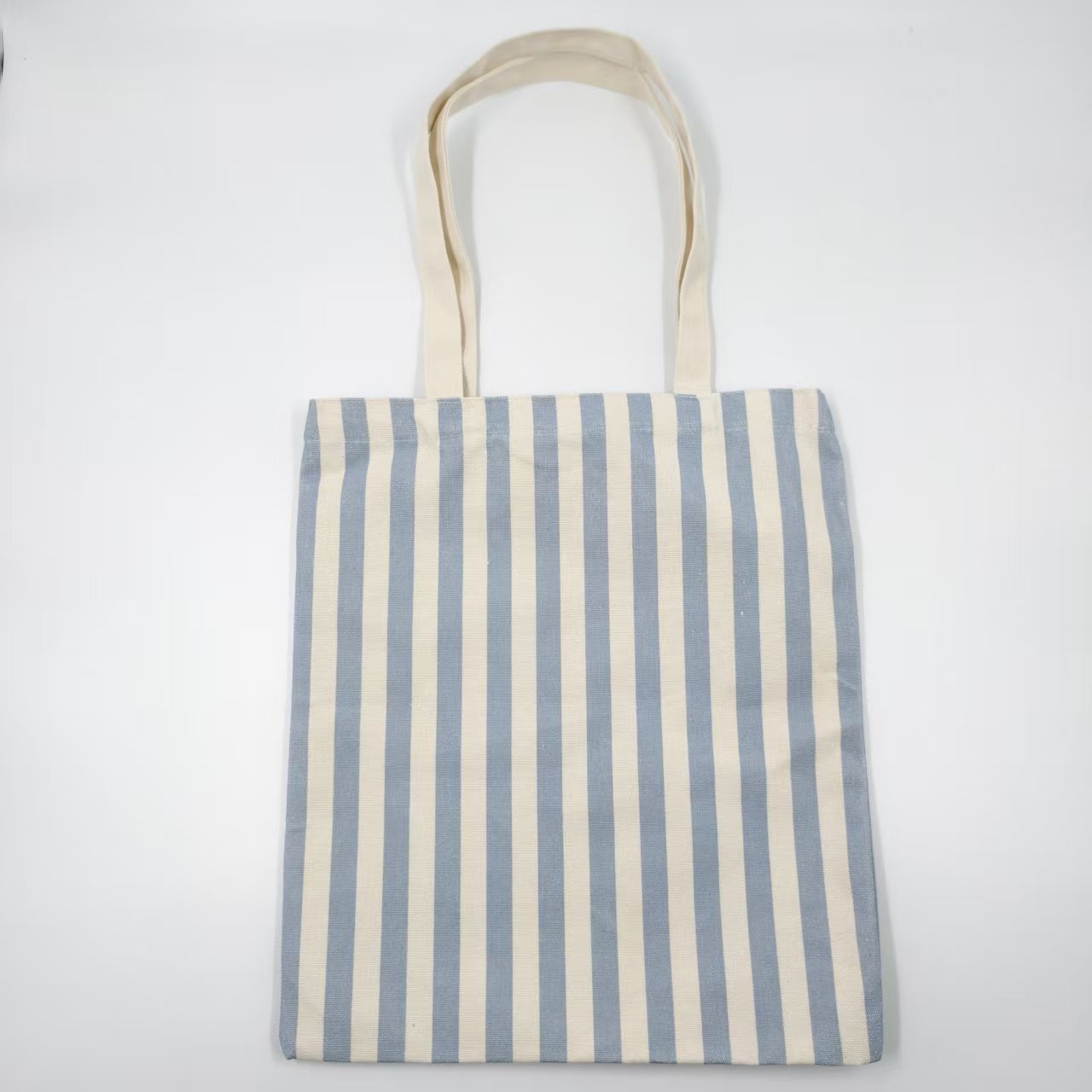
| Flat open tote | Simple two-panel body with little or no formed depth | Contents are slim and easy access matters | Finished width/height, top finish, handle position and usable print area |
| Bottom- or side-gusset tote | Adds depth and changes the loaded silhouette | Boxed or bulky contents need more usable volume | Finished gusset method, seam allowance, fold direction and loaded dimensions |
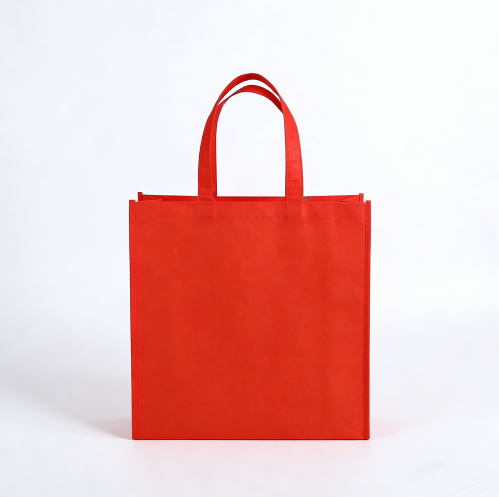
| Structured shopper | Creates a more defined base, sides or upright presentation | Presentation and loading stability matter | Panel construction, base insert, edge finish, folding and carton space |
| Closed-top tote | Adds zipper, snap, tie or another closure | Retention or privacy matters more than fastest access | Opening width, hardware, reinforcement, pull access and function checks |
| Dual-handle or shoulder route | Changes carry mode and attachment load path | The user needs hand, shoulder or adjustable carry | Handle drop, strap width, attachment, adjuster, hardware and balance |
| Foldable or packable tote | Adds a pocket, pouch, elastic or folding sequence | Compact distribution or storage is a priority | Folded size, deployment steps, component retention and print location |
Flat totes: simple silhouette, precise details
A flat tote removes some structural complexity, but “basic” is not a specification. Define finished width and height, whether the measurements include the top hem, handle length or drop, handle spacing, top edge construction, seam finish and artwork position. If the tote is packed with rigid or deep items, a nominally correct width may still be unusable because the flat body has no planned depth.
This format can work well when the product is slim, distribution needs are straightforward and compact packing matters. It becomes a poor shortcut when a buyer expects an upright retail silhouette, a wide opening, a stable base or organized interior without adding the corresponding construction.
Gusseted and structured totes: buy usable volume, not a flat measurement
A gusset creates depth, but different folding and seam routes can produce different loaded shapes from similar numbers. A bottom gusset may suit a shallow rectangular load; side gussets expand the opening and side profile; a boxed construction can create more defined corners. A base insert may help presentation, yet it also introduces another component, material decision, packing step and inspection point.
Ask the supplier to show a dimensioned drawing and state whether dimensions are external finished dimensions or usable internal dimensions. Approve the empty, loaded and folded condition where each matters. The same body can look acceptable when flat but twist, collapse or pull at the handle attachments after loading.
Open top, zipper, snap or tie: choose access deliberately
An open top is quick to load and keeps components low, but it provides limited retention. A zipper changes opening width, edge construction, pull access and inspection requirements. A snap can create a central closure without sealing the full opening. A tie or drawcord route changes the interaction again and may affect branding space.
Do not add a closure only because it sounds premium. Test it with the actual packed contents and expected hand position. A narrow zip opening may reduce usable access; hardware can pull against lightweight panels; a closure can interfere with a lining, pocket or top seam. The buyer should record the closed and fully open dimensions plus the function check required at sample and bulk stages.
Handles and straps define the carry route
Handle decisions include material, width, length or drop, spacing, attachment position, reinforcement and expected carry mode. A short hand-carry loop, a shoulder-length self-fabric handle and an adjustable webbing strap are different systems. If two carry modes are required, check how the unused strap sits and whether the loaded bag remains balanced.
Handle comfort cannot be inferred from length alone. Width, edge feel, attachment geometry and the packed load influence use. Instead of publishing a universal carrying claim, define the target load for the project and agree the test method, duration, acceptance criteria and sample configuration in writing.
Interior organization: every feature needs a purpose
A lining can cover internal seams, change appearance or support pockets, but it adds material and assembly decisions. A pocket may improve access to keys or a phone; too many compartments can reduce usable volume and complicate packing. A base insert can improve presentation but may affect folding and cleaning instructions.
For every interior component, state its finished size, position, opening, closure, material, edge finish and relationship to labels or artwork. If the goal is retail value rather than wholesale logistics, compare the feature choices in What Buyers Should Look for in a Retail Tote, Tote Bag Features and Repeat Orders and Premium Tote Bag Features.
Decoration must follow the chosen panel and material
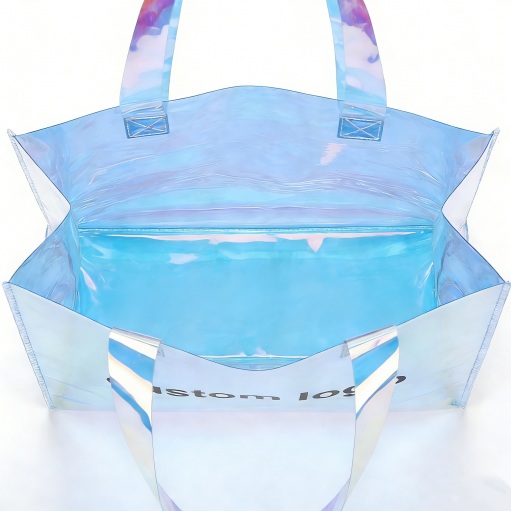
Artwork approval starts with the actual printable panel. A seam, fold, pocket, handle attachment, texture or transparent surface can change placement and reproduction. Give the supplier the current artwork revision, finished decoration size, coordinates from defined edges, colour references, number of locations and required proof or sample stage.
Use the Custom Tote Bag Printing Methods guide to compare broad routes, Screen Printing vs Heat Transfer for Tote Bags for a focused method decision, and Custom Printed Tote Bags: Artwork Approval Guide for placement and approval control. Decoration feasibility remains subject to the selected material, construction, artwork and trial result.
Material is a construction input, not a sustainability shortcut
Material names do not determine the best tote style on their own. Fabric construction, weight basis, coating, finish, colour route and interaction with seams, folds, decoration and packing all matter. Compare cotton and canvas in Canvas vs Cotton Tote Bags and evaluate weight in the Fabric Weight for Custom Tote Bags guide.
Do not convert “reusable,” “natural,” “recycled” or another material label into an unsupported overall environmental conclusion. The U.S. Federal Trade Commission’s Green Guides summary cautions against broad, unqualified environmental benefit claims and calls for clear, specific substantiation. ISO 20400 provides organization-level guidance for integrating sustainability into procurement; it is not a product certificate. For a real order, identify the exact claim, destination, product/material scope and evidence required.
Convert the selected style into controlled supplier fields
Once the construction route is chosen, freeze the decision in a numbered specification rather than sending only reference images. The supplier may recommend alternatives, but each alternative should state the exact difference and its effect on appearance, function, evidence, price or schedule.
| Control field | Buyer input | Supplier response | Sample evidence |
|---|---|---|---|
| Use and contents | Contents, packed dimensions, intended load and handling sequence | Fit concerns and proposed route | Loaded presentation and access check |
| Body | Finished dimensions, gusset/base and measurement method | Drawing, seam route and proposed tolerance | Dimension record in empty and relevant loaded state |
| Opening | Open, zipper, snap, tie or other defined route | Component and finished opening details | Repeated function and access check |
| Handles | Carry mode, width, length/drop, spacing and attachment | Material, reinforcement and limitations | Attachment appearance and agreed load evaluation |
| Interior | Lining, pocket, insert, labels and positions | Construction and material assumptions | Interior photos, dimensions and function |
| Decoration | Artwork revision, size, colours, location and sides | Method, setup and approval route | Proof, strike-off or approved decorated sample |
| Packing | Fold, individual pack, barcode, carton and allocation needs | Included pack-out and alternatives | Packed sample and carton presentation |
Use the full Custom Tote Bag RFQ checklist for the commercial and evidence fields. If the development responsibility is unclear, define it with OEM vs ODM Bag Manufacturing before asking suppliers to price different routes.
Approve the style at sample stage, then inspect its critical points
The sample should validate the actual construction, not merely colour and logo. Record the approved dimensions and measurement method; inspect gusset symmetry, base form, top edge, seams, handle spacing and attachment, opening function, interior components, decoration placement and folded pack-out. Any approved change should carry a revision and written decision owner.
The Custom Bag Sample Development Process explains staged approval. The Custom Bag Quality Inspection Checklist covers broader inspection planning, while the Reusable Tote Bag Manufacturing Process and Custom Bag Manufacturing Process show where material, printing, sewing, inspection and packing controls connect.
Wholesale tote bag bulk-check matrix
| Style feature | Bulk check | Common mismatch to prevent |
|---|---|---|
| Flat body | Finished dimensions, squareness, top edge and seam consistency | Nominal size is correct but usable opening or body shape differs |
| Gusset/base | Depth, fold direction, symmetry and loaded form | Opposite folds or uneven corners change capacity and presentation |
| Closure | Position, opening width, alignment and repeated function | Closure works empty but obstructs the intended contents |
| Handles/straps | Width, drop, spacing, attachment and reinforcement | Carry mode or balance differs from the approved sample |
| Interior | Lining, pocket, insert and label size/position | Components move, reduce usable volume or conflict with the opening |
| Decoration | Method, size, coordinates, colour route and appearance | Artwork shifts because production used a different panel reference |
| Packing | Fold, unit pack, barcode, case pack and carton marks | A correct bag arrives in an unusable receiving configuration |
Inspection requirements must be agreed for the order; a photograph cannot establish performance. Receiving teams should also use Tote Bag Orders: Plan the Receiving Handoff so case packs, barcode data, carton marks and location allocations match the approved commercial plan.
Five mistakes that make style comparisons unreliable
- Comparing a flat open tote with a lined zip-top tote as if only the unit price changed.
- Using one outside width for every style without defining depth, opening or usable internal space.
- Adding pockets, straps or hardware without updating the drawing, sample scope and inspection points.
- Approving decoration on a generic mock-up before confirming the actual panel, texture and seams.
- Calling one option “sustainable” without defining the claim, material scope and supporting evidence.
Review current LUCKYSTAR tote and shopping bag directions
Buyers can compare visible format directions through LUCKYSTAR’s current public categories for custom tote bags, custom canvas bags and custom shopping bags. These pages are visual starting points; the written specification and approved sample control a proposed order.
Current marketplace listings are also available through LUCKYSTAR’s Alibaba.com storefront and LUCKYSTAR’s Made-in-China storefront. Listing titles, prices, MOQ, specifications and timing can change and should not be treated as standing terms. Project terms remain subject to the final specification and written quotation.
Build the commercial plan after choosing the construction
After the style is selected, move to the Wholesale Tote Bags planning pillar for buying route, assortment, allocation, landed-cost and reorder decisions. Estimate project-specific cost with How Much Do Custom Tote Bags Cost? and plan quantity splits with the Custom Tote Bag MOQ Guide. Campaign buyers can continue with How to Design Promotional Tote Bags and Custom Bags as a Branding System.
Send one chosen tote route for review
Send LUCKYSTAR your chosen tote style, packed contents, dimensions, artwork, quantity split, destination and required evidence. Or email a prefilled tote-construction brief. The team can identify missing construction fields, review feasible routes and prepare a project-specific response. Material, sample scope, MOQ, price, timing, testing, performance, claims and delivery remain subject to the final specification and written confirmation.

Related wholesale tote bag sourcing guides
- Custom Bag Manufacturer: Complete OEM/ODM Buyer’s Guide
- Wholesale Tote Bags: Plan Assortments, Allocation and Reorders
- Custom Tote Bag RFQ: Build a Quote-Ready Supplier Brief
- Custom Tote Bag Supplier: Build a Repeatable Supply Program
- How to Choose a Tote Bag Manufacturer
- Tote Bag Size Guide for Retail Brands
- Custom Bag Sample Development Process
- Custom Bag Quality Inspection Checklist





