How to Import Custom Drawstring Bags from China

Last reviewed: September 16, 2026
Importing custom drawstring bags from China is safest when the product, customs declaration, purchase order and finished shipment all describe the same item. A buyer should not begin with freight rates or a generic tariff code. Begin by defining what the bag is, what it will carry, how it is constructed, where it will be sold and who will be responsible for import clearance.
That discipline matters because “drawstring bag” can mean a small jewelry pouch, a shoe dust bag, a gift-packaging sack, a lined promotional bag or a backpack-style sports sack. Material, dimensions, intended use, outer surface, cord routing, hardware and retail presentation can change the commercial and compliance questions. There is no single import code, duty rate, label or document package that is correct for every version.
This guide gives brands, wholesalers and distributors a drawstring-specific import control method. For broader supplier strategy, use the Custom Bag Manufacturer Guide, the category-wide guide to importing custom bags from China and the detailed guide on how to choose a custom drawstring bag manufacturer. If the product is still being defined, review LUCKYSTAR's custom drawstring bag options before requesting a shipping quotation.
Need a supplier-side import file? Send the destination, intended use and user group, bag format, finished dimensions, material and component breakdown, cord and hardware, artwork and claims, quantity by SKU, current sample stage, required tests and documents, packing, Incoterm with named place, broker questions and required arrival date. LUCKYSTAR can identify product-side gaps and return proposed seller documents, order assumptions and approval gates for review with your broker.
Quick answer: build one import identity packet
The most useful control document is an import identity packet shared by the buyer, supplier, customs broker, freight forwarder and inspection team. It should contain four synchronized records:
| Record | What it establishes | Typical owner | Release question |
|---|---|---|---|
| Physical identity | Material, construction, dimensions, cord system, lining, hardware and decoration | Buyer and supplier | Does the sample match the item being ordered? |
| Regulatory identity | Destination, intended use, user group, claims, labels, tests and restricted-material requirements | Importer with qualified advisers | Is the evidence suitable for this product and market? |
| Commercial identity | Seller/buyer, quantity, value, currency, Incoterm, named place and payment terms | Buyer and supplier | Do the contract and invoice describe the same transaction? |
| Logistics identity | Carton count, net/gross weight, dimensions, routing, transport document and delivery point | Supplier, forwarder and importer | Can every shipping record reconcile to the packed goods? |
Do not allow these records to develop independently. If the approved sample changes from cotton to polyester, from a small pouch to a backpack-style sack, or from a plain cord to metal eyelets and toggles, the buyer should reopen classification, compliance, cost and documentation review before bulk release.
Decide what kind of drawstring bag you are importing
The product name used in marketing is not enough for customs or compliance work. First determine the bag's functional identity.
| Commercial description | Questions that distinguish it | Import implication to verify |
|---|---|---|
| Small packaging pouch | Is it imported empty or with another product? Is it disposable presentation packaging or designed for repeated storage? | Classification, valuation and labeling may depend on how the goods are presented and imported |
| Jewelry or gift pouch | Does it have lining, padding, divider cards, decorative hardware or a premium textile surface? | Component description and intended use need to be specific |
| Shoe or handbag dust bag | Is it supplied as packaging for another product or as a separately sold bag? | The broker should review whether separate or combined presentation changes treatment |
| Promotional drawstring bag | Is it a simple giveaway pouch, a carried bag or retail merchandise? | Claims, marking, artwork authorization and consumer information may differ |
| Backpack-style sports sack | Do cords act as shoulder straps? Are corners reinforced with tabs or eyelets? | Use, construction, load path and hardware should be visible in the classification file |
| Child-directed bag | Is the product designed or marketed for children? Are cord length, small parts or decorative components relevant? | Treat as a separate safety review; do not rely on an adult-use bag assessment |
Write a neutral description before assigning a code. “Natural-color woven textile drawstring pouch, unlined, two-cord closure, imported empty for retail gift packaging” is more useful than “eco bag.” A backpack-style product needs a different description that records carrying function, shoulder-cord route, reinforcement and dimensions.
The World Customs Organization's HS overview explains that the Harmonized System organizes goods into more than 5,000 commodity groups identified by six-digit codes and is used by more than 200 countries and economies. National tariff schedules then extend or apply that structure. The practical lesson is simple: a supplier's export code is useful input, but the importer must confirm the destination-country classification.
Make the specification classification-ready
A customs broker cannot classify an ambiguous photograph. Give the broker a compact technical record that explains the facts without sales language.
Record the shell and outer surface
State the actual composition or the production-intent material direction, fabric construction, target weight or thickness, coating or lamination, color and visible outer surface. “Canvas,” “satin,” “velvet,” “non-woven” and “polyester” are broad descriptions. If the bag combines materials, identify each component and which material forms the outer surface.
Define dimensions and usable form
Record finished width, total height, usable height below the channel, gusset or base construction and measurement method. A flat 10 × 15 cm jewelry pouch and a 45 × 50 cm cord-carried sack should never share an undifferentiated item description.
Describe the closure and carrying system
Specify single or double drawcord, cord material and profile, channel construction, cord exits, knots or tips, stoppers, eyelets, reinforcement tabs and whether the cord functions only as a closure or also as a carrying strap.
List lining, inserts and accessories
Record lining, padding, pockets, divider cards, bottom inserts, labels, toggles, metal parts and retail packaging. Mixed components can affect testing, declarations and broker questions even when the shell looks unchanged.
The UK government's commodity-code guidance illustrates the kind of information a tariff lookup needs: product type, use, materials, production method and packaging. Its separate classification guidance also cautions importers to verify how much of an overseas code applies in the UK because only the first six digits are used worldwide and national treatment can differ.
Ask the customs broker before the purchase order is frozen
Classification review belongs before bulk production, not after the vessel departs. Send the broker the identity packet, product photographs or drawings, bill of materials, sample status, intended use, destination and import presentation. Ask the broker to document assumptions and identify missing facts.
| Broker question | Why it matters for drawstring bags | Evidence to provide |
|---|---|---|
| What is the principal use? | Packaging pouch and carried sack descriptions may lead to different analysis | Product brief, sales channel and end-use statement |
| What forms the outer surface? | Visible material and construction can be classification facts | Material specification and close-up image |
| Is the bag imported empty or with goods? | Presentation may affect classification or valuation review | Packing configuration and commercial arrangement |
| Does the cord function as a shoulder strap? | Carrying function distinguishes some sports sacks from closure-only pouches | Dimensioned drawing and use photo without protected branding |
| Are there mixed materials or hardware? | Lining, coating, eyelets and toggles can trigger additional questions | BOM and component list |
| What national code and measures apply? | Duty, tax, remedies, restrictions and documents are destination-specific | Destination tariff lookup and broker opinion |
For the United States, CBP's tips for new importers and exporters point importers toward official material on classification, entry and restricted merchandise. When a prospective U. S. classification remains uncertain, CBP also operates a binding ruling program for pre-entry decisions. Use a qualified broker or adviser for the actual transaction; neither the supplier nor this article can make the importer's legal determination.
Confirm the importer, broker and seller roles
Do not let “door-to-door” replace a responsibility chart. Name the parties in writing.
| Responsibility | Importer/buyer | LUCKYSTAR or named seller | Broker/forwarder |
|---|---|---|---|
| Product specification and intended use | Approves | Develops and confirms producibility | Reviews facts relevant to declaration |
| Destination classification | Owns or authorizes qualified representative | Supplies truthful technical inputs | Advises or declares within appointment |
| Product-market requirements | Determines with advisers | Coordinates agreed product evidence | May flag border-document issues |
| Export documentation from China | Reviews consistency | Prepares or coordinates agreed seller documents | Coordinates transport handover |
| Import declaration and duty/tax | Confirms responsible party | Acts only as expressly agreed and legally permitted | Files or supports filing when appointed |
| Production and final inspection | Defines acceptance plan | Coordinates production/QC evidence | Does not replace product inspection |
| Freight and delivery | Approves route and receiving needs | Supplies carton/cargo readiness data | Books and moves cargo as contracted |
Requests submitted on luckystarcreation.com sit within the website context of Ningbo Luckystar Commodities Co., Ltd. Before payment, reconcile the named legal seller with the invoice issuer, beneficiary, export arrangement and evidence package for that transaction. A shared trading name or similar web presentation does not justify combining records from another Luckystar entity.
Use an Incoterm with a named place and version
The ICC's Incoterms® 2020 information explains that the 11 rules allocate costs, risk and obligations between seller and buyer. They do not determine product classification, regulatory compliance, title, payment timing or every service in a logistics quotation.
Write the chosen rule, exact named place or port and “Incoterms® 2020” in the quotation and purchase order. Then add operational details that the three-letter term does not settle.
| Commercial approach | Useful when | Buyer must still confirm |
|---|---|---|
| EXW-based comparison | Buyer has strong origin pickup and export arrangements | Loading, export formalities, origin charges and practical feasibility |
| FCA-based comparison | Parties want a defined handover to the buyer's carrier | Exact handover point, loading and export document responsibilities |
| FOB-based comparison | Appropriate sea shipment and port handover are clearly defined | Origin charges, booking control, on-board timing and document cutoffs |
| CIF/CIP-based comparison | Seller arranges main carriage and specified insurance | Insurance scope, destination charges, import clearance and final delivery |
| DAP-based comparison | Buyer wants carriage to a named destination but remains import-side owner | Unloading, customs clearance, duty/tax and accessorial charges |
| DDP proposal | A legally workable seller-side import arrangement has been verified | Importer identity, registration, tax, recordkeeping, valuation and hidden exclusions |
Avoid choosing solely from the lowest freight line. Compare the same bag specification, carton plan, weight, route, named place, included charges, insurance, validity window and responsibility boundary.
Turn the approved sample into an import master
The sample is not only a design approval. It is the physical anchor for the import identity.
Use the custom drawstring bag sample development process to close questions about shell, usable size, channel, cord pull, decoration and pack-out. Pair the retained sample with a revision-controlled drawstring bag tech pack.
The import master should include:
- Item/SKU code and revision date.
- Neutral product description.
- Finished and usable dimensions with tolerances.
- Shell, lining, cord and hardware specification.
- Decoration file, method, size, placement and approved appearance.
- Country-of-origin and other label artwork approved for the destination.
- Unit-pack and carton configuration.
- Broker-reviewed classification reference and documented assumptions.
- Required product evidence and responsible approver.
- Approved sample identity and retained-reference location.
If any classification fact changes after approval, issue a formal change notice. A “minor” change such as adding a coating, replacing a cord with a ribbon, introducing metal eyelets or turning closure cords into shoulder straps may not be minor for customs, safety, testing, cost or carton dimensions.
Separate product compliance from customs clearance
Customs release does not prove that a product is lawful for sale, and a test report does not guarantee border clearance. Build a destination rules matrix from intended use, user group, material, claims and sales channel.
| Trigger | Questions to resolve | Evidence path |
|---|---|---|
| Adult general-use packaging | What origin marking and consumer information apply? | Destination rules and approved label file |
| Child-directed design or marketing | Do cord, small-part, chemical or tracking rules apply? | Qualified safety assessment and applicable testing plan |
| Food, cosmetic or jewelry contact claim | Is direct contact intended and what migration/material rules apply? | Use-specific material statement and testing where required |
| Recycled, organic or compostable claim | What percentage, standard, chain-of-custody or transaction evidence supports it? | Current order-level evidence; no blanket certification assumption |
| Waterproof, load-bearing or washable claim | What method and acceptance limit support the claim? | Agreed performance test on representative construction |
| Printed customer artwork | Does the buyer control the trademark, design and territory rights? | Written artwork authorization and approved file |
| Marketplace or retailer program | Are there additional labels, packaging tests, barcodes or documentation rules? | Channel-specific compliance and receiving checklist |
LUCKYSTAR's historical files must not be treated as universal current certification. GOTS, GRS, BSCI, REACH or RoHS references require verification of entity, product/material scope, date, standard and order relevance before use. A report for one earlier cotton drawstring sample cannot be extended to a new fabric, color, trim or production batch.
For EU-bound goods, the European Commission's Importing into the EU page directs companies to Access2Markets for tariffs, origin rules, taxes, procedures, formalities and product requirements. Use the current destination tool with the broker and compliance adviser; do not copy an old rate or requirement from a blog.
Prepare labels from the destination decision, not a template
Country-of-origin marking, fiber disclosures, responsible-business identity, tracking information, warnings and retail claims vary by product and market. Do not sew a generic label into every bag and assume it is compliant.
For U. S. projects, note the distinction between general customs marking and FTC textile rules. The FTC's textile labeling guide lists many bags—including tote, cosmetic, sports and laundry bags—among items not covered by the Textile Fiber Products Identification Act's labeling requirements, while also warning that Customs has separate origin-marking requirements. Coverage can change with wool content, claims or product design, so confirm the actual item rather than applying a universal exemption.
Before bulk sewing, approve:
- Exact label wording and language.
- Responsible entity name where required.
- Country-of-origin statement and placement.
- Fiber or material statement when legally required or voluntarily claimed.
- SKU, batch or traceability identifier.
- Care, warning or use information where applicable.
- Barcode and retailer data.
- Attachment method, position and durability.
Make every shipping document describe the same goods
Document discrepancies cause avoidable broker questions. Reconcile the commercial invoice, packing list, transport document, purchase order and carton marks against the import master before pickup.
| Document or record | Drawstring-specific content to check | Common mismatch |
|---|---|---|
| Commercial invoice | Neutral description, SKU, material facts, quantity, value, currency, Incoterm/named place, seller and buyer | Generic “bags” description or wrong entity |
| Packing list | SKU/carton allocation, units, net/gross weight, dimensions and total cartons | Mixed colors or sizes not reconciled |
| Bill of lading/air waybill | Shipper, consignee, notify party, packages, weight and route | Carton count differs from packing list |
| Origin statement/document | Correct form and origin basis when requested | Assumed preference without supporting rule |
| Test/compliance file | Report identity tied to material, color, components and relevant production | Historical sample report used for a changed item |
| Inspection report | Purchase-order revision, sample reference, quantities, defects, carton checks and result | Inspection performed against obsolete artwork |
| Carton marks/barcodes | SKU, destination, carton sequence and handling data | Retail SKU differs from customs description |
Samples, replacements and no-charge goods still require truthful descriptions and values under the applicable rules. “No commercial value” should not be used as a shortcut without broker confirmation of the correct declaration method.
Control production through import-critical checkpoints
The custom drawstring bag manufacturing process should preserve the approved identity from material receipt through packing. Add import-critical fields to normal quality control.
| Production gate | Product checks | Import-file checks |
|---|---|---|
| Incoming material | Composition reference, construction, color, weight/thickness and finish | Material description still matches broker review and claims |
| First output | Dimensions, channel, cord route, reinforcement, lining, hardware and decoration | Classification facts and label placement unchanged |
| In-line control | Stitching, seam allowance, cord pull, knot/end finish and cleanliness | SKU segregation and batch traceability maintained |
| Final inspection | Quantity, tolerances, appearance, function, defects and approved-sample comparison | Invoice/packing-list quantities and item descriptions reconciled |
| Packed-cargo check | Fold, unit pack, labels, carton count, weights, dimensions and marks | Booking data and transport-document instructions confirmed |
For a broader framework, use the custom bag quality inspection checklist. Inspection criteria, sampling plan and pass/fail thresholds should be agreed before production. A final inspection is evidence against a defined standard, not a guarantee of every unit.
Engineer cartons before freight is booked
Drawstring bags are compressible, but uncontrolled compression can crease prints, distort padded pouches, damage toggles or create inconsistent cartons. Packing must protect the approved presentation while controlling chargeable volume.
Ask for a proposed pack-out using actual samples. Record fold method, units per inner pack, protective material, units per carton, carton board/closure, gross-weight limit, carton dimensions and pallet requirement. Then calculate the shipment from measured packing rather than an early estimate.
| Landed-cost component | Input to obtain | Control action |
|---|---|---|
| Goods and development | Unit value, tooling/setup, samples and approved extras | Separate recurring and one-time charges |
| Origin handling | Pickup, consolidation, terminal and export-document charges | Confirm what the named Incoterm includes |
| Main carriage | Mode, route, chargeable weight/volume and validity | Quote against final carton data |
| Insurance | Basis, insured value, exclusions and claim process | Match cover to risk and contract |
| Destination handling | Terminal, broker, delivery, storage and accessorial costs | Obtain destination-side schedule before booking |
| Duty and tax | Confirmed national code, customs value and current measures | Broker/importer calculates; do not rely on supplier estimate alone |
| Quality and risk | Inspection, testing, rework, shortage and contingency | Budget before bulk approval |
The lowest unit price can produce a higher landed cost if bulky packing, split shipments, labeling corrections or clearance delays are ignored. The previous custom drawstring bag pricing guide explains how material, cord, construction, decoration, SKU splits and pack-out affect the quotation itself.
Build the timeline backward from warehouse receipt
The production date is only one part of the import schedule. Set a required warehouse date and work backward through destination clearance, transport, origin handover, document cutoffs, final inspection, packing, production, material readiness and sample approval.
| Gate | Output required before moving forward | Typical delay source to prevent |
|---|---|---|
| Import feasibility | Broker and compliance questions closed or assigned | Code, label or evidence reviewed after bulk starts |
| Commercial approval | Final seller, Incoterm, named place, payment and responsibility matrix | Quotes compared on different boundaries |
| Sample freeze | Approved sample, tech pack, artwork, label and pack-out revision | Repeated unrecorded design changes |
| Production release | Materials, evidence plan, inspection criteria and timeline confirmed | Unsupported assumption about stock or capacity |
| Inspection release | Report reviewed and corrective action closed | Cargo booked before quality decision |
| Document release | Invoice, packing list and booking data reconciled | Entity, quantity or weight mismatch |
| Import handoff | Broker has originals/data and arrival instructions | Last-minute clearance request |
MOQ and production time depend on the runnable specification, quantity per variation, material route and schedule. Use the custom drawstring bag MOQ and production-time guide to build a realistic variant matrix; confirm all dates in the final written order.
Company-claim boundary: the following section is publisher self-description and a commercial sourcing option. It does not independently prove factory ownership, in-house control of every operation, customs-broker or legal-adviser status, guaranteed clearance, universal capability, available capacity, stock, material composition, certification, compliance, a correct tariff code, duty rate, MOQ, price, timing or superiority. The legal seller, assigned sites and subcontractors, product identity, evidence, documents, samples, tests, QC, packing and delivery terms depend on the exact order, destination, released specification and written confirmation.
Why importers choose LUCKYSTAR for custom drawstring bags
LUCKYSTAR supports the decisions that connect product development to import readiness. The relevant value is not a promise that customs will never ask questions. It is the ability to coordinate a more complete, consistent product file before shipment.
Drawstring-focused specification development
Buyers can define flat or gusseted structures, shell and lining directions, single or double cords, channel geometry, end finishes, reinforcement, decoration and packing around the intended contents. This creates stronger inputs for pricing, sampling, production, broker review and QC.
Sample-to-production control
LUCKYSTAR can coordinate sample development and recorded approvals before bulk production. The approved reference, tech pack, artwork and quality checkpoints help prevent material, size, cord or decoration changes from becoming undocumented import discrepancies.
Multi-step quality coordination
Incoming-material, first-output, in-line, final and pack-out checks can be defined for the order. The exact inspection scope, sampling method, tests and acceptance limits remain subject to specification and written confirmation.
Export-document coordination
The team can coordinate agreed seller-side documents and reconcile product descriptions, quantities, cartons, weights and shipment instructions with the confirmed order. Destination classification, importer registration, duty/tax and local-market compliance remain the importer's responsibility with its appointed professionals unless a different lawful allocation is explicitly documented.
Evidence-aware communication
LUCKYSTAR does not treat an old test report, supplier certificate or platform label as proof for every bag. Material claims, certification, tests, MOQ, price and lead time are handled at the relevant product/order level and require current written confirmation.
Import-ready RFQ checklist
Send enough information for the product and shipping plan to be evaluated together.
| Include in your request | Minimum detail |
|---|---|
| Intended use | Contents, end user, selling channel and whether imported empty or with goods |
| Destination | Country, delivery postcode/port and required warehouse date |
| Bag construction | Flat/gusseted, lining, usable size, channel, cord route, reinforcement and hardware |
| Materials | Shell, lining, cord and component directions with weight/thickness/finish where known |
| Artwork | Vector file, method preference, size, position, colors and number of designs |
| Quantity matrix | Units per size, material color, cord color, artwork and pack SKU |
| Claims/compliance | Exact marketing claims, user group, retailer rules and required evidence |
| Packing | Fold, unit pack, labels, barcodes, carton limits and pallet requirements |
| Commercial basis | Requested Incoterm, named place, currency and quotation comparison needs |
| Broker questions | Classification facts, label review or document fields requiring supplier input |
Review the custom drawstring bag supplier guide for material and quality questions, then send the completed brief through the LUCKYSTAR contact page. Pricing, MOQ, samples, production, tests and shipment terms will be evaluated against the final specification and confirmed in writing.

Frequently asked questions
What HS code should I use for a custom drawstring bag?
There is no universal code for every drawstring bag. Classification can depend on material, outer surface, construction, principal use, carrying function and how the goods are imported. Give your destination customs broker the physical identity packet and confirm the national tariff code before the purchase order and labels are frozen.
Can LUCKYSTAR provide the customs code?
LUCKYSTAR can provide truthful product facts and the export-side code or description used for the agreed shipment where applicable. The importer and its qualified broker must determine the correct destination-country classification and declaration.
Is FOB always the best Incoterm for importing from China?
No. The right rule depends on transport mode, handover point, buyer capability and desired control. Compare FCA, FOB and other suitable Incoterms® 2020 rules with an exact named place, then document charges and responsibilities not resolved by the term alone.
Which documents normally accompany the shipment?
The core commercial package commonly includes a commercial invoice, packing list and transport document, but the exact set depends on destination, product, origin, Incoterm and claims. A certificate of origin, test records, inspection evidence or other documents may be required or commercially requested. Confirm the matrix with the broker before shipment.
Does a customs release mean the drawstring bags comply with product rules?
No. Customs processes and product-market compliance are related but separate. The importer should map labeling, safety, chemical, intellectual-property and claim requirements for the actual design and destination before production.
Should samples be declared differently from bulk goods?
Samples still need truthful descriptions and values under the applicable rules. The broker should confirm the correct procedure for commercial samples, mutilated samples, replacements or no-charge items; do not invent a nominal value or use “no commercial value” automatically.
How can I reduce import delay risk?
Close classification and compliance questions early, freeze a revision-controlled sample/specification, inspect before shipment, reconcile documents before pickup and give the broker the complete file before arrival. Keep contingency in both time and landed cost.
Can I use an earlier certificate for a reordered bag?
Only after verifying entity, standard, date, product/material scope, component/color coverage and whether the new order requires current transaction or batch evidence. A visually similar bag is not proof that the earlier document applies.
Build the import identity before releasing production
Align the physical product, regulatory file, purchase documents and packed shipment around one controlled description. Let the importer and appointed professionals make destination-specific classification and compliance decisions before labels and shipping documents are frozen.
Review LUCKYSTAR custom drawstring bag options, then send your import-readiness brief through the contact form or Email a project brief. The email link opens a prefilled draft for your review before sending.
Seller documents, origin statements, evidence, samples, testing, inspection, classification inputs, packing, capacity, availability, price, MOQ, schedule, freight and delivery terms are subject to current order-level verification, destination requirements, released specification and written confirmation. The importer and its advisers remain responsible for destination-market decisions unless a different lawful allocation is expressly documented.
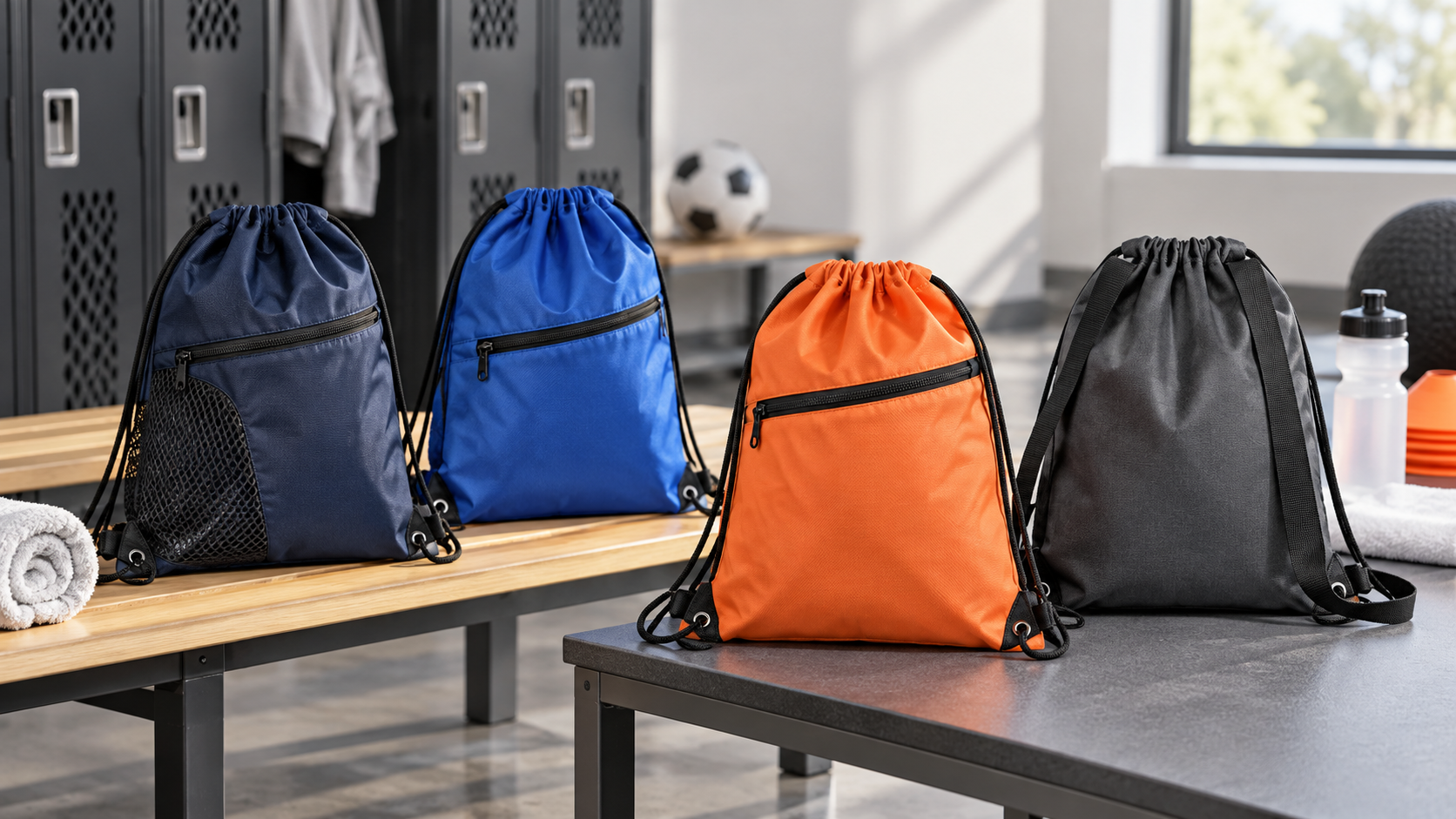
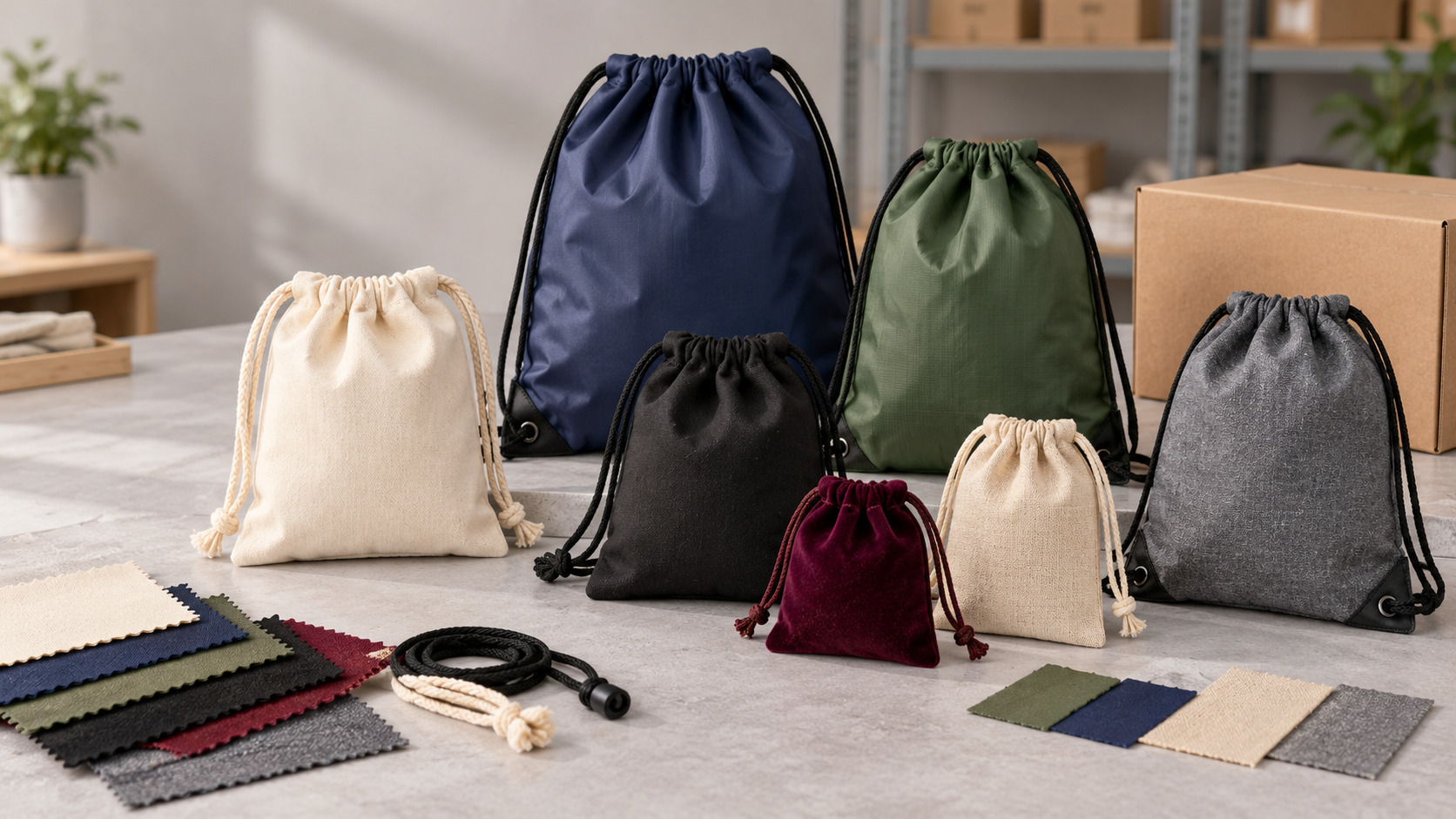
Image note: the hero is a generated import-planning illustration. It does not establish material identity, origin, tariff classification, compliance, certification, customs status, actual shipment, site ownership, current inventory, capacity or timing.