How Many Times Must a Reusable Shopping Bag Be Used?
Last reviewed: September 16, 2026
There is no universal number of uses that makes every reusable shopping bag environmentally preferable. A credible answer must name the exact reusable bag, the bag it replaces, the shopping function being compared, the environmental impact category, the market and end-of-life assumptions. Published climate-change estimates range from several uses for some reusable plastic bags to well over one hundred for some cotton bags, but those figures are study results—not permanent rules for every product.
For a brand buyer, the practical question is therefore not “What number can we print on the bag?” It is: “How many equivalent shopping trips must this approved bag complete, under our chosen life-cycle model, before its impact per trip falls below the defined alternative?” This guide shows how to calculate that threshold, test whether the product can reach it and turn the result into a defensible reuse program.
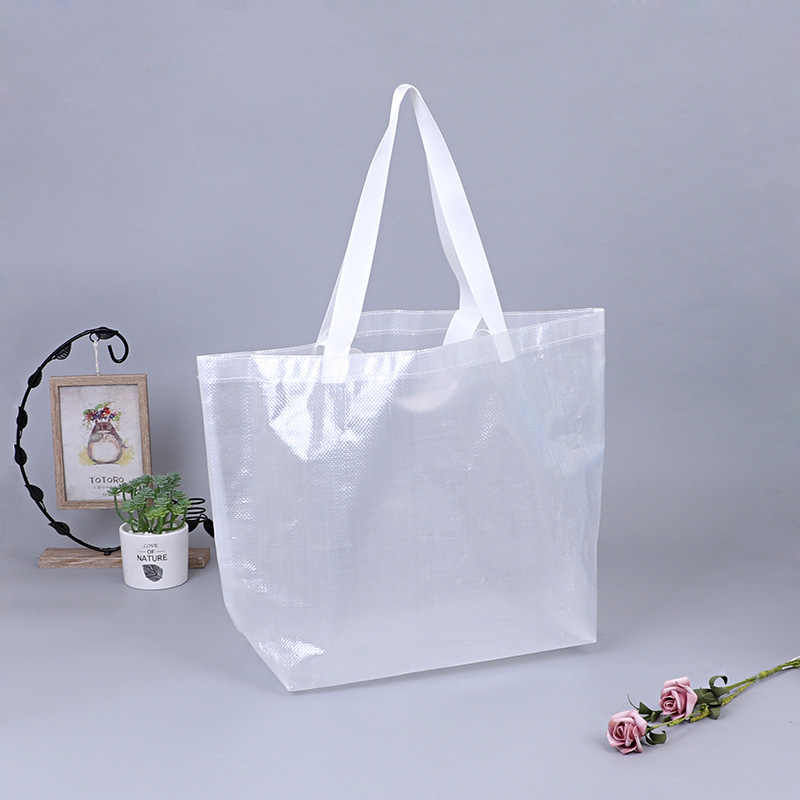
A real product image can show shape, handle layout and construction. It does not, by itself, prove material identity, life-cycle performance, recycled content or a minimum number of uses.
Need a reusable-bag target tied to your product? Send the reusable and reference-bag specifications, common carrying task and payload, finished weights, intended use and washing/return model, market and end-of-life assumptions, quantity, testing needs and required date. LUCKYSTAR can return missing data, durability checkpoints and quote assumptions for written review.
Quick Answer: How Many Uses Are Usually Discussed?
For climate change, the United Nations Environment Programme’s 2020 synthesis of life-cycle studies reported broad indicative ranges of about 5–10 uses for reusable polyethylene bags, 10–20 for thicker polypropylene bags and 50–150 for cotton bags, when compared with a conventional single-use plastic carrier bag. UNEP also cautioned that results change with bag weight, geography, electricity, reuse, functional equivalence, end-of-life and the impact category selected. Read those ranges as orientation, not as a specification for a bag you are buying.
The much-cited UK Environment Agency study used market data for carrier bags available in 2006. In its global-warming-potential scenario, and against a conventional high-density polyethylene bag that received no secondary reuse, the reported break-even counts were 3 uses for paper, 4 for a heavier low-density polyethylene bag, 11 for non-woven polypropylene and 131 for cotton. When the reference plastic bag was assumed to be reused as a bin liner 40.3% of the time, those counts rose to 4, 5, 14 and 173 respectively. The study is useful because it shows how assumptions move the answer; it should not be presented as a current universal label rule.
| Evidence source | What it reported | Scope that must stay attached | Correct buyer interpretation |
|---|---|---|---|
| UNEP Life Cycle Initiative, 2020 meta-study | Approximate climate-change ranges: reusable PE 5–10 uses, thicker PP 10–20, cotton 50–150 | Synthesis of multiple LCAs; different products, countries, methods and data years | Use as a screening range and a reason to request product-specific inputs—not as a guaranteed threshold |
| UK Environment Agency, 2011 report using 2006 market data | In one GWP scenario: paper 3, heavy-duty LDPE 4, non-woven PP 11, cotton 131 uses | UK supermarket carrier bags, stated weights and capacities, historical production data, defined disposal and secondary-use scenarios | Use as a worked demonstration of sensitivity to baseline and secondary reuse |
| Danish Environmental Protection Agency, 2018 | Compared grocery carrier bags across production, use and disposal and expressed results as reuse counts over 16 environmental parameters | Bags available in Denmark in 2017; results depend on which impact category is prioritised | Do not collapse a multi-impact assessment into a single universal number |
The most honest short answer is: a reusable bag must be used at least as many times as the relevant, product-specific life-cycle comparison requires—and preferably many times beyond that threshold.
Why the Same Bag Can Have More Than One Break-Even Number
A break-even count is a model result. Change the model and the count changes. That is why two reputable studies can give different answers without one necessarily being “wrong.”
The functional unit controls what one use means
A fair comparison should deliver the same service. One use should normally mean carrying an equivalent quantity of purchases over one shopping trip. If a reusable bag holds twice as much as the reference bag, comparing one bag with one bag understates its carrying service. If it is routinely half-filled, assuming full rated capacity overstates it.
Capacity can be normalized by volume, mass of goods carried or the number of reference bags displaced. The chosen measure should match the retail operation and be applied consistently.
The impact category controls what “better” means
Climate change is only one category. Water consumption, land use, eutrophication, acidification, resource use, litter risk and marine impacts may rank alternatives differently. UNEP’s synthesis explicitly warns that an option favorable for one impact may be less favorable for another.
If a brand publishes one break-even number, it should state the metric—for example, “climate-change impact under the stated scenario”—rather than implying superiority across every environmental issue.
Product mass and construction change the starting impact
Two bags sold under the same material label can have different fabric weights, dimensions, coatings, inks, handles, zippers, reinforcement panels and packaging. Those differences affect production inputs and sometimes washing or end-of-life assumptions. Our guide to how material weight affects shopping bag environmental performance explains why grams per bag and finished construction matter more than a generic material name.
Use This Break-Even Equation, Not a Borrowed Headline
For a single impact category, a simplified screening equation is:
Break-even uses = reusable bag fixed impact ÷ (impact of displaced reference bags per equivalent trip − reusable bag impact added per use)
Define the terms before calculating:
- Reusable bag fixed impact includes the modeled production, transport and end-of-life burden assigned to one finished bag.
- Displaced reference impact per trip includes the number of reference bags actually avoided, adjusted for capacity and any secondary function lost.
- Added impact per reusable use may include washing, drying, return transport or other use-stage activities.
If the denominator is zero or negative, the reusable bag does not break even under that scenario. That outcome is not a calculation failure; it signals that the proposed bag, behavior or comparison needs redesign.
A hypothetical calculation
Assume, only for illustration, that a reusable bag has a modeled fixed climate impact of 1.44 kg CO2e. Each equivalent shopping trip avoids 0.036 kg CO2e from reference bags, while average cleaning adds 0.004 kg CO2e per use.
The screening threshold is 1.44 ÷ (0.036 − 0.004) = 45 equivalent uses.
This example is not a LUCKYSTAR product result, test result or environmental claim. It simply shows the arithmetic. A real calculation needs a defined bill of materials, finished weight, capacity, geography, energy mix, transport, washing frequency, disposal route and reference-bag scenario.
| Hypothetical scenario | Fixed impact of reusable bag | Avoided reference impact per equivalent trip | Added use-stage impact | Calculated break-even |
|---|---|---|---|---|
| Lower-impact reference baseline | 1.44 kg CO2e | 0.025 kg CO2e | 0.004 kg CO2e | 69 uses, rounded up |
| Central illustration | 1.44 kg CO2e | 0.036 kg CO2e | 0.004 kg CO2e | 45 uses |
| Higher-impact reference baseline | 1.44 kg CO2e | 0.050 kg CO2e | 0.004 kg CO2e | 32 uses, rounded up |
The table changes only one major assumption and moves the answer from 32 to 69 uses. That is why publishing “this bag becomes sustainable after 45 uses” without the scenario is too broad.
Count Equivalent Shopping Trips, Not Casual Handling
One checkout trip in which the bag replaces the defined number of reference bags is usually one use. Moving the empty bag from a cupboard to a car is not a use. Carrying a single lightweight item in a large tote may count as less than one equivalent use if the model is capacity-normalized.
Record both trips and displaced bags
Brands can track two figures:
- completed shopping trips; and
- estimated reference bags displaced per trip.
That dual record prevents a large-capacity bag from being treated exactly like a small pouch and makes assumptions easier to audit.
Separate intended use from observed use
“Designed for 100 uses” is a durability target. “Average users completed 34 equivalent trips” is a behavior result. Neither statement proves the other. The first needs a defined test protocol; the second needs a sound field-measurement method.
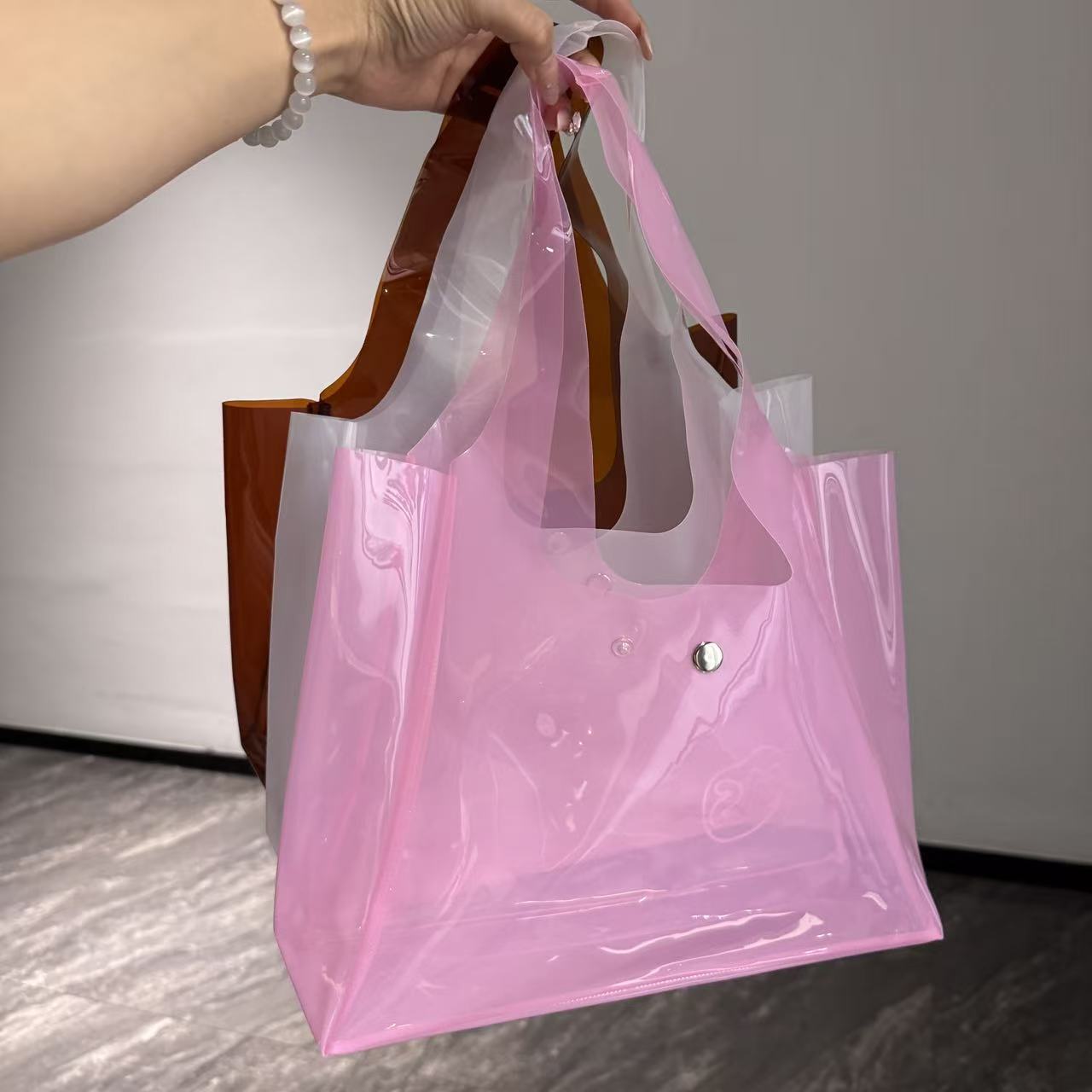
A handled sample is closer to real use than a catalog label, but material composition and expected use count still require written specification and evidence.
The Reference Bag Is Part of the Claim
A reusable bag does not become environmentally preferable in isolation. It is compared with something else. The baseline might be a thin checkout bag, a paper carrier, an existing reusable bag or a mix of options in a local market.
If local rules already require thicker reusable plastic bags, a study comparing against an older thin-film bag may not answer the current commercial question. If customers would otherwise buy a paper bag, a plastic-only baseline is incomplete. If the new tote is given away in addition to—not instead of—another bag, the assumed displacement may not happen at all.
Before quoting a threshold, name the alternative precisely: material, finished mass, dimensions, carrying capacity, average number used per trip, secondary use and disposal pathway. For a wider life-cycle decision framework, see Shopping Bag Sustainability: A Life-Cycle Decision Guide for Brands.
Secondary Reuse Can Raise the Threshold
Some single-use carrier bags are reused as bin liners, pet-waste bags or storage liners. If the reusable shopping bag displaces that secondary function, another product may be needed. The UK Environment Agency sensitivity scenarios demonstrate how accounting for bin-liner reuse can increase the required number of uses for alternatives.
Do not automatically grant a secondary-use credit. Research the target market, define the replacement product and document the percentage used in the model. A claim based on “zero secondary reuse” should say so.
Durability Sets the Ceiling; Behavior Determines the Outcome
A break-even calculation is useful only if the bag can physically survive the threshold and customers are likely to keep using it. A bag modeled to break even at 50 trips but failing at 20 cannot reach the modeled result. A bag that passes 100 laboratory cycles but is forgotten after five shopping trips also misses the intended outcome.
Our separate reusable shopping bag durability and reuse testing guide covers repeated loading, handle attachment, seams, abrasion, closures and inspection records. Buyers can also consult which tests reusable shopping bags should pass when building an order-specific test plan.
Design for the failure mode that ends reuse
Ask what is most likely to stop real use: handle discomfort, seam failure, staining, odor, delamination, a broken zipper, print wear, loss of shape or inconvenient storage. The correct design response depends on the use environment. More material is not automatically better if it adds impact without adding enough useful trips.
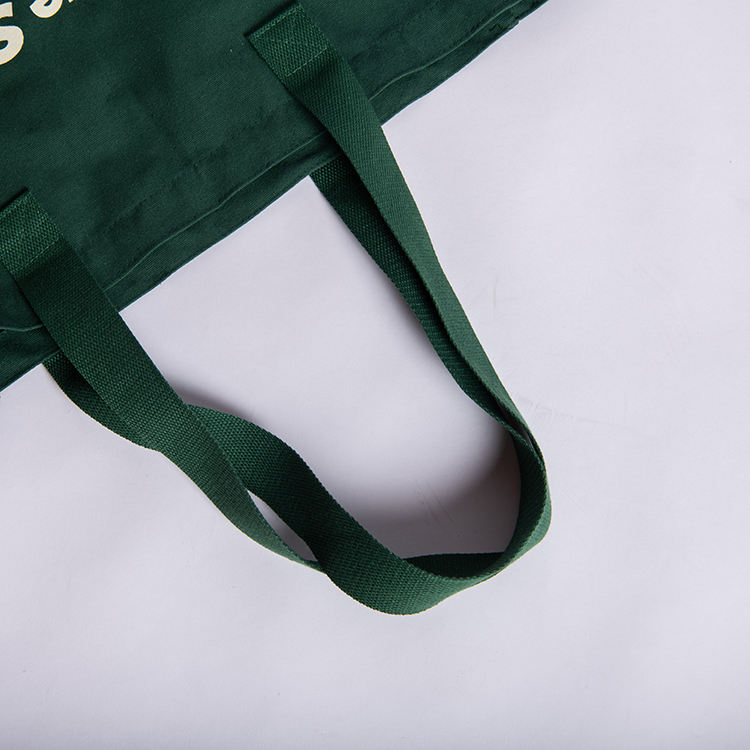
Handle width, stitching and attachment geometry are visible here. Load capacity and cycle life must be verified under an agreed test method rather than inferred from a photograph.
Washing Can Matter More Than Buyers Expect
Washing frequency, water temperature, detergent, machine loading and tumble drying can change the use-stage impact. A bag washed after every trip follows a different model from one spot-cleaned occasionally. Food-safety or hygiene guidance may also impose care requirements that cannot be ignored merely to improve an environmental calculation.
Use the real expected care pattern in the scenario. Then give customers clear care instructions that match the approved material and print process. Do not publish universal washing instructions without product-specific confirmation.
Capacity and Load Must Be Functionally Equivalent
A large, strong bag may replace two or three smaller carrier bags on a typical trip. That can lower its break-even count per shopping service. But the credit is only valid when consumers use the capacity and the bag remains comfortable and safe at the intended load.
The preferred method is to define an “equivalent shopping trip,” specify the reference load or volume, and measure how many baseline bags the approved design reliably displaces. The custom shopping bag tech pack requirements can help buyers record dimensions, gusset, handles, reinforcement, closures and packing details before sampling.
Material Names Alone Cannot Give You the Number
“Cotton,” “RPET,” “woven PP,” “non-woven PP” and “paper” are families, not complete specifications. Within each family, finished mass, fiber or polymer source, coating, lamination, ink coverage, accessories, transport and end-of-life options vary.
Use the topic-cluster comparisons to screen choices without copying their conclusions into a new claim:
- Cotton vs RPET shopping bags compares performance and evidence questions.
- Woven PP vs non-woven PP shopping bags explains structural trade-offs.
- Recyclable vs reusable shopping bags separates end-of-life potential from actual repeated use.
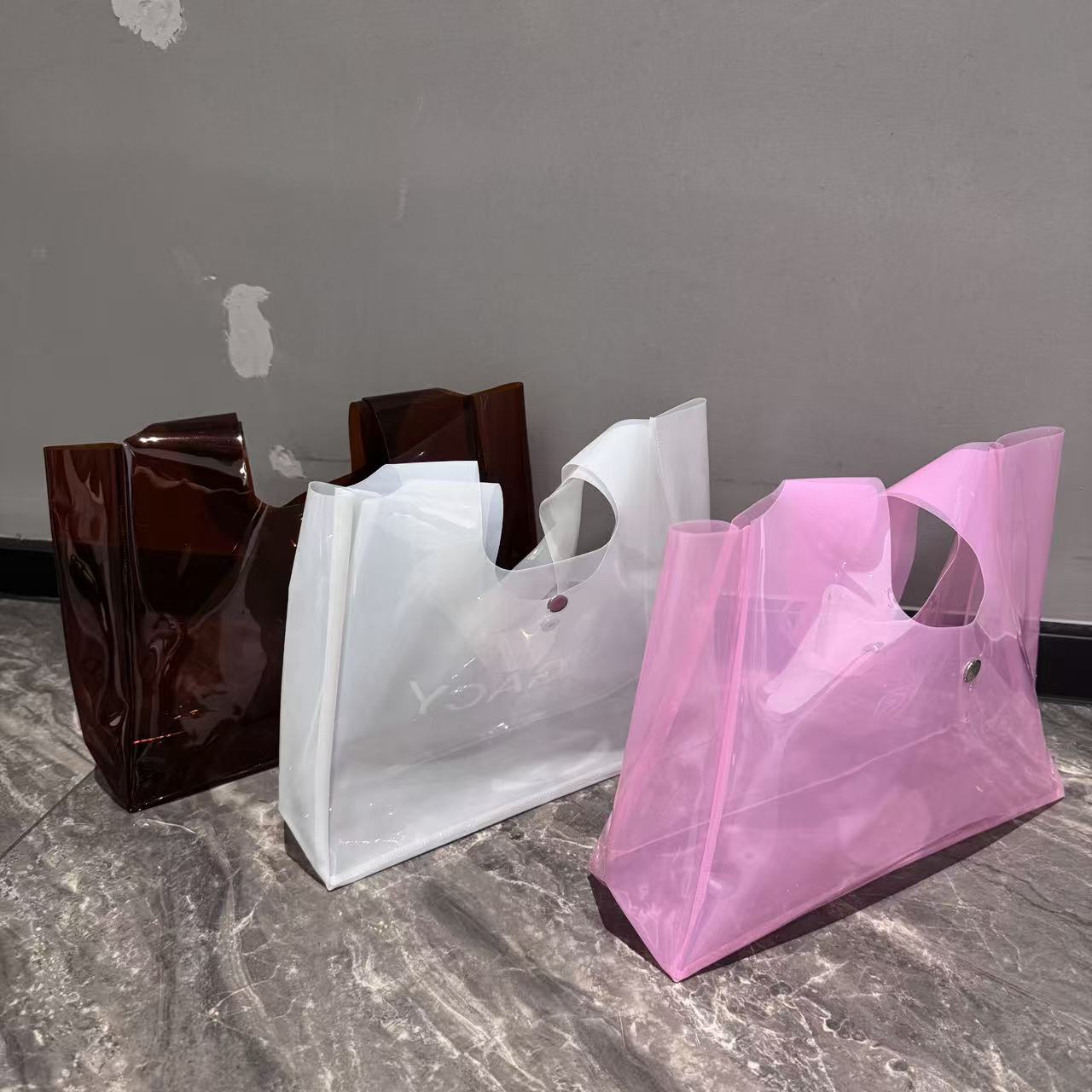
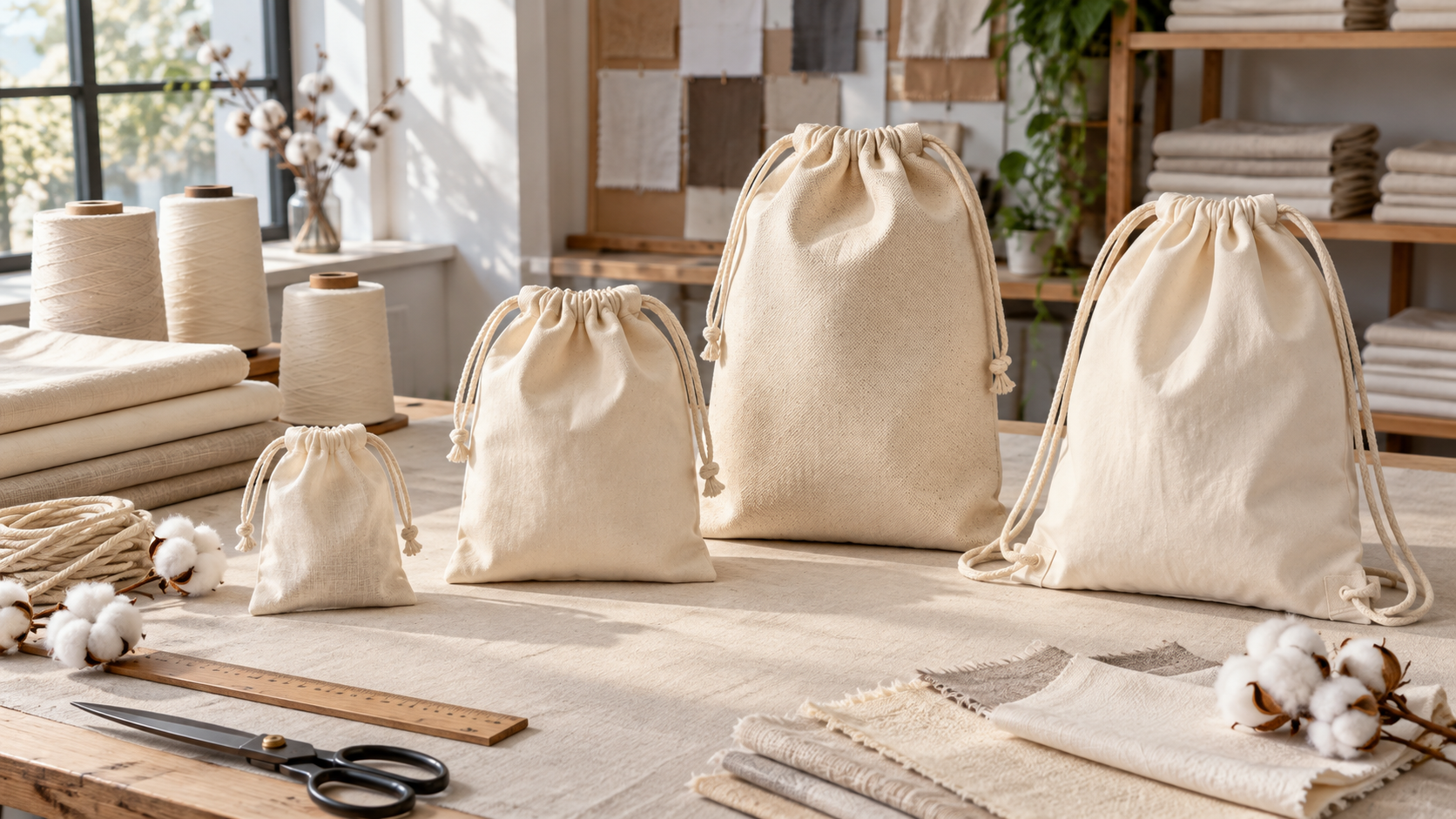
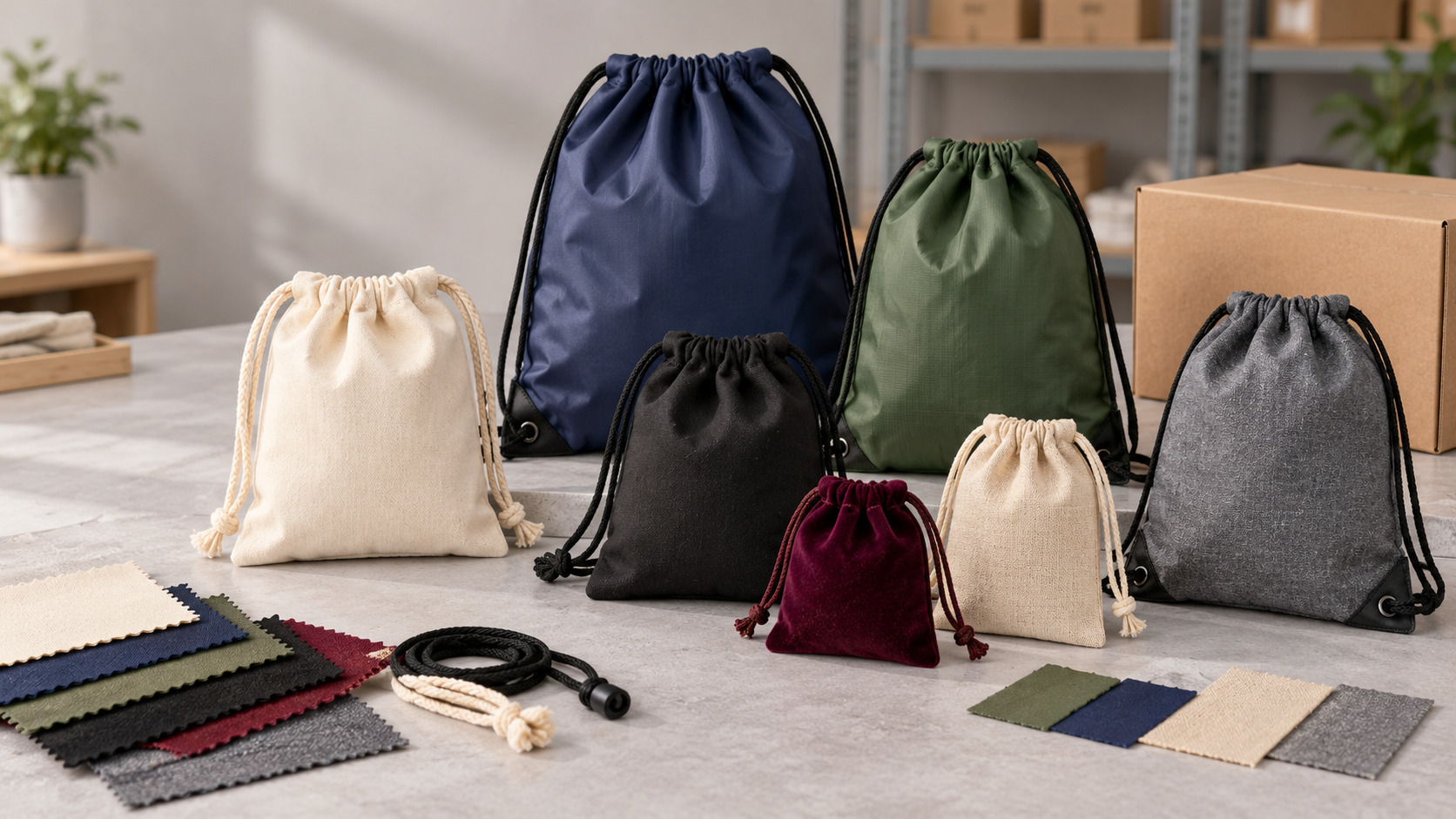
Different formats can have different weights, capacities and components. This visual shows design variation only; it is not evidence that one option has a lower environmental impact.
Build a Product-Specific Reuse Target in Seven Steps
- Freeze the product definition. Approve dimensions, finished weight, material breakdown, components, print, reinforcement and packaging.
- Define the shopping service. State the representative load or volume and how many reference bags one reusable bag displaces.
- Choose the comparison baseline. Use the actual alternative in the target market, including its secondary use.
- Select impact categories and boundaries. State whether the model covers production, transport, washing and end-of-life and which environmental metrics are reported.
- Calculate a threshold and sensitivities. Test low, central and high-use assumptions rather than hiding uncertainty behind one exact integer.
- Verify physical durability. Confirm that the approved sample and production lot can support the target under defined loading and cycle conditions.
- Plan for real adoption. Add customer instructions, storage features and field measurement so the bag is actually reused.
The output should be a range or scenario table with a revision date, not a slogan detached from its inputs.
Data Buyers Need Before Commissioning an LCA or Screening Study
Good life-cycle work begins with procurement records. Ask for documents that identify the approved product and order, then preserve the links among specification, sample, test and shipment lot.
| Data group | Minimum fields to capture | Why it changes the reuse result | Evidence example |
|---|---|---|---|
| Finished product | Net bag weight, dimensions, usable capacity, handle and gusset construction, closure, reinforcement | Sets production inputs and functional equivalence | Approved sample, signed specification, measured pre-production sample |
| Materials and components | Material identity and percentage by weight for body, handles, coating, lamination, thread, ink and accessories | Prevents a family label from standing in for the actual bill of materials | BOM, material declaration, purchase record, order-linked transaction evidence where relevant |
| Manufacturing and logistics | Process route, energy assumptions, origin, shipment mode, distances, packing quantity and carton weight | Affects production and transport modules | Supplier questionnaire, packing list, shipment data, model assumptions |
| Use stage | Expected trips, load, washing frequency, wash method, loss rate, repair and replacement | Determines whether modeled durability becomes realized reuse | Pilot survey, diary, loyalty/app record, controlled field study |
| Baseline and end-of-life | Reference bag weight and count per trip, secondary use, collection, recycling, incineration or landfill assumptions | Defines avoided impact and disposal credits or burdens | Local market data, waste authority data, scenario documentation |
When recycled content or certification is relevant, verification is a separate evidence task. See how to verify recycled content in custom shopping bags and shopping bag sustainability certifications explained. A certificate does not automatically provide a life-cycle break-even number.
Measure Actual Reuse After Launch
The model gives a threshold; field data show whether people reach it. Brands can use follow-up surveys, QR check-ins, loyalty-account prompts, refill or return programs, diary studies or a statistically designed user panel. Avoid methods that count scans without confirming an equivalent shopping trip.
Track a reuse attainment rate
Define the target in advance, then report the percentage of distributed bags that reach it. For example, if the product-specific threshold is 45 equivalent trips, track the share reaching 10, 25, 45 and 75 trips. This reveals drop-off long before an annual average hides it.
Track retention and displacement separately
Retention asks whether the customer still has the bag. Displacement asks whether it replaced reference bags. Both matter. A tote kept as a souvenir but rarely used for shopping should not receive the same credit as one that repeatedly replaces checkout bags.
Treat loss and early failure as part of the result
Lost bags, handle failures, uncleanable stains and premature replacement reduce the achieved number of uses. Do not remove them from the sample simply because they make the average look worse.
Claims Should Describe Evidence, Scope and Time
A defensible statement might read: “In our specified climate-change scenario, the approved bag reaches modeled parity with the defined reference bag after X–Y equivalent shopping trips. Results depend on stated capacity, washing, secondary-use and end-of-life assumptions.”
That is more informative than “eco-friendly after X uses.” It also leaves room to report real-world attainment separately. Our guide to defensible sustainability claims for reusable shopping bags explains how to keep product, evidence, order and public wording aligned.
Do not convert a study about one product into a claim for an entire collection. Do not use an old third-party threshold as if it were a current test certificate. Do not imply that durability testing proves life-cycle superiority.
Add Reuse Requirements to the RFQ and Quality Plan
A buyer who wants a reusable bag should procure for reuse, not just for initial appearance. Put the target and verification path in the request for quotation before sampling.
| RFQ or quality-plan field | What to state | What to verify before approval | Why it supports repeated use |
|---|---|---|---|
| Intended shopping function | Typical contents, equivalent load or volume, target market and reference bag | Bag size, gusset and handle format support the intended service | Prevents an unfair one-bag-to-one-bag comparison |
| Reuse target | Planned equivalent trips and whether this is a design goal, test target or modeled threshold | Physical cycle method and environmental model remain clearly separate | Aligns durability work with the life-cycle question |
| Critical construction | Handle type, attachment, seam, reinforcement, closure and tolerance | Approved sample, inline checks and final inspection criteria | Focuses control on likely early-failure points |
| Care conditions | Expected cleaning method and frequency | Label and instructions match confirmed material and print performance | Avoids unrealistic zero-washing or excessive-washing assumptions |
| Evidence package | Specification, BOM, material records, sample approval, test plan, inspection record and lot identity | Names, dates, scope and product references agree | Makes future calculations and public claims traceable |
The custom shopping bag quality control checklist and custom shopping bag sample development process provide practical follow-through from specification to production approval.
Company-claim boundary: the following section is LUCKYSTAR publisher self-description. It does not prove a universal break-even number, life-cycle result, achieved customer reuse, durability, environmental superiority, material composition, certification or current material/capacity availability for a specific bag. Use targets, testing, data, calculations, claims, MOQ, price, schedule and delivery are subject to the actual program, qualified review, final specification and written confirmation.
Why Choose LUCKYSTAR for a Reuse-Focused Shopping Bag Program?
LUCKYSTAR is a practical choice when your team needs to translate a reuse objective into an order-level product specification rather than buy from a generic “sustainable bag” description. Through our custom shopping bags range, buyers can discuss bag format, dimensions, handles, reinforcement, print and packing around the intended retail use.
Requirement-led development
We can coordinate specifications and sampling around your intended load, capacity, carrying comfort, print requirements and critical failure points. Final construction, test methods, tolerances, commercial terms and timing remain subject to specification and written confirmation.
Evidence-aware communication
Our process emphasizes matching product, order and evidence. Material declarations, certificates or test reports should be checked for issuer, holder, scope, date and product connection; they are not treated as blanket proof for every LUCKYSTAR item. That disciplined boundary helps brands avoid overclaiming.
Quality checkpoints that support the use target
An approved sample can establish the reference for dimensions, construction, color, print and workmanship. Order-specific inspection criteria can then focus on handles, seams, reinforcement, closures and other features linked to repeated use. For the broader sourcing workflow, read our custom bag manufacturer guide and how to choose a custom shopping bag manufacturer.
A useful brief produces a useful quotation
Send the target market, bag dimensions, expected contents, reference bag, desired use target, material preferences, artwork, quantity, packing and evidence needs. We can then identify which items are confirmed, which require a sample or test and which sustainability statements should remain conditional.
Common Mistakes When Quoting a Reuse Number
- Copying 11, 14, 131 or 173 from the UK study without its scenario. Those are historical model outputs tied to defined products and assumptions.
- Quoting UNEP’s range as a certification. It is a synthesis of LCA evidence, not a certificate for a purchased bag.
- Ignoring capacity. A small and a large bag may not deliver the same shopping function.
- Assuming every distributed bag reaches the target. Real users lose, forget, replace or repurpose bags.
- Calling a laboratory cycle a consumer use. Test cycles and observed shopping trips answer different questions.
- Counting recyclability as reuse. End-of-life potential does not reduce the number of trips needed during use.
- Treating a photo as material evidence. Appearance cannot verify polymer, fiber, recycled percentage or environmental performance.
Frequently Asked Questions
Is 10 uses enough for every reusable plastic shopping bag?
No. Ten uses sits within some published climate-change ranges for certain reusable PE or PP bags, but a specific product may require fewer or more. Finished weight, capacity, manufacturing, baseline, washing and end-of-life determine the answer.
Does a cotton bag always need 131 uses?
No. The 131 figure comes from one UK Environment Agency global-warming-potential scenario using historical product data and a reference HDPE bag with no secondary reuse. The same report produced 173 uses when a 40.3% bin-liner reuse assumption was applied to the reference bag. Other studies and products differ.
Can a manufacturer certify the number of uses?
A supplier can support product data, sampling and order-level quality testing, but a life-cycle break-even claim requires a defined method and evidence. “Number of uses survived” in a durability test is not the same as “number of uses to environmental break-even.”
Should washing be included?
Include it when washing is reasonably expected. Use a realistic frequency and method, and run sensitivity scenarios if behavior varies widely.
What if consumers use the bag for storage instead of shopping?
Storage may provide utility, but it should not automatically count as displacing checkout bags. Record it separately unless the study’s functional unit explicitly includes that service.
Is a lower break-even number always better?
Not necessarily. A low number can result from a high-impact comparison baseline, narrow system boundary or favorable assumption. Review the absolute impacts, categories, durability and data quality—not only the quotient.
How should a brand communicate uncertainty?
Publish a range, name the comparison and metric, state key assumptions and date the assessment. Pair modeled results with observed reuse data when available.
Source Notes and Scope
The external research references below were checked on September 4, 2026:
- UNEP Life Cycle Initiative: Single-use plastic bags and their alternatives—recommendations from life-cycle assessments and the 2020 meta-study PDF.
- UK Government publication page for the Environment Agency carrier-bag LCA and the full report PDF.
- Danish Environmental Protection Agency: Life Cycle Assessment of grocery carrier bags.
The calculations in this article are educational illustrations. They are not LCAs, certificates, test results or performance guarantees for a LUCKYSTAR product. Product details, evidence, test scope, quantity, price and lead time are subject to the approved specification and written order confirmation.
Make the Next Bag Easier to Reuse—and Easier to Defend
The right target is not a viral number. It is a traceable threshold for an approved bag, supported by a fair baseline, realistic behavior, sufficient durability and clear customer guidance. Start with the shopping service, freeze the specification, model the sensitivities, test the likely failure points and measure actual reuse.
If you are planning a reuse-focused retail or promotional program, review LUCKYSTAR’s custom shopping bags and send us your use case, target load, artwork and evidence requirements.

Request a product-specific reuse review
Send the reusable bag, reference bag and intended use model together so sampling, durability, quotation and any environmental screening use the same functional unit.
Review LUCKYSTAR custom shopping bag options, then send your reuse-program brief through the contact form or Email a project brief. The email link opens a draft for your review before sending.
Materials, finished weight, service-life targets, tests, achieved reuse, LCA inputs/results, claims, availability, price, MOQ, packing, schedule and delivery terms are subject to evidence review, final specification and written confirmation.