Last reviewed: September 28, 2026
Choosing a custom bag manufacturer is not simply a search for sewing capacity. The right partner turns a commercial idea into a controlled specification, proves it through sampling, reproduces it at scale, and keeps quality, cost, packing, and delivery aligned. The wrong partner can quote quickly yet leave the buyer carrying the risk of unclear materials, late changes, inconsistent workmanship, or missing documentation.
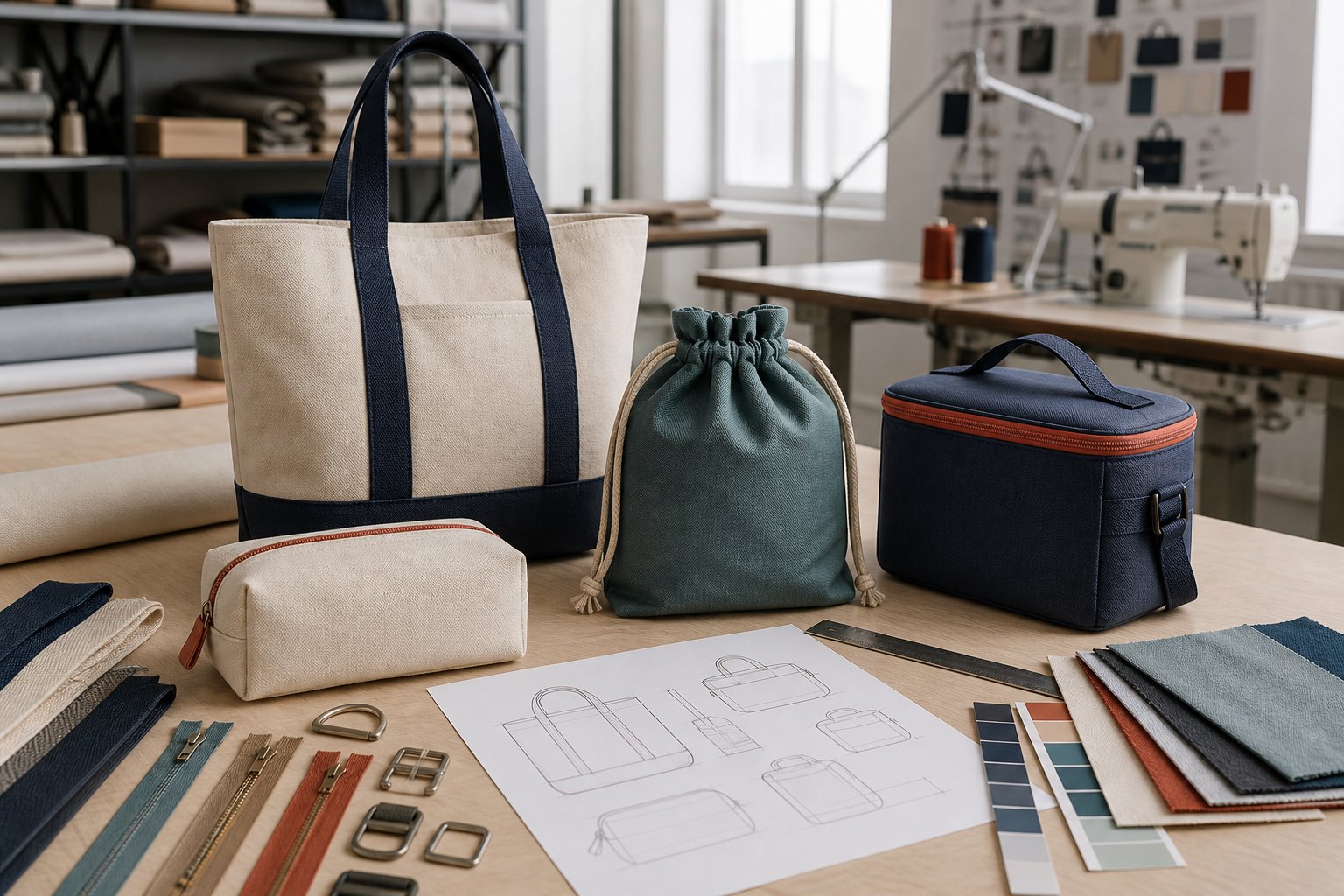
This article focuses on what a manufacturing partnership should deliver. For the broader sourcing framework—including bag categories, supplier models, materials, MOQ, lead time, quality control, and RFQ preparation—use our Custom Bag Manufacturer Guide. Keeping the roles separate prevents this page from repeating the deeper specialist guides linked below.
What should a custom bag manufacturer actually own?
A manufacturer does more than convert fabric into a finished item. For a branded program, its useful responsibility begins before cutting and continues until the cartons are ready for shipment. The scope should be agreed in writing, because the word “manufacturer” can describe very different operating models.
| Responsibility | What the buyer should receive | Evidence before approval |
|---|---|---|
| Technical development | Questions, drawings, material options, construction recommendations, and identified risks | Reviewed specification or tech pack with open points resolved |
| Sampling | A physical reference that proves size, function, appearance, decoration, and workmanship | Measured approval sample and recorded revision history |
| Commercial planning | MOQ logic, tiered pricing, inclusions, payment milestones, and lead-time assumptions | Comparable quotation tied to the approved specification |
| Production control | Material booking, approved work instructions, in-line checks, and change control | Production plan and defined inspection points |
| Delivery readiness | Correct folding, labels, packing, carton marks, quantities, and export documents | Packing standard, final inspection record, and shipment details |
Choose the right development model before requesting a quote
Many price and MOQ misunderstandings start because the buyer and supplier are discussing different levels of customization. Decide whether the project needs an original product, an adapted platform, or a proven stock design with brand decoration. Our detailed OEM vs ODM bag manufacturing comparison explains ownership and development differences; the table below is a fast project-fit check.
| Route | Best fit | Buyer preparation | Main trade-off |
|---|---|---|---|
| OEM / full custom | Distinct shape, construction, features, or brand-owned design | Clear tech pack, performance needs, artwork, and decision owner | More development decisions and validation |
| ODM / adapted design | Faster launch using a manufacturer-developed platform | Feature priorities, material direction, target positioning, and packaging | Less structural exclusivity |
| Logo customization | Promotions, events, gifting, and straightforward trial programs | Logo file, print size and position, quantity, color, packing, and delivery date | Limited product differentiation |
A precise brief is the first test of the partnership
A strong supplier asks useful questions before making firm promises. Start with the bag’s use, target customer, dimensions, material direction, expected carrying load, lining, pockets, closure, handles, reinforcement, logo method, quantities by color, packaging, destination, testing needs, and required delivery window. Mark which requirements are fixed and which may be optimized.
If you already have drawings, prepare them with our custom bag tech pack guide. If the product is still an idea or reference sample, document decisions through the custom bag sample development process. A supplier that identifies a missing tolerance or an unsuitable decoration method is adding value; a supplier that agrees to everything without clarification may simply be postponing the problem.
Evaluate evidence, not factory labels
Some suppliers own every operation, some combine in-house work with specialist subcontractors, and others coordinate production through partner factories. The label alone does not determine reliability. What matters is whether one accountable team controls the specification, sample, approved materials, production handoff, quality plan, and corrective action.
- Relevant product experience: request examples that use similar materials, structures, decoration, and packing—not only visually attractive catalog images.
- Traceable specification: confirm how material, color, component, dimension, tolerance, logo, and packaging approvals are recorded.
- Repeatable sampling: ask how changes are marked and how the approved sample is transferred to bulk production.
- Quality ownership: identify who checks incoming materials, first output, in-line production, finished goods, and packing.
- Capacity realism: verify the production window against material availability, current loading, holiday closures, inspection, and packing.
- Commercial transparency: require clear inclusions, exclusions, validity, Incoterm, payment milestones, and change triggers.
Use the weighted evidence framework in How to Choose a Custom Bag Manufacturer when comparing finalists. It is designed for supplier scoring; this page defines what the working relationship should feel like after the shortlist is created.
Sampling and quality control must connect
The approved sample is more than a visual reference. It should confirm the agreed materials, dimensions, construction, function, logo execution, and packing direction. Record any intentional differences between the sample and bulk specification. Otherwise, both sides can sincerely believe they approved different products.
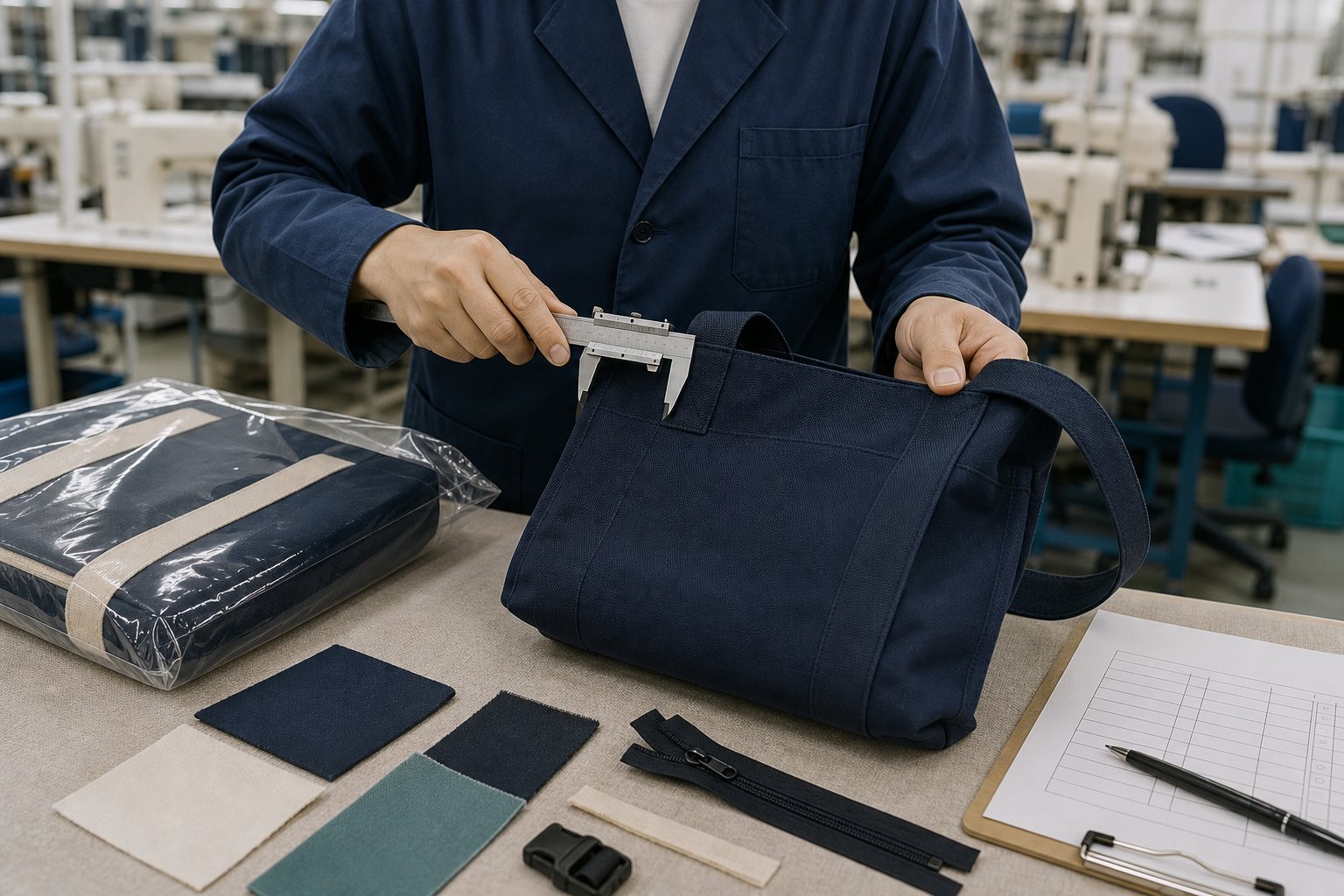
Bulk quality should then be checked against the same reference. Incoming material inspection prevents the wrong shade or component from entering production. First-output approval confirms the line setup. In-line inspection catches workmanship drift early. Pre-shipment inspection verifies finished appearance, quantity, function, and packing. Use our custom bag quality inspection checklist to turn these stages into measurable release criteria.
Decoration quality is part of manufacturing quality
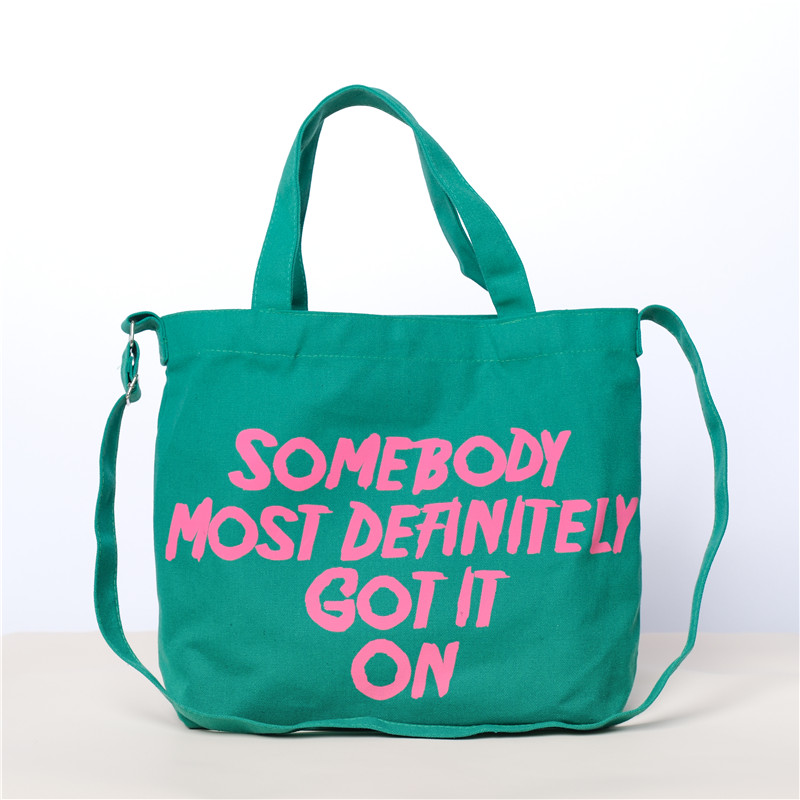
A logo can be correct in the artwork file and still fail on the finished bag. Fabric texture, coating, color, heat sensitivity, panel seams, and production handling all affect print, embroidery, transfer, label, or patch results. Approve the decoration on the actual production material and record size, position, color reference, and acceptable variation.
MOQ, price, and lead time are one planning problem
MOQ is influenced by the production route and by upstream requirements for fabric, custom color, hardware, print setup, packaging, and line efficiency. A low headline MOQ may apply only to a stock design with limited options. A higher quantity may be required when the project adds custom materials, molded components, many colors, or complex packaging. The useful question is: which part of the specification creates the minimum, and what alternative changes it?
For a structured comparison, review the custom bag MOQ guide and the custom bag pricing guide. When schedule pressure matters, use our framework for reducing custom bag cost and lead time without skipping approvals or pushing defects to final inspection.
Know the production handoffs before placing the order
A reliable program has visible decision gates: brief review, quotation assumptions, material and color approval, sample revision, pre-production confirmation, material receipt, cutting, decoration, sewing, in-line checks, finishing, packing, final inspection, and shipment release. Not every project uses the same sequence, but ownership and approval must be clear at each gate.
The custom bag manufacturing process guide explains these handoffs in detail. Buyers importing internationally should also review How to Import Custom Bags from China so product decisions, Incoterms, documents, inspection, and freight planning are not treated as separate conversations.
Red flags that deserve a pause
- A firm price or delivery promise is offered before the supplier understands the material, construction, quantity, decoration, packing, and destination.
- The quotation does not state what is included or which assumptions may trigger a requote.
- Sample revisions are agreed only in chat messages, with no controlled specification or change list.
- The bulk material or decoration may differ from the approved sample without written approval.
- Quality control is described only as “checked before shipment,” with no measurable standard or earlier checkpoints.
- The supplier cannot identify who owns subcontracted processes, nonconforming goods, or corrective action.
- The proposed schedule omits material lead time, buyer approvals, inspection, packing, or realistic production loading.
Use the right specialist guide for the next decision
This page is the partnership overview. Use the most relevant specialist page instead of forcing every sourcing question into one article:
| Your next decision | Recommended resource | What it helps confirm |
|---|---|---|
| Build the complete sourcing plan | Complete manufacturer guide | Supplier models, materials, RFQ, MOQ, lead time, QC, and decision flow |
| Score and shortlist suppliers | Manufacturer selection checklist | Weighted criteria and evidence |
| Prepare product details | Tech pack guide | Dimensions, materials, construction, artwork, and tolerances |
| Approve development | Sample development process | Revision control and sample approval |
| Release bulk goods | Quality inspection checklist | Materials, workmanship, function, quantity, and packing |
Explore guidance by bag category
Category experience matters because materials, construction, decoration, and end use change the manufacturing risks. Continue with the most relevant guide:
- Custom tote bag supplier guide and custom tote bag options
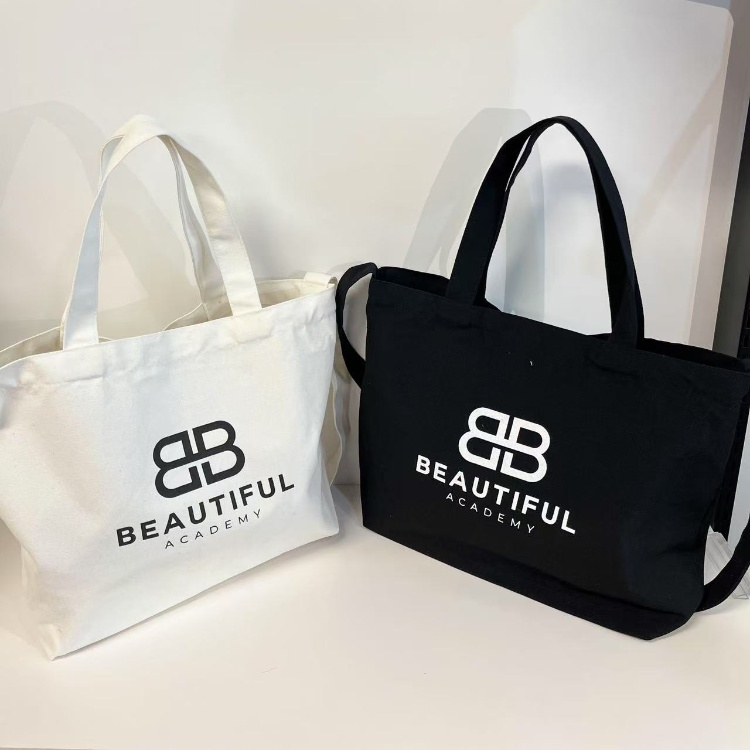
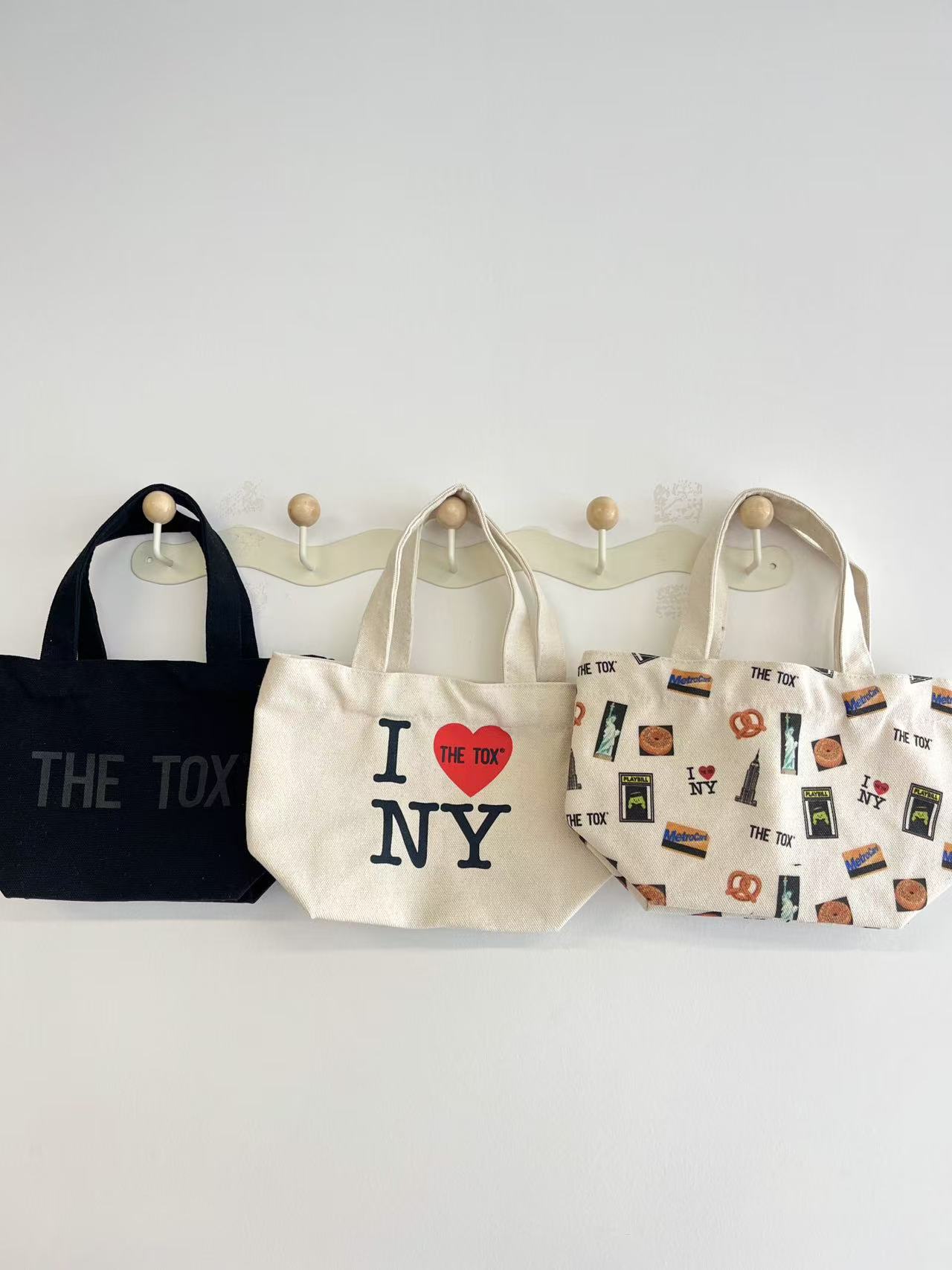
- Canvas shopping bags for retail brands and custom canvas bag options
- Custom drawstring bag supplier guide and custom drawstring bag options
- China cosmetic bag manufacturers guide and custom cosmetic bag options
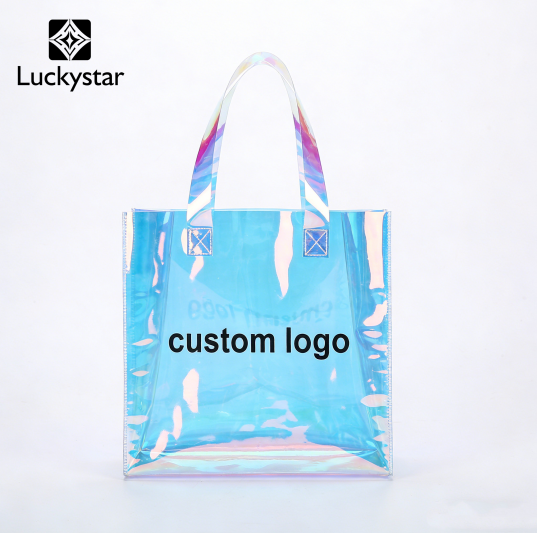
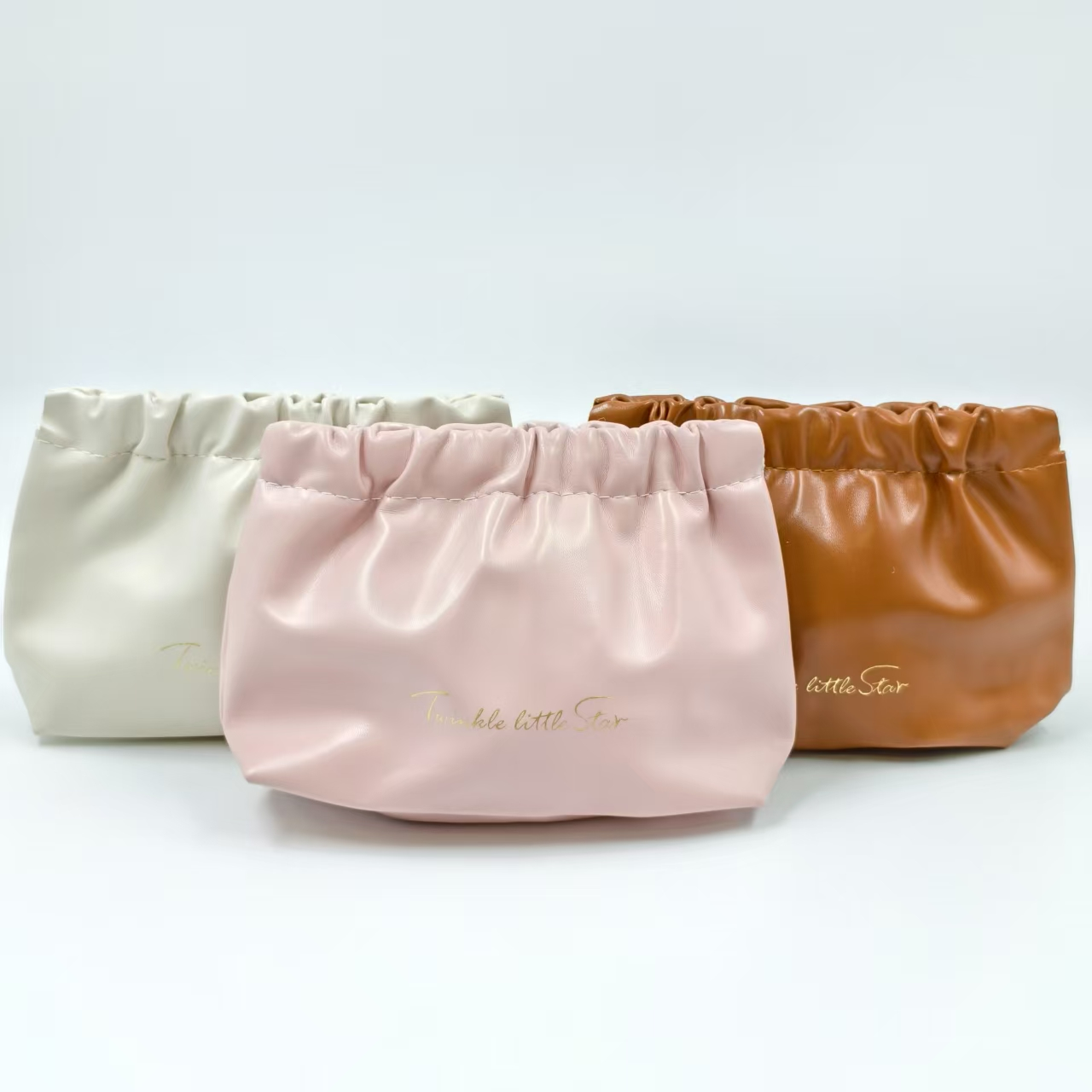
- Custom shopping bags and custom pouch bags
FAQ about working with a custom bag manufacturer
What is the difference between a custom bag manufacturer and a catalog supplier?
A catalog supplier usually begins with an existing product and a limited customization menu. A custom manufacturer can develop or adapt materials, dimensions, construction, components, decoration, labels, and packing. Some companies provide both routes, so confirm the actual scope for your project.
What information should I send for an accurate quote?
Send the intended use, dimensions, material direction, features, logo method and size, quantity by color or design, packing, destination, testing needs, and delivery target. Include a tech pack, reference sample, drawing, or annotated photos when available.
Does a lower MOQ mean the manufacturer is a better fit?
No. A low MOQ can be valuable for testing, but it may depend on stock materials, a standard construction, or limited options. Compare product fit, sample quality, total landed cost, quality controls, and repeat-order capability alongside the minimum quantity.
Why is the approval sample so important?
It converts subjective expectations into a physical reference for dimensions, function, materials, decoration, and workmanship. It must still be supported by written specifications because a single sample cannot define every tolerance or packing requirement.
How should I verify quality before shipment?
Approve measurable requirements before production, check materials and first output, inspect during production where appropriate, and run a final inspection against the approved sample, specification, quantity, and packing standard.
Turn your idea into a quote-ready brief
Browse the current OEM/ODM product range to identify relevant constructions before the quote brief is finalized. Prepare the bag type, dimensions, material direction, quantity, logo, required features, packing, destination, and target date. If some details are undecided, identify them clearly so the manufacturer can compare realistic options instead of guessing.
Learn more about Luckystarcreation, review the complete custom bag manufacturing buyer guide, or send your project requirements for a quotation.
Email a prefilled custom bag manufacturing brief