Last reviewed: September 28, 2026
Buyer Quick Answer
A reliable custom T-shirt manufacturer should prove that an approved sample can be transferred into bulk without losing fabric identity, fit, color, decoration, construction or packing instructions. The buyer should freeze one controlled reference package, approve a first-off garment made under bulk conditions, trace fabric and decoration lots, and release finished cartons against the same revision.
Best first request: ask for a sample-to-scale control map showing the approved sample ID, BOM and fabric lot rules, pattern and grading revision, measurement method, artwork settings, first-off approval, inline checkpoints, final release records and reorder archive.
A good sample is not proof of a reliable bulk order. It proves that one garment could be made once. Scale introduces new fabric rolls, shade groups, cutting lays, size ratios, operators, machines, print batches, packing lines and delivery allocations. Every handoff can create drift even when no one intentionally changes the design.
This guide explains how buyers can judge the transfer from sample to scale. It does not repeat general factory-selection advice, list every T-shirt printing method or promise a universal MOQ. For broader supplier governance, use the Custom Bag Manufacturer Guide as the core sourcing hub and the manufacturer selection checklist for commercial due diligence.
Scope: Sample-to-Scale Continuity
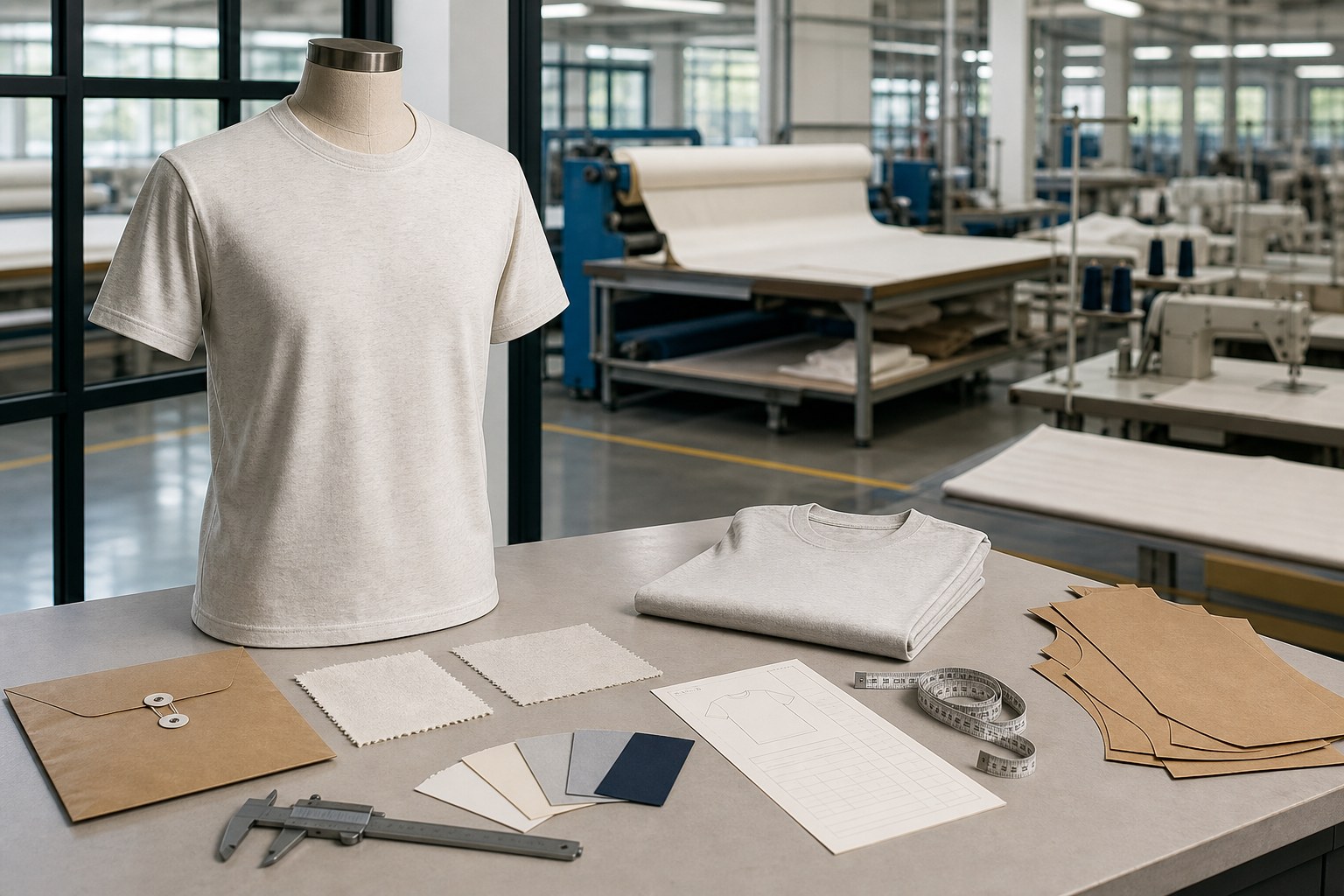
This page focuses on continuity between the approved T-shirt and the bulk order. It is narrower than a general apparel partnership guide and more production-specific than a style or decoration article. The central question is not whether a supplier can make T-shirts. It is whether the supplier can preserve the decisions that made the approved sample acceptable when quantity, colors, sizes and delivery points multiply.
The related global custom apparel working framework covers communication and cross-category coordination. This T-shirt guide stays with the technical and documentary controls needed during scale-up.
Start With the SKU and Destination Matrix
Scale begins with arithmetic. List every style, color, size, decoration version, label language, packing configuration and destination. Show ordered quantity at each intersection rather than sending a headline total. A 10,000-piece order can behave like one efficient run or dozens of small changeovers depending on the matrix.
Mark which SKUs share fabric, rib, artwork, labels and cartons. Identify launch priorities and destination cutoffs. This matrix becomes the basis for fabric allocation, marker planning, line loading, decoration batching and packing. If it changes, the manufacturer should recalculate material, yield, capacity and shipment consequences before accepting the revision.
Build One Continuity Record
| Control layer | Approved reference | Scale-up evidence | Reorder evidence |
|---|---|---|---|
| Fabric and color | Coded swatch, construction, composition, weight, finish and color master | Roll and lot records, shade grouping, incoming checks | Mill code, retained swatch and approved variation |
| Pattern and fit | Pattern, measurement chart, method, tolerance and size grade revision | Marker version, first-off and sampled measurements | Archived files and change history |
| Decoration | Artwork, placement coordinates, color and approved strike-off | Production setup, first print and batch checks | Screens/files, settings and color reference |
| Construction and finish | Seam, stitch, neck rib, label and appearance standard | Line-start approval and inline defect records | Retained garment and approved detail photos |
| Packing and allocation | Fold, labels, polybag, assortment and carton marks | Packing audit and carton traceability | SKU and destination history |
Choose the Manufacturing Route Before Sampling
A blank-garment decorator starts with an existing T-shirt platform. The buyer can usually control artwork, placement and some labels, but fabric and fit may be fixed. A cut-and-sew manufacturer develops or adapts the pattern, fabric, grading and construction. A full-package route can coordinate material, sewing, decoration, labels, packing and shipment.
None is automatically more reliable. Reliability begins when the supplier states what is fixed, what is customizable, what is subcontracted and what record will connect the sample to production. A buyer who needs a proprietary silhouette should not approve a convenient stock blank and assume custom fit will be added later.
Treat the Approved Sample as a Configuration
The physical sample is important, but it cannot contain every decision. Seal it together with the BOM, fabric and color references, pattern revision, graded measurement chart, point-of-measure diagrams, construction details, artwork files, decoration setup, label files, care instructions and packing specification.
Give the package a revision and approval date. Identify who approved it and list any authorized departures. If the sample uses substitute fabric, temporary labels or a non-production print route, state that visibly. An attractive development sample with hidden substitutions is not a bulk reference.
Know What Each Sample Stage Can Prove
A development sample can test concept and feasibility. A fit sample can close silhouette and measurements. A size set can reveal grading behavior. A decoration strike-off can validate color, edge, hand and placement direction. A pre-production sample should combine production-intent materials, pattern, construction, decoration, labels and finish.
Even a complete pre-production sample does not prove that every fabric roll, cutting lay or print batch will match. It becomes the reference for the controls that must follow. Approve the stage only when the open questions for that stage are actually closed.
Convert the Approved BOM Into a Purchasing Release
The merchandiser should translate the approved configuration into purchase lines for body jersey, neck rib, sewing thread, inks or transfers, labels, tags, bags and cartons. Each line needs a supplier code, color, unit, required quantity, allowance assumption, approved reference and permitted substitute status.
Separate forecast from released quantity. Record purchase dates, expected arrival, inspection status and shortage risk. A reliable manufacturer does not quietly change rib, thread or packaging because a small component missed the production window. The change path should show the impact and return the decision to the authorized buyer.
Control Shade by Roll and Lot
Bulk fabric can arrive in several dye or finishing lots. The supplier should identify rolls, inspect shade and group compatible material before cutting. Garment panels should not be mixed casually across shade groups. If a style has several delivery destinations, allocate shade groups deliberately rather than discovering variation after packing.
Approve color on the actual substrate under agreed viewing conditions. Heather yarns, reactive dye, pigment dye, garment wash and polyester-rich blends can change how a nominal color appears. Keep a physical master and document whether it represents the fabric before or after care.
Release Cutting by Lot, Width and Marker
Marker efficiency depends on usable width, size ratio, fabric direction, defect allowance and permitted ply length. Confirm those inputs before issuing the marker. Group compatible rolls, assign them to planned lays and record which size bundles came from each lay. Do not solve a width shortfall by silently narrowing panels or changing the approved size ratio.
Use bundle tickets or another durable identifier through sewing and decoration. The record should connect style, color, size, lay, fabric group and quantity. When a shade or measurement anomaly appears, production can contain the affected bundles instead of stopping or accepting the entire order.
Control the Digital Pattern and Work-Order Handoff
Issue one production folder containing pattern, grade, marker rules, measurement chart, construction pages and approved comments. The work order should name the released revision and the exact file set, not attach several alternatives. Archive superseded files away from the live production location.
Before cutting, compare the digital file metadata with the released document and verify a representative paper or plotted pattern. If a late adjustment is approved, regenerate every affected marker and work-order page. A reliable handoff prevents the sample-room version and the bulk-cutting version from quietly diverging.
Validate Grade Rules and the Real Size Ratio
Do not assume a good base size proves the full range. Chest, shoulder, sleeve, neck opening and body length may need different grade behavior. Review representative small, middle and large sizes, especially when the program includes extended sizes or a deliberately oversized fit.
The purchase order size ratio affects cutting lays and line flow. Confirm the approved size breakdown before marker planning. Late ratio changes can create fabric shortages, inefficient lays or rushed size substitutions even when total quantity stays the same.
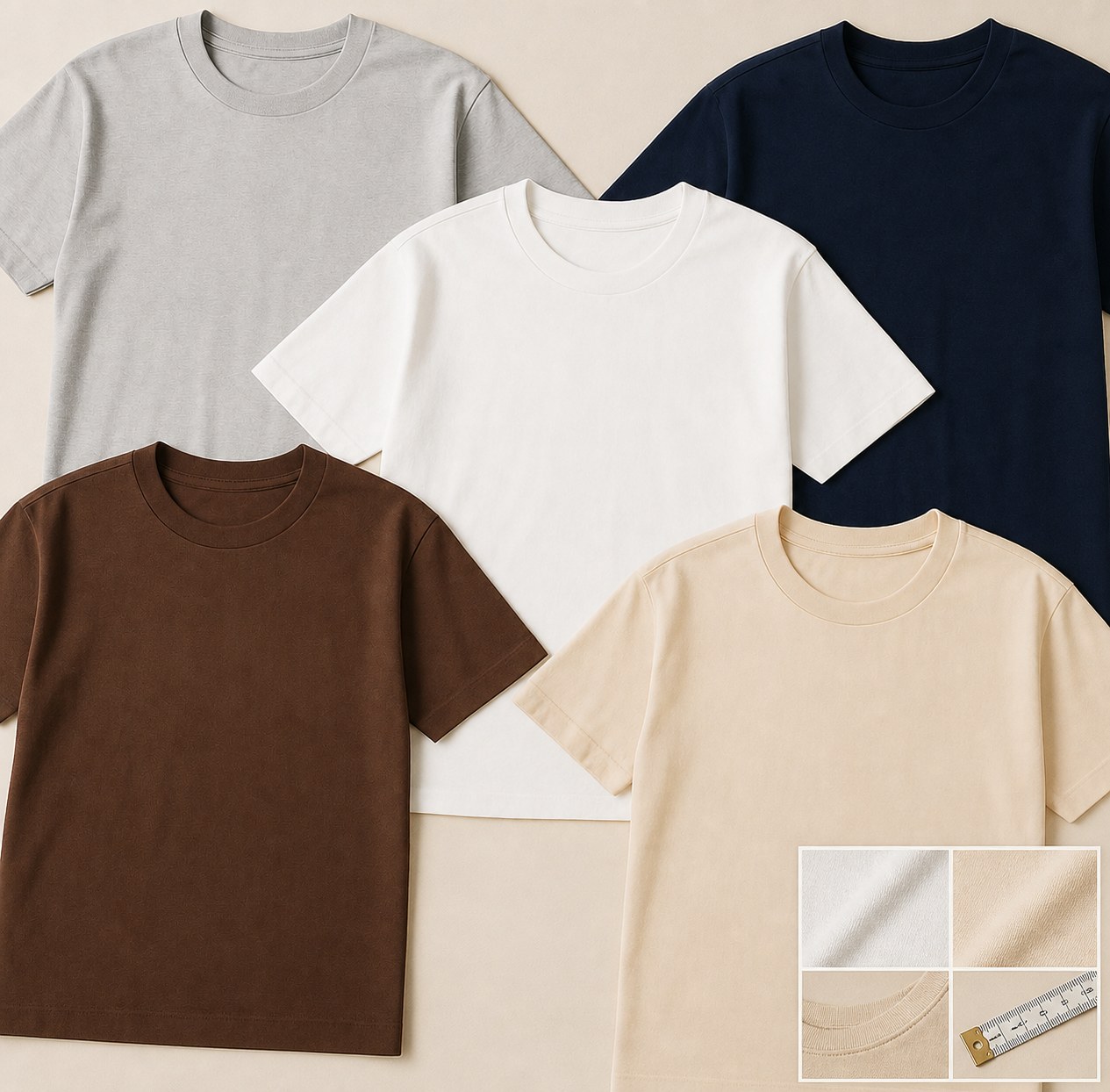
Translate Artwork Into Production Settings
An approved visual is not enough. Record artwork revision, finished size, placement coordinates, color references, underbase or layer order where relevant, mesh or transfer route, cure or press conditions, embroidery file and backing choice, and any wash or hand-feel expectation. Approve the strike-off on the actual bulk fabric or a demonstrably equivalent substrate.
Decoration belongs to other dedicated pages when it is the main buying question. Use the custom embroidery T-shirt guide, embroidery branding workflow and sublimation apparel guide for method-specific planning. Here, decoration is controlled only as part of sample-to-bulk continuity.
Approve a First-Off Garment Under Bulk Conditions
The first-off is the first complete garment made with released bulk inputs and production settings. Compare identity, fabric, shade, measurements, seams, neckline, decoration, labels and finish against the approved package. Review it after any production wash, pressing or treatment that can change the result.
Do not treat the first-off as a ceremonial photo. Record the actual values, findings, approval decision and corrective actions. If the first-off fails, stop the affected route, correct the cause and approve a new first-off before quantity accumulates.
Scale the Line Without Mixing Revisions
A large order may run on several lines, shifts or decoration stations. Each route needs the same released files and a controlled line-start sample. Operators should see the approved construction details and defect limits at the relevant station, not rely on memory or a distant showroom sample.
Record machine or station changes that can affect neckline, hem, topstitching or decoration. A stable process does not require every check on every piece, but it does require checks at meaningful change points.
Use Inline Checks to Stop Repetition
Inline control should inspect the operations that create repeated risk: panel matching, shoulder and neck assembly, rib attachment, sleeve setting, hem and coverstitch, label placement and decoration registration. Track defects by type, line, size, color and material group so correction targets the cause.
A final inspection can detect a recurring defect after thousands of pieces exist, but it cannot make that a good process. The supplier should show how inline findings trigger containment, repair, retraining or setting adjustment.
Use a Pilot Run to Test the Production Route
For a new or complex program, a controlled pilot can expose problems that one sample cannot: marker yield, bundle identification, neck-rib feeding, decoration queue, operator learning, size changeover, pressing, folding and barcode flow. Define what the pilot must answer and prevent unapproved pilot pieces from entering saleable stock.
Include the applicable care and appearance review in the pilot plan. AATCC publishes TM150 for dimensional changes of garments after home laundering and lists related methods in its textile testing standards directory. ASTM D3512/D3512M-22 explains that pilling and surface change depend on fiber, yarn, construction, finish and care. Select methods and limits with a qualified laboratory; the pilot is a process decision, not a reason to invent a universal pass value.
Ramp Quantity Through Controlled Handoffs
| Handoff | Operational question | Record | Containment trigger |
|---|---|---|---|
| Purchasing to warehouse | Did the planned material, quantity and lot arrive? | Receipt, lot map and shortage list | Wrong code, shade group or missing component |
| Warehouse to cutting | Are width, marker, ratio and lay assignments aligned? | Lay plan, marker version and bundle IDs | Yield variance or unapproved file |
| Cutting to sewing | Can each bundle and size follow the released route? | Input count, line-start sample and WIP board | Bundle loss, mixing or repeated station defect |
| Sewing to decoration | Does the queue preserve SKU and artwork identity? | Batch ticket, setup and first production result | Wrong artwork, placement or mixed sizes |
| Finishing to packing | Do good pieces reconcile with SKU and destination demand? | Output balance, repair status and carton allocation | Unexplained shortage or assortment mismatch |
Trace Cartons to Size, Color and Destination
Packing errors can erase good manufacturing. Freeze folding, labels, size stickers, barcodes, polybags, assortments, carton quantity and marks. Check actual SKU combinations at line start and during packing. A master carton should not be the first time the buyer discovers a size label mismatch.
For multi-location programs, retain a carton-to-destination allocation record. If a shade, decoration or label issue is found later, traceability allows focused containment instead of recalling every delivery.
Treat Every Reorder as a Controlled Scale-Up
A repeat PO may use a new fabric lot, different season, new operators or replacement inks. Retrieve the retained garment, fabric reference, approved files, change history and previous inspection findings. Confirm which inputs are truly repeatable before promising a match.
If an original material is unavailable, document the proposed replacement and reopen the affected approvals. "Similar" is not an approval status. A reorder record should explain what stayed the same, what changed and who accepted the change.
Compare Scale-Up Behavior, Not Sales Language
| Review area | Weak answer | Reviewable answer | Evidence to request |
|---|---|---|---|
| Sample control | "Bulk will be the same" | Named reference package and revision process | Example release sheet |
| Fabric lots | "Same composition and GSM" | Roll identity, shade grouping and substitution approval | Incoming and lot record |
| Multiple lines | "High capacity" | Line-start sample and change-point checks for each route | First-off and inline report |
| Decoration | Method name only | Artwork, placement and production settings tied to approval | Strike-off and first batch |
| Reorder memory | Old PO number only | Archived materials, files, findings and approved changes | Reorder comparison record |
Keep Related T-Shirt Programs in Their Own Scope
Use the bulk promotional T-shirt guide for campaign quantity and distribution priorities, the custom polo manufacturer guide for collars and professional polo construction, and the corporate uniform supplier guide for workforce consistency and allocation.
For a broader apparel capsule, see the basic wear fit and fabric guide. Hoodie-specific fabric, rib and hood approval belongs in the hoodie supplier approval guide. Buyers combining garments with bags, caps and accessories can also use the cross-category supplier overview and the design-to-delivery manufacturing process.
What to Send for a Useful Quote
Send product use, target market, quantity by color and size, delivery destination and date, manufacturing route, fabric direction, fit reference or measurement chart, artwork files, decoration dimensions, labels, packing needs and required tests. Mark which elements are approved and which remain open.
If the design is early, separate must-have requirements from variables the supplier may propose. Comparable quotes require comparable scope. Ask each supplier to identify assumptions, exclusions, subcontracted steps and the approvals that start material booking.
How LUCKYSTAR Can Support the Review
LUCKYSTAR can review a T-shirt brief as part of a wider custom merchandise program, help organize material, fit, decoration, labeling and packing decisions, and align approval records with production checkpoints. Available routes, minimums, tests and schedules depend on the actual specification and should be confirmed before order release.
The objective is not to replace buyer approval with a generic promise. It is to make the sample-to-scale transfer visible enough for both sides to review, correct and repeat. The core manufacturer guide connects this apparel workflow to the broader sourcing system.
Frequently Asked Questions
Does an approved pre-production sample guarantee bulk quality?
No. It creates the reference for bulk control. Reliability still depends on matching fabric lots, released files, first-off production, inline monitoring, final inspection and packing records to that reference.
What is the most important record for scaling a T-shirt order?
Use one revision-controlled package combining the sealed sample, BOM, fabric and color references, pattern, grade, measurement method, artwork, construction, labels, care and packing instructions. No single photograph can replace it.
Should every fabric roll be tested the same way?
The control plan should reflect lot structure and risk. Rolls must remain identifiable, while inspection and testing frequency should be agreed for the material, process, order size and buyer requirement.
Why approve a first-off if the sample is already approved?
The first-off confirms that bulk fabric, released pattern, production machines, operators, decoration settings and finishing route can reproduce the approved configuration under real line conditions.
Can a reorder use the previous approval automatically?
Only after confirming that the relevant inputs and processes remain available. New fabric lots, replacement materials, different lines or updated files may require partial reapproval.
What should a buyer ask before placing a deposit?
Confirm scope, assumptions, material and color route, MOQ by variable, sample stages, revision ownership, first-off approval, testing, inspection, packing, schedule gates, change control and responsibility for substitutions.
Turn One Good Sample Into a Repeatable Order
Review the current custom T-shirt range to define the starting product route. A reliable custom T-shirt manufacturer does not ask the buyer to trust scale blindly. The manufacturer shows how the approved sample becomes released data, controlled inputs, first-off evidence, inline decisions, traceable cartons and a usable reorder archive. That system protects the product when volume grows.
Send LUCKYSTAR your target fabric, fit, quantities, artwork, labels, packing plan and delivery requirements for a specification review and quotation.
Email a prefilled sample-to-scale brief