Last reviewed: September 28, 2026
A successful global custom apparel partnership is not defined by a meeting, a catalog, or a fast quotation. It is defined by what happens after the first conversation: how the brand brief becomes a controlled specification, how sample comments are recorded, how material and fit decisions are approved, and how the same requirements reach production, packing, and shipment.
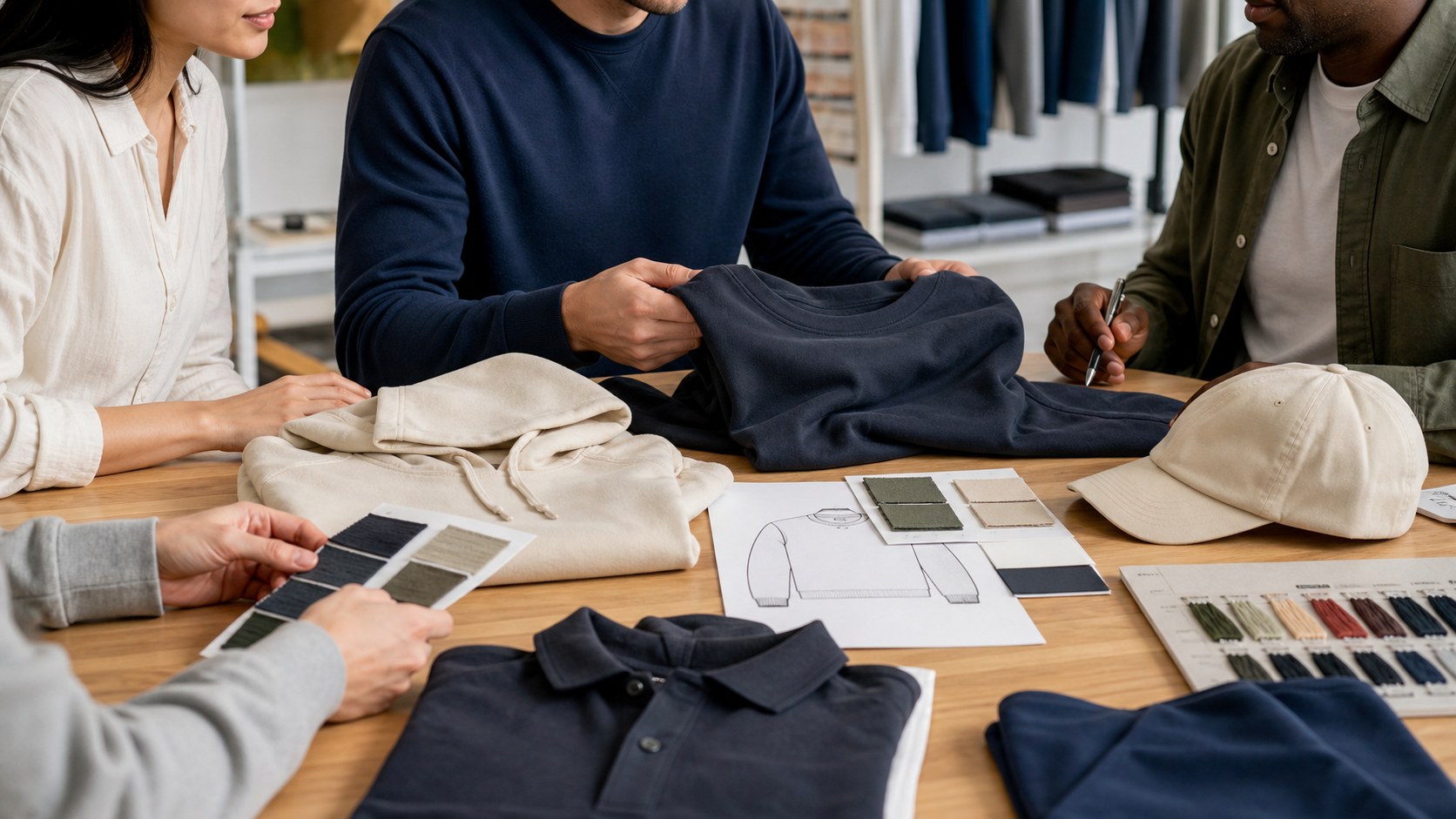
This article explains the collaboration system behind a multi-market apparel program. It does not repeat every product-specific sourcing guide on the site. If bags are a major part of the collection, start with our Custom Bag Manufacturer Guide. For the responsibilities a day-to-day manufacturing partner should own, use the manufacturer partnership overview.
What must a global custom apparel partnership control?
Distance is not the main difficulty in international development. The larger risk is an uncontrolled handoff: the brand approves one detail, the sample room interprets another, purchasing orders a substitute, and production follows an outdated file. A useful partnership creates a visible chain from commercial intent to production evidence.
| Workstream | Brand responsibility | Partner responsibility | Approval evidence |
|---|---|---|---|
| Product intent | State the wearer, channel, use, positioning, target date, and non-negotiable features | Identify missing information, technical conflicts, and realistic development options | Approved brief with assumptions and open points |
| Product development | Consolidate fit, appearance, function, and branding comments | Develop materials, pattern, construction, decoration, labels, and samples | Current specification, revision record, and approved sample |
| Commercial control | Confirm quantities by style, color, and size plus destination and delivery need | Explain quote inclusions, quantity assumptions, payment gates, and change triggers | Comparable quotation tied to the approved scope |
| Bulk execution | Freeze decisions and respond quickly to documented exceptions | Control materials, first output, production status, quality, and packing | Production references and inspection records |
| Delivery handoff | Provide routing, consignee, compliance, and document requirements | Confirm pack-out, cartons, quantities, documents, and dispatch information | Final release record and shipment file |
Choose the service model before discussing price
“Custom apparel” can mean a logo on a proven base garment, an adapted private-label platform, or an original cut-and-sew design. These routes require different information, sampling depth, material commitments, and production planning. The buyer should select the route that protects the product goal rather than defaulting to the maximum level of customization.
| Development route | Best fit | Minimum buyer input | Primary control point |
|---|---|---|---|
| Decoration on an established base | Events, uniforms, promotions, and fast brand programs | Garment choice, color, size ratio, artwork, placement, packing, quantity, and date | Decoration compatibility and approved strike-off or sample |
| Adapted private label | Brands needing a distinct fit, fabric, trims, labels, or finish without starting from zero | Reference style, target fit, material direction, brand standards, labels, and packaging | Clear record of what is standard and what is modified |
| Full custom cut and sew | Original silhouettes, technical construction, or brand-owned product architecture | Technical drawings, measurements, materials, construction, performance, artwork, and decision owner | Pattern, fit, graded measurements, and sealed production reference |
Buyers can review current platform options in custom T-shirts, custom hoodies, and custom baseball caps. Product pages are useful starting points; the approved specification must still describe the exact order.
Build one source of truth across time zones
Messages are useful for speed, but a long message history is not a production specification. Keep one current file or controlled record that another team member can understand without joining every call. Give each revision a number and date, identify who approved it, and close superseded versions.
- One decision owner: the brand should consolidate internal opinions before sending comments.
- One change list: separate required corrections from optional ideas and future-season notes.
- One approval language: distinguish “reviewed,” “approved with changes,” and “approved for bulk.”
- One exception process: no material, color, construction, artwork, or packing substitution without a documented decision.
- One meeting recap: record decisions, owners, due dates, and unresolved questions after calls.
A production-ready brief answers commercial and technical questions
A mood board can communicate style, but the production team also needs the product type, target wearer, market, size range, intended season, fabric composition or performance direction, fabric weight or hand feel, fit reference, construction details, decoration, labels, packaging, quantities by variant, destination, testing needs, and target delivery date. Mark what is fixed and where the partner may recommend alternatives.
For category-specific decisions, see the guides to a reliable custom T-shirt manufacturer, hoodie fabric, fit, and finish, and choosing a baseball cap supplier. These pages go deeper into individual products; this page focuses on keeping a combined program aligned.
Use sample gates, not an endless revision loop
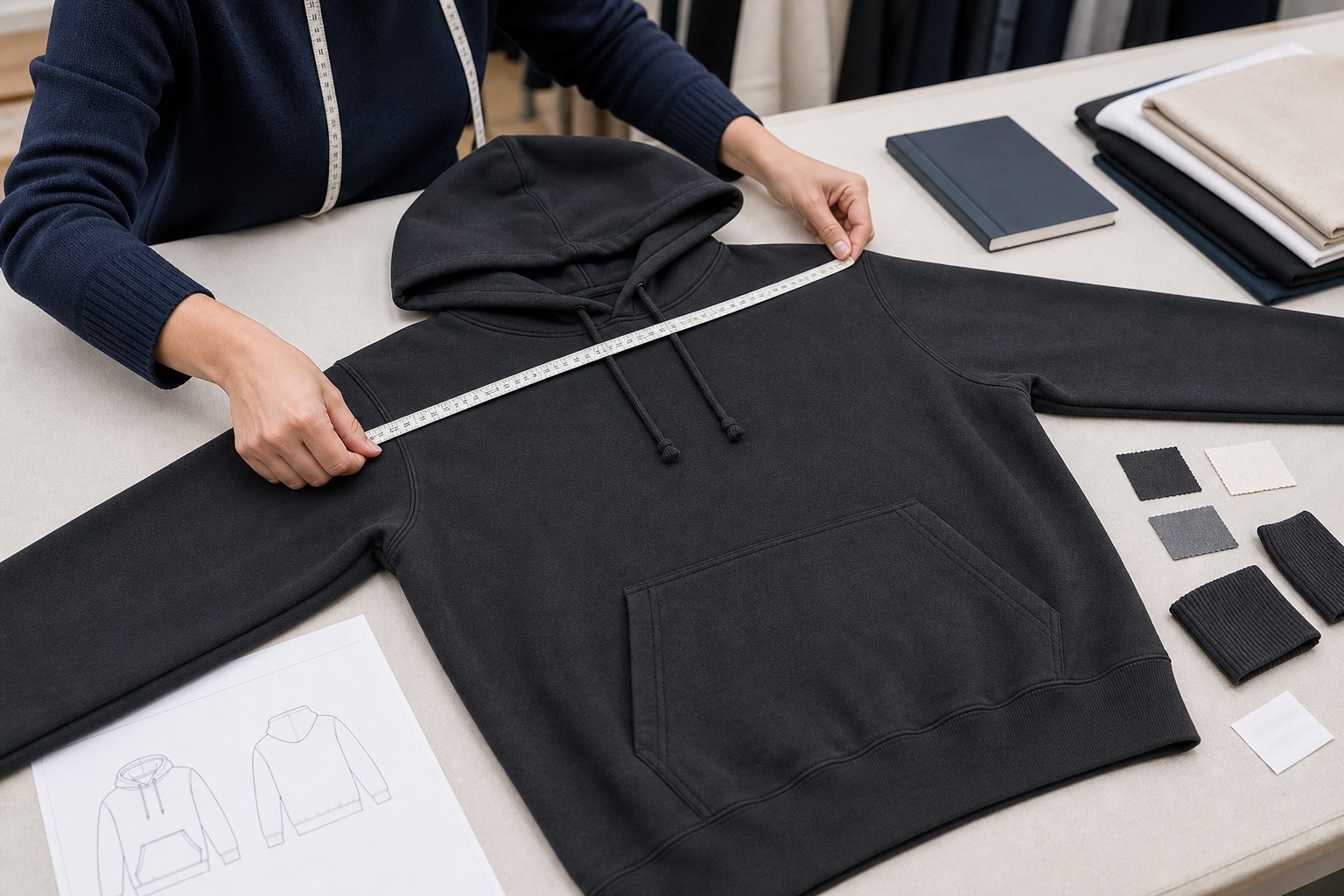
Different projects may require a development sample, fit sample, decoration sample, size set, pre-production sample, or a combination. The names matter less than the purpose of each gate. Before requesting another sample, state what it must prove and which decisions will be closed if it passes.
| Approval gate | What to review | What to record | Do not release if… |
|---|---|---|---|
| Material | Composition direction, weight, hand feel, stretch, surface, shade, and trim compatibility | Supplier code, swatch or lab reference, date, and intended use | The bulk material may differ from the approved reference without consent |
| Fit and construction | Measurements, balance, movement, seam construction, pockets, closures, and reinforcement | Measured sample report and consolidated change list | Critical measurements, grading rules, or construction details remain open |
| Decoration and branding | Artwork size, position, color, surface result, labels, hangtags, and care content | Actual-size artwork, placement measurements, color reference, and approved execution | The approved result has not been tested on the production material |
| Pre-production | All final specifications, materials, trims, workmanship, labels, folding, and packing | Sealed reference and signed release notes | Sample differences and bulk corrections are not explicitly documented |
Coordinate decoration with the real garment surface
Embroidery, screen print, transfer, sublimation, labels, and patches respond differently to cotton jersey, brushed fleece, performance polyester, rib knit, seams, and garment washes. Approve branding on the intended material and record size, color, position, orientation, backing, and acceptable variation.
For deeper decoration decisions, compare custom embroidery T-shirts, embroidery branding options, and sublimation apparel development. Hoodie buyers can also review custom print hoodie factory controls.
Build a collection without forcing every category into one specification
A coherent program may include tees, hoodies, polos, caps, tote bags, drawstring bags, and retail packaging. The range can share brand colors, artwork rules, labels, delivery windows, and pack-out logic, but each category should retain its own material, construction, sampling, and quality plan.
Use the basic wear fit, fabric, and accessories guide to plan a modular assortment. The bags, caps, and hoodies supplier guide addresses cross-category coordination, while the custom caps global branding example shows why one brand system can travel across product types.
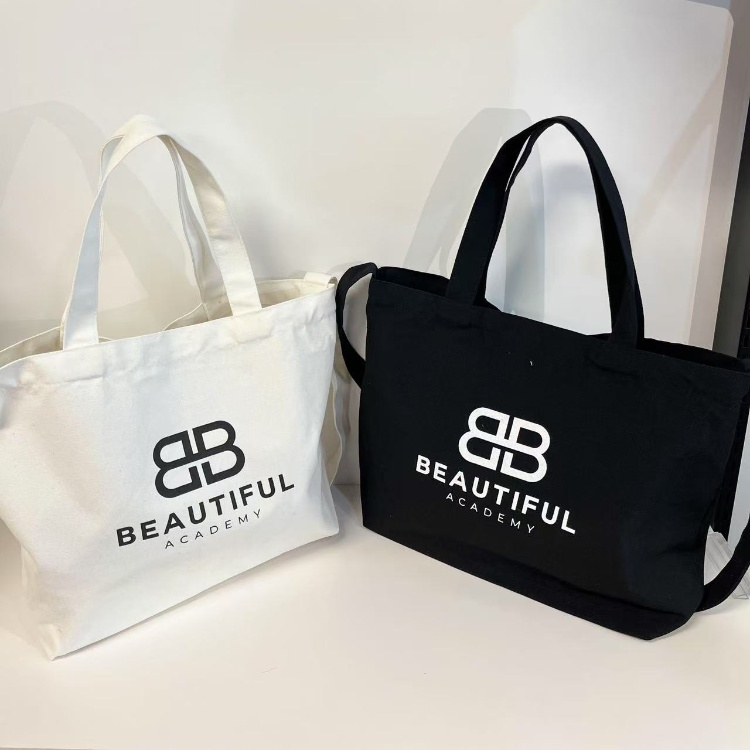
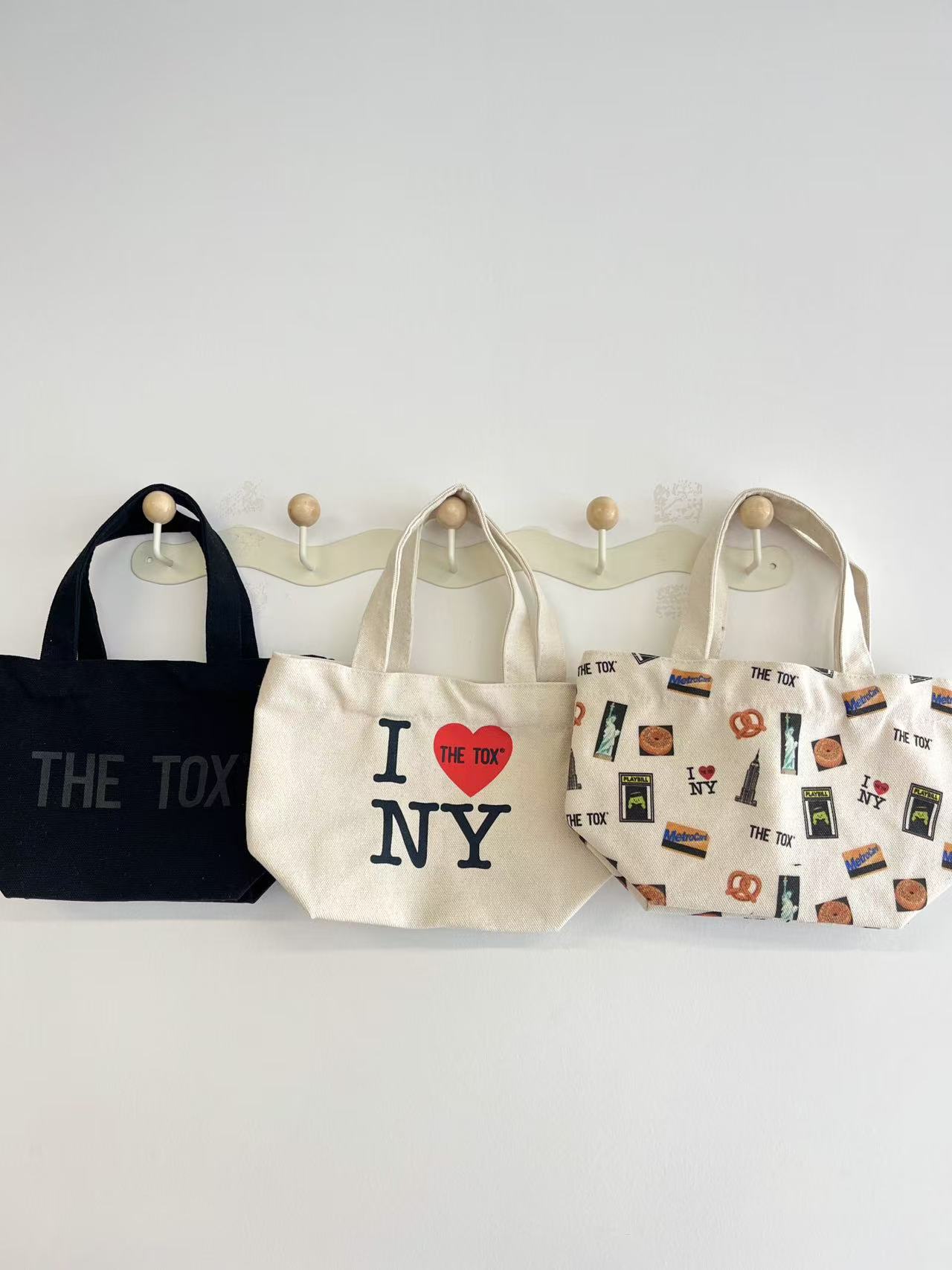
When the collection adds accessories, compare the relevant platform pages for custom tote bags and custom drawstring bags. The broader custom bags and branding guide explains their role in visibility and customer experience.
Quality reporting should make exceptions visible
“Quality checked” is not a complete standard. The inspection plan should identify the approved references, measurement points, tolerances, visual defects, functional checks, decoration criteria, size and color coverage, packing rules, sample method, and release owner. Incoming material review, first-output confirmation, in-line checks, and final inspection solve different problems.
- Check garment measurements against the approved size specification and stated tolerances.
- Review construction and appearance under consistent conditions, including shade and surface differences.
- Test decoration and labels against approved artwork, position, color, and durability requirements.
- Confirm quantities by style, color, and size—not only the total number of pieces.
- Verify folding, assortments, polybags or alternative packing, carton marks, and carton quantities.
For a bag or accessory component of the program, the custom bag quality inspection checklist provides category-specific release criteria without turning this apparel partnership page into a second bag-quality article.
Plan international handoffs before production finishes
Destination, delivery window, packing dimensions, labeling, commercial documents, inspection timing, and freight responsibility influence decisions made before the last carton is closed. Confirm the agreed Incoterm and identify who owns export documents, freight booking, customs information, and final delivery. Avoid promising a landed date from a production-completion date alone.
For larger recurring apparel programs, the promotional T-shirt bulk guide, wholesale crewneck sweatshirt guide, and sports-team hoodie wholesale guide provide channel-specific planning context.
Red flags that weaken an international partnership
- A firm price or delivery promise is offered before material, construction, quantities, branding, packing, and destination are understood.
- Sample changes exist across multiple chats, spreadsheets, or marked photos with no current master record.
- The supplier may change material, trim, color, decoration, or construction without written approval.
- The brand sends conflicting comments from several decision makers.
- Bulk production can begin while important fit, grading, artwork, label, or packing points remain open.
- Quality control is described only as a final check, with no measurable release criteria.
- International delivery is discussed only after production, leaving routing and document requirements unresolved.
Where Ningbo Luckystar fits in a cross-category program
Ningbo Luckystar Commodities Co., Ltd. supports brands and commercial buyers coordinating custom apparel, caps, bags, and related merchandise. The useful starting point is not a generic request for “best price.” It is a brief that shows the collection role of each item, the decisions already made, the decisions still open, the required quantity, the destination, and the target date.
Explore the Luckystar product range for available categories and read About Ningbo Luckystar for company context. For bag-focused sourcing—including materials, MOQ, cost, sampling, manufacturing, and supplier evaluation—return to the core custom bag manufacturer guide.
FAQ about global custom apparel partnerships
Does a partnership process replace a tech pack?
No. The partnership process controls responsibilities, approvals, and handoffs; the technical specification controls the product. Both are needed. A perfect file without decision ownership can become outdated, while good communication without measurable specifications still leaves room for interpretation.
Should every garment use the same factory or production route?
Not necessarily. A collection may require different skills for jersey, fleece, caps, decoration, or bags. The buyer needs one accountable coordination process and category-appropriate evidence, not a promise that every operation happens in the same room.
Can apparel, caps, and bags share one launch schedule?
Yes, but the schedule should work backward from the required delivery date and include separate material, sampling, production, inspection, and packing milestones for each category. A shared ship date does not mean identical lead times.
What should a brand send for an initial review?
Send the product list, reference images or samples, target customer and market, material or performance direction, sizes, colors, artwork, branding details, quantities by variant, packing needs, destination, required date, and any testing or documentation requirements. Identify which details are confirmed and which need recommendations.
Turn your collection into a reviewable brief
Browse the current custom product range to shortlist category platforms before the cross-category brief is released. Prepare the garment and accessory list, material direction, sizes, colors, quantities, branding, packing, destination, and target date. Mark the open decisions so the team can compare workable options instead of building a quotation on guesses.
Send your custom apparel and merchandise requirements for review.
Email a prefilled global apparel program brief

Ningbo Luckystar Commodities Co., Ltd.
Tel / WeChat / WhatsApp: +86 15957446693
Email: sales@luckystarcreation.com
Address: Room 2202, Meijin Building, No. 125 Mingyuan Lane, Ningbo, Zhejiang, China 315104