Last reviewed: September 28, 2026
Basic wear earns its place in a product range by doing more than looking simple. For a retailer, employer, event organizer, hospitality group, or merchandise buyer, a versatile basic garment must work across repeated wear, different body types, several decoration methods, and coordinated accessory programs. The commercial value comes from a dependable fit and specification—not from calling a product “timeless.”
This B2B guide explains how to turn T-shirts, sweatshirts, custom bags, and caps into a practical capsule program. It covers use-case planning, fabric weight, unisex fit, size allocation, decoration, sampling, packaging, and reorders. For a complete overview of bag development and supplier evaluation, use our custom bag manufacturer guide alongside this article.
Define Versatility by the Program, Not the Mood Board
A garment can appear adaptable in a photoshoot yet fail in a real buying program. A very oversized fit may suit fashion retail but create size-allocation problems for employee uniforms. A light jersey can feel comfortable but show print-through, twist after washing, or lack the structure required for embroidery. Start by defining where the product will be worn, who receives it, how often it is used, and how it will be replenished.
| Program | Primary requirement | Recommended basic wear | Accessory extension | Main buying risk |
|---|---|---|---|---|
| Retail capsule | Silhouette and perceived quality | Fashion or relaxed-fit tee | Tote and cap | Too many colors or weak size curve |
| Employee uniform | Fit coverage and repeatability | Regular unisex or gender-inclusive block | Backpack or work tote | Poor size allocation |
| Event merchandise | Fast distribution and clear branding | Midweight standard tee | Drawstring bag and cap | Date-driven delivery |
| Hospitality or service | Comfort and frequent washing | Stable regular-fit heavyweight tee | Role-specific cap or pouch | Shrinkage and color change |
| Creator or community drop | Distinct hand feel and artwork | Premium heavyweight oversized tee | Limited-edition canvas bag | Unproven demand |
Choose the Fit Block Before Choosing Colors
The fit block determines whether the collection can serve a broad audience. Do not evaluate a unisex T-shirt from chest width alone. Review body length, shoulder drop, sleeve opening, neck width, collar height, armhole depth, and grading between sizes. Ask the supplier whether the base pattern is proven, newly developed, or adapted from another market.
| Fit type | Visual character | Best use | Approval priority |
|---|---|---|---|
| Regular unisex | Balanced body and shoulder | Uniforms, events, broad audiences | Size coverage and consistent grading |
| Relaxed | More ease without extreme volume | Retail, lifestyle, employee kits | Length-to-width balance |
| Oversized | Dropped shoulder and wider body | Fashion and creator merchandise | Shoulder, sleeve, and body-length proportion |
| Performance-oriented | Cleaner shape with movement allowance | Active teams and field programs | Mobility, recovery, moisture management |
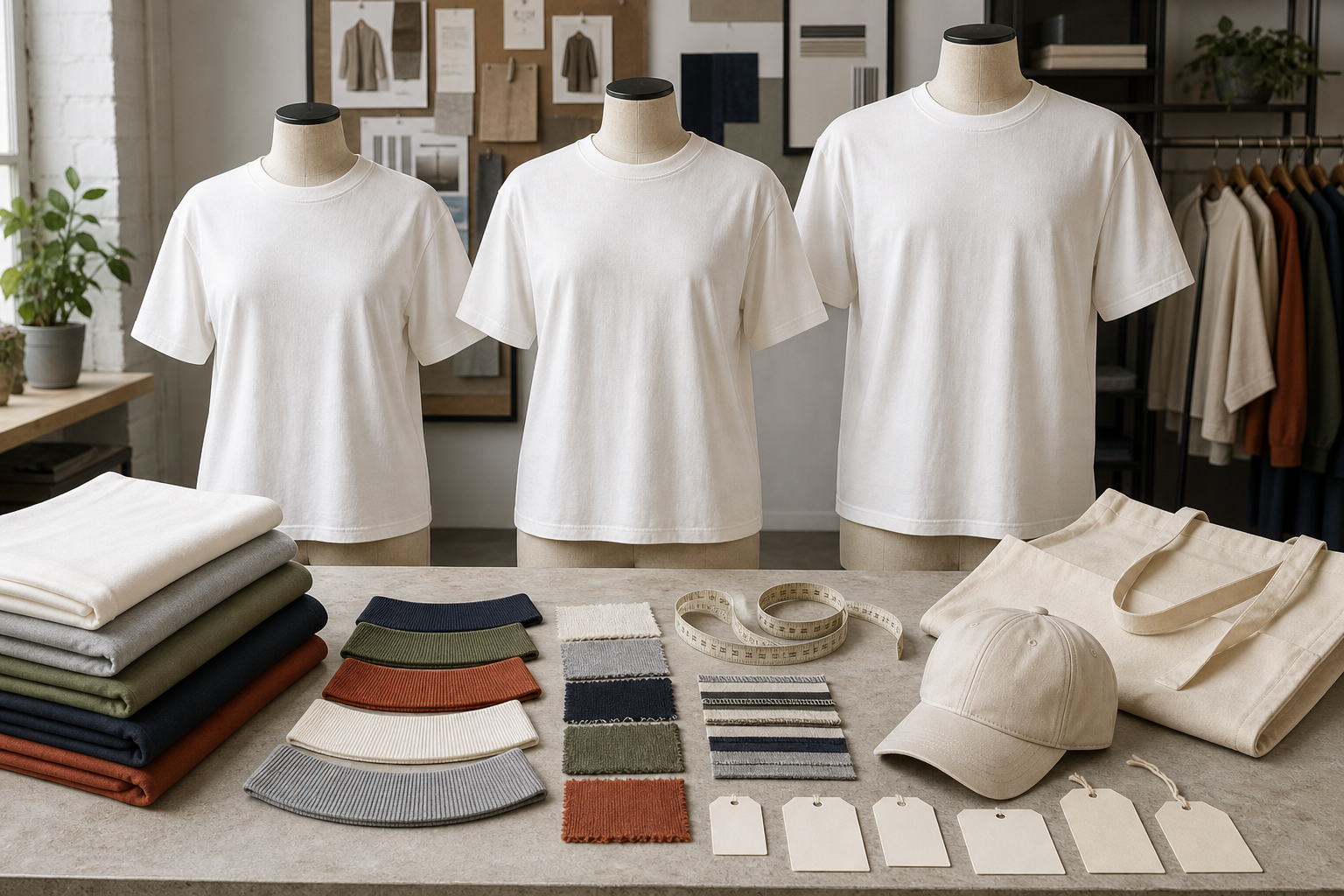
Approve at least three representative sizes on bodies or dress forms rather than scaling one flat photo. Record measurement points and tolerances in the specification. If the same garment will be supplied to several countries, confirm whether the size labels and customer expectations align with the intended market.
Select Fabric Weight and Finish for the Job
Fabric weight affects drape, opacity, durability, printing, packing volume, and perceived value. GSM is useful, but it does not describe everything: yarn count, knit density, fiber blend, compacting, enzyme washing, silicone softening, and garment dyeing can change how two fabrics at the same weight behave.
| Fabric direction | Typical feel | Suitable programs | Check during testing |
|---|---|---|---|
| Lightweight jersey | Soft, breathable, compact | Warm-weather events and layering | Opacity, twisting, print show-through |
| Midweight combed cotton | Balanced softness and structure | Uniforms, retail, general merchandise | Shrinkage, pilling, colorfastness |
| Heavyweight compact jersey | Dense, structured, premium | Oversized retail and creator drops | Drape, collar recovery, drying time |
| Cotton-poly blend | Stable and easier-care | Service, promotion, frequent wear | Pilling, heat response, shade migration |
For related garment options, review our custom T-shirts and custom hoodies. The right choice depends on climate, price point, wear frequency, decoration, and care expectations.
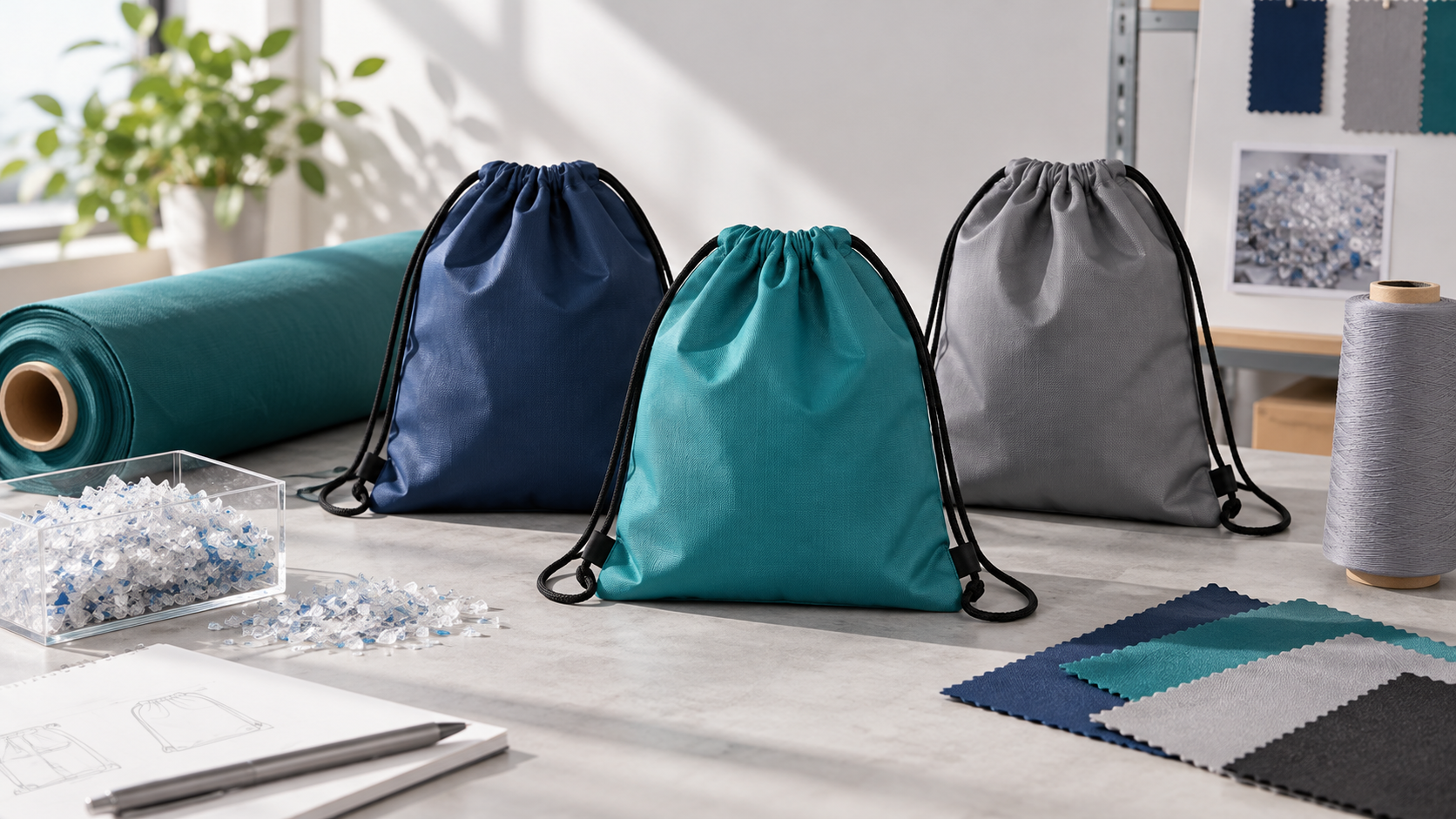
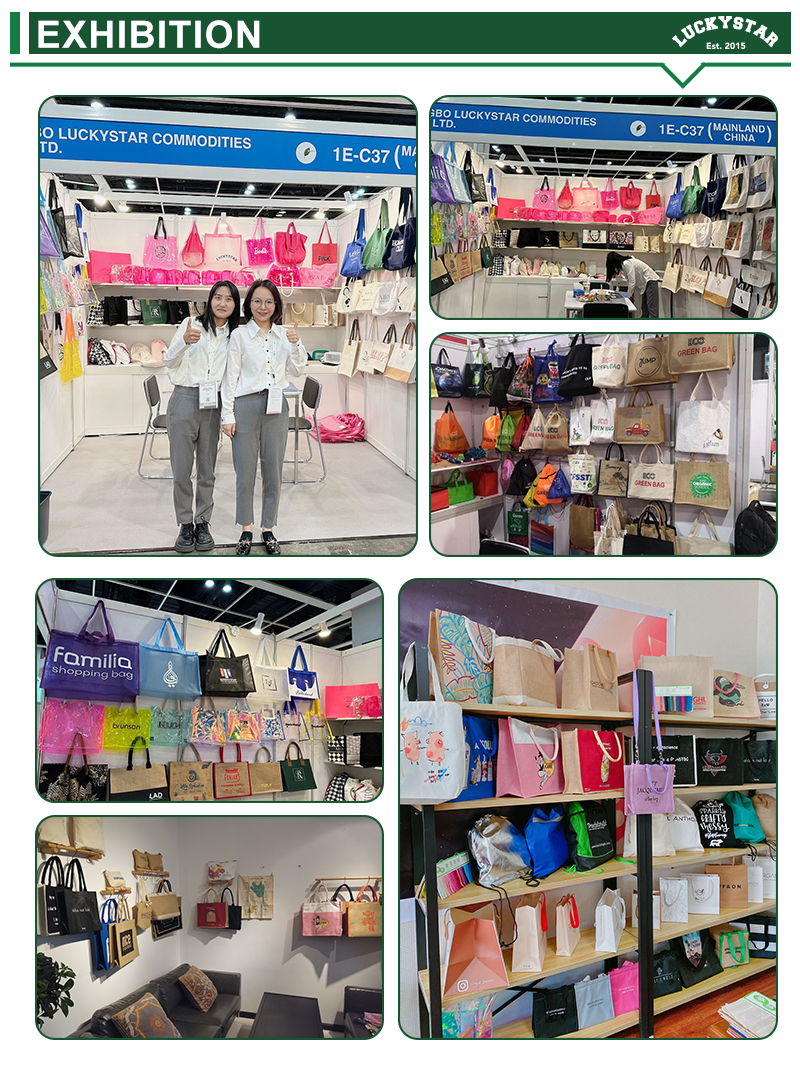
Original Collection Reference Gallery: Product and Material Direction
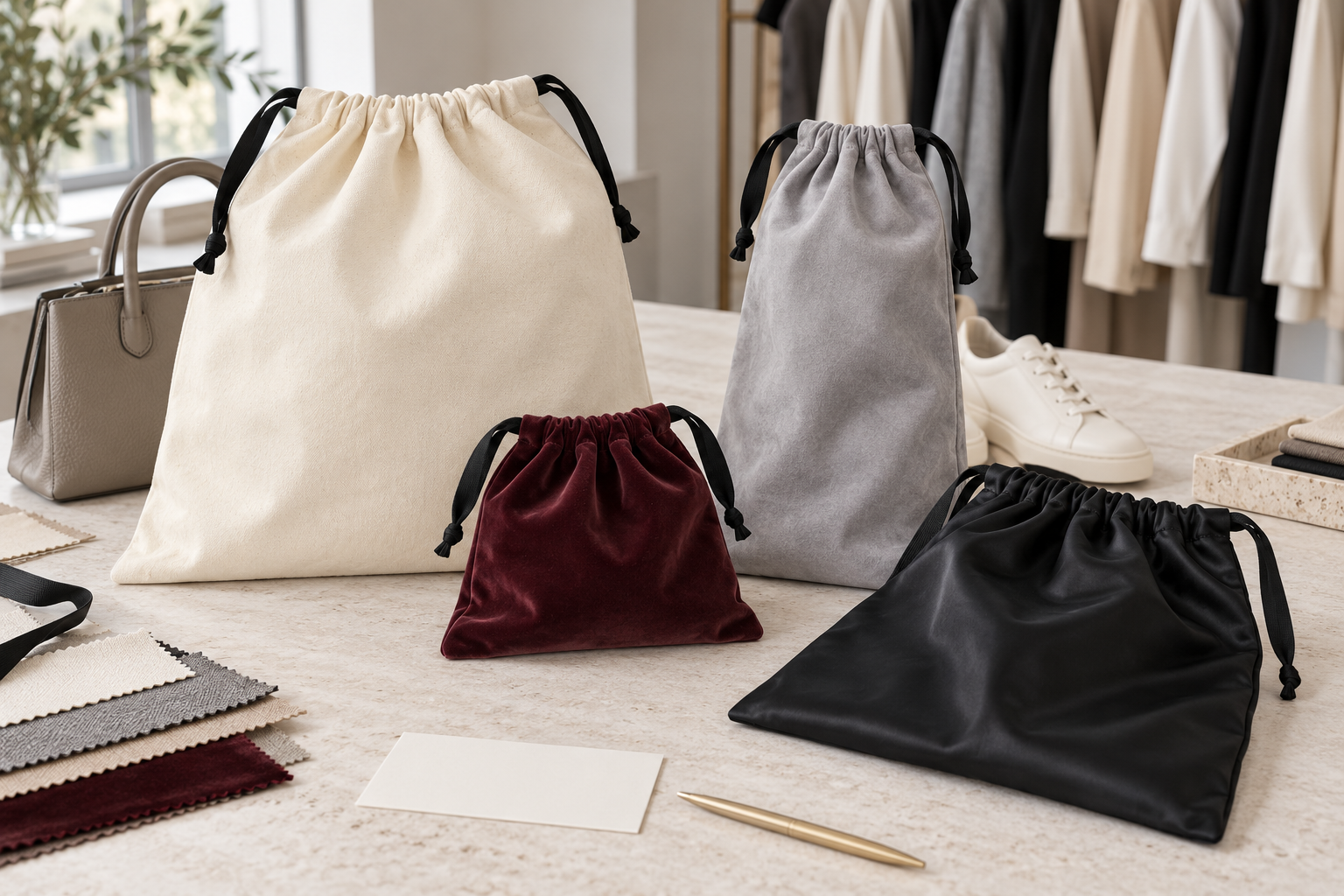
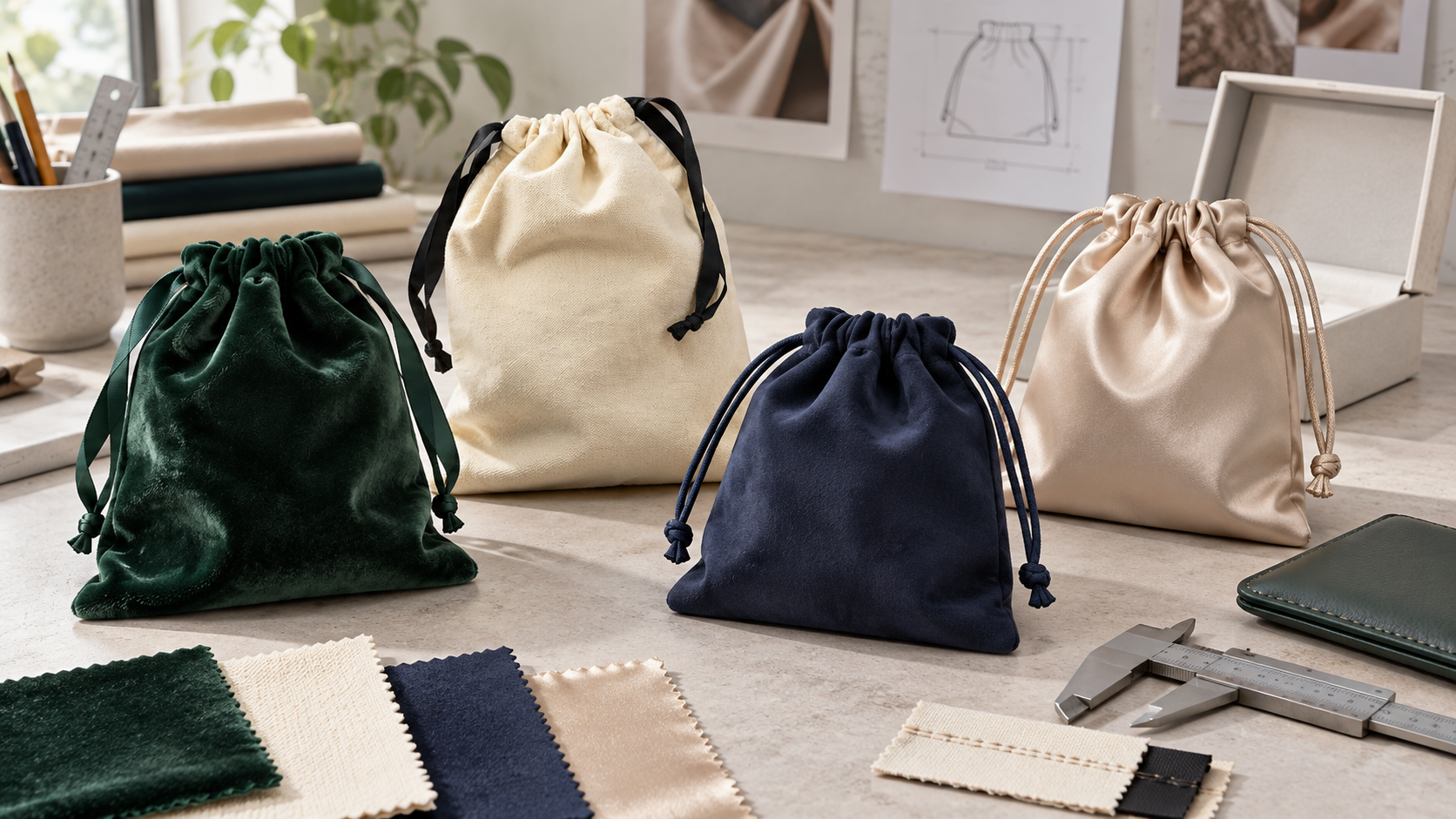
The following images are retained from the original article as visual reference material. They are grouped here so buyers can review the existing range after considering fit and fabric requirements.

Plan an Inclusive Size Curve
Size range and size allocation are separate decisions. Offering XS through 4XL does not prevent shortages if quantities are divided equally or based on guesswork. Use sales history, employee data, event demographics, or a controlled preorder. When no data exists, start with a conservative curve and keep the fit block broadly acceptable.
| Planning situation | Best input | Allocation approach | Risk control |
|---|---|---|---|
| Employee program | Named wearer size data | Order to roster plus replacement buffer | Privacy-safe collection and fitting samples |
| Established retail | Historical sell-through by style | Weighted size curve | Compare similar fit, not only category |
| New merchandise drop | Preorder, survey, or community data | Conservative middle-size concentration | Limit colors before limiting sizes |
| Open event | Past attendee mix | Broad curve with late-session reserve | Separate staff and attendee stock |
Confirm whether extended sizes require a price change, different fabric consumption, altered artwork scale, or separate carton quantities. These details belong in the quote request, not after the purchase order.
Match Decoration to Fabric and Wear
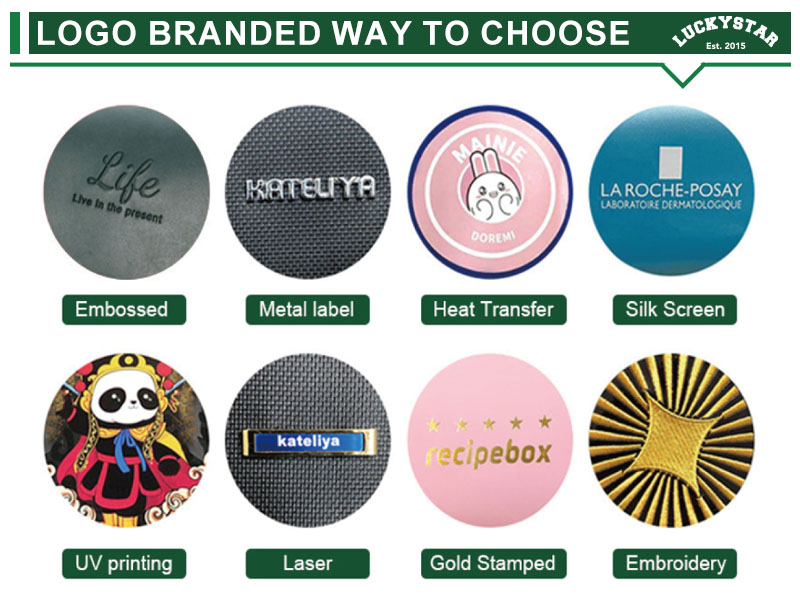
Decoration is part of the product specification. Screen printing, digital transfer, embroidery, patches, and woven labels apply different heat, pressure, weight, and stiffness. A method that looks good on a tote may distort a lightweight T-shirt; dense embroidery can pull a soft cap crown or make a garment uncomfortable.
| Method | Best fit | Advantages | Approval checks |
|---|---|---|---|
| Screen print | Cotton tees and flat bag panels | Efficient repeat color and strong coverage | Ink hand, curing, registration, wash result |
| Digital transfer | Shorter runs and detailed artwork | Fine detail and flexible artwork | Edge, stretch, heat mark, migration |
| Embroidery | Caps, sturdy bags, heavier apparel | Texture and durable premium signal | Puckering, backing, stitch density, comfort |
| Patch or woven label | Cross-product identity systems | Consistent brand detail on mixed materials | Attachment strength, edges, placement |
Extend the Capsule with the Right Bags and Caps
Accessories should extend the use of the garment program, not duplicate it. A tote can carry an event kit, become retail merchandise, or support daily use after a campaign. A cap provides visible branding without adding garment sizes. Select the accessory by function first, then coordinate color and decoration.
| Accessory | Program role | Useful specification | Coordination rule |
|---|---|---|---|
| Canvas tote | Retail, event carrier, employee kit | Load, handle length, closure, pocket | Repeat one garment color or label system |
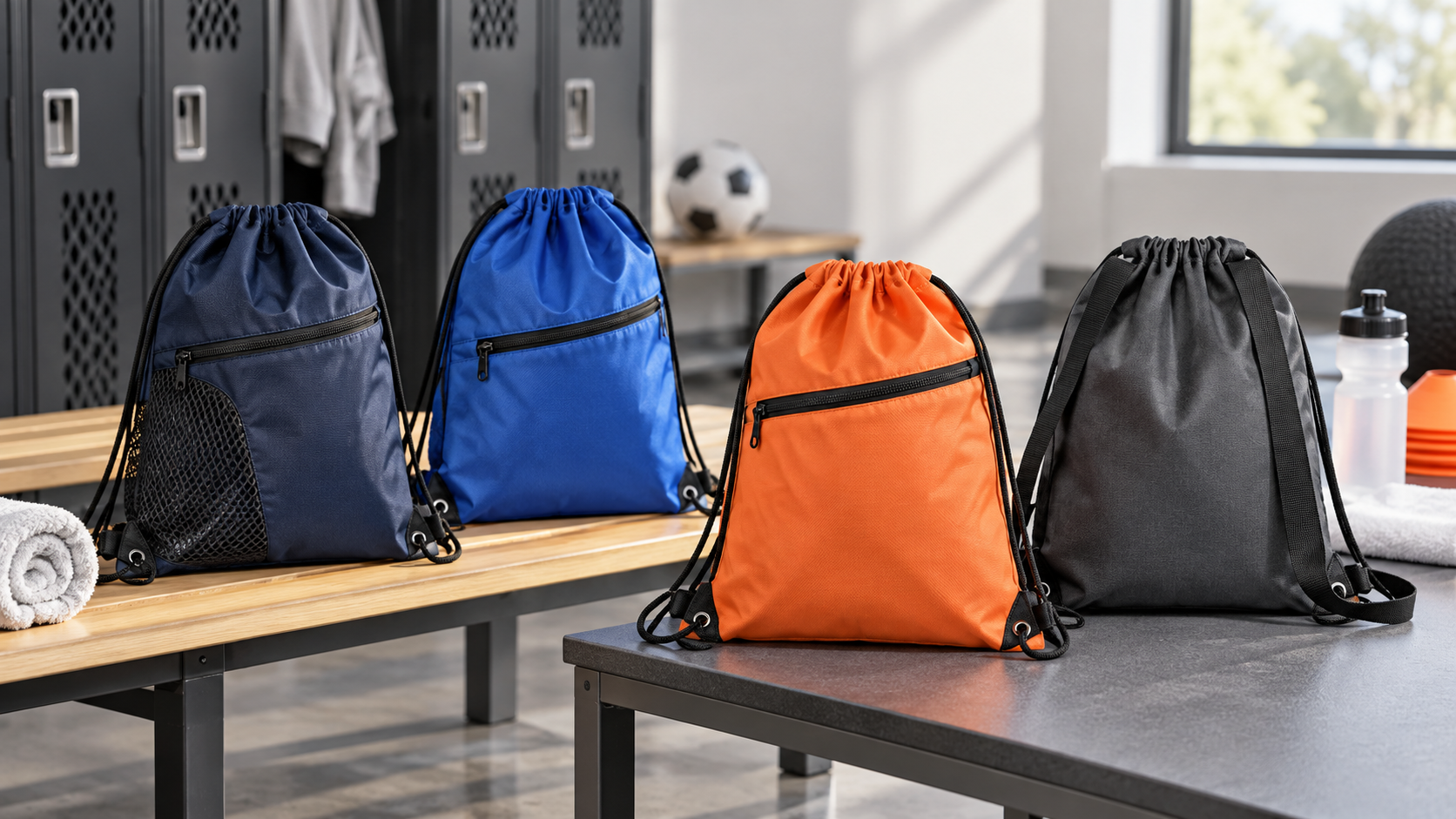
| Drawstring bag | Fast event distribution | Cord comfort, reinforcement, capacity | Keep artwork simple and highly visible |
| Baseball cap | Uniform, retail add-on, outdoor use | Crown, closure, sweatband, visor | Use a smaller version of the brand system |
| Pouch | Organizer or premium kit component | Dimensions, lining, zipper, attachment | Use as a controlled accent rather than another core SKU |
Compare custom tote bags, custom drawstring bags, and custom baseball caps. Review garments and accessories as one modular assortment, with shared color standards, compatible decoration and a defined use for every item.
Create a Color Plan That Survives Reorders
Use color roles rather than an uncontrolled palette. Core neutrals support continuous stock; commercial colors answer known demand; campaign accents create novelty. Because jersey, canvas, twill, thread, plastic, and metal reflect light differently, approve a coordinated color family rather than expecting unlike materials to look identical.
- Core: black, navy, charcoal, white, natural, or another proven brand neutral.
- Commercial: one or two colors supported by audience or sales data.
- Campaign: a limited accent used on artwork, straps, patches, caps, or packaging.
Record physical color references, acceptable shade range, lighting conditions, and whether the approval applies before or after washing. Garment-dyed goods need particular attention because shade variation may be part of the aesthetic but still requires an agreed limit.
Sample and Test the Actual Specification
A sample is an approval tool, not a general indication of quality. The pre-production sample should represent the intended fabric, color, fit, size, decoration, labels, and packing. If a substitute is used, document it and schedule a later approval for the final component.
- Approve fabric swatches, color standards, and decoration strike-offs.
- Review fit samples in representative sizes and record comments by measurement point.
- Wash and dry garments according to the intended care label; measure shrinkage and inspect twisting, pilling, cracking, migration, and collar recovery.
- Test bag seams, handles, closures, hardware, and intended load.
- Inspect cap fit, visor symmetry, sweatband, embroidery, and closure.
- Assemble one complete pack-out with barcode, insert, individual bag, and carton mark.
The custom bag sample development process explains how a brief becomes an approved production reference. Use the custom bag quality inspection checklist to align accessory approval with the garment test plan.
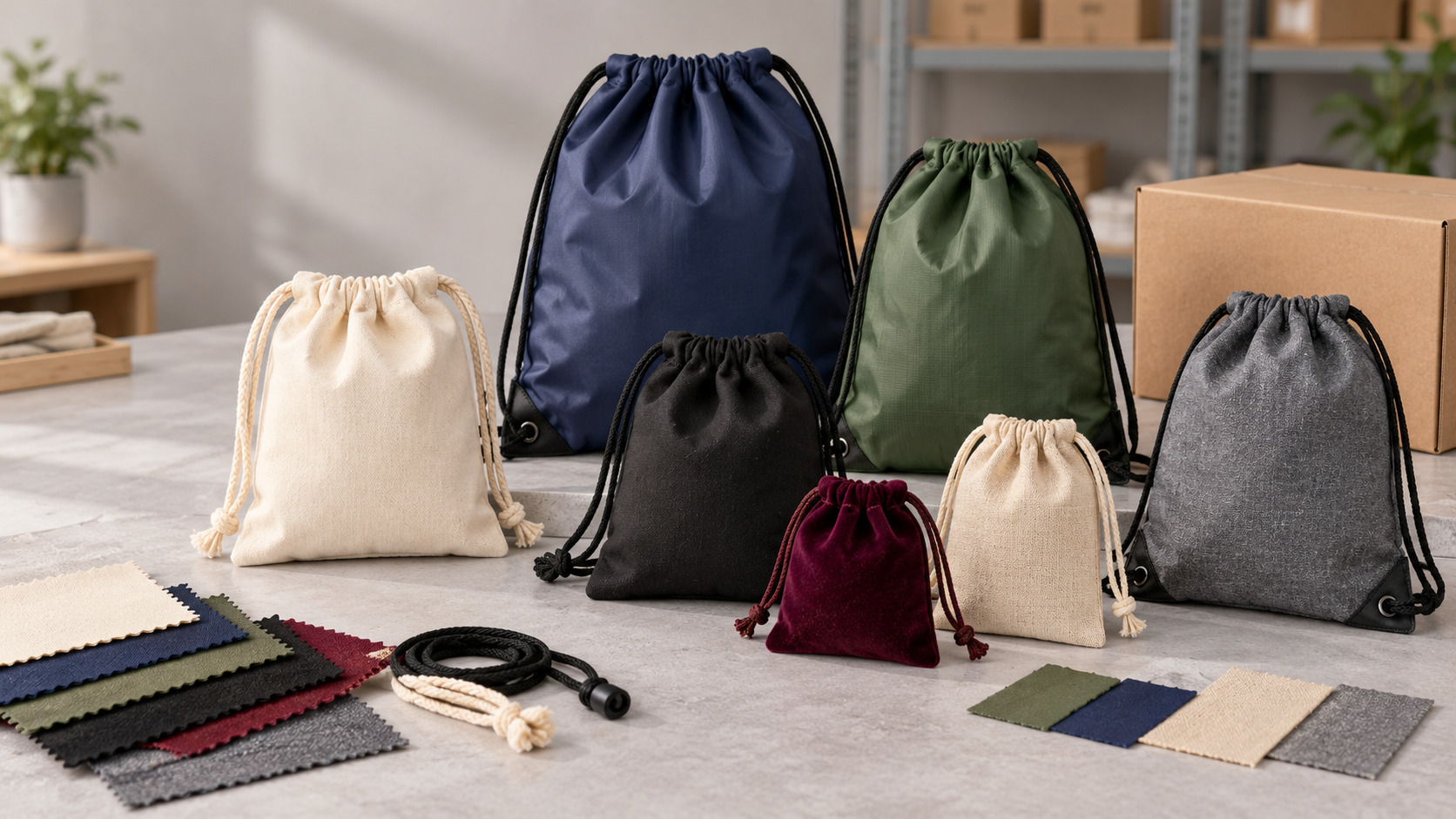
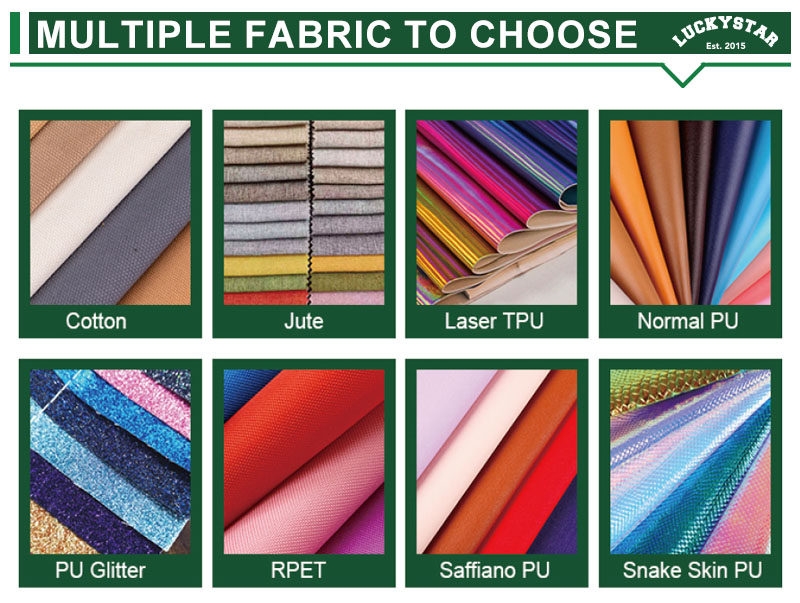
Original Collection Reference Gallery: Decoration and Presentation
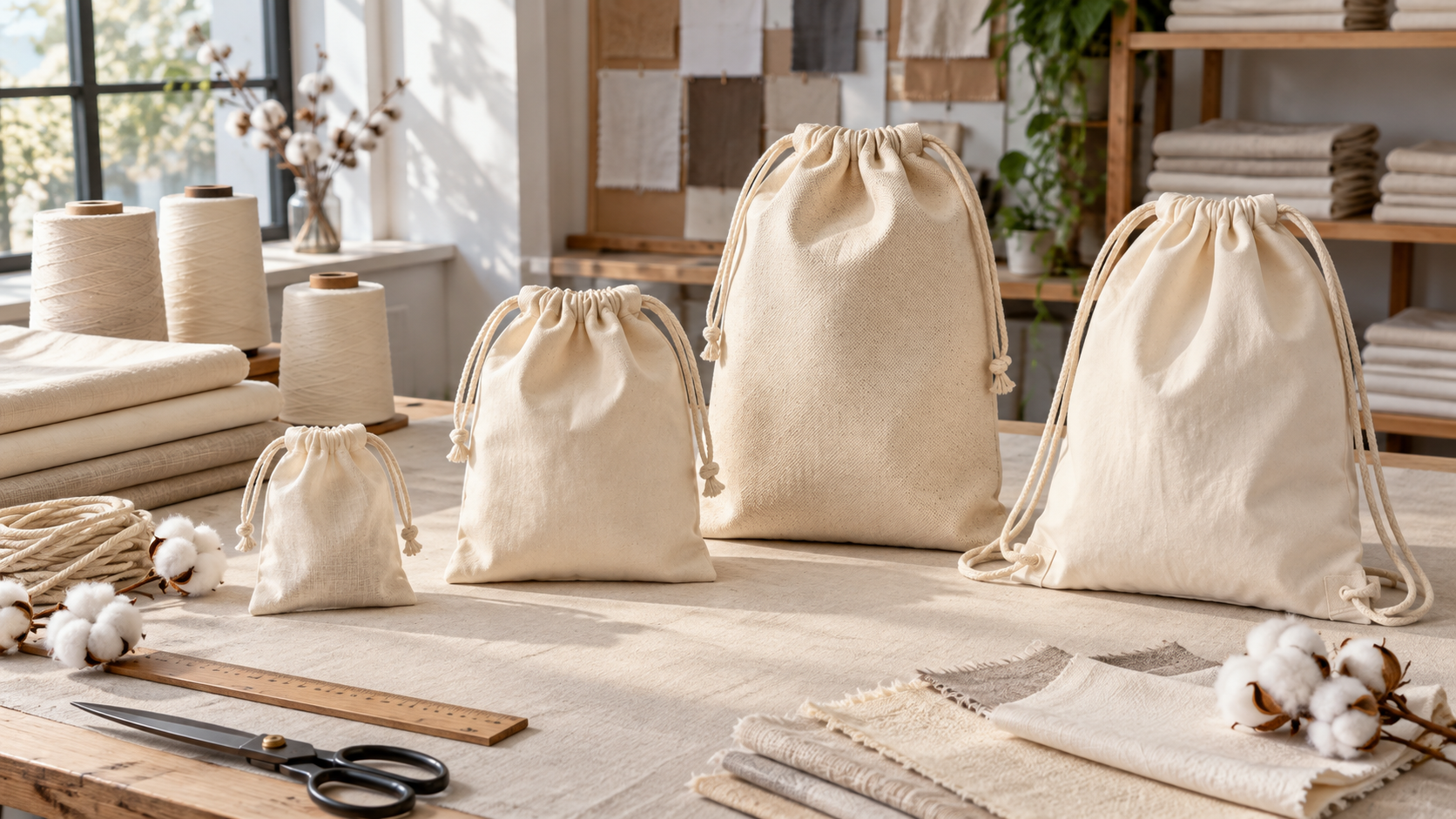
These additional original images are retained as presentation references. Their new placement supports review after decoration, accessory, and sampling decisions.

Plan Packaging by Distribution Channel
Packaging affects presentation, fulfillment time, garment condition, and freight volume. Keep the underlying product pack consistent where possible, then add channel-specific sleeves, inserts, or outer cartons.
| Channel | Recommended pack-out | Critical data | Common failure |
|---|---|---|---|
| Retail | Individually folded and size-marked | SKU, barcode, size, color | Inconsistent folding or labeling |
| E-commerce | Protective individual pack ready for picking | Scannable barcode and variant | Extra repacking labor |
| Employee issue | Named or department kit inside reusable bag | Recipient, size, contents | Incorrect size-to-person allocation |
| Event | Pre-sorted cartons by size or station | Carton quantity and handout sequence | Slow onsite distribution |
Protect Reorder Consistency
A versatile basic is often reordered more than once, so continuity belongs in the original development plan. Keep the approved pattern, measurement chart, fabric specification, color standard, decoration file, label artwork, packaging details, and test results under revision control. Do not approve substitutions through informal messages.
Ask which yarns, fabrics, colors, trims, and base patterns are normally stocked and which are project-specific. Custom-dyed fabric, uncommon rib, or a special hardware finish may increase the minimum quantity or lead time. Review typical custom bag MOQs and the custom bag manufacturing process before dividing a program into many small variations.
Build a Quote Request That Produces Comparable Offers
Provide suppliers with the same scope so quotations can be compared fairly. Include the program purpose, destination market, quantity by style and color, size range, target fit, measurement chart, fabric composition and weight, decoration files, labels, testing, packaging, delivery location, and required date.
For bags and caps, specify dimensions, materials, structure, capacity, closures, handles or straps, cap block, visor, sweatband, and decoration areas. State which details are mandatory and where supplier recommendations are welcome. A clear brief reduces assumptions and makes cost differences easier to explain.
Frequently Asked Questions
What T-shirt fit works for the broadest audience?
A regular or moderately relaxed unisex block usually covers more programs than an extreme oversized fit. The best choice still depends on market expectations, wearer data, and whether the garment is retail merchandise or a required uniform.
Is a higher GSM always better?
No. Heavier fabric adds structure and perceived substance, but it can be warmer, slower to dry, more expensive to ship, and less suitable for some climates. Evaluate weight together with yarn, knit density, finish, and end use.
How many garment colors should a first program use?
Start with one or two core colors and add an accent only when volume supports it. Garment sizes already multiply SKUs, so reducing colors protects MOQ efficiency and reorder flexibility.
Can one artwork be used on T-shirts, bags, and caps?
The same brand system can be shared, but artwork may need different scale, simplification, and decoration methods. Approve each substrate separately and maintain a cross-product placement guide.
How should buyers keep T-shirt, bag and cap colors consistent?
Start with one approved physical color standard, then define material-specific tolerances because cotton jersey, canvas, polyester and embroidery thread reflect color differently. Approve lab dips, print strike-offs or thread cards under consistent lighting, and keep signed references for repeat orders.
Make Basic Wear Versatile by Specification
Review the current custom product range to shortlist garment and accessory formats before the capsule brief is released. Versatility is a sourcing outcome. It comes from a fit that covers the intended audience, a fabric suited to real wear, decoration matched to the substrate, a disciplined size and color plan, compatible bags and caps, and documented standards for repeat production. When these decisions are aligned, a basic-wear program can serve retail, teams, events, and communities without feeling generic.
Explore our custom product range, review how to choose a custom bag manufacturer, or send your specifications for a project-specific review.
Email a prefilled basic wear capsule brief