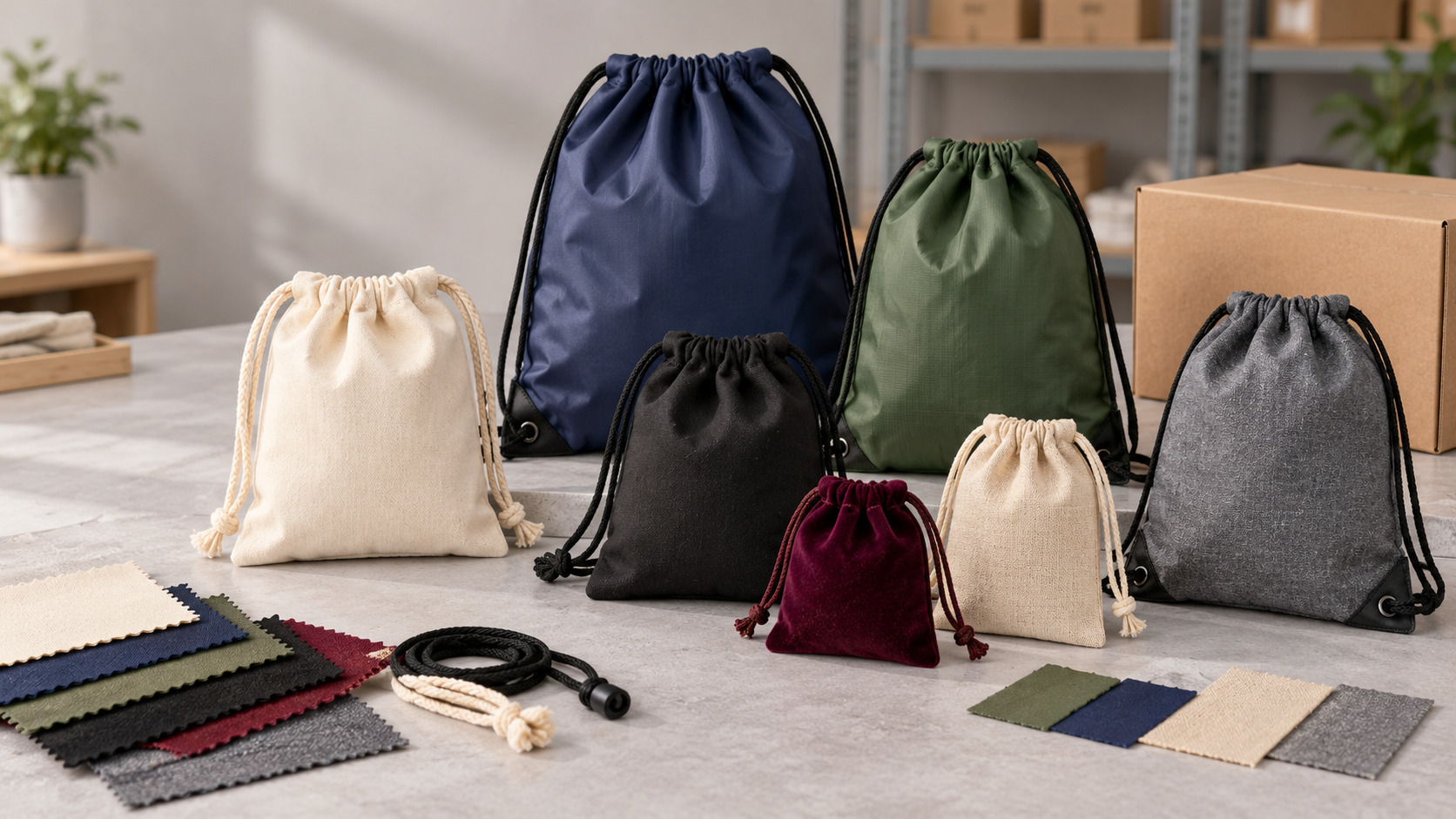
定制包袋的生产时间必须根据设计、材料供应情况、数量分配、审批流程和生产能力来确认。样品开发、材料准备、批量生产、检验和运输均需分开进行。请索取一份包含明确起始点和结束点的、有具体日期的里程碑式进度计划;本指南并未规定统一的生产周期(以周为单位)。
需要为包袋上市制定里程碑计划吗? 请提供包装袋结构、数量/SKU细分、设计稿和样品状态、材料/组件选择、测试和检验情况、货物准备地点、目的地和所需到达日期。LUCKYSTAR 可以返回其过时的假设、依赖关系和拟议的订单里程碑以供书面审查。
基于已批准版型和现有面料的订单与需要定制五金件和测试的新款背包,其依赖因素有所不同。买家审核时间、材料审批和预留产能都会影响交货日期。在比较交货周期预估之前,请先考虑这些因素。
讨论时间安排的有效方法是制定里程碑计划。将澄清、报价、样品开发、审批、材料采购、生产、检验、包装和运输等环节分开。对于更广泛的供应商和采购框架,请从我们的……开始。 定制包袋制造商:完整的 OEM/ODM 买家指南如果产品格式仍然开放,请查看 产品系列 在索取日程安排之前。
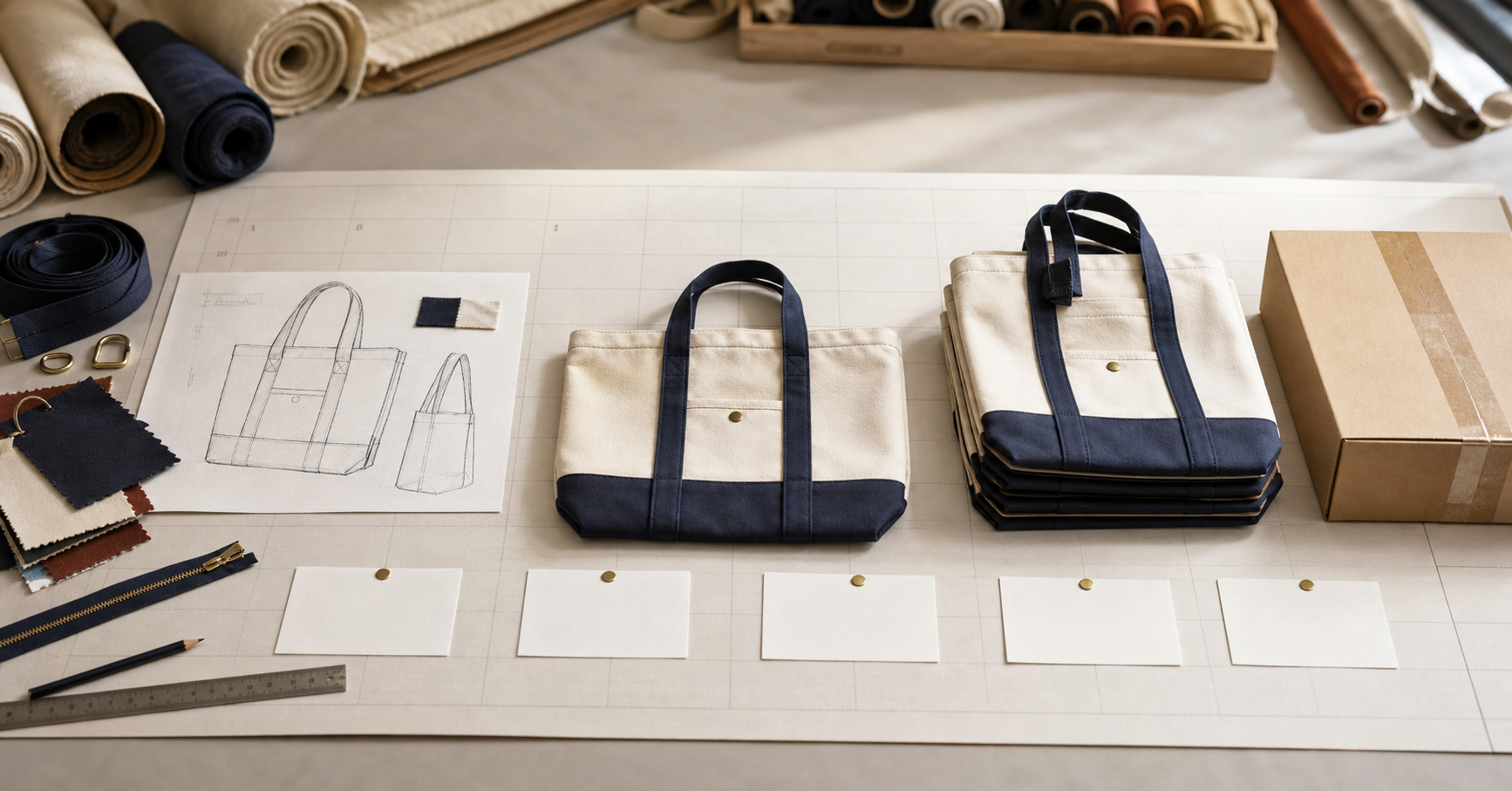
选择时间线的起始条件
使用以下路径来确定供应商在提出交货日期前必须确认的内容。这些是计划类别,而非衡量交货周期的基准。请分别记录货物准备就绪日期和仓库到达日期,以免运输环节被忽略。
| 项目路线 | 需要确认日程安排 | 典型起点 | 什么因素会使其超出范围 |
|---|---|---|---|
| 在现有或已投入生产的包袋上印制标志 | 确认库存分配和装饰槽位 | 库存面料,标准尺寸和饰边,简单装饰 | 艺术作品变更、颜色缺货、定制包装或产能高峰 |
| 标准定制裁剪缝制包 | 确认样品审批和材料准备就绪日期 | 利用常用材料打造新的尺寸或细节 | 多轮样品制作、定制染色、双色配色或复杂印花 |
| 复杂的背包、冷藏包或旅行包 | 确认工具、测试和组件依赖关系 | 新版型、衬里、填充物、多部件和功能性检查 | 新模具、特种材料、测试、试运行或纠正工作 |
| 重复订购受控规格 | 再次确认材料、规格和产能 | 设计方案已获批准,材料可用,包装不变。 | 停产饰边、新染色批次、规格修订或工厂队列 |
只有明确界定交货期的起始时间和结束时间,短交货期才有意义。“三十天”可能指的是收到定金并确认最终样品后三十天,且材料已备妥。它很少指的是从首次询价到货物运抵其他国家的三十天。
定制包袋的实际制作流程包括哪些内容?
定制包袋的生产周期是一个由一系列工作和决策构成的链条。有些环节可以重叠,而有些环节则必须在前一个环节获得批准后才能开始。制造商可以在版型审核期间准备材料询价单,但不应在尺寸和颜色仍在修改的情况下盲目采购定制染色的大宗面料。
| 阶段 | 获取日期或依赖关系 | 主输出 | 什么会释放下一阶段 |
|---|---|---|---|
| 简要说明和引用 | 商定完成询价和报价的日期 | 明确范围、假设、价格基础和初始进度安排 | 买方确认路线、数量和商务方向 |
| 模式和第一个样本 | 已确认的原型完成日期 | 物理原型和工作规范 | 样品将根据双方认可的证据进行寄送审查或评估。 |
| 运输和买家评论示例 | 快递估价加上买家审核截止日期 | 综合、可衡量的批准意见 | 一位决策者发布修订版或批准样本 |
| 如有需要,请提供修订样本 | 修订范围和下次批准日期 | 修正后的样品和更新后的规格 | 所有阻塞点均已关闭 |
| 材料和生产前期准备 | 已确认每种散装原料的供应情况 | 散装材料、美术设计、包装和生产标准 | 收到的支票和生产前审核通过 |
| 批量裁剪、装饰和缝纫 | 预留生产档期和完工日期 | 已完成的生产数量 | 在线问题已解决,数量已完成 |
| 最终检验、包装和放行 | 检查预约、整改津贴和放行 | 检验结果、包装纸箱和运输数据 | 买方或授权检验员批准放行 |
有些活动在输入确认后可以重叠进行;而另一些活动则必须等待审批或组件到位。请供应商确定影响最早完成日期的依赖任务顺序,记录每个任务的负责人,并在阻塞性假设发生变化时修订进度计划。切勿盲目地将所有阶段的预估时间加在一起,也不要假设每个阶段都可以重叠。
交货周期何时开始计时?
工厂和采购商通常使用相同的日期语言,但起始日期却不同。应在采购订单或生产计划中明确生产启动的触发条件。可靠的生产启动通常需要更确凿的确认,而不仅仅是口头许可。
| 可能的触发因素 | 计时器真的准备好开始计时了吗? | 为什么 |
|---|---|---|
| 首次询价已发出 | 不 | 产品、数量、设计图稿和材料可能尚未确定。 |
| 报价已接受 | 并非总是如此 | 押金、设计稿、样品审批或包装信息可能仍处于开放状态 |
| 已收到存款 | 只有在技术审批也完成后才能进行。 | 金钱解决不了颜色、尺寸或结构未经批准的问题。 |
| 最终样品和规格已获批准 | 通常,主要技术触发因素 | 该工厂现在拥有可重复的生产参考标准。 |
| 散装物料已确认或已收到 | 通常情况下,实际地板触发器 | 如果没有具有正确特性和色调的释放材料,就无法开始切割。 |
| 以上所有内容加上工厂插槽已确认 | 可靠日程安排的最佳基础 | 技术、商业和产能条件均已协调一致 |
同样的原则也适用于完工日期。“生产完成”可能意味着缝纫工作已经结束,但线头修剪、检验和包装等工序尚未完成。“发货日期”可能意味着出厂交接、货物交付给货运代理、船舶离港或预计到达日期。每一项都是不同的里程碑。
抽样通常是变化最大的阶段。
样品制作看似规模很小,因为只制作一两件,但其中却包含了高度集中的决策过程。样品室负责解读设计要求、开发样板、采购少量材料、准备装饰并制作产品,而没有流水线的效率。买家需要时间来接收、使用样品并提出反馈意见。
根据现有版型改良的简易手提包可能很快就能完成。而一款带有多个隔层的全新旅行包则可能需要先制作一个模型来检查比例,再制作一个功能性样品来测试取用和容量,最后还要用最终材料制作一个预生产样品。只有当每一轮改进都能解决重要的不确定因素时,才算合理。
| 抽样变量 | 可能存在时间效应 | 如何控制它 |
|---|---|---|
| 不完整的测量 | 制版工作暂停以进行澄清,或者第一个样本是基于假设构建的。 | 标记成品尺寸、把手垂度、开口和口袋位置 |
| 非生产性艺术作品 | 标志设计稿和装饰布置延迟 | 请发送矢量图稿、颜色参考、最终尺寸和排版说明 |
| 许多评论者 | 评论相互矛盾或分几天陆续出现。 | 指定一名业主并发布一份综合意见表 |
| 概念的改变 | 修订版成为新一轮开发。 | 将修正与新的可选想法分开 |
| 临时样品材料 | 最终颜色或性能必须再次获得批准。 | 列出所有替代方案并定义批量审批方法 |
| 快递和海关 | 实物检验开始时间晚于工厂完工日期 | 日历中应包含运输和本地清关样本。 |
这 定制包袋样品开发流程 解释了每个样品审核环节需要审查的内容。我们的目标并非不惜一切代价快速审批,而是要高效地消除歧义,避免歧义在整个订单中重复出现。

材料和部件通常控制着关键路径
缝纫产能固然备受关注,但交货周期最长的物料可能是面料、织带、拉链带、模压拉片、印刷衬里或零售包装。工厂无法仅仅通过要求操作员加快缝纫速度来弥补两周的物料采购损失。
| 输入 | 更快捷的路线 | 较长的路线 | 日程安排问题 |
|---|---|---|---|
| 主体面料 | 现有成分、重量和库存颜色 | 定制编织、染色、涂层、层压或认证 | 大宗订单何时可以预订和审批? |
| 拉链和织带 | 标准尺寸和可选颜色 | 颜色匹配的胶带,特种等级或定制宽度 | 该组件是箱包工厂自有库存还是从上游订购的? |
| 金属或塑料五金件 | 标准扣环、钩子或拉手 | 新模具、电镀、雕刻或特殊形状 | 模具是否需要单独的样品审批? |
| 装饰 | 单色印刷,附带可直接用于生产的图稿 | 全幅印花、密绣、织唛或多处拼接 | 审批是电子审批、纸质审批还是两者兼有? |
| 包装 | 标准保护袋和外纸箱 | 印刷包装盒、插页、条形码、产品组合和零售包装 | 最终文案和模切线图何时必须发布? |
| 测试 | 已知材料和商定的内部检查 | 第三方化学或性能测试,并进行纠正性复测 | 具体将对哪个样品或批次进行检测? |
供货情况也会影响订单数量。定制面料或组件可能需要达到最低订购量,供应商才会开始生产。指南 定制包袋的典型最小起订量 展示了数量、材料和设置决策之间的联系。即使仅仅为了节省时间而进行的材料替换,也应该检查其外观、强度、缝纫性能和合规性。
产品类型改变生产节奏
单凭包袋类型并不能决定生产进度,但结构复杂程度会影响工序数量,并增加某个工序成为瓶颈的可能性。数量相同的两种产品,所需的裁剪、准备和缝纫工序量可能截然不同。
因此,“定制包袋生产需要多长时间?”这个问题必须针对具体产品来回答。产品结构会告诉工厂哪些工序、技能、机器和部件必须在可用的生产时间内完成。
| 袋型 | 典型生产特性 | 可能的时间压力 |
|---|---|---|
| 扁平无纺布或棉质购物袋 | 面板数量少,把手简单,装饰条也有限。 | 印刷设置、面料供应和大批量包装 |
| 带衬里和拉链的帆布手提袋 | 更厚重的面料、更多的加固和内部组装 | 针头选择、缩水率、顶部边缘控制和硬件 |
| 化妆包 | 小块布料、拉链弧线、衬里和包边 | 精准的零部件、整洁的内饰和合理的标志位置 |
| 束口袋 | 结构简单,但设有线槽和角部加固。 | 绳索、孔眼、全幅装饰和分色 |
| 背包或旅行包 | 许多裁剪片、隔层、衬垫、肩带和拉链 | 组件协调、缝纫顺序和功能审查 |
| 保温袋 | 隔热层、衬里、防漏细节和笨重的组装 | 材料兼容性、边缘粘合和性能检查 |
一款多口袋的产品不仅仅是缝纫工作量更大那么简单。每一块额外的布料都需要寻找货源、裁剪、贴标签、必要时进行装饰、定位和检查。整个产品都需要经过一系列工序才能完成。 从设计到交付的定制包袋制造流程 解释了样品获得批准后,这些操作是如何衔接的。
有些工作可以并行运行,有些则不应该。
一个好的进度计划并非简单地罗列一系列任务。例如,工厂可以在最终样品运输途中就开始审核包装设计稿,或者在logo设计稿获批期间预留可用的面料。巧妙的交错安排既能保证进度,又不会让尚未定稿的设计决策影响最终结果。
| 工作流程 | 合理重叠 | 不安全的快捷方式 |
|---|---|---|
| 物料计划 | 样品采集期间请确认供货情况、价格和预订条款。 | 在尺寸和图案冻结之前,裁剪定制的散装面料。 |
| 装饰 | 根据最终图稿准备丝网印刷文件、刺绣文件或数字样稿。 | 在确定摆放位置和颜色之前,先进行全面批量装饰。 |
| 包装 | 在对包装袋进行抽样的同时,绘制模切线图并收集条形码数据。 | 在最终确定法律文本和包装尺寸之前,请先打印零售包装。 |
| 容量 | 暂定预留工厂交货窗口,具体日期以双方商定的决定日期为准。 | 承诺固定的发货日期,但尚未发布产品标准。 |
| 测试 | 在研发过程中规划方案和实验室 | 假设原型结果自动涵盖不同的散装物料批次 |
| 船运 | 尽早索取路线选项和预计纸箱数据 | 根据未经核实的包装估价预订最终运费 |
如果截止日期已定,则需询问哪些决策必须承担风险。答案应说明如果产品发生变更,将会面临哪些财务风险。预留标准面料或许尚可控制;但在设计稿获批之前就承诺定制印花衬里则可能难以承受。
订单下达后,生产才算完成。
批量缝纫之后是整理、检验和包装。这些步骤可以避免买家在发货后立即遇到大问题。去除线头,检查扣件,核对尺寸和图案,清点数量,并按照批准的包装标准制作纸箱。
最终检验需要时间来报告和解决发现的问题。如果只是小问题可以纠正,则可能需要对订单进行分类或返工,然后再进行复检。生产完成和货物提货之间没有间隔的进度安排,意味着每个产品和文件都必须一次性完美无缺。
- 生产前明确检验依据,包括关键尺寸、工艺、图案和包装。
- 在计划完工日期和最后可接受的货物交接日期之间预留缓冲时间。
- 最终订舱前,请确认纸箱的实际尺寸和毛重。
- 不要将生产样品与整个订单的统计验证混淆。
- 记录所有可接受的偏差,以免其悄然成为重复订购的标准。
将运输时间计入到货日期
请明确所列的最终目的地是指货物准备就绪、承运人交接、出发地、目的港还是货物送达地。对于实际到货日期,请包含提货、出口处理、订舱和截单、主要运输、转运(如适用)、清关、交货预约和收货等环节。 国际商会 (ICC) 当前的《2020 年国际贸易术语解释通则》(Incoterms® 2020) 页面 规则阐明了具体的交付义务、成本和风险。请明确说明规则的具体内容、地点和版本,并单独获取当前的路线预估:贸易规则不规定生产时间、承运能力、运输时长、清关流程或保证到达日期。
| 交通路线 | 请求特定路线信息 | 最适合 | 主要规划注意事项 |
|---|---|---|---|
| 国际快递 | 当前送达地址的预计时间 | 样品、紧急小包装箱或对产品上市至关重要的替换品 | 高昂的成本和体积重量费用 |
| 空运 | 包含处理和交付范围的预订估价 | 时效性强的商业数量 | 空间、安全、装卸和最后一公里配送时间仍然适用。 |
| 海运 | 当前航行、截止时间和目的地安排 | 较大订单,运费经济性至关重要。 | 截单时间、货物集散、港口拥堵和海关手续都会增加变数。 |
| 快递寄送审批样品 | 快递估价和样品审核预约 | 实物样品审查 | 进口清关或远程交付可能会延长审核开始时间。 |
实际路线应使用货运代理的最新预估路线;请勿复制上一季或其他目的地的运输编号。从所需的仓库日期倒推,并预留清关、送货预约和内部收货的缓冲时间。
哪些因素通常会延误定制包袋的生产?
| 延迟源 | 它看起来像什么 | 预防措施 |
|---|---|---|
| 简报仍在推进中 | 样品制作开始后,尺寸、口袋或材料可能会发生变化。 | 确定产品目标,并将可选功能单独标记。 |
| 作品尚未完成 | 低分辨率的标志、缺少颜色或位置不确定 | 发布包含尺寸、颜色和位置信息的矢量图 |
| 反馈零散 | 一周内,好几个人发来了不同的评论。 | 使用一个审批人和一份受版本控制的评论列表 |
| 长周期组件迟迟未到。 | 定制拉链、扣环或盒子将在报价后添加。 | 批准前请审核完整的物料清单和包装清单。 |
| 颜色是主观的。 | 审批依赖于不同光照条件下拍摄的手机照片。 | 使用物理标准或命名参考物并定义公差 |
| 该进度计划忽略了工厂产能。 | 审批是在预留线路窗口期过后才进行的。 | 将审批截止日期与容量预订政策挂钩 |
| 检查发现系统性问题 | 临近发货日期时需要进行分拣或返工 | 在整批产品完成之前,检查首件产品和生产线。 |
| 包装方案最后决定。 | 标签、纸箱或各种包装盒会阻挡成品。 | 抽样过程中,审核包装文案并完成包装。 |
对于延期的项目,最经济的应对措施通常是简化非关键变量,而不是取消质量控制。这篇文章 定制包袋的价格是多少? 可以帮助区分能够为客户增加价值的功能和因不必要的复杂性而产生的成本和延误。
买家如何在不增加新风险的情况下缩短交货时间
- 先从到手日期开始。 倒推运输、检验、包装、生产、材料和抽样等里程碑。
- 选择正确的开发路径。 当一种成熟的施工方案能够满足产品目标时,它可能速度更快。比较一下各种方案的优缺点。 OEM 与 ODM 箱包制造。
- 发送一份可供决策的简报。 请注明用途、尺寸、材质方向、标志、数量、颜色划分、包装、目的地和目标日期。
- 有选择地使用库存投入。 如果使用现有的面料或标准拉链,同时又能满足外观和性能要求,那么就能节省时间。
- 汇总示例评论。 一份清晰明确的修订清单比几轮含糊不清的信息沟通要快得多。
- 以正确的格式批准。 使用实物颜色标准、签名样品、最终稿件和版本控制规范。
- 有条件的储备能力。 确定为保障暂定生产窗口期所需的决策日期。
- 尽早检查。 在全部数量完成之前,进行首件或在线检查可以发现重复出现的问题。
- 保留一种交通方式。 在截止日期前,尽快确定空运或分批运输的费用。
速度的提升应该源于消除等待、混乱和不必要的返工,而不是跳过样品、接受未经鉴定的材料或未经约定检验就发货。在比较供应商时, 定制包袋制造商清单 有助于检验短期计划是否得到实际控制的支持。
实用的逆向规划模板
首先确定可接受的最新到货日期,并为每个环节指定负责人。供应商负责工厂操作;买方负责及时决策和获取完整信息。通过共同设定里程碑,可以在仍有应对时间时发现延误。
| 里程碑 | 目标日期 | 所有者 | 完成证明 |
|---|---|---|---|
| 所需到货日期 | 固定商业日期 | 买家/物流 | 仓库收货或送货预约 |
| 货物交接 | 从交通和缓冲阶段倒推。 | 供应商/货运代理 | 预订和交接文件 |
| 最终版本 | 货物截停前 | 买家/验房师 | 已通过报告或已记录的发布 |
| 生产完成 | 允许检验和返工缓冲 | 工厂 | 成品数量和包装状态 |
| 批量生产开始 | 基于已确认的产能 | 工厂 | 首发或起跑线记录 |
| 材料已准备就绪 | 切之前 | 工厂/供应商 | 来料审批 |
| 生产标准冷冻 | 风险采购前 | 买家/工厂 | 已批准的样品、规格和图稿 |
| 最终样品批准 | 保护预留的工厂插槽 | 买方 | 已注明日期的书面批准和已关闭的评论 |
| 首批样品已寄出 | 包括快递时间 | 工厂 | 示例照片和跟踪 |
| 简报和订单路线已确定 | 项目启动 | 买家/工厂 | 已确认的询价单、假设和时间表 |
公司索赔边界: 以下部分为LUCKYSTAR出版商的自我描述及商业排期方案。它并非工厂所有权、预留产能、材料可用性、测试或检验能力、最小起订量、价格、生产速度、承运能力或交付绩效的独立证明。法定销售商和生产地点、产能预留、材料、样品、测试、包装、交付和日期均以订单为准,并以当前证据、最终规格、报价、合同和书面确认为准。
LUCKYSTAR 如何描述其针对特定订单的排程审查
LUCKYSTAR表示,它可以审查受控包简报,并返回其提出的依赖关系和里程碑时间表以供买方批准。
- 定义时钟: 确定开始触发条件、货物准备就绪或交接结束点、目的地到达目标以及所包含的审批。
- 冻结输入: 将 SKU、数量、当前规格/图稿、样品状态、材料/组件路线和包装联系起来。
- 暴露依赖项: 确定定制材料、模具、样品/修改阶段、测试、检验、返工允许和买方决策期限。
- 确认容量: 区分暂定计划与书面材料分配、上游承诺和预留生产窗口。
- 跟踪更改: 当规格、审批、材料、数量、路线或产能假设发生变化时,重新发布有日期的里程碑。
复习 包袋产品系列 和 样品开发过程, 然后 请发送发布简报,以便制定针对具体订单的进度计划。。
常见问题解答
定制包袋的订单能在两周内完成吗?
不要想当然地认为两周的期限可行。务必要求供应商以书面形式确认可用原材料、审批状态、生产计划以及每个生产环节。明确所要求的期限是指货物准备就绪的期限还是交付的期限。如果进度安排无法满足约定的质量检验要求,则应修改规格或目标日期。
所报交货期是否包含样品抽样?
通常情况下并非如此。许多批量生产的交货周期是在最终样品、规格、定金和设计稿都获得批准之后才开始计算的。请索取单独的样品和生产计划,包括样品运输和买家审核的时间表。
订单量越大,交货时间总是越长吗?
并非成正比。批量较大的订单虽然能更有效地利用生产流程,但仍然需要更多的材料、缝纫工时、检验和包装。如果订单数量分散在多种颜色或图案上,则相当于多个小批量订单,会增加换线次数。
工厂可以在样品确认前订购原材料吗?
双方在充分了解风险的前提下,可以预留或购买已确认的原材料。定制材料,尤其是那些尺寸、颜色或图案尚未确定的材料,不应随意订购。责任、取消限制和可能的重复使用等条款应以书面形式明确规定。
我应该添加多少缓冲材料?
缓冲时间应反映产品上市的影响、结构新颖性、材料风险、检验计划和运输路线。与在固定零售上市日期前通过海运运输的首批产品相比,通过快递进行的常规重复订单所需的应急资金要少。
如何比较两个交货期承诺?
将启动触发条件、包含阶段、材料假设、工厂产能、检验、完成点和运输等要素标准化。然后要求提供里程碑日期,而不是一个总日期。一个较长且透明的进度计划通常比一个基于未明确假设的较短进度计划更稳妥。
将请求的到达日期转换为带有日期的决策门
从交付设施开始倒推,然后将运输、交接、放行、检验、批量生产、材料准备和样品/规格批准与指定的负责人和证据联系起来。

复习 LUCKYSTAR 包袋系列, 然后 发送日程安排输入 通过联系表格或 请通过电子邮件发送项目简报邮件中的链接会打开一个预先填写好的草稿,供您在发送前进行审核。
合法卖方和设施、材料和组件的可用性、样品、测试、检验、产能、最小起订量、价格、包装、生产日期、承运人计划、路线假设和交货条款均以当前证据、最终规格、报价、合同和书面确认为准。