Buyer quick answer
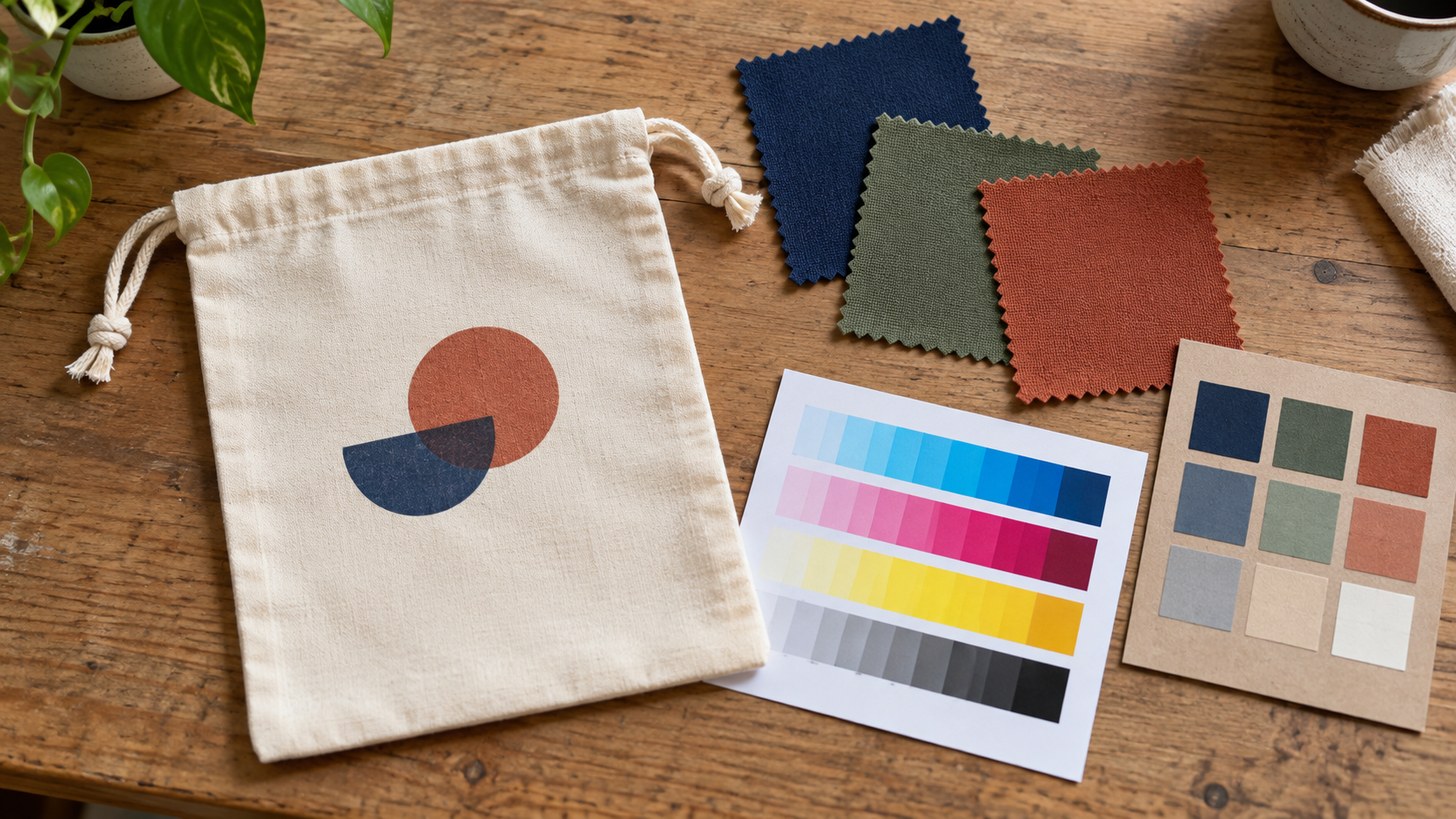
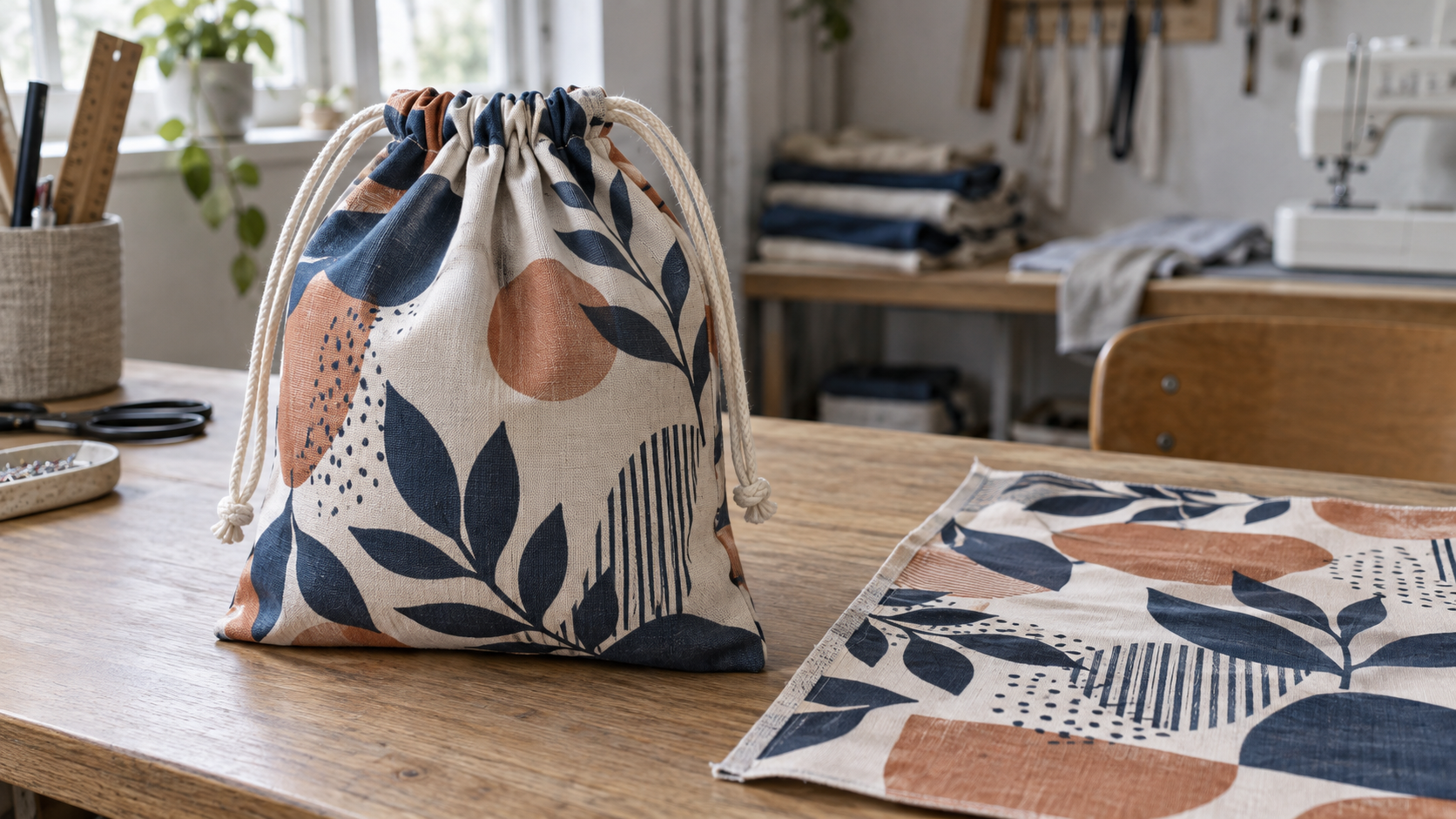
For a custom cosmetic-bag order, start with the intended contents, finished size, structure, lining, zipper and logo method. Translate a trend into a sellable specification by checking audience fit, practical use, decoration compatibility and repeat-order feasibility.
Scope: This page focuses on the product and merchandising angle of Wholesale Cosmetic Bags 2026: Buyer Demand & Sourcing Guide, not the general manufacturer-selection keyword.
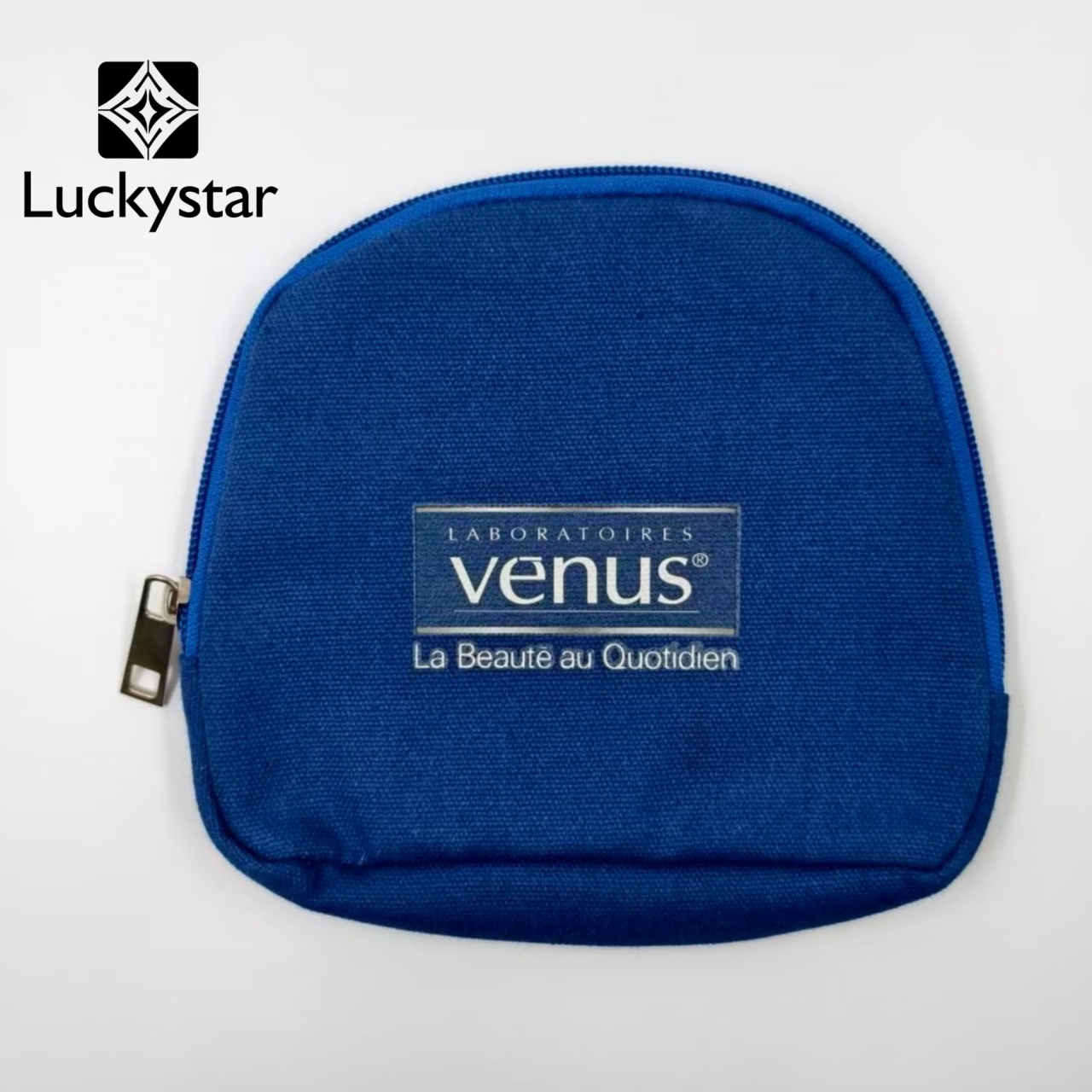
Wholesale cosmetic bags in 2026 are being evaluated as branded products rather than simple add-ons. Beauty brands, retailers, subscription services and promotional buyers want a bag that fits the merchandise, supports the campaign, works for the end user and can be reproduced consistently. Price remains important, but buyers increasingly compare function, material evidence, customization depth, sampling efficiency, quality control and supplier reliability.
This consolidated guide merges the useful ideas from three overlapping trend articles into one buyer-focused resource. It treats trends as sourcing signals—not guarantees—and converts them into practical specifications, approval points and supplier questions. For the full OEM/ODM framework across bag categories, start with our Custom Bag Manufacturer guide.
2026 Wholesale Cosmetic Bag Demand at a Glance
The strongest demand signals have a common theme: buyers want designs that solve a real packaging or organization problem and can be supported by evidence. A fashionable color or finish may attract attention, but usability, repeatability and a realistic launch plan determine whether the program succeeds.
| 2026 demand signal | Commercial reason | Buyer action |
|---|---|---|
| Travel-ready function | Supports daily storage and portable beauty routines | Test loaded capacity, zipper access, lining and compartments |
| Mini promotional pouches | Fit gift-with-purchase, subscription and seasonal programs | Control pack-out, logo visibility, carton efficiency and deadline |
| Deeper OEM/ODM customization | Creates product differentiation beyond a printed logo | Specify size, structure, trim, hardware, lining and packaging |
| Material transparency | Reduces mismatched expectations and unsupported claims | Request composition, weight or thickness, finish and evidence |
| Gift-ready presentation | Supports retail sets and campaign storytelling | Design the bag, contents, insert and packaging together |
| Reliable small-to-scale production | Allows testing before repeat or expanded orders | Confirm MOQ assumptions, sample route and scalable components |
| Supplier risk management | Protects launch dates and brand reputation | Evaluate communication, specifications, QC and corrective action |
Start with the Program and Pack-Out
Define where the bag sits in the customer journey. A retail organizer must justify its selling price. A free gift must arrive on schedule and show the brand clearly. A subscription pouch must fit the monthly box without adding avoidable freight. A travel bag needs convenient access and a structure that still works when partially filled.
| Program | Useful format | Main risk |
|---|---|---|
| Beauty retail accessory | Lined zipper bag, box pouch or structured case | Poor interior finish or capacity that does not match the price point |
| Gift with purchase | Flat pouch, mesh wristlet or compact gusset bag | Campaign delay, weak logo contrast or incorrect pack-out |
| Travel or toiletry kit | Water-resistant surface, compartments and broad opening | Leak exposure, zipper failure or inaccessible contents |
| Subscription box | Foldable mini pouch sized to the box and products | Excess volume, weight or changing monthly contents |
| Holiday or launch set | High-impact finish with coordinated insert or retail box | Presentation damage and complex assembly |
| Professional or salon use | Large capacity, organized interior and easy-clean materials | Overloading, difficult cleaning or weak handle attachment |
Send the supplier actual product dimensions, the intended arrangement and maximum loaded weight. Record finished bag dimensions as width × height × gusset with a measuring method and tolerance. External size alone is not enough: zipper opening, corner shape, lining and internal dividers affect usable capacity.
Travel-Ready and Mini Pouches: Two Different Opportunities
Travel-ready cosmetic bags remain a practical direction because they can bridge home organization and portable use. Buyers commonly review a mid-sized format, smooth zipper path, wipe-clean lining, compartments, mesh pockets and detachable or reinforced straps. The correct combination depends on the products and intended price point; every feature adds material, labor and inspection points.
Mini pouches serve a different job. They can fit samples, a few daily essentials or a limited-edition promotion. Their value comes from compact pack-out, strong branding and distribution efficiency rather than maximum storage. A mini pouch should still open easily, hold the intended items and avoid artwork crowding near seams.
Material Performance and Transparency
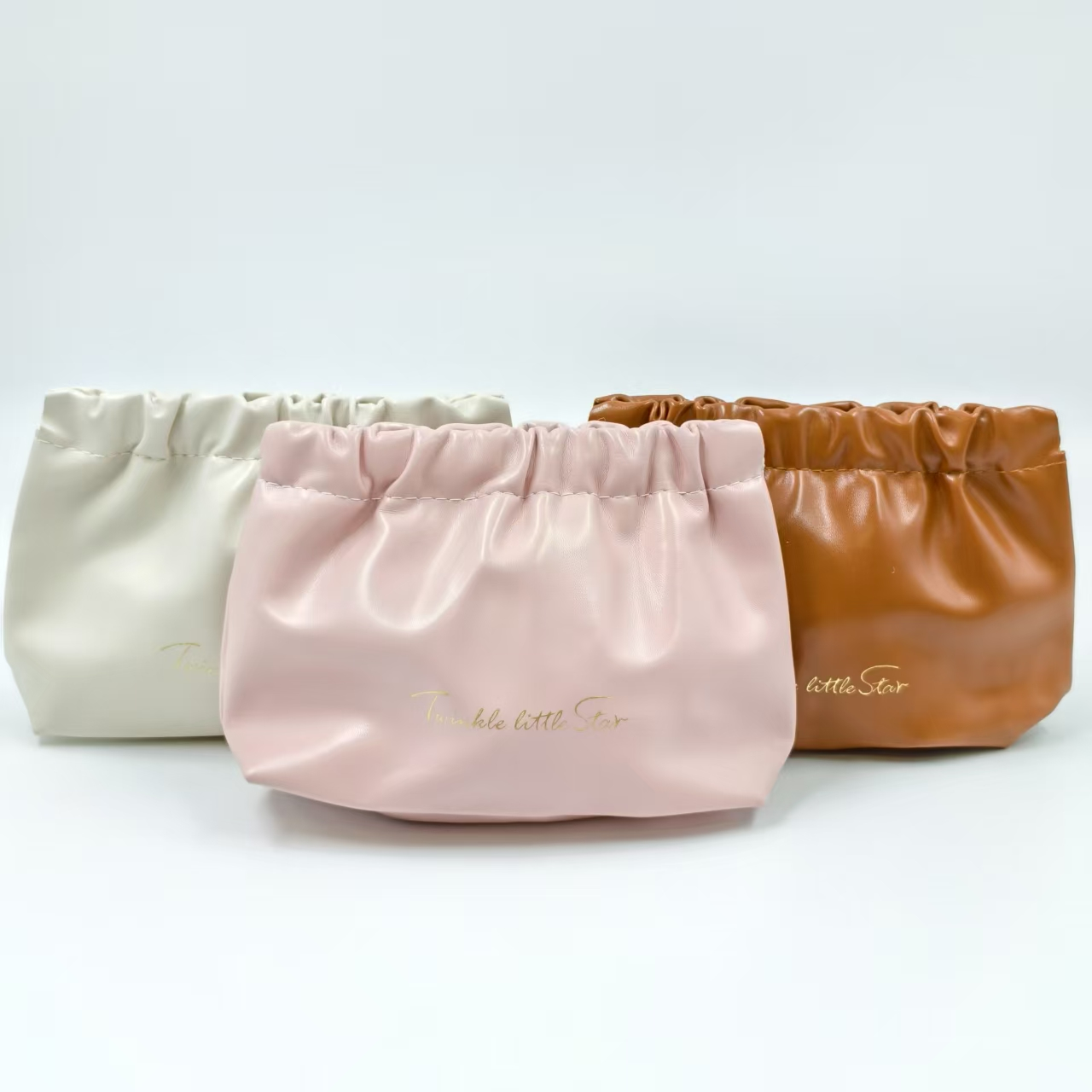
Generic names such as “premium PU,” “waterproof fabric,” “recycled material” or “eco-friendly textile” are not complete specifications. Buyers should define composition, weight or thickness, backing, coating, finish, color standard, lining and required documentation. A supplier should explain both the advantages and the limitations of the proposed material.
| Material direction | Typical buying reason | Verify before approval |
|---|---|---|
| Polyester or nylon | Broad color range, practical weight and lining options | Denier or weight, coating, colorfastness, abrasion and cleaning |
| PU-coated material | Smooth premium surface and easy-wipe positioning | Backing, thickness, hydrolysis risk, odor and restricted substances |
| Canvas or cotton blend | Textile character and large decoration area | Fiber content, weight, shrinkage, shade variation and care |
| Mesh | Visibility, lightweight organization and modern styling | Opening size, softness, snag resistance, binding and privacy |
| Clear PVC, TPU or EVA | Visibility and wipe-clean presentation | Exact grade, thickness, flexibility, odor, clarity and seam method |
| Recycled-content fabric | Supports a documented material-content strategy | Claim wording, percentage, certification scope and transaction evidence |
Do not assume a finished bag is waterproof because the surface resists water. Zippers, sewing holes and openings affect water entry. Define whether the requirement is wipe-clean, splash-resistant or tested water protection. Likewise, sustainability messaging should reflect verified composition, intended reuse, packaging and applicable destination-market rules.
Functional Construction Is the Baseline
Function should be translated into measurable details. “Durable zipper,” “large capacity” and “reinforced stitching” are useful intentions, but buyers need an agreed zipper specification, dimensions, seam method, reinforcement and test condition. Cosmetic bags are repeatedly handled at the opening, corners, pockets and straps, so these areas deserve focused review.
| Construction point | What to define | Sample check |
|---|---|---|
| Zipper | Size, tape, teeth, puller, opening length, direction and color | Smooth operation, waves, end stops and access under load |
| Seams and binding | Method, seam allowance, thread, binding and tolerance | Open seams, puckering, raw edges and corner bulk |
| Lining | Material, color, attachment, coating and clean interior standard | Loose lining, staining, debris and interference with zipper |
| Pockets and dividers | Size, position, material and attachment | Real product fit, access and movement during travel |
| Handle or wrist strap | Material, length, width and reinforcement | Twist, comfort and performance under an agreed load |
| Shape support | Foam, board, piping, quilting or no reinforcement | Loaded stability, recovery and packing deformation |
Customization Beyond the Logo
In 2026, many buyers use customization to build a coherent product rather than adding a mark to a stock pouch. The highest-value decisions often involve proportion, opening, interior layout and coordinated components. A supplier should identify which changes require new patterns, minimum material quantities, tooling or additional sample rounds.
| Customization area | Options | Commercial impact |
|---|---|---|
| Shape and size | Flat, box, barrel, drawstring, hanging or structured | Pattern work, material consumption, capacity and freight volume |
| Interior | Lining, dividers, elastic loops, mesh or zipper pockets | Usability, assembly time and inspection complexity |
| Closures and hardware | Zipper, puller, snap, hook, handle and wrist strap | Component MOQ, color matching and function |
| Decoration | Screen print, transfer, embroidery, woven label or patch | Artwork proof, setup, resistance and perceived value |
| Packaging | Insert, sleeve, individual bag, gift box or bundle-ready pack | Assembly, labeling, carton volume and launch presentation |
For logo-method and wholesale program details, see our Custom Logo Makeup Bags Wholesale buyer guide. For transparent formats, review the Custom Clear PVC Bag Trends 2026 guide.
Gift-Ready Packaging Is Part of the Product
Retail boxes, printed sleeves, tissue, inserts and pre-packed product bundles can improve presentation, but they also add artwork approvals, assembly steps, labeling requirements, carton volume and damage risks. Design the bag and packaging together. Confirm whether the factory packs the beauty products or only supplies the empty bag and packaging components.
| Packaging decision | Buyer question | Control point |
|---|---|---|
| Presentation | Is the bag sold alone, gifted or bundled with products? | Insert fit, logo visibility and opening experience |
| Protection | What surfaces or structures can scratch, crush or crease? | Tissue, inserts, protective film and carton compression |
| Labeling | Which barcodes, care, origin or customer labels are required? | Artwork, placement, scan test and language approval |
| Assembly | Who inserts cards, products, straps and retail packaging? | Sequence, cleanliness, count and inspection |
| Logistics | What carton size, quantity and weight limits apply? | Carton efficiency, markings, pallet plan and landed cost |
Sampling, Testing and Quality Control
A physical sample should prove the intended material, dimensions, capacity, structure, closure, decoration and packaging. If a substitute is used, record what the sample does and does not approve. The custom bag sample development process explains how to close revisions before bulk cutting.
| Control stage | Evidence to review |
|---|---|
| Material approval | Composition, weight or thickness, color, finish, odor and required documents |
| Prototype | Finished dimensions, capacity, zipper access, pockets, strap and loaded shape |
| Decoration proof | Artwork, color, position, contrast, adhesion and use-appropriate resistance |
| Packaging proof | Insert, labels, barcode, folding, presentation and carton fit |
| Pre-production approval | Sealed sample, bill of materials, tolerances and inspection criteria |
| Inline control | Cut panels, seams, zipper installation, logo position and defect trends |
| Final inspection | Workmanship, function, cleanliness, quantity, packaging and cartons |
Testing depends on the destination market, materials, intended user and contents. Possible checks include zipper cycling, seam or strap performance under an agreed load, colorfastness, print adhesion, abrasion, sharp points, component security and restricted substances. This article is a sourcing guide, not legal advice; importers remain responsible for applicable requirements. Use our quality inspection checklist to create measurable release points.
MOQ, Price and Production Timeline
MOQ is influenced by material availability, custom color, lining, hardware, logo setup, patches, moulds, retail packing and testing. “Low MOQ” is meaningful only when the specification is known. A stock-material pouch can support a different minimum from a custom-dyed structured case with matched zipper tape and gift packaging.
| Commercial driver | Likely effect | Buyer control |
|---|---|---|
| Custom material or color | May add material MOQ, lab dips and lead time | Compare stock and custom options against brand priorities |
| Structure and compartments | Add panels, components, labor and inspection points | Keep features that solve the defined use case |
| Decoration | Adds screens, setup, stitch count, moulds or proofing | Match method to artwork and forecast quantity |
| Packaging | Adds components, assembly, labels, volume and cost | Prototype the complete pack-out early |
| Testing and revisions | Add time but reduce release risk | Confirm the scope early and consolidate feedback |
Compare quotations only after dimensions, materials, construction, logo, packaging, testing, quantity, incoterm and delivery assumptions are aligned. Separate samples, tooling, setup and freight from unit price. Use our guides to typical custom bag MOQs and custom bag pricing.
The production route normally moves from brief and material confirmation to sampling, pre-production approval, bulk manufacturing, inspection and shipment. Custom materials, repeated revisions, testing, gift-pack assembly and peak-season capacity can extend the schedule. Review the custom bag manufacturing process before fixing the launch date.
How Buyers Evaluate Supplier Reliability
- Request comparable samples using similar materials, structure and decoration.
- Ask which operations are completed in-house and which are subcontracted.
- Confirm how material lots, approved samples, artwork revisions and specifications are controlled.
- Review how zipper function, seam quality, cleanliness, logo position and packing are inspected.
- Ask for a realistic schedule covering material, sample, production, inspection and shipment.
- Confirm experience with destination-market documents and customer-specific requirements.
- Evaluate communication, risk reporting and corrective-action capability—not only price.
Our China Cosmetic Bag Manufacturers guide provides category-specific factory checks, while How to Choose a Custom Bag Manufacturer covers the broader supplier decision.
Frequently Asked Questions
What cosmetic bag formats are in demand in 2026?
Travel organizers, compact promotional pouches, structured retail cases, mesh or clear formats and gift-ready sets are useful directions. The best choice depends on the customer, contents, channel, target price and launch plan—not trend labels alone.
What information is needed for an accurate wholesale quote?
Send the use case, finished dimensions, quantity, material direction, color, construction, closure, pockets, artwork, packaging, tests, destination, incoterm and required delivery date. Identify fixed requirements and areas open to supplier recommendations.
How should buyers verify sustainability claims?
Define the exact claim, material percentage, certification scope and transaction evidence required. Review the documentation against the proposed material and production order instead of accepting a generic certificate.
Can a supplier support a small test order and later scale?
Possibly, but buyers should confirm which materials and components support both stages. A small order using stock inputs may need changes when moving to custom colors or larger volume. Record the scale-up assumptions during sampling.
When is a cosmetic bag ready for bulk production?
Begin only after material, sample, artwork, measurements, components, packaging and inspection criteria are approved in one controlled record. Any substitute should have a separate approval plan.
Turn Buyer Demand into a Controlled Specification
The most useful 2026 trend is not a single color or fabric. It is the move toward function, material clarity, deeper customization, gift-ready execution and suppliers that can manage risk from brief to shipment. Buyers who translate those expectations into measurable specifications can compare quotations more fairly and release production with greater confidence.
Return to the Custom Bag Manufacturer pillar guide for the complete sourcing framework. When your brief is ready, share the format, size, quantity, material, artwork, packaging and delivery target for a project-specific review.

Request a Wholesale Cosmetic Bag Quote