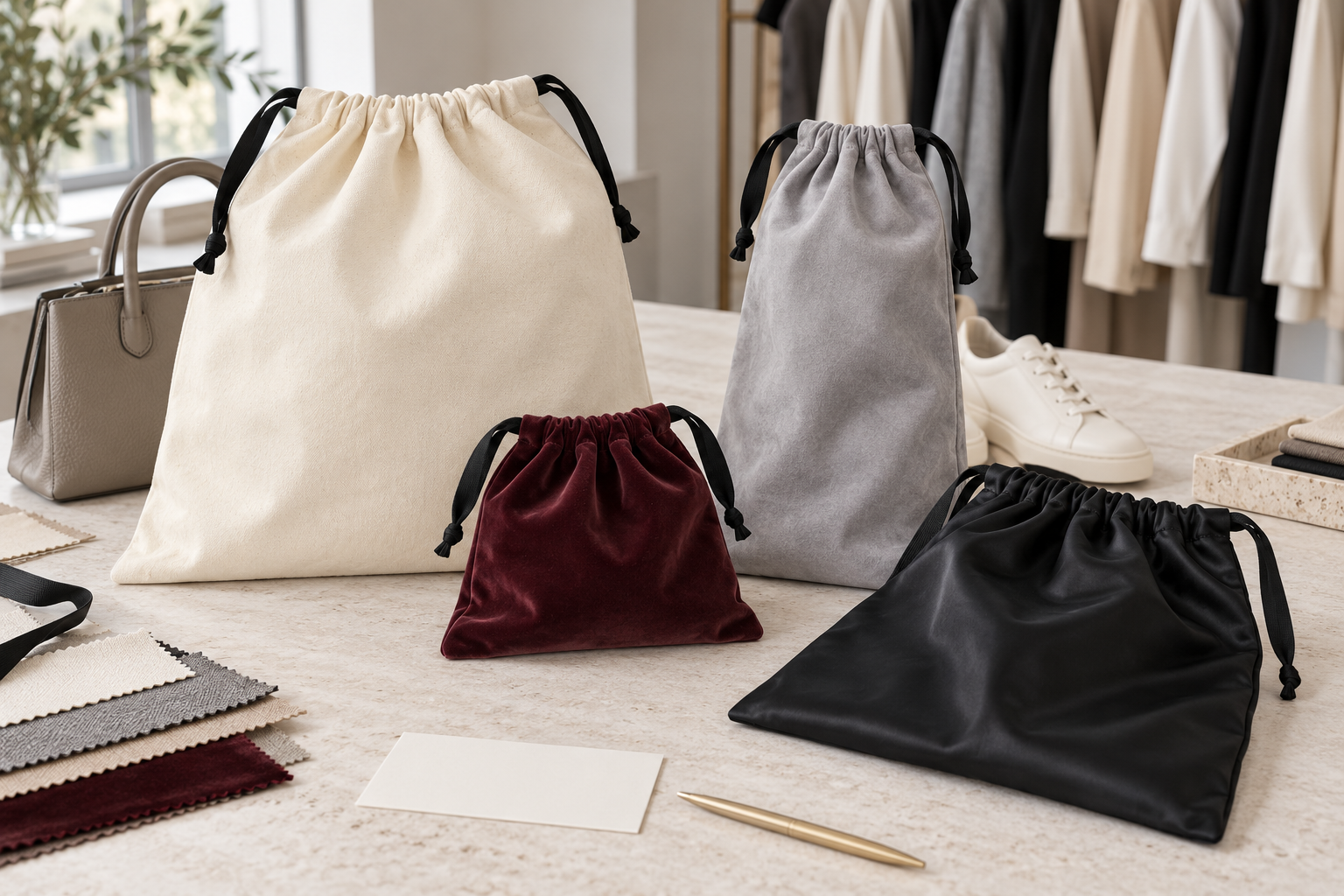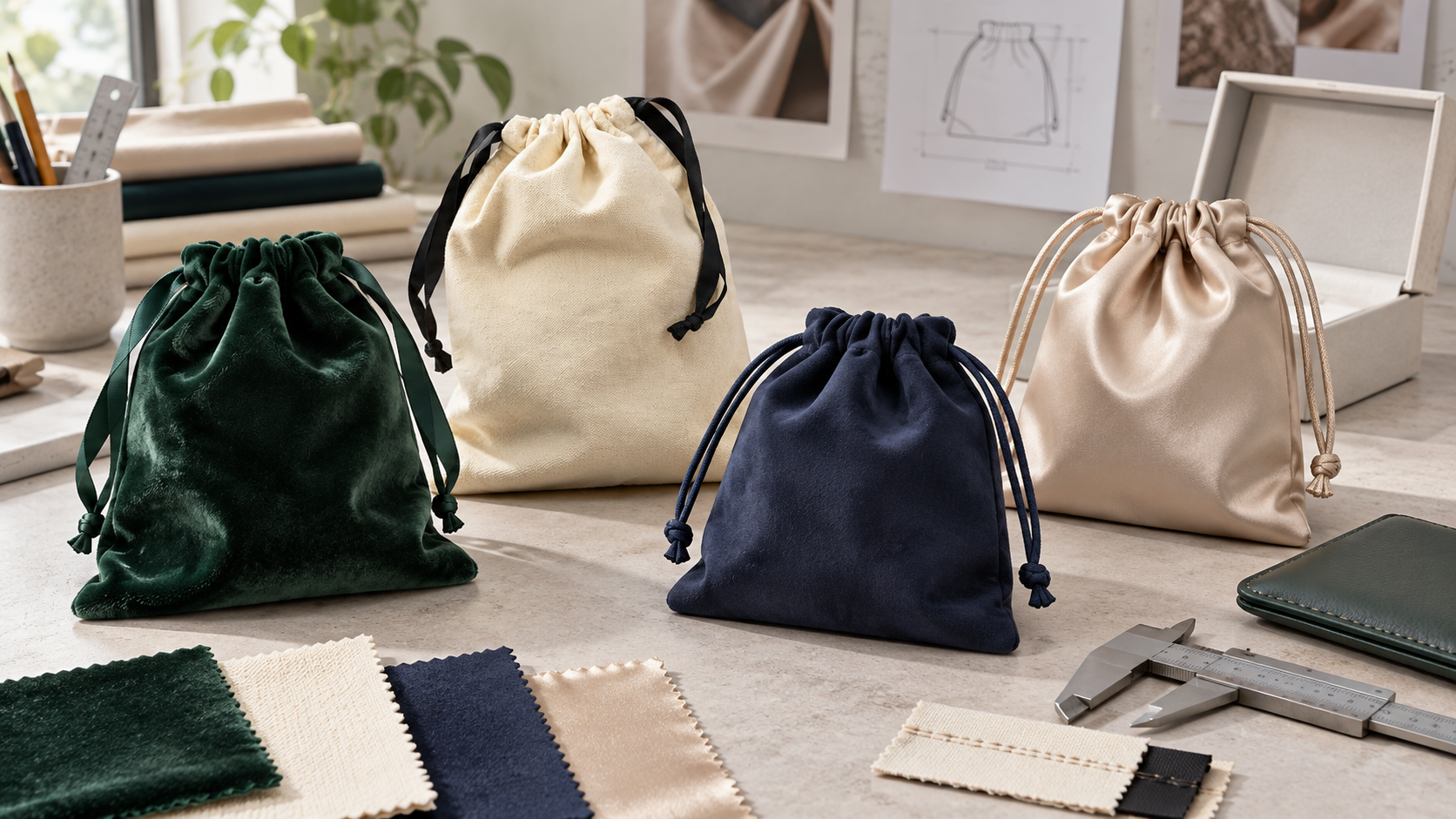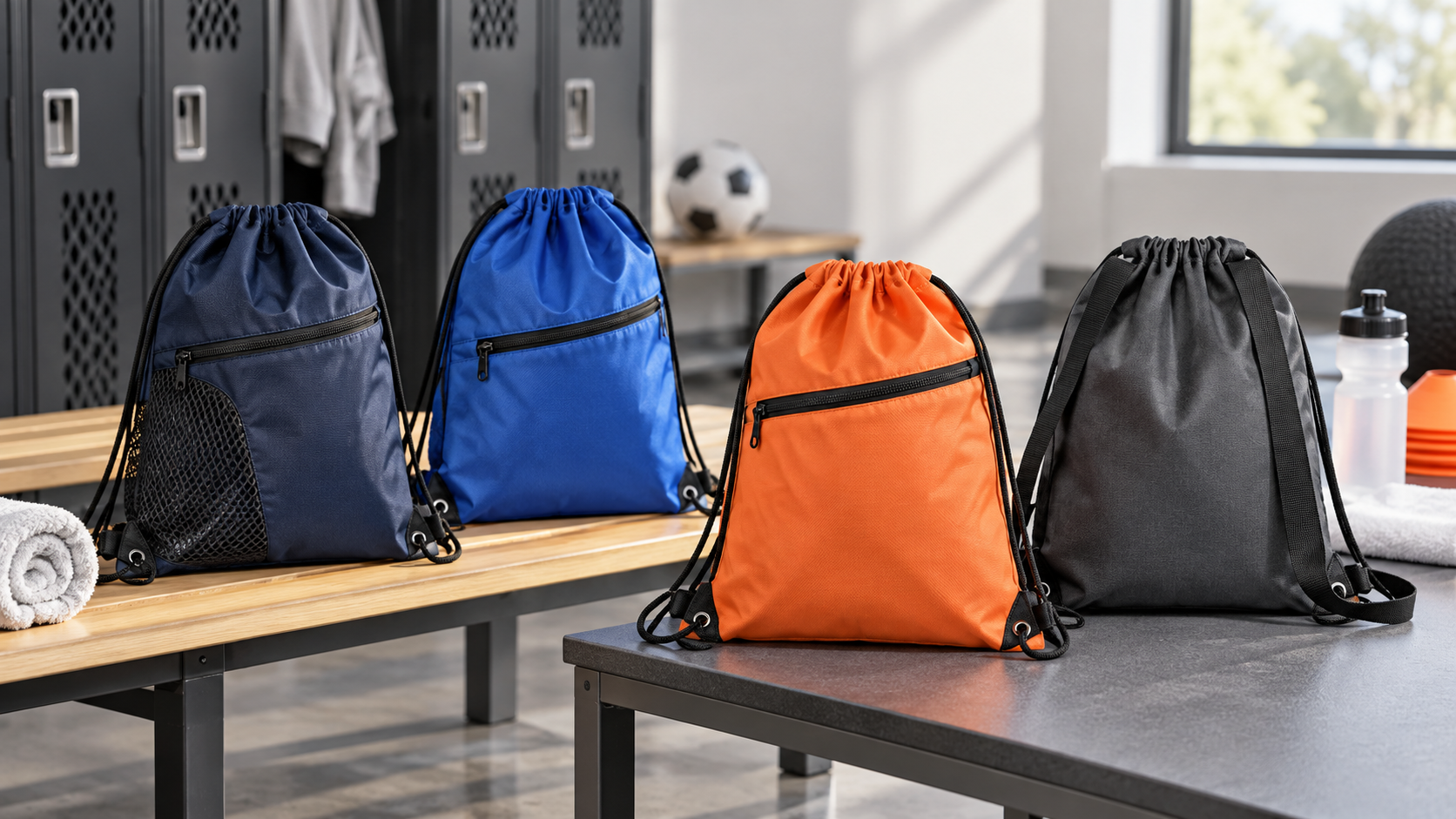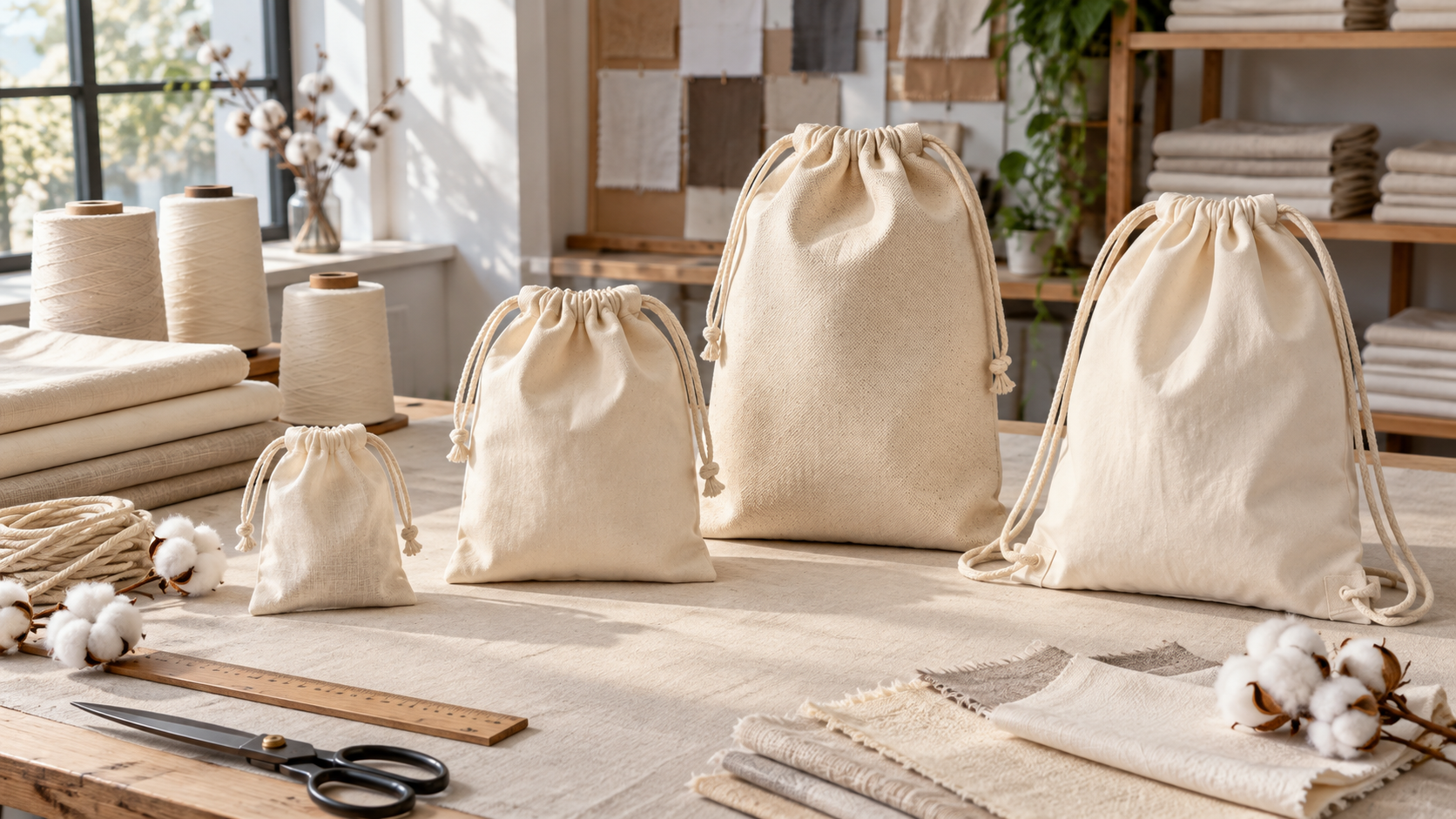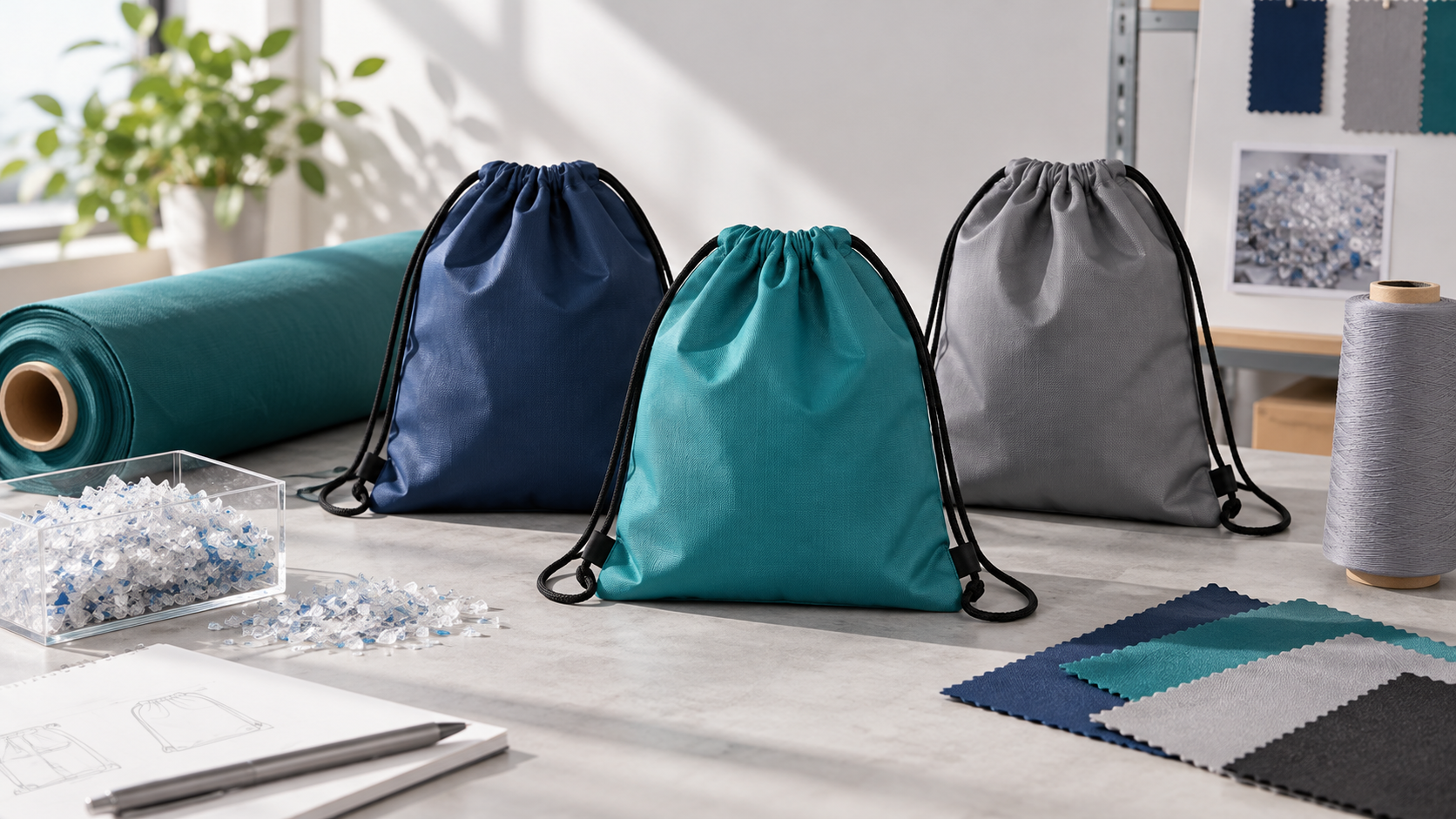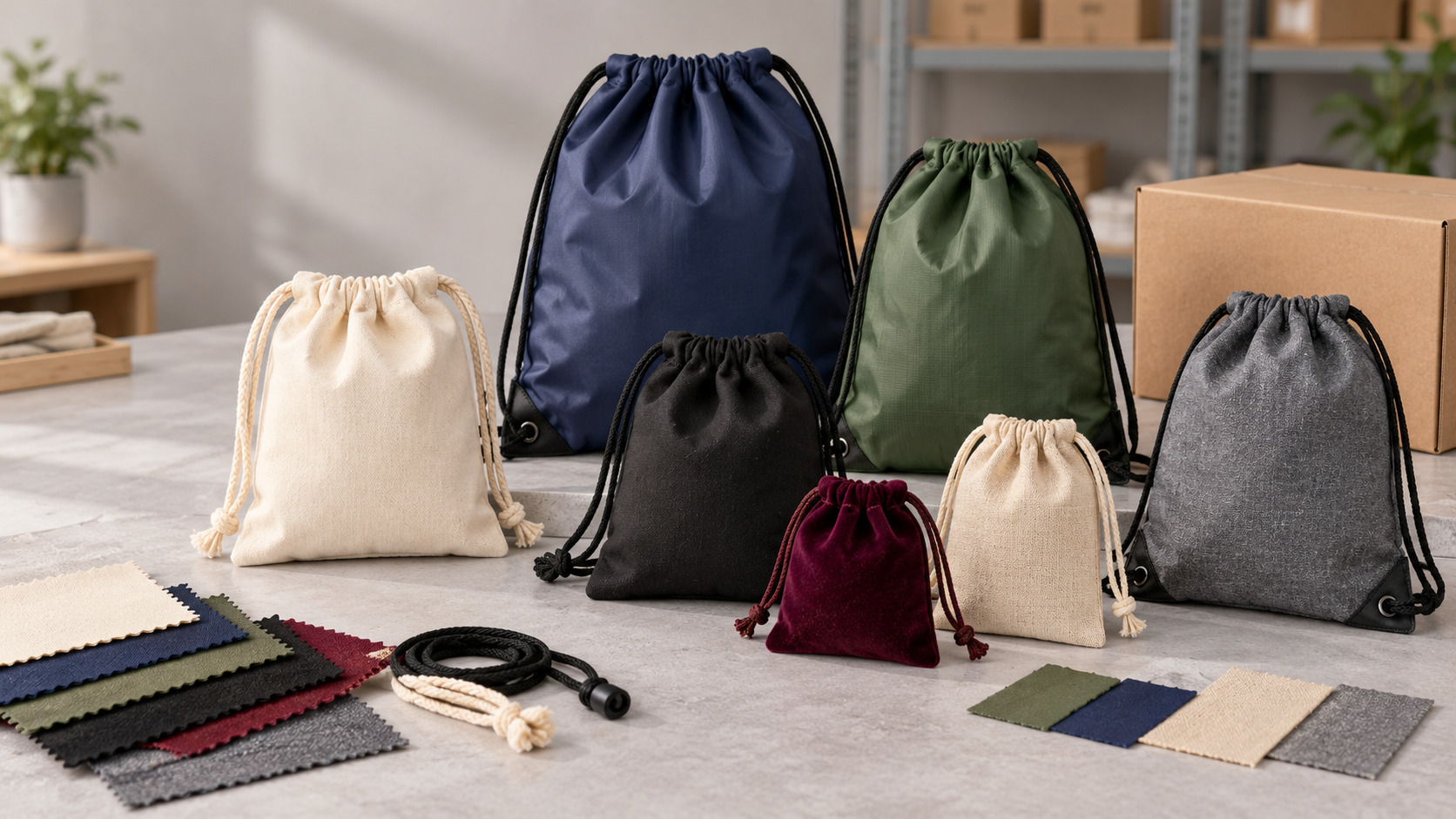
A buyer may ask, “What is your MOQ?” as if one number can cover every bag. In practice, the useful question is more specific: what is the minimum workable quantity for this bag, in this material, with this logo, color breakdown, packaging and delivery plan?
There is no verified universal MOQ for custom bags. A stock blank with a logo, a new cut-and-sew tote and a pouch with custom components have different material, setup and production constraints. Ask for the minimum by style, colour, artwork, component and total order against a dated specification; no number in this guide is a standing LUCKYSTAR offer.
Need to confirm the smallest workable order? Send the bag specification, material and component choices, artwork, quantity by style/colour/SKU and target date. Ask for a component-level minimum and dated price tiers.
This guide explains the drivers behind a component-level minimum, how to compare offers fairly and what to change when your launch volume is small. For the wider supplier decision, begin with our Custom Bag Manufacturer guide.
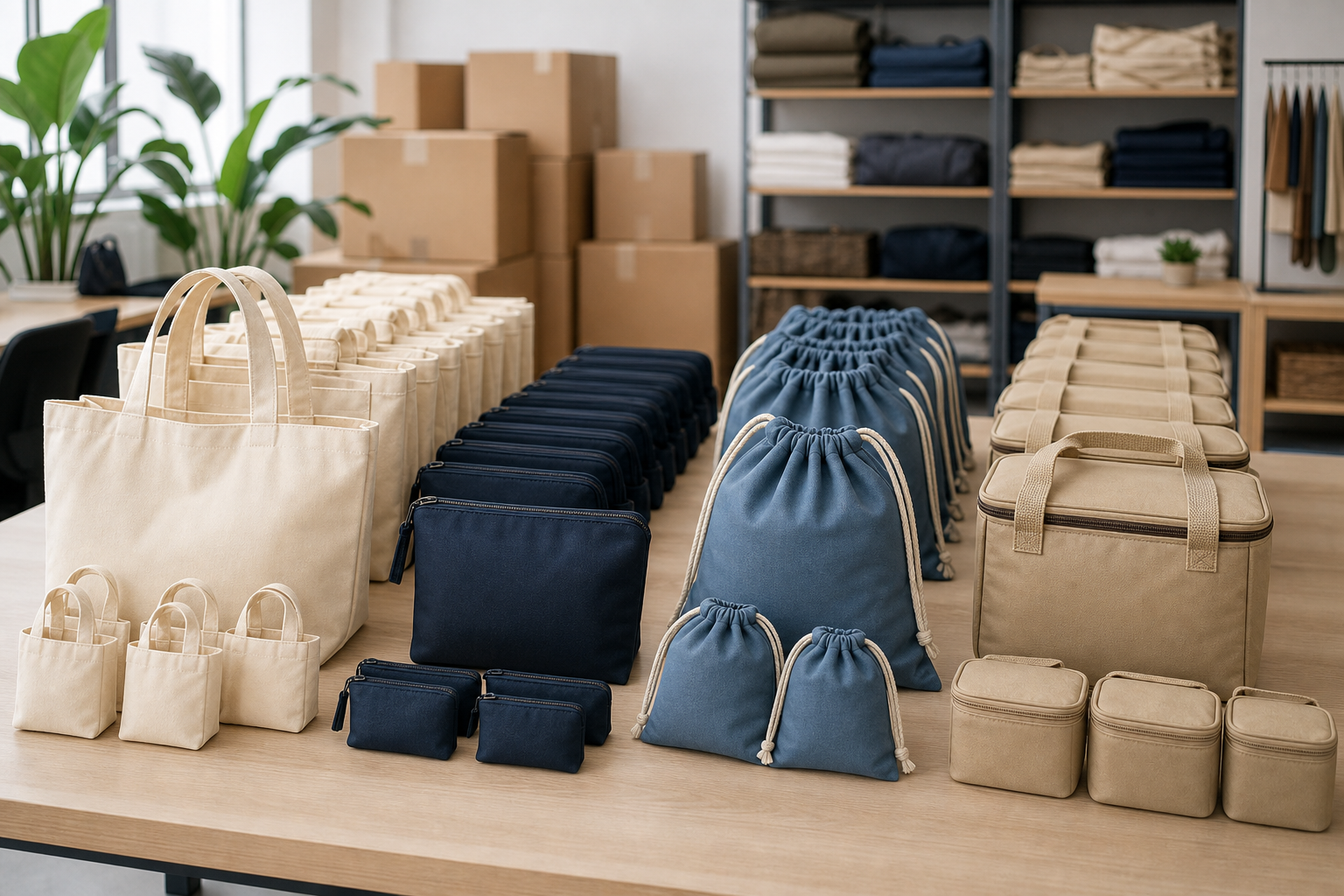
MOQ drivers by custom bag type
Use this worksheet to request a comparable minimum for the same construction. The former generic quantity bands were not sourced to current supplier quotes and should not be used as a budget or purchase commitment.
| Bag program | Minimum to request in writing | Potential lower-volume route | Likely controlling input |
|---|---|---|---|
| Stock blank + simple logo | Available blank quantity plus decoration minimum by artwork | Existing size, fabric and colour | Print setup and packing |
| Cotton, canvas or non-woven tote | Minimum by body fabric, colour, print and construction | Stock fabric and approved standard construction | Dye lot, heavy fabric or multi-position decoration |
| Cosmetic pouch | Minimum by shell, lining, zipper and hardware | Available materials and existing pattern | Custom lining, metalwork or molded puller |
| Drawstring bag | Minimum by fabric, cord, corner reinforcement and artwork | Stock fabric and cord | Custom dye, fitting or print setup |
| Backpack or travel bag | Minimum by pattern, lining, padding and component family | Suitable existing construction and standard trims | Custom hardware, complex assembly and testing |
| Cooler bag | Minimum by insulation, lining, lamination and sealing | Available construction and materials | Custom lamination, sealing and performance checks |
Request the legal seller, site and supplier route, quantity scope, price tier, sample basis and quote validity for the exact SKU. None of these rows is an offer or current market average.
First, clarify what the MOQ actually applies to
Two suppliers can quote the same headline minimum but define different scope. One may permit stock colours to share a total; another may require a separate fabric lot per colour. Put the scope by style, colour, artwork and material lot in writing before comparing prices.
| MOQ scope | Meaning | Question to ask |
|---|---|---|
| Per order | Several variants may share one total | Can the total be divided among sizes or colors? |
| Per style | Each construction has its own minimum | Does a size change create a new style? |
| Per color | Each body or lining color must reach the minimum | Can stock colors be mixed within the total? |
| Per artwork | Each logo version creates a separate setup | Can one logo change without resetting the MOQ? |
| Per material lot | The mill or trim supplier sets the floor | Is the minimum driven by the factory or a material supplier? |
This distinction matters most when a range has many SKUs: the total order can be divided into variants too small for the quoted material or decoration setup. Ask for the per-variant split alongside the total.
Why custom bag factories set minimums
The practical MOQ for custom bags can reflect material booking, colour matching, pattern preparation, cutting, logo setup, sewing-line changeover, inspection and packing. Some setup costs remain even when the run changes, but the actual minimum and unit economics require supplier evidence for the chosen design.
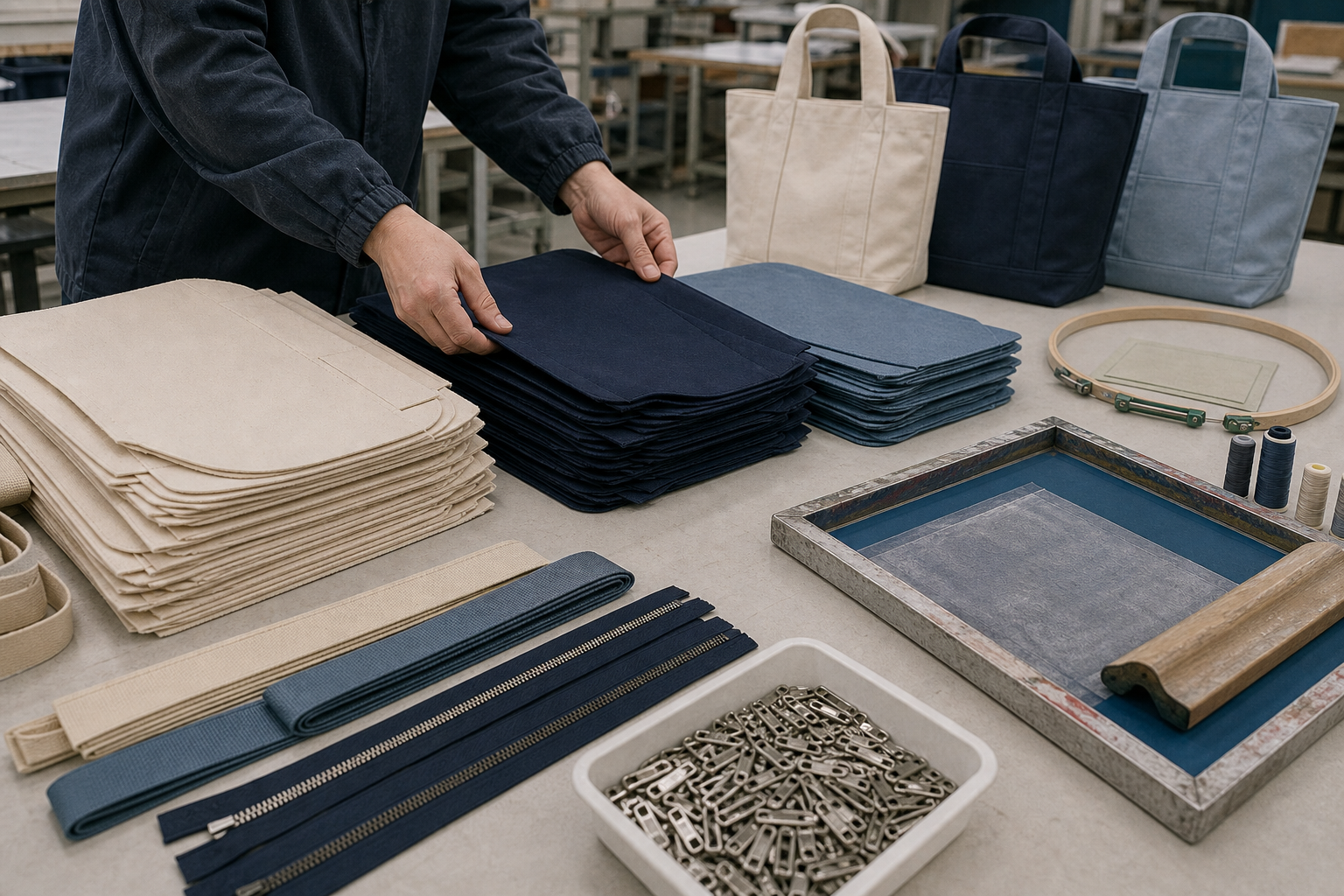
| MOQ driver | Why it creates a floor | Useful buyer question |
|---|---|---|
| Fabric and dye lot | Mills sell rolls or dye batches, not the exact few metres a small run needs | Is a close stock color available? |
| Printing or embroidery | Screens, digitizing, fixtures and color registration require setup | Which decoration method suits this quantity? |
| Zippers and hardware | Custom colors, plating or molds often have supplier minimums | Which in-stock trim is closest to the design? |
| Pattern and cutting | Markers, templates and cutting plans take time before sewing starts | Can an existing construction be adapted? |
| Line changeover | Operators and machines need to be arranged for a repeatable workflow | What volume makes the line efficient? |
| Retail packaging | Printed boxes, cards and labels may have separate printer minimums | Can standard packing be used for the first order? |
That is why a factory can sometimes reduce the bag MOQ but not the custom zipper MOQ. The buyer may need to purchase surplus trim, use a stock component, or carry the balance into a repeat order. A transparent quote should reveal this rather than hide it inside a single price.
MOQ and unit price move together—but not in a straight line
A lower minimum sounds safer, yet it can make each bag disproportionately expensive. Fixed development and setup costs are spread over fewer pieces; material purchasing is less efficient; and a short sewing run may end before the line reaches a stable rhythm. On the other hand, buying far beyond realistic demand turns a good unit price into slow-moving inventory.
| Order choice | Likely cost pattern | Main commercial risk | Best use |
|---|---|---|---|
| Below normal MOQ | Higher unit cost or setup surcharge | Price may not support the target margin | Market test using standard inputs |
| At economical MOQ | Better balance of setup and material cost | Forecast still needs validation | First commercial production |
| Well above MOQ | Potential price tiers and steadier production | Excess stock, storage and cash tied up | Proven demand or scheduled campaigns |
A better comparison is total landed and inventory cost, not factory unit price alone. Include sampling, setup, inspection, freight, duties where applicable, warehousing and the cost of any unsold pieces. Ask for price tiers—perhaps at the confirmed MOQ, the next efficient batch and your forecast quantity—so the decision is visible.
Cosmetic bag vs. custom tote MOQ: why the numbers differ
Cosmetic bags and custom totes may use similar fabrics, but their economical production quantities can be very different. A flat tote usually has fewer components and sewing operations. A lined cosmetic pouch may require separate shell and lining materials, zipper purchasing, structured panels, internal pockets, metal accessories, and tighter appearance control. Each additional custom component can create its own supplier minimum.
| Comparison point | Low-MOQ custom tote | Custom cosmetic bag | Buyer action |
|---|---|---|---|
| Typical construction | Flat body, handles, simple seams | Shell, lining, zipper and shaped panels | Separate essential features from optional details |
| Realistic low-volume route | Stock fabric, standard size and one logo | Stock fabric and zipper with an existing pattern | Ask what can be sourced from current inventory |
| Common MOQ drivers | Custom dye, heavy canvas and several print positions | Custom lining, molded puller, metalwork and complex compartments | Request a component-level MOQ explanation |
| Quantity to confirm | Ask for blank versus custom-cut minimums by fabric and print | Ask for shell, lining, zipper and hardware minimums | Request dated component-level evidence and a written quote |
A low-volume claim should be checked carefully. It may refer to decorating an existing blank rather than manufacturing a fully customized bag. Ask which materials, dimensions, colours and components are standardized. For broader cost planning, see how custom bag specifications affect price.
Seven practical ways to reduce an MOQ
- Start with an existing pattern. Adjust dimensions or details only where they affect the product’s purpose.
- Use stock fabric and standard trim. A readily available material color, zipper and webbing can remove upstream minimums.
- Reduce the number of variants. Put more pieces behind one color or artwork instead of spreading volume across many SKUs.
- Simplify the decoration. One print location and fewer colors usually require less setup than several embroidery or patch applications.
- Choose standard bulk packing. Add custom printed retail packaging after demand is proven.
- Accept a small-run surcharge when the economics work. Paying more per piece can be rational if it protects cash and validates demand.
- Share a credible repeat-order plan. A supplier may suggest material reservation or staged releases when the design and forecast are stable.
The goal is not to pressure a manufacturer into an uneconomical number. It is to discover which specification choices are driving the minimum and decide which ones matter to the customer. Browse our product range to identify proven constructions that can serve as a practical starting point.
How to evaluate a low-MOQ bag supplier
A low headline MOQ is useful only when the supplier can deliver the approved specification consistently. Before paying for a sample or production deposit, verify what the quoted minimum includes and whether the factory has a repeatable route from sample to bulk production.
- Confirm whether the bag is stock, semi-custom or fully custom. A stock tote with a printed logo has a different cost and risk profile from a new pattern with custom-dyed fabric.
- Ask for tiered quotations. Compare the confirmed minimum, the next supplier-efficient batch and your own forecast quantity. The price curve can show how setup and material costs are allocated.
- Request relevant samples. Review bags using similar material, construction and decoration rather than unrelated showroom items. Follow a documented custom bag sample development process.
- Check component availability. Confirm whether fabric, zipper, webbing, hardware, ink and packaging are stock items or require separate minimum purchases.
- Verify quality controls at small volume. A small order still needs an approved sample, written tolerances, in-line checks and final inspection.
- Test commercial transparency. The quotation should separate sampling, tooling, unit price, packaging, testing, freight and taxes, with clear payment terms and validity.
- Assess the repeat-order plan. Ask whether colors, materials and trims can be reserved or reproduced later and how pricing changes when the order grows.
Use our custom bag manufacturer selection checklist to compare technical capability, communication, capacity and quality—not MOQ alone.
When a higher MOQ is the better decision
There are good reasons to accept a larger production run. A precise brand color may require custom dyeing. A new zipper pull may be central to the design. A reinforced structure may be essential for the intended load. If those details create clear customer value and demand is supported, removing them solely to reach a smaller minimum can weaken the product.
A higher quantity can also improve repeatability. Enough material can be booked from one lot, the sewing line can stabilize, and inspection data becomes more meaningful. Buyers should still protect themselves with an approved sample, defined tolerances and inspection requirements. Our overview of the custom bag manufacturing process shows where those controls belong from specification through shipment.
How to request an MOQ quote you can actually use
A factory cannot give a dependable minimum from a logo and a reference photo alone. Send a compact RFQ that removes the largest unknowns. If something is undecided, say so and ask for two options rather than leaving the supplier to guess.
| RFQ item | What to provide | Why it affects MOQ |
|---|---|---|
| Bag specification | Dimensions, structure, pockets, closure and intended use | Defines pattern, components and line setup |
| Material | Fabric type, weight, color and performance needs | Determines roll, dye-lot and finishing minimums |
| Branding | Artwork, size, colors, position and preferred method | Defines screens, embroidery or label setup |
| Quantity breakdown | Total pieces by style, size, color and artwork | Reveals whether each variant is economical |
| Packing | Bulk, individual bag, insert card, label or retail box | Printed packing has its own supplier minimums |
| Timing and destination | Required delivery window, country and postcode/port | Affects scheduling and the practical shipment plan |
Ask the supplier to return five items: confirmed MOQ and what it applies to; price tiers; sample cost and timing; mass-production lead time after approval; and the assumptions or substitutions behind the quote. Then evaluate the supplier itself with our custom bag manufacturer checklist. A low number is not useful if the company cannot explain how it will maintain materials, workmanship and delivery.
Common MOQ mistakes to avoid
- Quoting before the design is defined. The price and minimum will change when pockets, lining or hardware appear later.
- Ignoring the colour split. The same total divided among several colour-and-artwork variants may fall below separate material or decoration minimums.
- Comparing different specifications. One quote may use stock polyester while another assumes custom-colored recycled fabric.
- Approving only a digital mock-up. A physical pre-production sample exposes proportion, hand feel, logo and construction issues.
- Buying extra pieces only to reach a cheaper tier. The discount must outweigh financing, storage and markdown risk.
- Treating “flexible MOQ” as proof of capability. Verify materials, quality controls, communication and production fit as well.
A buyer’s five-minute MOQ checklist
- Is the minimum per order, style, color, size or artwork?
- Which material or component creates the highest minimum?
- Can stock inputs lower it without changing the product’s purpose?
- What are the price tiers above and below the recommended quantity?
- Are sample, setup, packaging and inspection charges shown separately?
- Can surplus custom material be stored or used in a repeat order?
- Does the quoted lead time start after sample approval and deposit?
- Which specifications and tolerances will be attached to the order?
Company-claim boundary: the following section is LUCKYSTAR publisher self-description and a commercial MOQ review proposal. It is not independent proof of factory ownership, stock allocation, current component minimums, capacity, price, sample fees, quality, certification or delivery. Legal seller and sites, each material/component supplier, minimum by style/colour/artwork, setup, price tier and schedule remain order-specific and subject to current evidence, final specification, dated quotation, contract and written confirmation.
How LUCKYSTAR describes its MOQ review
LUCKYSTAR states that it can review a controlled bag brief and return the proposed minimum for each product and upstream component.
- Map variants: identify total units and the split by construction, colour, artwork and SKU.
- Find the floor: separate mill, zipper/hardware, decoration, packaging and sewing-run minimums.
- Compare alternatives: quote available versus custom materials, approved standard versus modified construction and setup charges separately.
- Price tiers: show the lowest workable quantity, next efficient batch, forecast quantity, excess inputs and quote validity.
- Preserve controls: keep the approved sample, tests, inspection and release rules consistent across options.
Review the bag product range and quotation guide, then request a component-level MOQ proposal.
Frequently asked questions
Can I order 100 fully custom bags?
Do not assume 100 fully custom bags are available. Ask for two written routes: decoration of available blanks or stock-based construction, and a separate quote for the exact new cut-and-sew design and components. The supplier must confirm minimums and charges for both.
Is sample quantity the same as production MOQ?
No. A factory can usually make one or a few development samples because those pieces are produced separately and charged accordingly. The bulk MOQ reflects material purchasing and repeatable production conditions.
Can several colors share one MOQ?
They may when stock fabrics and common components are used, but custom-dyed materials often require a minimum for each color. Ask for the permitted color split in the written quote.
Why did the MOQ change after sampling?
The sample may reveal a new material, hardware, printing or construction requirement that was not present in the original estimate. Request an updated bill of materials and ask exactly which item changed the minimum.
What is the best MOQ for a first order?
The best quantity is large enough for stable production and a viable landed cost, but small enough to match a realistic sales or campaign forecast. Ask for the lowest workable quantity and the next efficient production tier for the exact specification; no cross-category range establishes either one.
What is a typical MOQ for custom cosmetic bags?
There is no verified universal MOQ for cosmetic bags. Ask for a component-level quote using the chosen shell, lining, zipper, hardware and construction; stock inputs may change the minimum, while custom inputs can create separate supplier commitments.
Can I order 50 or 100 custom tote bags?
Ask whether 50 or 100 units refer to available blanks with decoration or a new cut-and-sew tote. The material, colour, print and packing supplier may each set a separate floor. Request an itemized written quote for the exact version.
How should I negotiate MOQ without sacrificing quality?
Offer flexibility in color, stock materials, packaging or delivery timing instead of asking the factory to absorb fixed costs. Request tiered prices and consider paying a transparent setup charge when it produces a safer first order. Never remove essential reinforcement, testing or inspection merely to reach a lower minimum.
Find the component that actually sets your minimum
Send one controlled specification and the total, colour and artwork split. Ask for the floor by fabric, trim, decoration and packing, plus the next efficient production tier.

Review the LUCKYSTAR bag range, then send the MOQ brief through the contact form or Email a project brief. The email link opens a prefilled draft for your review before sending.
Legal seller and facilities, stock and supplier minimums, materials, samples, testing, inspection, capacity, MOQ, price, packing, schedule and delivery terms are subject to current evidence, final specification, dated quotation, contract and written confirmation.