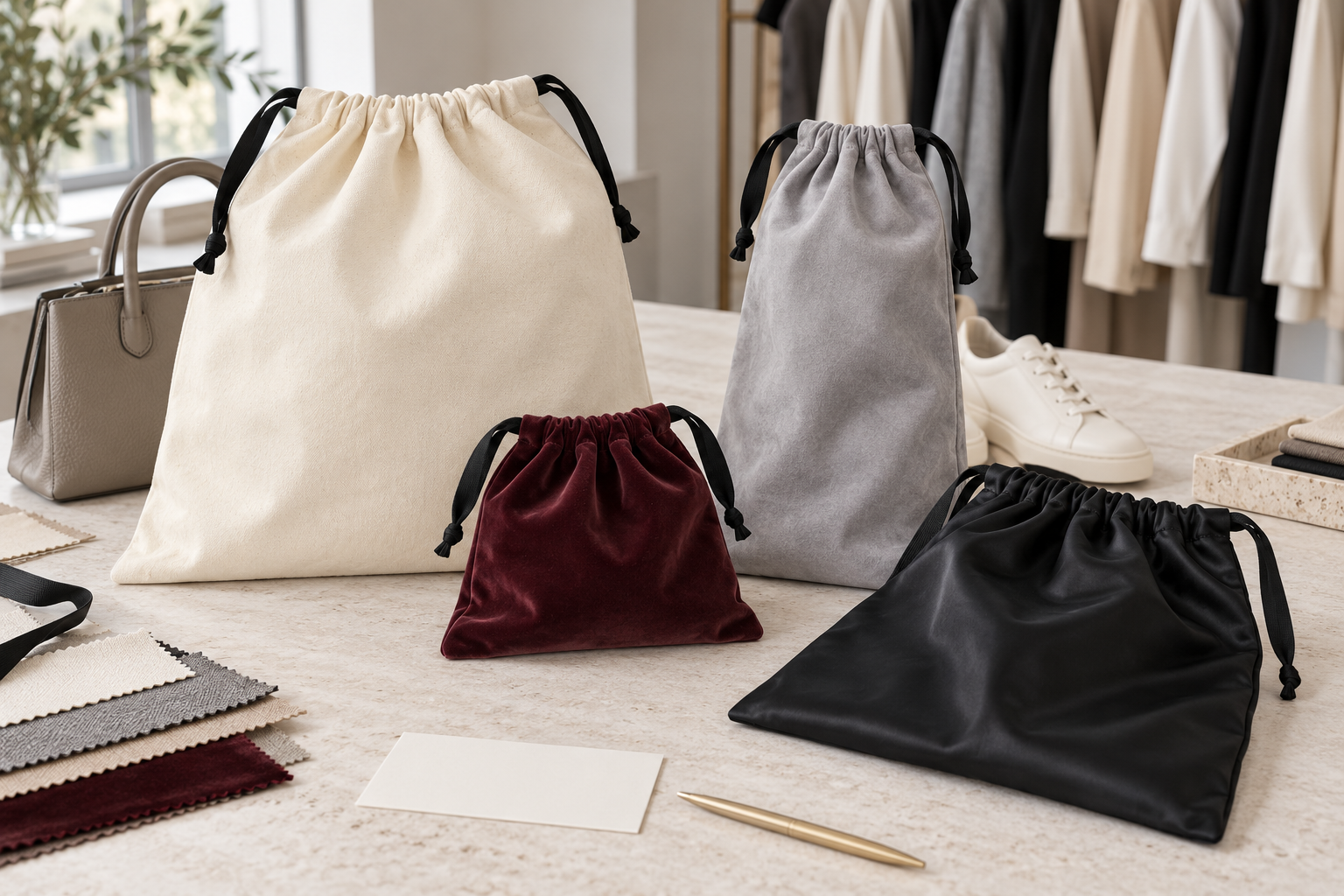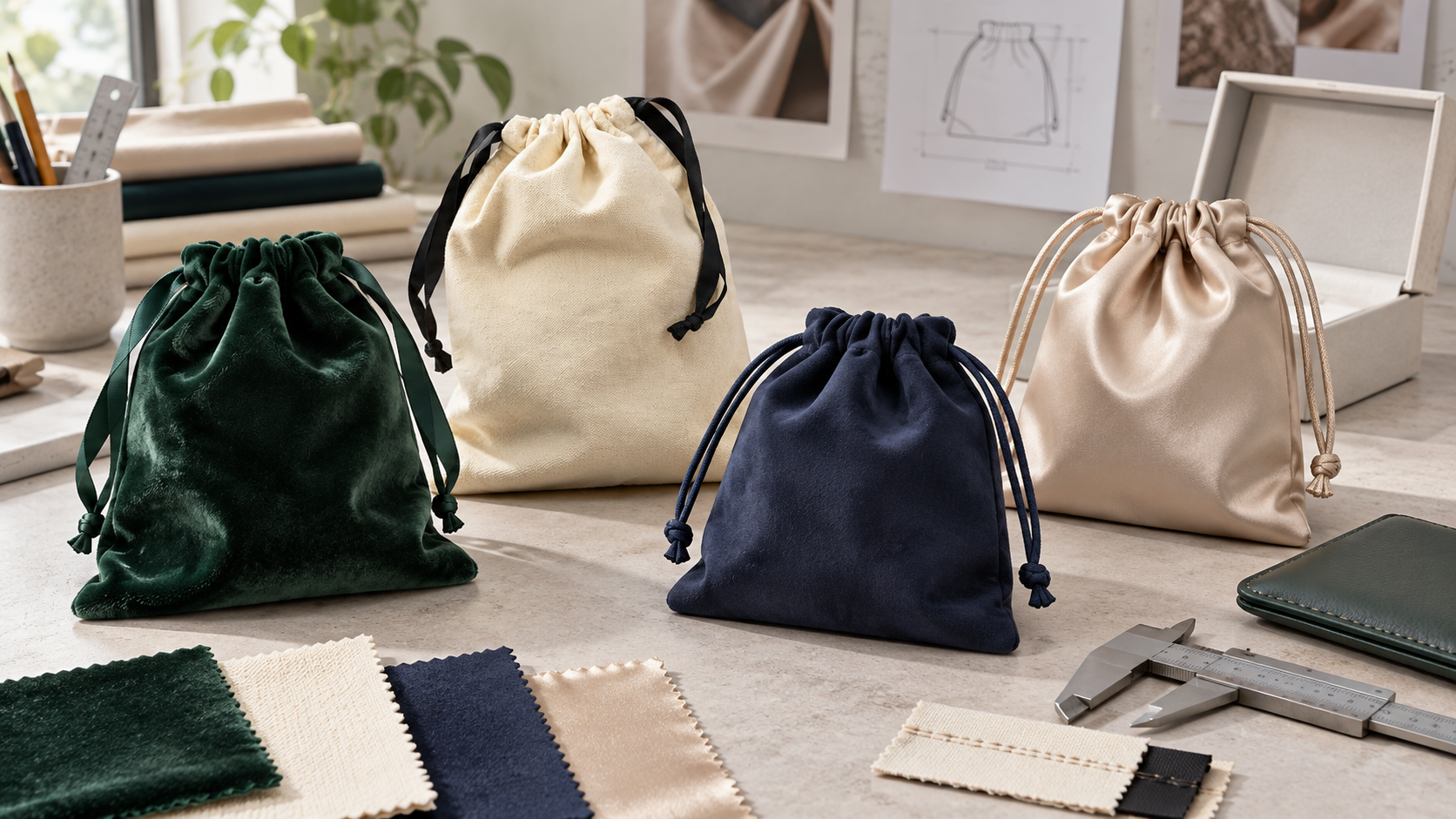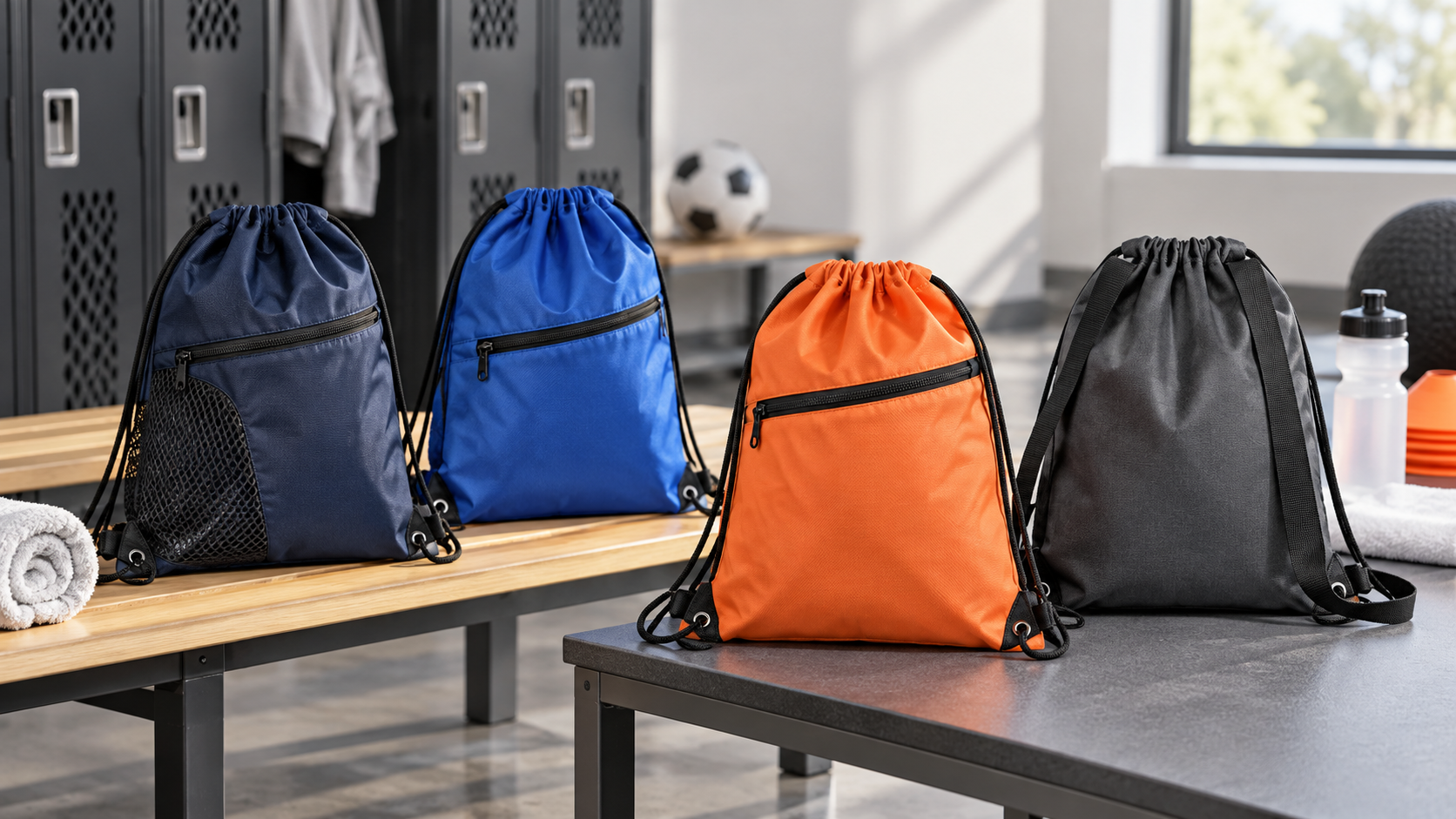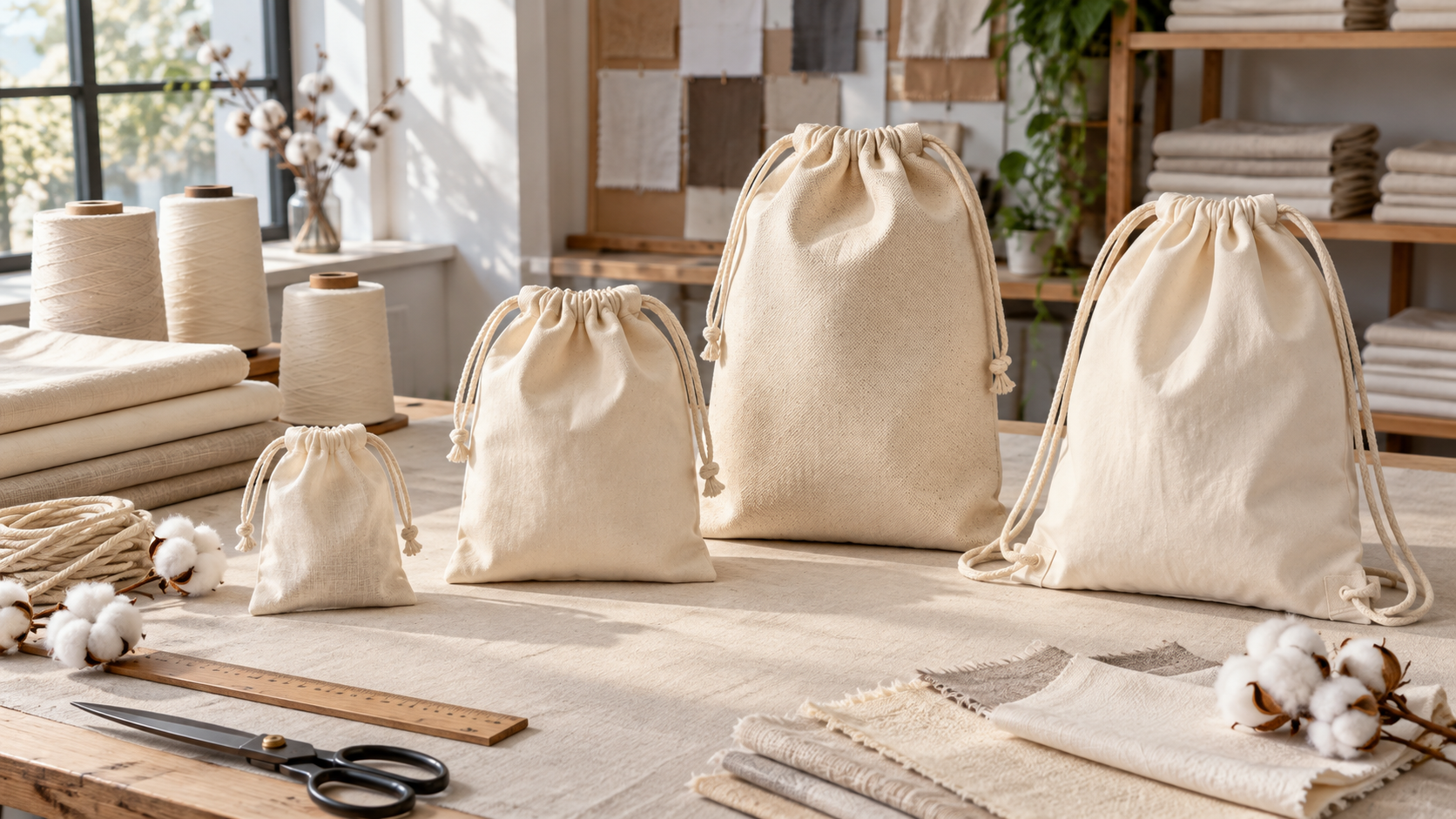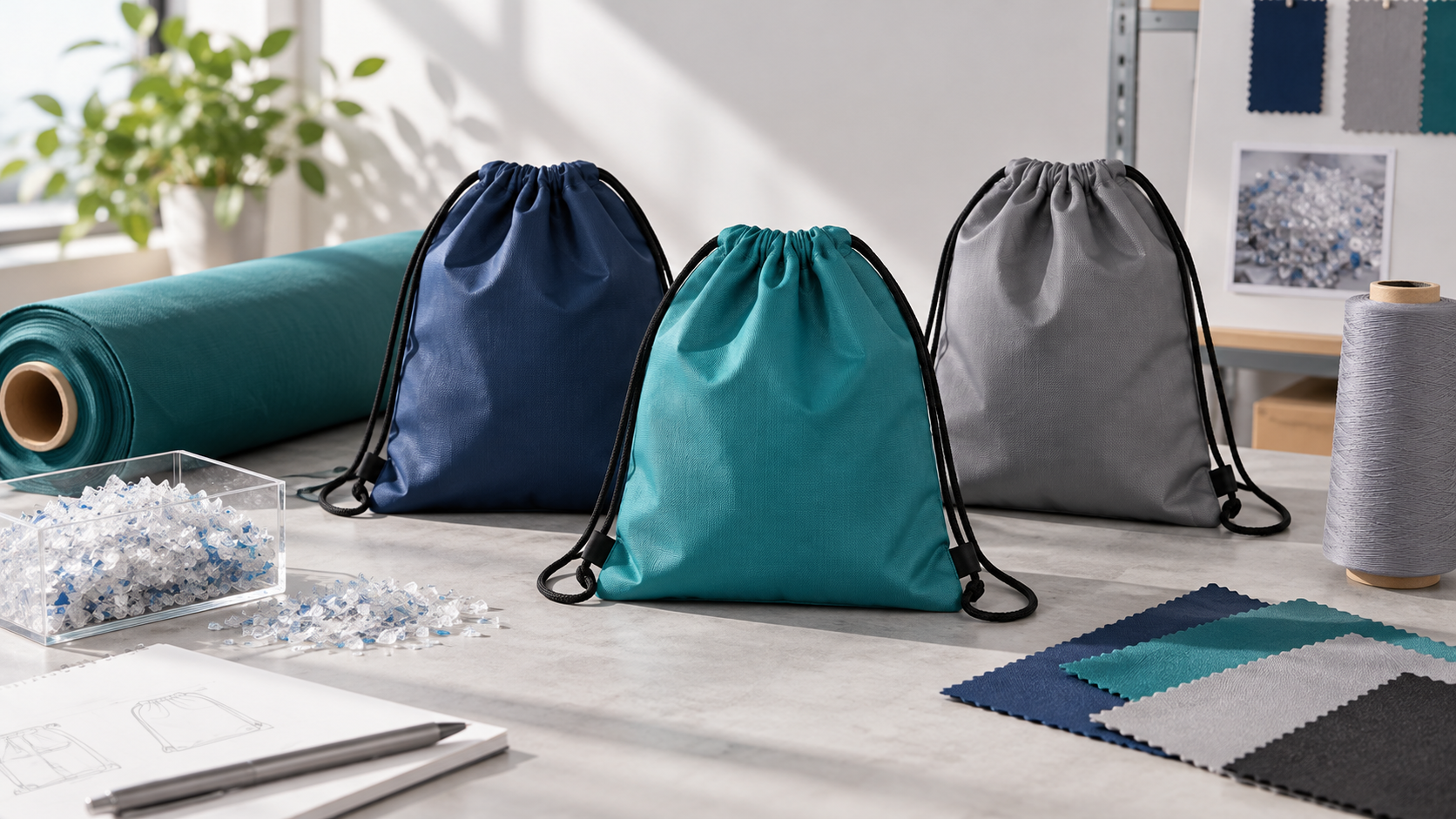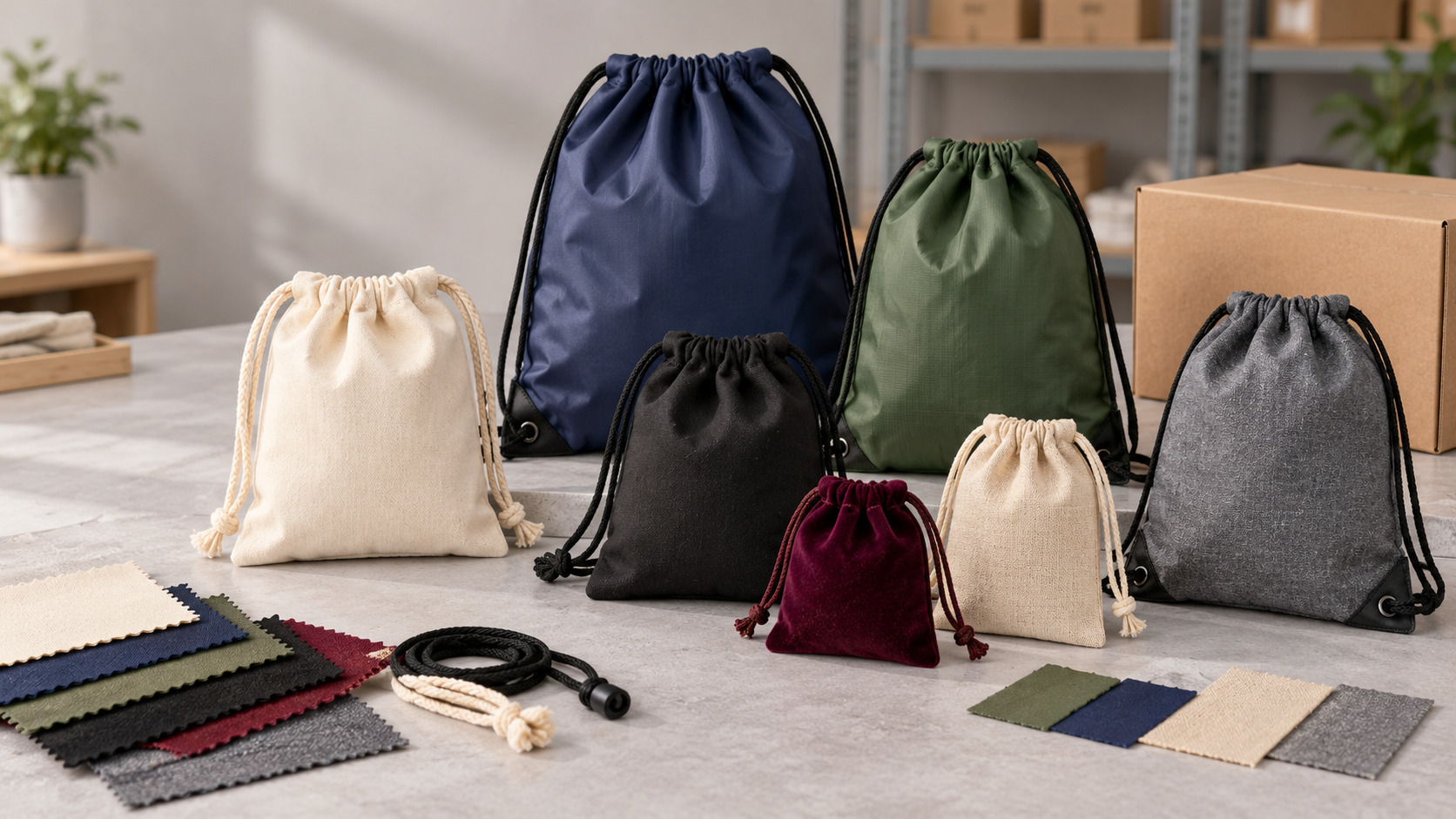
Choosing a shopping bag manufacturer starts at the checkout counter, not in a supplier catalogue. The right bag has to fit the products staff actually pack, stand or fold in the way the store expects, carry a defined load, present the brand clearly and arrive in cartons that do not consume unnecessary back-room space.
That is why two suppliers can quote “a custom shopping bag” and mean different products. One may assume a paper carrier with twisted handles. Another may price a light non-woven giveaway, a laminated woven-PP grocery bag or a sewn cotton shopper. Unless the brief fixes the use, material, dimensions, construction, printing and packing, the prices cannot be compared.
This guide explains How to Choose a Custom Shopping Bag Manufacturer through evidence rather than sales claims. Buyers can begin with LUCKYSTAR's custom shopping bag collection and use the wider Custom Bag Manufacturer Guide for sourcing principles that apply across bag categories. This article stays shopping-bag specific: retail workflow, carrying capacity, gussets, handles, print approval, flat storage, cartons and repeat-store supply.
Planning an order? Send one custom shopping bag RFQ. Include the store type, intended products and load, dimensions, material route, handles, printing, quantity by SKU, packing, destination and required date.

A useful manufacturer comparison begins with one retail program and several clearly specified material routes—not unrelated catalogue samples.
Page role: This page is the shopping-bag supplier selection and scorecard guide. Apply its checks to the worldwide manufacturer shortlist, then use the custom shopping bag collection to turn the chosen route into a quote-ready specification.
Start with the retail program, not the bag style
A shopping bag is part packaging, part handling tool and part media. Its job changes by channel. A boutique paper carrier may need crisp print, a stable base and clean rope-handle holes. A supermarket bag may prioritize carrying capacity, moisture tolerance and repeat use. A promotional foldable shopper must pack compactly and open without confusing the recipient.
Write the use case before choosing the material. List representative products, the heaviest normal checkout load, the largest item, how long the customer is expected to carry the bag, whether the bag is sold or given away, and how stores will keep it behind the counter. These facts determine which factory processes matter.
| Retail program | Likely construction direction | First failure to prevent | Factory evidence |
|---|---|---|---|
| Fashion or beauty boutique | Paper carrier, coated textile or structured reusable bag | Poor standing shape, handle damage or inconsistent brand color | Filled checkout sample, handle attachment method and print/finish master |
| Supermarket or grocery | Woven PP, non-woven PP, recycled polyester or durable fabric | Handle/seam failure, sagging base or insufficient usable volume | Defined carrying-capacity trial and production construction sample |
| Event or mass promotion | Simple non-woven, polyester or stock-form bag with decoration | Late delivery, unstable logo placement or pack-out errors | Comparable high-volume order, print strike-off and dated capacity plan |
| Membership or loyalty program | Foldable reusable bag, pouch-integrated shopper or compact tote | Weak fold system, snap/zip failure or poor recovery after storage | Repeated fold-use trial and packed deployment sample |
| Premium seasonal collection | Custom material, coordinated handles, lining or specialty finishing | Sample-to-bulk color and finish drift | Component masters, pre-production sample and retained bulk standard |
1. Choose the manufacturing route before the manufacturer
“Shopping bag” spans converting, printing, laminating, heat sealing and sewing. Paper carriers, non-woven bags and sewn jute shoppers may come from different equipment and supply chains. A company can manage several routes well, but the buyer must know which site and process will make the quoted style.
Ask the supplier to draw a process map from raw material to packed carton. Mark what happens in-house and what is sent to a printer, laminator, handle maker or sewing partner. Outsourcing can provide specialist quality; undisclosed outsourcing creates confusion over color approval, rejects, timing and corrective action.
| Bag direction | Processes a suitable supplier should understand | Qualification question |
|---|---|---|
| Paper carrier | Paper selection, print, lamination/varnish, die cutting, folding, gluing, handle and reinforcement | Which operations and handle formats run at the assigned plant? |
| Non-woven PP | Spunbond material control, cutting, ultrasonic/heat bonding or sewing, printing and optional lamination | Is the seam route suitable for the required load and edge appearance? |
| Laminated woven PP | Woven substrate, film printing, lamination, cutting, binding, webbing attachment and base construction | How are print registration and lamination bond controlled across gussets? |
| Cotton, canvas or polyester | Fabric sourcing, dye/finish, cutting, printing/embroidery, sewing, pressing and packing | Which comparable fabric weight and handle attachment has the line produced? |
| Jute or mesh | Natural material grading, cutting direction, fray control, lining/lamination and reinforced sewing | How are natural variation, open weave and edge shedding approved? |
| Clear PVC or TPU | Film grade control, cutting, welding/sewing, trim compatibility and scratch-protective packing | Which joining process and film grade apply to this design? |
LUCKYSTAR's shopping bag range includes paper, jute, transparent, reusable, cotton mesh, canvas and other retail-carry directions. That breadth is useful only when the final quotation identifies the actual material and production route. “We can make it” should become “this plant will make it this way.”
2. Turn the idea into a shopping-bag specification
Do not request only “medium,” “strong” or “eco-friendly.” Define finished dimensions and how they are measured, side and bottom gussets, intended products, load, body material, handle system, reinforcement, decoration, labels and packing. If a decision remains open, ask the manufacturer to quote named alternatives instead of making a silent assumption.
Volume and carrying capacity are separate. A large lightweight carrier can hold a bulky jacket but fail with bottles; a compact reinforced bag may carry weight but not fit a shoe box. The BS EN 13590 development project covers methods for determining volume and carrying capacity of flexible handled carrier bags across paper, thermoplastic and other flexible materials. At the 15 September 2026 check, BSI showed the project in development with publication targeted for 5 February 2027. Treat it as a useful scope reference rather than a final published standard, and agree the actual test method and acceptance criteria in the order specification.
| Specification field | What to state | Approval evidence |
|---|---|---|
| Use and channel | Store type, sold/free, intended users, representative products and expected reuse | Filled checkout trial with agreed product set |
| Finished geometry | Width, height, side/bottom gusset, tolerance and measuring method | Dimensioned drawing plus production-material sample |
| Material | Composition, structure, weight/thickness, finish, color and meaningful claim | Supplier-coded swatch, lot rule and relevant documents |
| Handles | Material, width/diameter, drop, spacing, attachment and reinforcement | Signed component, attachment section and carrying test |
| Print/branding | Artwork, colors, dimensions, placement, process and visual tolerance | Strike-off or converted-bag sample under agreed lighting |
| Packing | Fold, units per inner/master carton, labels, carton marks and pallet limits | Complete packed sample and carton calculation |
The Custom Bag Tech Pack guide provides a useful starting structure. Add shopping-specific drawings for gussets, handle holes/patches, bottom board, folding and carton orientation.
3. Judge handles, gussets and the bottom as one load system
A shopping bag usually fails where the load changes direction: handle holes, webbing ends, top folds, side-gusset junctions and bottom corners. Increasing only the body material weight may add cost without fixing the weak point. The manufacturer should explain how the load travels from the contents through the bottom and side panels into the handles.
For paper bags, check handle anchoring, reinforcement patch area, top turn and adhesive coverage. For non-woven and woven-PP bags, review weld/seam geometry, webbing overlap, stitch pattern and edge binding. For sewn fabric or jute, inspect seam allowance, reinforcement, fabric direction and whether an internal board changes how stress concentrates at the corners.
4. Evaluate material claims and retail reality together
Material choice is not a one-dimensional sustainability ranking. Paper may suit a short retail journey and efficient flat storage. Woven PP can offer high carrying capacity and repeated use. Non-woven PP supports high-volume campaigns. Jute gives a distinctive natural texture but varies by lot. Cotton and canvas can support premium branding, while mesh and foldable polyester answer different consumer routines.
Use the existing jute versus non-woven and paper comparison and canvas versus non-woven shopping bag guide for material-level decisions. This manufacturer guide asks a different question: can the supplier document and repeat the material selected for your order?
Retail teams developing a paper route can also use the wholesale paper shopping bag guide for boutique workflow, structure and reorder considerations.
For FSC paper, the Forest Stewardship Council explains that chain-of-custody certification tracks eligible forest-based material through the path to finished goods. Verify the certificate holder, validity, product scope, claim and sales documentation for the order. For recycled textiles, consult GRS 5.0 and its transition information. A scope certificate identifies certified organizational scope; shipment-level transaction evidence addresses the material moving through the actual order. Neither should be inferred from a logo or supplier slide.
Environmental marketing also belongs in the approval process. The US FTC Green Guides address substantiation and qualification of environmental claims. Avoid broad language such as “100% eco-friendly.” State the specific attribute, product scope and evidence, then confirm current destination-market requirements with qualified advice.
5. Approve printing on the converted bag
A flat print sample can look correct and still fail after folding, lamination or sewing. Gussets move artwork out of sight, folds change visual balance, dark substrates alter ink appearance and webbing may cover a design that was approved on a two-dimensional proof.
Ask the manufacturer which process fits the substrate and quantity. Paper may use flexographic or offset routes; plain non-woven often uses screen printing; laminated woven PP may use reverse-printed film; sewn polyester can use screen, transfer or sublimation depending on construction. Method names alone do not guarantee performance. Approve the actual fabric/film/paper, ink system, underbase if required, color master, placement and converted result.
- Use vector artwork and identify every spot color or CMYK image.
- Mark print-free areas around seams, folds, handles and reinforcement.
- Define placement tolerance from a stable edge or center line.
- Review rub, flex, adhesion, washing or light exposure according to the real use.
- Keep the signed strike-off with the sealed production sample.
6. Treat the sample as a retail trial
A shopping-bag sample should go through the store journey. Pack it with representative products, lift it from the counter, carry it, set it down, reopen it and store it. Ask store staff whether the opening slows checkout and whether handles tangle. Check whether a small bag tips when loaded and whether a large bag becomes uncomfortable before reaching its intended capacity.
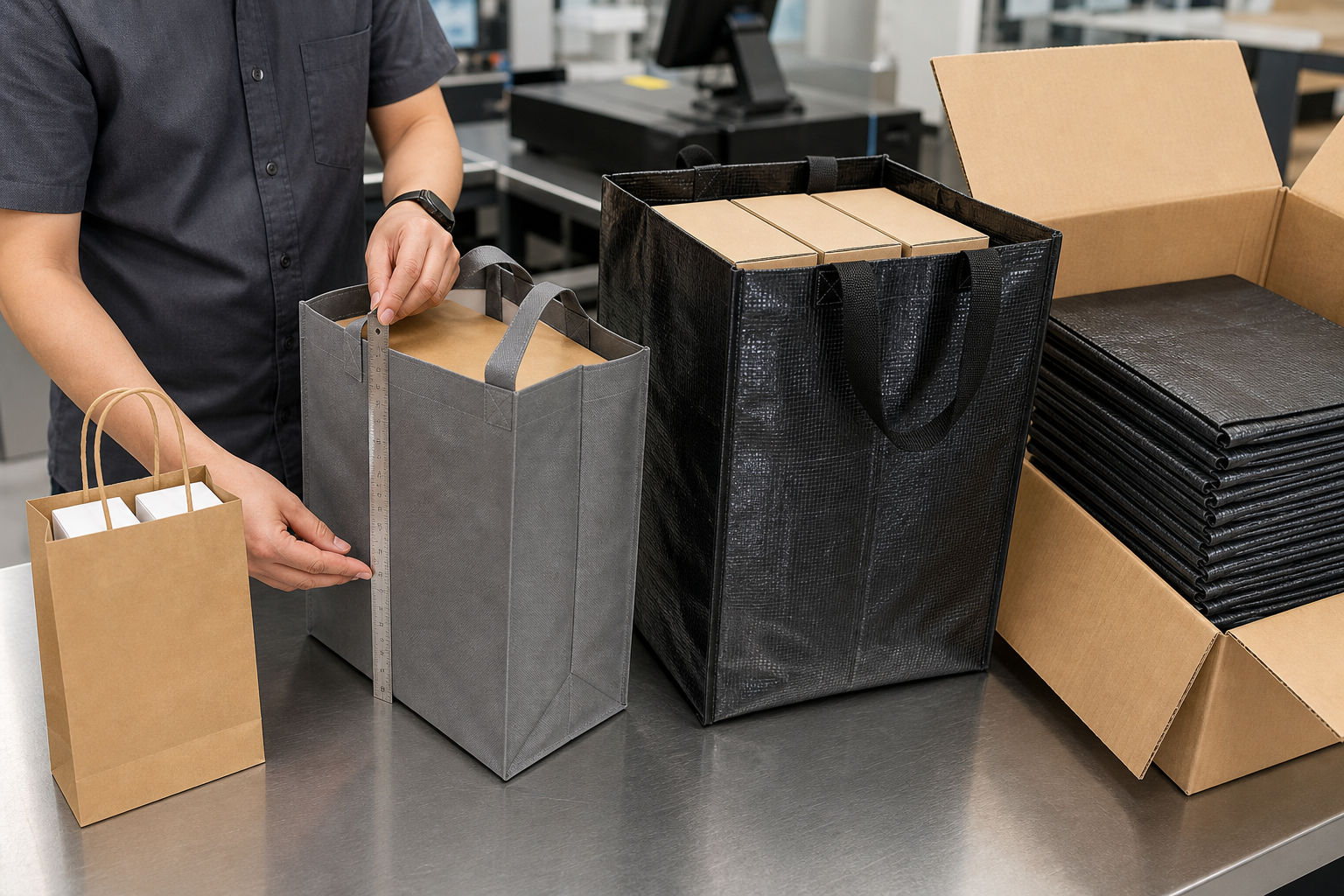
Validate the size family with real products and the shipping carton; a good customer carrier can still be inefficient behind the counter.
| Sample trial | How to run it | What the buyer should record |
|---|---|---|
| Product fit | Pack the largest, heaviest and most common checkout combinations | Opening clearance, usable volume, tipping and product pressure points |
| Counter handling | Have store staff separate, open and pack bags at realistic speed | Handle tangling, opening resistance and workflow delays |
| Carry experience | Lift, walk, stop and set down with the representative load | Comfort, body sag, seam/handle distortion and base stability |
| Brand presentation | View the filled and folded bag from normal customer distance | Logo visibility, gusset interference, crease and shade perception |
| Store and transit pack | Pack a master carton, condition it and reopen the folded samples | Carton cube, fold recovery, blocking, rubbing and staff separation |
The Custom Bag Sample Development Process explains how to document revisions. For a shopping program, the pre-production sample should also freeze folding, nested quantity, label direction and carton arrangement.
7. Ask for a quality plan that follows shopping-bag risks
“100% inspection” is not a quality plan unless the supplier says what is checked and what happens when a defect is found. Incoming controls should identify material and color. In-process controls should cover print, converting or sewing. Final inspection should evaluate measurements, appearance, handle/security, function, assortment, labels and packing.
| Control stage | Shopping-bag checks | Record to request |
|---|---|---|
| Incoming material | Identity, weight/thickness, color, finish, usable width and visible defects | Lot-linked receiving results and substitution control |
| Print/converting | Color, registration, adhesion, fold/glue, weld or lamination appearance | First-off approval and timed inline checks |
| Assembly | Gusset alignment, handle position, reinforcement, seam/bond and base | Line inspection with defect and correction log |
| Function | Carrying capacity, repeated lift, closure/fold system and representative product fit | Defined method, sample identity, result and acceptance |
| Final/packing | Measurements, appearance, quantity, color split, labels, folds and carton marks | Pre-shipment report with sample size, defects and photos |
Use the Custom Bag Quality Inspection Checklist to build the inspection document, but customize the defect list for the selected shopping-bag route.
8. Normalize MOQ, price and lead-time quotations
The visible MOQ may be driven by a hidden component: custom-dyed material, printed film, paper stock, handle color, lamination setup or print plates. Ask for finished-bag MOQ and the minimum for each custom component. Then clarify whether the quantity applies per size, color or artwork.
Put every quotation into the same comparison sheet. Separate recurring unit costs from samples, printing plates, cylinders, cutting dies, molds, testing and inspection. Record packing, freight basis, Incoterm and named place. A lower EXW offer is not directly comparable to an FOB or delivered offer.
| Commercial field | Normalize this detail | Common hidden difference |
|---|---|---|
| Product basis | Material, size, gusset, handle, reinforcement, printing and pack | One supplier removes a reinforcement or reduces material weight |
| MOQ | Total/per SKU/per color/per artwork and component minimums | Headline MOQ excludes custom print film or handle color |
| Tooling/setup | Plates, cylinders, dies, molds, artwork, sampling and ownership | Low unit price is offset by one-time charges |
| Timing | Sample, material, production, inspection and shipping-ready dates | “30 days” begins only after material or artwork approval |
| Logistics | Carton dimensions, gross weight, units/carton, CBM and trade term | Bulky packing changes landed cost more than the unit-price saving |
Use the custom bag MOQ guide and custom bag pricing guide for general planning ranges. The shopping-bag quotation must still be rebuilt around the exact material and store program.
9. Verify capacity with an order-level timeline
Monthly capacity is a marketing number unless it is connected to your style and dates. The bottleneck may be printing, lamination, handle supply, sewing or manual packing rather than the final bag-forming line. Ask which facility and line are assigned, when materials arrive, what daily output is realistic for the approved style and how many days remain for inspection or correction.
Retail programs often include several sizes and colors. Confirm whether they run sequentially or in parallel, how mixed cartons are controlled, and which SKU reaches the line first. If stores launch together, a late small-size SKU can delay the entire program even when total output looks healthy.
10. Test carton and store efficiency before bulk
Shopping bags can be inexpensive per piece yet expensive per cubic meter. Handle shape, bottom boards, folded thickness and individual packing affect cartons, pallets, freight and back-room storage. Ask for a packing mock-up using production materials, not only a spreadsheet estimate.
Observe fold recovery. A paper carrier should open without cracked print or damaged handle holes. A laminated woven bag should not keep a severe crease across the branding panel. A foldable textile bag should deploy easily and return to its pouch. Confirm whether staff can separate bags quickly during a busy checkout period.
11. Audit the supplier model and communication
A factory, trading company or managed-production partner can each succeed when the model is disclosed and accountability is clear. Request the legal seller, production address, process map, current documents relevant to the order, subcontractors, inspection responsibility and corrective-action owner. Audit logos should be matched to the named site and valid scope.
Communication is a production control. Send numbered sample comments and see whether the supplier returns a consolidated revision record. Ask one deliberately cross-functional question—for example, how a heavier base affects sewing, folded carton count and price. A strong team connects those consequences instead of answering each department in isolation.
A weighted shopping bag manufacturer scorecard
Adjust the weights to the program. A mass event bag may prioritize output and price, while a premium retail carrier may give more weight to print, appearance and pack-out. Score only evidence received for the quoted route.
| Evaluation area | Suggested weight | Evidence for a strong score |
|---|---|---|
| Retail and process fit | 18% | Comparable bags, correct production route and disclosed subcontracting |
| Specification and engineering | 16% | Clear drawings, material identity, handle/load logic and useful risk questions |
| Sample and print control | 16% | Accurate sample, documented revisions and production-material print master |
| Quality and testing | 15% | Order-specific control plan, defined methods and transparent defect records |
| Commercial offer | 12% | Normalized scope, component MOQs, complete costs and balanced terms |
| Capacity and delivery | 10% | Assigned site/line, dated milestones, bottleneck and correction buffer |
| Carton/store efficiency | 7% | Physical packing trial, verified CBM and practical checkout handling |
| Communication and accountability | 6% | Version control, named owner and timely cross-functional decisions |
Red flags before paying a deposit
- The supplier quotes without confirming whether the bag is paper, non-woven or woven PP.
- Material weight, thickness or construction is missing from the quotation.
- A carrying claim is offered without a test setup or pass/fail rule.
- The approved print exists only as a screen image, not on production material.
- The supplier will not identify the actual production site or subcontracted processes.
- MOQ changes after artwork approval because component minimums were not disclosed.
- The lead time has no start condition, material milestone or inspection allowance.
- “Eco-friendly,” “recyclable” or “biodegradable” appears without specific evidence and market context.
- Carton dimensions are estimated before the bag's fold and handle position are approved.
Company-claim boundary: LUCKYSTAR statements in this section are publisher self-description, not third-party verification or a claim that every production step occurs at one self-owned factory. Confirm the contracting entity, assigned production site, subcontracting, materials, samples, inspection scope, quantities, timing and commercial terms for each order.
How LUCKYSTAR describes its shopping bag coordination
LUCKYSTAR describes a project-coordination route for retail buyers comparing more than one shopping-bag construction. Its public custom shopping bag product range shows paper, jute, transparent, reusable, cotton mesh, canvas and other directions. The assigned factory, material, process and capability must still be confirmed for the actual order.
LUCKYSTAR states that its team can review intended products, sizes, quantities, brand artwork and destination, then coordinate development, sampling, production, inspection, packing and export, subject to specification and written confirmation. Buyers planning matching totes, promotional items or apparel can also review the wider public Product Range; color, site, timing and commercial feasibility require order-specific confirmation.
LUCKYSTAR is the publisher of this article and should be evaluated through the same evidence described in this guide. Send a real brief, request named material options, compare samples and freeze the production standard. A credible partnership is built by making assumptions visible before they become bulk defects.
Ask LUCKYSTAR to review your shopping bag project with the store type, intended products, quantity by size/color, artwork, destination and required delivery date.
Frequently asked questions
What should I send a custom shopping bag manufacturer for a quotation?
Send the use case, finished dimensions, gussets, representative products and load, material direction, handles, reinforcement, print artwork, quantity by size/color, packing, destination, trade term and deadline. Mark open decisions and request separately priced alternatives.
Which material is best for custom shopping bags?
There is no universal best material. Paper works well for many retail checkout programs; woven PP suits durable high-capacity use; non-woven PP supports cost-sensitive volume; jute, cotton, canvas, mesh and foldable polyester serve different branding and reuse goals. Choose through product fit, performance, evidence and total cost.
How do I compare paper and reusable shopping bag manufacturers?
First compare the retail outcome, not identical machinery. Use the same product-fit, carrying, print, packing and delivery requirements, then assess each route's process controls. A paper converter and a sewing factory may both be suitable for different tiers of the same store program.
What is a normal MOQ for custom shopping bags?
MOQ varies by material, size, printing, colors, component source and factory setup. Stock bags with simple decoration may start lower; custom paper, laminated film, dyed fabric or exclusive handles may require larger runs. Confirm whether the MOQ applies per SKU, color, artwork and component.
How should shopping bag carrying capacity be tested?
Define the filler shape and distribution, total mass, conditioning, lift method, hold or cycle duration and failure rule. Use representative products when rigid corners or uneven loads matter. A numerical weight without the method is not a reproducible requirement.
How can I verify FSC or recycled-material claims?
Request documents matched to the legal entities, sites, materials, dates and finished-product claim. For FSC, examine the chain-of-custody route and trademark authorization. For GRS/RCS, distinguish scope certification from transaction evidence for the shipment. Obtain specialist advice for final claim wording.
Should I choose the lowest shopping bag quotation?
Only after every supplier quotes the same specification, quantity split, printing, packing, testing and trade term. A lower number may reflect lighter material, omitted reinforcement, different print coverage, EXW pricing or an unrealistic carton assumption.
How long does custom shopping bag production take?
The schedule includes specification, samples, material/printing preparation, production, inspection, packing and shipping. Timing depends on the chosen route and live capacity. Request dated milestones and ask which step sets the critical path instead of relying on a single “production days” number.
Build the shortlist around evidence
A suitable Custom Shopping Bag Manufacturer for one retailer may be unsuitable for another. A strong decision connects the store's products and workflow to a defined bag, then tests whether the supplier can reproduce it at the required quantity, quality, carton efficiency and launch date.
Review LUCKYSTAR's custom shopping bag options, the complete Custom Bag Manufacturer Guide and the Product Range, then request a project-specific quotation based on your actual retail program.

Send one comparable shopping bag RFQ
Define the retail use, representative products and load, dimensions, material route, handle and reinforcement system, printing, quantity by SKU, claims and evidence, packing, destination and required date. Send the same specification to every shortlisted supplier.
Review LUCKYSTAR custom shopping bag options, then send your project details through the contact form or Email a project brief. The email link opens a draft for your review before sending.
Material route, factory and subcontracting, claims, certification scope, samples, testing, inspection, MOQ, price, schedule, packing and delivery terms are subject to due diligence, specification and written confirmation.