
Buyer quick answer
A workable low-MOQ cotton drawstring bag order starts with one tightly defined configuration. Specify usable size, cotton composition and fabric construction, color, cord, decoration, quantity by version, packing and acceptance criteria. Then ask which inputs are stock, which require a new material lot, and where separate setup minimums apply.
Commercial scope: “Low MOQ” is a project-specific quotation term. This guide does not promise a standing minimum, price or production time.
Planning a pilot order? Send the intended contents, usable size, material, decoration and quantity matrix. Ask for MOQ and setup by each size, color, artwork and packing SKU.
Define the bag before asking for a minimum
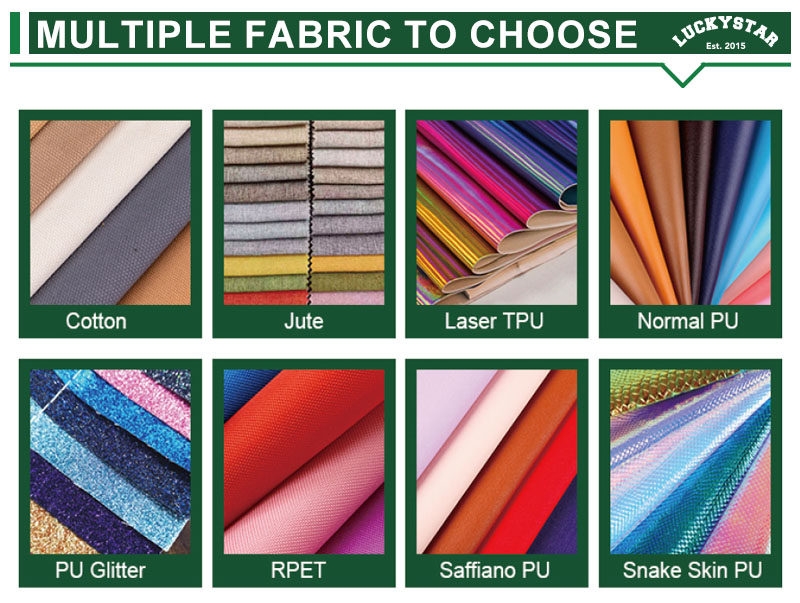
“Cotton drawstring bag” can describe different woven fabrics, weights, constructions and finishes. State fiber composition as a requirement to be verified, rather than assuming it from appearance. Define finished width and height, usable height below the cord channel, gusset if any, seam type, cord material and diameter, closure direction, color and packing.
Usable internal space matters more than the outside dimension when the bag must hold a bottle, kit, gift or product set. Provide the item dimensions and weight, plus the insertion opening needed by the packing team. A supplier can then check whether the requested bag and cord channel work together.
What can make a smaller order practical?
- Stock inputs: an available fabric construction, color or cord may avoid a new material lot.
- One configuration: fewer size, color, artwork and packing splits reduce separate setup.
- Compatible decoration: artwork size, colors and method affect screens, plates, frames or machine setup.
- Standard packing: a straightforward unit and carton pack can reduce special procurement.
These factors support a quotation discussion; they do not guarantee availability or a specific minimum. Confirm the actual inputs and terms for the dated offer.
Count configurations, not just total units
An order of several thousand bags can still contain small sub-runs. A different bag size, body color, cord color, artwork, print color or retail label may create another configuration. Ask the supplier to show the minimum and setup charge for each line, and identify which lines can share material or decoration setup.
For an early test, concentrate demand into the fewest meaningful versions. Keep the product or campaign distinction that the test needs, but avoid speculative color and size splits. The goal is a pilot that produces usable evidence, not simply the smallest headline quantity.
Specify cotton and construction in measurable terms
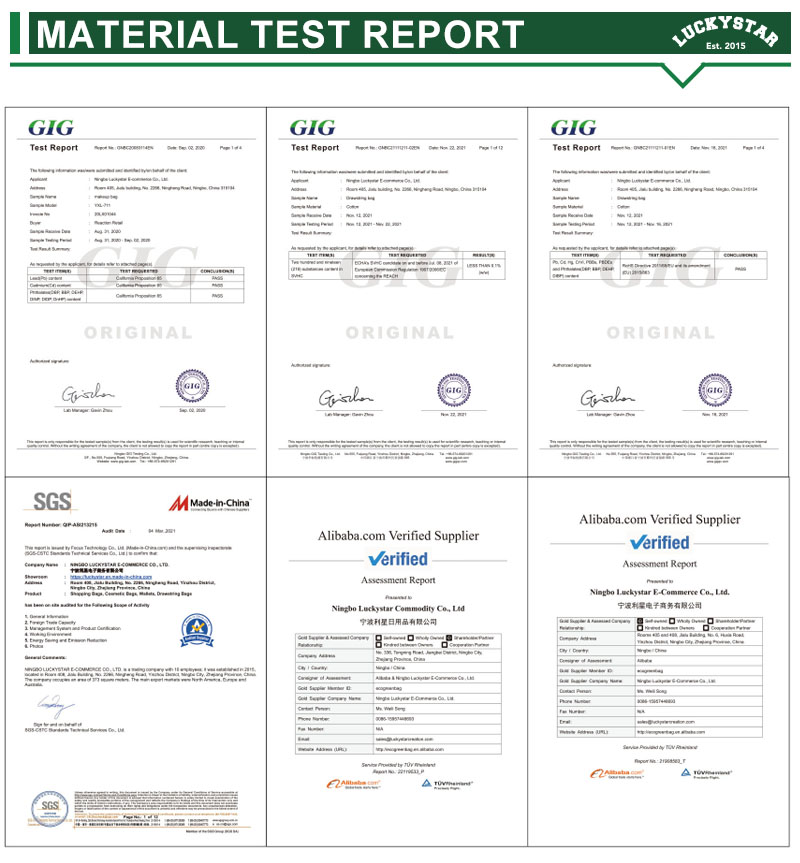
Record the required composition evidence, fabric construction, nominal weight or approved reference, weave appearance, color standard, shrinkage or wash expectation if relevant, seam finish and cord channel. If recycled or certified input is required, name the exact documentation and scope to be reviewed before using the claim.
Natural-fiber fabrics can show variation in shade, texture and dimensions. Define which variation is acceptable for the intended use. Do not turn a sample's appearance into a universal material or environmental claim.

Choose decoration after checking the fabric
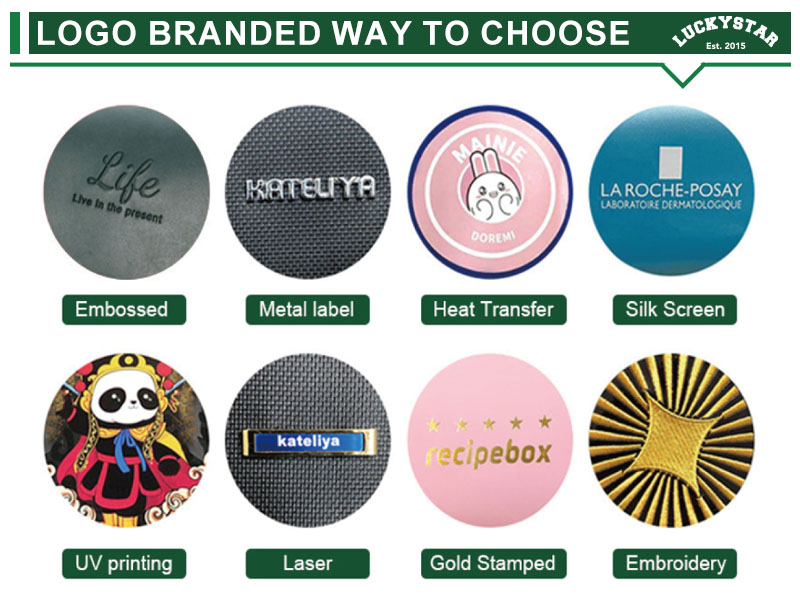
Print, embroidery, transfer and attached labels create different artwork limits, handle and setup. Ask for the proposed method, printable area, color reference, underbase or backing where relevant, and how registration and edge quality will be assessed. Very fine lines or small text should be reviewed at actual size.
Approve artwork placement on the exact bag size. Record distance from seams and the cord channel, not only a centered mockup. A physical decorated sample is the best way to review hand feel, show-through, puckering, coverage and legibility before bulk release.
Use a gated sample-to-bulk process
Start with a specification review, then an unprinted construction sample if fit is uncertain, followed by the representative decorated sample. Freeze the approved specification, artwork and packing before bulk. Identify who may approve changes and what happens if a nominated input becomes unavailable.
The sample should answer defined questions: does the intended item fit; is the opening usable; does the cord operate; are seams and corners acceptable; does decoration meet the reference; and does the packed unit meet labeling and carton needs? See the drawstring bag sample-development guide for a more detailed approval path.
Compare the total pilot cost
Normalize the unit price together with sample, artwork or setup, material surcharges, labels, packing, inspection, testing and delivery basis. A lower unit price at excess volume can cost more than a smaller useful pilot. Conversely, a very small run can carry one-time costs across too few units.
Record currency, quote validity, named delivery basis, payment stages, destination and schedule assumptions. Ask what changes at a reorder: retained setup, material availability, color matching, minimum by version and sample requirements. Review the related drawstring bag MOQ and production-time guide without treating historical examples as current terms.
Low-MOQ RFQ and approval matrix
| Decision | Send | Get back in writing |
|---|---|---|
| Fit | Contents, usable size, opening and load | Construction and measured sample |
| Material | Composition, construction, weight, color and evidence | Proposed input, availability and tolerances |
| Versions | Quantity by size, color, artwork and pack | MOQ and setup for every configuration |
| Approval | Artwork, CTQs, inspection and packing | Sample route, acceptance and change control |
| Commercial | Basis, destination and required date | Itemized cost, validity and schedule |
Frequently asked questions
What is a low MOQ for cotton drawstring bags?
There is no universal number. It depends on material and color availability, bag construction, decoration, configuration splits, packing and the supplier's current route. Request a dated minimum for the exact specification.
Can several designs share one minimum?
Sometimes inputs can be shared, while separate artwork or setup still applies. Ask for a line-by-line quantity and setup matrix.
Should buyers order a sample for a small run?
Use the approval level that matches fit, artwork and delivery risk. A representative physical sample is especially useful when size, opening, cord function or decoration affects acceptance.
How should a pilot scale into a reorder?
Record the approved specification, measured sample, artwork files, color references, packing and inspection result. Reconfirm material availability, minimums, price and schedule for each reorder.
Related sourcing guides
Source and scope: Luckystar custom drawstring bag category and the linked sourcing guides, checked September 21, 2026. They are format and process references, not proof of a fixed low MOQ, stock, cotton composition, certification, factory ownership, price or lead time. Existing article images are illustrative and still require topic-relevance and publication-rights review.
Request a cotton drawstring bag pilot quote
Send the contents, usable size, material requirement, cord, decoration, quantity per version, packing, inspection, delivery basis, destination and required date. Ask for current MOQ, setup, sample route and change assumptions.
Use the website contact form or email a prefilled pilot-order brief. Review the draft before sending.
MOQ, price, availability, material claims, capacity and delivery are subject to specification and written confirmation.






