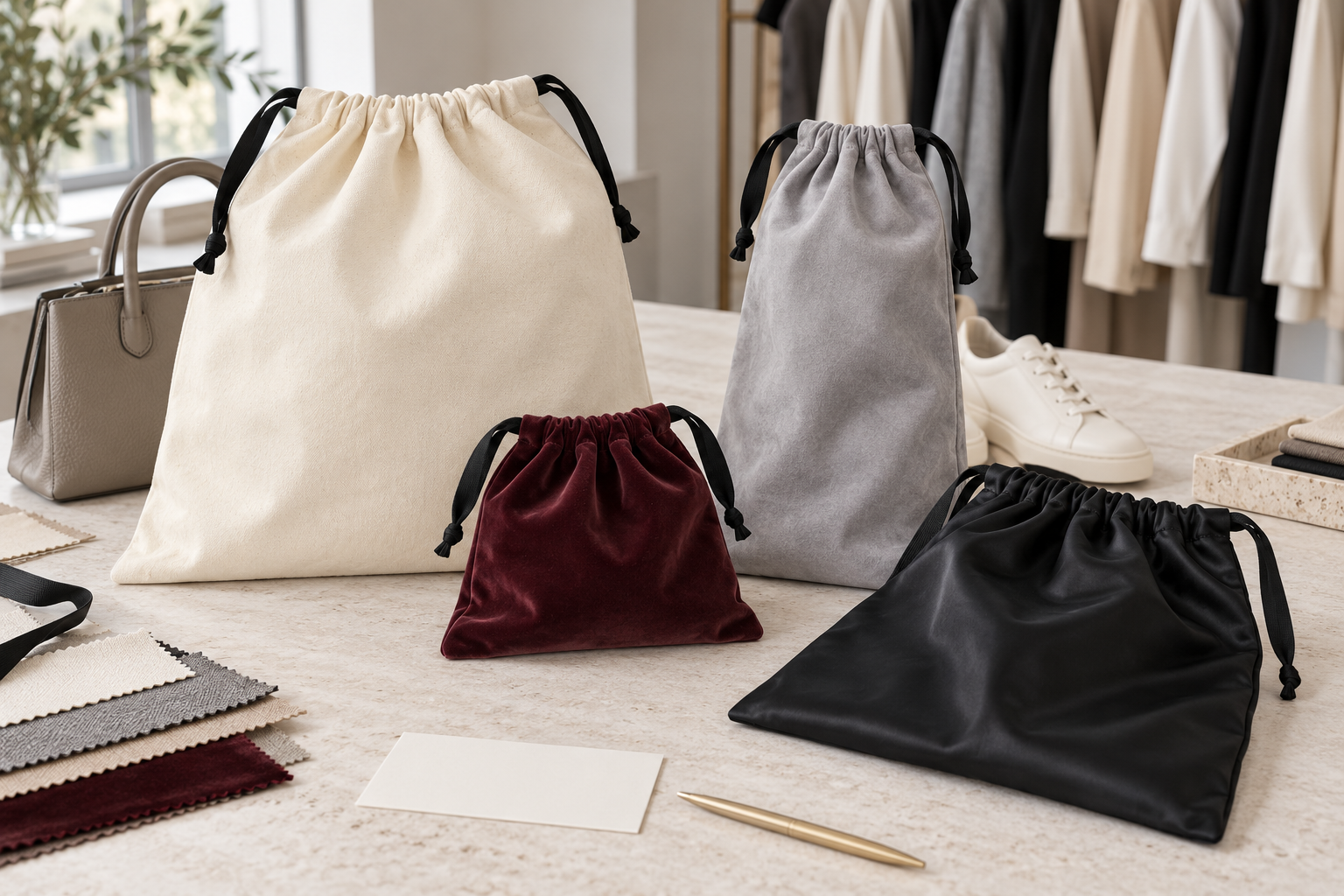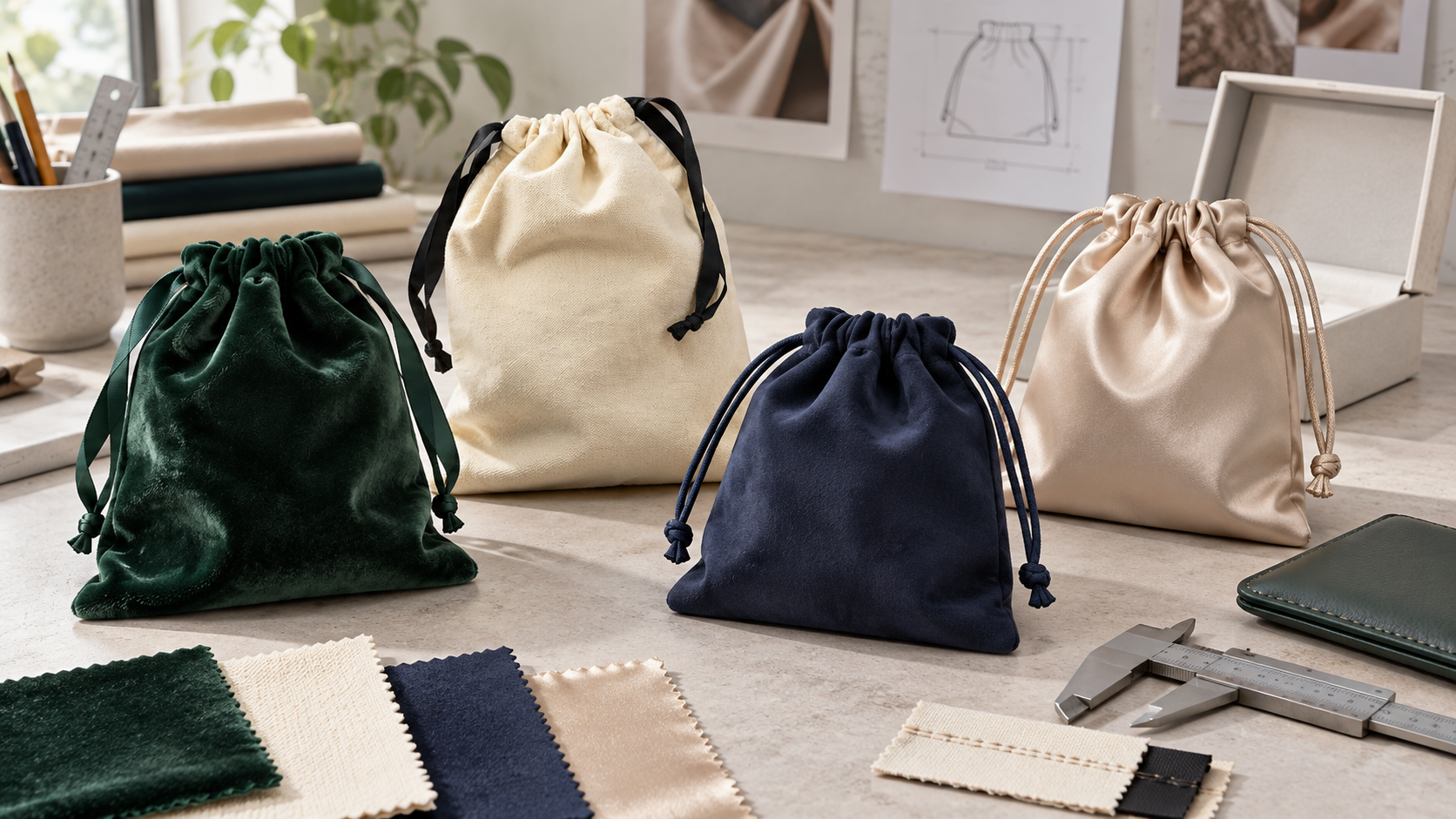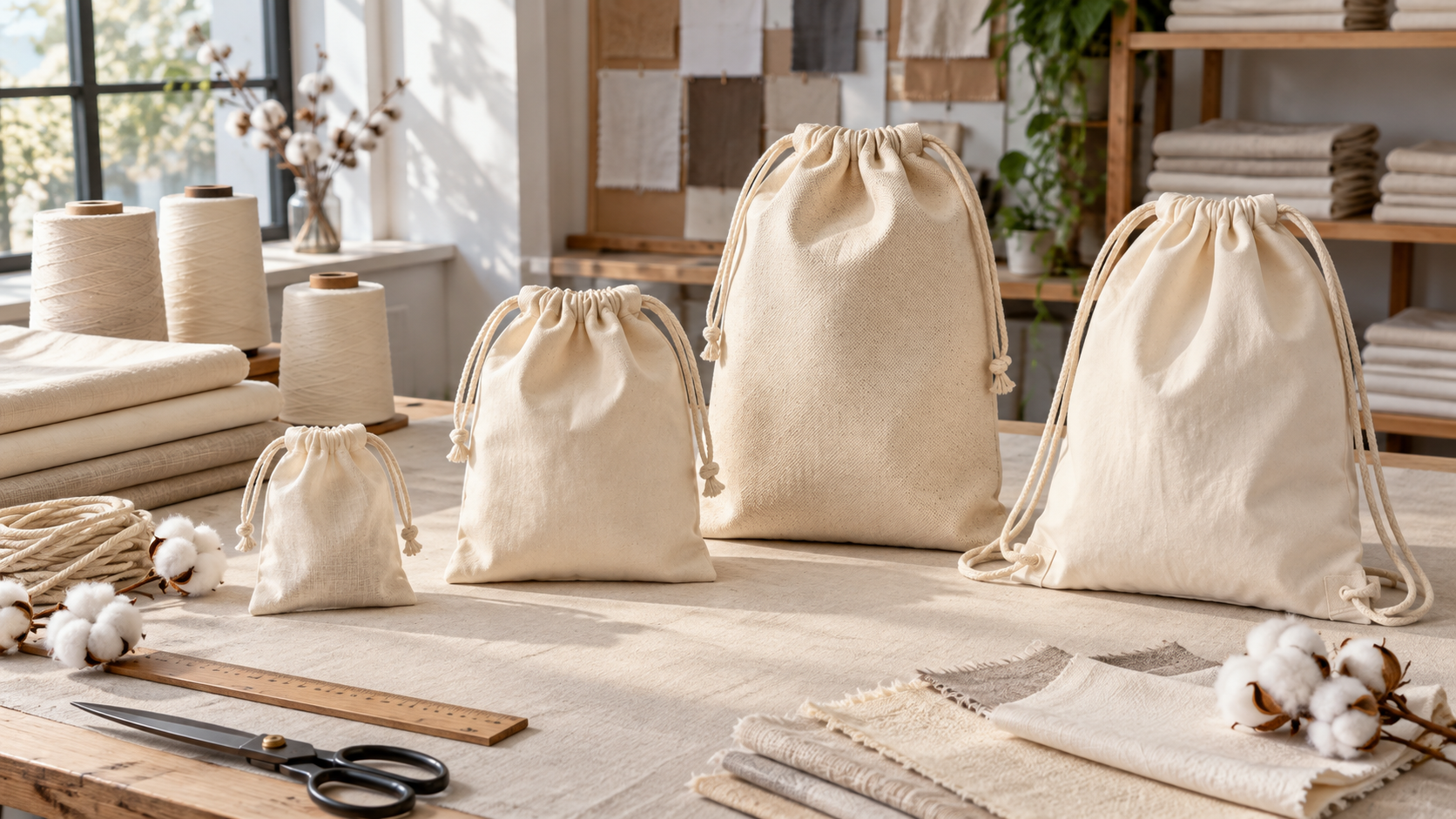
“Canvas or cotton?” sounds like a simple material choice. Technically, it is the wrong first question.
Cotton describes a fibre. Canvas describes a fabric construction. A tote can be both: many canvas tote bags are woven from cotton yarn. A lightweight promotional tote may also be 100% cotton, but made from a finer, lighter cloth with more drape. Other canvas fabrics can contain polyester, recycled cotton or blended fibres.
That is why two suppliers can answer “cotton” and still quote bags that look, feel and perform differently. For B2B buyers, the useful comparison is usually lightweight cotton cloth versus heavier cotton canvas, with fibre content, fabric weight, weave, finish and construction stated separately.
This guide makes that comparison practical. It does not repeat our existing canvas workmanship or wholesale sourcing articles. Instead, it shows how to choose a material system for a defined tote program, then write a specification that factories can quote consistently. To explore available constructions first, review our custom tote bag range. For the complete supplier and production framework, see the Custom Bag Manufacturer Guide.
Need a material brief suppliers can quote consistently? Send the intended contents and load, finished size and construction, fibre composition, weave/finish/colour, target mass per area and tolerance, artwork, quantity by SKU, care/tests, claim or certification needs, packing, Incoterm and arrival date. LUCKYSTAR can return its own proposed material route, sample gates and quotation assumptions.
Canvas vs cotton tote bags: the short answer
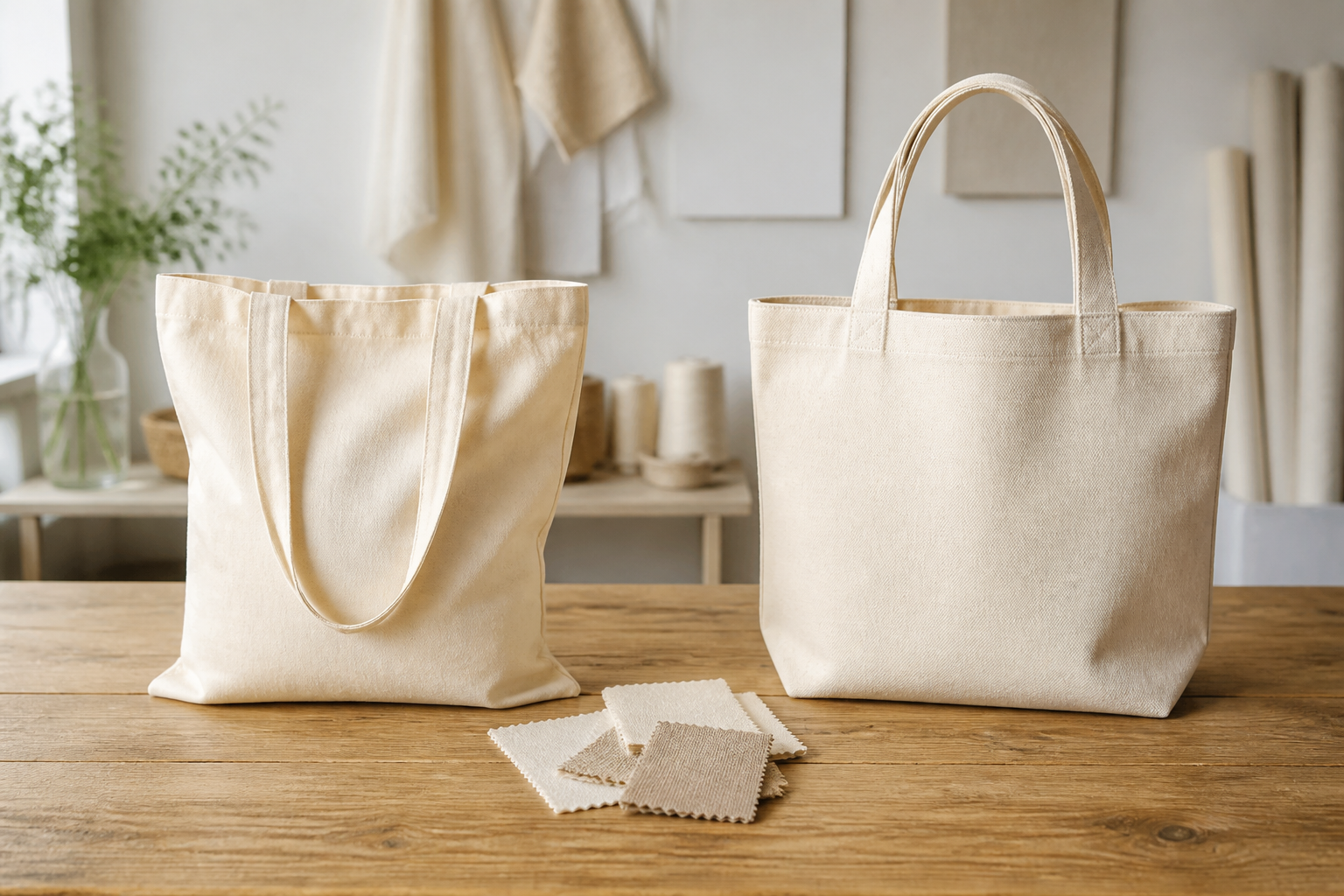
Choose a lighter cotton tote when low packed volume, a soft hand, easy distribution and a cost-efficient promotional format are more important than structure. Choose a cotton canvas tote when the bag should hold its shape, carry denser loads, support premium details or feel like retail merchandise.
Do not choose from the material name alone. A well-designed lightweight cotton tote can outperform a poorly reinforced canvas tote, while a dense canvas body can still fail if narrow handles or weak attachment stitches become the limiting point.
| Decision factor | Lightweight cotton cloth tote | Cotton canvas tote |
|---|---|---|
| Typical visual character | Soft, casual, foldable and naturally draped | Dense, textured, substantial and more structured |
| Common program fit | Events, mailers, inserts, light shopping and high-volume promotions | Retail merchandise, corporate gifts, books, groceries and daily carry |
| Branding character | Clean, economical print on a lighter base | Premium print, embroidery, patches and stronger trims |
| Packing | Flatter fold and usually more pieces per carton | Greater packed volume and weight, especially with gussets or lining |
| Main sourcing risk | Too sheer, too soft or distorted by a heavy decoration | Unnecessary weight, stiffness, freight and unit cost for the use case |
First, separate fibre content from fabric construction
Textile specifications work in layers. Fibre content tells you what the yarn is made from. Yarn details and weave tell you how the fabric is built. Weight and finishing then influence thickness, hand feel, shrinkage, appearance and processing behaviour. Finally, the bag pattern, seams, reinforcement and decoration determine how that fabric performs as a product.
CottonWorks by Cotton Incorporated lists canvas among common plain-weave fabrics and explains that plain weave has frequent interlacing points, giving it stability and less drape than many other weave designs. The important procurement lesson is not that every canvas is identical; it is that “cotton” and “canvas” describe different levels of the material specification.
| Specification layer | Example | What it helps control |
|---|---|---|
| Fibre content | 100% cotton; cotton/recycled-cotton blend; cotton/polyester blend | Claim language, hand feel, moisture response and some care behaviour |
| Fabric construction | Light plain-woven cloth; dense canvas; basket weave | Surface, stability, drape, print appearance and seam behaviour |
| Weight | GSM or oz/yd² with tolerance | Substance, opacity, shipping weight and material consumption |
| Finish | Natural, bleached, dyed, washed, coated or pre-shrunk | Colour, touch, dimensional change, print response and care |
| Bag construction | Flat or gusseted body, handle type, reinforcement, lining and closure | Capacity, strength, usability, shape and total cost |
What buyers usually mean by “cotton tote”
In commercial quotations, “cotton tote” often refers to a relatively light, unlined woven bag made from natural or dyed cotton cloth. It tends to fold flat, conform to its contents and work well for event handouts, promotional kits or light retail packaging.
The label is still incomplete. A fabric that is too open can look translucent, allow a dark object to show through, or create uneven print coverage. A very light panel may also pucker when a dense embroidery design is applied. Ask for weight, construction, colour and finish rather than accepting “standard cotton.”
What buyers usually mean by “canvas tote”
Canvas tote bags normally use a denser, more substantial woven fabric. The extra body can help a gusseted bag stand, create a more premium touch and support pockets, zippers, webbing or embroidery. Canvas is therefore common in bookstore, lifestyle, work, grocery and private-label programs.
Heavier is not automatically better. Dense fabric can make a small tote feel rigid, increase needle and seam demands, create coarser print edges and consume more carton space. Match the fabric to what users will carry and how the item will be sold.
For a deeper construction-level view—handles, reinforcement, hardware and finishing—use our premium canvas tote workmanship guide.
Compare structure and hand feel on a finished sample
A swatch helps you judge colour and surface, but the finished bag reveals drape. Put the same objects into both samples. A light cotton tote will usually wrap around the load and flatten when empty. A heavier canvas tote will tend to preserve its side and base shape, especially when combined with a gusset, lining or bottom support.
Neither behaviour is a defect. A soft tote can feel relaxed and easy to carry; a structured tote can protect presentation and make merchandise feel more valuable. The error is approving one behaviour while expecting the other after production.
| Sample exercise | What to observe | Why it matters |
|---|---|---|
| Stand empty | Whether the body collapses, holds a partial shape or stands independently | Affects shelf photography, retail presentation and packing expectations |
| Load with real products | Bulging, base shape, handle comfort and seam distortion | Connects the specification to the actual use instead of an abstract weight |
| Fold and reopen | Creasing, recovery and whether the bag returns to its intended shape | Predicts presentation after carton packing or mailing |
| Place over dark contents | Opacity and colour show-through | Important for light natural or white cotton programs |
Fabric weight helps—but does not finish the specification
Fabric weight is commonly stated in grams per square metre (g/m² or GSM) or avoirdupois ounces per square yard (oz/yd²). The official NIST factor converts 1 oz/yd² to 0.03390575 kg/m², or about 33.91 g/m². Always state the complete unit, measurement method, conditioning and tolerance: “10 oz” without the area basis is ambiguous.
Weight is useful for normalising quotes, but equal weights do not guarantee equal fabric. Yarn size, yarn density, weave, finishing, moisture and test conditioning can change the result. Request the production tolerance and ask how incoming bulk fabric will be checked against the approved material.
| Weight band for planning | Likely design direction | Questions before approval |
|---|---|---|
| Light | Foldable promotional tote, event handout or simple packaging | Is it opaque enough? Will the print or seams distort the panel? |
| Medium | General shopping, book, merchandise or reusable brand tote | Does it need a gusset or reinforcement to achieve the intended load? |
| Heavy | Structured retail, work, premium gift or feature-rich tote | Does the added weight improve the user experience enough to justify cost and freight? |
Use bands only for early direction. Put the actual numeric requirement and tolerance into the tech pack before comparing quotations.
Canvas vs cotton tote bags for logo decoration
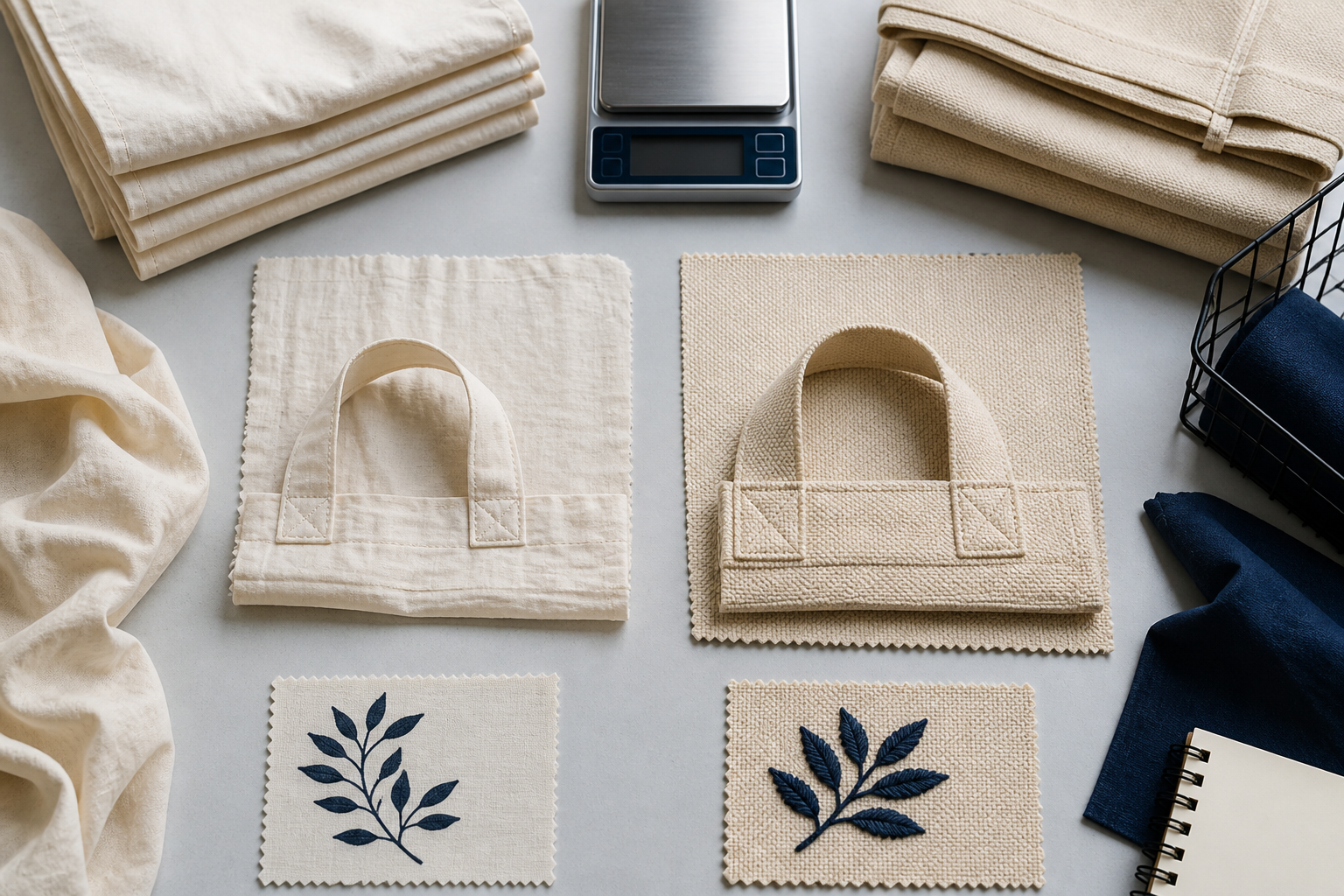
A light, relatively smooth cotton cloth can reproduce simple screen prints economically and may suit detailed transfers, but the base must be opaque and stable enough for the artwork. Dense canvas gives a substantial background for bold prints, embroidery, woven labels and patches, although its visible texture can break very fine print lines.
Approve decoration on the actual production fabric. A strike-off on a generic swatch does not show how the finished panel will react to sewing, folding or washing. Also check the reverse side: embroidery backing, print penetration and heat marks can matter on an unlined tote.
| Decoration | Light cotton considerations | Canvas considerations |
|---|---|---|
| Screen printing | Check opacity, panel stability and show-through | Check ink coverage across texture and the clarity of small details |
| Heat transfer | Check heat distortion and whether the film overwhelms the soft hand | Check adhesion on the texture and edge appearance after flexing |
| Embroidery | Use suitable backing and density to prevent puckering | Usually supports more stitch mass, but needle choice and reverse finish still matter |
| Woven label or patch | Keep attachment light enough to avoid a stiff local area | Works well for a dimensional retail look; confirm corners and stitch placement |
Durability depends on the system, not one material word
Canvas often offers more resistance to everyday wear because it is commonly denser and heavier. That does not mean the body fabric alone defines carrying strength. Handle material, attachment area, seam type, stitch balance, thread and load distribution work together.
Set a realistic test load based on the intended contents. Record the load, duration, lifting method and pass/fail criteria. If the tote will be washed, test a finished decorated sample for dimensional change, colour behaviour and appearance after the intended care cycle. A repeatable method is more useful than “strong enough.”
| Risk | Possible light-cotton symptom | Possible canvas symptom | Control |
|---|---|---|---|
| Handle load | Body fabric distorts around a small attachment | Stiff body transfers stress to thread or attachment edge | Specify reinforcement and use a defined finished-bag load test |
| Seam quality | Puckering or seam grin | Bulky intersections, skipped stitches or uneven topstitching | Approve seam type, allowance, stitch range and folded areas |
| Care | Shrinkage changes dimensions or print placement | Dense fabric develops strong creases or changes hand | Define care intent and test the finished bag, not only raw fabric |
| Abrasion | Corners or print area wear early | Raised texture shows rubbing or colour loss | Choose a test that reflects surfaces and contents in real use |
Our Custom Bag Quality Inspection Checklist can help convert these risks into an incoming, in-process and final inspection plan.
Cost and freight: compare the finished program
A lighter-cloth tote may use less material by weight and pack more compactly, while a denser canvas construction may add material, reinforcement and packed weight or volume. These are planning tendencies, not standing price or sewing-time rules. Usable fabric yield, finish, colour route, pattern, layers, operations, decoration, rejects, packing and shipment determine the actual comparison; perceived value or lifetime also needs buyer and product evidence.
Compare the same finished dimensions, colour count, decoration, packing and trade term. Then add carton quantity, carton dimensions and gross weight to the quote sheet. Unit price without packing data can hide a meaningful landed-cost difference.
| Commercial field | What to compare | Why it can differ |
|---|---|---|
| Fabric basis | Content, construction, weight, finish and colour | “Cotton” or “canvas” alone leaves too much room for substitution |
| Sewing basis | Flat/gusseted shape, hems, handles, reinforcement, pockets and closure | Heavier or multi-layer areas can require different handling and time |
| Decoration basis | Method, size, colours, coverage and artwork versions | Texture and fabric stability change setup and reject risk |
| Packing basis | Fold, individual pack, pieces/carton, carton size and gross weight | Canvas typically occupies more volume, especially when structured |
| Quality basis | Measurements, defect standard, function tests and inspection scope | A lower quote may exclude testing or use wider tolerances |
For a broader view of these cost drivers, read How Much Do Custom Bags Cost?.
Do not turn “natural” into an unsupported sustainability claim
Cotton is a plant-based fibre, but that fact alone does not prove that a finished tote is organic, certified, lower impact or traceable. Canvas is not automatically sustainable either; its composition, processing, durability, care and end-of-life route all matter.
If the product will carry an organic or GOTS claim, define the market, product scope and required standard before sourcing. Current GOTS labelling guidance requires the correct label grade, certification-body reference and certification number for certified listings. It also states that partial certification cannot be presented as final-product certification: if certified fabric is sewn in an uncertified facility, the chain is broken and the final product is not considered certified. Verify every entity and product scope, transaction documents, permitted wording and label artwork with the relevant certification body.
The FTC Green Guides summary warns against broad unqualified “green” or “eco-friendly” claims and requires clear, specific substantiation. A fibre name, plant origin, heavier construction or expectation of reuse does not by itself prove lower overall impact, recyclability, biodegradability or a longer actual service life.
Use-case decision matrix
| Program | Likely starting point | Reason | Do not overlook |
|---|---|---|---|
| Conference giveaway | Lightweight cotton | Compact distribution and economical branding | Opacity, print cure and handle comfort when filled |
| E-commerce order insert | Lightweight cotton | Soft fold and lower parcel volume | Creasing and the combined shipment weight |
| Bookstore or grocery tote | Medium/heavy cotton canvas | Better body and load-oriented construction | Handle attachment, base seam and defined load test |
| Premium retail merchandise | Canvas with selected finish | Substantial hand, structure and support for premium details | Surface consistency, colour, hardware and presentation packing |
| Washable everyday tote | Either, after finished-bag testing | Care performance depends on the full material and decoration system | Shrinkage, colourfastness, print/embroidery behaviour and care label |
The specification buyers should send
Once the direction is chosen, remove “canvas versus cotton” from the final decision and replace it with controlled fields. That is how you receive comparable samples and quotations.
| Field | What to state | Approval evidence |
|---|---|---|
| Fibre and claim | Exact composition, permitted blend tolerance and any certification requirement | Supplier declaration plus scope/transaction documents when required |
| Fabric | Construction, numeric weight and tolerance, colour reference, finish and hand standard | Approved bulk-representative swatch |
| Bag dimensions | Finished width, height, gusset/base, measuring points and tolerance | Measured approval sample |
| Handles and seams | Material, width, drop/length, spacing, attachment, seam type and reinforcement | Inside/outside construction photos and load-test result |
| Decoration | Method, artwork size, placement, colour standard and acceptable variation | Strike-off on production fabric plus decorated approval sample |
| Care and testing | Intended care, dimensional-change limits and relevant function tests | Test report or agreed factory test record |
| Packing | Folding method, individual packaging, assortment, carton size and quantity | Packed reference sample and carton specification |
Use a controlled sample to close open questions before bulk production. Our Custom Bag Sample Development Process explains how to record revisions and seal the production reference.
Company-claim boundary: the following section is LUCKYSTAR publisher self-description and a commercial service proposal. It is not independent proof of factory ownership, fibre identity, material availability, strength, sustainability, certification, MOQ, price, capacity, sample or bulk quality, or delivery. Legal seller, nominated mill and production sites, material, claims, tests, samples, inspection and schedule depend on the exact order and written confirmation.
How LUCKYSTAR describes its canvas/cotton review
LUCKYSTAR states that it can review the intended tote program and propose an order-specific material and construction route for sample validation.
- Separate the specification layers: record fibre composition and tolerance, yarn/weave, mass per area, finish, colour and physical reference.
- Connect material to construction: evaluate body, gusset, lining, handles, seams, reinforcement and decoration against the intended contents and use.
- Control claims: identify the destination market, exact organic/recycled/environmental wording, certification scheme, entity/product scope and evidence chain before label approval.
- Approve production-equivalent evidence: use the proposed fabric and route for decorated, constructed, tested and packed samples.
- Control bulk and substitutions: define lots, incoming checks, tolerances, sampling, reapproval triggers and action for nonconformance.
Review the custom tote bag range and quality-inspection guide, then send the material and construction brief for an order-specific response.
Frequently asked questions
Is canvas always made from cotton?
No. Cotton canvas is common, but canvas can also use polyester, recycled fibres or blends. State fibre composition separately from fabric construction.
Are canvas tote bags stronger than cotton tote bags?
A heavier, denser canvas tote often feels stronger than a light cotton tote. Actual finished-bag strength still depends on handles, seams, reinforcement, thread, dimensions and the test method. Compare approved samples under the intended load.
Which is better for screen printing?
Both can work. Smooth light cotton can produce economical, clean graphics when it is stable and opaque enough. Canvas offers a substantial base but may show more surface texture. Approve the print on the actual production fabric.
Which option costs less?
A basic lightweight cotton tote often has a lower material and freight burden than a heavy canvas tote. The answer changes with size, colour, construction, decoration, quantity, quality requirements and packing. Compare identical written specifications.
Which is better for an eco-focused program?
Neither name proves an environmental claim. Define the fibre route, recycled or organic standard, processing and intended durability. Verify documents and permitted claim language for the finished product.
Where can I compare custom tote options?
Browse our custom tote bags for different material and construction directions. You can also review the full Product Range when a tote is only one part of a wider bag or promotional program.
Choose a controlled material system, not one label
Define fibre, weave, mass per area, finish and colour together with bag construction, decoration, claims, tests, lot controls and packing. Release bulk against production-equivalent evidence.

Review LUCKYSTAR custom tote bag options, then send the material and construction brief through the contact form or Email a project brief. The email link opens a prefilled draft for your review before sending.
Legal seller, mill and facility, fibre/material identity, certification and claim scope, finish, colour, mass per area, strength, samples, tests, inspection, MOQ, price, packing, schedule and delivery terms are subject to current evidence, final specification, quotation, contract and written confirmation.