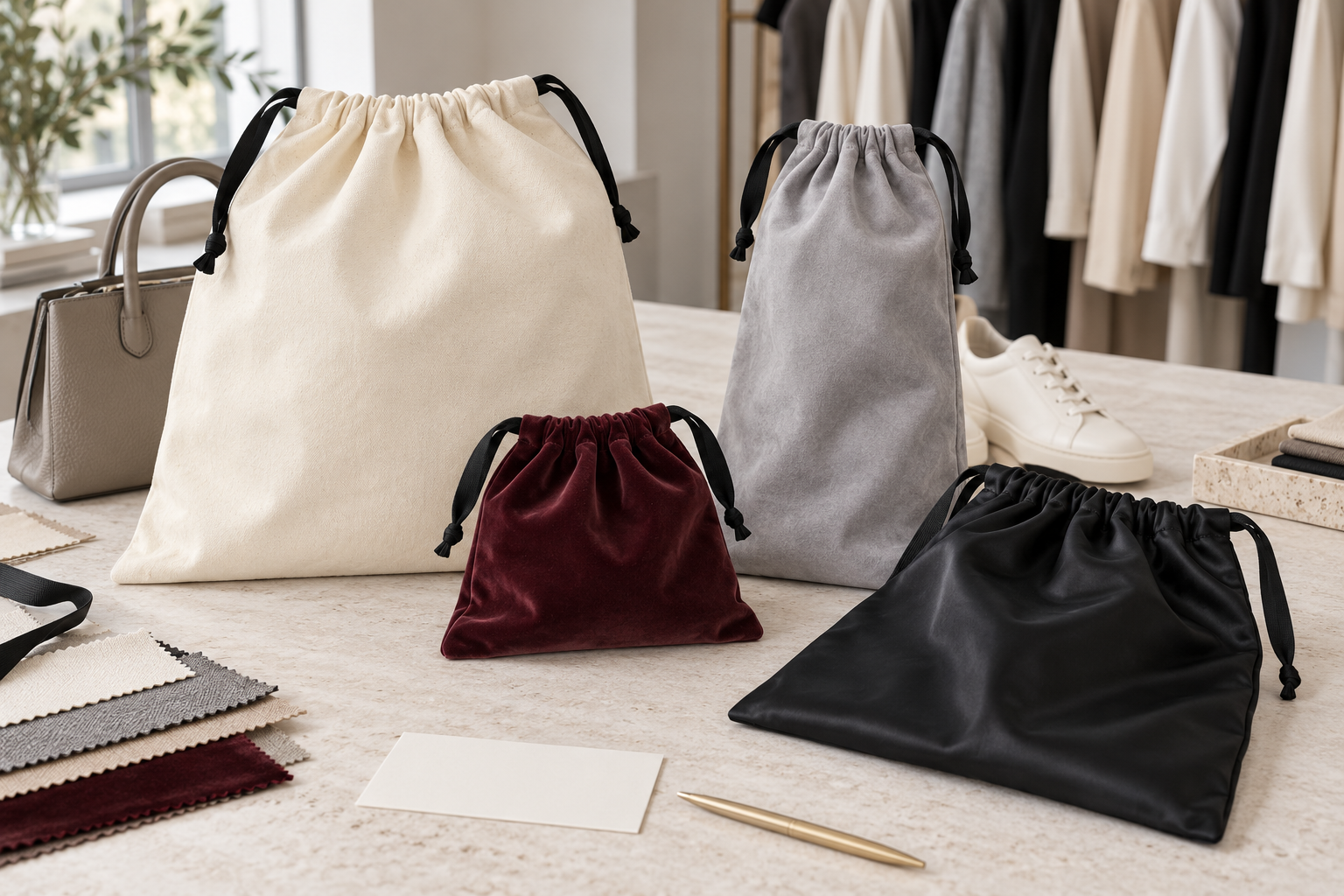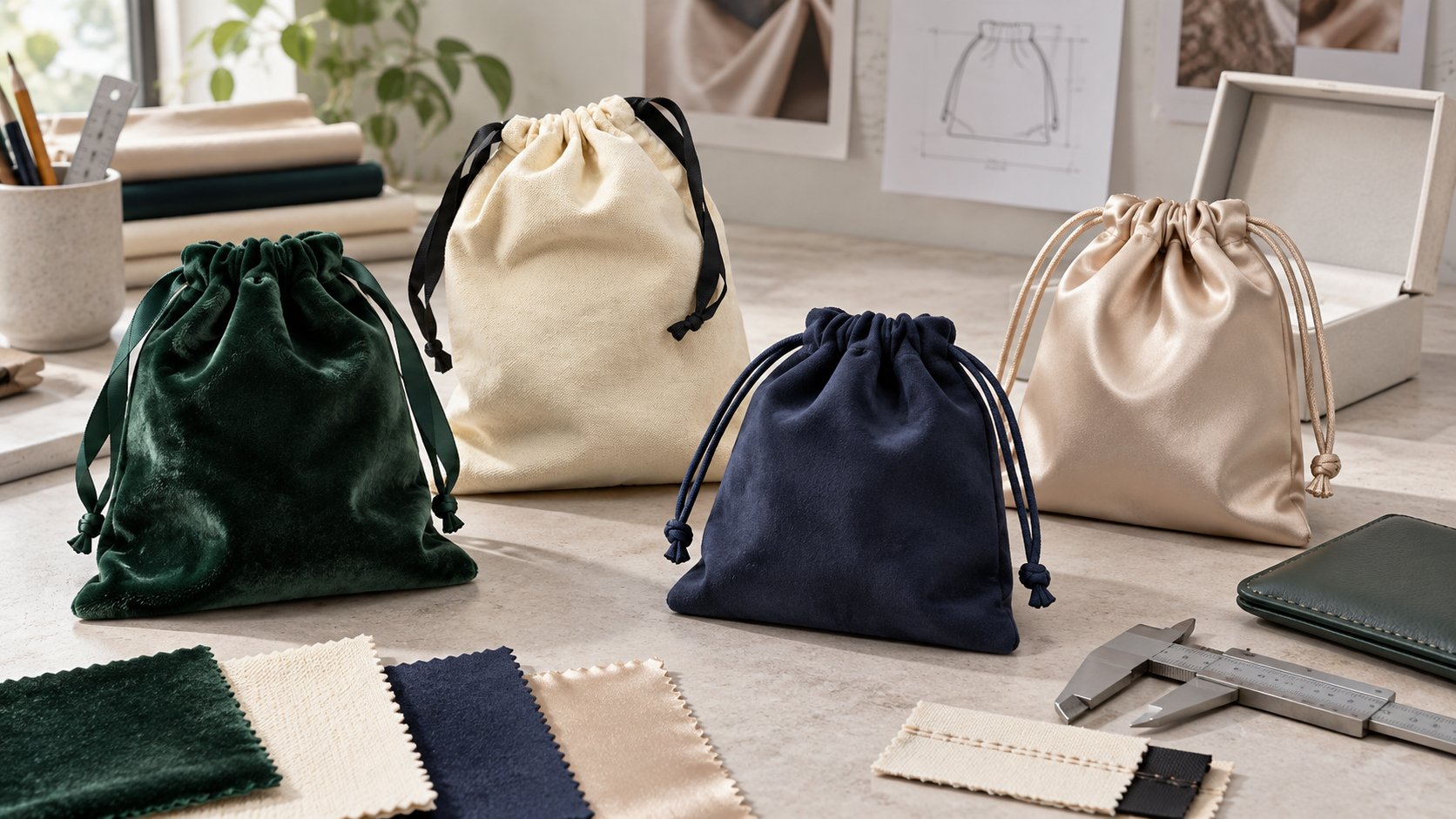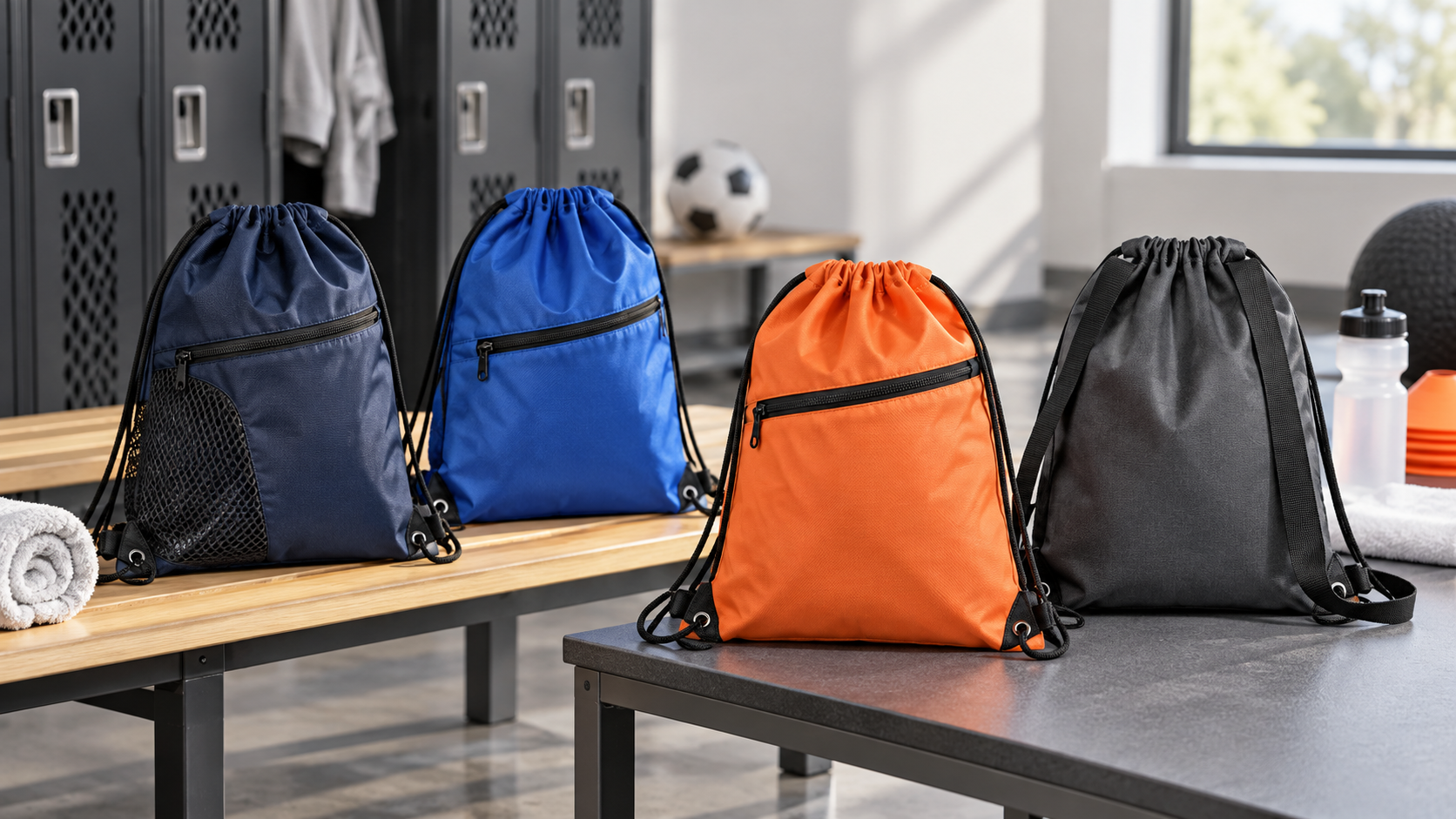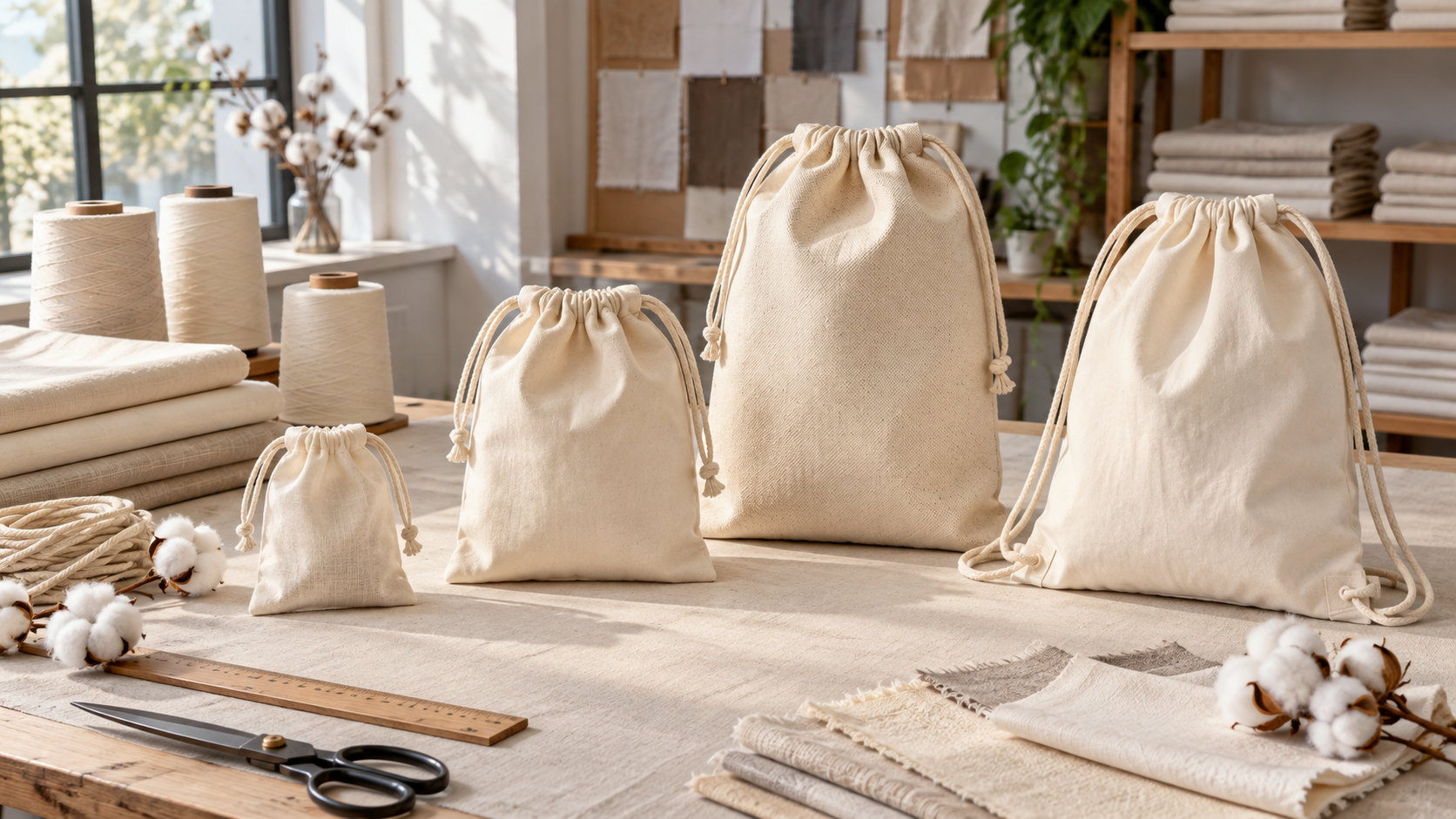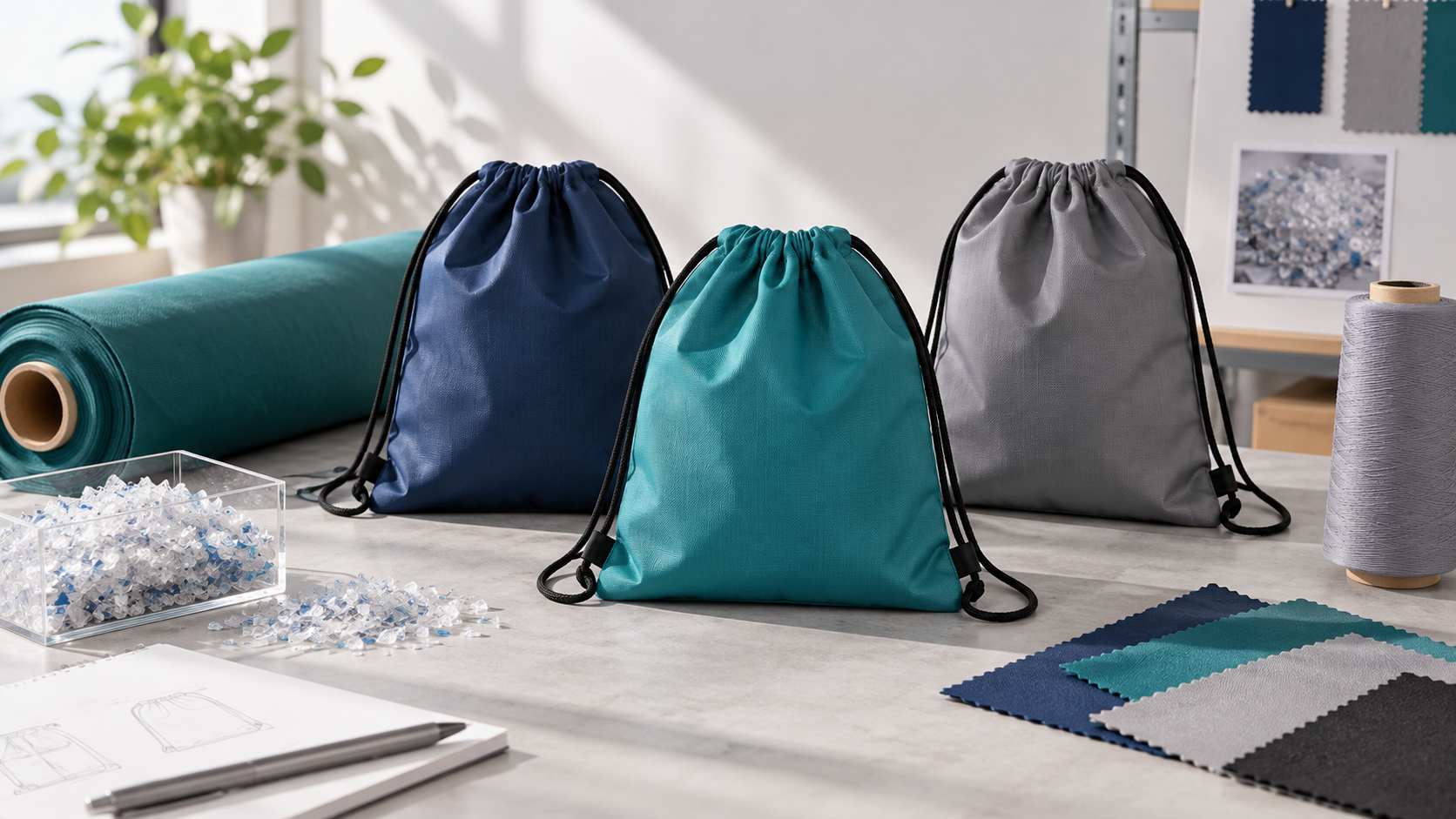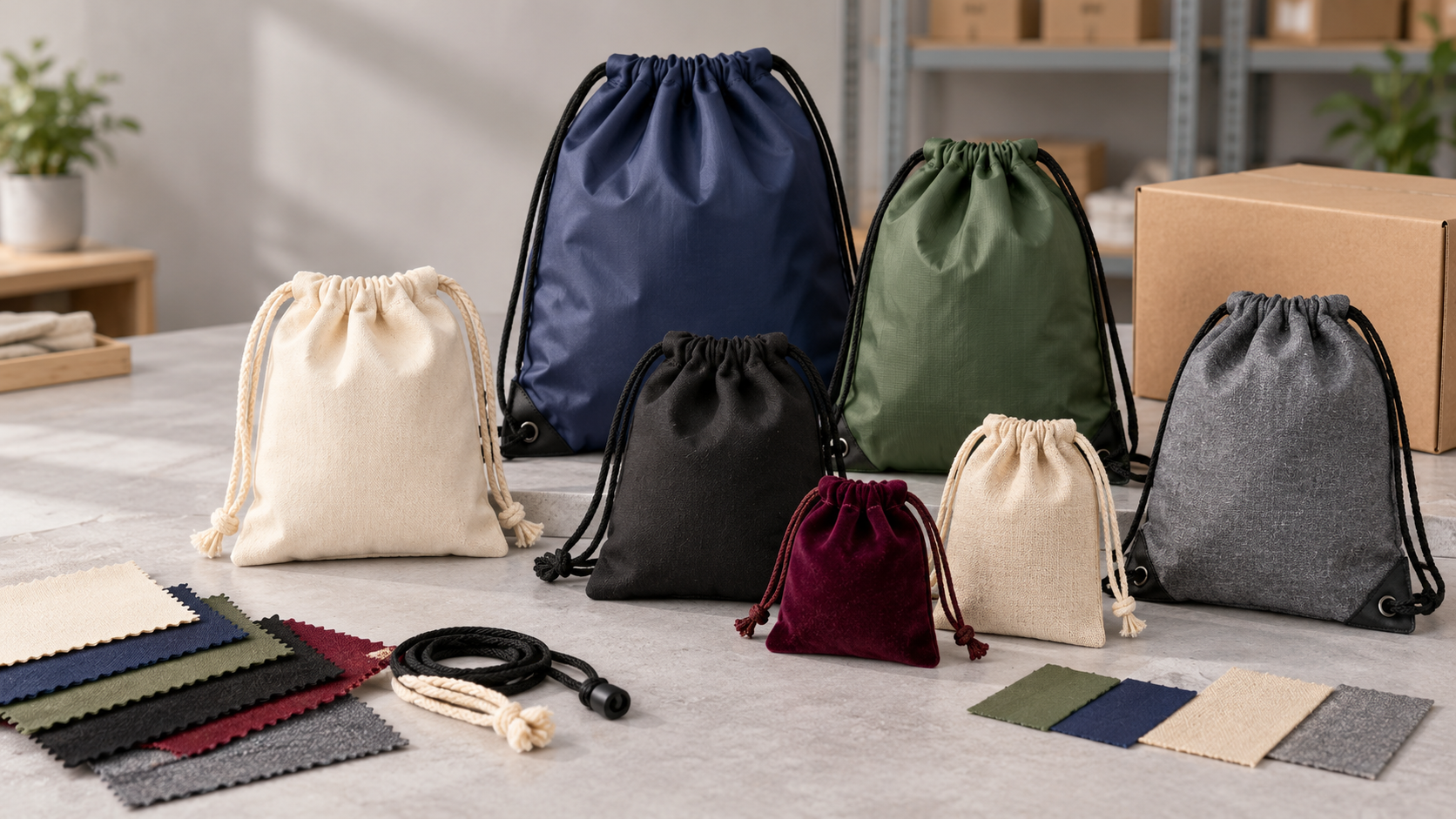
Buyer quick answer
A custom drawstring pouch can suit lightweight products, organized sets, gifts and secondary presentation when the contents tolerate a soft enclosure. It is a poor fit when the product needs rigid impact protection, a verified barrier, tamper evidence or a closure that cannot loosen.
Page focus: use this guide to decide whether a drawstring pouch fits the product and channel before selecting fabric, artwork or commercial terms.
Evaluating a pouch packaging format? Send the product, contents and handling brief for a scope review.
Build a packaging-fit brief
- Product dimensions, weight, shape, edges, surface and intended use.
- Direct-contact conditions, required protection, privacy and closure security.
- Retail, e-commerce, gift-set, storage and transport presentation.
- Material, construction, artwork, labels, claims and destination markets.
- SKU quantities, sampling, inspection, pack-out and receiving requirements.
Start with the product, not the pouch
Record the contents at their maximum dimensions and weight, including any primary pack. Note sharp edges, fragile surfaces, liquids, powders, oils, heat, moisture and odor. Define whether the pouch is primary packaging, secondary packaging or an outer presentation layer.
A fabric pouch should not be assumed to provide a moisture, contamination, migration or food/cosmetic-contact barrier. Where contact or protection is critical, a qualified party should define evidence and the complete packaging system.
Compare the pouch with practical alternatives
A soft drawstring format can compress, pack flat and accommodate modest shape variation. A zip pouch may give more controlled access; a box may provide structure and stacking; a sealed flexible pack may support barrier or tamper-evidence requirements when properly specified.
Choose according to the required function. The visual appeal of a drawstring closure cannot replace validated protection, containment or destination compliance.
Define closure and handling
Specify one- or two-sided drawcord operation, channel construction, cord type, knot or end treatment, opening width and retention expectation. Test loading, closing, carrying, repeated opening and foreseeable snag points with the intended contents.
A drawstring closure can loosen under movement. If loss prevention, child resistance or tamper evidence matters, define a different or additional control.
Set material and claim boundaries
Describe fiber or material identity, construction, weight basis, color, finish and any required evidence. Terms such as natural, organic, recycled, biodegradable, reusable or eco-friendly require defined scope and current substantiation; a fabric appearance alone proves none of them.
Any reuse or environmental claim should reflect functional durability, care, expected use, material sourcing and end-of-life conditions. Keep marketing text aligned with the evidence approved for the specific order.
Control artwork and labeling
Approve the artwork file and version, method, colors, size, position, tolerance and appearance on the proposed material. Record label, care, origin, barcode, warning and market-language requirements by SKU and destination.
Confirm trademark and artwork authorization before production. Permission to manufacture branded goods does not automatically permit public use of customer names, logos or finished-product images.
Review presentation by channel
For retail, assess hanging, shelf appearance, labels, barcode access and how the pouch looks filled. For e-commerce, simulate folding, parcel compression, rubbing and customer unboxing. For gift sets, control the placement and movement of every component.
Approve the complete unit pack and carton arrangement. Cords, decorations and product surfaces should not mark one another or obscure required information.
Build a comparable quotation
Give suppliers the same dimensions, material basis, construction, artwork, labels, packaging, inspection, destination and quantity table. Ask each quotation to identify included work, exclusions, assumptions, sample stages, tooling or setup and delivery basis.
MOQ, sample time, price and production schedule depend on the specification, decoration, components, quantities and current capacity. Treat them as order-specific written terms rather than universal promises.
Approve samples and inspection criteria
Use staged approvals for material and color, construction and fit, decorated appearance and final pack-out. Test the pouch with the actual or representative contents rather than approving an empty sample only.
Define measurable dimensions, seams, drawcord function, artwork, labels, appearance, packing and any substantiated performance checks. Preserve approved references and revision records for receiving and reorders.
Drawstring pouch fit matrix
| Need | Pouch fit question | Evidence or decision |
|---|---|---|
| Protection | Can a soft enclosure tolerate the product and route? | Handling trial or alternative pack |
| Contact | Is it primary or secondary packaging? | Contact scope and required evidence |
| Closure | Is drawcord retention sufficient? | Use test or added control |
| Claims | Are material and environmental words supported? | Order-specific substantiation |
| Channel | Does the filled unit present and ship correctly? | Approved pack-out |
Frequently asked questions
Is a drawstring pouch suitable for every product?
No. Product contact, protection, containment, security, handling and channel requirements determine suitability.
Is a cotton or fabric pouch automatically sustainable?
No. Material identity, sourcing, durability, care, actual reuse and end-of-life conditions need evidence and defined scope.
Can a quote use a standard MOQ and lead time?
Only as a dated assumption. Final terms depend on the approved specification, quantities, components, decoration and current production plan.
What should a fit sample contain?
Use the intended or representative product, labels and pack-out so closure, handling, presentation and transport can be evaluated together.
Related sourcing guides
Source and scope: Luckystar custom drawstring-bag category and linked sourcing guides, checked September 22, 2026. They are format and process references, not proof of material identity, environmental or performance claims, contact suitability, market compliance, factory capability, fixed MOQ, price or delivery. A purported customer case, personal contact details, unsupported company and commercial claims, an unrelated product link and three legacy body images were removed pending current evidence and publication-rights verification.
Request a custom drawstring pouch packaging review
Send the product, contents, protection, closure, channel, material, artwork, labels, quantities, sample, inspection, pack-out, destination and required date.
Use the website contact form or email a prefilled packaging brief. Review the draft before sending.
Format suitability, materials, claims, market requirements, artwork/publication rights, MOQ, price, capacity, availability and delivery are subject to qualified review, specification and written confirmation.