
Quick answer: To choose an organic cotton tote bag supplier for a U.S. program, first define whether “USA” means a domestic seller, U.S. manufacturing, local stock or delivery into the United States. Then verify the legal seller and actual producer, organic-content scheme and scope, order traceability, finished fabric specification, approved sample, labeling, inspection and delivery terms. Do not treat a logo, certificate screenshot or supplier address as proof of the finished bag's organic content or U.S. origin.
Page role: this page is a U.S.-program organic-cotton verification checklist. For a regional supplier comparison, use the USA tote bag manufacturer guide. For a global shortlist, use the Worldwide manufacturer page.
Evidence boundary: this article does not state that Luckystar, a named supplier or the pictured product is currently certified organic, GOTS, OCS or Made in USA. Any claim must be verified for the named entity, material, process, product, order and validity period. Review the official GOTS certified-supplier database, the Textile Exchange OCS overview and the FTC's Made in USA Rule against the exact claim proposed for the order.
Preparing a U.S.-bound organic-cotton tote RFQ? Send the required claim, construction, quantities and destination so the commercial and evidence route can be reviewed in writing.
What “organic cotton tote bag supplier USA” can mean
The phrase combines three separate decisions: who sells the product, where the bag is made and what organic-content evidence follows the material and order. State the intended meaning before asking for prices.
| Route | Possible advantage | Buyer must verify |
|---|---|---|
| U.S. stock or distributor | Faster access to an existing blank or program | Who made the bag, customization limits, inventory continuity and claim documents |
| U.S. manufacturing route | Domestic production may support origin-sensitive programs | Actual production steps, component origins and substantiation for any U.S.-origin wording |
| Overseas OEM/ODM for U.S. delivery | Broader original-development, material and packaging options | Seller/producer roles, traceability, import basis, lead time, inspection and landed scope |
Nine checks before shortlisting an organic cotton tote supplier
| Check | Record in the RFQ | Release evidence |
|---|---|---|
| 1. Legal seller | Contracting and payment entity | Matching quotation, contract and invoice identity |
| 2. Production route | Material, cutting, sewing, decoration and inspection locations | Named route and responsibility matrix |
| 3. Organic claim | Scheme, exact wording and required content threshold | Current scope for the applicable entity, product and processes |
| 4. Traceability | Order and lot records required by the program | Documents matched to the actual order, not a generic screenshot |
| 5. Finished fabric | Composition, weave, finished GSM/oz, dye and finish | Approved cutting or sample and specified tolerances |
| 6. Construction | Dimensions, gusset, seams, handles, closure and intended load | Signed sample and agreed use/load checks |
| 7. Branding and labels | Artwork, method, claim text, care/origin labels and packing | Approved artwork, strike-off and label file |
| 8. Quality release | Tests, tolerances, defect definitions and inspection level | Inspection record tied to the approved sample |
| 9. U.S. delivery basis | Incoterm, named place, importer roles, packing and required date | Written inclusions, exclusions and milestone plan |
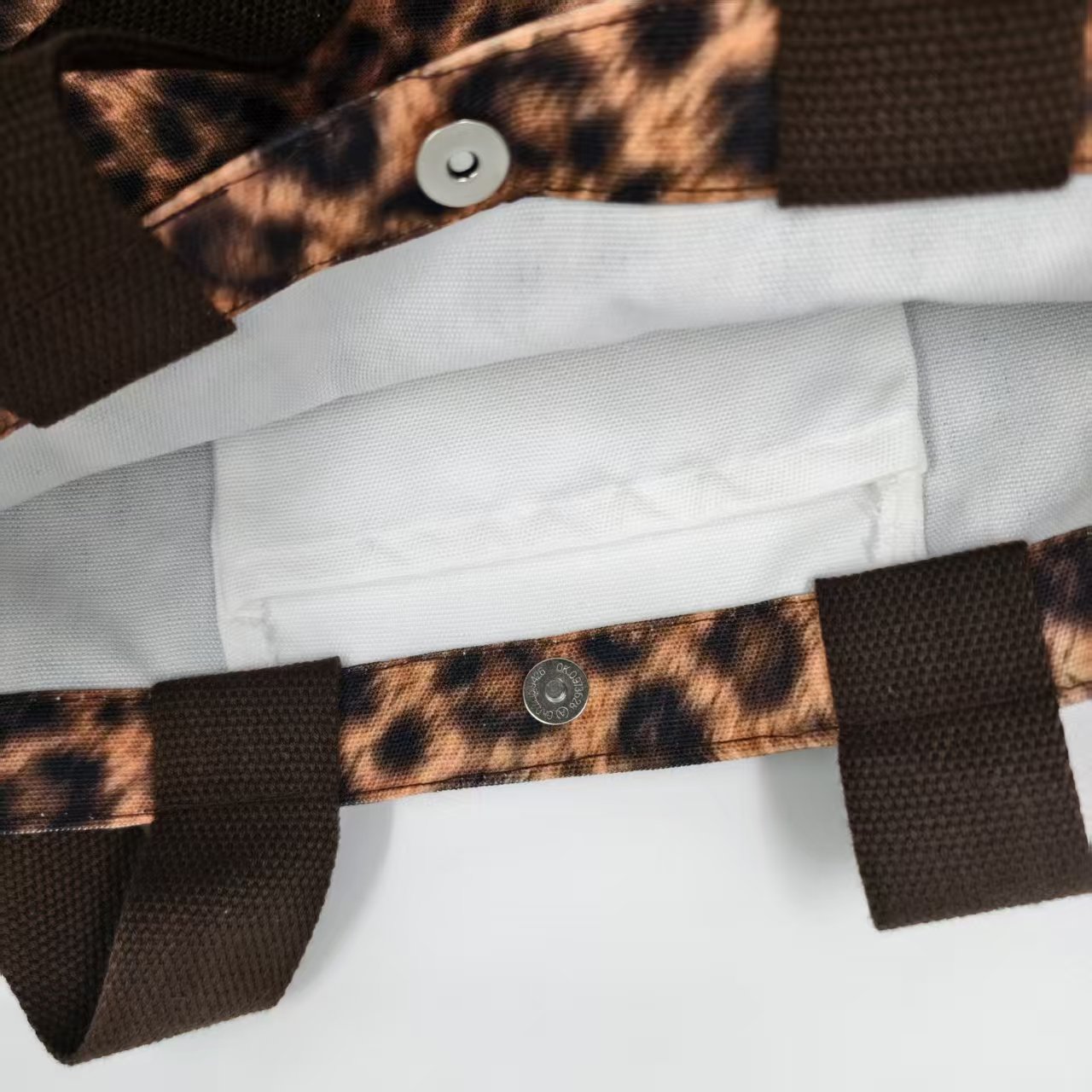
How to compare fabric and construction without confusing the claims
Organic describes a fiber-content claim and its evidence route; canvas describes a fabric construction. A tote can use organic cotton without being heavy canvas, and a canvas tote can use conventional cotton or another fiber. Specify both. Use the cotton tote manufacturer comparison for the broader fiber route and the fabric-weight guide to release the finished weight and tolerance.
For environmental claims beyond organic content, use the sustainable tote manufacturer comparison and the eco-claim verification checklist. Each claim needs its own evidence.
Where Luckystar fits—and what buyers still need to verify
Luckystar is presented on this website as a China-based custom-product sourcing and OEM/ODM partner, not as a U.S. manufacturer. For a U.S.-bound tote program, the practical value is coordinating specifications, samples, decoration, packing and supplier communication. The legal seller, assigned production route, material evidence, organic claim, MOQ, price, schedule and test scope remain project-specific and must be confirmed in writing.
Review custom tote bag options as visual product references. A public product photo does not establish the fiber claim or commercial terms for a new order.
RFQ information that produces a comparable quote
- Destination market and whether the program needs a U.S. seller, U.S. manufacturing or only U.S. delivery.
- Proposed organic-content scheme and exact on-product, packaging or marketing wording.
- Finished dimensions, gusset, fiber composition, weave, finished weight, dye/finish and tolerance.
- Handles, seams, pockets, closure, lining, intended load and expected reuse conditions.
- Artwork, print or embroidery method, placement, colors, labels, packing and barcode requirements.
- Quantity by SKU, sample stages, tests, inspection level, Incoterm, named place and required date.
For chain-of-custody questions, also review the organic cotton bag supply-chain guide.
Frequently asked questions
Does an organic cotton tote bag supplier need to be located in the USA?
Not necessarily. First decide whether the program requires a U.S.-based seller, U.S. manufacturing, domestic stock or simply delivery into the United States. Each route has different origin, lead-time, traceability and commercial implications.
Does organic cotton fiber make the finished tote certified?
No. A fiber claim alone does not certify the finished bag. Verify the applicable scheme, certified entity, product and process scope, validity dates and order or transaction records for the actual supply chain.
Which documents should a buyer request?
Request documents appropriate to the claim and scheme, then match the legal entity, scope, dates, material, product route and order. A certificate image without a matching holder and transaction trail is not enough.
Is organic cotton the same as Made in USA?
No. Organic content and U.S.-origin claims answer different questions. A Made in USA statement needs its own substantiation under the applicable FTC standard and must not be inferred from the seller address.
What should be checked on the approved tote sample?
Check finished dimensions, fabric hand and weight, shrinkage where relevant, seam and handle construction, intended load, artwork, labels, color, packing and any order-specific acceptance tests.
What information should be sent for an accurate quotation?
Send intended use, destination, required origin wording, quantity by SKU, dimensions, composition and finished weight, construction, handles, artwork, labels, packing, claim evidence required, inspection scope, Incoterm and required date.
Search snippet, U.S.-program scope, evidence checklist, real product reference, FAQ and conversion attribution updated September 23, 2026.
Related sourcing guides
Request a documented tote-supplier quote
Compare seller and production roles, organic-content evidence, approved sample, construction, labels, inspection and U.S. delivery assumptions against the same written brief.

Send the intended claim, destination, specification, quantities and required date through the Luckystar contact form. Feasibility, certification scope, MOQ, price and timing are subject to the final specification and written confirmation.





