Top 10 Sustainable Shopping Bag Manufacturers in 2026
Last reviewed: September 16, 2026
The most credible sustainable shopping bag is not the one with the greenest product name. It is the bag whose material identity, manufacturing route, durability, packing, reuse scenario and end-of-life statement can be checked. A natural-looking carrier may contain a plastic laminate; a recycled fabric can lose value if the claim is not traceable; and a durable reusable bag may still underperform if shoppers rarely reuse it.
For 2026 sourcing, ten manufacturers worth investigating are BAGFACTORY, CPC Vietnam, Sapphire Packaging, WEPAC, ONNI Enterprise, Param Jute Products, R Kumar & Company, Bohemia/Pankaj International, Kelvin Ecopack and Sara International. The list spans paper, non-woven, woven PP, RPET, cotton, canvas, juco and jute routes. It is designed to help buyers compare evidence and project fit—not to declare one universal environmental winner.
Research disclosure: LUCKYSTAR reviewed first-party company and product pages on September 8, 2026. The numbering organizes the shortlist; it is not based on comparative life-cycle assessments, factory audits, laboratory testing or purchase trials. Every factory, material, certificate, capacity, recycled-content, biodegradability, MOQ and lead-time statement remains a supplier claim until verified for the legal entity, production site, product scope, order and current validity.
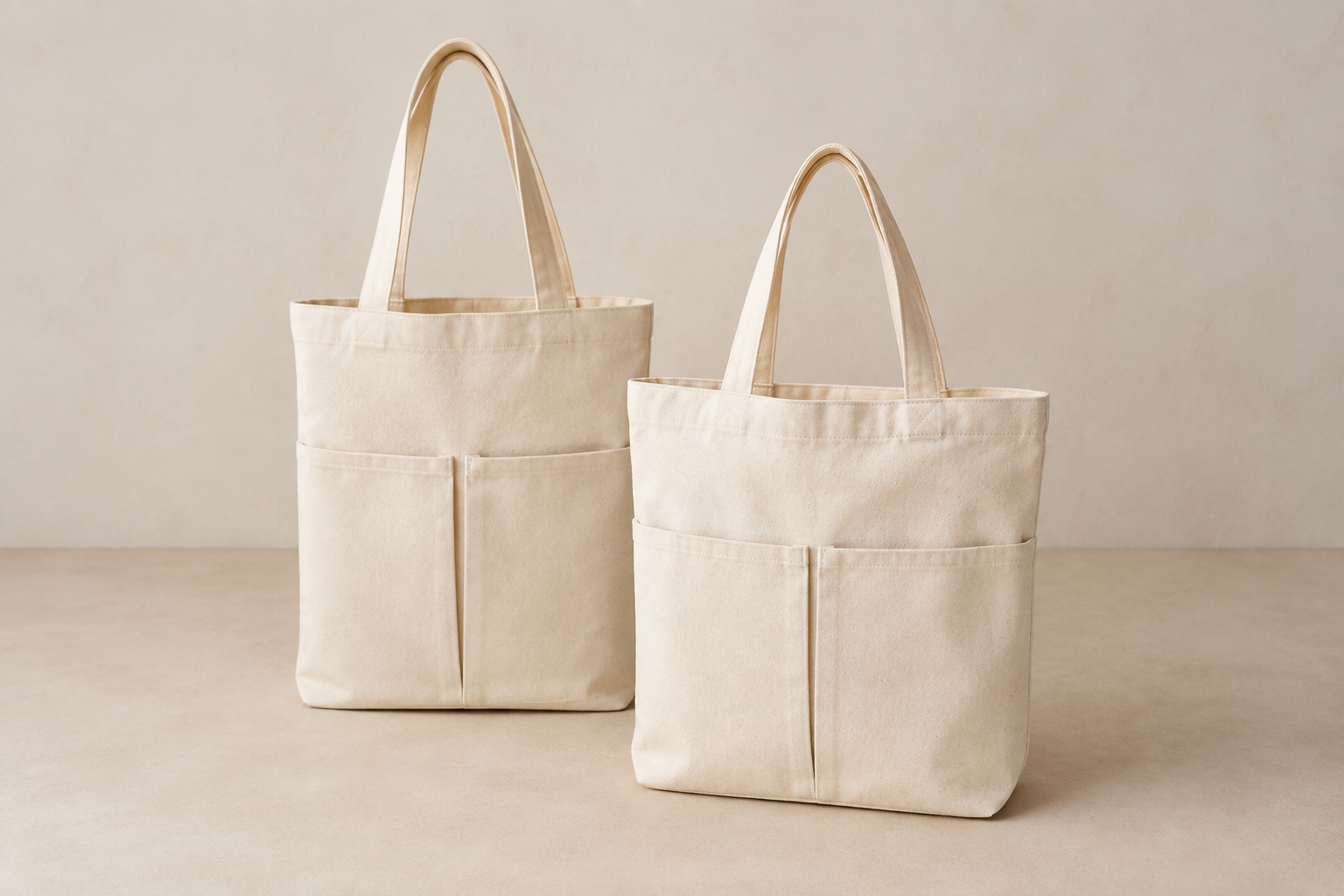
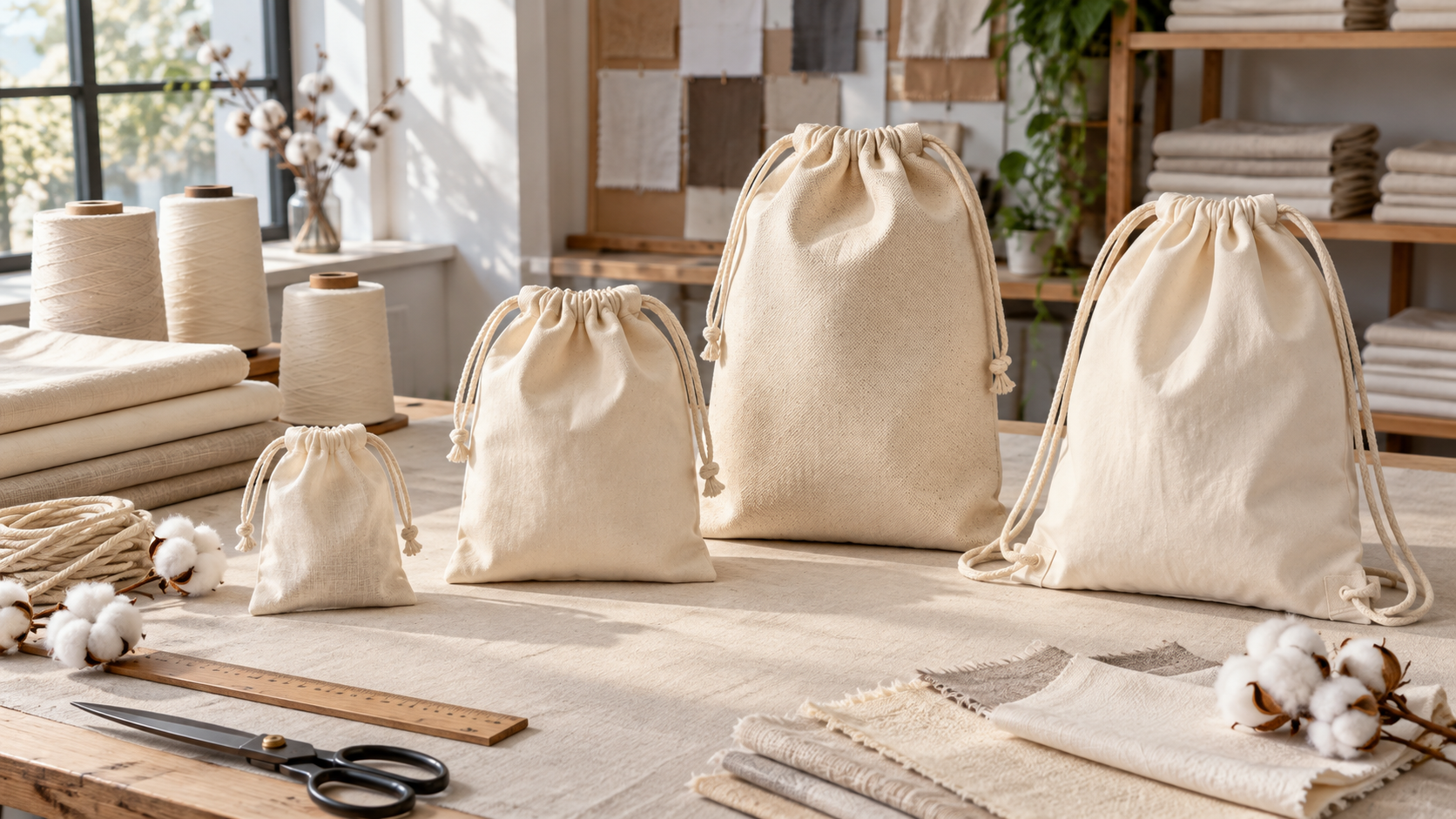
AI-assisted cleanup of real LUCKYSTAR company-catalog product photography. Catalog graphics and unrelated samples were removed while the photographed natural-fabric bag construction was retained. The image is illustrative; it does not prove organic status, fiber composition, recycled content, biodegradability, load performance, certification or current availability.
Need an evidence-controlled shopping-bag proposal instead of a broad “sustainable” label? Send the function and target load, reuse target, dimensions, complete material and component requirements, artwork, quantity by SKU, exact claim wording, required evidence and tests, packing, destination and date. LUCKYSTAR can compare candidate constructions and return order-specific evidence gaps and written assumptions.
Page role: This page is responsible for evidence-controlled sustainability claims, traceability, durability and order-specific verification. Compare broader supplier models in the worldwide manufacturer guide, and use the custom shopping bag collection to state the exact material and claim brief.
Quick comparison of 10 sustainable shopping bag manufacturers
| Manufacturer | Location described by the company | Material or operating route worth investigating | First sustainability question to verify |
|---|---|---|---|
| BAGFACTORY | Lithuania | Machine-made paper, spunbond non-woven and recycled-material development | Which exact material, plant, certificate scope and finished-bag test apply to the SKU? |
| CPC Vietnam | Southern Vietnam | Woven/non-woven PP, RPET, jute, polyester and multi-site bag production | Which factory and material chain will execute this order, and which claims are shipment-specific? |
| Sapphire Packaging | Vietnam | PP woven, PP non-woven, RPET, washable paper and cooler bags | Is the proposed sustainability evidence tied to the quoted construction and named factory? |
| WEPAC | Hung Yen Province, Vietnam | PP woven, PP non-woven, RPET and paper shopping bags | What baseline, test method and documentation support the preferred route? |
| ONNI Enterprise | Kolkata, India | Jute, cotton, juco and natural-fiber custom bags | What are the fiber blend, processing route, lamination and current certificate details? |
| Param Jute Products | Kolkata, India | Jute, cotton, canvas, juco and linen shopping bags | Is the finished bag free of undisclosed synthetic layers, and how is durability verified? |
| R Kumar & Company | Kolkata, India | Conventional, organic and recycled cotton plus jute/juco options | Which certificate holder, scope and transaction evidence cover the order? |
| Bohemia / Pankaj International | Kolkata, India | Jute, cotton, canvas and other natural-fabric retail bags | Which facility, material specification and processing records apply to the selected style? |
| Kelvin Ecopack | India | Jute, cotton and juco with stated upstream fabric capability | Which processes are internal, and how are chemicals, offcuts and order traceability controlled? |
| Sara International | Kolkata, India | Custom jute, juco and cotton shopping bags from stated own units | What evidence supports the fiber, factory, production timing and marketing language? |
This article focuses on retail shopping-bag programs across several materials. If your project is specifically a conventional tote, compare the separate Top 10 Sustainable Tote Bag Manufacturers guide. For the wider supplier-selection framework, start with our Custom Bag Manufacturer pillar guide and our practical guide to choosing a custom shopping bag manufacturer.
What makes a shopping bag sustainability claim defensible?
No single material field answers the question. Procurement teams need a chain of evidence from input to actual use and disposal.
| Decision layer | Question buyers should answer | Useful evidence | Common weak shortcut |
|---|---|---|---|
| Functional need | What contents, load, trip pattern and service life must the bag support? | Use brief, dimensions, target cycles and failure criteria | Selecting a material before defining the job |
| Material identity | What fiber/polymer, blend, coating, ink, handle and insert are present? | Bill of materials, supplier declarations and approved swatches | Calling the whole bag “cotton,” “paper” or “RPET” from its main panel |
| Preferred input claim | Is any organic, recycled or responsibly sourced content claimed? | Valid scope certificate where applicable, transaction evidence and batch traceability | Reusing a supplier logo or expired certificate |
| Manufacturing route | Where are weaving, dyeing, printing, sewing, lamination and packing performed? | Named facilities, process map, current audits and production records | Treating a sales office as proof of factory ownership |
| Durability and reuse | Will the finished construction survive the intended repeated use? | Static/cyclic load, handle pull, seam, rub and wash/care testing | Assuming “reusable” from material thickness alone |
| Logistics | How much product and empty space move through the supply chain? | Bag mass, carton dimensions, pack count, gross weight and route | Comparing only unit price or bag weight |
| End of life | Is collection, separation or composting realistically available in the target market? | Complete material disclosure and local pathway evidence | Saying “recyclable,” “biodegradable” or “compostable” without conditions |
| Marketing language | Does the wording match the actual evidence and geography? | Claim matrix, legal review and retained substantiation file | Unqualified “eco-friendly,” “zero impact” or “100% sustainable” claims |
Our guide to defensible sustainability claims for reusable shopping bags explains how to move from a broad objective to a qualified statement.
1. BAGFACTORY
BAGFACTORY says it established a manufacturing plant in Lithuania in 2015 for machine-made spunbond non-woven and paper bags. Its website also describes recycled non-woven material development and work on recycled PET bag processes. That combination makes it a useful European candidate when a buyer wants to compare a paper carrier with a reusable synthetic route.
The sustainability case still has to be SKU-specific. Ask whether the proposed bag is paper, virgin PP spunbond, recycled PP, recycled PET or a composite; what the handles, inks and reinforcement contain; and which plant performs each operation. If GRS, OEKO-TEX or another certification is proposed, verify the current certificate holder, site, product category and transaction documentation. Do not expand a research collaboration or material capability into a finished-bag claim without order evidence.
Best-fit investigation: European retail programs comparing automated paper and non-woven formats.Verify: full bill of materials, production site, recycled-content chain, print/bonding process, durability target, certification scope and carton data.
2. CPC Vietnam
CPC Vietnam publicly presents woven PP or PE, non-woven PP, RPET, jute, polyester and other shopping-bag routes. It also refers to weaving, film lamination, printing, sewing and multiple factories in southern Vietnam. This breadth can help a retailer compare constructions within one supplier conversation.
Multi-site capability creates an allocation question. The contract, social audit, environmental data, material certificate and inspection plan must refer to the same legal entity and assigned site. Request written disclosure of outsourced steps and a rule preventing unapproved factory changes. Claims about recycled inputs, factory size, output or named customers on the website should not be repeated until independently verified and connected to the order.
Best-fit investigation: larger programs needing several reusable-bag materials or a Vietnam production route. Verify: factory allocation, process ownership, current audits, material traceability, sample-to-bulk controls, capacity for the required month and substantiated copy.
3. Sapphire Packaging
Sapphire Packaging describes a Vietnamese operation making PP woven, PP non-woven, RPET, washable-paper, cooler and other reusable bags. The range is useful for buyers who want to test whether durability, packability, appearance or recycled-content traceability should drive the material decision.
A broad portfolio does not make every option equivalent. Ask for an exact layer and component declaration for each proposed bag. A laminated woven PP carrier, stitched RPET tote and washable-paper bag have different failure modes and end-of-life conditions. If the company presents BSCI, GRS, OBP, BRCGS, ISO or other programs, obtain the actual current documents and confirm entity, site, category, process and transaction requirements.
Best-fit investigation: multi-material reusable retail programs and buyers comparing synthetic or paper-like constructions. Verify: fabric source, layer structure, internal versus external processes, certificate applicability, finished-bag testing, packing and order claim wording.
4. WEPAC Joint Stock Company
WEPAC presents PP woven, PP non-woven, RPET and paper shopping bags from a Vietnamese manufacturing business. Its product pages provide starting values for GSM, film, printing, handles and load. That level of product detail can make early RFQ discussions more concrete.
Published ranges are not purchase specifications. Select one construction and define base material, any film or coating, total finished weight, seams, handles, artwork, tolerance and test method. Ask for evidence behind stated load capacity rather than quoting the number from the web. If a recycled or environmental claim is required, verify its chain and define whether it applies to the body fabric, handles, film or complete bag.
Best-fit investigation: retailers comparing common PP, RPET and paper carrier formats. Verify: precise SKU construction, production site, test protocol, recycled-content allocation, current documentation, production window and repeat-order controls.
5. ONNI Enterprise LLP
ONNI Enterprise describes manufacturing jute and cotton bags at a facility in Kolkata, with laminated, printed, juco and unlaminated product collections. Natural-fiber specialization can be valuable when hand feel, retail presentation and a plant-based input are central to the brief.
“Natural” does not describe every component. The buyer should specify jute/cotton blend, fabric weight, dyes, inks, handle material, thread, backing, coating and any lamination. Ask whether moisture control, odor conditioning or anti-mold treatments are used and whether they change the claim. The site's certification references should lead to current documents, not an automatic logo on the finished product.
Best-fit investigation: custom natural-fiber shoppers, juco carriers and programs where tactile presentation matters. Verify: fiber composition, processing chemistry, lamination, certificate scope, factory allocation, seam/handle performance and packing moisture control.
6. Param Jute Products
Param Jute Products describes Kolkata manufacture of jute, cotton, canvas, juco and linen bags, including personalized shopping bags. Its category focus is useful for brands comparing coarse jute, smoother juco and cotton/canvas constructions.
The environmental profile can change substantially with finishing. A jute body may use a synthetic laminate, dyed fabric, plastic window, polyester handle or mixed-fiber thread. Ask for a complete component declaration and make any biodegradability wording conditional on the tested final construction and disposal environment. Durability should be measured through the handle and seam, not inferred from jute's general reputation.
Best-fit investigation: branded jute/juco shopping carriers and natural-material retail presentation. Verify: blend and GSM, backing/lamination, dye/ink route, handle attachment, finished-bag tests, moisture protection, carton conditions and evidence for every claim.
7. R Kumar & Company
R Kumar & Company says it manufactures jute, cotton, canvas and customized shopping bags in Kolkata and offers conventional, organic and recycled cotton options. The ability to discuss several cotton pathways makes it relevant where certification and fiber choice matter to a brand brief.
Do not treat a list of GOTS, GRS or OEKO-TEX options as proof that the quotation is certified. Request the current scope certificate, legal holder, site, product/material category and—where required—the transaction certificate tied to the shipment. For recycled-cotton blends, specify both percentages and strength requirements. For organic cotton, confirm trims, printing and labeling rules as well as the body fabric.
Best-fit investigation: documented cotton or jute retail bags requiring a choice between conventional, organic and recycled inputs. Verify: scope and transaction records, fiber blend, dye/print process, subcontractors, durability, claim approval and country-of-origin documentation.
8. Bohemia / Pankaj International
Bohemia identifies itself as the brand of Pankaj International and describes manufacturing jute, cotton, canvas and other natural-fabric bags in Kolkata for shopping, promotional and lifestyle uses. Its design-oriented assortment may suit programs where the bag must be attractive enough to remain in use.
Retention is a useful design goal, but it is not an environmental result by itself. Define the user, expected contents, care conditions and target service life. Then compare fabric, seams, handles, decoration and accessories against that use. Ask the company to map its brand, legal manufacturer, facility, process and export documents so all evidence points to the same order.
Best-fit investigation: fashion-led natural-fabric shoppers and reusable promotional programs. Verify: legal entity and site, material composition, treatment and printing, sample approval, durability method, waste/packing evidence and allowed marketing language.
9. Kelvin Ecopack
Kelvin Ecopack describes jute, cotton and juco bag production and states that it has access to upstream fabric capacity and in-house value-chain facilities. That operating model is worth investigating when fiber and fabric consistency matter across a large program.
Ask which processes occur at Kelvin Ecopack, its parent or another facility, and which entity will appear on the contract and evidence. Upstream integration can improve control, but only if specifications and traceability connect raw material, fabric lot and finished bags. Confirm dyes, printing, lamination, offcut handling and wastewater or energy claims with current, site-specific records rather than broad sustainability language.
Best-fit investigation: scaled jute, cotton or juco programs that benefit from upstream material visibility. Verify: corporate/factory relationship, process map, traceability, chemicals, current audits/certificates, test results, capacity and corrective-action ownership.
10. Sara International
Sara International says it manufactures custom jute, juco and cotton shopping bags at its own units in Kolkata. Its stated range includes retail, hospitality and corporate programs, making it a possible candidate for smaller or design-led natural-fiber orders.
Online MOQ, quote-response and lead-time language is dynamic and should never be treated as a universal promise. Ask for the actual production site, material specification, current sample schedule, bulk capacity and shipping plan. If the company is selected for a natural-fiber claim, require disclosure of laminates, handles, thread, inks, finishes and packaging before approving copy.
Best-fit investigation: custom jute/cotton shopping bags where order flexibility and export support matter. Verify: legal manufacturer, assigned unit, complete material list, printing/finishing, sample-to-bulk control, claim evidence, packing and written commercial terms.
Compare material routes at equal function
An honest comparison holds capacity, load and target uses constant. Otherwise a light paper carrier, heavy canvas tote and laminated woven PP bag are being asked to perform different jobs.
| Route | Potential reason to investigate | Main evidence need | Frequent claim risk |
|---|---|---|---|
| Recycled PET fabric | Recycled-input story plus textile-like durability | Claimed percentage, component scope, chain of custody and finished performance | Calling the whole bag recycled when only the main fabric is covered |
| Recycled or conventional PP woven | High load and broad graphic coverage with repeated-use potential | Resin/input record, full laminate structure, durability and local recovery route | Equating technical recyclability with practical collection |
| PP non-woven spunbond | Lightweight, economical reusable programs | Polymer, GSM, bonding/conversion, reuse test and recycled-content evidence if claimed | Describing any low-GSM giveaway as reusable without a service target |
| Organic cotton | Natural-fiber route with established certification systems | Valid scope/transaction documents, processing and full component review | Treating beige color as proof of organic cotton |
| Recycled cotton blend | Uses recovered textile fiber and can provide distinctive hand feel | Fiber percentages, source chain, strength and blend disclosure | Omitting supporting synthetic fiber from the claim |
| Conventional cotton/canvas | Familiar, printable and potentially long-lived | Weight, weave, construction, care and use-rate evidence | Assuming natural fiber always has the lowest impact |
| Jute or juco | Structured natural appearance and robust retail presentation | Blend, backing, dye, laminate, odor/moisture control and durability | Claiming complete biodegradability despite synthetic components |
| Paper | Established paper recovery in some markets and efficient retail formats | Fiber source, coating/lamination, wet strength, handles and local recovery | Saying biodegradable or recyclable without complete construction and conditions |
For a broader decision method, read Recyclable vs Reusable Shopping Bags and How Many Times Must a Reusable Shopping Bag Be Used?.
Use an evidence ladder for every environmental claim
Evidence boundary reviewed 16 September 2026: start with the precise public wording and functional unit, then retain the complete bill of materials, supplier declarations, current scope certificates where applicable, order or transaction records, finished-product test results, production and inspection records, and destination-specific disposal evidence. Corporate targets, website badges, natural colour, material names or a certificate held somewhere upstream cannot establish lower impact, biodegradability, compostability, recyclability, recycled content or responsible sourcing for every finished bag.
| Evidence level | What it shows | What it does not show | Buyer action |
|---|---|---|---|
| Marketing page or catalog | The supplier offers or promotes an option | Current validity, order scope or independent verification | Use only to form questions |
| Supplier declaration | A named party states composition or process | Independent verification or full chain of custody | Check entity, date, SKU and basis |
| Scope certificate | A certified organization/site/process falls within a current program scope | That a particular shipment contains the claimed input | Verify database entry, scope and validity |
| Transaction certificate or order record | A specific material or shipment moves through the certified chain | Finished-bag durability or full environmental superiority | Reconcile quantity, product, supplier and invoice |
| Laboratory or performance report | A named sample met defined tests | Every color, size, production lot or future order | Match sample, method, date and components |
| Life-cycle study | Impacts under stated boundaries and assumptions | A universal result for different geographies or behavior | Check functional unit, data quality and sensitivity |
Our Shopping Bag Sustainability Certifications Explained, GRS-Certified RPET Shopping Bags buyer guide and FSC Paper Shopping Bags guide explain why certificate type and chain-of-custody scope matter.
Score suppliers with one common matrix
| Criterion | Suggested weight | What earns the score | What earns no score |
|---|---|---|---|
| Functional fit and durability | 25% | Construction tied to use plus finished-bag test data | Generic “strong” or “reusable” language |
| Material and claim traceability | 20% | Full components, current documents and shipment linkage | Certificate icons or sample-only reports |
| Factory/process visibility | 15% | Named entity, site, internal/external steps and change control | Ambiguous “our factory” statement |
| Responsible processing | 15% | Site-specific chemical, energy, water, waste or social records relevant to the order | Corporate mission without operational evidence |
| Quality and repeatability | 10% | Controlled sample, tolerances, inspection and reorder references | Attractive mockup without measurable acceptance |
| Logistics and packing | 10% | Efficient fold/carton design and equivalent landed-cost assumptions | Unit-price comparison only |
| Communication and correction | 5% | Clear evidence owners, dates, deviations and corrective-action route | Fast answers that do not address the question |
Adapt the weights to the project and record the reason. A local paper carrier and a long-life reusable shopping bag can both be reasonable, but they should not win by the same logic.
Build the RFQ before choosing the material
Define the functional unit
State the job in measurable terms: volume, typical contents, target load, carrying distance, weather exposure, use frequency, intended number of trips and failure threshold. Environmental comparisons should provide the same service. A bag that uses less material but fails earlier may not be the lower-impact route.
Request a component-level bill of materials
List body, lining, coating/lamination, print, thread, binding, handles, closure, reinforcement, labels, bottom board and packaging. Record weight or percentage where relevant. This prevents a main-fabric claim from silently becoming a whole-product claim.
Define evidence ownership and timing
Specify which documents are due at quotation, sample approval, material booking, production and shipment. Record certificate holder, validity, site, scope, transaction reference and reviewer. Do not discover after production that the proposed material cannot support the planned packaging statement.
Validate the finished bag
Material documentation does not prove handle attachment or seam life. Agree on static load, cyclic lift, handle pull, seam, print rub, wash/care or wet-condition tests appropriate to the construction. Use our Reusable Shopping Bag Durability and Reuse Testing guide and longer-service-life design guide.
Include packing and freight in the comparison
Ask for bag mass, pieces per carton, folded dimensions, carton size, gross weight, pallet plan and Incoterm. A bulky design can move substantial air; aggressive compression can also crease coatings, distort handles or damage printed surfaces. Review Shopping Bag Packaging and Carton Optimization for Lower Shipping Impact.
Company-claim and evidence boundary: the following LUCKYSTAR section is publisher self-description and a commercial custom-supply option. It does not independently prove factory ownership, environmental superiority, material composition, recycled or certified content, biodegradability, compostability, recyclability, load or reuse performance, capacity, MOQ, price or timing. LUCKYSTAR does not present historical or upstream documents as blanket company-wide credentials. The legal seller, assigned sites, materials and components, claim evidence, samples, tests, inspection plan, packing, schedule and delivery terms are subject to the exact order, final specification and written confirmation.
Why choose LUCKYSTAR for a sustainable shopping bag program?
LUCKYSTAR supports international brands, retailers, importers and distributors with custom-bag development. On this website, the operating entity is Ningbo Luckystar Commodities Co., Ltd. Our role is to translate an intended use and evidence requirement into a controlled specification, coordinate a suitable production route, manage approval points and prepare export-ready packing. We do not claim that every product or process comes from one LUCKYSTAR-owned factory.
We compare constructions before attaching claims
LUCKYSTAR can help structure alternatives in cotton/canvas, jute/juco, RPET, non-woven PP, woven PP, paper and other suitable materials. Selection starts with load, service life, printing, care, destination and evidence—not with a universal “greenest material” answer. Explore our custom shopping bags for the development scope.
We turn sustainability goals into specification fields
The RFQ can separate preferred input content, complete component composition, fabric weight, coating, printing, construction, durability, packing and substantiation. That makes supplier quotations comparable and exposes trade-offs early. Use How to Prepare a Custom Shopping Bag Tech Pack to control the document.
We coordinate sample, quality and evidence gates
A digital proof approves artwork, not material or durability. LUCKYSTAR can coordinate swatches, printed references, physical samples, production checkpoints and pre-shipment inspection according to project risk. The custom shopping-bag manufacturing process and printing quality-control checklist show how these gates fit together.
We plan for repeat orders and packing
Retained materials, color standards, artwork revisions, signed samples and inspection criteria help reduce drift. Packing is reviewed before production rather than after the bags are folded. Read our shopping-bag reorder consistency guide for the records worth retaining.
We keep certification language within its evidence boundary
LUCKYSTAR does not advertise GRS, GOTS, BSCI, ISO, REACH, RoHS or FSC as blanket certifications covering every shopping bag. Where a project needs a claim, certificate holder, site, scope, validity and order-level evidence must be confirmed. Materials, MOQ, price, lead time, testing, production location and certifications remain subject to the approved specification and written confirmation.
Twelve questions for the sustainable-shopping-bag shortlist
- What legal entity will sell, manufacture and export the bag?
- Which named facilities perform material production, dyeing, printing, lamination, sewing and packing?
- Which processes are subcontracted, and how are changes approved?
- What is the complete component-level bill of materials and finished bag weight?
- Which percentage and component does each organic or recycled-content claim cover?
- Which current scope and transaction documents apply to this order?
- Which environmental or social data are site-specific rather than company-wide marketing?
- What finished-bag durability tests reflect the intended use and target reuse cycles?
- What tolerances and defect limits control dimensions, seams, handles, print and odor?
- What treatment, coating, adhesive, ink, backing or laminate could affect the claim or disposal route?
- What are the folded dimensions, carton plan, gross weight, origin and Incoterm?
- Which exact consumer-facing statement can the evidence support in the destination market?
Frequently asked questions
Is there one most sustainable shopping bag material?
No. The answer changes with required service, material mass, manufacturing data, number of uses, care, logistics and end-of-life route. Compare designs at equal capacity and performance, then document the assumptions.
Does reusable automatically mean sustainable?
No. Reuse must actually occur, and the bag must survive it. Define a target number of uses and validate the full construction. Distribution strategy also matters: a bag people do not want or need may remain unused.
Does recycled content prove a lower-impact finished bag?
It proves neither the percentage nor the environmental result by itself. Verify the claimed component and chain of custody, then consider performance, processing, freight and end of life. Avoid extrapolating a fabric certificate to every trim.
Are natural-fiber bags biodegradable?
The base fiber may biodegrade under certain conditions, but inks, synthetic thread, labels, handles, coatings and laminates can change the finished product. Any biodegradability or compostability statement needs a defined product, standard, timeframe and disposal environment.
Is a paper shopping bag always recyclable?
No. Local acceptance and the complete structure matter. Wet-strength chemistry, plastic film, metallic finishes, heavy ink coverage, adhesives and non-paper handles can affect processing. Confirm the destination pathway.
What is the difference between a scope certificate and transaction evidence?
A scope certificate generally identifies a certified organization, site, process and product/material categories for a validity period. It does not automatically prove that one shipment contains certified material. Transaction documentation links qualified material through a particular commercial chain where the scheme requires it.
How should a buyer use supplier sustainability reports?
Use them to identify questions and potential programs. Then request site-, period- and product-specific evidence. Corporate totals or future targets may not describe the factory, process or order supplying your bag.
What should a sustainability claim file contain?
Keep the approved bill of materials, supplier declarations, relevant certificates, transaction records, test reports, invoices, production and inspection records, claim wording, market review and approval history. Retain the assumptions behind comparisons.
Choose evidence before slogans
A credible sustainable shopping-bag program begins with the service the bag must deliver. The material route, supplier, construction and communication should follow from that requirement. This keeps procurement focused on measurable trade-offs and gives marketing a claim that can survive scrutiny.
Send LUCKYSTAR your required size, contents/load, quantity, target uses, artwork, destination, launch date, preferred materials and required documentation. We can compare feasible routes and define the sample and evidence plan. All commercial and compliance details remain project-specific and subject to written confirmation.

Request an evidence-controlled shopping bag proposal
Use one functional specification and claim matrix for every candidate so performance, materials, components, evidence, QC, packing and delivered-cost assumptions can be compared on the same basis.
Review LUCKYSTAR custom shopping bag options, then send your controlled RFQ through the contact form or Email a project brief. The email link opens a draft for your review before sending.
Supply route, material and claim evidence, certificates, testing, capacity, availability, price, MOQ, sample cost, packing, schedule and delivery terms are subject to current order-level verification, destination requirements, final specification and written confirmation.