Buyer quick answer
Wholesale cotton shopping bags should be specified around the job they must do. Retail checkout needs fast packing and store allocation; events need date control and simple distribution; gifting needs presentation, fit and unit packing. Start with contents, load, usable size, handle geometry, material, artwork and quantity per version.
Scope: Cotton composition, reuse, environmental attributes, MOQ, price and lead time require project-specific evidence and written confirmation.
Planning a cotton-bag program? Send the use channel, contents, bag specification, artwork and delivery allocation for a configuration-based review.
Choose the specification by use channel
| Channel | Primary questions | Approval evidence |
|---|---|---|
| Retail checkout | What products, pack speed, carry distance and store allocation? | Filled carry trial, pack trial and carton/store labels |
| Event | What kit, distribution method, venue rules and fixed date? | Kit fit, artwork at actual size and dated release plan |
| Gifting | What gift, presentation level, closure and unit pack? | Packed presentation sample and final labels |
Size the bag around contents and workflow
List the largest intended contents, their orientation and combined weight. Define finished width, height and gusset, then confirm usable dimensions after seams and hems. Check the opening against the real packing motion; a bag can have sufficient volume but still be slow to load.
Handle length and drop should match hand, shoulder or short-distance carry. Record handle width, attachment position and reinforcement. Use a representative filled sample to review balance, deformation and comfort instead of relying on a flat mockup.
Define cotton as a verifiable requirement
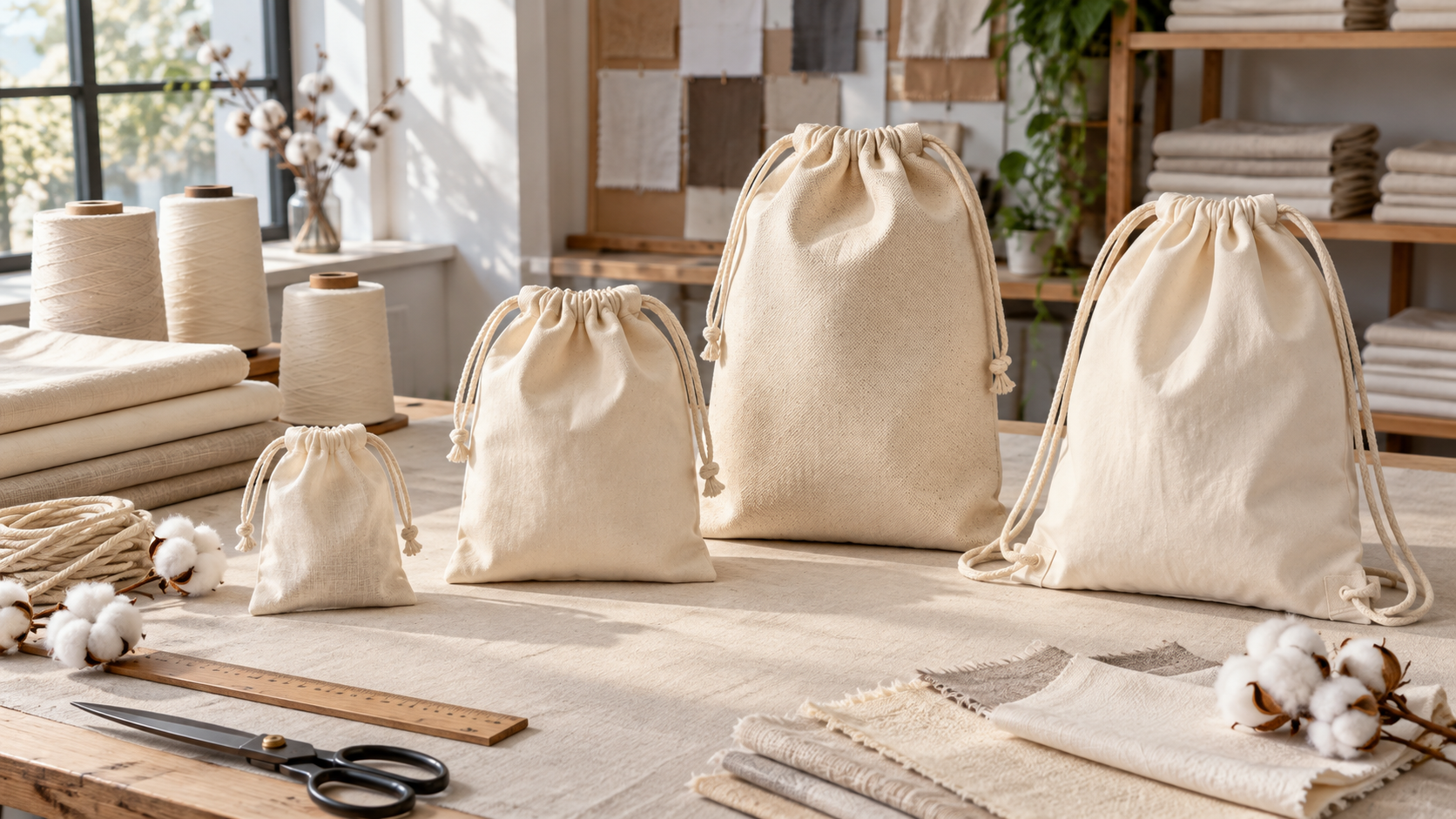
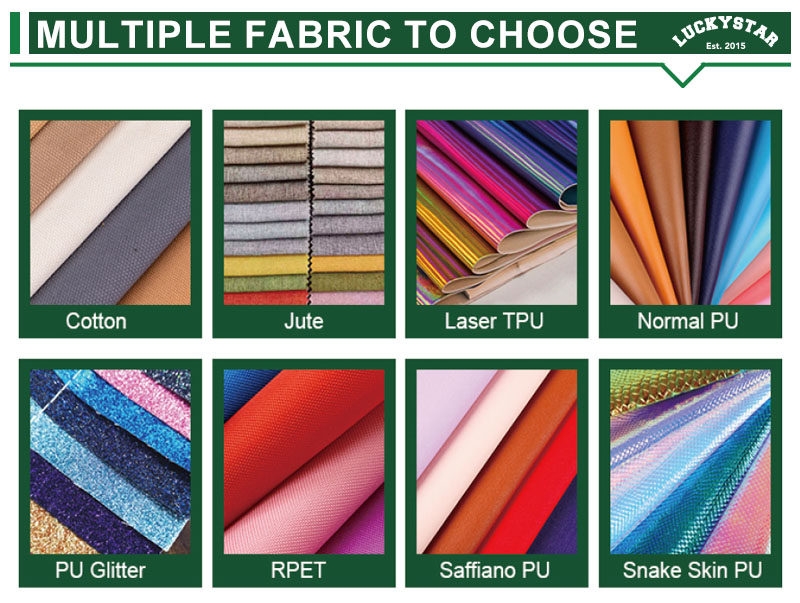
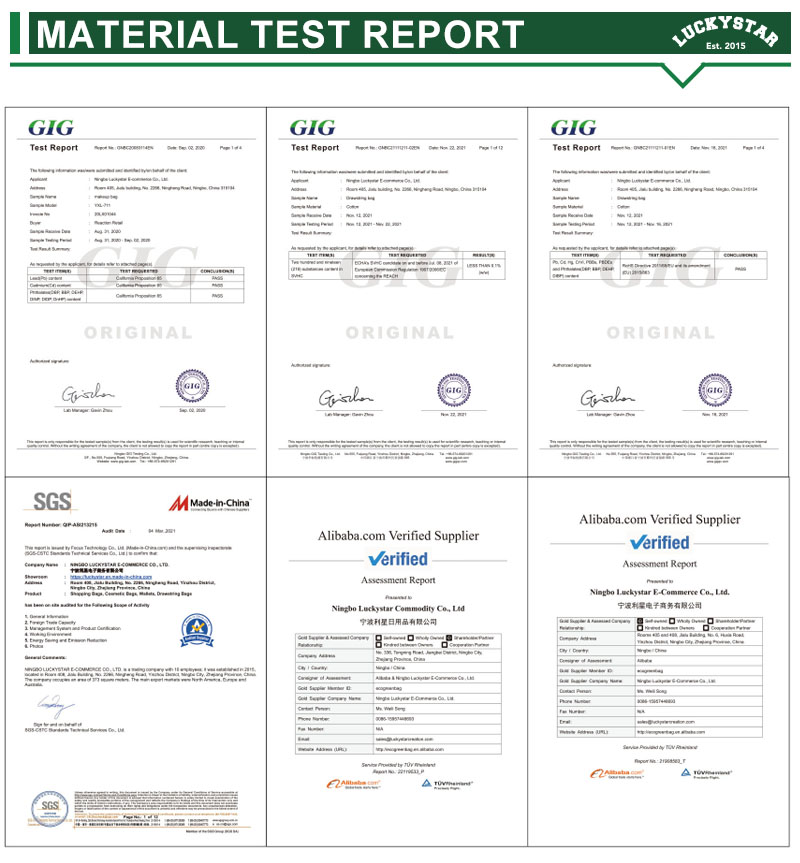
“Cotton” alone does not establish composition, fabric weight, construction, finish or certification. State the required composition and evidence, nominal fabric weight or approved reference, weave, color standard and wash or shrinkage expectation if relevant. If organic, recycled or certified input matters, name the exact claim and document scope required.
Natural-fiber fabric may vary in texture, shade and dimensions. Set practical tolerances around the intended presentation. An image or sample appearance must not be generalized into an unsupported material or environmental claim.
Match decoration to fabric and campaign use
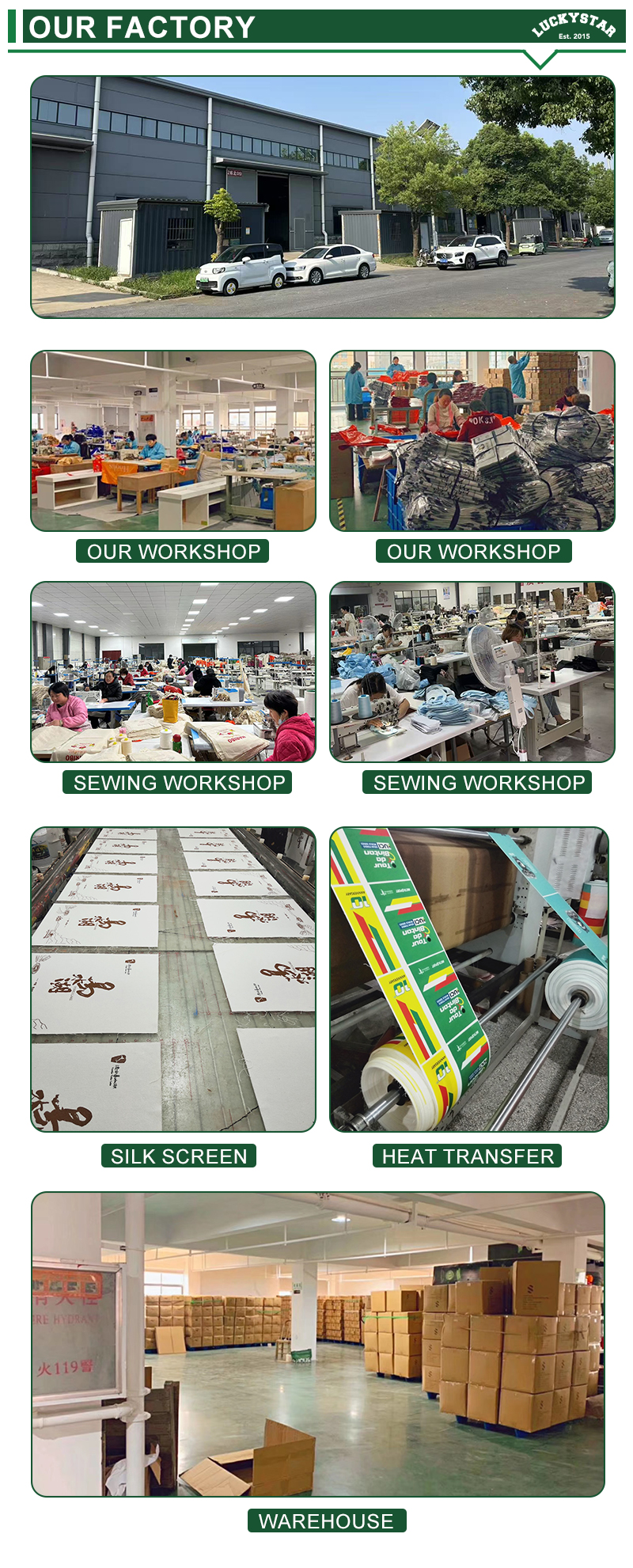
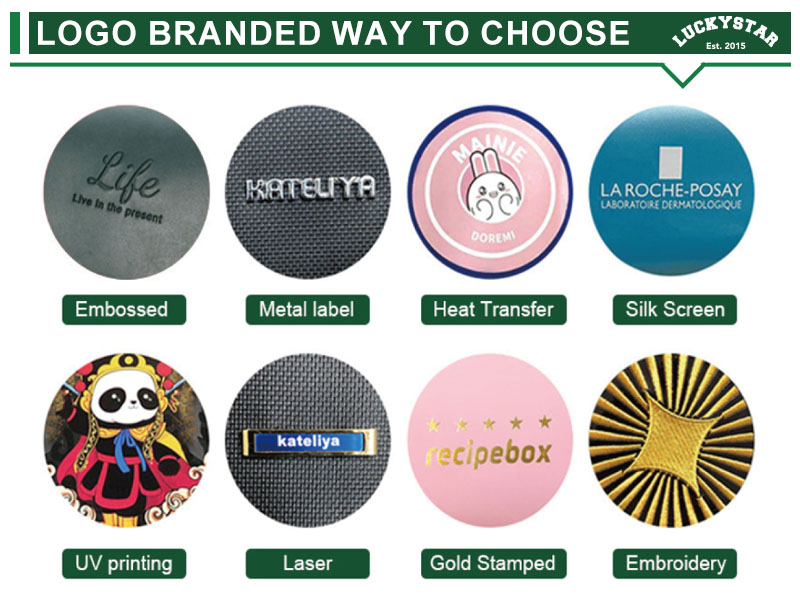
Provide vector artwork, dimensions, placement from seams and the top edge, color references and the smallest critical details. Ask the supplier to propose the decoration method for the selected fabric and quantity. Print, transfer, embroidery and labels create different setup, hand feel, coverage and artwork limits.
Approve the actual method on the selected material. Review legibility, registration, show-through, puckering, abrasion risk and color against the agreed reference. For multi-location campaigns, freeze one production artwork file and control local label changes separately.
Use a sample and release gate
- Confirm the written specification and configuration matrix.
- Approve construction and fit with intended contents.
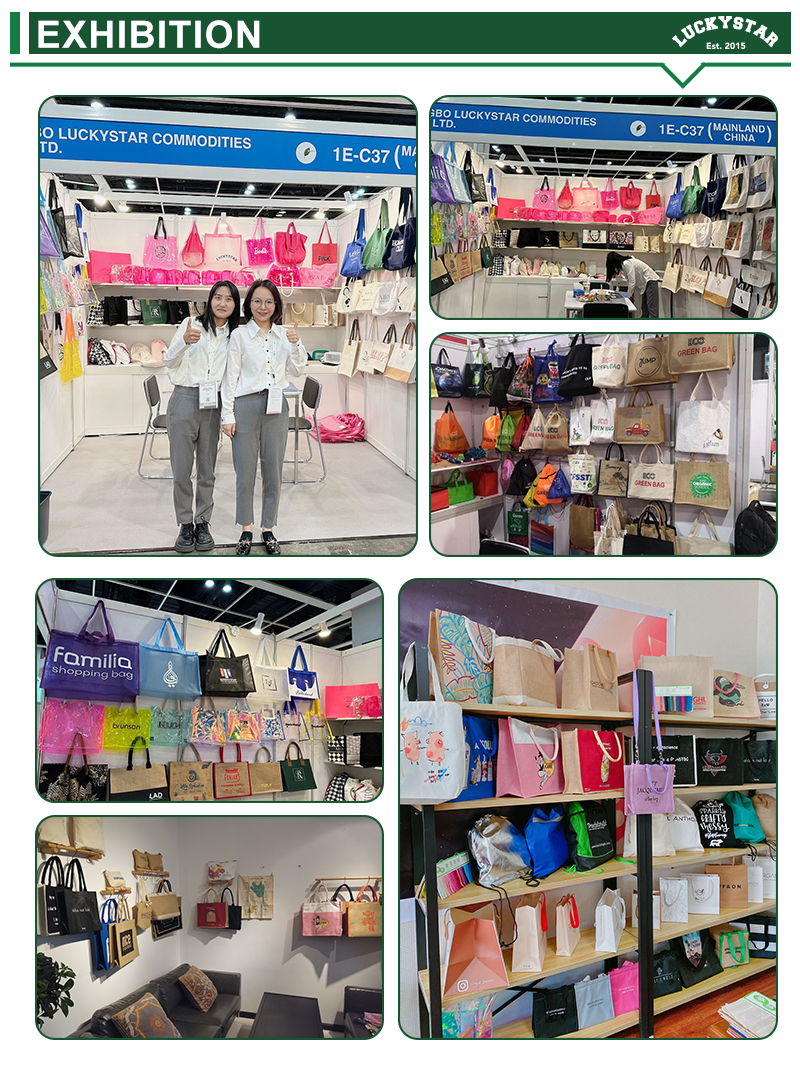
- Approve decoration, color and packing on a representative sample.
- Freeze tolerances, inspection points and authorized changes.
- Release bulk only after commercial and delivery assumptions are signed off.
Plan quantities by configuration and destination
Split the forecast by bag size, body color, handle, artwork, decoration color, label, unit pack and destination. Ask for the MOQ and setup against each line, not only the overall total. Consolidating shared inputs may help, but availability and production grouping must be confirmed in the current quote.
For retail, map cartons to stores or distribution centers. For events, add a delivery buffer approved by the buyer and identify the hard in-hand date. For gifting, include assembly, inserts and presentation packing in the timing rather than treating them as an afterthought.
Make inspection reflect the real use
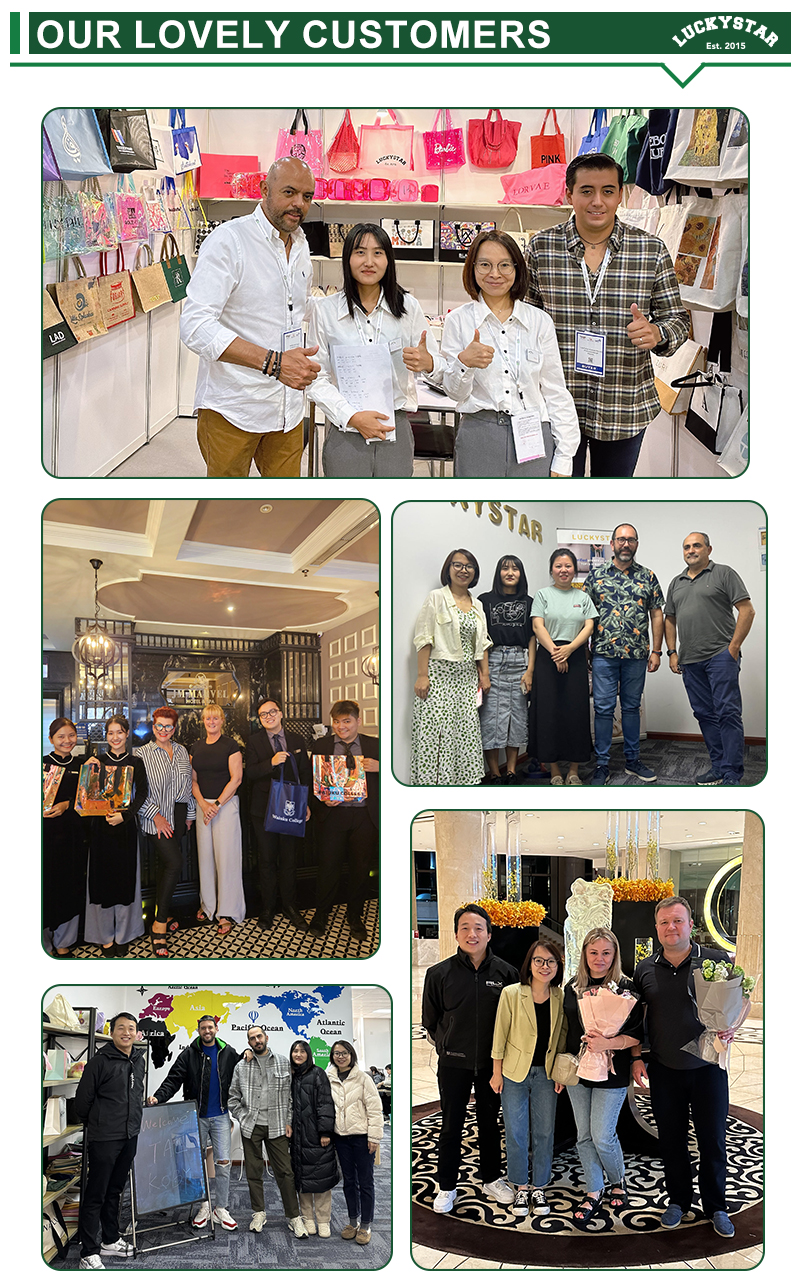
Critical-to-quality checks can include usable dimensions, handle placement and attachment, seam condition, appearance, decoration size and location, cleanliness, unit packing, carton quantity and labels. Add a filled carry or handling check that reflects the intended contents; define the method and acceptance before production.
A single sample cannot prove every bulk unit. Agree when first output is reviewed, how production is sampled, how defects are classified and what remedy applies. Keep retained references and inspection records for repeat orders.
Compare complete landed program costs
Normalize product price with sampling, artwork/setup, labels, unit packing, inspection, testing, freight responsibilities, destination splits and handling. Record currency, named delivery basis, quote validity, payment stages and change triggers. A lower unit price may not be the lower program cost when excess stock, repacking or late event delivery is included.
Browse the Luckystar custom tote-bag category for format references, then validate the exact construction and current terms in the project quotation.
Frequently asked questions
Are cotton shopping bags automatically sustainable?
No. Any environmental claim needs a defined attribute, evidence, scope and market-appropriate wording. Material identity alone does not prove an overall benefit.
What should be tested before ordering?
At minimum, review fit, loading, carrying, handles, seams, decoration and packing against the intended use. Add material or performance tests when the program requires them.
Can one bag serve retail, events and gifting?
It can when contents, presentation, packing and timing requirements align. Otherwise, control separate configurations instead of forcing one specification into incompatible jobs.
How are repeat orders kept consistent?
Retain the approved specification, sample, artwork, color references, packing and inspection record, then reconfirm current materials and commercial terms.
Related sourcing guides
Source and scope: Luckystar custom tote-bag category and linked sourcing guides, checked September 21, 2026. They are format and process references, not proof of fixed composition, certification, environmental benefit, factory ownership, MOQ, stock, price or delivery. Existing article images are illustrative and still require topic-relevance and publication-rights review.
Request a cotton shopping bag program review
Send the use channel, contents, size, material requirement, handle, artwork, quantity by version, allocation, packing, inspection, delivery basis and date.
Use the website contact form or email a prefilled program brief. Review the draft before sending.
MOQ, price, availability, claims, capacity and delivery are subject to specification and written confirmation.