
Buyer quick answer
A wholesale shopping-bag program should begin with the channel and packed purchase, then convert those needs into measurable size, capacity, material, handle, load, logo, packing and SKU controls. “A tote that sells” is a commercial hypothesis; validate it with a controlled pilot and reorder data.
Claim boundary: Reuse intent or logo visibility does not prove customer reuse, sales lift, environmental benefit, a lifespan or a load rating. Define evidence for each claim.
Planning a wholesale shopping-bag range? Send the channel, packed items, bag specification, pilot SKU mix and reorder target for a program review.
Separate three wholesale use cases
- Checkout packaging: fit the sold products, staff packing flow, store storage and daily consumption.
- Promotional distribution: fit the campaign item, artwork version, event date, unit budget and distribution method.
- Retail merchandise: define consumer use, sellable SKU, labeling, presentation, price position and replenishment.
Do not force the same bag into all three channels unless the shared specification is tested for each use.
Specify capacity from real products
List the items, boxes, folded garments or kits that the bag must carry. Define finished and usable dimensions, gusset, opening, closure and tolerances. Load the proposed bag and observe retrieval, shape and pressure at corners.
For mixed retail baskets, identify the maximum controlled combination. Nominal dimensions alone do not establish usable capacity.
Match material and structure to the channel
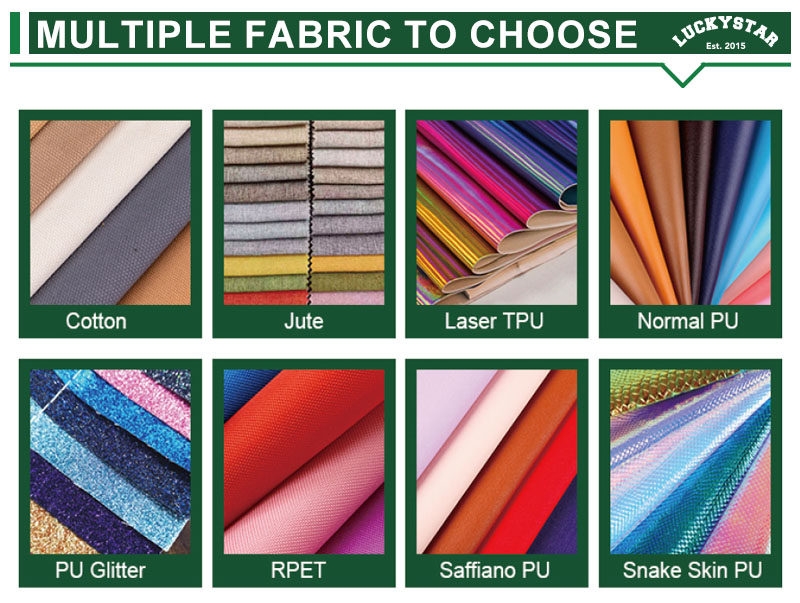
Specify composition, construction, weight/thickness method, color and finish. Define handles and attachment, seams and reinforcement, base insert or binding, closure and labels. Use physical references for appearance.
Run a stated loaded handling or cycle check on a production-representative sample. A thicker-looking bag does not automatically have greater load capacity.

Control artwork and sellable SKUs
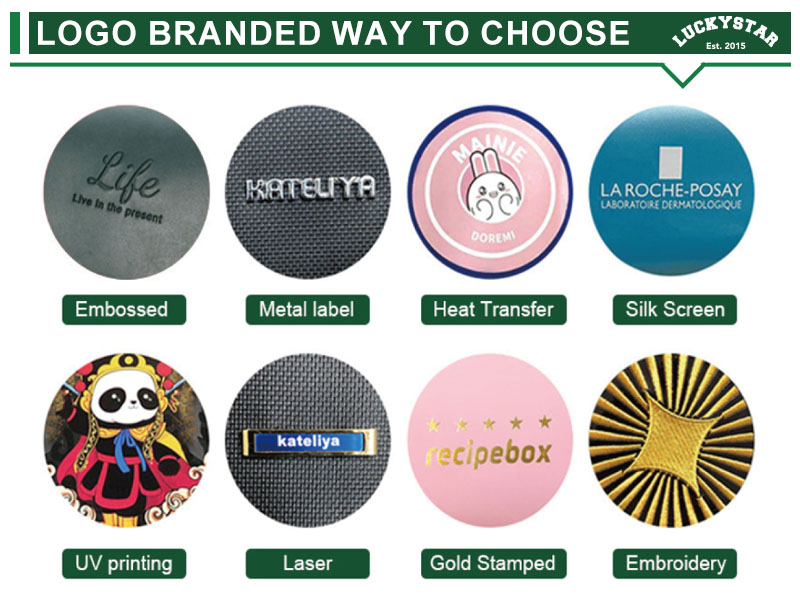
Record artwork file/version, logo size, position, color reference and process. Link each design and bag color/size to a unique SKU. Approve decoration on the production material because texture, coating and heat can change the result.
For merchandise, check labels, barcodes, unit presentation and claims. For promotions, lock the event/version/date to prevent obsolete artwork from entering a reorder.
Compare total program cost
Normalize quotes for the same specification, quantities, print, labels, unit packing, cartons, inspection, freight basis and destination. Record setup and sample charges, currency, validity and exclusions.
Calculate inventory exposure by SKU and carton, not only unit price. A lower price can be offset by excess slow-moving variants, rework or premium freight.
Use a pilot to create reorder evidence
Set measurable questions before ordering: fit, packing speed, handling result, print acceptance, channel consumption or sell-through, returns and remaining stock. Record received, rejected, allocated, used/sold and remaining quantities by SKU.
Update the master specification and SKU mix from the results. Ask suppliers to quote realistic reorder breaks and explain material-lot, shade, artwork and packing controls.
Wholesale bag pilot and reorder table
| Gate | Pilot approval | Reorder input |
|---|---|---|
| Channel | Use and packed products | Retain/split use case |
| Product | Specification, load and artwork | Freeze/revise version |
| SKU | Quantity and allocation | Consumption/sell-through mix |
| Quality | Inspection and rejected quantity | Corrective controls |
| Cost | Total pilot cost | Comparable scale quote |
Frequently asked questions
Which bag works for every wholesale channel?
There is no universal answer. Start from the channel, packed purchase, handling and replenishment requirements.
Does a reusable tote automatically deliver more brand exposure?
No. Exposure depends on actual reuse, context and measurement; state only supported claims.
How many SKUs should a pilot include?
Use the smallest mix that answers the channel and demand questions without hiding meaningful differences.
What should be frozen before reorder?
Freeze the product/artwork version, material, load/handling criteria, SKU mix, inspection, packing and change-control rules.
Related sourcing guides
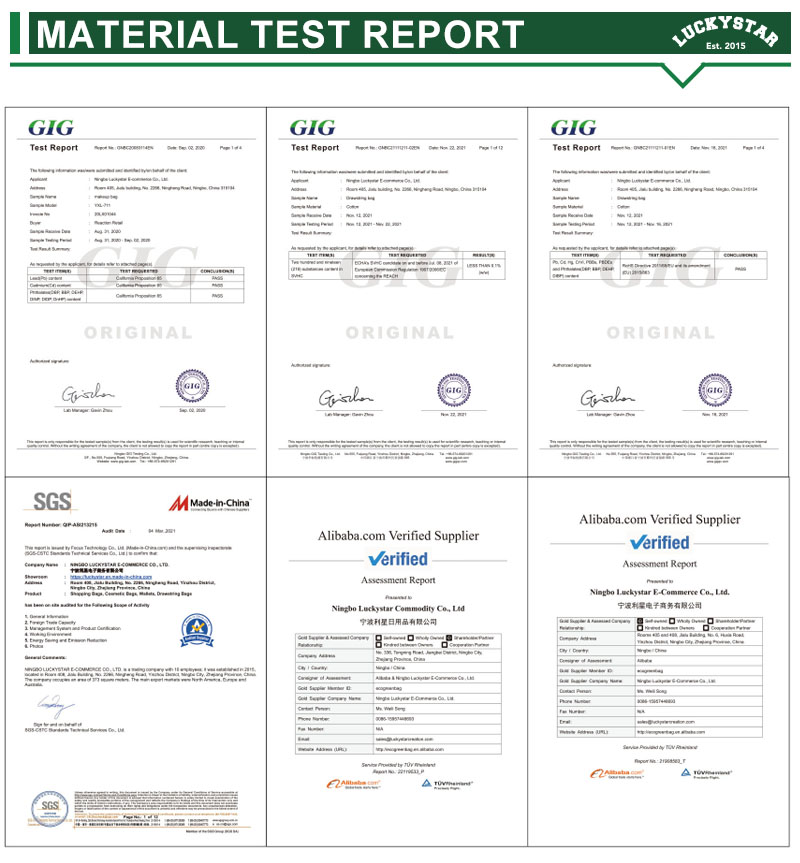
Source and scope: Luckystar custom shopping-bag category and linked sourcing guides, checked September 21, 2026. They are format and process references, not proof of sell-through, customer reuse, environmental benefit, load/lifespan, factory ownership, fixed MOQ, price, capacity or delivery. Existing article images are illustrative and still require topic-relevance and publication-rights review.
Request a wholesale shopping-bag program review
Send the channel/use, packed products, controlled bag and artwork, pilot SKU mix, handling test, inspection, packing, reorder target, destination and date.
Use the website contact form or email a prefilled wholesale-bag RFQ. Review the draft before sending.
Commercial results, reuse, material, performance, roles, MOQ, price, availability, capacity and delivery are subject to specification and written confirmation.






