
Buyer quick answer
For a printed tote OEM project, the buyer should own the requirement: bag tech pack, material and construction, approved artwork, color references, quantity matrix, packing and acceptance criteria. The supplier must identify how material, sewing, decoration, inspection and packing will be controlled for the quoted route.
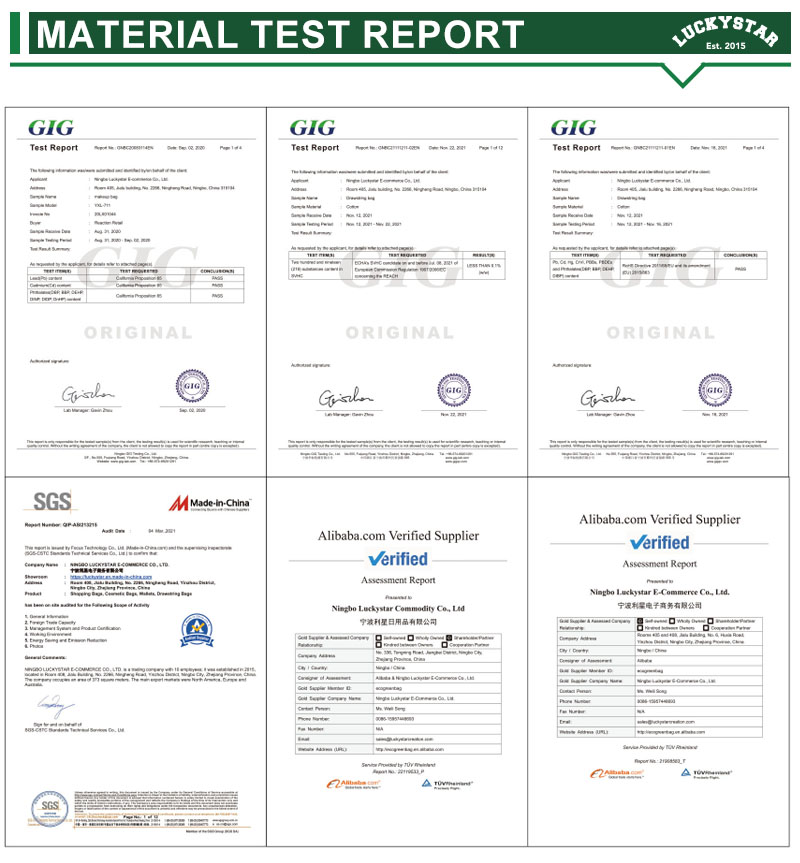
Role boundary: OEM wording describes a project model; it does not prove ownership of every facility or process. Verify the legal seller, actual maker and decorator for the order.
Preparing a printed tote RFQ? Send the bag tech pack, artwork, quantity matrix and packing requirements for a route and print-feasibility review.
Map the OEM project roles
- Buyer/brand: specification, artwork rights, market requirements and approvals.
- Legal seller: contract, invoice, payment, commitments and change communication.
- Actual maker: cutting, sewing, assembly and production records.
- Decorator: screens/plates/files, ink or thread system, color and print controls.
- Inspector/packer: release checks, labels, unit packing and cartons.
Freeze the tote before optimizing print
Define intended contents and load, finished and usable dimensions, gusset, opening, material composition and construction, fabric weight or sheet thickness, color, handles, seams, reinforcement, closure, pockets and tolerances. Test the representative bag filled as intended.
Artwork cannot compensate for a bag that does not fit or carry the contents. Approve structure and print together on the proposed production materials.

Prepare production-ready artwork
Supply vector files where possible, fonts outlined or provided, linked images at adequate resolution, spot/process color instructions, actual print dimensions and placement from seams, folds, gussets and top edge. Identify the smallest text and critical fine lines.
A visual mockup communicates intent but is not a complete production file. Ask the decorator for printable area, bleed/trap needs, underbase, screen/plate count, color limits and any distortion expected on the bag.
Select the print route for material and quantity
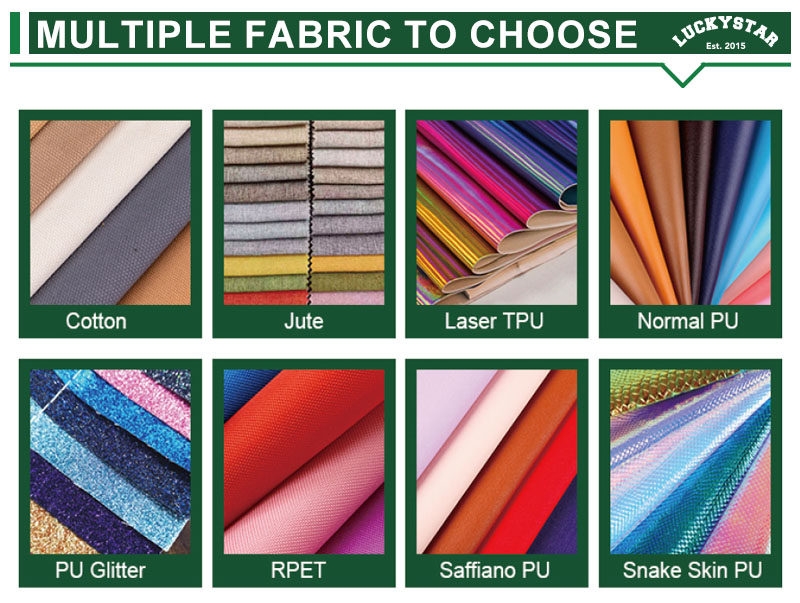
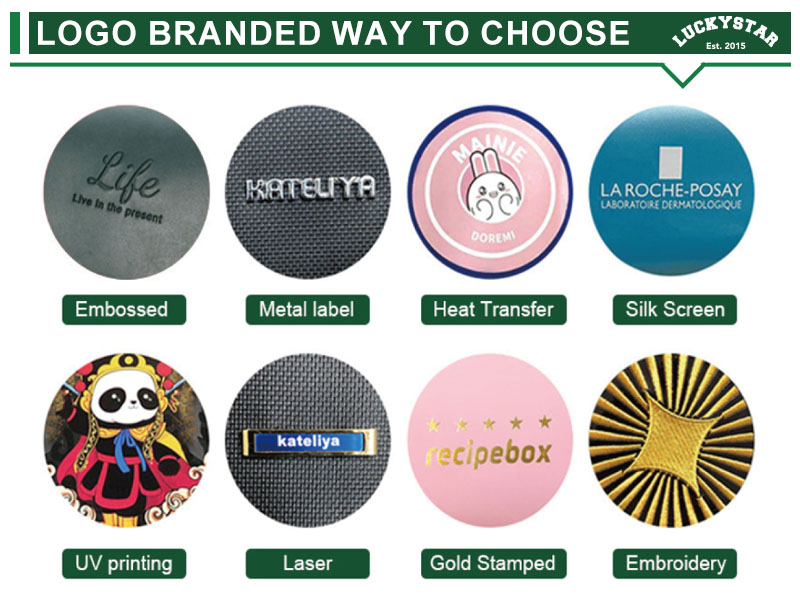
Screen print, transfer, digital methods, sublimation, embroidery and labels have different material compatibility, setup, hand feel, coverage and color behavior. The supplier should explain why the proposed method fits the material, artwork, quantity and performance needs.
Do not approve a method by name alone. Review the result on the exact body material, including any coating, texture, dye or seam under the print area.

Approve color with a defined reference
Name the color system or physical standard, viewing condition and acceptable tolerance. Distinguish artwork color from material/body color. For process printing or photographic graphics, approve a production proof that reflects the chosen substrate and process.
Digital screens and office printers are useful for discussion but cannot guarantee production color. Retain the approved decorated sample and production settings where applicable.
Control registration and placement
Measure artwork size and position from stable construction points. Define acceptable shift, rotation and registration between colors. Areas near seams, folds and gussets may distort or vary; move critical elements or set realistic tolerances.
First-output approval should verify bag dimensions, artwork, color, placement and cure/stitch condition together. Any later file, material or process change should trigger documented review.
Use a representative sample-to-bulk gate
Approve the written specification, undecorated construction if needed, decorated sample, packing and inspection plan. Record which deviations need buyer approval and who may authorize them. Keep version numbers on tech pack, artwork and sample record.
For bulk, define sampling, defect categories and remedies. Print checks can include missing areas, contamination, registration, opacity/coverage, adhesion or stitch condition, placement and damage after the agreed handling test.
Printed tote release matrix
| Gate | Buyer input | Approval evidence |
|---|---|---|
| Bag | Tech pack, contents and load | Measured filled sample |
| Artwork | Files, size, placement and rights | Production-ready file/version |
| Color and acceptance criteria | Decorated production-material sample | |
| Bulk | Inspection, packing and remedies | First-output and inspection record |
| Commercial | Quantity per configuration and destination | MOQ/setup, quote, basis and schedule |
Frequently asked questions
Does OEM mean the supplier owns a factory?
No. OEM describes the production relationship. Verify legal and operational roles for the specific order.
When should artwork be finalized?
After printable area, bag construction, material and method are confirmed, then freeze the approved production file before bulk.
Can one print setup cover multiple bag sizes?
Sometimes, but printable area, placement and fixtures may differ. Ask for setup and MOQ by configuration.
What should repeat orders preserve?
Keep the tech pack, artwork/version, color references, decorated sample, process notes, packing and inspection records, then reconfirm current inputs and terms.
Related sourcing guides
Source and scope: Luckystar custom shopping-bag category and linked sourcing guides, checked September 21, 2026. They are format and process references, not proof of factory ownership, artwork rights, color result, fixed MOQ, price, capacity or delivery. Existing article images are illustrative and still require topic-relevance and publication-rights review.
Request a printed tote OEM review
Send the contents and load, bag tech pack, material, artwork, configuration quantities, print acceptance, inspection, packing, delivery basis, destination and date.
Use the website contact form or email a prefilled printed-tote RFQ. Review the draft before sending.
Roles, material, print result, MOQ, price, availability, capacity and delivery are subject to specification and written confirmation.






