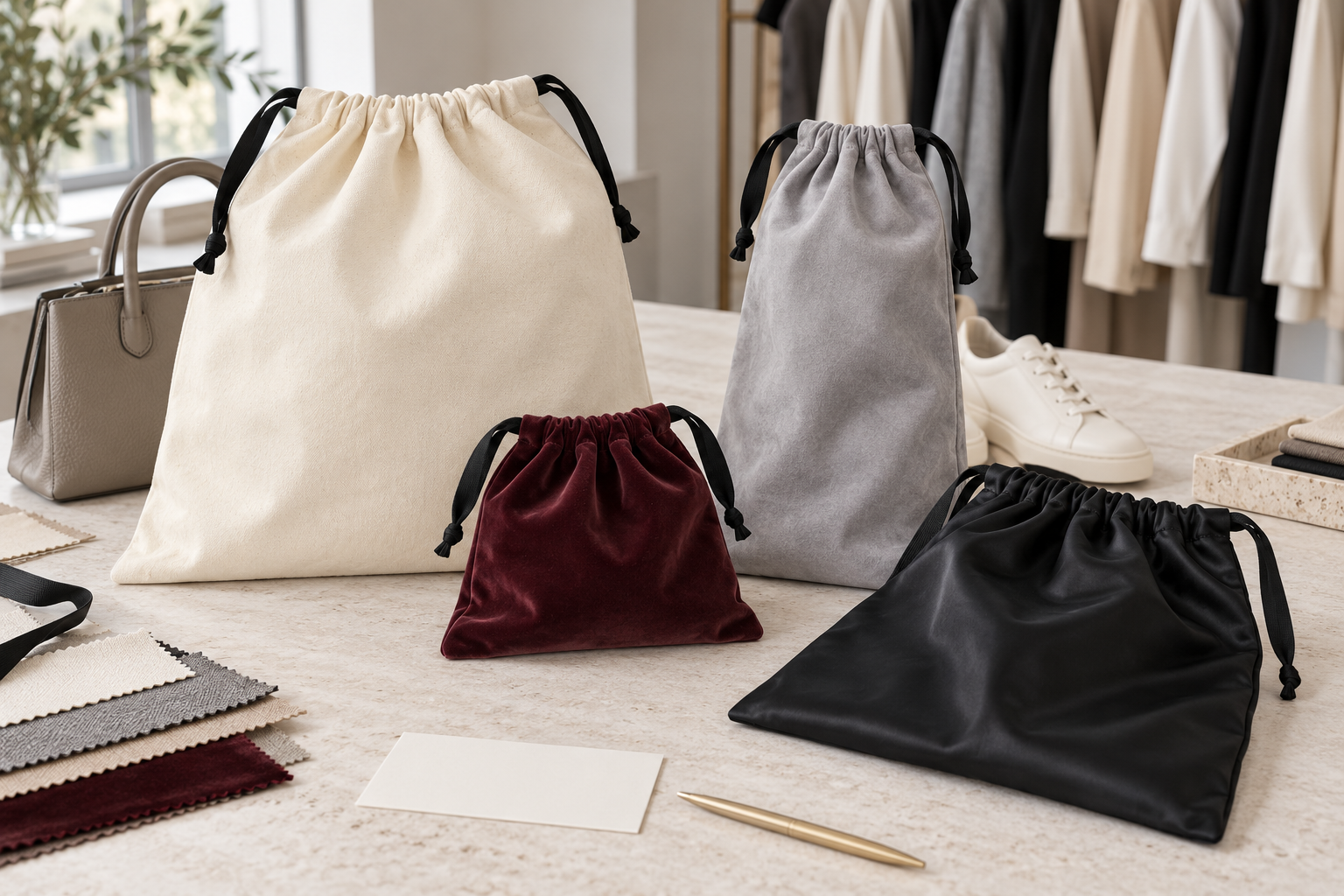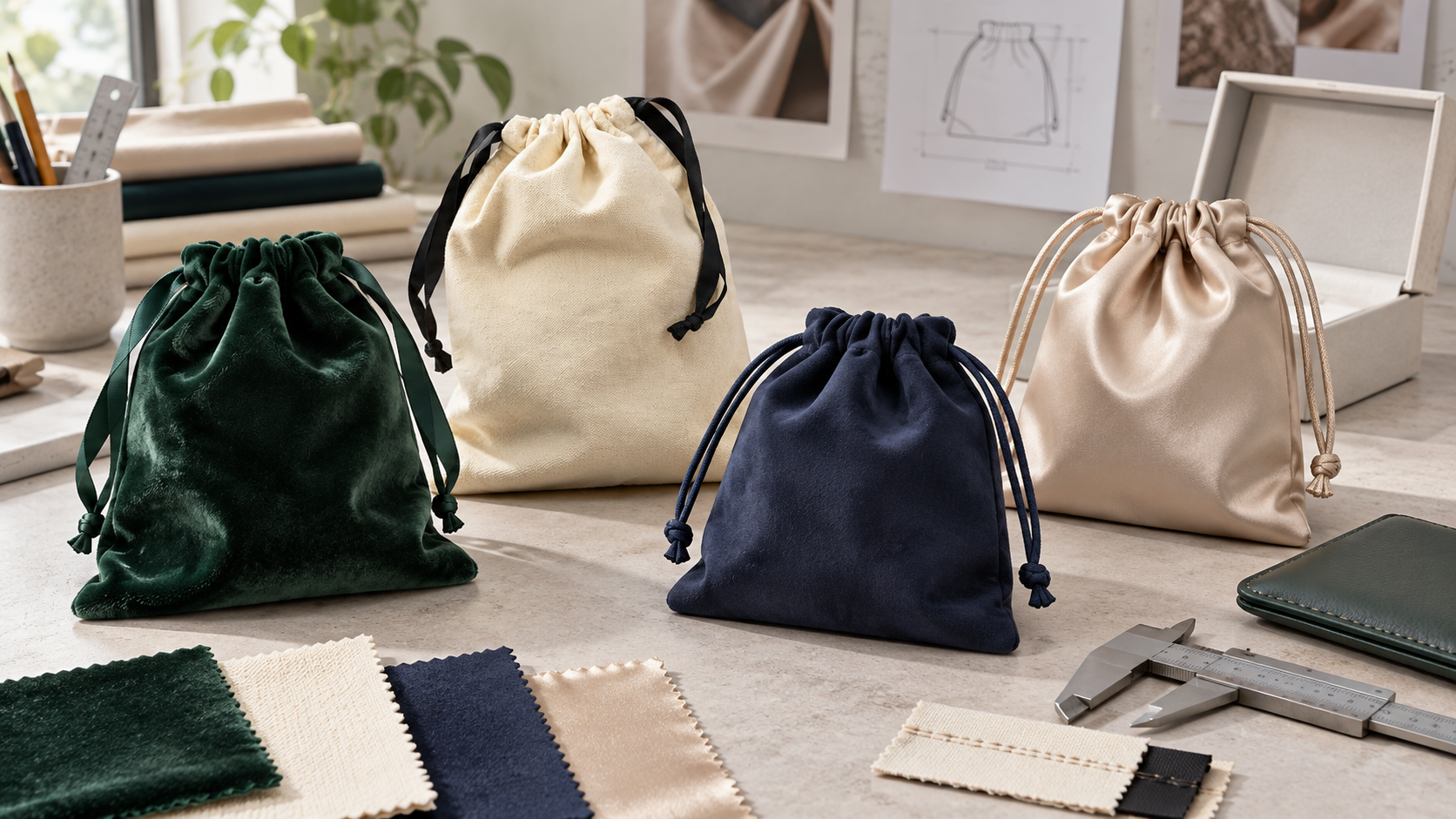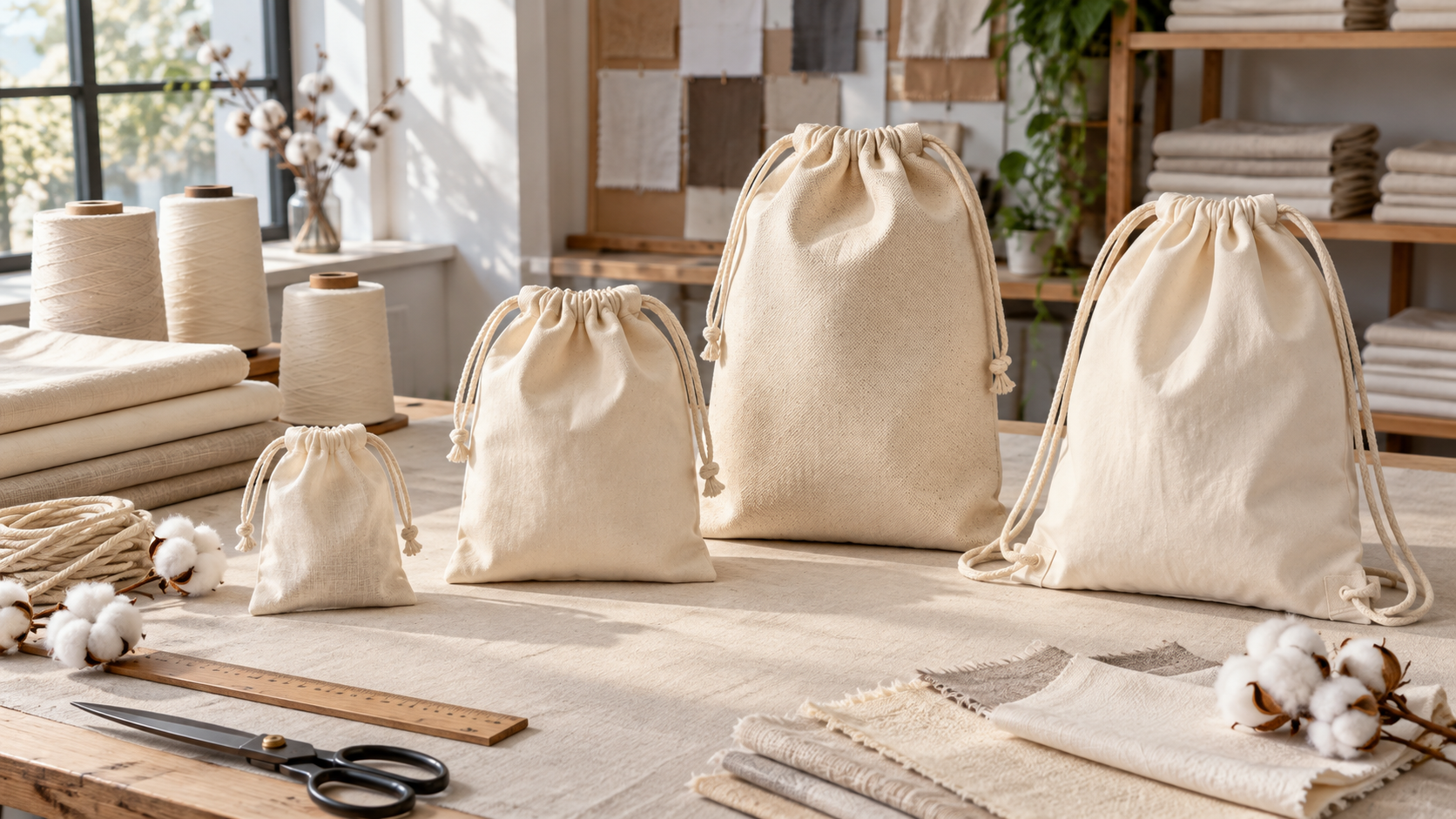
Reusable Tote Bag Export USA: A Buyer’s Guide to Choosing the Right Factory, Material, and Custom Options
Buyer quick answer
For a custom tote or shopping bag, define the carrying load, dimensions, fabric weight, handle construction, print area and reuse target. A complete RFQ reduces revisions because the supplier can quote the same product the buyer expects to receive.
Scope: This page focuses on the specific product decision behind Reusable Tote Bag Export USA: What Buyers Should Check; the linked pillar guide covers broader factory sourcing.
Planning a U.S.-bound tote program? Send intended use, fabric specification, size, load, artwork, quantities by variant, packing, U.S. destination and target arrival. Request a labeled sample, agreed quality checks and a quote that states the legal seller, trade term, named place and document scope.


When buyers search for a reusable tote bag export USA supplier, they are usually not just looking for a bag.
They are looking for a product that needs to work in several situations at the same time.
A retail customer may use it for shopping.
A conference attendee may carry documents and samples inside it.
A brand may expect it to represent their company months after the original purchase.
That is why tote bag sourcing often becomes more complicated than expected.
The design may look simple, but the production decisions behind it determine whether the final product feels premium, practical, and worth keeping.
For importers, wholesalers, and brands, choosing the right custom tote bag manufacturer means looking beyond price quotes and product photos.
The real questions are:
- Can the factory maintain consistent quality?
- Does the material match the intended market?
- Will the printing represent the brand correctly?
- Can the supplier support repeat orders?
Why reusable tote bags continue to attract US buyers
Reusable tote bags have become a common choice across many industries because they offer something traditional packaging cannot.
They may remain visible when customers continue to use them.
A cardboard box disappears after delivery.
A plastic bag may be used once.
A tote may be used repeatedly when its construction suits the load and users choose to keep using it; durability and actual reuse should be checked for the specified product.
That ongoing visibility is valuable for:
- Retail brands
- Corporate marketing teams
- Universities
- Event organizers
- Promotional companies
Many businesses now consider reusable bags part of their branding strategy rather than simple packaging.
What makes a good reusable tote bag?
A professional buyer usually evaluates a tote bag from a practical perspective.
The question is not:
“Does this bag look good in a photo?”
The question is:
“Will this bag still look good after real customers use it?”
The main evaluation points include:
| Area | Buyer Consideration |
|---|---|
| Fabric | Strength, texture, appearance |
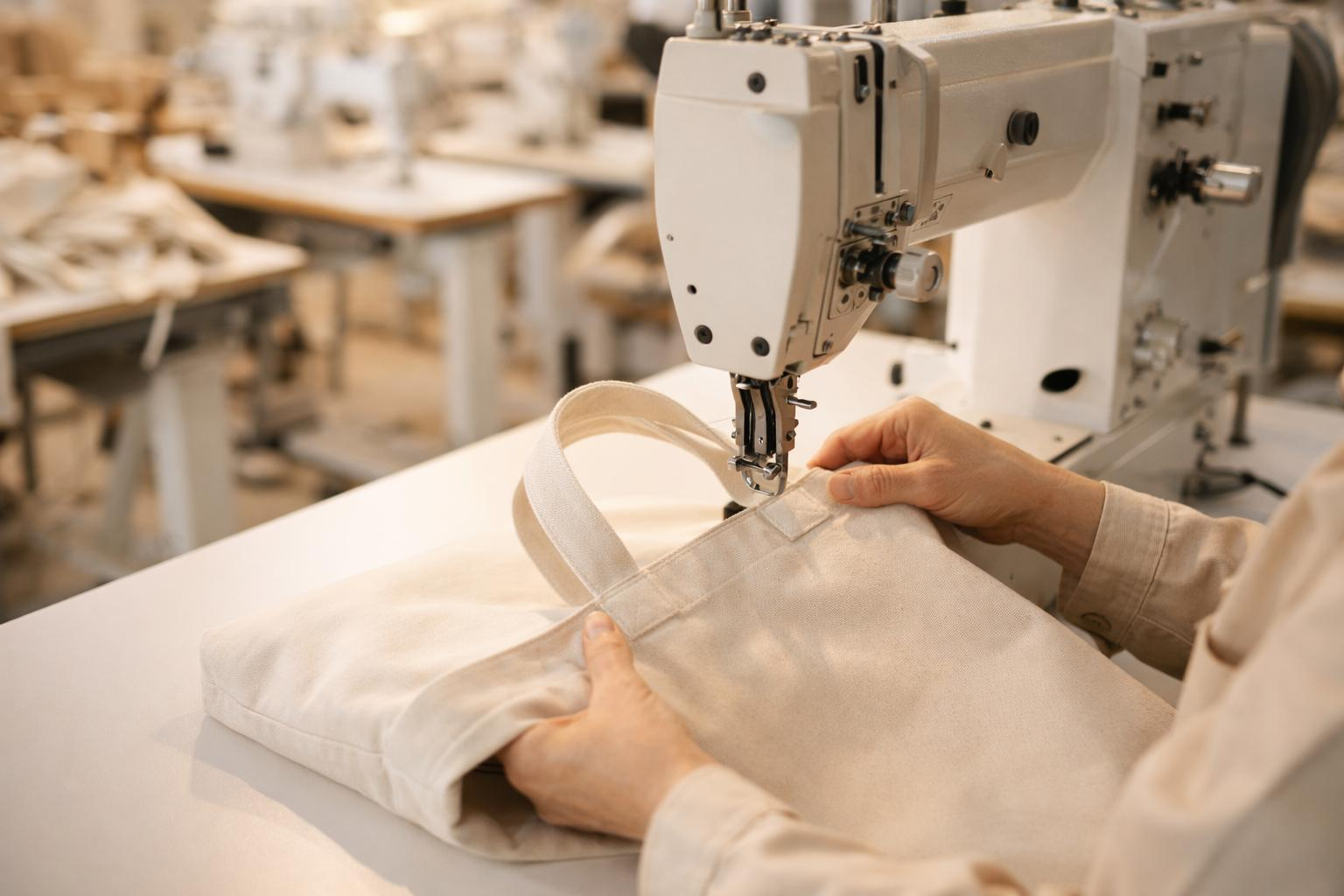
| Sewing | Clean workmanship and reinforcement |
| Handles | Carry comfort and durability |
| Printing | Logo clarity and lasting quality |
| Shape | Stability when filled |
Two tote bags can look almost identical online but feel completely different after production.
That is why experienced buyers always review samples before large orders.
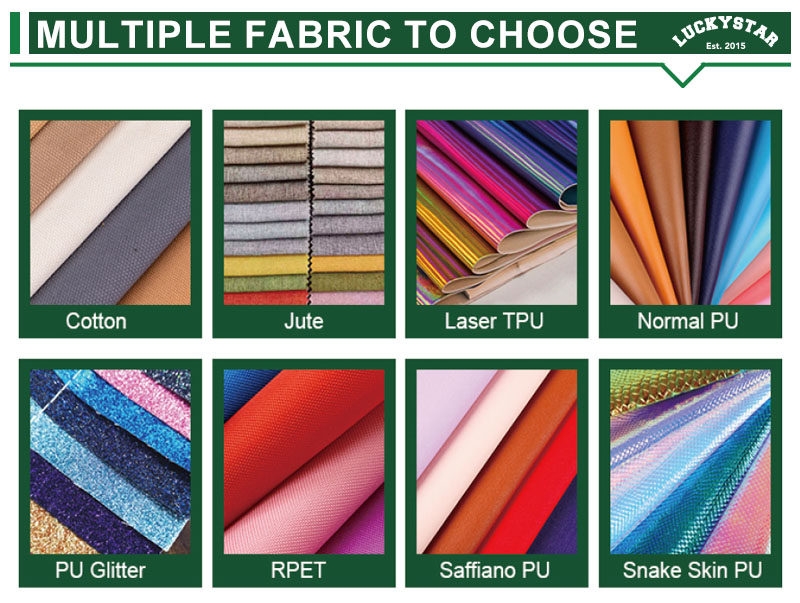
Material selection: canvas, cotton, and recycled options
Material choice affects everything:
- Customer perception
- Production cost
- Shipping weight
- Product lifespan
For many retail applications, custom canvas tote bags remain one of the most popular choices.


| Material | Strengths | Common Uses |
|---|---|---|
| Cotton Canvas | Check weave, weight, handle/seam strength and hand feel | Retail merchandise |
| Cotton Blend | Balanced cost and performance | Promotional programs |
| Recycled Fabric | Request documented recycled percentage and traceability | Evidence-led campaigns |
| Lightweight Textile | Compare current quote and performance | Events and giveaways |
A heavier canvas may suit a requested hand feel or load; compare approved samples and the buyer’s own customer feedback before implying a quality preference.
A high-volume buyer may compare lighter fabric to manage landed cost, subject to the actual load, material minimums and dated quotation.
The correct choice depends on the business purpose.
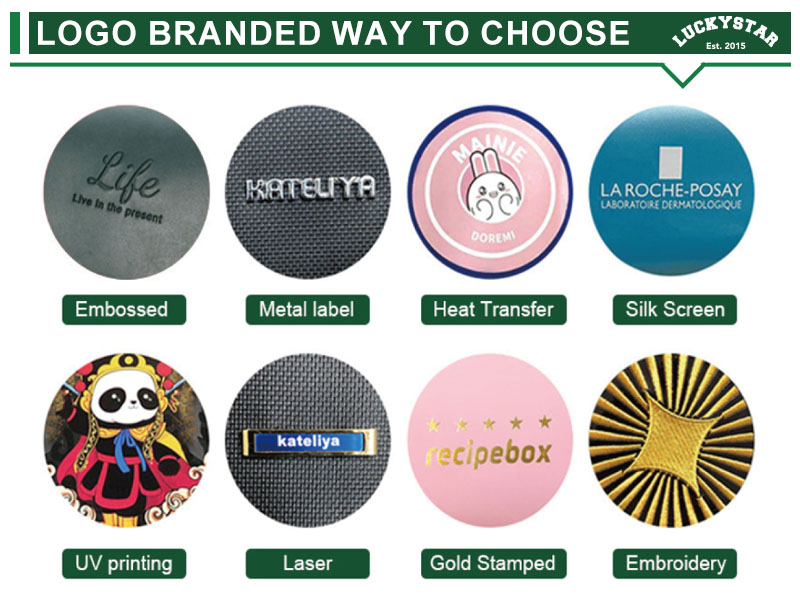
Custom printing: where many sourcing mistakes happen
A tote bag provides a large branding surface.
That is one of the reasons companies choose it.
However, printing is also where quality differences become obvious.
For custom logo tote bags, buyers should pay attention to:
- Print position
- Color accuracy
- Artwork details
- Durability after use
Common issues include:
| Problem | Result |
|---|---|
| Incorrect placement | Brand image looks unprofessional |
| Poor color matching | Inconsistent appearance |
| Weak printing method | Faster fading |
| Low-quality execution | Reduced customer perception |
A professional supplier should recommend the right printing solution based on:
- Fabric type
-