Buyer quick answer
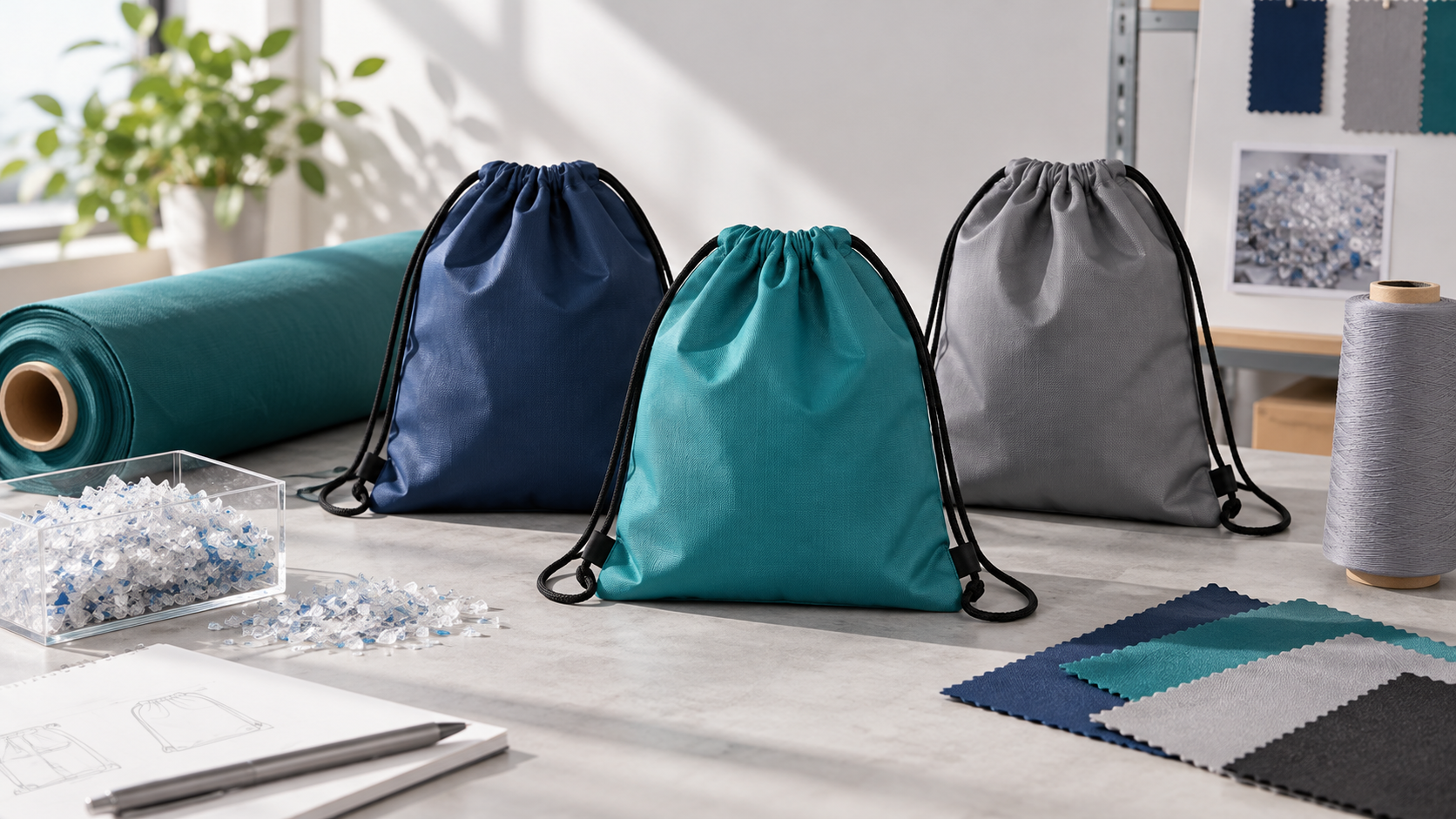
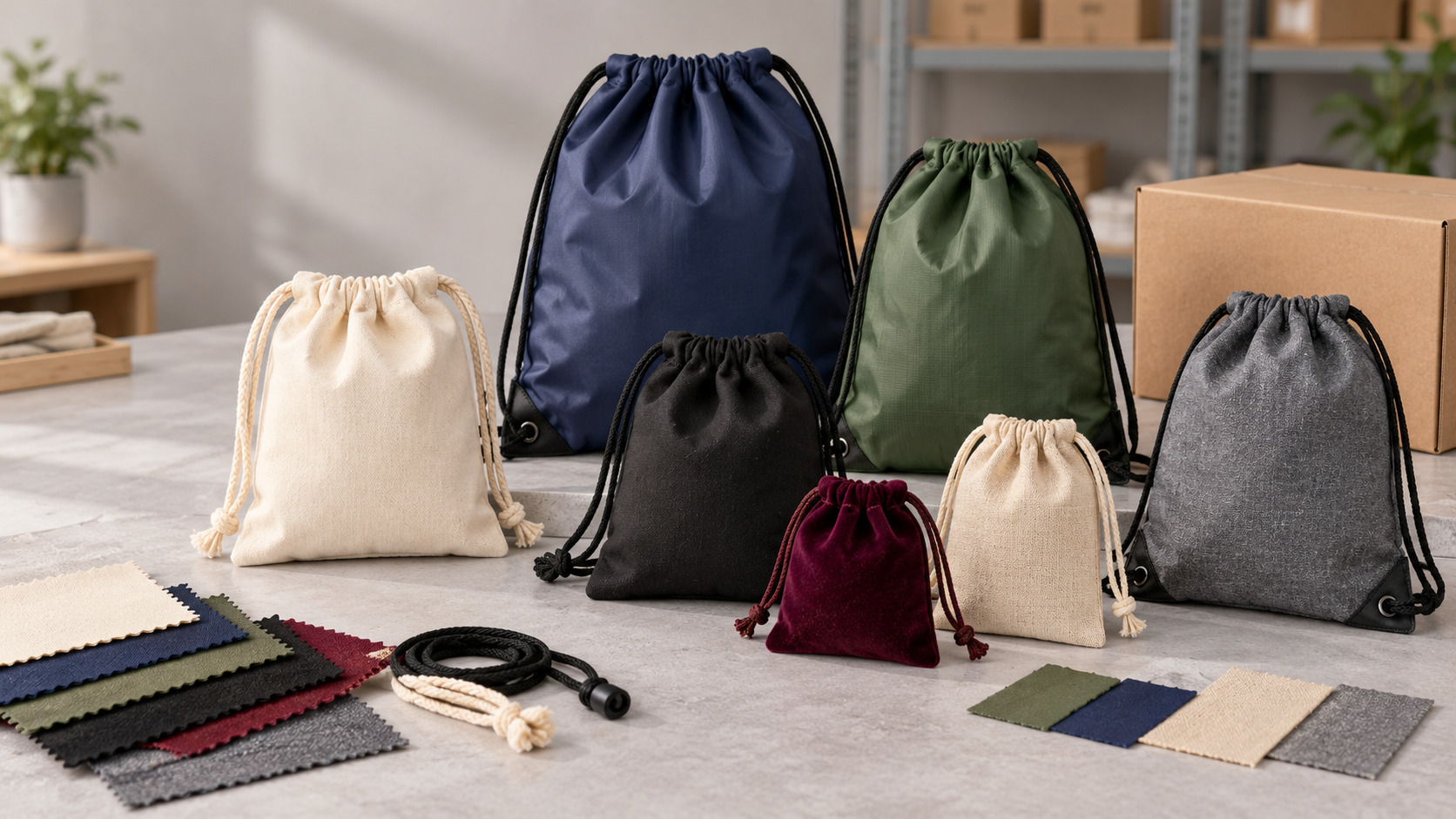
Plain shopping bags should be compared by use, material system, usable size, load method, handles, construction, blank definition, stock or new-run basis, packing and inspection. “Plain” only describes branding; it does not make different bags technically equivalent.
Scope: Material, reuse, load, environmental, compliance, stock, MOQ and delivery claims require product-specific evidence and written confirmation.
Comparing plain bags? Send the contents, load, bag format, material, quantity split and downstream plan so each quote covers the same product.
Choose a format before comparing price
| Format | Specify | Use check |
|---|---|---|
| Paper | Paper construction/weight, handle, bottom and finish | Pack, lift and presentation |
| Nonwoven/woven polymer | Polymer, construction, weight, lamination and joins | Load, fold, abrasion and handle |
| Textile/canvas | Fiber, weave, weight, seams and handles | Filled carry and dimensional change |
| Flexible film | Polymer, thickness method, joins and handle | Fit, edge/load and surface condition |
Define what plain excludes
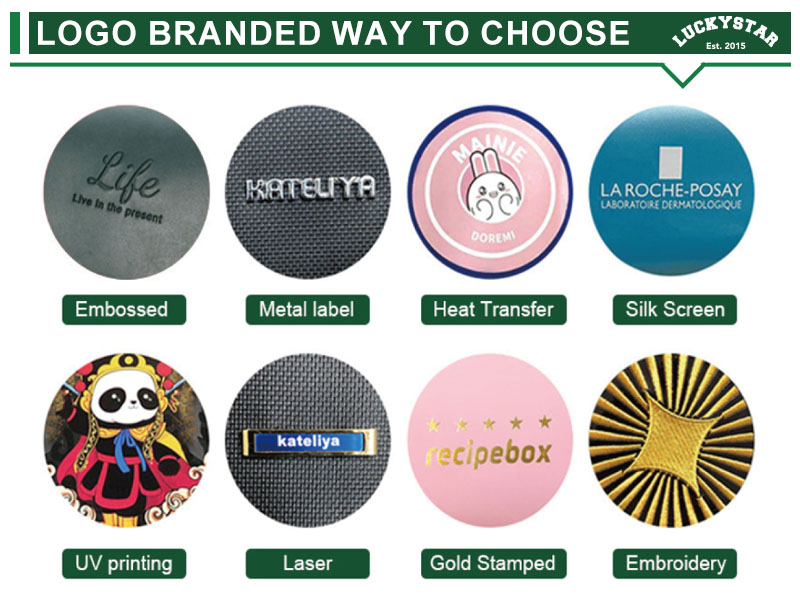
State whether “plain” means no buyer artwork only, or also no supplier logo, care text, embossing, labels, barcode or retail sticker. Identify acceptable traceability marks and their location. If bags will be decorated later, provide the print, transfer, label or insert process at the RFQ stage.
Material surface, folds, protective packing and storage can affect later conversion. Approve the actual downstream process on a representative production sample.
Size the bag around the purchase
List the largest product, combined mass, orientation and packing speed. Specify finished and usable dimensions, gusset and opening. Run a filled pack-and-carry trial that reflects the store, event or warehouse workflow.
Handles should be defined by material, width, length/drop, attachment and reinforcement. A flat bag image and generic “strong” description do not establish capacity.
Separate stock from new production
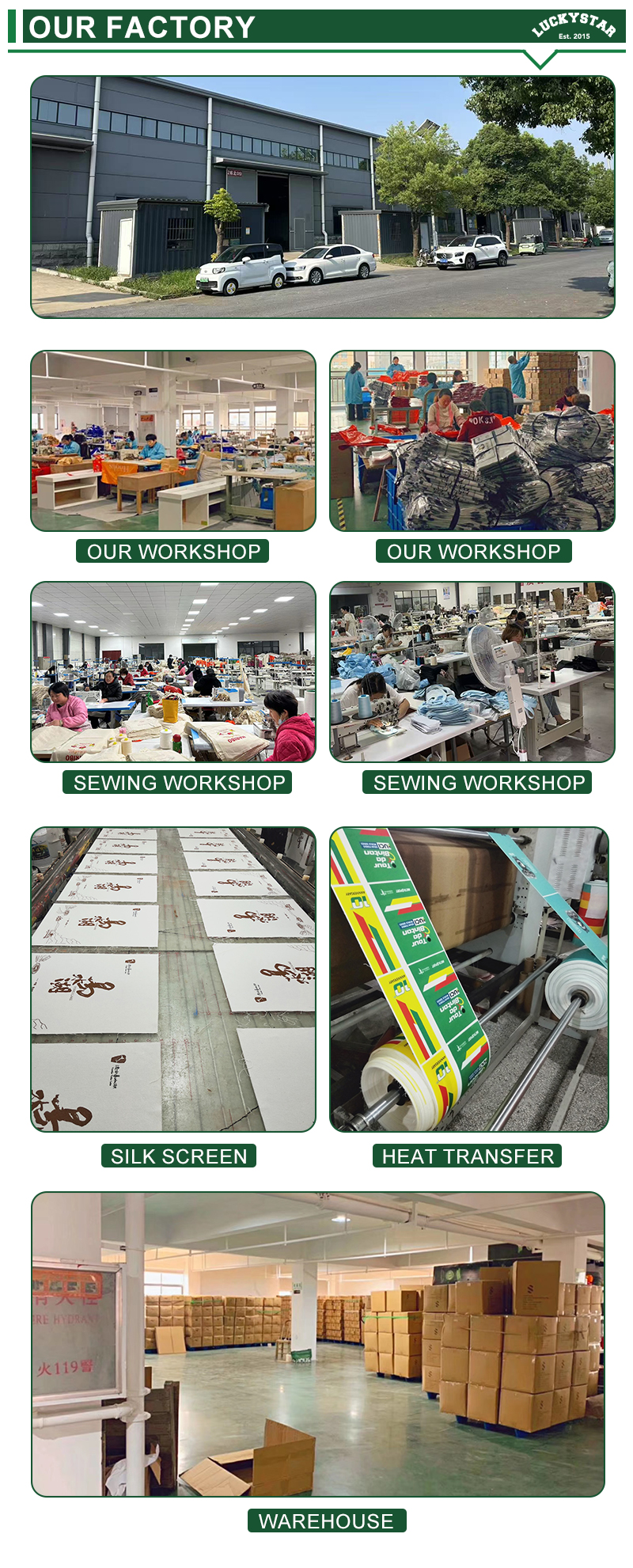
For stock, record quantity by SKU and lot, inspection status, reservation period, packing, labels and replenishment limits. For new production, record MOQ and setup by size, material color, handle, label and pack. If a program mixes routes, keep the SKUs and evidence separate.
Ask whether quoted samples represent the allocated stock or planned production. A catalog picture is not proof that the same material, dimensions and construction are currently available.
Compare material claims precisely
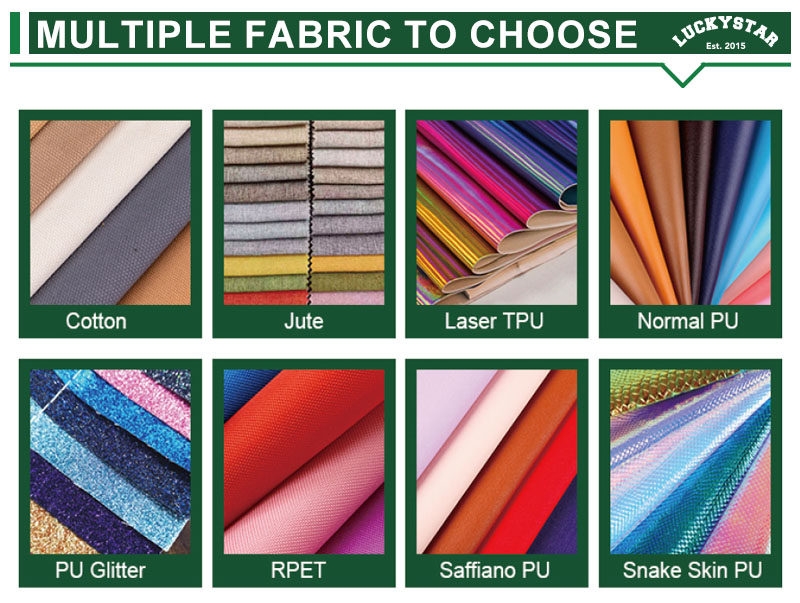
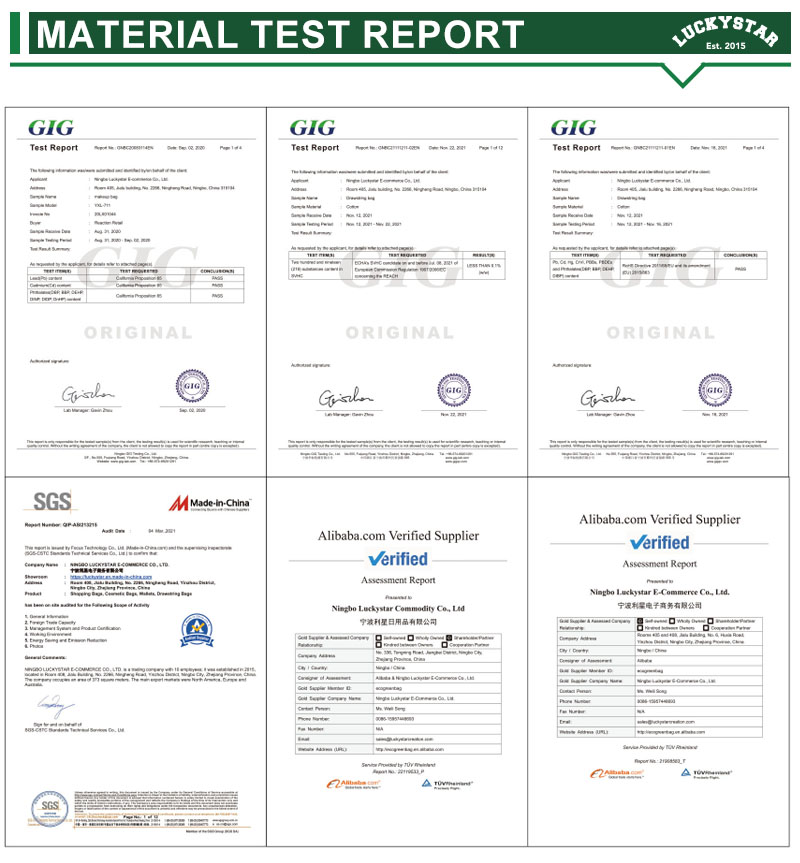
Require exact material/fiber or polymer terminology, construction, weight or thickness method, color and necessary evidence. If recycled, organic, biodegradable, compostable or reusable wording is planned, define the claim, scope, test/document and market before approving copy.
Do not infer environmental benefit or compliance from the product format. The importer or qualified adviser should confirm destination-specific requirements.
Inspect plain bags as finished packaging
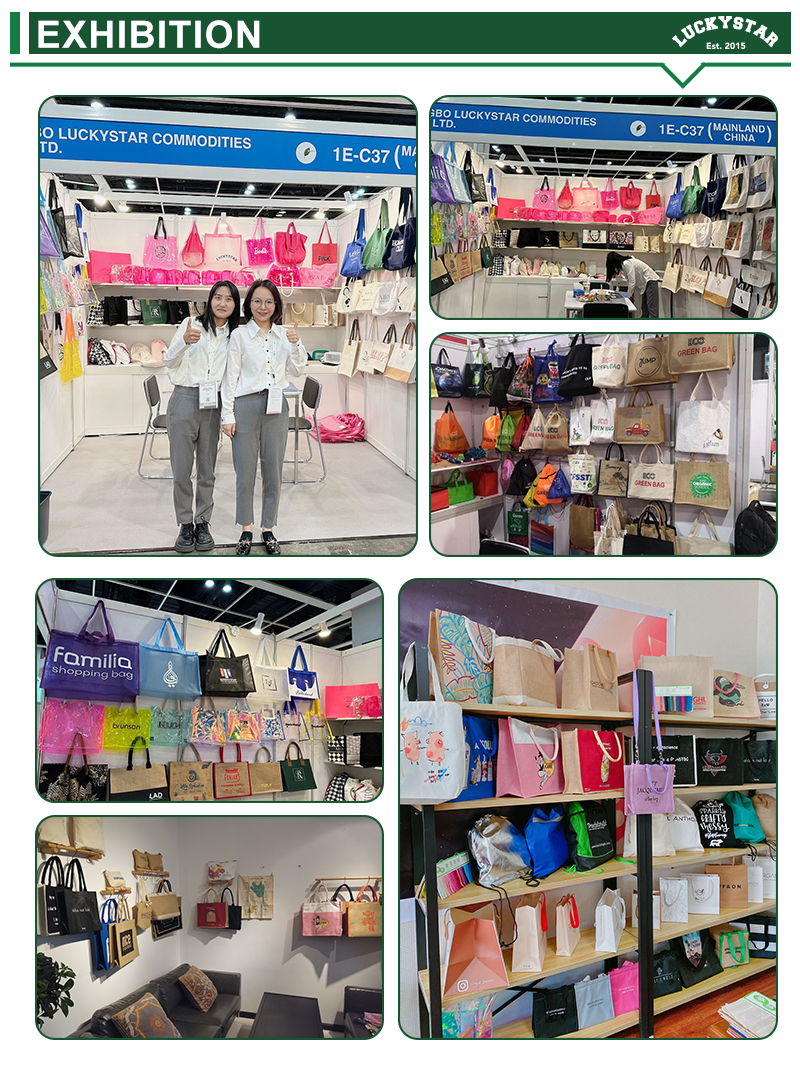
Critical checks can include identity, dimensions, opening, handle placement and attachment, seams/joins, bottom/gusset, cleanliness, surface appearance, unit pack, carton quantities and labels. Add a filled-load check using the agreed method.
Set sampling, defect categories and remedies before shipment. Retain the approved sample, lot/SKU record and inspection result for repeat orders.
Wholesale comparison matrix
| Area | Normalize | Evidence |
|---|---|---|
| Product | Material, size, handles and construction | Filled representative sample |
| Plain status | Excluded/allowed marks and later decoration | Sample and conversion trial |
| Route | Stock/lot or new-run basis | Allocation or production record |
| Quality | CTQs, inspection and remedies | Release criteria/report |
| Commercial | MOQ/setup, pack, currency, basis and validity | Dated complete quote |
Frequently asked questions
Are plain bags always in stock?
No. Confirm the specific SKU, lot, quantity, inspection status and reservation period.
Can plain bags be printed later?
Only after the downstream method is tested on the proposed material, surface and construction.
Which plain bag material is best?
The right system depends on contents, load, presentation, handling, destination requirements and program cost.
What should a quote include?
Exact specification, stock/new-run basis, quantities and MOQ by version, setup, sample, inspection, packing, currency, delivery basis, validity and schedule.
Related sourcing guides
Source and scope: Luckystar custom shopping-bag category and linked sourcing guides, checked September 21, 2026. They are format and process references, not proof of material, stock, load, environmental benefit, compliance, fixed MOQ, price or delivery. Existing article images are illustrative and still require topic-relevance and publication-rights review.
Request a plain shopping bag wholesale comparison
Send the contents and load, bag format, material, size, handles, plain definition, later-decoration plan, quantities, inspection, packing, delivery basis and date.
Use the website contact form or email a prefilled wholesale brief. Review the draft before sending.
Material, claims, stock, MOQ, price, availability, capacity and delivery are subject to specification and written confirmation.