
Buyer quick answer
For organic-cotton totes sold or delivered in the UK, verify two separate questions: what the product contains and what the sourcing route actually is. Define the organic claim, percentage and component; check certification and order-level chain documents; then identify seller, maker, production origin, importer and UK stock or fulfilment roles.
Claim and route boundary: Natural color, cotton-like texture, a leaf graphic or supplier statement does not prove organic content. A UK address, seller, warehouse or delivery point does not prove UK manufacture.
Sourcing organic-cotton totes for the UK? Send the exact claim, evidence requirement, tote specification, quantities and UK delivery route for a document-and-product review.
Define the organic claim before requesting quotes
- Exact claim words and where they will appear.
- Organic fiber percentage and whether it applies to fabric or whole product.
- Certification standard and entity/product/process scope required.
- Transaction or chain documentation expected for the specific order.
- Buyer owner for destination-market copy and document approval.
Thread, labels, inks, coatings and trims may sit outside the claimed component. Keep wording within the evidence boundary.
Check certification and chain documents
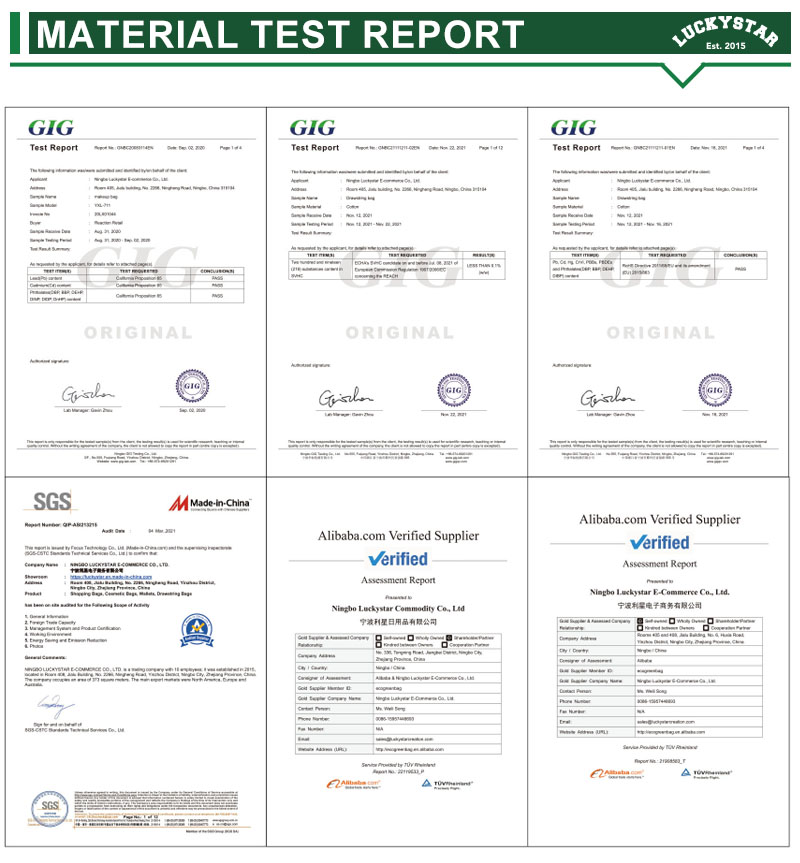
Verify the certificate holder, issuing body or verification source, scope, validity dates and the proposed material/process. Ask how the order is linked through transaction or chain records where the chosen claim requires them.
A certificate shown on a website may be genuine yet irrelevant to the legal seller, production site, material, process, SKU or order. Do not convert a supplier-level document into a product-level claim without scope support.
Specify and test the actual tote
Define intended contents and target load, finished size and gusset, fabric construction and weight method, handles and attachments, seams and reinforcement, shrinkage or care expectations, artwork, tolerances, unit packing and cartons.
Approve a production-representative sample and use a stated loaded handling or cycle check. Organic content is a material attribute; it does not establish strength, lifespan, print quality or fitness for the intended use.

Approve logo and organic wording together
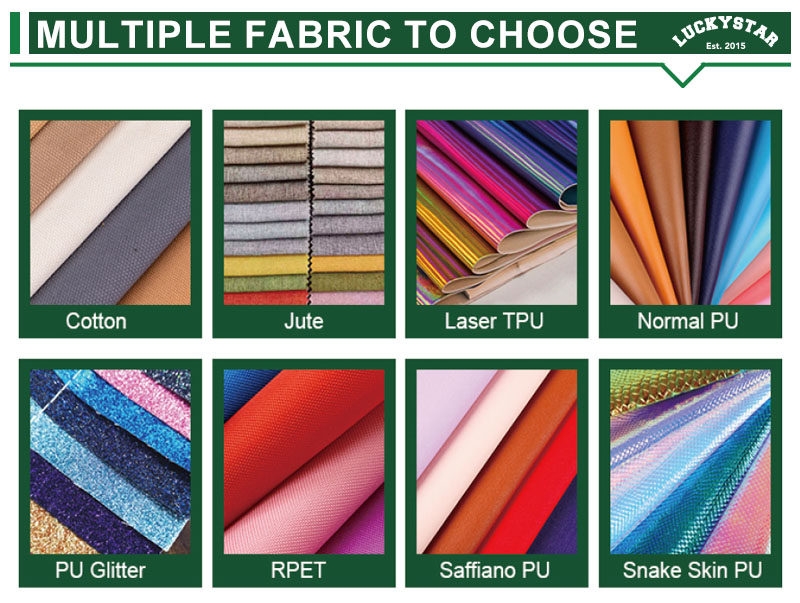
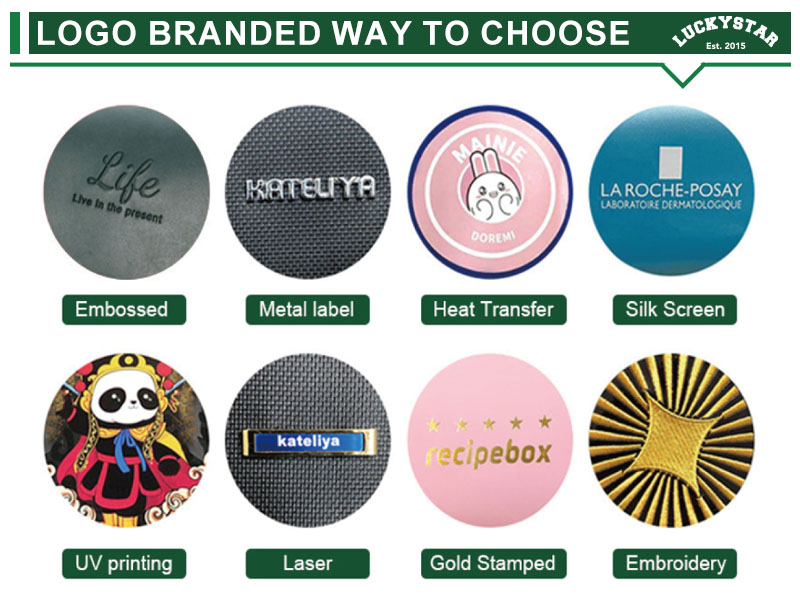
Record artwork version, logo dimensions, position, color reference and print process on the proposed fabric. Review hangtags, sewn labels, package copy and symbols for consistency with the approved claim and evidence.
Natural fabric shade and texture can vary. Define acceptable color/appearance range and test the print on the production material rather than approving from a screen alone.
Distinguish UK roles and production origin
Record the legal seller, material supplier, maker, decorator, inspector, exporter, importer of record, UK stockholder and fulfiller. State the production country and ship-from point for the proposed order.
A UK-based supplier can coordinate overseas manufacture; overseas production can be delivered through UK stock or directly. Compare the real route, responsibilities, terms and evidence rather than inferring origin from a web address.
Control bulk, substitutions and reorders
Link product specification, organic evidence, artwork and material lot. Define incoming material, first-output, in-line and final checks. Require written approval before changes to fiber source, percentage, fabric, maker, print process, labels or origin.
For reorders, recheck certificate and chain-document validity and compare the new production version. A previous compliant order does not automatically validate a later lot.
UK organic-cotton tote release table
| Gate | Approve | Evidence |
|---|---|---|
| Claim | Words, percentage, component and channel | Claim-scope record |
| Chain | Entities, material, process and order link | Applicable current documents |
| Product | Tote, load, logo, labels and packing | Approved sample/test |
| Route | Seller, maker, origin and UK roles | Written route statement |
| Bulk | Lot, inspection, changes and reorder | Release/change record |
Frequently asked questions
Does natural-colored cotton prove organic cotton?
No. Verify composition, percentage and applicable certification or chain evidence.
Does a UK supplier mean the tote is made in the UK?
No. Seller location, stock location, manufacturing origin and delivery destination are separate facts.
Does organic cotton prove a tote is sustainable?
It supports a defined material claim when substantiated; broader environmental conclusions need their own scope and evidence.
What must be rechecked on reorder?
Recheck product/artwork version, fiber source/percentage, document validity, production route, material lot, inspection and labels.
Related sourcing guides
Source and scope: Luckystar custom tote-bag category and linked sourcing guides, checked September 21, 2026. They are format and process references, not proof of organic cotton, percentage, certification, chain-of-custody, UK manufacture, environmental benefit, factory ownership, fixed MOQ, price, capacity or delivery. Existing article images are illustrative and still require topic-relevance and publication-rights review.
Request an organic-cotton tote and UK-route review
Send the exact organic claim, percentage/component, document requirement, tote and artwork specification, quantity, tests, labels, production route, UK destination and required date.
Use the website contact form or email a prefilled organic-cotton tote RFQ. Review the draft before sending.
Organic content, certification, chain documents, origin, route, material, MOQ, price, availability, capacity and delivery are subject to specification and written confirmation.






