Buyer quick answer
For a heavy-duty tote exported from Asia, define “heavy duty” as a measurable use case: contents, target load, carry duration or cycles, lifting method and failure criteria. Then align construction, sample testing, inspection, packing, commercial basis and import documents around that definition.
Scope: Asia is a broad sourcing region, not a quality grade. This guide does not claim a universal load rating, exporter capability, factory ownership, price, MOQ or delivery time.
Preparing an export RFQ? Send the destination, load use case, construction, quantity matrix, packing and delivery basis so the route can be checked against one specification.
Turn “heavy duty” into an acceptance test
Name the intended contents, their shape and combined mass, how the bag is lifted, carry distance, expected repetitions and any edge or point loads. Define what counts as failure: handle detachment, seam opening, material tear, excessive deformation, closure failure or decoration damage.
Agree a representative filled-bag method before the sample is made. Record load, dwell time, lift/carry cycle, conditioning and inspection points. A marketing adjective or fabric weight alone does not establish the finished bag's capacity.

Map the seller, maker and export route
- Contracting party: legal seller, invoice issuer and payment beneficiary.
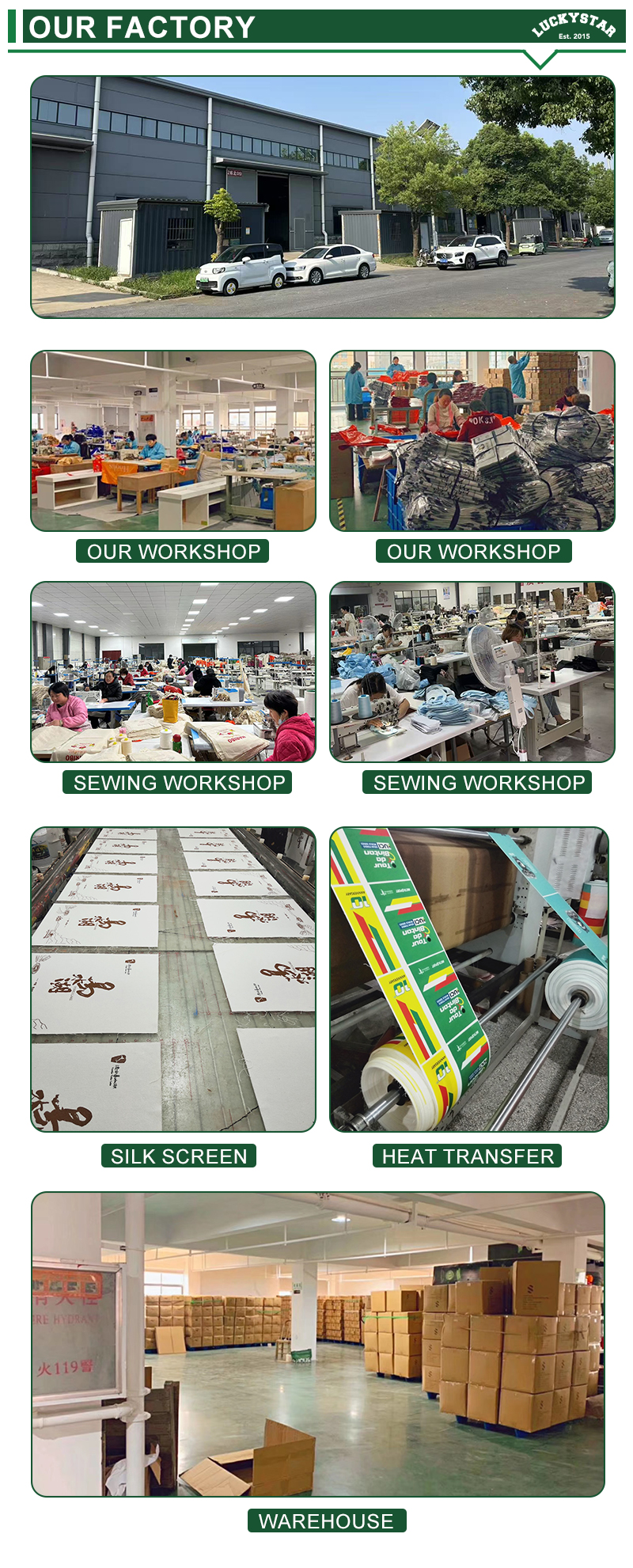
- Production roles: material source, cutter/sewer, decorator, inspector and packer.
- Export roles: exporter of record, freight coordinator and document issuer.
- Import roles: importer of record, broker and party confirming destination requirements.
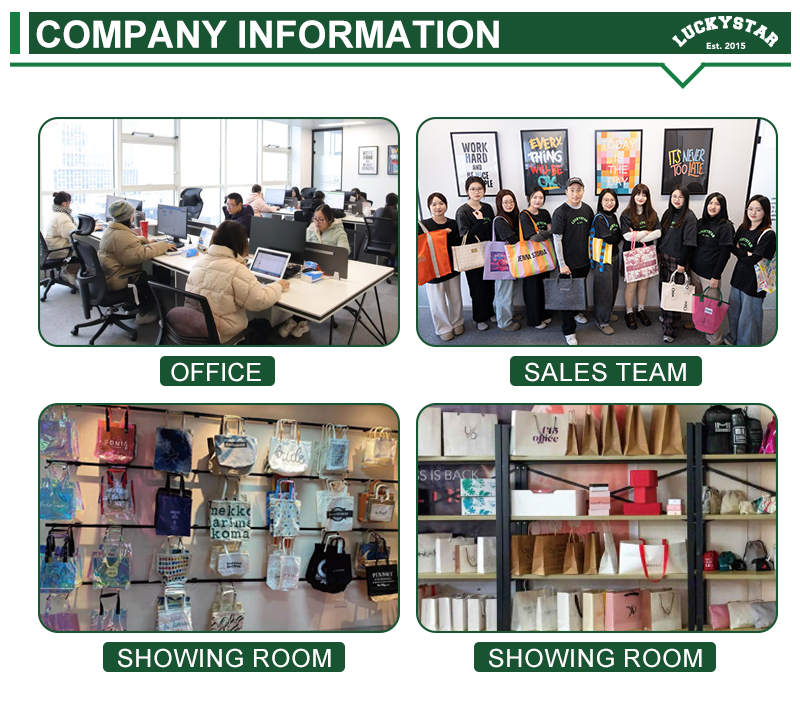
A website's “factory” or regional wording does not prove ownership of every operation. Ask the seller to disclose the route that applies to the quoted project.
Freeze the construction that carries the load
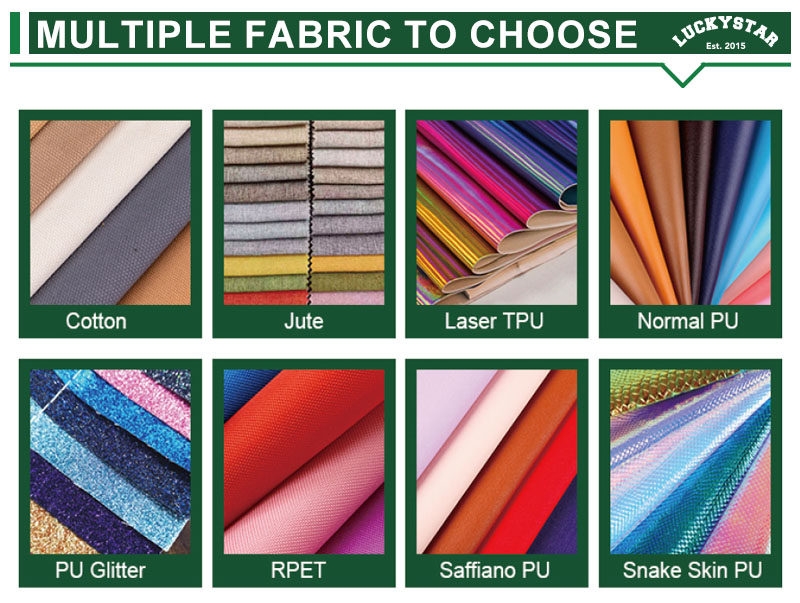
Specify finished and usable dimensions, gussets, body material composition and construction, nominal weight or thickness, lamination or coating if any, seam type, stitch density where useful, hem, handle material, handle dimensions, attachment area and reinforcement. Add closure, pockets, base insert or lining only when the use case needs them.
Review stress concentrations at handle ends, gusset corners and openings. A representative sample should use the proposed body, handle, thread and reinforcement, not a visually similar substitute.
Control material and performance claims
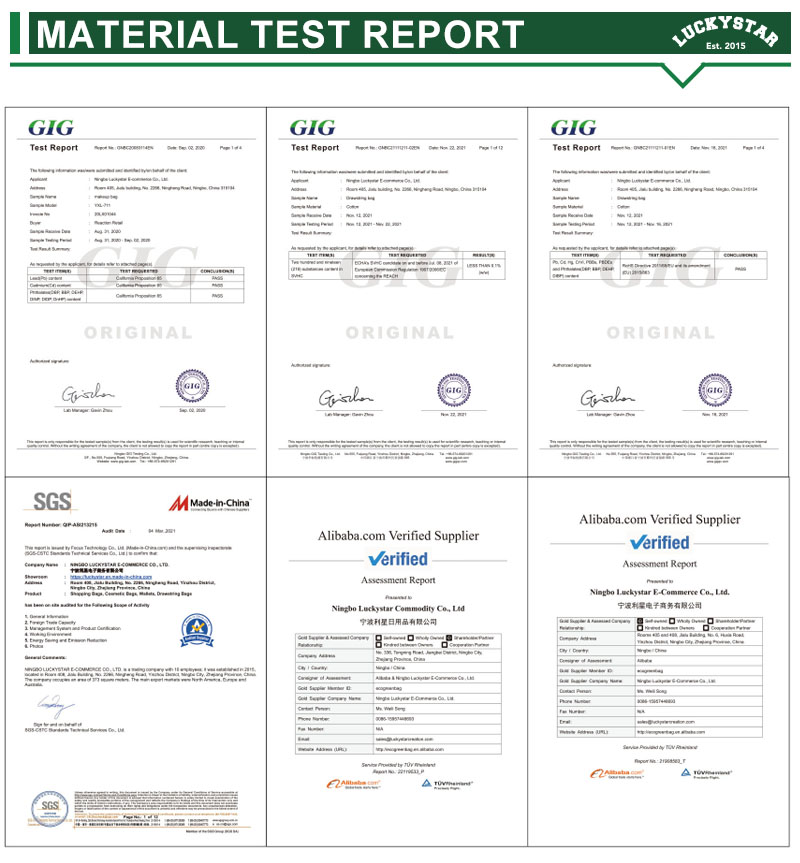
Ask for evidence that matches the exact input and finished product when composition, recycled content, certification, water resistance or other performance claims are required. State the document, test or chain-of-custody scope the importer needs. Do not expand evidence from one material or batch to the entire product line.
Destination requirements vary by product, intended use and market. The importer or qualified adviser should confirm classification, labeling, restricted-substance, packaging and documentation obligations for the actual shipment.
Approve branding after the load construction
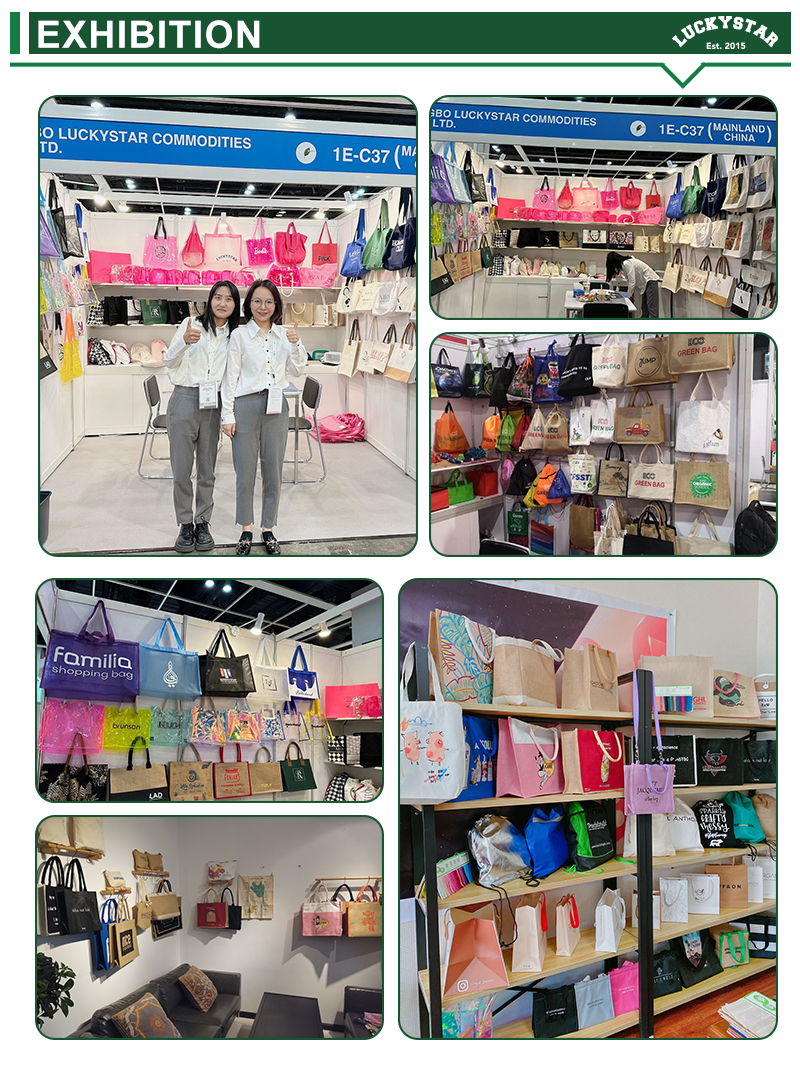
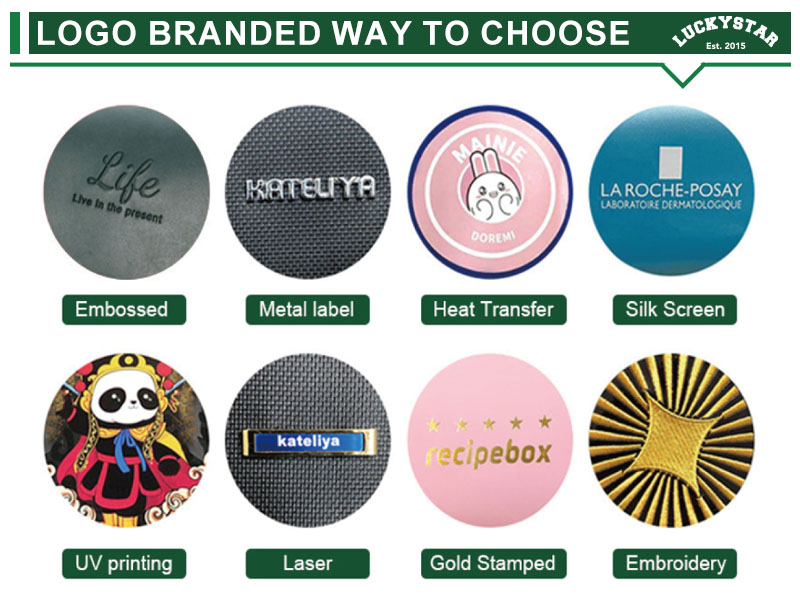
Provide vector artwork, physical dimensions, placement from seams, color references and critical details. Ask how print, transfer, embroidery or labels interact with the selected material and reinforcement. Approve decoration on the representative heavy-duty construction.
Inspect adhesion or stitch condition, registration, legibility, hand feel and change after the agreed handling test. Keep production artwork and approved references under version control.
Design export packing around protection and handling
Define fold, unit pack, inserts, labels, inner/master carton quantity, carton dimensions and maximum gross weight. Consider abrasion, dirt, humidity exposure, crushing and long storage only to the extent relevant to the route. Any moisture-control treatment or material should be specified and reviewed for the destination.
Run a pack-out review: confirm carton count, net and gross weights, dimensions, labels, shipping marks and destination allocation. These data also support freight comparisons and warehouse receiving.

Compare one commercial and logistics basis
Request offers in the same currency and named delivery basis, with clear responsibility for freight, insurance, export handling, import clearance, duty and final delivery. Record quote validity, payment milestones, tooling/setup, samples, testing, inspection, packing and destination splits.
Use the importer and broker to review tariff classification and landed-cost assumptions. A low product price is not a complete comparison when the quotes allocate logistics and compliance work differently.
Export release checklist
| Gate | Buyer supplies | Evidence before release |
|---|---|---|
| Performance | Load use case and failure criteria | Representative sample/test record |
| Product | Construction, artwork and tolerances | Approved specification and sample |
| Quality | CTQs, sampling and remedies | Inspection/release record |
| Shipping | Packing, marks, destinations and date | Pack data and document draft |
| Commercial | Currency and named delivery basis | Dated itemized quote and responsibilities |
Frequently asked questions
What weight can a heavy-duty tote carry?
Use only a rating supported by the exact finished construction and an agreed test method. Supplier adjectives or material weight do not create a universal capacity.
Does sourcing from Asia prove lower cost?
No. Compare complete specifications, quality controls, freight responsibilities, duties, timing, inventory and remedy terms on the same basis.
Which export documents are required?
Requirements depend on the parties, route, product and destination. The importer and broker should confirm the exact set; the seller should provide accurate shipment and commercial data within its role.
How should buyers verify a supplier?
Check the legal seller, actual production roles, representative sample, controls, inspection, document responsibility and dated commercial terms for the project.
Related sourcing guides
Source and scope: Luckystar custom tote-bag category and linked sourcing guides, checked September 21, 2026. They are format and process references, not a load certificate, compliance determination, factory-ownership proof, fixed price, MOQ, capacity or delivery promise. Existing article images are illustrative and still require topic-relevance and publication-rights review.
Request a heavy-duty tote export review
Send the destination, contents and load cycle, construction, artwork, quantities, testing, inspection, packing, delivery basis and required date. Request route roles and assumptions in writing.
Use the website contact form or email a prefilled export RFQ. Review the draft before sending.
Performance, compliance, MOQ, price, availability, capacity and delivery are subject to specification and written confirmation.