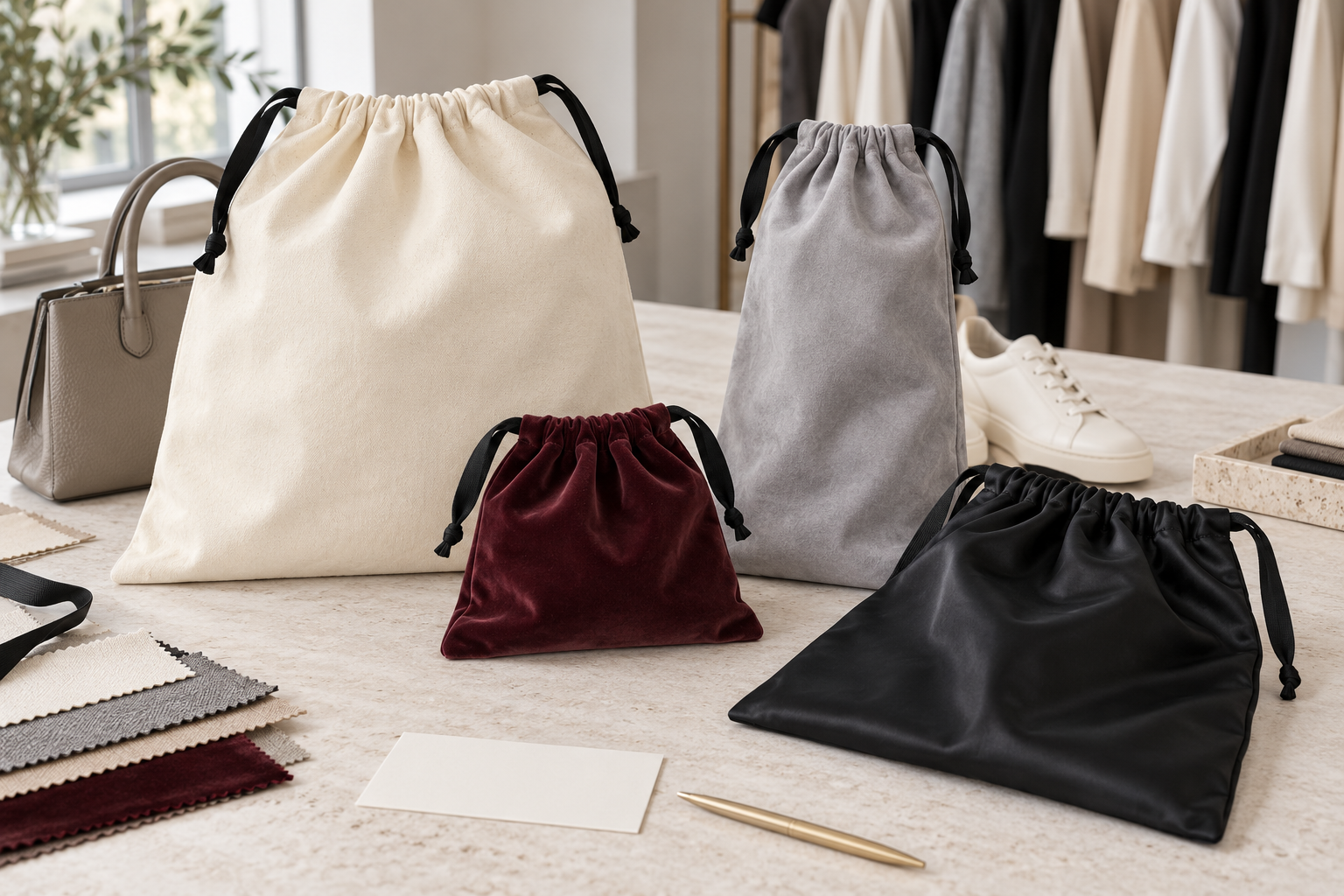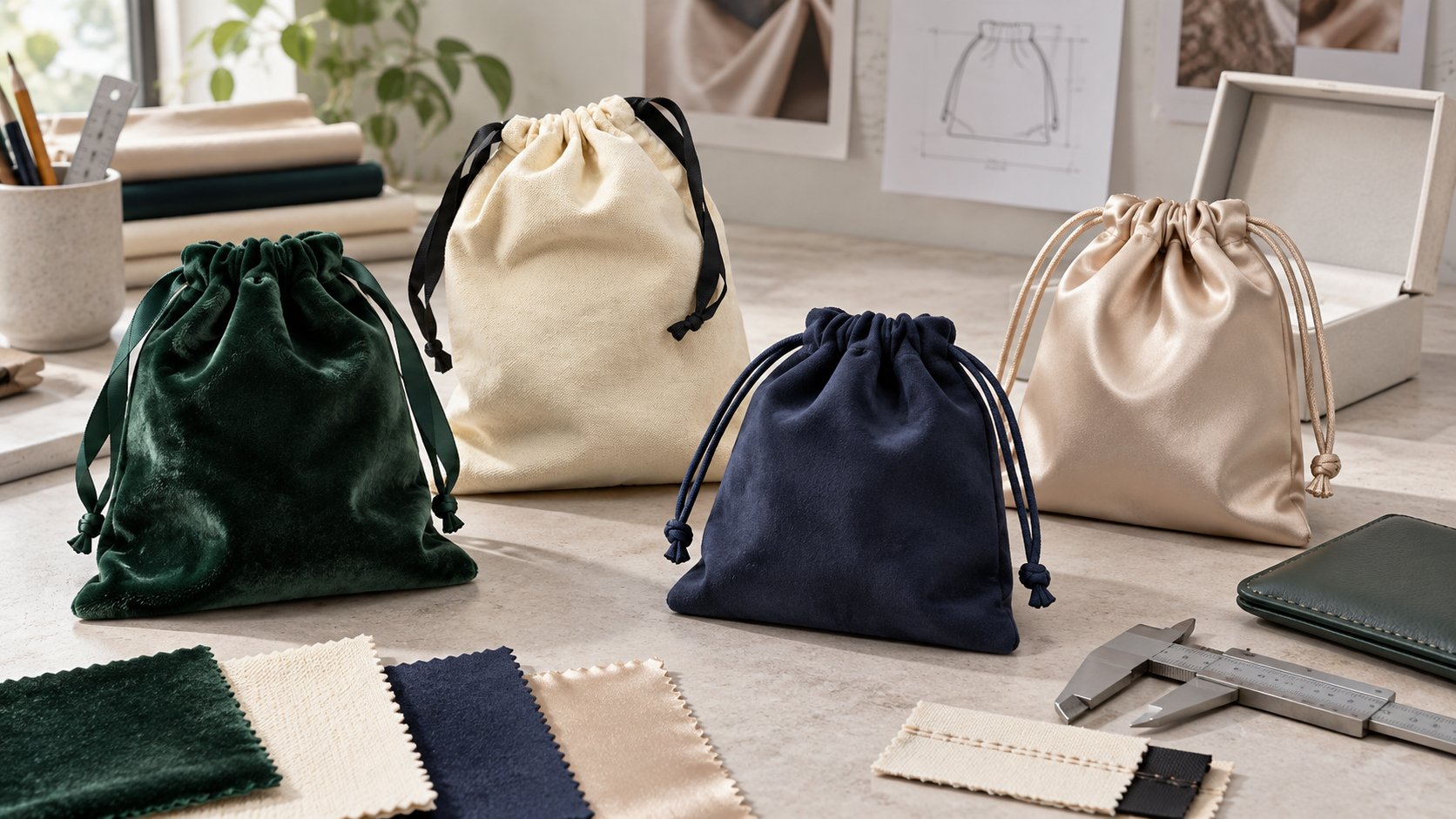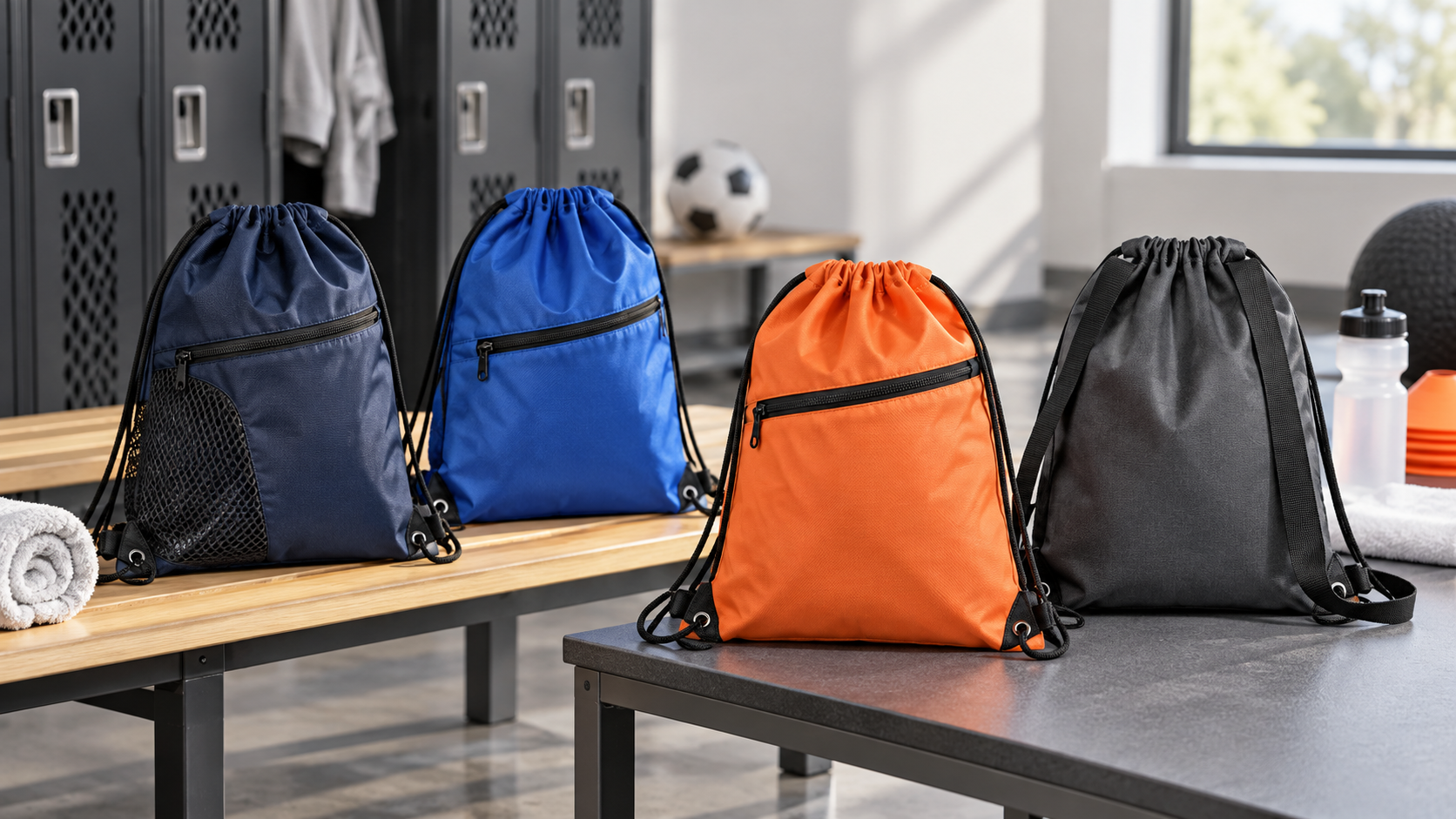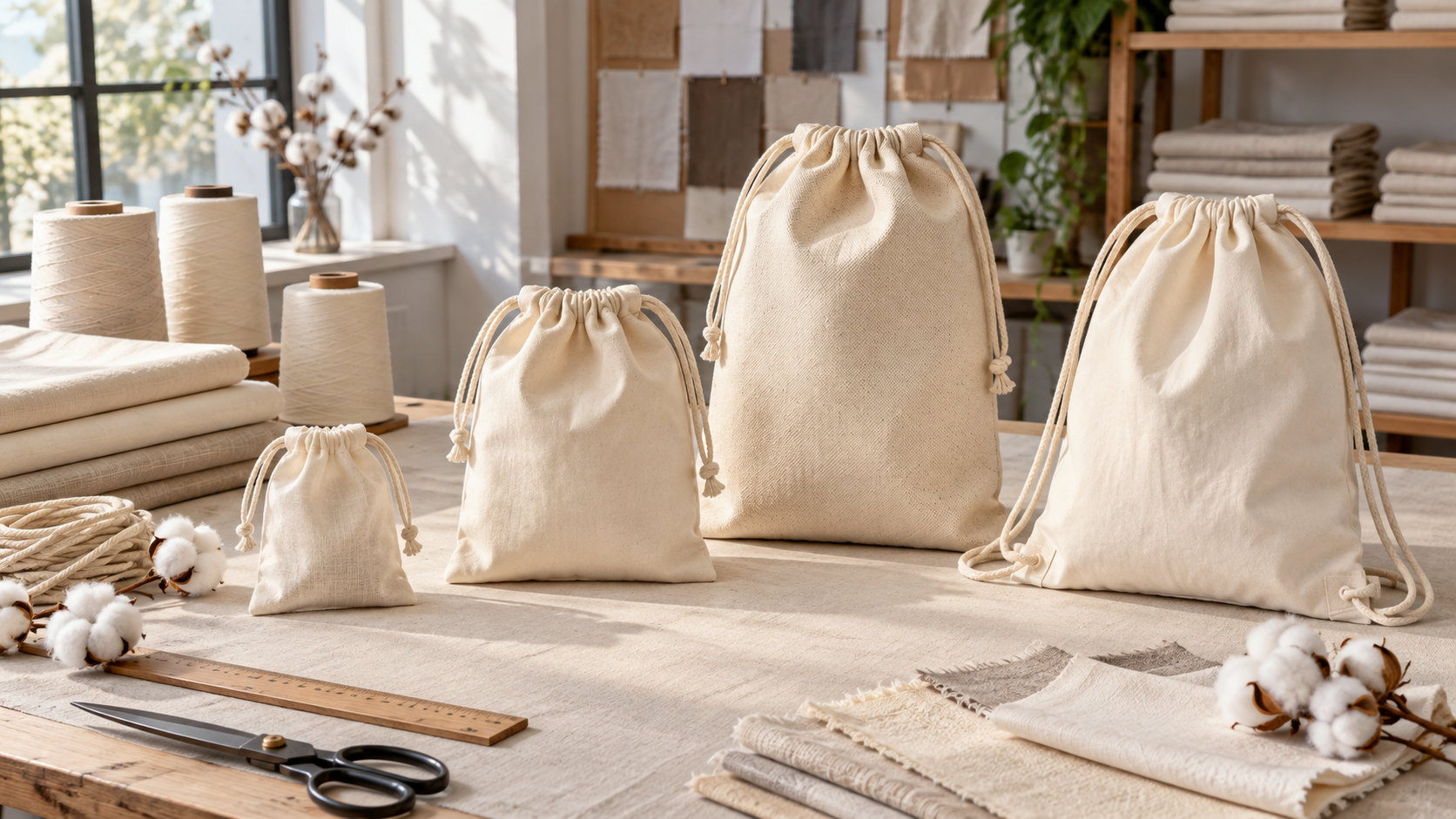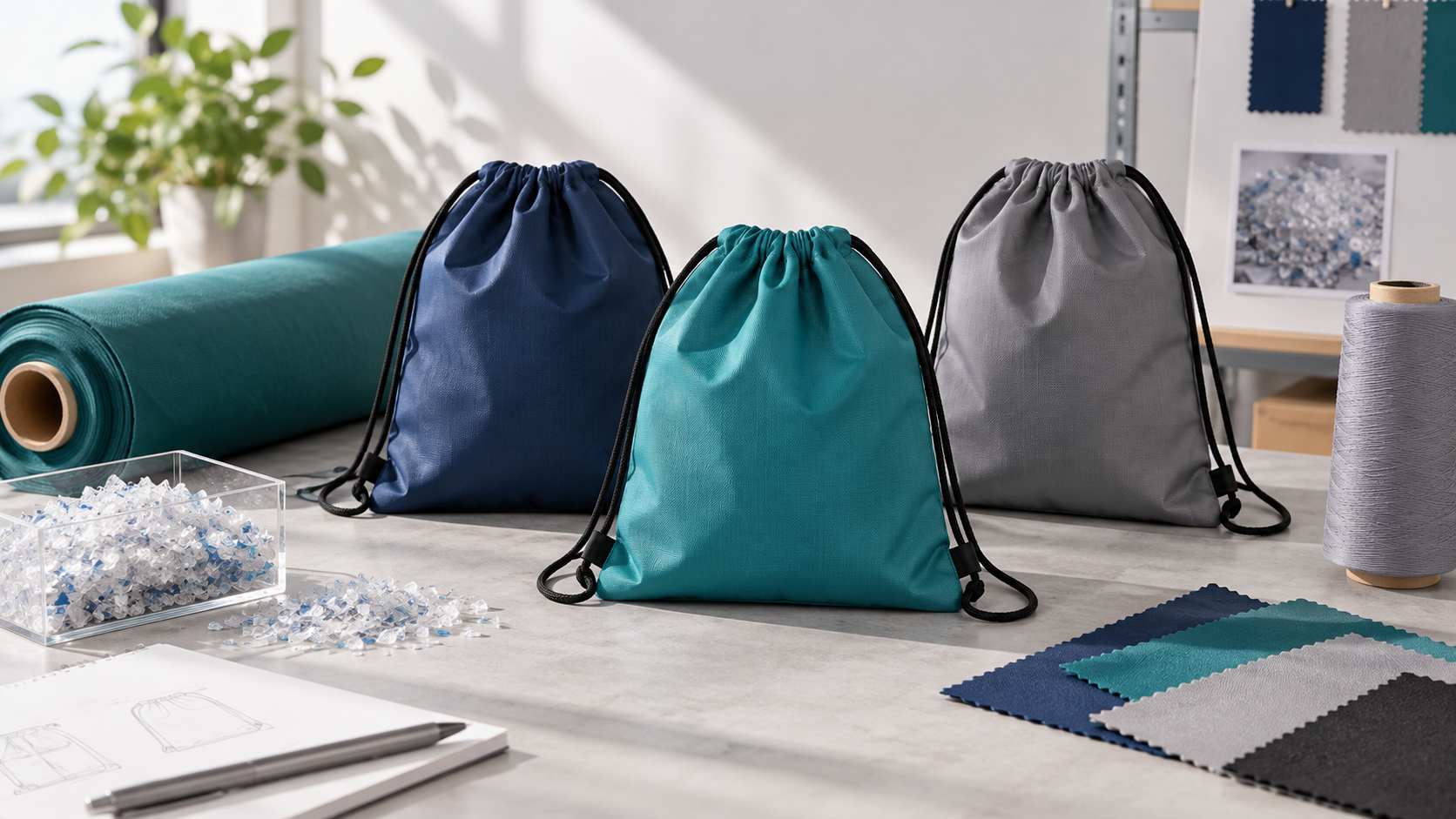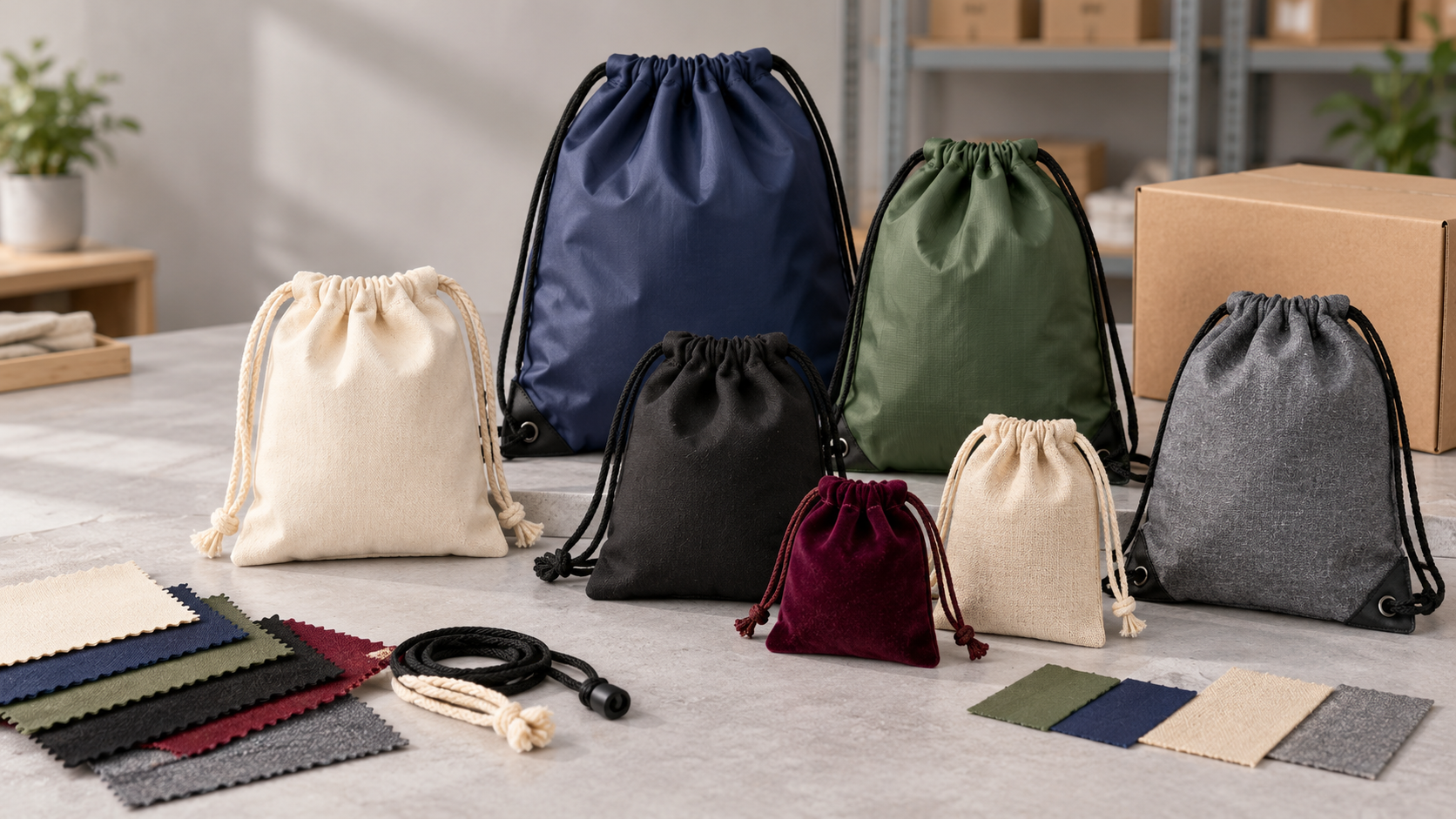
Quick answer: Choose an eco tote bag supplier by evidence for the exact order, not by the words “eco”, “factory” or “OEM/ODM”. Verify the legal seller, actual production sites, material composition and lot records, certificate scope where relevant, an approved sample, measurable quality checks and the wording of every environmental claim before comparing price.
Page role: this guide is the evidence-checking page for environmental and factory claims. Use the worldwide tote bag manufacturer comparison for supplier models, the sustainable tote manufacturer comparison for a shortlist, and the manufacturer selection checklist for the broader buying decision.
Evaluating a tote program with an environmental claim? Send the intended use, specification, quantity split, destination and evidence requested. Ask every candidate to quote the same scope.

Separate the product claim from the supplier claim
A buyer may need to verify several different statements at once. “Cotton” describes a proposed fiber route; “organic” or “recycled” needs material-chain evidence; “reusable” needs an intended-use and durability basis; and “factory” concerns who performs production. One document rarely proves all four.
| Claim in the brief | Evidence to request | Common mismatch |
|---|---|---|
| Fiber composition | Exact material specification and lot documentation | A generic catalog description |
| Organic or recycled content | Named holder, valid scope and order-relevant chain evidence | An unrelated or supplier-held certificate |
| Reusable or durable | Defined use, load, test method, sample condition and acceptance limit | A material name without a performance check |
| Factory or own production | Legal seller, actual sites, roles and order records | Office address, workshop photo or OEM label |
Use a seven-step supplier verification workflow
- Freeze the intended use: define contents, load, dimensions, expected use cycle, destination and care conditions.
- Control the specification: state composition, construction, finished fabric weight basis, handles, seams, decoration, labels and packing.
- Map the parties: identify the seller, material source, cutting/sewing site, decorator, inspector and shipper for the order.
- Request claim evidence: match each certificate, report or declaration to its holder, scope, date, material, product and destination requirement.
- Approve a representative sample: measure the decorated and packed sample and record the approved revision.
- Set release gates: agree first-off, in-process and final inspection checks, tolerances, quantity and defect handling.
- Reconcile the written quote: compare SKU splits, setup, tests, packing, delivery basis and responsibilities on the same commercial scope.
What belongs in the RFQ
Send one table with quantity by size, color, artwork and pack version. Include the environmental wording you intend to use and ask the supplier to mark what is supported, conditional or unavailable. This prevents a broad “eco-friendly” request from turning into an unsupported finished-product claim.
For a complete manufacturer brief, use the Custom Bag Manufacturer Guide and review the available custom tote bag formats. Product pages are visual inquiry references; current materials, rights, capacity, MOQ, testing and delivery require order-specific confirmation.
Sample and quality release gates
- Material gate: approved swatch, composition, weight basis, color and any claim documents.
- Artwork gate: authorized file, method, size, placement, colors and physical strike-off.
- Construction gate: dimensions, seams, handle attachment, reinforcements and workmanship.
- Bulk gate: approved revision, tolerances, inspection stage, sampling plan and disposition rules.
- Packing gate: labels, claims, barcodes, inner/master packing, quantity and shipping marks.
Why buyers may include Luckystar in the review
Luckystar can receive a single B2B brief covering tote format, material route, artwork, sample, inspection, packing and export requirements, which helps buyers keep the quotation scope consistent. The company should be evaluated under the same evidence checklist as every other candidate. Website association does not establish ownership of every production site or a company-wide environmental certification, and commercial terms remain subject to the final specification and written quotation.
Buyer checklist before supplier approval
- The legal seller and payee match the quotation and contract.
- Actual production and subcontracted roles are disclosed for the proposed order.
- Material and claim records apply to the exact lot or approved specification.
- The decorated sample carries a controlled revision and measurable acceptance points.
- Inspection, packing, delivery basis, destination and change control are written.
- MOQ, price, capacity and lead time are dated order facts, not permanent website promises.
Frequently asked questions
What proves that an eco tote bag supplier is a factory?
A factory label, office address or workshop photo is not enough. Ask for the legal seller, the actual cutting, sewing and decoration sites for the proposed order, the responsible parties and order-specific production records.
Which documents support an organic or recycled material claim?
Request documents for the exact material and lot, including the named certificate holder, scope, validity dates and transaction or chain-of-custody evidence where applicable. A company brochure or unrelated certificate does not establish the finished bag claim.
Is cotton automatically more sustainable than another tote material?
No. Define the intended use, expected service life and comparison method. Composition, farming or recycled-content claims, durability, care, weight and actual reuse conditions all affect the assessment.
What should an approval sample record?
Record finished dimensions, material and color reference, fabric weight basis, handle construction, decoration, workmanship, packing and any performance checks. Link the signed sample to one revision-controlled specification.
How should buyers compare MOQ and lead time?
Compare them by SKU, material, color, artwork and packing version. Ask for a dated written quotation that separates sample, setup, testing and production assumptions; do not treat a website figure as a standing commitment.
Can Luckystar guarantee an environmental claim for every tote?
No. Luckystar can review a project brief and available evidence, but any environmental, performance or compliance claim must be confirmed for the exact material, product, destination and order in writing.
Page role, visible answers, evidence boundaries, internal links, real product-reference imagery and FAQ markup updated September 23, 2026. Current order facts remain subject to the released specification and written confirmation.
Related sourcing guides
Request a tote quote with traceable evidence
Send intended use, load, dimensions, material route, requested claim wording, artwork, quantity by version, sample and test expectations, packing, destination and required date.
Use the website contact form. Ask the written response to identify the seller, actual production roles, evidence available, sample plan, inspection scope, MOQ drivers and delivery assumptions.
Seller/payee, sites, materials, claims, rights, tests, MOQ, price, capacity and delivery are subject to current evidence, the released specification, quotation, contract and written confirmation.