
Buyer quick answer
Do not buy “eco-friendly” as a generic feature. Define the exact claim, product scope, destination and evidence needed; then specify the bag's material composition, content percentage, weight, load, construction, decoration and pack-out. Approve both the physical sample and the claim wording before bulk production.
Scope: This page turns a bulk shopping-bag program into claim, product and quantity decisions. For supplier evidence checks, use the sustainable shopping-bag supplier guide.
Planning a bulk bag program with an environmental message? Send the intended claim, destination, material direction, quantity and use. Ask what evidence applies to the actual order before approving artwork.
Replace “eco-friendly” with a specific purchasing objective
A buyer may want a bag designed for repeated use, a defined recycled-content percentage, a particular verified fiber input, reduced individual packaging, or compatibility with an available collection route. These goals need different materials, documents and wording. One “eco” label cannot cover them all.
Write the intended public statement in the RFQ. Then ask which part of the bag it covers: the main body, handles, thread, print, label, packing or complete finished product. A material document should not be enlarged into a whole-product or lifecycle claim without supporting evidence.
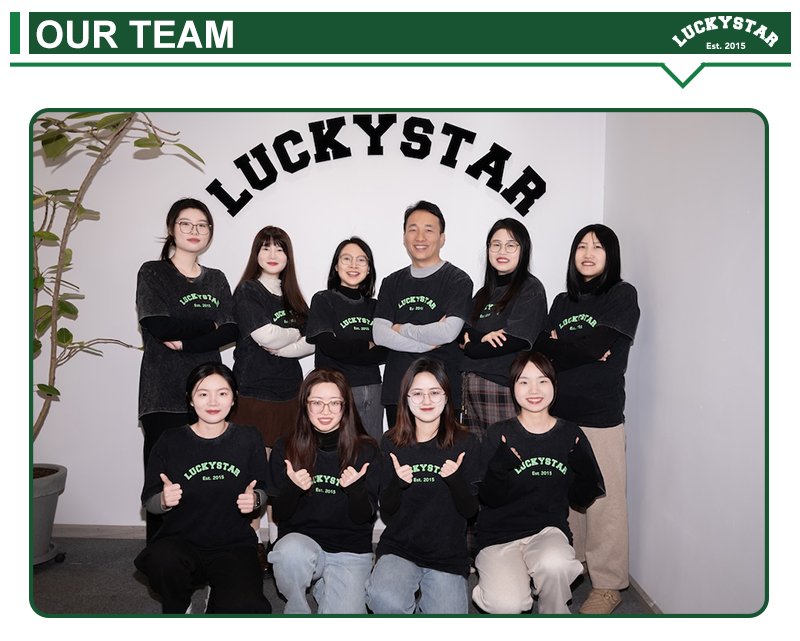
Four claim questions to settle before artwork
- What exactly is claimed? State the attribute, percentage, comparison or disposal route without vague superlatives.
- What does it cover? Identify components, batch, supplier, standard, destination and validity period.
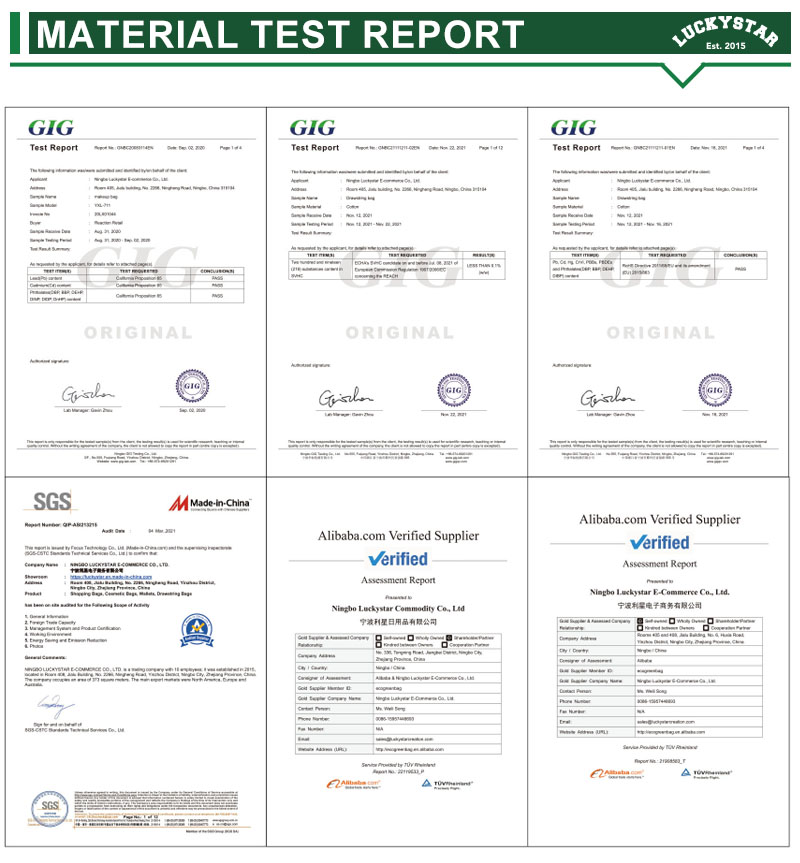
- What evidence travels with the order? Name the material record, transaction document, test or other proof and who provides it.
- How will the buyer communicate limits? Include conditions for collection, industrial treatment, local acceptance or product care where relevant.
Compare reusable, recyclable and degradable routes carefully
A reusable design needs a real use case, appropriate load, handles and seams. Do not publish a fixed number of uses or environmental advantage without a suitable study. Test the finished sample for the intended contents and handling.
A “recyclable” statement depends on the full construction and the destination's accepted collection and processing, not only the main material. Mixed handles, coatings, labels, inks or laminations may affect the route. A “biodegradable” or “compostable” statement must identify the exact standard, conditions, time or facility assumptions and product scope; do not treat it as a general disposal instruction.
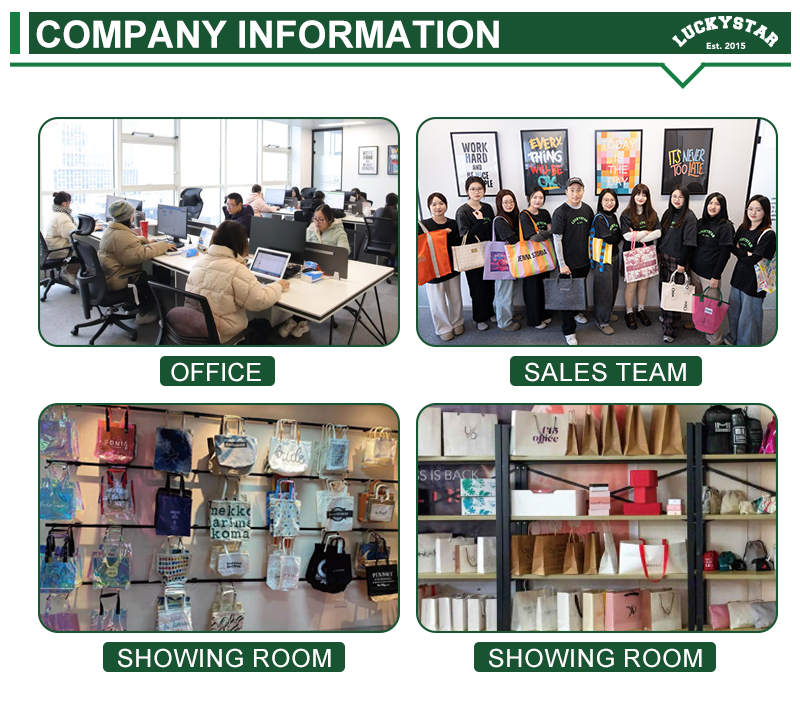
Specify the finished bag independently of the claim
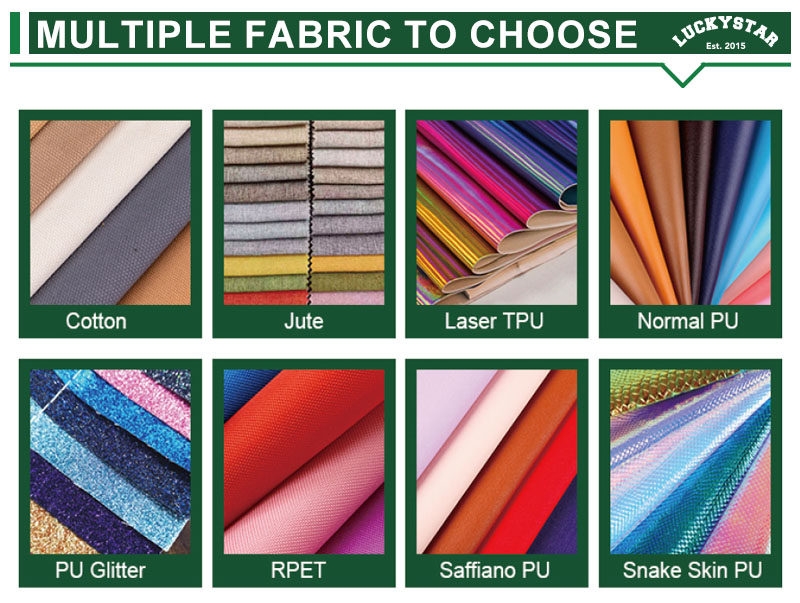
Record fiber or polymer identity, verified content percentage where claimed, fabric construction and weight, finished dimensions, gusset, handles, seams, decoration, labels and packing. Give the intended contents and load. Ask for a material swatch and finished production-intent sample.
Check usable capacity, handle attachment, seam and corner behavior, print strike-off and packed presentation. A claim document cannot compensate for a bag that fails its purpose, and a durable-looking sample does not prove a particular environmental outcome.

Control branding and rights before bulk printing
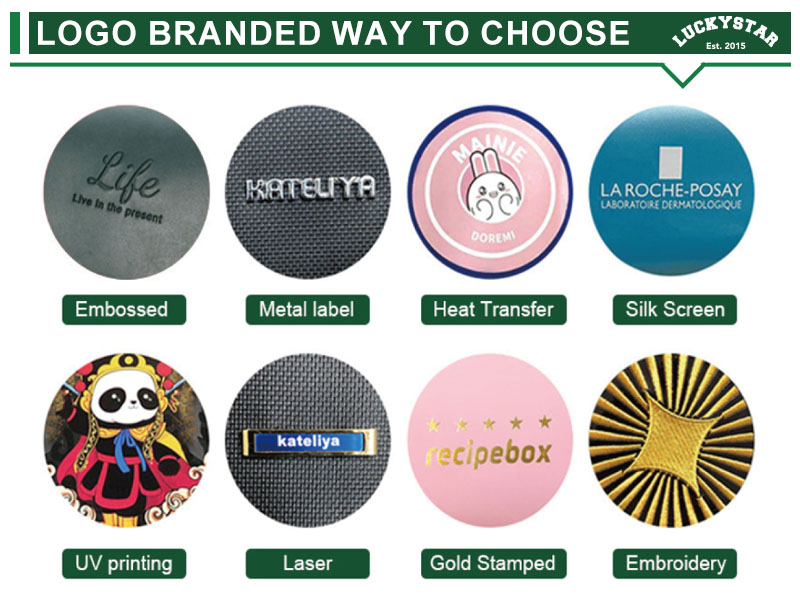
Freeze artwork only after the material and claim wording are approved. Test color, adhesion, legibility and hand feel on the actual fabric. Keep the approved claim text, logo version and placement in the same revision-controlled pack as the physical specification.
If a customer name, trademark or historic branded product appears in a sample, manufacturing permission does not automatically authorize public marketing. Confirm website and promotional rights separately. This article therefore does not use a named customer as proof of general capability.
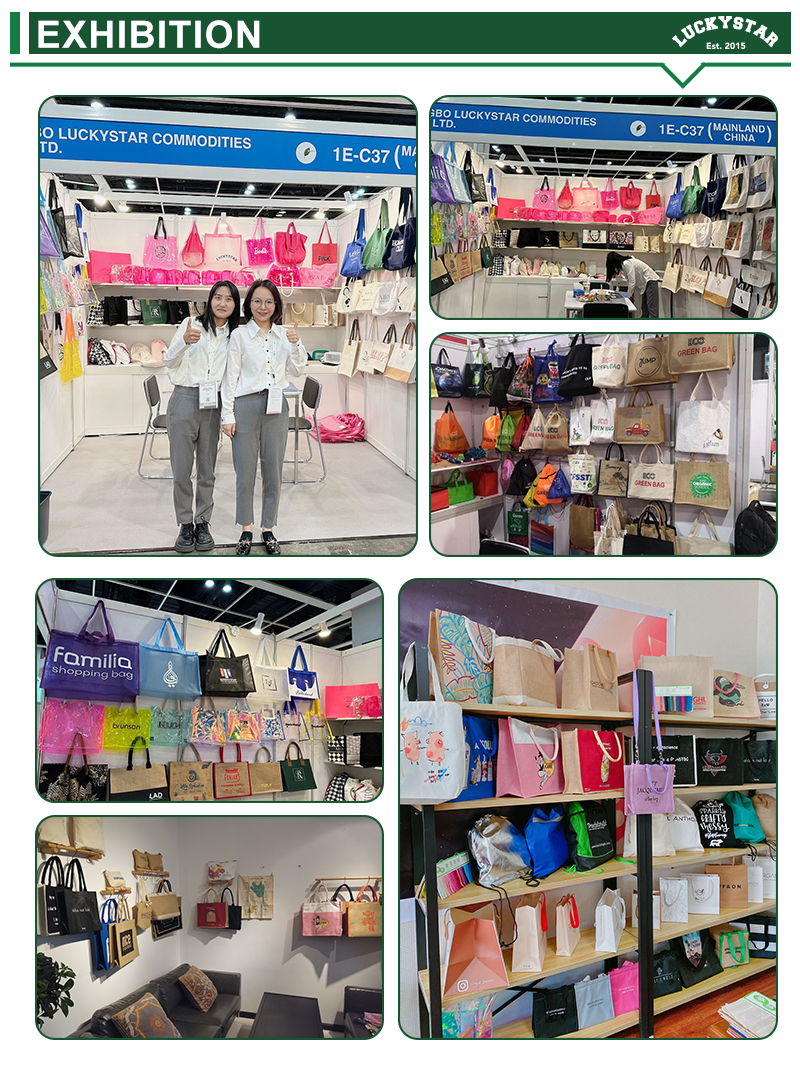
Build the quantity and packing matrix
Break the total into material, color, size, artwork, claim label and pack SKU. Ask whether MOQ applies to each configuration or to a shared material lot. Separate sample, setup, evidence, testing, decoration, individual pack and freight costs from the unit price.
Review whether individual wrapping is necessary and whether a different pack-out can meet protection and handling needs. Record carton quantity, labels and destination requirements. Any reduction claim about packaging still needs a defined comparison and data.
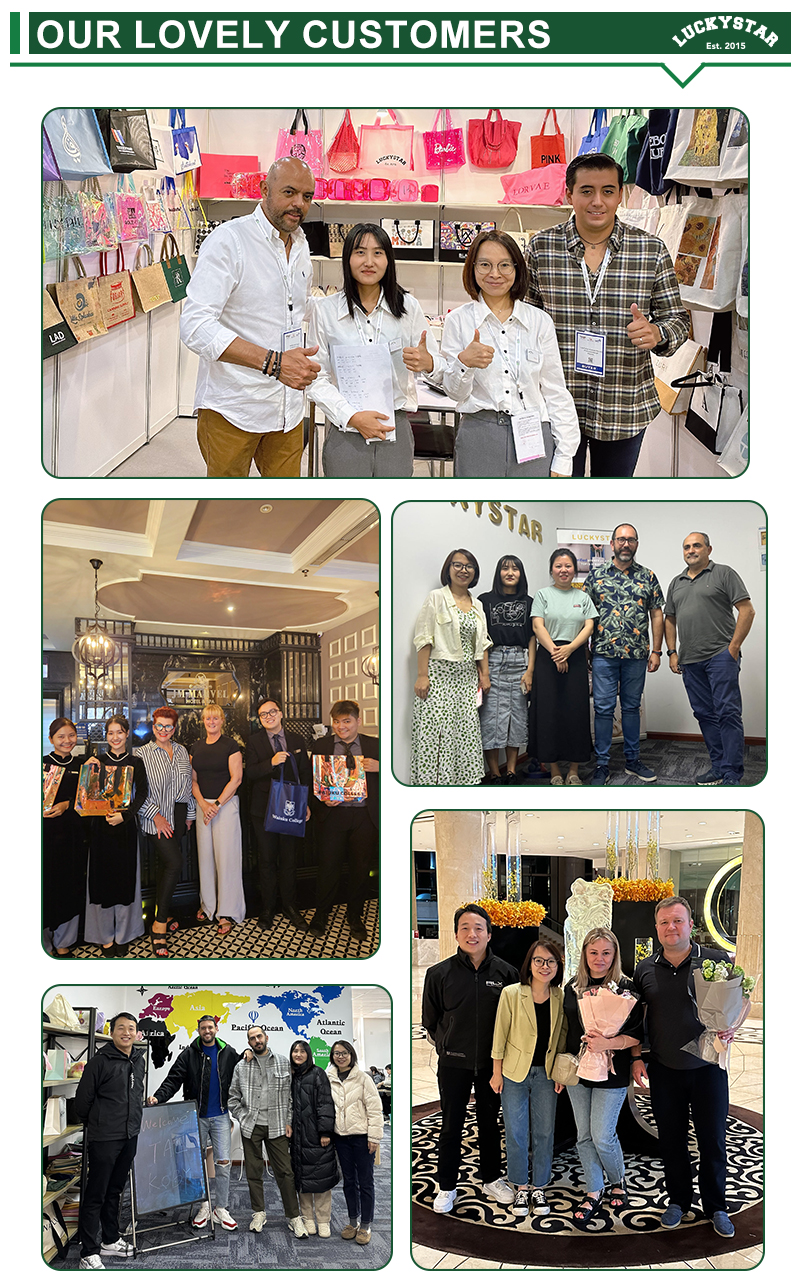
Map supplier and evidence responsibilities
Identify the legal seller, actual bag maker, material source, decorator, evidence holder, inspection party and packer. A seller's website or OEM/ODM description does not prove factory ownership or certification scope. Ask who will notify and approve a material, site or document change.
Browse the Luckystar custom tote-bag category for format references. Product titles and images do not prove content percentages, environmental outcomes, current evidence, stock or fixed terms.
Bulk environmental-claim buying matrix
| Decision | Specify | Verify |
|---|---|---|
| Claim | Exact wording, scope, destination and conditions | Order-relevant current evidence |
| Bag | Composition, weight, size, handles and load | Material and filled sample |
| Artwork | Claim text, brand mark, method and rights | Approved strike-off and permission |
| Program | Versions, pack-out, inspection and change control | Quantity matrix and release plan |
| Commercial | MOQ, scope, currency, delivery basis and date | Dated written quote |
Frequently asked questions
Can a promotional tote be called eco-friendly?
That broad phrase is difficult to substantiate by itself. Use a specific, evidenced attribute and communicate its scope and conditions.
Does reusable mean lower environmental impact?
Not automatically. Outcome depends on the complete product, actual use, comparison and end-of-life assumptions. Avoid a numeric claim without relevant evidence.
Does printing affect recycling?
It can affect the complete construction and local processing route. Confirm materials, inks, labels and destination acceptance before making a claim.
What should I approve before bulk production?
Approve the exact claim and supporting scope, bill of materials, filled sample, decoration strike-off, quantity matrix, packing and inspection plan.
Related sourcing guides
Source and scope: Luckystar tote-bag category and shopping-bag claim evidence guide, checked September 21, 2026. These are sourcing references; they do not prove a particular bag's composition, claim, certification, factory ownership, customer authorization or image rights. Existing article images are illustrative.
Request a claim-scoped bulk bag quote
Send the exact claim, destination, use and load, composition and percentage, size, handles, artwork, quantities, packing and date. Request order-level evidence, the actual maker, sample, inspection and itemized quote.
Use the website contact form or email a prefilled claim and bag brief. Review the draft before sending.
Claims, certification scope, rights, MOQ, price and delivery require project-specific evidence and written confirmation.






