
Buyer quick answer
For a reusable shopping bag, define the carrying load, dimensions, fabric and handle construction, decoration, expected use and packing before asking for a quote. “Sustainable” is a goal to substantiate, not a material specification. Ask for an order-specific sample and evidence for each environmental or performance claim.
Scope: This guide helps wholesale buyers compare a proposed bag and its supply route. A seller's catalog does not identify the actual maker or prove a particular material, certification, lifecycle outcome or current stock.
Have a shopping bag brief? Send your use, load, size, material preference, quantity and claim requirements. Ask which production route, sample and documents will support the proposed order.
Start with the job the bag must do
“Eco grocery bags wholesale” can refer to very different briefs: a light event handout, a repeated grocery carry, a retail gift, or a branded tote for resale. The use determines dimensions, loading, handle length, seam design, decoration and packing. A bag that looks attractive in a photo can still be unsuitable for the actual contents.
Write down the items it will carry, estimated weight, frequency of use, desired feel and storage conditions. Then compare suppliers against the same brief. Do not infer durability, reuse count or environmental benefit from the words canvas, cotton, jute or recycled alone.
Translate “sustainable” into a claim that can be checked
Different buyers mean different things by sustainability. One may prioritize longer practical use; another may require a specified recycled-content percentage; a third may need traceable fiber inputs or less individual packaging. Name the specific goal before selecting a material or writing a product claim.
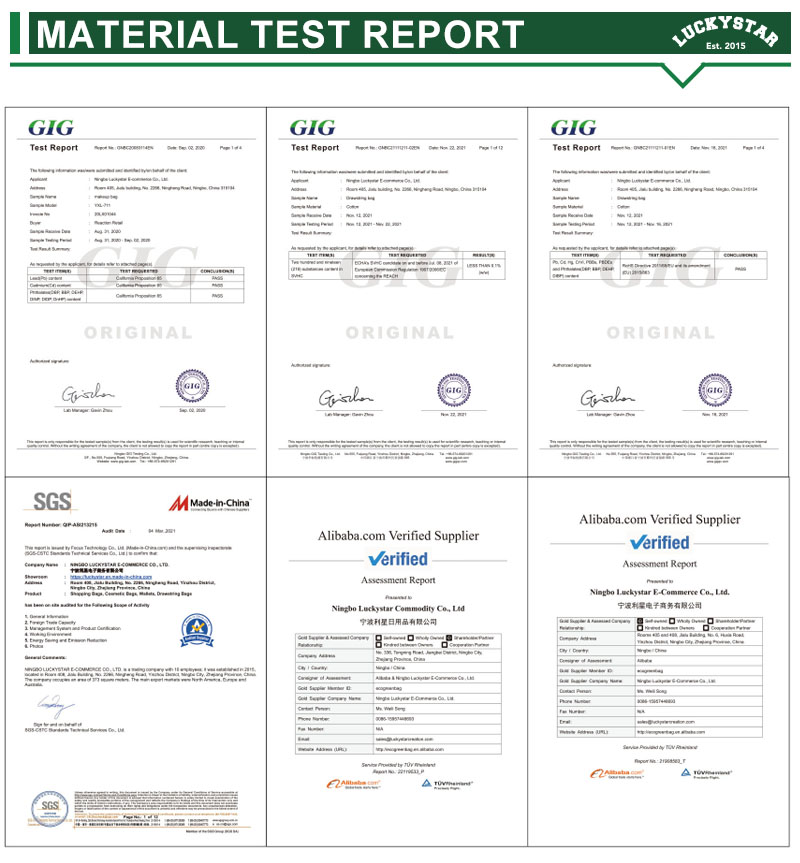
A composition label, supplier assertion or sample image does not by itself prove an environmental outcome. If a seller proposes “organic,” “recycled,” “zero waste” or a certification logo, request the current document for the actual material and order, including the issuer, scope, chain of custody where relevant, validity and permission to use the claim. Broad claims need a broader evidence base than a material certificate.
Likewise, a reusable format does not guarantee a bag will be reused. Design for the stated load and user context, then evaluate the approved sample against an agreed handling trial. Avoid a fixed reuse count or replacement-reduction claim without a suitable study.
Claim and evidence gate for the purchase brief
- Fiber and content: specify fiber composition, fabric weight and tolerances; approve a swatch and order-level material documentation.
- Recycled or organic input: identify the exact percentage or standard claimed and obtain valid, scoped transaction or chain-of-custody evidence as appropriate.
- Durability: define contents, load and handling cycle; approve a representative finished bag and an agreed test or inspection method.
- Waste or footprint: define the comparison, system boundary and evidence. Do not equate “reusable” with “zero waste.”
Compare materials by specification, not appearance
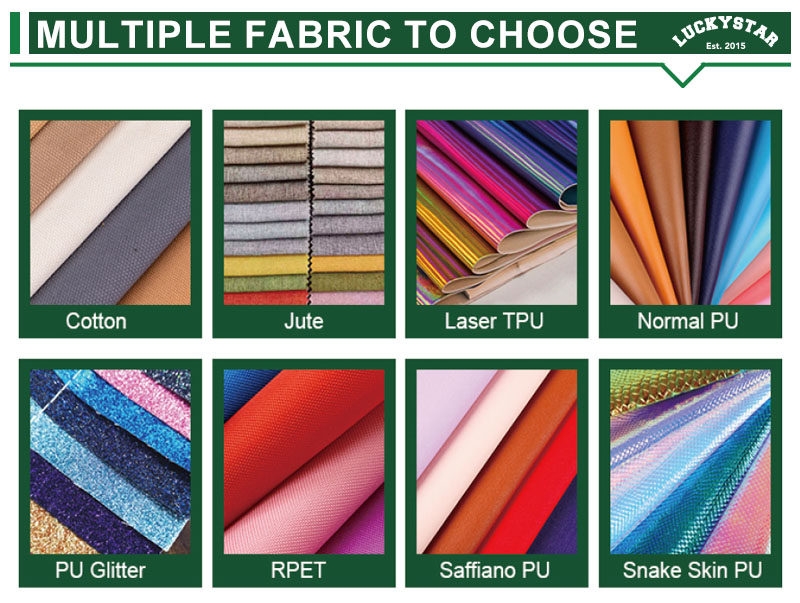
Cotton and canvas, jute, non-woven fabric and other bag materials can all appear in wholesale catalogs. These terms cover multiple constructions and weights. Compare the actual fiber or film, fabric weight, weave or non-woven structure, color, handle material, lining and care requirements. If recycled content matters, the percentage and evidence must relate to the proposed lot.
For each candidate, ask for an approved material swatch and finished sample made with the intended print method. Check hand feel, dimensions, color under agreed light, seam allowance and how the chosen material behaves when loaded, folded and packed. Select against the intended use; no single material is automatically the “greenest” choice for every project.
For style references, browse the Luckystar custom tote-bag category. A listing is a starting point for an inquiry, not proof of the listed item's material claim, available quantity or production site.

Check the actual manufacturer and approval route
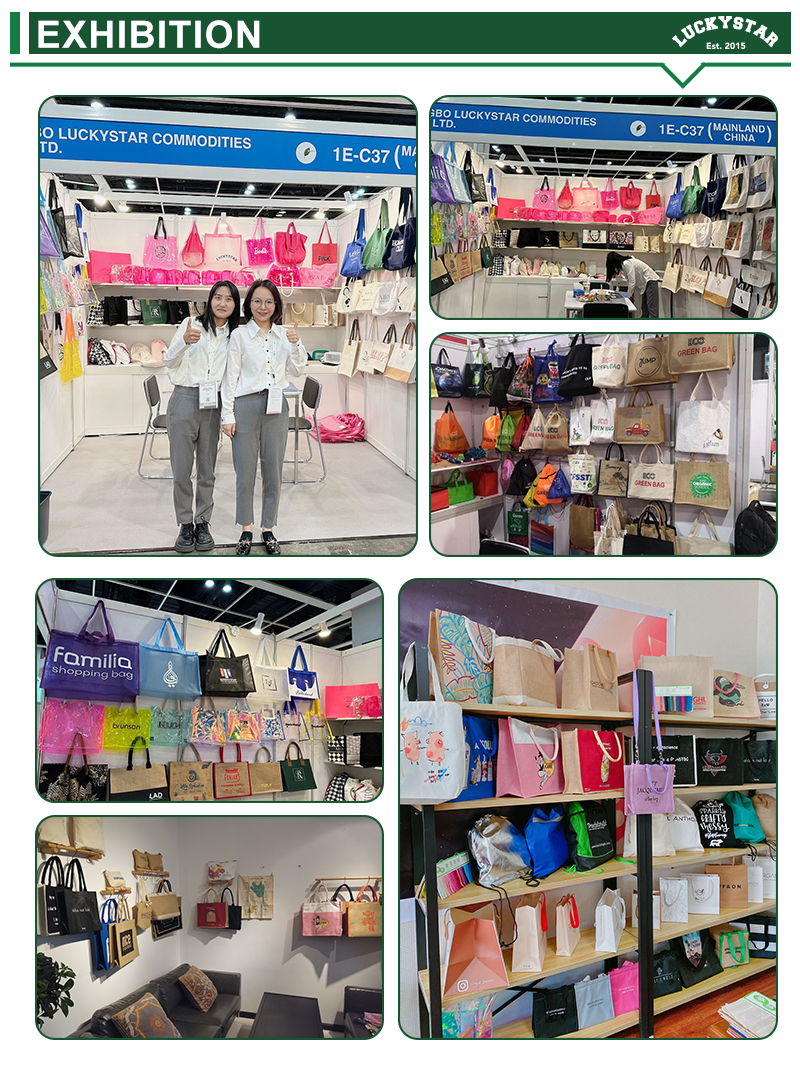
The legal seller, fabric supplier, bag maker, decorator and inspection party may be different businesses. Ask who will make the proposed order, where material and printing will be approved, who controls bulk changes and who signs off the finished sample. A sales address, factory photo or OEM/ODM label does not establish ownership of a production site.
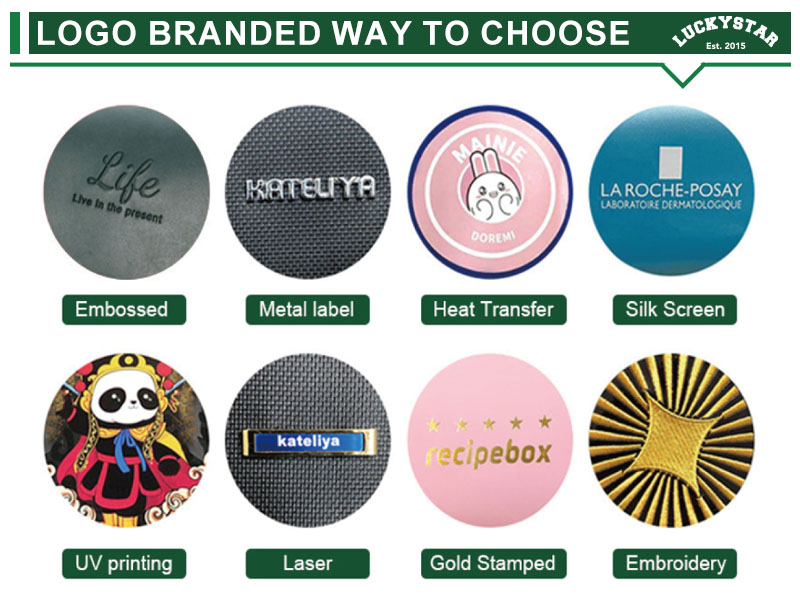
Ask suppliers to quote the same specification: finished size and tolerance, material and weight, handles, stitch or joining construction, print method and placement, packing, inspection level, quantity by version, shipment destination and target date. Separate sampling, tooling and freight assumptions from the unit price. MOQ, lead time and price require written confirmation for the current design.
Approve a production-representative sample
Compare the sample with the written specification. Measure the size and handle drop; fill it to the agreed load; inspect handle attachment, seams, bottom corners and logo registration. If the approved sample uses substitute material, trim or decoration, record the difference and require a final sample before bulk approval.
Control changes during bulk production
Document material lots, first-off approval, in-process checks, defect categories and pre-shipment inspection. Changes to fabric, handle, ink, packing or production site should return to the approval path. This makes sample-to-bulk consistency testable rather than a vague promise.
Where wholesale bag projects go wrong
The sample differs from bulk. A showroom sample may have different fabric or stitching. Tie the approved reference, measurement limits, bill of materials and print strike-off to the order.
The bag fails its use case. A thin event giveaway may not fit a heavy grocery brief. State the carrying load and handle stress points, and test the finished format.
An environmental statement runs ahead of the records. Ask what the document actually covers: a supplier, one material, one batch, or the finished product. Keep marketing text within that scope.
Packaging changes late. Specify folding, individual wrap if any, carton count, carton strength and labeling before the sample is approved.
Supplier comparison and RFQ checklist
Before choosing a supplier, obtain a written answer for the items below. A good comparison uses the same use case and acceptance criteria across candidates.
| Decision | Specify | Approve or verify |
|---|---|---|
| Bag function | Contents, load, size, handles and use | Measured, filled sample and handling trial |
| Material | Fiber or film, weight, color and tolerance | Approved swatch and order-specific documents |
| Environmental claim | Exact wording, percentage, standard and scope | Current, applicable evidence and usage right |
| Making and decoration | Actual maker, seams, print and logo position | Production sample and print strike-off |
| Supply terms | Quantity by version, packing, inspection, destination | Written quote, schedule and approval roles |
Frequently asked questions
What makes a shopping bag “sustainable”?
The term alone does not specify a measurable attribute. Define the intended material, durability or other goal and request evidence that supports the exact wording for the particular bag and market.
Is recycled or organic material always the best option?
There is no universal answer. Compare the specified material, functional performance, available evidence, decoration and intended use. Confirm any recycled or organic statement against valid order-relevant documentation.
Can a supplier customize bags in wholesale quantities?
Possible sizes, fabrics, handles, printing and packing depend on the actual production route and approved sample. Ask for a project-specific specification and written commercial terms.
How do I compare sample and bulk quality?
Approve a representative sample and written tolerance sheet, then compare bulk material lots, measurements, handle attachment, print and packing against them. Agree the inspection plan before production.
Related sourcing guides
Source and scope: Luckystar custom tote-bag category and official contact page, checked September 21, 2026. These establish available site routes and style references; they do not prove a particular bag's environmental attributes, current certification, manufacturing ownership, image rights or order terms.
Request a reusable-bag sample and scoped quote
Send use, load, size, material and claim requirements, artwork, quantity by version, packing, destination and target date. Ask for the actual maker, a representative sample, the evidence for each proposed claim and a written inspection plan.
Use the website contact form or email a prefilled shopping-bag brief. Review the draft before sending.
Material claims, rights, MOQ, price, capacity and delivery require project-specific evidence and written confirmation.






