Buyer quick answer
A custom-logo bag for retail or pharmacy checkout should be built around the products already in their primary containers, the combined load, customer privacy, store workflow, required text, destination rules and carton allocation. Test it with the real checkout mix before bulk.
Use boundary: A pharmacy carry bag is secondary transport packaging. It is not automatically child-resistant, tamper-evident, sterile, temperature-controlled or approved for direct pharmaceutical contact.
Planning a retail or pharmacy bag program? Send the checkout mix, load, privacy need, artwork and store allocation for a pack-and-workflow review.
Define the bag's role
| Need | Specify | Do not assume |
|---|---|---|
| Checkout carry | Product mix, load, handles and travel distance | Universal load rating |
| Privacy | Opacity, closure and information exposure | Privacy compliance from color alone |
| Security | Required closure, seal or evidence method | Tamper evidence from a standard tote |
| Protection | Handling, weather or temperature requirement/test | Medical or thermal performance |
Map the checkout product mix
List medicine cartons or bottles, personal-care products, cosmetics, receipts and other items already in their primary packaging. Record the largest dimensions, combined mass, sharp corners, separation needs and whether the bag must stand or close.
Define finished and usable dimensions, opening and gusset, then run a checkout pack trial. Measure packing time, fit, visibility, closure and carrying balance.
Choose material and opacity deliberately
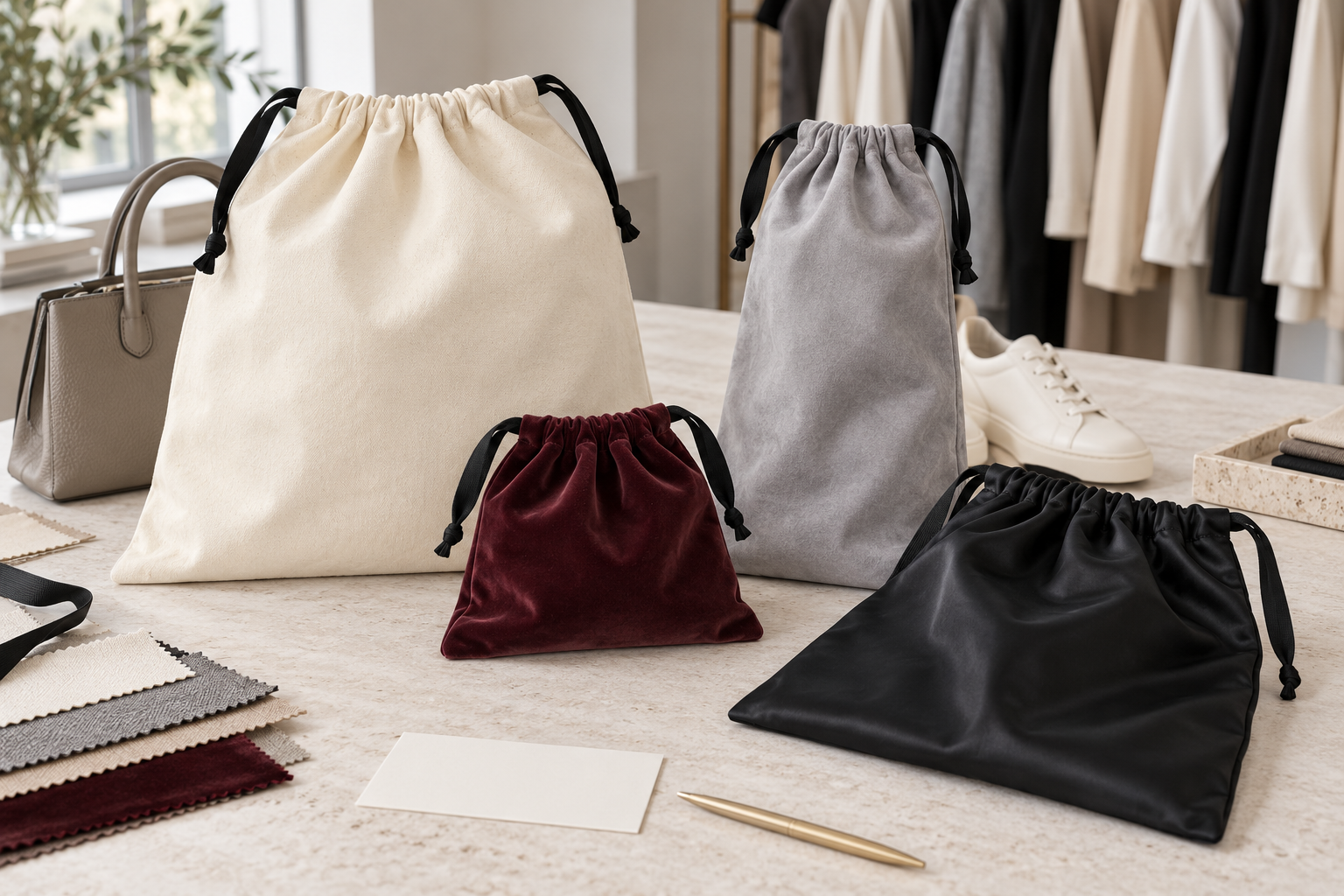
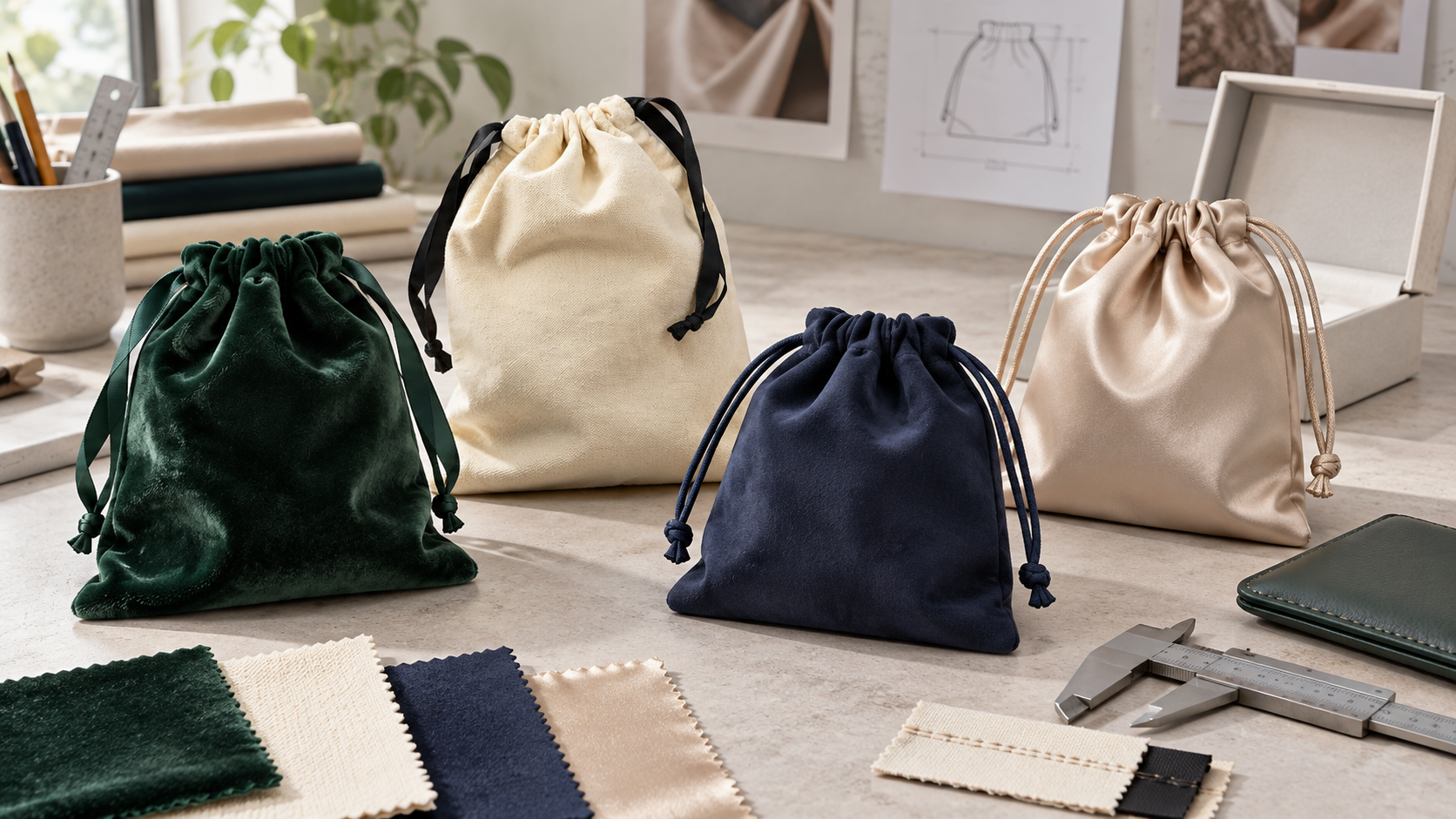
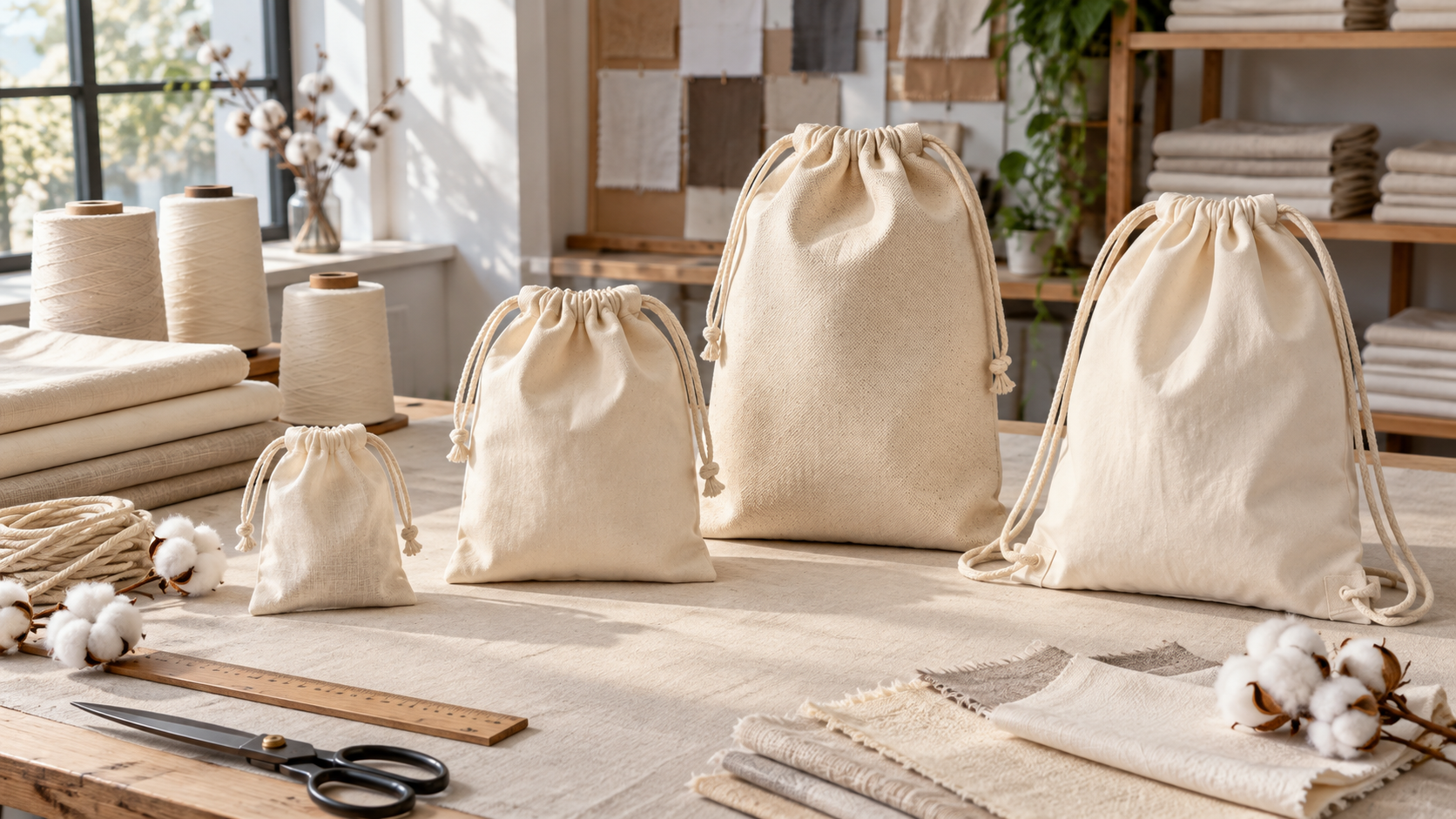
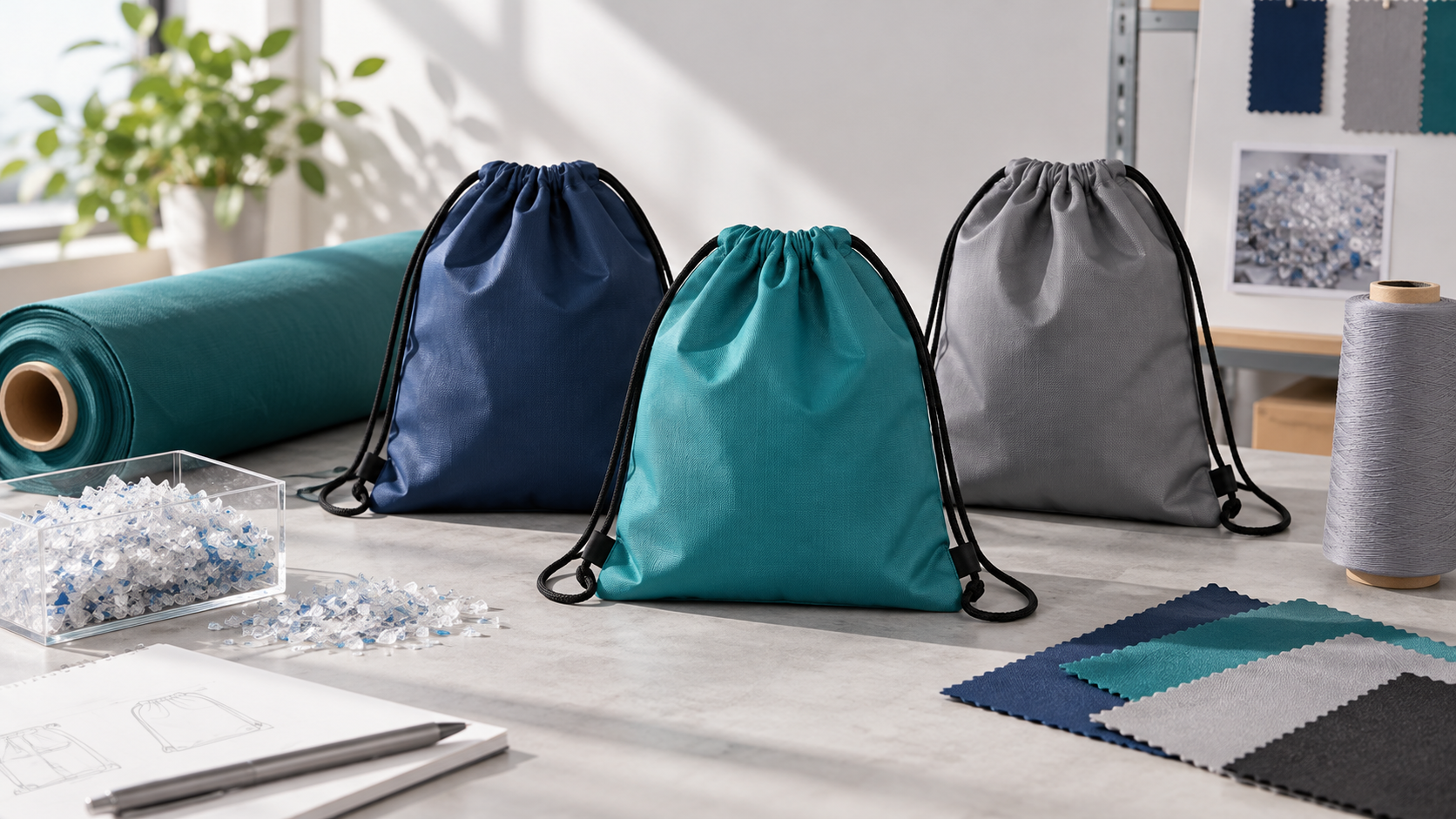
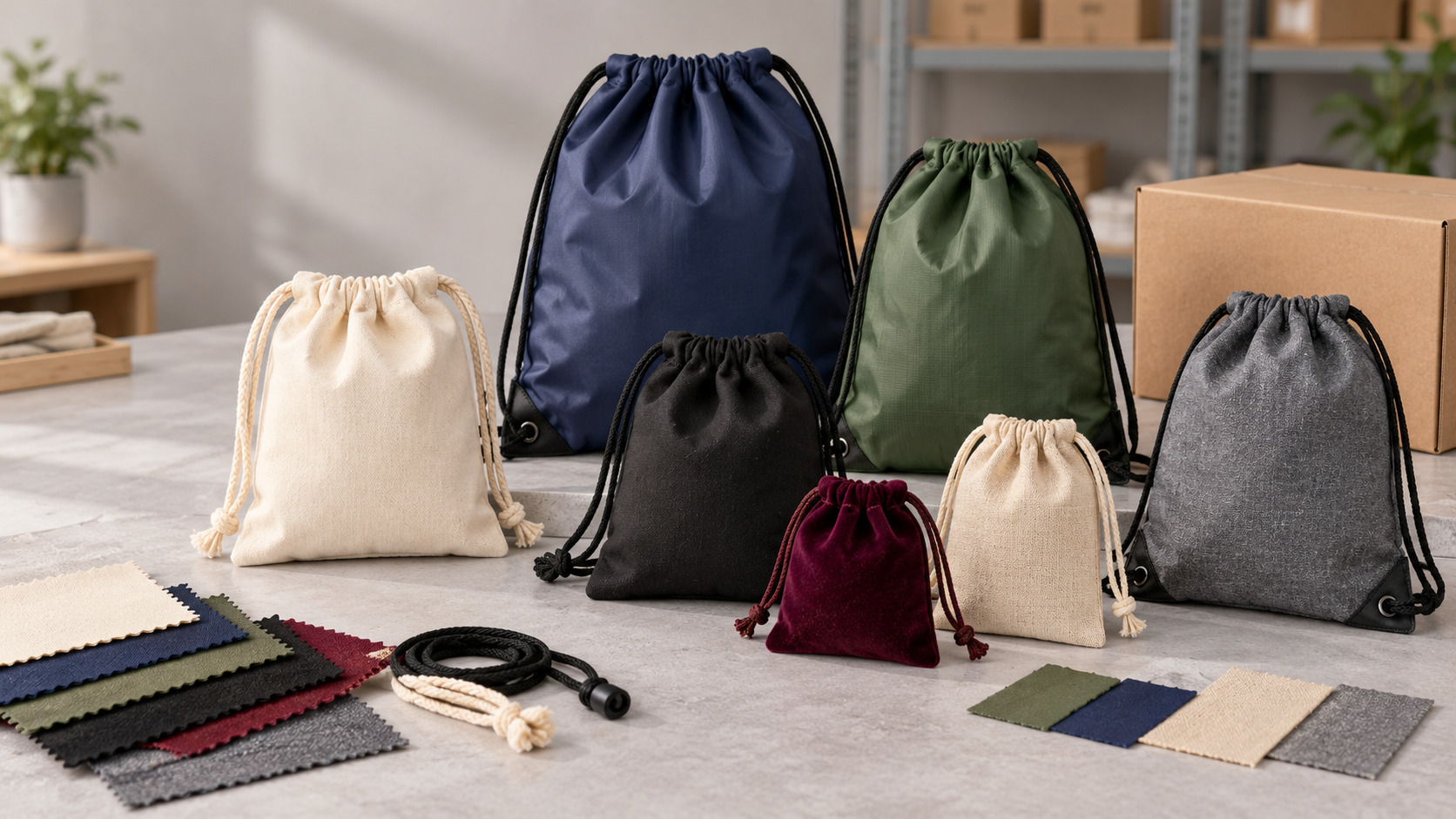
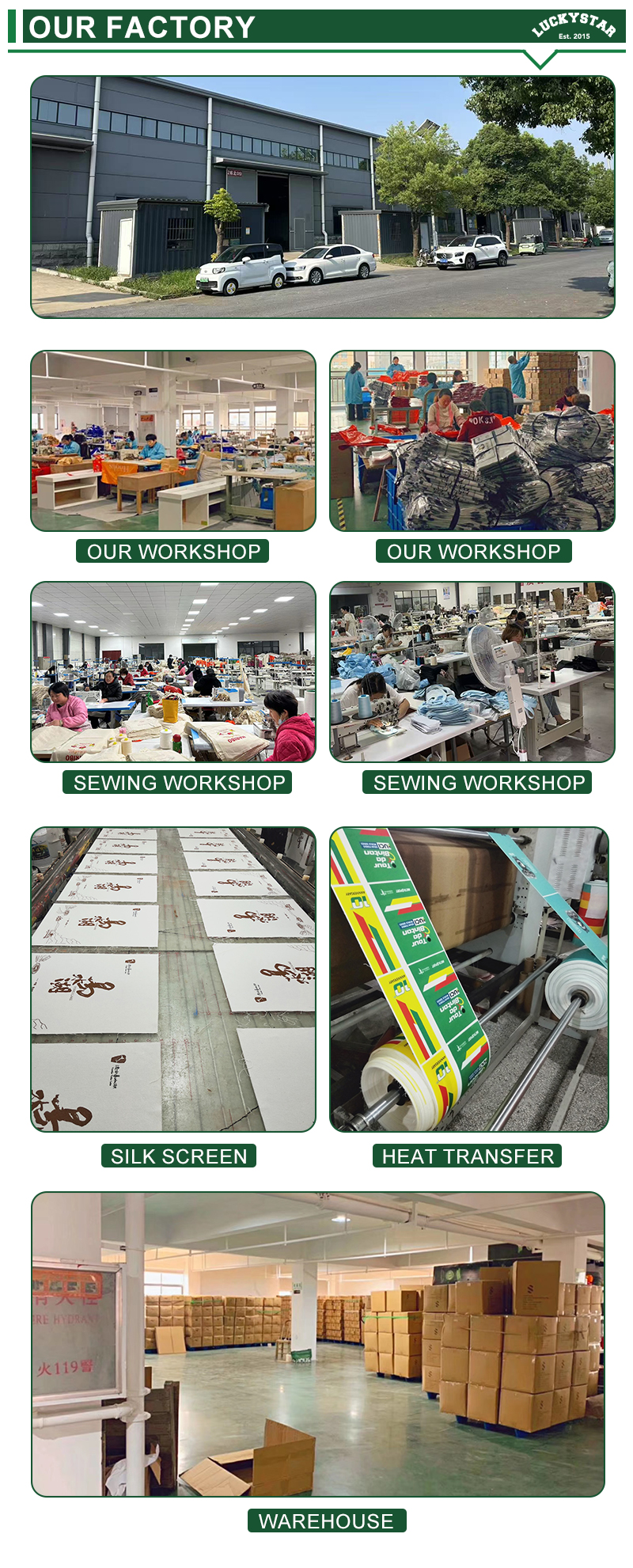
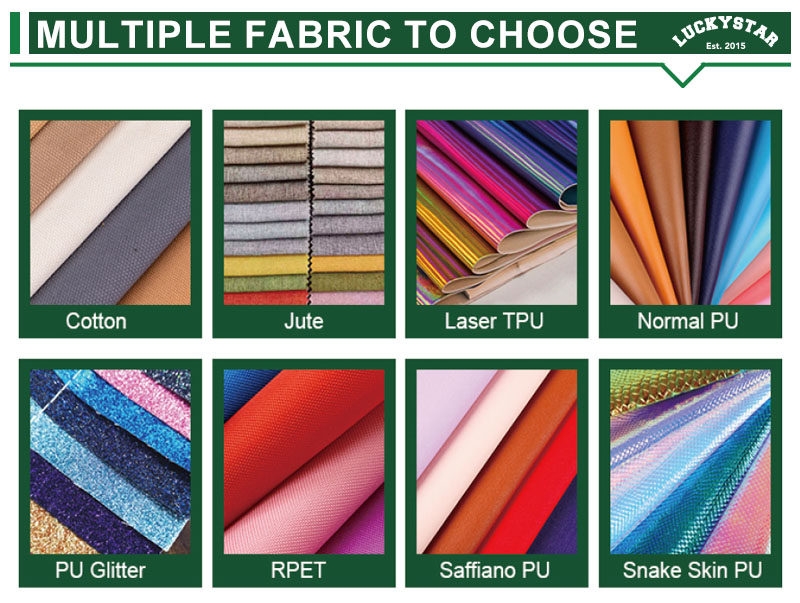
Specify exact paper, fiber or polymer identity, construction, weight or thickness method, color and required evidence. Evaluate opacity with the real products and lighting. If confidentiality or discretion is required, the buyer should define and validate the complete process, including printed text and receipt handling.
Material identity alone does not prove reuse, environmental benefit, compliance or performance. Tie any claim to the exact bag and market evidence.
Engineer handles, closure and load points
Specify handle type, dimensions/drop, attachment and reinforcement. Define closure or seal only when the workflow requires it. Test the filled bag through the expected lift and carry cycle, with clear failure criteria.
A standard shopping bag does not become tamper-evident or child-resistant because it has a closure. Those functions require a defined system and applicable validation.
Control artwork and required information
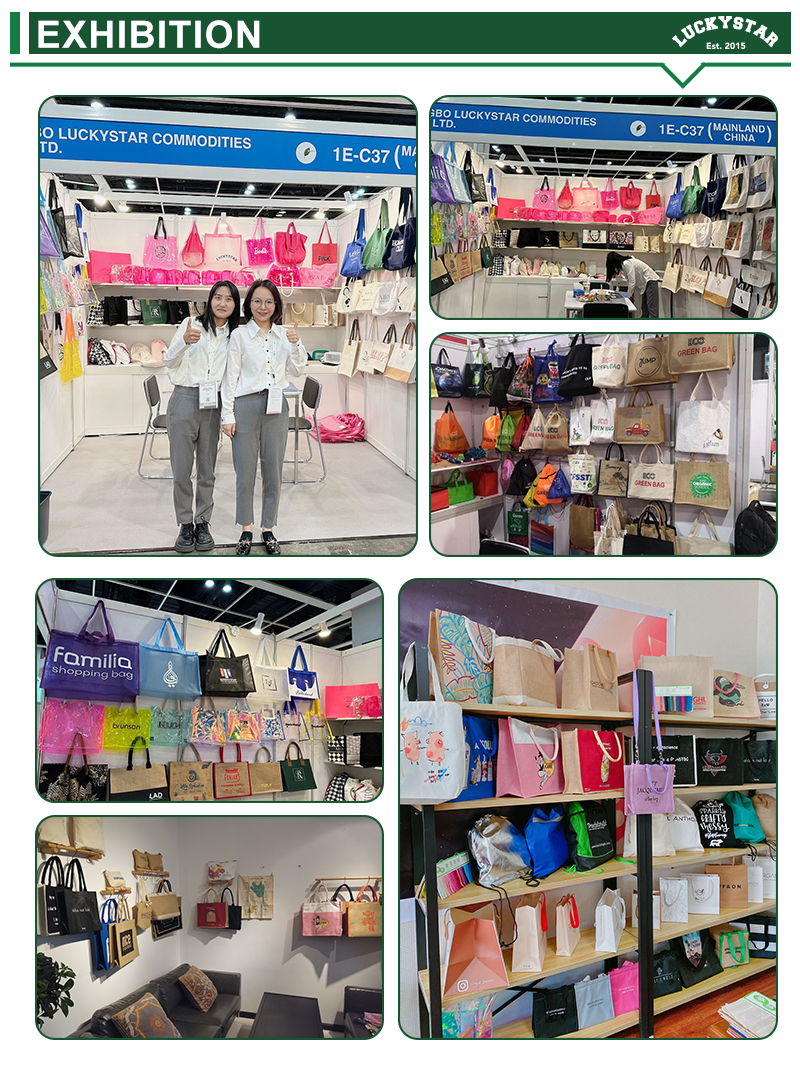
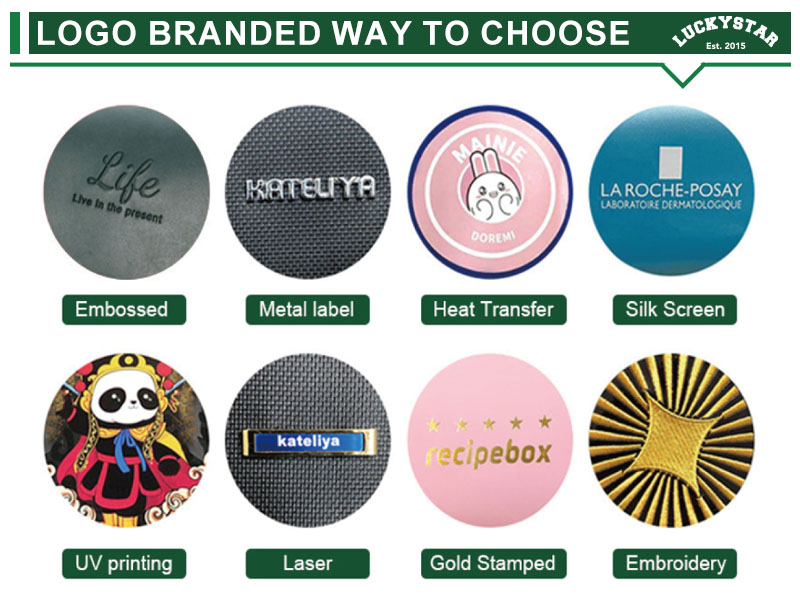
Provide vector artwork, dimensions, placement, color references and the approved version of store, pharmacy, warning, care or campaign text. Keep critical content away from seams, folds and handle attachments. Confirm language and minimum legibility for the destination.
The retailer, pharmacy and qualified adviser should approve regulated or privacy-related wording. The bag supplier should reproduce the released artwork and control revisions.

Plan store allocation and replenishment
Break quantity down by bag size, material/color, artwork version, language, store or distribution center and carton pack. Ask for MOQ and setup by configuration. Specify carton labels and allocation data that receiving teams can use.
For repeat orders, retain the specification, artwork/version, approved sample, color reference, inspection record and store matrix. Reconfirm current material, price, MOQ and timing.
Retail/pharmacy bag release matrix
| Gate | Approve | Evidence |
|---|---|---|
| Use | Checkout mix, load and workflow | Filled pack/carry trial |
| Material | Identity, opacity, size and construction | Declaration/reference and measurements |
| Artwork | Logo, text, language and placement | Released file and printed sample |
| Quality | CTQs, inspection and remedies | Release/inspection record |
| Distribution | Cartons, labels and store allocation | Pack-out and allocation list |
Frequently asked questions
Can the bag touch medicines directly?
This guide assumes products remain in approved primary packaging. Direct contact requires separate product- and market-specific review.
Does an opaque bag guarantee privacy compliance?
No. Privacy depends on the full handling process, information exposure, closure and applicable rules.
Can one bag serve every store?
Only if the checkout mix, language, artwork, packing and logistics align. Otherwise control separate configurations.
What should be inspected?
Check material, dimensions, handles, joins, opacity/appearance, closure, print, text version, cleanliness, carton quantities and allocation labels.
Related sourcing guides
Source and scope: Luckystar custom shopping-bag category and linked sourcing guides, checked September 21, 2026. They are secondary-packaging references, not medical, pharmaceutical, privacy, contact, tamper, thermal or regulatory approval; nor proof of fixed MOQ, price or delivery. Existing article images are illustrative and still require topic-relevance and publication-rights review.
Request a retail or pharmacy carry-bag review
Send the checkout mix, primary packs, load, privacy/opacity need, material, handles/closure, artwork/text, store quantities, inspection, packing, delivery basis and date.
Use the website contact form or email a prefilled carry-bag RFQ. Review the draft before sending.
Material, secondary-packaging suitability, claims, MOQ, price, availability, capacity and delivery are subject to specification and written confirmation.