
Why Cotton Shopping Bags Wholesale Still Appear in Global Sourcing Plans
Buyer quick answer
For a wholesale cotton tote, specify fiber composition, fabric construction and weight, finished size and tolerance, intended carrying load, handle attachment, print method, packing and destination. Compare cotton and jute samples against the same use case; neither material name alone proves durability or environmental benefit.
Scope: This page focuses on cotton versus jute material and construction choices for retail or promotional tote programs. The linked guides cover general shopping-bag supplier selection and production stages.
Comparing cotton tote options? Send the intended contents and load, finished dimensions, fabric composition and weight, handle and logo details, quantity, packing, destination and target date. Request a swatch and filled sample before approving the bulk specification.

A reusable bag is simple. Choosing the right one is not.
A shopping bag does not look like a complicated product.
Most people see:
Fabric.
Handles.
A printed logo.
Done.
But buyers who manage retail programs know there is more behind the decision.
Define the intended use, load, appearance, budget and acceptance criteria so the approved sample can be compared with bulk units.
That is why cotton shopping bags wholesale continues to appear in sourcing discussions.
The unit price depends on specification and order terms.
If customers retain and use the bag, it may continue to display the brand.
Why brands continue buying cotton shopping bags
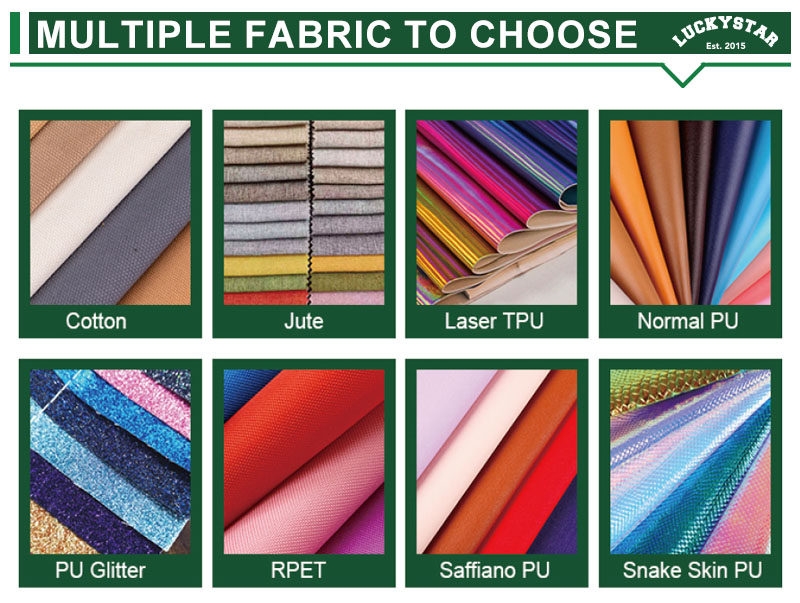
Cotton is a familiar material option for shopping-bag briefs.
They are familiar.
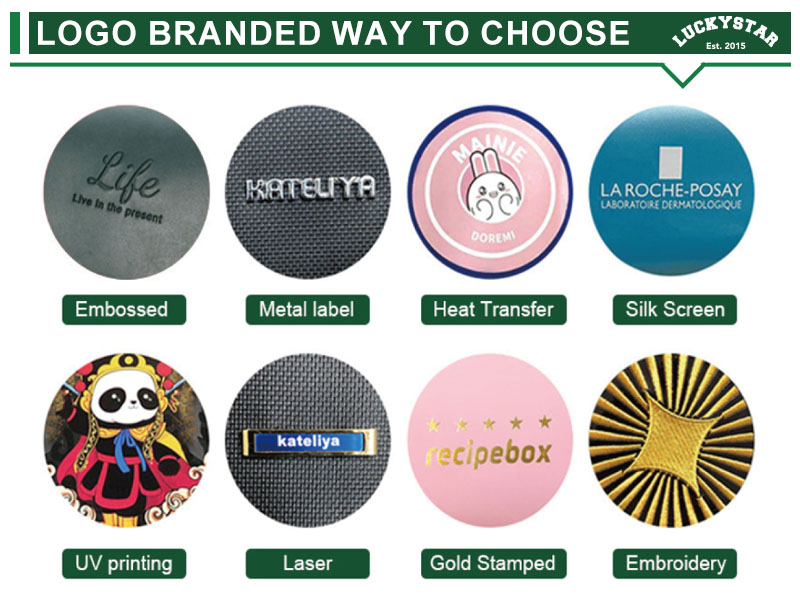
Decoration feasibility depends on fabric weave, finish, color and the chosen logo method.
They work across different industries.
Common applications include:
| Industry | Typical Use |
|---|---|
| Fashion brands | Retail packaging |
| Beauty companies | Gift bags |
| Bookstores | Customer carry bags |
| Corporate teams | Promotional campaigns |
| Events | Trade show giveaways |
| Lifestyle retailers | Merchandise bags |
A bag intended for repeated use requires an appropriate construction and realistic handling test:
Check whether the approved sample can meet the intended number of uses.
A paper and cotton bag may have different use patterns.
Do not assume a fixed reuse count or environmental advantage without evidence for the actual product and use.
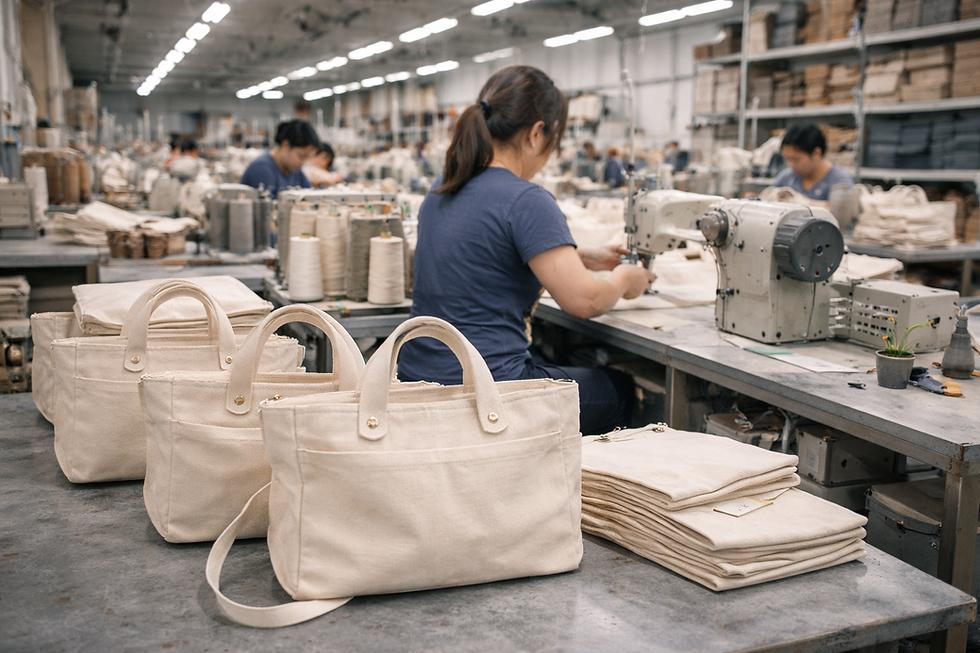
The product details buyers usually notice after sampling
The pictured tote suggests one possible retail carry-bag construction; confirm its actual material and dimensions from the product specification.
It features:
- Rectangular body
- Flat bottom
- Open top
- Reinforced edge finishing
- Short carry handles
- Contrast trim design
At first glance, these details may seem decorative.
They are not.
A flat base may help a filled bag stand, depending on its dimensions, material and contents.
Edge binding changes the appearance and should be checked for neatness on the sample.
A defined structure may suit a retail program that needs shape retention.
Compare these details against the desired appearance and the filled-bag test.
Cotton vs jute: choosing the right material for the market
Cotton and jute are both considered for reusable-bag projects, but material choice does not by itself establish an environmental claim.
But they create different impressions.
Cotton shopping bags
Depending on weave, weight and finish, a cotton sample may offer:
- Softer touch
- Cleaner appearance
- Print suitability to test on the selected fabric
- Wider lifestyle appeal
Common markets:
- Fashion
- Beauty
- Bookstores
- Boutique retail
- Corporate gifting
Jute shopping bags
Jute can provide a different texture and visual style.
Its texture is typically more visibly coarse than a smooth cotton sample.
The appearance is more rustic.
Its structure depends on weave, weight, backing and bag construction.
Common markets:
- Organic products
- Food brands
- Farm shops
- Natural lifestyle retailers
Comparison:
| Feature | Cotton Tote | Jute Tote |
|---|---|---|
| Touch | Soft | More textured |
| Appearance | Clean and modern | Natural and rustic |
| Printing | Usually easier | Depends on surface |
| Structure | Flexible | More rigid |
| Brand Image | Lifestyle focused | Natural-texture positioning without unverified eco claims |
Neither material is automatically better.
The right choice depends on the customer experience you want to create.
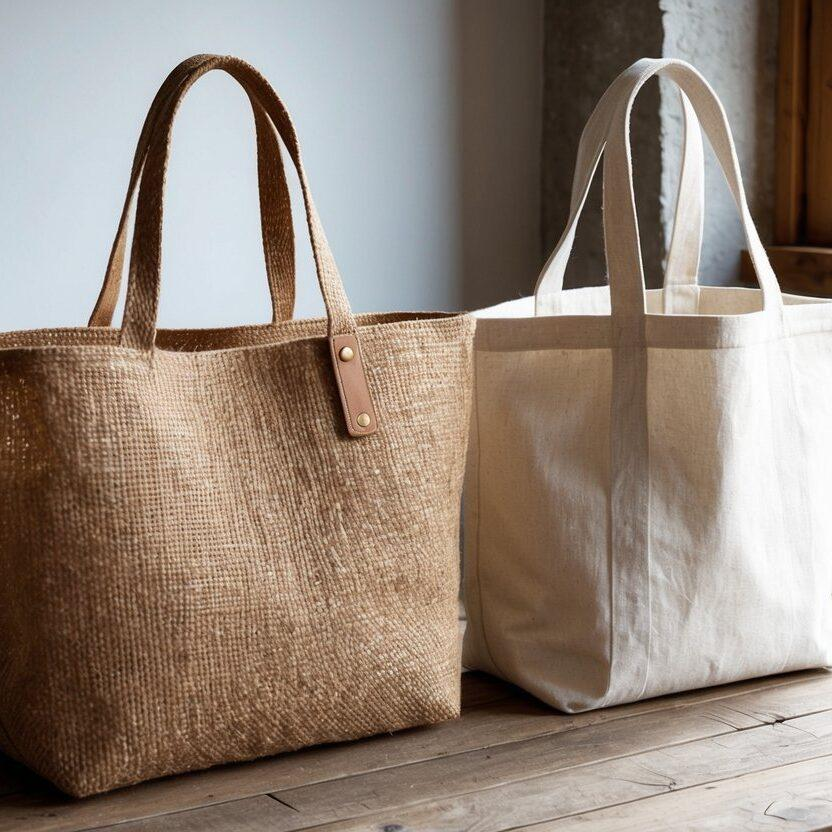
Where custom jute shopping bags fit into sourcing decisions
Some brands choose custom jute shopping bags because the material itself communicates something.
The texture becomes part of the design.
The visible texture may suit product lines such as:
- Organic product lines
- Seasonal gift programs
- Premium food packaging
- Eco-focused campaigns
However, buyers should avoid assuming that a natural appearance automatically means better sustainability.
If environmental claims are important, confirm the actual material information and certifications separately.
What professional buyers check before placing bulk orders
Experienced buyers usually start with the end use.
Not the logo.
Not the color.
The use case comes first.
A simple checklist:
| Area | Questions to Ask |
|---|---|
| Material | Does it match the target market? |
| Size | Will customers actually use it? |
| Handles | Are they comfortable and strong? |
| Bottom | Does it carry enough volume? |
| Printing | Is the logo suitable for the surface? |
| Packaging | Is shipping efficient? |
A giveaway bag and a retail product may look similar.
They do not necessarily need the same specification.
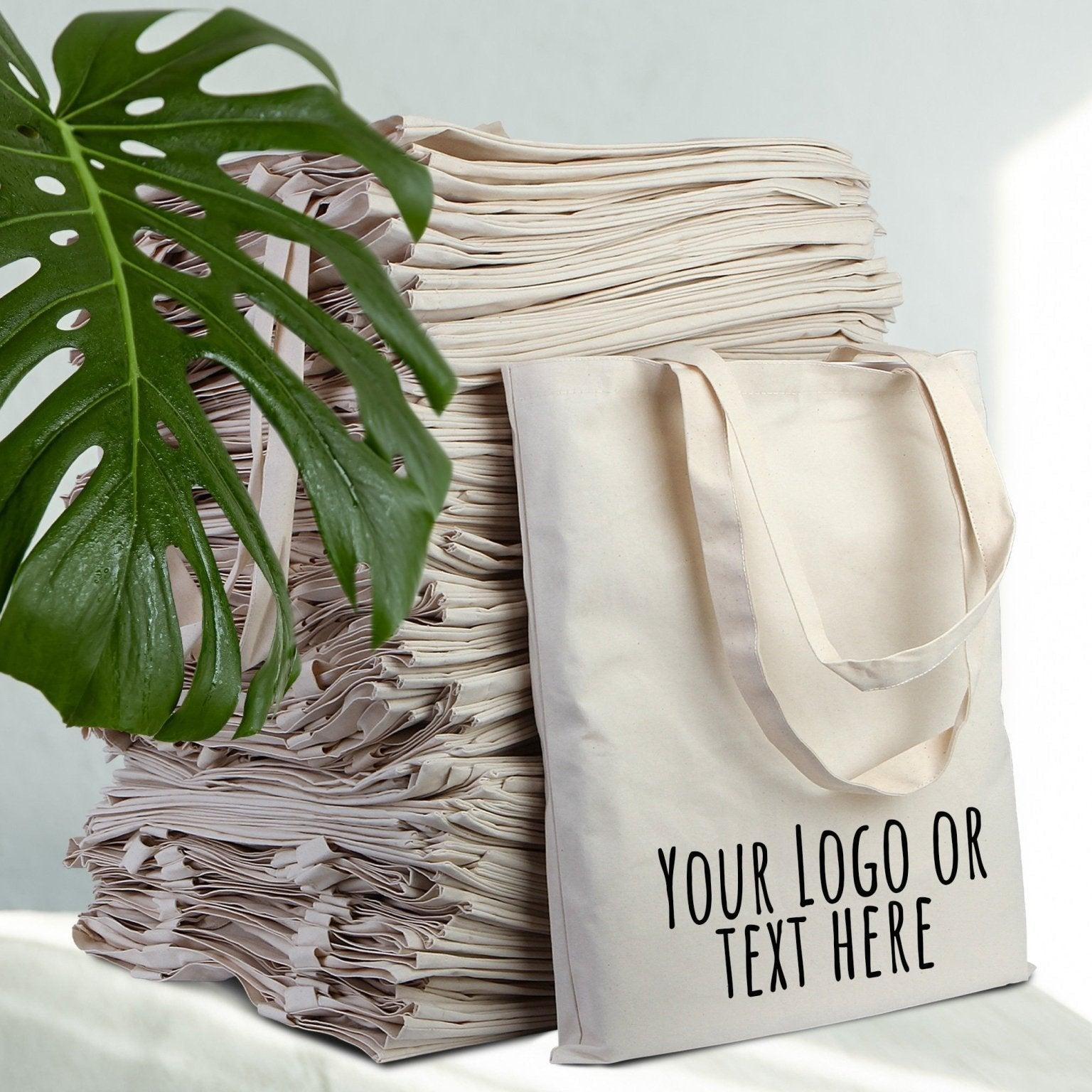
Why structure matters more than many buyers expect
A soft tote can look attractive in photos.
But customers experience the bag differently in real life.
They notice:
- Does it collapse immediately?
- Does it sit properly when placed down?
- Does it feel comfortable when carried?
A gusset or flat bottom changes usable volume and how the filled bag behaves.
It changes how the bag behaves.
Ask for a filled sample before deciding whether structure is needed.
Common mistakes when sourcing cotton shopping bags
Mistake 1: Choosing based only on appearance
A sample photo cannot show everything.
Buyers should check:
- Fabric weight
- Stitching
- Handle attachment
- Print quality
A photograph cannot prove batch consistency; approve a physical reference and inspection criteria.
Mistake 2: Adding too many design details
It is easy to keep adding:
- Extra colors
- Special trims
- Complicated printing
But every additional feature affects:
- Cost
- Production time
- Quality control
Consider whether each added detail improves the approved design enough to justify its cost and control requirements.
Mistake 3: Forgetting storage and shipping
Reusable bags are physical products.
The final cost includes more than the factory price.
Buyers should consider:
- Carton size
- Warehouse space
- Shipping volume
Request carton dimensions, packing count and total quotation scope before evaluating landed cost.
Who controls the custom tote program
For brands ordering customized bags, manufacturing support matters.
A complete project may involve:
- Material selection
- Sample development
- Logo testing
- Production control
- Packaging arrangement
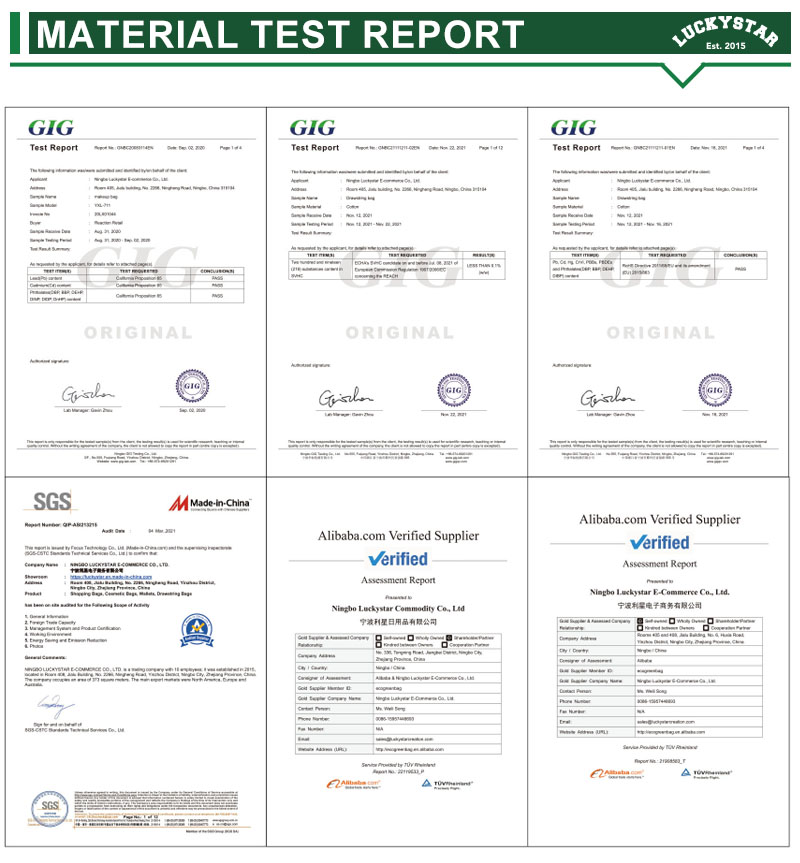
Luckystar's public shopping-bag category offers possible bag formats. Confirm the contracting seller, actual production and inspection sites, material specification and order-specific capability in writing.
When specifications change, record who approves the new sample, price and schedule; do not infer that the seller owns the production site from a website description.
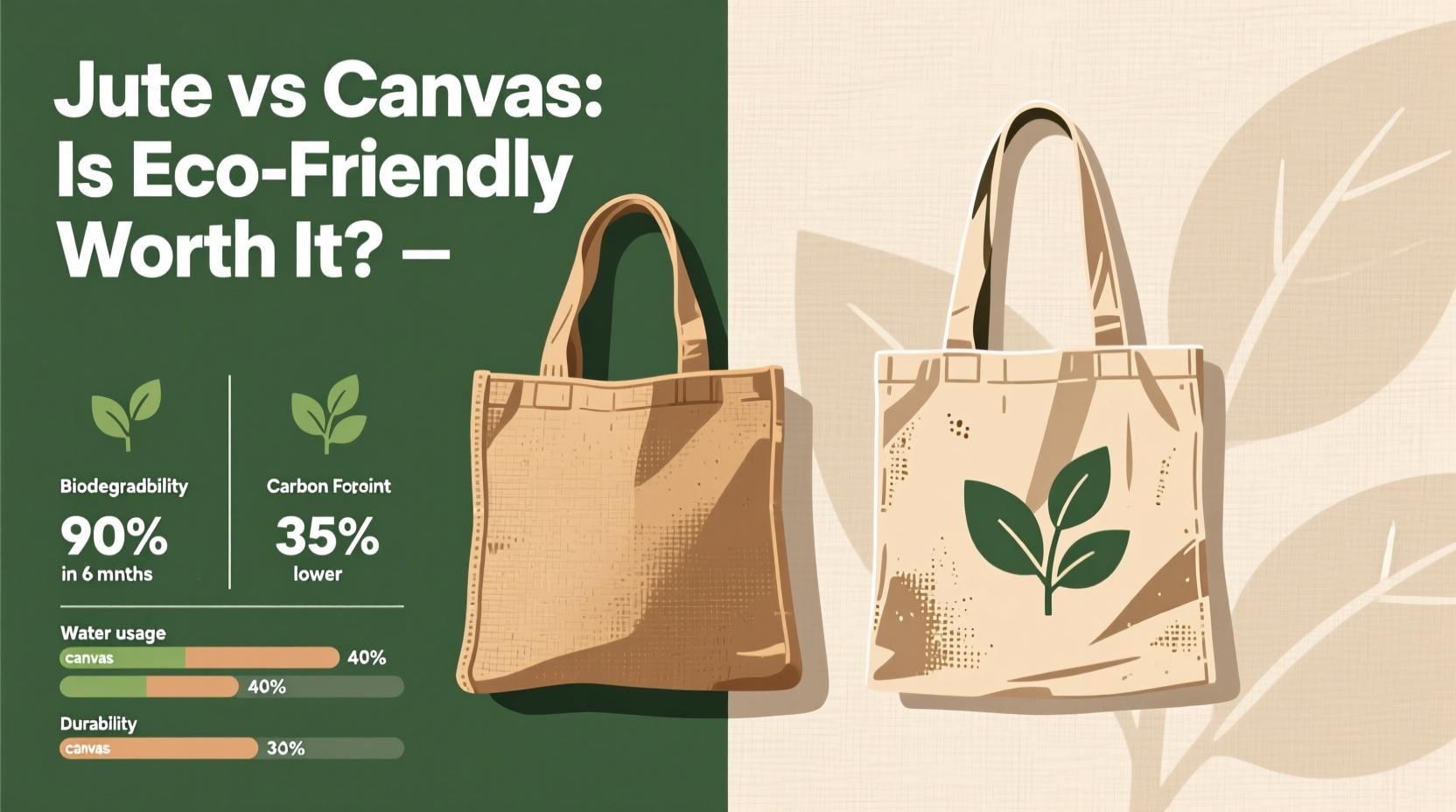
Buyer checklist before approving production
Before confirming a wholesale order:
| Item | Confirm |
|---|---|
| Fabric | Cotton/jute material details |
| Size | Finished dimensions |
| Handle | Length and reinforcement |
| Method and position | |
| Sample | Final approval |
| Packing | Shipping requirements |
| Timeline | Production schedule |
A written specification, retained sample and agreed inspection plan reduce ambiguity in the order.
Cotton tote RFQ and sample gate
Use one brief for all shortlisted vendors: intended contents and load; finished width, height and gusset with tolerance; confirmed cotton composition and fabric weight convention; weave and color; handle material, length and attachment; print method and artwork; quantity by size and color; packing, destination and target date. If jute is an alternative, request a separately specified jute sample and quote rather than treating the materials as equivalent.
Fill the sample with the intended merchandise. Check carrying comfort, handle attachment, seams, base behavior, logo appearance and any care or wash claim relevant to the product. Agree inspection criteria, retained sample, substitution rules, MOQ by variant, sample/setup costs, freight terms and quote exclusions before bulk approval.
Send a cotton-tote brief and review shopping-bag formats. Material availability, price and delivery are subject to specification and written confirmation.
FAQ
Are cotton shopping bags suitable for retail packaging?
Cotton can suit retail programs when the finished construction, print and carrying load meet the approved brief; do not assume every cotton bag will be reused.
What is the difference between cotton and jute shopping bags?
The samples may differ in hand feel, surface texture, structure and print behavior. Compare the specified weave, weight and finish rather than the material names alone.
Can cotton shopping bags be customized with logos?
Possible methods include printing, transfer, embroidery or labels; approve the artwork on the actual fabric and confirm logo rights.
Are reusable cotton bags considered eco-friendly?
“Reusable” describes an intended use, not a measured environmental result. Any organic, recycled or lower-impact claim needs applicable evidence for the specific material, product and target market.
How do buyers choose the right shopping bag supplier?
Look for manufacturing experience, customization ability, quality consistency, and clear communication.
Final Thoughts: The bag is simple. The decision behind it is not.
Cotton shopping bags continue to appear in sourcing meetings because they solve a practical problem.
They are useful.
They are customizable.
If retained and carried, they may continue to display a brand message.
But successful sourcing is not just about finding a cheap reusable bag.
It is about matching:
- Material
- Construction
- Design
- Customer expectations
Compare the same specified use, construction, sample, inspection and delivery scope before selecting a quote.

Product-scope check: Luckystar shopping-bag category, reviewed September 21, 2026. This buyer guide does not establish the composition or performance of a pictured bag, a specified factory's ownership, or an environmental benefit. Confirm the approved material and sample, claim evidence and image/artwork rights for the actual order.
Send a cotton shopping-bag brief
Include the intended contents and load, finished size, composition and fabric weight, handles, logo artwork, quantity by variant, packing, destination and requested date. Ask for a swatch, filled sample, written specification and comparable quote.
Use the website contact form or email a project brief. The email link opens a prefilled draft for your review before sending.
Seller, production site, material claims, logo rights, MOQ, price, inspection and delivery are subject to order-specific evidence and written confirmation.

Related sourcing guides






