
Buyer quick answer
“Clear canvas makeup bag” is a search phrase, not a complete material specification. Confirm whether the design uses mesh, a sheer woven textile, a coated textile, or canvas with a separate transparent window. Then specify fiber, weight, opening, lining, zipper, decoration and loaded use before comparing bulk prices.
Scope: This guide focuses on textile-based visible or semi-transparent makeup pouches. For fully transparent sheet constructions or leather-look trim, use a separate clear-panel pouch specification.
Developing a semi-transparent makeup pouch? Send the intended contents, visibility level, textile direction, size, artwork and quantity split. Request the exact material name and a filled sample.
Define visibility and privacy before selecting fabric
Some projects need customers to identify the contents immediately; others only need a light, airy look while keeping labels or personal items less visible. State what should be visible, under what lighting and from what distance. A product photograph cannot define that requirement because lighting, filling and color change the effect.
Test the pouch with the actual assortment or dimensionally accurate stand-ins. Check whether labels, caps, brushes and color cosmetics show as intended. If leakage or contamination is a concern, remember that open mesh and thin fabric do not provide containment by themselves.
Separate four possible material routes
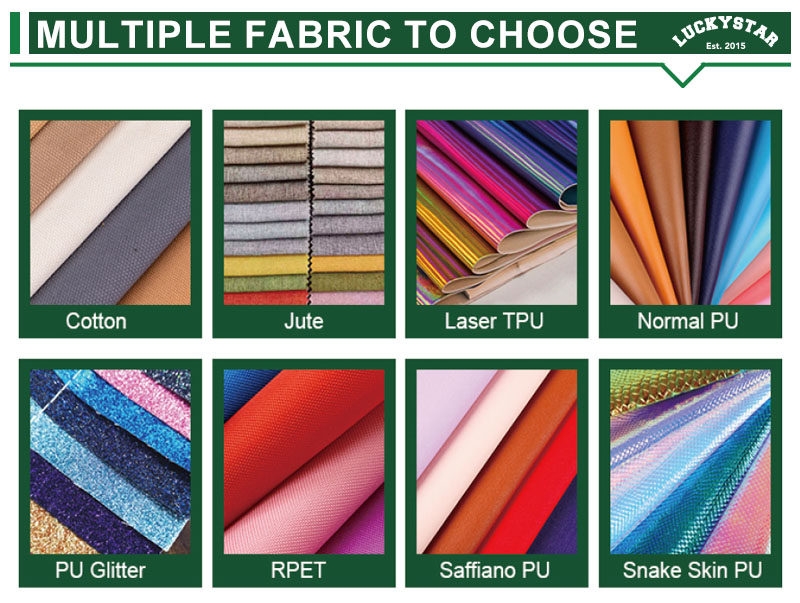
- Open mesh: specify fiber, knit or weave, aperture, stretch direction and edge containment.
- Sheer textile: specify fiber, fabric construction, weight, translucency, fray control and snag risk.
- Coated textile: identify both base cloth and coating, plus hand feel, fold marks and decoration compatibility.
- Canvas with a clear window: specify canvas and window as separate materials, including the join, corner reinforcement and surface protection.
Do not approve a generic “clear canvas” line in the bill of materials. The actual construction and sample should control the order.
Fit the bag around the contents and opening
Provide the largest and smallest product dimensions, expected loaded weight and required clearance. Define finished size, gusset, usable internal space, zipper opening and whether the user must reach bottles or brushes without scraping them along the fabric or window. A pouch can meet its flat dimensions and still be difficult to fill.
Choose a flat, gusseted or structured form by testing it filled and closed. If the product must stand for retail display, approve that behavior with the intended payload; a photograph of an empty sample is insufficient.
Check textile edges, zipper and lining together
Light or open textiles can distort at seams and zipper tape. Agree the seam type, allowance, binding, thread, top reinforcement and zipper-end construction. Inspect the pouch both empty and loaded for puckering, fraying, open seams, zipper drag and loss of usable height.
A lining can improve presentation or containment but changes transparency, capacity, cost and sewing operations. Specify whether lining is full, partial or omitted. Any cleanability, washability, water-resistance or load claim needs a test that matches the finished bag and intended use.

Approve branding on the real textile
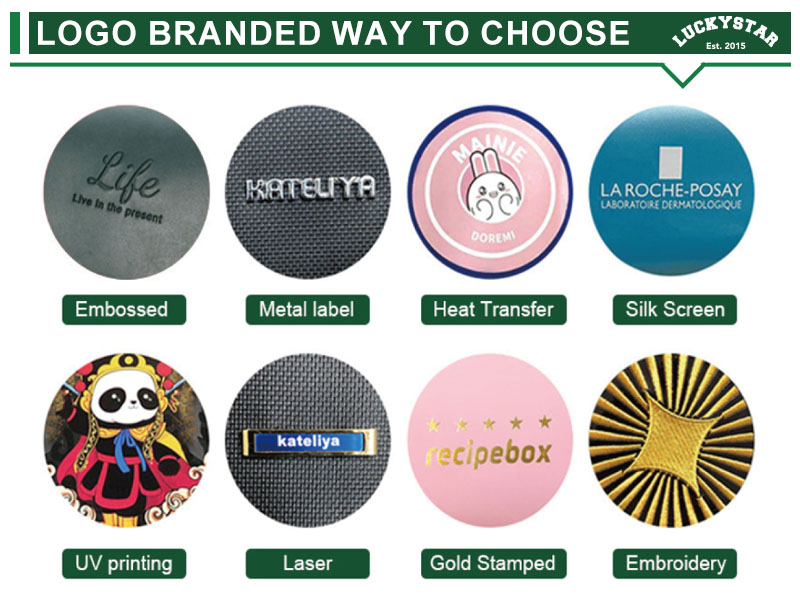
Open or sheer material may not hold a direct print as expected. Compare a compatible print area, solid band, patch, woven label or other proposed method. Approve the strike-off on production-intent material for color, legibility, adhesion, hand feel and distortion when the pouch is filled.
Record artwork revision, dimensions, position and tolerance. If third-party logos appear in samples or photos, manufacturing permission and public website permission must be checked separately.
Break a bulk order into real configurations
List units by material, color, size, zipper, artwork and pack SKU. Ask whether MOQ applies to each configuration, a shared textile lot or the total. Separate sample, setup, decoration, testing, individual pack and freight assumptions. This prevents a low headline price from hiding version-specific charges.
Identify the legal seller, textile source, actual sewing and decoration sites, inspection party and final packer. “Direct factory” or OEM/ODM wording does not prove ownership of every site. Ask who approves substitutions and how a material or production-route change will be reported.
Use a sample-to-bulk release plan
Retain the approved material swatch, zipper/trim card and finished decorated sample. Record fiber and construction, weight or other agreed measure, color and visibility reference, dimensions, zipper action, seams, artwork and packing. Approve first output before the bulk run where appropriate.
Final inspection should use the same specification and sample, plus quantity and carton checks. If fold marks, snagging or surface scuffs matter, include the agreed viewing method and a representative packed-unit review.
Semi-transparent pouch comparison matrix
| Decision | Specify | Verify |
|---|---|---|
| Visibility | Required view/privacy, light and filled state | Filled sample under agreed conditions |
| Textile | Fiber, construction, weight, aperture/coating, color | Material swatch and order-level records |
| Build | Usable size, seams, binding, zipper and lining | Filled opening and handling trial |
| Branding | Method, solid area, artwork and rights | Strike-off on actual material |
| Bulk route | Version quantities, maker, inspection and pack | Written MOQ, quote and release plan |
Frequently asked questions
Is clear canvas a standard fabric?
No single composition follows from that term. Ask whether the proposal is mesh, sheer or coated textile, or canvas combined with a separate clear window.
Can the bag contain cosmetic leaks?
Do not assume it can. Open mesh and many textiles allow liquid through; any containment claim requires a relevant finished-bag construction and test.
Which logo method works on sheer fabric?
It depends on the textile and artwork. Compare a direct method with a solid panel, label or patch, then approve a strike-off on the actual material.
What should a bulk quote include?
Include quantity by configuration, material, construction, decoration, sample, testing, inspection, packing, currency, delivery basis and schedule.
Related sourcing guides
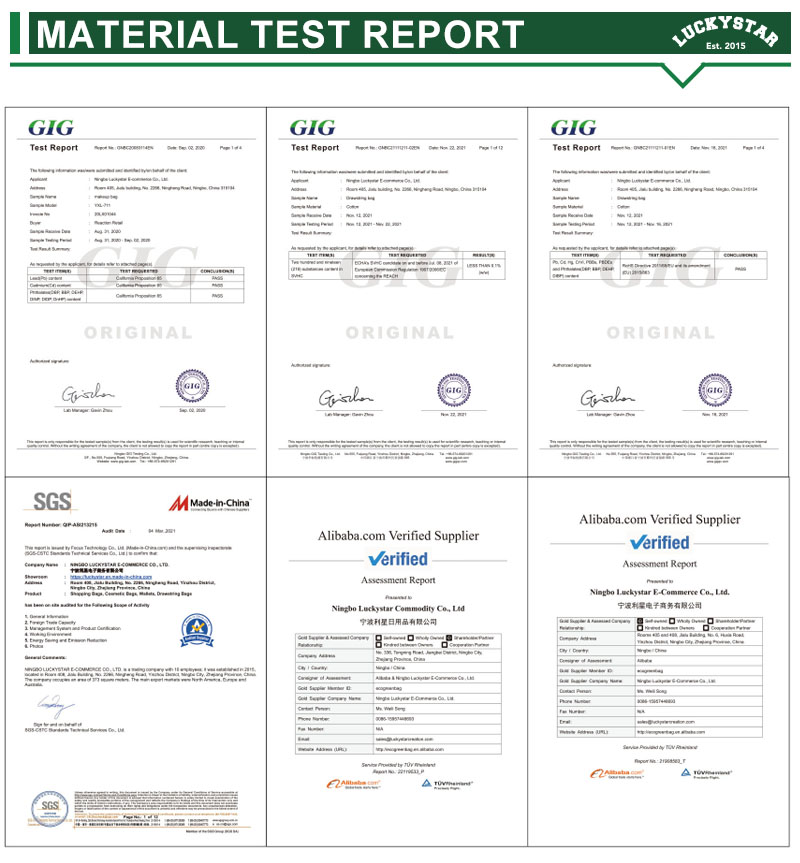
Source and scope: Luckystar custom cosmetic-bag category and official contact page, checked September 21, 2026. These establish category and inquiry routes, not a confirmed “clear canvas” material, production site, performance, availability or image rights. Existing article images are illustrative.
Request a semi-transparent makeup-pouch quote
Send contents, visibility goal, exact textile direction, usable size, zipper/lining, artwork, quantity matrix, packing, destination and date. Request a material swatch, filled sample, actual maker, inspection plan and itemized quote.
Use the website contact form or email a prefilled textile-pouch brief. Review the draft before sending.
Material claims, rights, MOQ, price, capacity and delivery require order-specific evidence and written confirmation.






