
Buyer quick answer
A bulk custom shopping-bag program for retail, events and branding should separate the shared core specification from channel variants. Control contents/load, material, usable size, handles, artwork versions, quantities, packing, allocation and release dates in one program matrix.
Scope: A shared bag can reduce complexity only when use, load, presentation and timing align. MOQ, price, material claims and delivery remain configuration-specific.
Planning one bag across several channels? Send the core specification, channel variants, artwork matrix and destination releases for a program review.
Separate core and channel requirements
| Layer | Typical shared fields | Possible variants |
|---|---|---|
| Core bag | Material, base size, handles and construction | Load, closure, pocket or reinforcement |
| Brand | Master logo and color standards | Campaign, sponsor, language and date |
| Pack | Basic fold and master carton | Retail label, event kit or gift insert |
| Release | Inspection standard and files | Destination, carton marks and in-hand date |

Validate each channel's use case
Retail checkout emphasizes pack speed, product fit, store allocation and replenishment. Events emphasize version control, kitting and hard dates. Brand merchandise or gifting may require higher presentation, labels and individual packing. Test each distinct workflow.
Do not force one construction across incompatible loads or presentation needs. A shared material can still support controlled size or artwork variants.
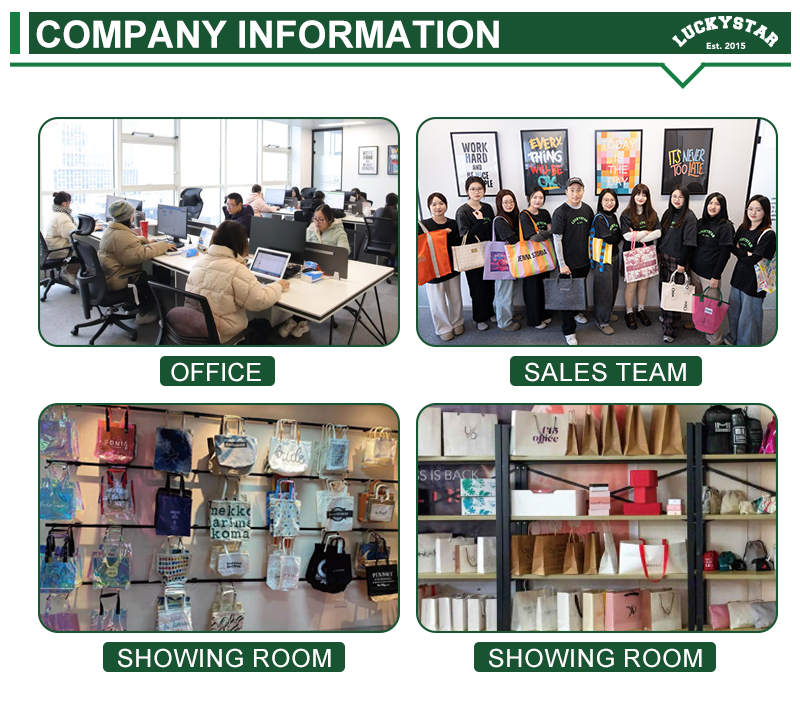
Freeze a measurable core specification
Define material composition/construction, weight or thickness method, finished and usable size, opening, gusset, handles, seams/joins, reinforcement, closure and tolerances. Provide the contents and target load for the most demanding approved use.
Any reuse, environmental, water or load claim needs separate evidence for the exact bag. The core specification should not contain unverified marketing adjectives.

Build an artwork and version register
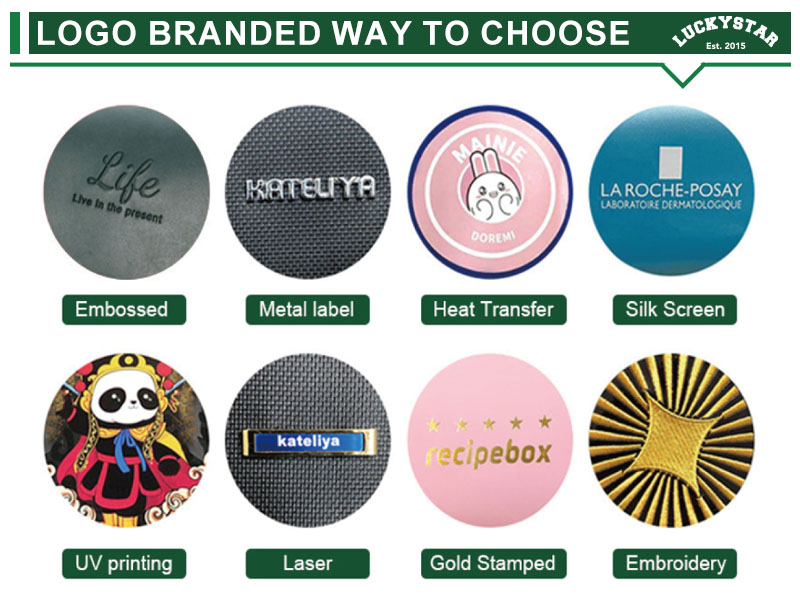
Assign each released artwork a version, channel, language, dimensions, placement, color standard, quantity and destination. Mark shared setups and separate setup/MOQ lines. Keep old files withdrawn but traceable.
Approve decoration on production material and review registration, coverage, legibility, placement and handling. Require written approval for file or material substitutions.
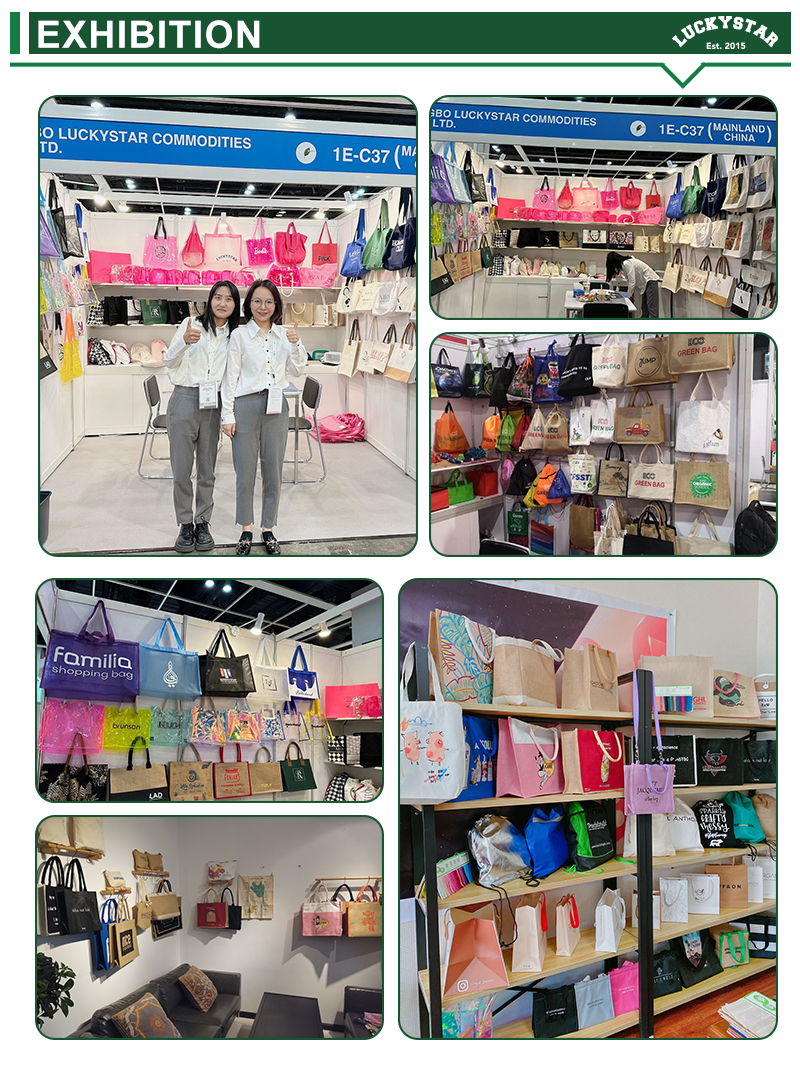
Plan quantities by configuration
A large total order may contain small sub-runs by bag size, body color, handle, artwork, print colors, labels, pack and destination. Ask for MOQ and setup for every line, and identify which inputs can genuinely be shared.
Use a release forecast rather than assuming all units should ship together. Record replenishment and change assumptions for retail while protecting event dates.

Control kitting, cartons and allocation
Define fold, unit pack, insert, label, kit components, inner/master carton quantity, maximum carton weight and destination marks. Run an actual pack-out and reconcile counts before shipment.
For multi-destination programs, use a carton allocation list linked to artwork/SKU versions. This reduces relabeling and fulfillment errors after arrival.
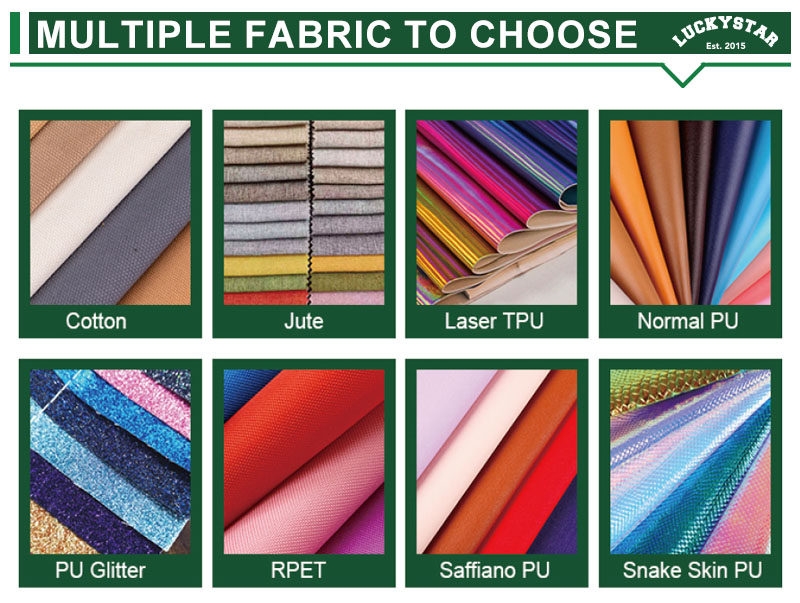
Multi-channel release matrix
| Gate | Control | Record |
|---|---|---|
| Core | Specification, filled sample and load method | Approved master version |
| Variant | Artwork, labels and channel pack | SKU/version matrix |
| Quality | First output, inspection and remedies | Release/inspection report |
| Distribution | Kit, cartons, allocation and dates | Pack-out/allocation list |
| Commercial | MOQ/setup, basis, validity and changes | Dated itemized quote |
Frequently asked questions
Can one bag serve retail and events?
Yes when contents, load, presentation and dates align. Otherwise use controlled variants.
Does a large total quantity remove all MOQs?
No. Material, size, color, artwork and pack sub-runs can still have separate setup or minimums.
How should late artwork changes be handled?
Use a documented change request that states affected files, samples, cost, scrap, schedule and destination.
What should be retained for reorders?
Keep master specification, samples, artwork register, color references, inspection, pack-out and allocation records.
Related sourcing guides
Source and scope: Luckystar custom shopping-bag category and linked sourcing guides, checked September 21, 2026. They are format and process references, not proof of material claims, factory ownership, fixed MOQ, price, capacity or delivery. Existing article images are illustrative and still require topic-relevance and publication-rights review.
Request a multi-channel shopping bag program review
Send the core specification, channel use cases, artwork/version matrix, quantities, kitting, inspection, destination allocation, delivery basis and release dates.
Use the website contact form or email a prefilled program RFQ. Review the draft before sending.
Material, claims, MOQ, price, availability, capacity and delivery are subject to specification and written confirmation.






