Buyer quick answer
Choose a branded cosmetic-bag distributor by the controls it can document across the whole program: legal seller and production roles, product and artwork versions, material and zipper evidence, SKU/lot traceability, channel allocation, inspection, packing, replenishment and corrective action.
Role boundary: “Distributor,” “factory-direct,” “OEM” and “ODM” labels do not prove ownership, manufacturing origin, design rights, stock or quality control. Ask who performs and accepts responsibility for each step.
Building a branded cosmetic-bag program? Send the market/channel plan, bag specification, artwork register, SKU quantities and replenishment needs for a distributor-route review.
Map roles before comparing offers
- Legal seller and contracting entity.
- Material supplier, maker and decorator.
- Inspector, packer and document owner.
- Exporter, importer of record and stockholder.
- Channel allocator, local fulfiller and returns/corrective-action owner.
A distributor can coordinate several functions, but the buyer still needs written visibility into the proposed route and responsibility boundaries.
Freeze the bag and kit specification
List the intended beauty products with dimensions, orientation and filled weights. Define finished and usable pouch dimensions, outer/lining/interlining, seams, zipper system, handles or loops, tolerances, decoration, labels, unit packing and cartons.
Approve a production-representative filled sample. Record every open difference if an early sample uses alternate material, zipper, color, print or packing.
Run an artwork and claim register
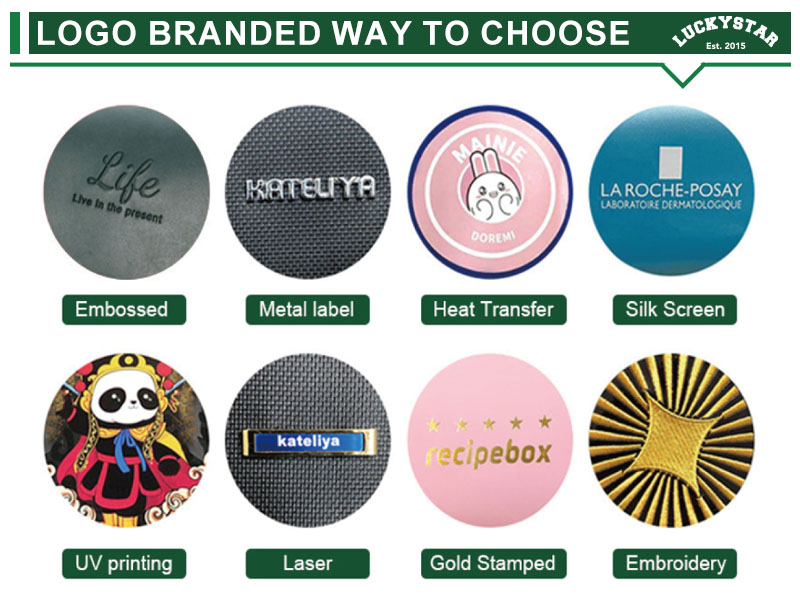
For every market and channel, record artwork file/version, language, logo size/position, color reference, print process, SKU, quantity and approval date. Link the bag version to the artwork version so an old logo cannot be paired with a new construction.
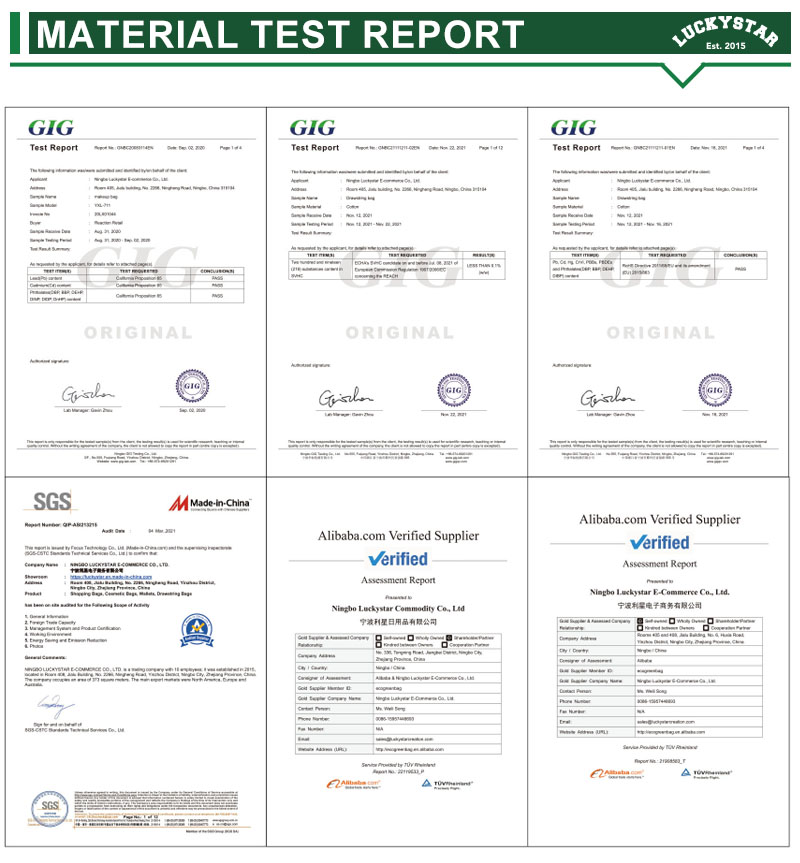
Map material, performance or environmental claims to applicable evidence and destination review. A distributor's generic certificate or catalogue statement does not automatically cover the ordered product.
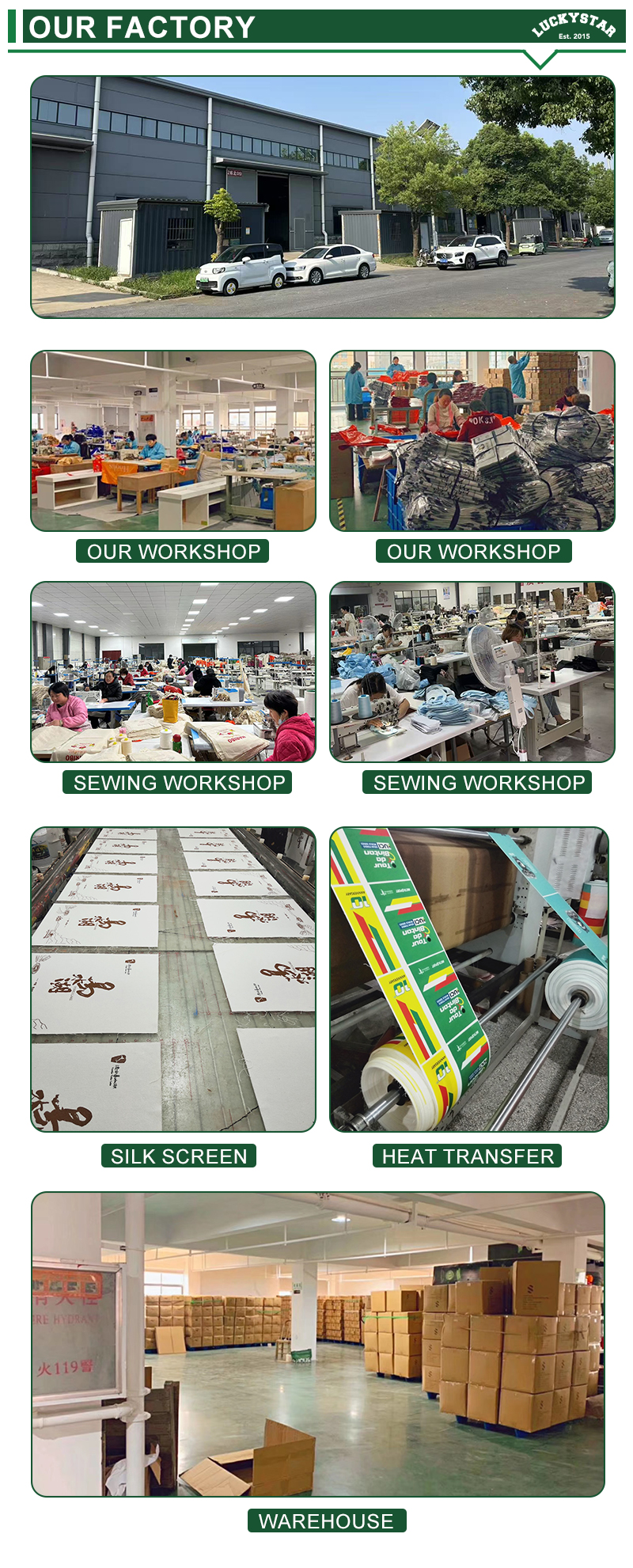
Control SKUs, lots and channel allocation
Use unique identifiers for size, color, material, zipper, artwork, label and pack format. Record production or stock lot and quantity released to each destination. Define overrun, underrun, mixed-carton and substitution rules.
When several channels launch together, reconcile ordered, produced, inspected, packed, dispatched and received quantities. This prevents a short allocation from being hidden by the total program quantity.
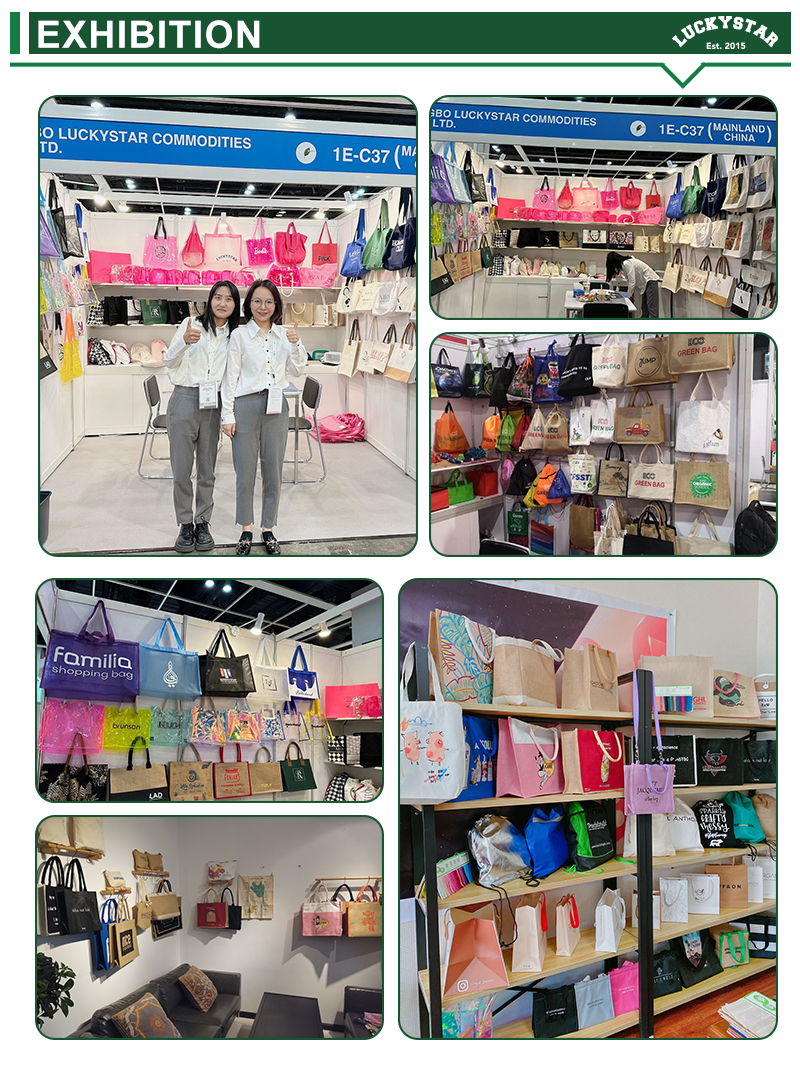
Audit inspection and release evidence
Define checks for materials, usable dimensions, zipper operation, seams, logo execution, cleanliness, color/shade range, SKU/label accuracy, unit packing and cartons. Agree sampling or inspection level, defect definitions and release authority before production.
Ask how nonconforming goods are segregated, reworked and re-inspected. Keep reports tied to the correct product, artwork and lot versions.
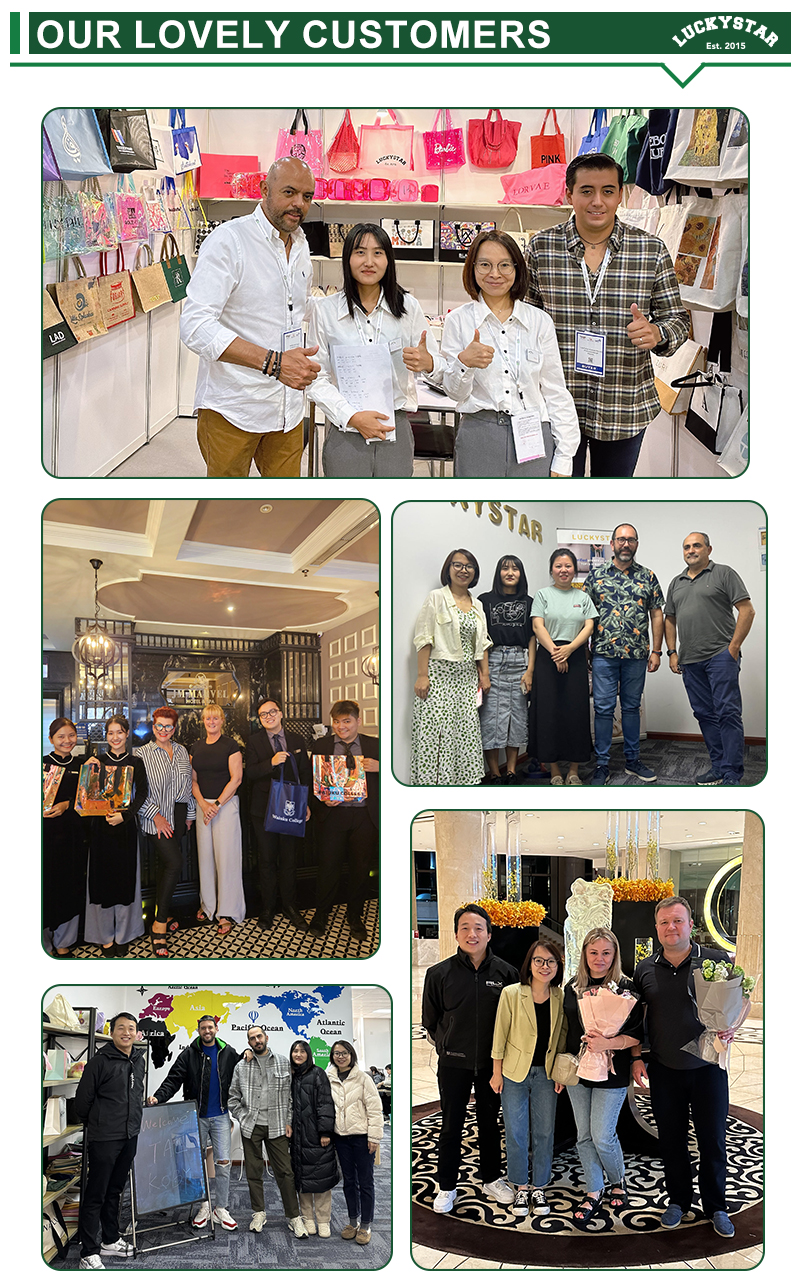
Test the replenishment route
A distributor may offer stock or consolidated ordering, but availability and repeatability require evidence. Record reserved stock lot, reorder trigger, replenishment lead-time gates, minimums and allowed substitutions.
For new production, capture material booking, sample or first-output approval, inspection and transit stages. Compare total program cost, inventory exposure and service responsibilities, not only unit price.
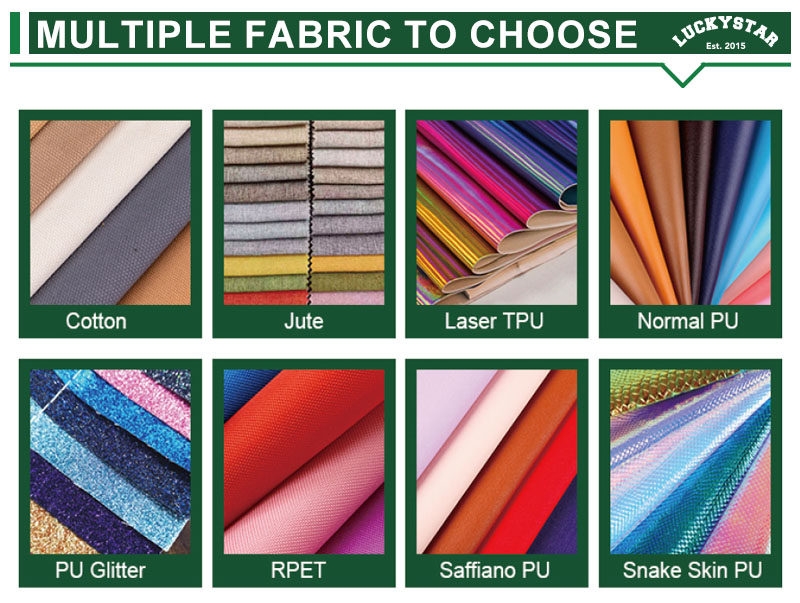
Branded cosmetic-bag distributor scorecard
| Gate | Distributor response | Release evidence |
|---|---|---|
| Roles | Seller through fulfilment responsibilities | Written route map |
| Product | Bag, kit, artwork and claim versions | Approved sample/register |
| Allocation | SKU/lot quantities by channel | Reconciliation record |
| Quality | Inspection, release and corrective action | Lot-linked report |
| Replenishment | Stock/new run, triggers and substitutions | Written supply plan |
Frequently asked questions
Is a distributor always a local stockholder?
No. Confirm the stock location, ownership, exact lot, reserved quantity and fulfilment route.
Does OEM mean the seller owns the factory?
No. Ask who makes, decorates, inspects and packs the proposed order.
What is needed for multiple markets?
Use controlled artwork, claims, labels, SKU and pack versions for each market, with approvals and allocations recorded.
How should reorders be controlled?
Compare the new lot against the approved master specification and sample, then document any material, zipper, artwork, shade or packing change.
Related sourcing guides
Source and scope: Luckystar custom cosmetic-bag category and linked sourcing guides, checked September 21, 2026. They are format and process references, not proof of distributor stock, factory ownership, origin, design rights, certification, product claims, fixed MOQ, price, capacity or delivery. Existing article images are illustrative and still require topic-relevance and publication-rights review.
Request a branded cosmetic-bag distributor review
Send the markets/channels, kit and bag specification, artwork/claim register, SKU quantities, allocation, inspection, packing, replenishment and delivery needs.
Use the website contact form or email a prefilled distributor-program RFQ. Review the draft before sending.
Roles, stock, material, claims, MOQ, price, availability, capacity and delivery are subject to specification and written confirmation.