
Buyer quick answer
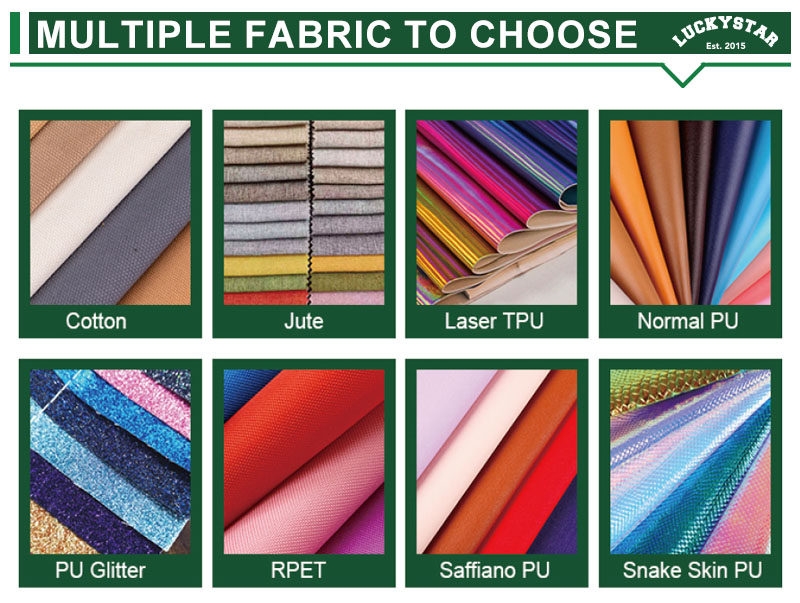
“Burlap,” “hessian” and “jute-look” are not sufficient material specifications. Confirm the exact fiber composition, weave/construction, weight method, finish, shedding, odor, color transfer, usable size, cord/channel, seams, blank markings, later decoration and packing.
Contact boundary: A natural appearance does not prove jute, food-contact suitability, scratch protection, cosmetic-contact suitability, biodegradability, compostability, organic content or any broader environmental benefit.
Sourcing blank burlap-style pouches? Send the exact material, packed item, contact sensitivity, blank definition, logo process and quantities for a bulk review.
Replace appearance words with a material identity
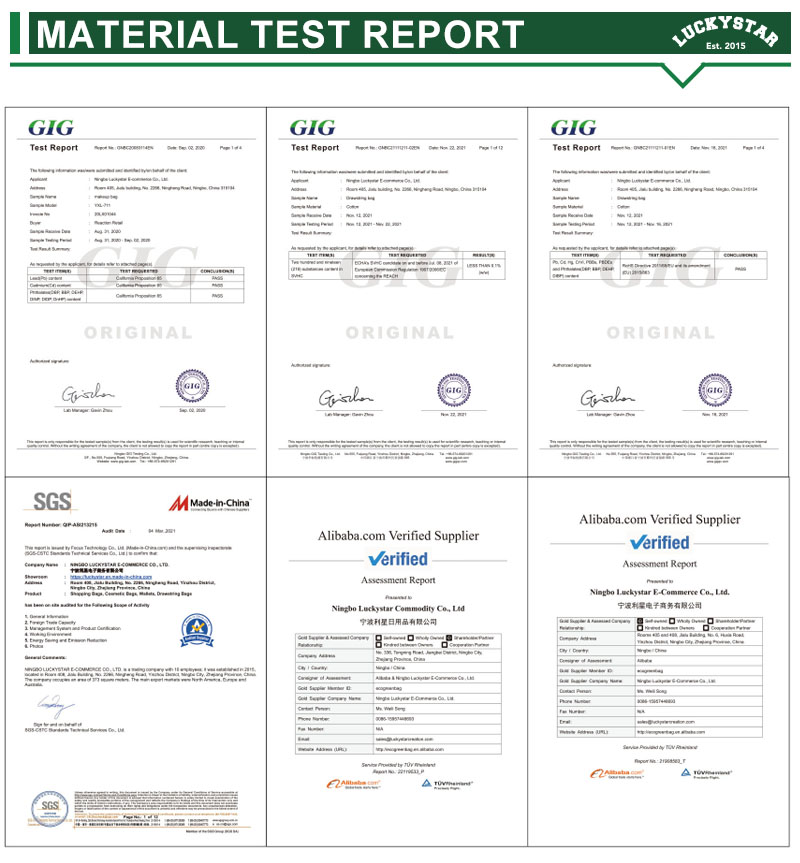
- Exact fiber composition and supporting declaration/test scope.
- Woven construction, weight method/tolerance, yarn or mesh character.
- Natural, dyed, bleached, laminated or coated finish.
- Approved shade, hand feel, odor and shedding range.
- Any backing, lining, interlining, label or surface treatment.
A coarse tan weave may be jute, another bast fiber, cotton, synthetic, a blend or a laminate. Verify rather than infer.
Fit and close around the real product
Measure the product, card, insert or inner pack. Specify finished outside size, usable height below the channel, opening and tolerances. Load and close the pouch to check cord action, seam stress and whether small items can escape.
For delicate surfaces, jewelry, cosmetics or food-related contents, use an appropriate inner barrier, sleeve, lining or box where needed. The outer pouch alone should not be assumed to provide contact or contamination control.
Control shedding, odor and transfer
Define practical checks for loose fiber/dust, odor, dye or finish transfer, abrasion and cleanliness. Evaluate the main fabric, seams, cord and any printed area after representative packing and handling.
Set an agreed acceptance method and sample reference. “Natural material” is not a waiver for uncontrolled debris, strong odor or staining.

Specify cord, channel and seams
Record cord composition, diameter, color, ends, closure direction and pull; channel width and position; seam type, allowance and reinforcement; and any lining or turned edge. Inspect symmetry and usable opening, not only flat dimensions.
If the pouch carries weight or hangs by the cord, define a relevant handling or pull check with the actual contents.
Define blank status and decoration
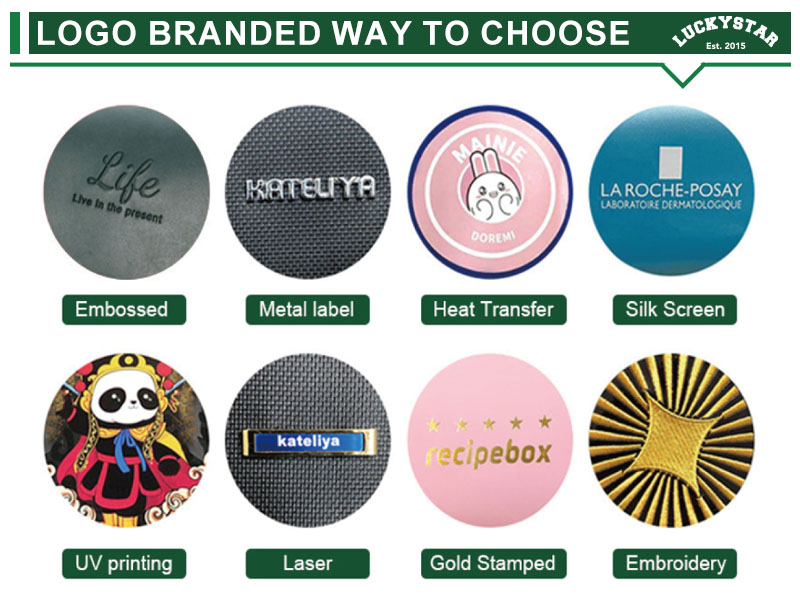
State whether supplier logos, origin/care labels, size marks, traceability or packaging labels are allowed. “No front print” and “no visible marks” are different requirements.
Test screen print, transfer, embroidery, stamp, patch or label on the proposed production material. Coarse weave and loose fibers can change edge definition, ink coverage, adhesion and stitches. Record the approved lot and process settings.
Audit the supply route and bulk release
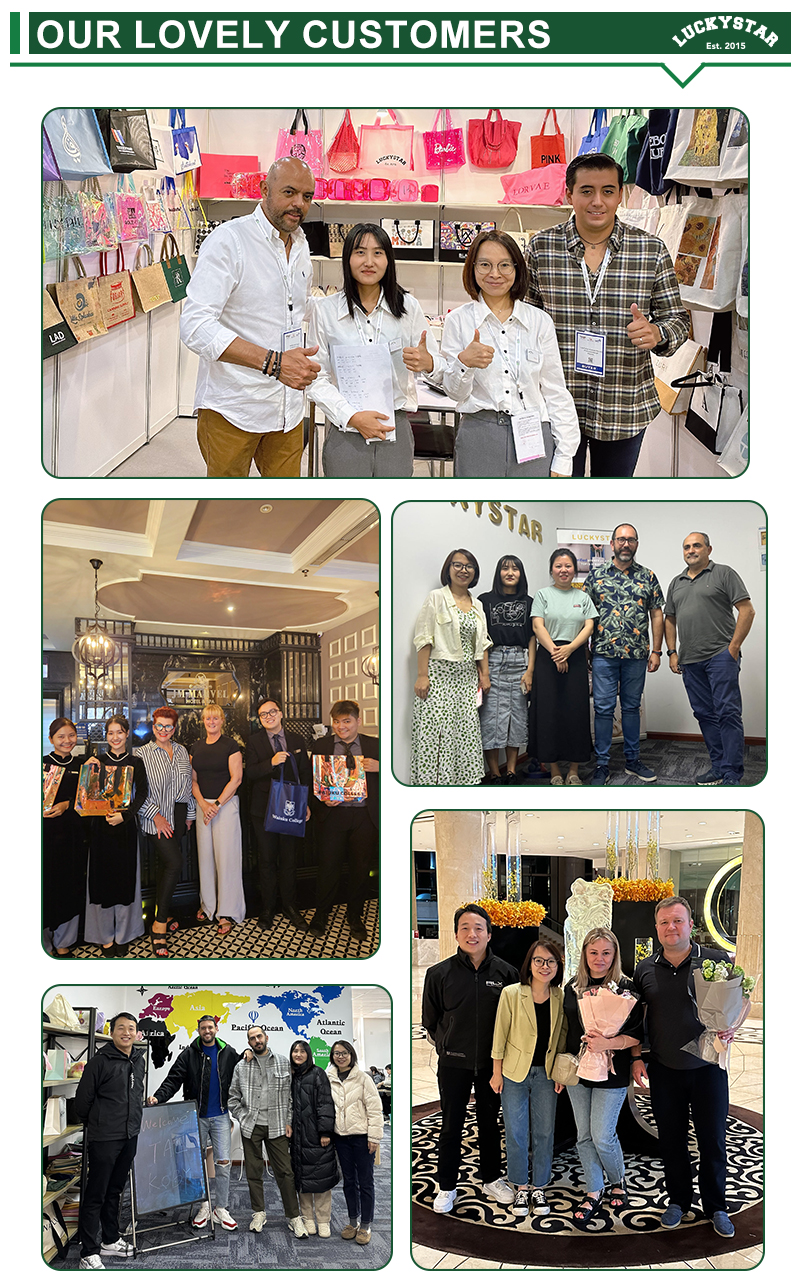
Identify the legal seller and roles for material sourcing, cutting/sewing, decoration, inspection and packing. Factory wording does not prove ownership or control of every step.
For stock, record SKU/lot, quantity, inspection date and replenishment basis. For new production, record input minimums, sample and first output. Require written approval for material, finish, cord, maker or packing substitutions.
Burlap-style pouch release table
| Gate | Approve | Evidence |
|---|---|---|
| Material | Fiber, construction, weight and finish | Declaration/test/reference |
| Fit/contact | Item, usable space and inner barrier | Filled/contact trial |
| Cleanliness | Shedding, odor, transfer and abrasion | Defined practical checks |
| Blank/logo | Allowed marks and later process | Mark list/decoration trial |
| Bulk | Lot, SKU, inspection and packing | Release/change record |
Frequently asked questions
Are burlap and jute the same?
Burlap or hessian commonly describes a coarse woven fabric, while jute is a fiber. Confirm the actual fiber and construction.
Are natural-fiber pouches food-safe?
Not automatically. Define direct/indirect contact, barrier, destination requirements and applicable evidence.
Can coarse pouches be printed?
Yes when the artwork and process are tested on the actual production weave and finish.
What should bulk inspection cover?
Check material/version, usable dimensions, seams, cord/channel, shedding, odor, transfer, allowed marks, SKU counts, unit packing and cartons.
Related sourcing guides
Source and scope: Luckystar custom drawstring-bag category and linked sourcing guides, checked September 21, 2026. They are format and process references, not proof of jute or other fiber content, food/cosmetic-contact suitability, scratch protection, environmental claims, stock, factory ownership, fixed MOQ, price or delivery. Existing article images are illustrative and still require topic-relevance and publication-rights review.
Request a blank burlap-style pouch review
Send the item/contact sensitivity, exact material, usable size, cord/seams, blank definition, later decoration, SKU quantities, cleanliness checks, inspection, packing and destination.
Use the website contact form or email a prefilled pouch RFQ. Review the draft before sending.
Fiber identity, contact suitability, cleanliness, stock, roles, MOQ, price, availability, capacity and delivery are subject to specification and written confirmation.






