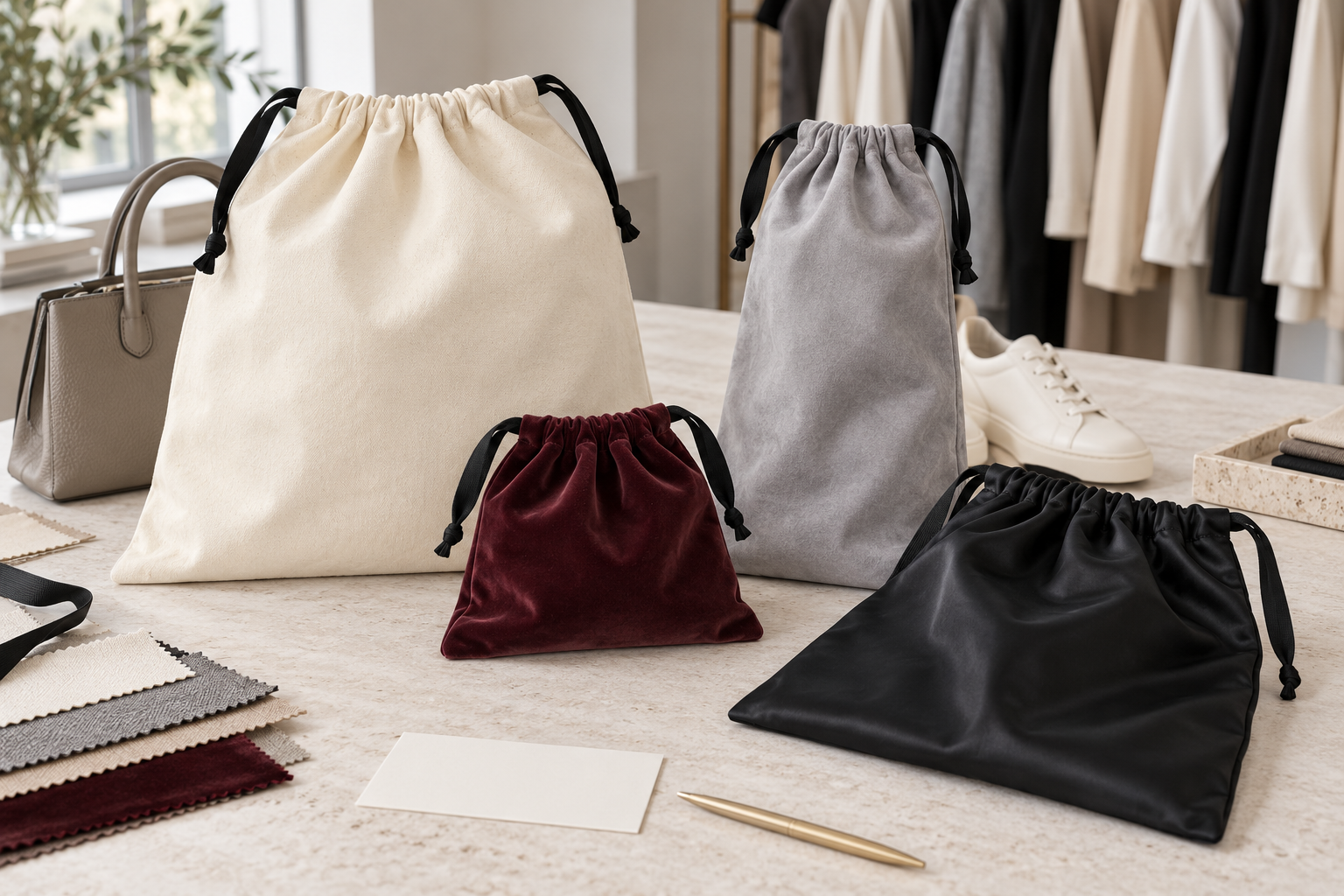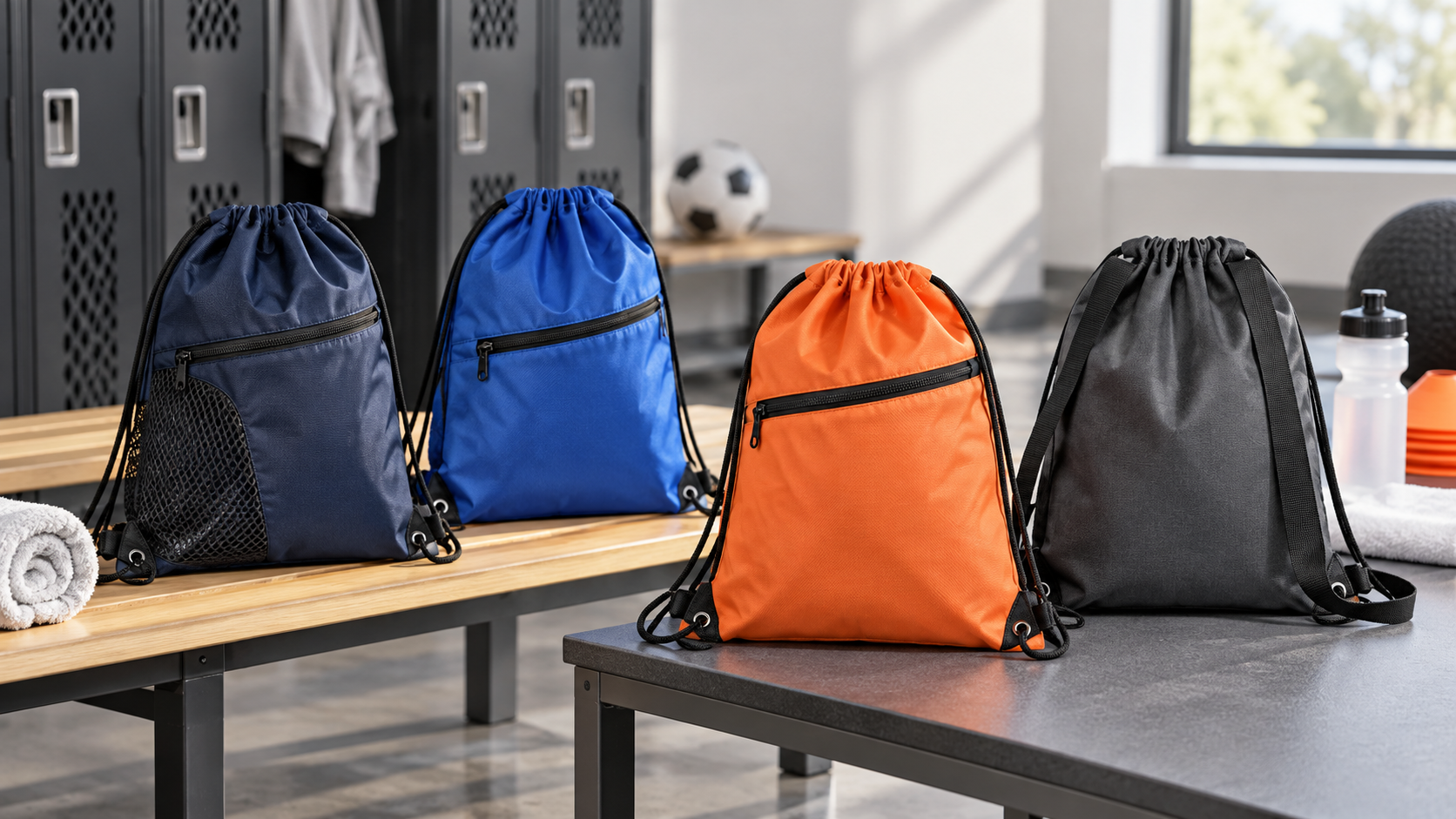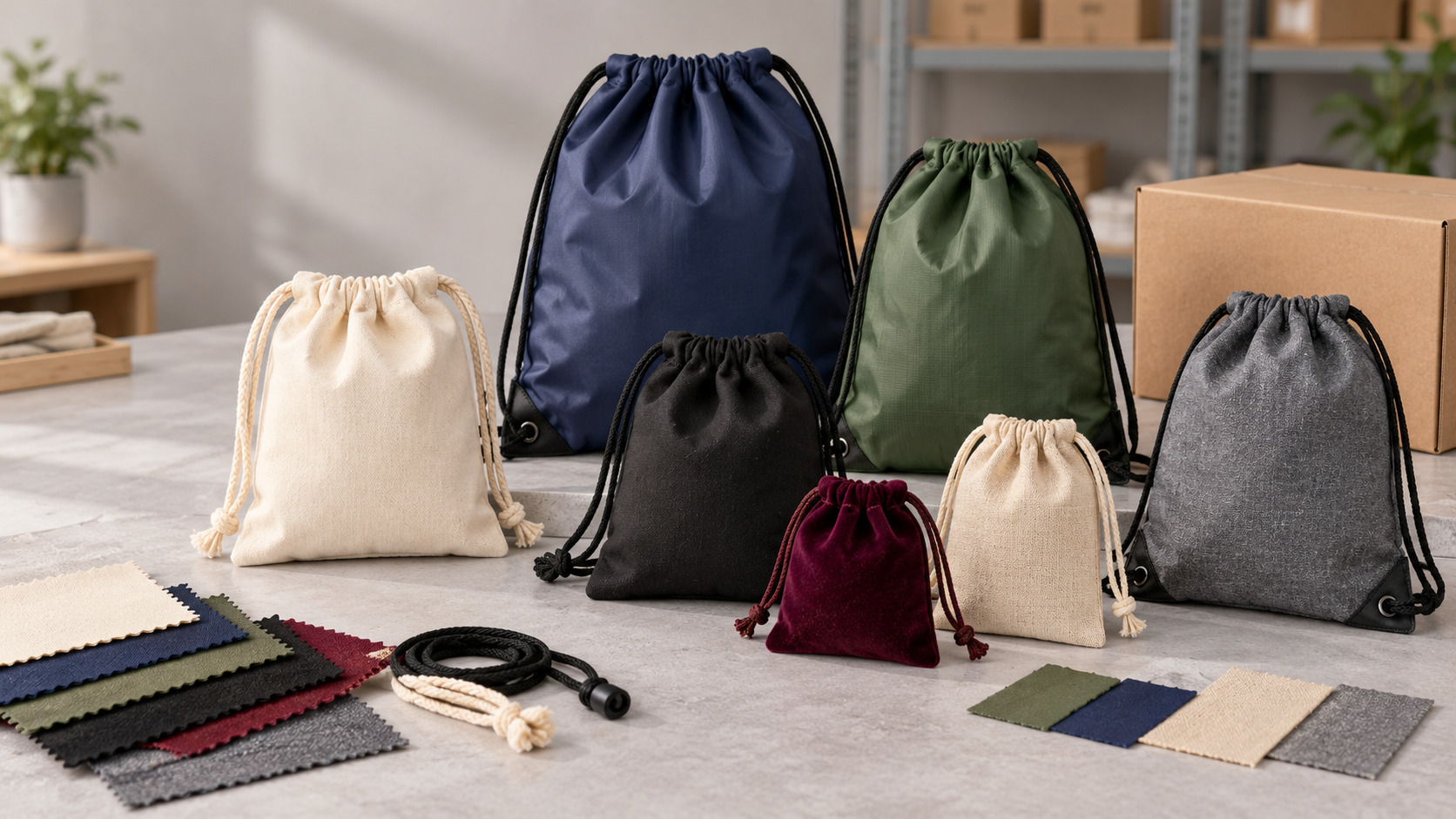
Buyer quick answer
Dust-bag procurement errors usually come from comparing incomplete specifications, approving appearance without product-contact checks, or releasing bulk without a controlled reference. Link each risk to a preventive control and acceptance record.
Page focus: this guide covers procurement mistakes and release controls. The companion dust-bag guide explains product specification in more detail.
Reviewing a dust-bag order? Send the product brief and risk list for a pre-sample review.
Pre-sample procurement brief
- Product in storage state, usable fit, contact surface and top failure risks.
- Every material layer, cord/channel, seams, color and finish.
- Artwork, labels, claims and publication/usage rights.
- Samples, product-contact tests, bulk inspection and change control.
- Quantity/SKUs, unit pack, destination, arrival date and quotation scope.
Mistake 1: buying from a photo and flat size
A photo and width/height do not define usable space, opening clearance, storage state or interaction with handles, hardware and protrusions.
Control: provide the product dimensions, weight and stored configuration. Evidence: a filled, measured sample with the closure in its intended position.
Mistake 2: specifying a material name only
“Cotton,” “non-woven,” “flannel” or “velvet” does not identify fiber, construction, weight basis, face/backing/lining, color or finish.
Control: define every layer and reference. Evidence: approved swatch/material record tied to the final specification.
Mistake 3: assuming softness proves product protection
A soft hand does not rule out lint, particles, rough seams, dye transfer, abrasion or hardware contact.
Control: map the contact surfaces and storage conditions. Evidence: a representative contact/transfer/abrasion check with stated conditions and criteria.
Mistake 4: ignoring usable opening and cord position
A bag can meet dimensions yet be hard to load, or the closed cord and toggle can press against a sensitive item.
Control: specify usable opening, channel, cord exits, hardware and closure position. Evidence: repeated insertion, removal and closure on the filled sample.
Mistake 5: approving artwork on a screen
Texture, pile, heat, stretch and color can change print, transfer or embroidery results.
Control: specify artwork version, method, size, position and color reference. Evidence: strike-off or decorated sample on production-equivalent fabric.
Mistake 6: using unscoped environmental claims
Natural color or a fiber name does not prove organic, recycled, biodegradable, compostable or lower-impact status.
Control: approve exact claim wording, product/material scope, market and evidence. Evidence: current applicable documentation tied to the order.
Mistake 7: comparing unit prices with different scope
Quotations can differ in material layers, cord, decoration, labels, samples, tests, inspection, unit packing, trade term and exclusions.
Control: issue one revision-controlled RFQ. Evidence: an itemized comparison with assumptions and validity.
Mistake 8: treating one sample as proof of bulk consistency
A sample confirms only its recorded materials, process and conditions. Bulk lots can change color, surface, shrinkage, dimensions or decoration.
Control: define incoming, in-process and final checks. Evidence: lot references, inspection records and a controlled pre-production sample.
Mistake 9: allowing undocumented substitutions
Changing fabric, backing, lining, cord, ink, hardware or packing can affect contact, appearance, price and schedule.
Control: require written deviation and change approval before use. Evidence: revised specification, sample impact, quote and schedule record.
Mistake 10: overlooking SKU fragmentation
Multiple sizes, colors, logos, labels or destinations can change setup, minimums, allocation and inspection complexity.
Control: provide quantity by configuration and allowed variance. Evidence: confirmed SKU matrix and packing/allocation plan.
Mistake 11: approving the bag without the final pack-out
Folding, compression, inserts or hardware position can crease artwork, transfer color or put a component against the product.
Control: specify unit-pack sequence, fold, labels and carton conditions. Evidence: a complete packed sample and receiving check.
Mistake 12: planning from a quoted ship date
Materials, samples, revisions, tests, production, inspection, rework, transport and receiving buffer all affect arrival.
Control: schedule backward from the required arrival date. Evidence: dated milestones, approval deadlines and responsibility owners.
Dust-bag procurement risk matrix
| Risk | Preventive control | Release evidence |
|---|---|---|
| Fit/contact | Product state, usable fit and scoped contact checks | Filled tested sample |
| Material/appearance | Layer references, artwork proof and defect limits | Swatches and decorated reference |
| Commercial | One RFQ revision and itemized scope | Assumptions, exclusions and validity |
| Bulk/change | Inspection plan and written substitutions | Lot/check records and change log |
| Delivery | Pack-out, allocation and reverse schedule | Packed sample and dated plan |
Frequently asked questions
What should buyers send before asking for a quote?
Send the product/storage state, usable dimensions, complete material layers, construction, artwork, labels, tests, quantity by SKU, packing, destination, trade term and arrival date.
Can a material sample replace a finished-bag sample?
No. A swatch helps approve material, while a finished sample is needed for fit, contact, closure, seams, decoration and pack-out.
How should a supplier substitution be handled?
Require the proposed change, reason, affected requirements, sample/test evidence, price and schedule impact in writing before approval.
How can repeat orders stay consistent?
Retain the specification revision, material/color references, numbered sample, artwork files, quality records, pack-out and approved changes.
Related sourcing guides
Source and scope: Luckystar custom drawstring-bag category and linked sourcing guides, checked September 22, 2026. They support product and process context; they do not prove product protection, material durability/breathability/environmental performance, brand or customer outcomes, factory/OEM/ODM expertise, fixed MOQ/price/timing or delivery. Two claim-led product links, personal contact details and five legacy body images were removed pending evidence and publication-rights verification.
Request a dust-bag procurement risk review
Send product/storage state, usable fit, material layers, cord/seams, artwork/labels/claims, quantity/SKUs, samples/contact tests/inspection, unit pack, destination, arrival date and quotation scope.
Use the website contact form or email a prefilled risk-review brief. Review the draft before sending.
Materials, construction, contact/protection performance, compliance and claims, artwork/publication rights, business/production roles, MOQ, price, capacity, availability and delivery are subject to qualified review, sample approval, specification and written confirmation.