
Buyer quick answer
For blank canvas jewelry pouches, define canvas by fiber composition, weave/construction and weight measurement—not appearance or the word “canvas.” Approve usable size, opening, cord/channel, seams, item contact, later-decoration process, stock or new-run basis and packing on the same controlled sample.
Protection boundary: A dense or natural-looking canvas pouch does not automatically provide scratch, tarnish, moisture, dye-transfer or transit protection. Test the complete pouch-and-jewelry system.
Planning blank jewelry-pouch inventory? Send the jewelry item, canvas specification, blank definition, downstream decoration and SKU quantities for a bulk-route review.
Define canvas in measurable terms
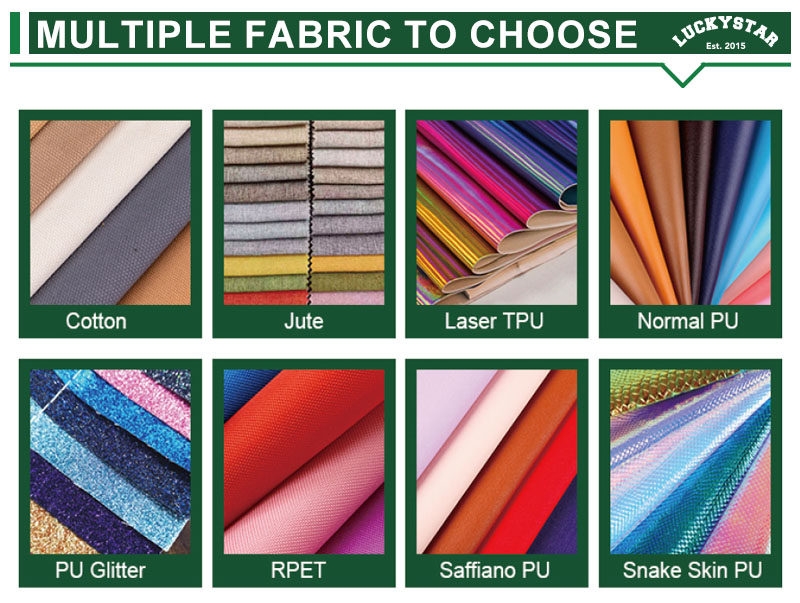
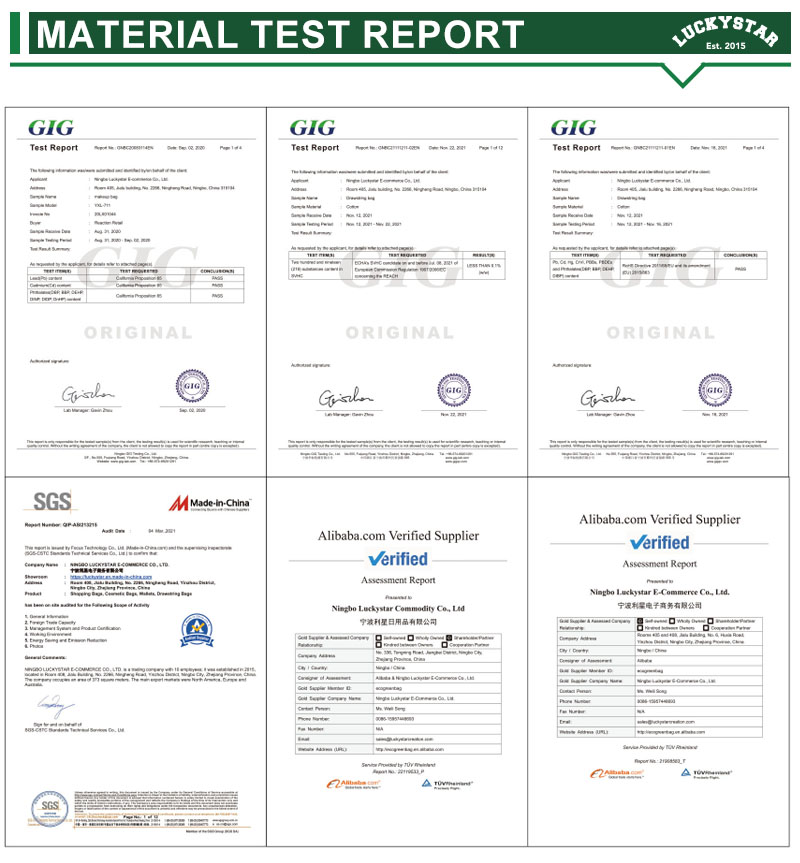
- Fiber composition and supporting declaration or test scope.
- Weave/construction, yarn or surface character, finish and color.
- Weight with unit, test method and tolerance; thickness if functionally relevant.
- Washed or unwashed state and any dimensional-change requirement.
- Approved reference sample and rules for material substitution.
“Canvas,” “cotton canvas” and “natural canvas” should not be treated as interchangeable evidence. Natural color, flecks or a firm hand feel do not prove fiber content, organic status or environmental benefit.
Size the pouch around the complete jewelry set
Measure the item, card, insert, certificate and any sleeve. Specify finished outside dimensions, usable height below the cord channel, opening width and tolerances. Then load and close the proposed pouch with the complete set.
Check whether the opening accepts the item without scraping, whether cord pressure contacts a delicate surface and whether small components can migrate through gaps. A nominal flat size alone cannot answer these questions.
Match construction to the item
Specify seam type and allowance, reinforcement, turned edges, cord material and diameter, cord ends, channel position and closure direction. If a lining, divider or insert is required, treat it as part of the approved bill of materials.
Canvas can be firmer and more textured than a lightweight plain-weave pouch. For polished, plated, coated or stone-set jewelry, assess contact with the actual finish. Use an inner sleeve, lining or rigid box if testing shows the pouch alone is insufficient.

Set contact and appearance checks
Define relevant lint, loose fiber, abrasive contact, dye or finish transfer, odor and cleanliness checks. Evaluate the main fabric, seams, cord and any label or downstream print. Run the check after representative packing and handling, not only on an unused flat sample.
Anti-tarnish, moisture-barrier or protective claims require separate evidence for the stated material system, item and conditions. Do not infer those functions from canvas weight or weave density.
State exactly what “blank” allows
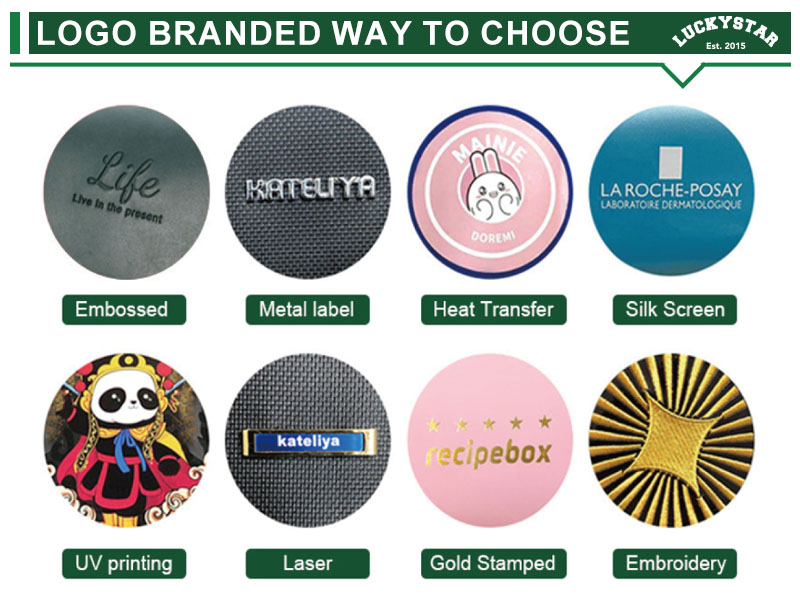
List whether supplier branding, size marks, country-of-origin marks, care labels, traceability codes or packaging labels are permitted. “No front logo” is not the same as a completely unmarked product.
For downstream printing, transfer, embroidery, stamping or labels, provide the decorator's process conditions. Test artwork size, position, color, adhesion or stitch behavior, show-through and distortion on the proposed production fabric and finish.
Separate stock purchasing from a new production run
For stock, record the exact SKU, material lot, available and reserved quantities, inspection date and replenishment basis. For new production, document MOQ and setup by size and color, sample stages, material approval, first-output approval and bulk inspection.
Identify the legal seller and the parties responsible for material sourcing, cutting/sewing, decoration, inspection and packing. Factory language or a marketplace label does not establish ownership or production origin.
Blank canvas jewelry-pouch release table
| Gate | Approve | Evidence |
|---|---|---|
| Canvas | Fiber, weave, weight, finish and color | Declaration/test and reference sample |
| Fit | Usable size, opening, item and insert | Filled closure trial |
| Contact | Surface, lint, transfer and cleanliness | Item-specific contact check |
| Blank/conversion | Allowed marks and later process | Mark list and decoration trial |
| Bulk | Lot, SKU counts, inspection and pack | Release record |
Frequently asked questions
Does canvas mean cotton?
No. Canvas describes a fabric construction in common trade use, while fiber composition must be stated and supported separately.
Does heavier canvas protect jewelry better?
Not automatically. Weight may affect structure and hand feel, but contact, movement, closure and the complete packaging system determine the relevant result.
Can blanks be decorated after purchase?
Yes when the actual production lot and finish are proven compatible with the downstream process.
What should bulk inspection cover?
Check approved material/version, finished and usable dimensions, seams, cord/channel, cleanliness, allowed marks, SKU counts, unit protection and cartons.
Related sourcing guides
Source and scope: Luckystar custom drawstring-bag category and linked sourcing guides, checked September 21, 2026. They are format and process references, not proof of fiber composition, organic or recycled status, contact suitability, scratch/tarnish/moisture protection, stock, factory ownership, fixed MOQ, price or delivery. Existing article images are illustrative and still require topic-relevance and publication-rights review.
Request a blank canvas jewelry-pouch review
Send the jewelry item and finish, usable size, canvas composition/construction/weight, cord and seams, blank definition, later decoration, quantities, contact checks, inspection, packing and delivery request.
Use the website contact form or email a prefilled canvas-pouch RFQ. Review the draft before sending.
Material, contact suitability, protection, stock, MOQ, price, availability, capacity and delivery are subject to specification and written confirmation.






