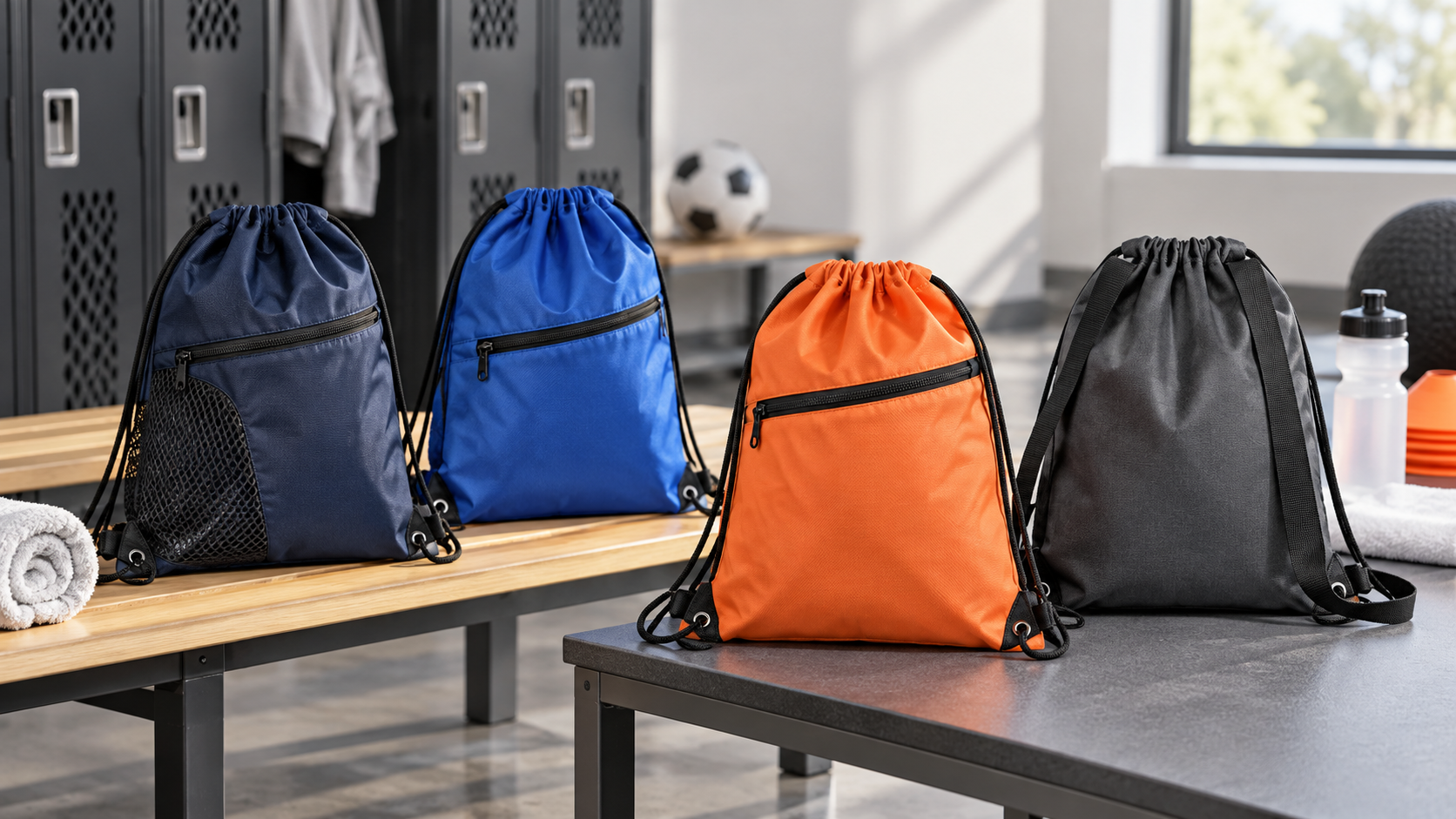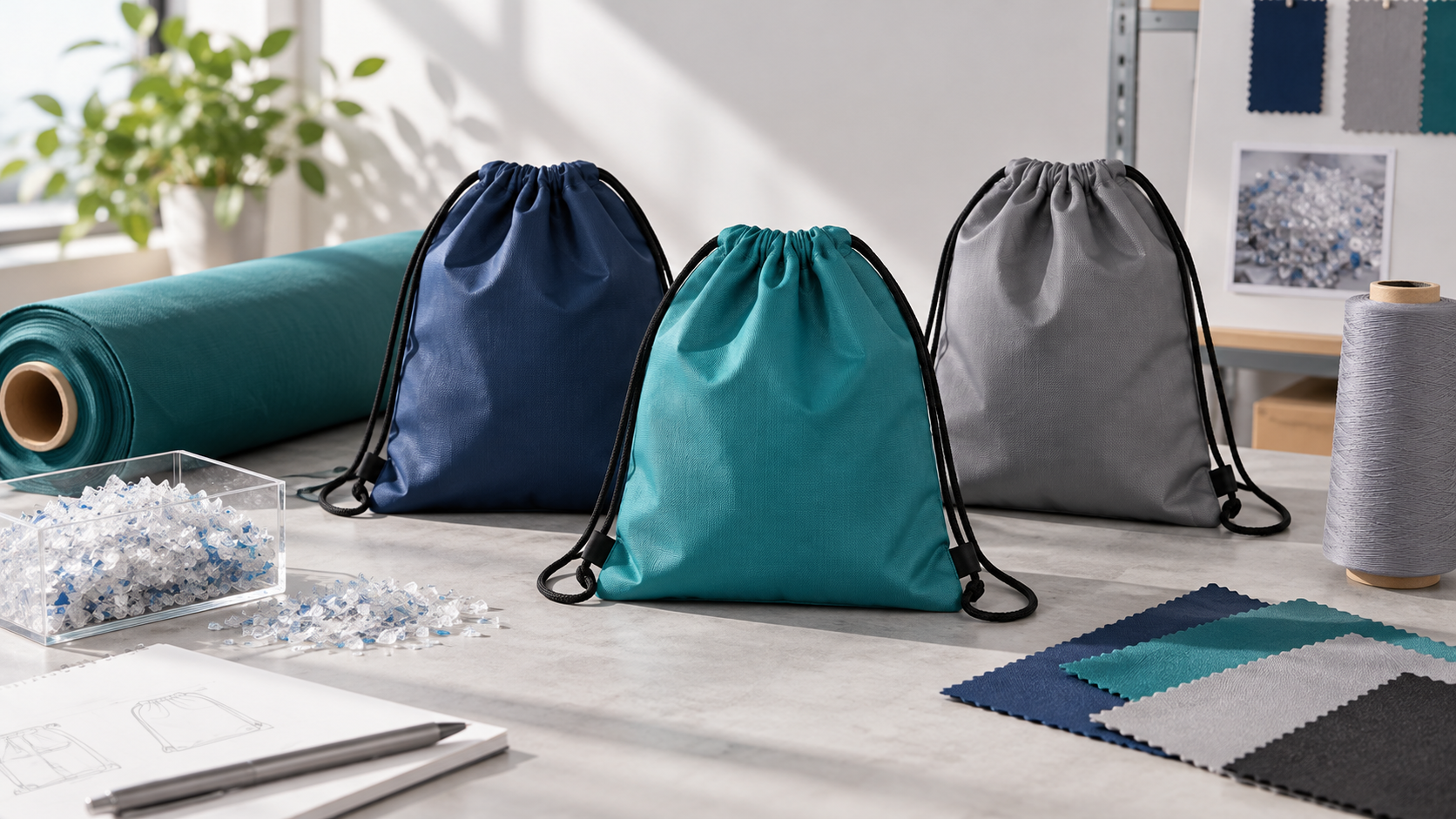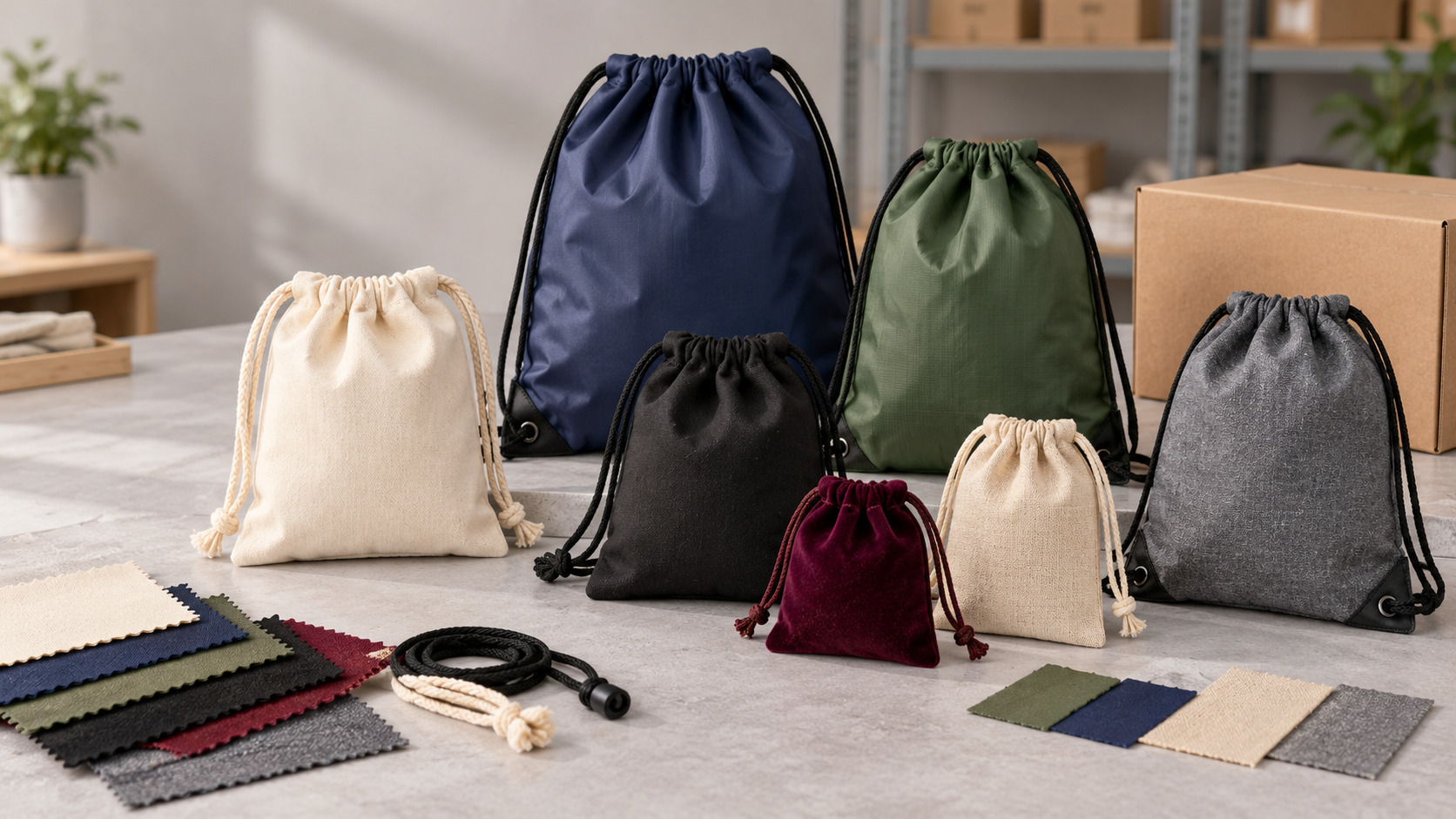
Bio-Based, Biodegradable and Compostable Shopping Bags Explained
Last reviewed: September 16, 2026
Bio-based, biodegradable and compostable are not three ways to say the same thing. Bio-based describes where some or all of a material's carbon comes from. Biodegradable describes a biological breakdown process under defined conditions. Compostable describes a more specific end-of-life claim that must meet criteria for biodegradation, disintegration and compost quality in a named composting system.
That distinction matters when specifying custom shopping bags. A bag can be bio-based but not biodegradable, biodegradable but not suitable for home composting, or industrially compostable while containing fossil-derived inputs. None of these labels, by itself, proves that the finished bag is the best environmental option for a particular retail programme.
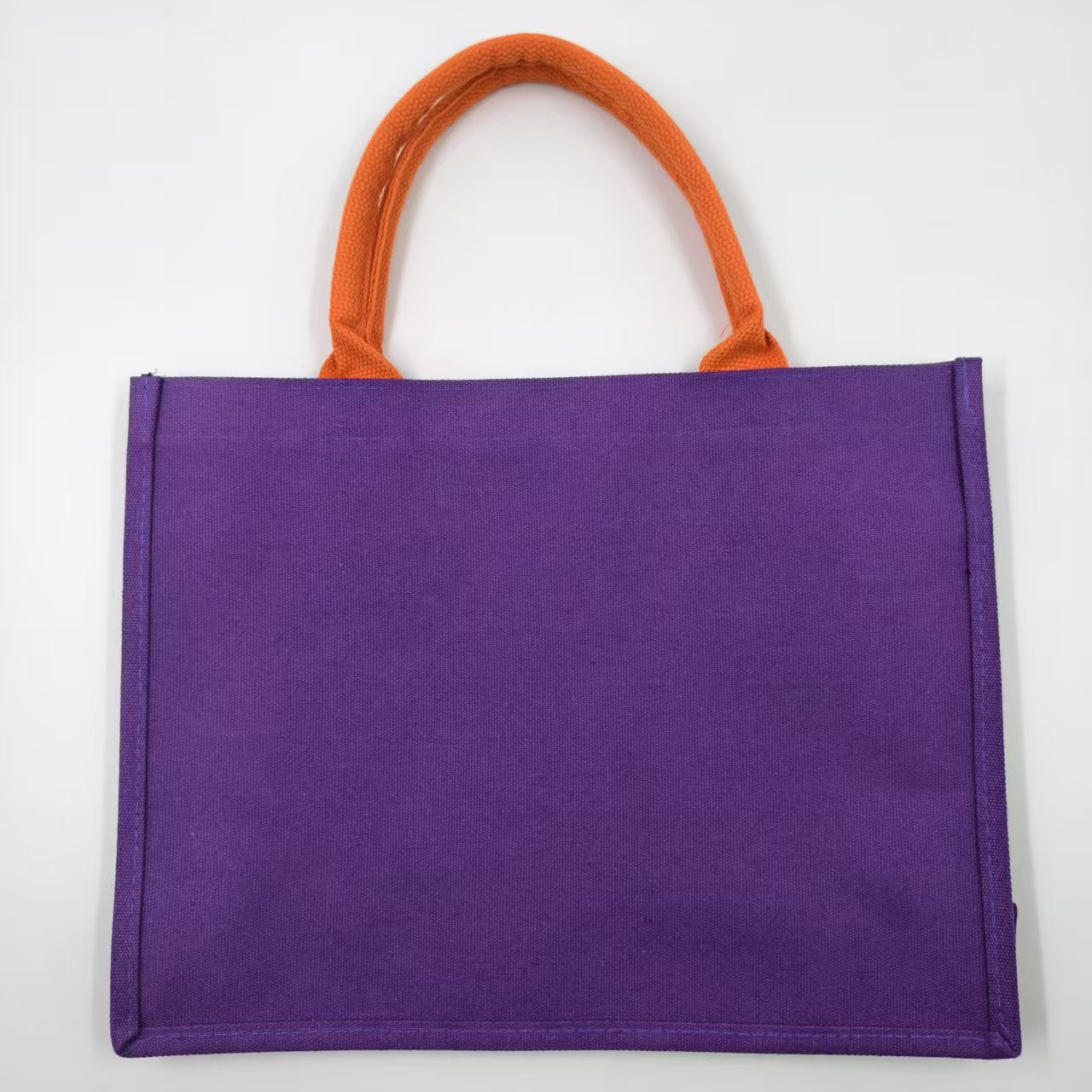
A product photo helps buyers review format and construction. It cannot establish bio-based content, biodegradability or compostability without matching evidence.
Need to assess a bio-based or compostability request before choosing a bag? Send the target market and disposal route, exact intended claim and logo, finished-bag component map, material grades and percentages, thickness, inks/coatings/adhesives, certificate or test scope, quantity and required date. LUCKYSTAR can return missing product-scope questions, sample checkpoints and order-document requirements for written review.
The short answer for shopping bag buyers
Choose a claim only after choosing the intended use and realistic end-of-life route. If the programme needs a durable bag that customers will carry repeatedly, prioritise service life, load performance, repair-resistant construction and clear care instructions. If a compostable format is genuinely needed, identify whether local collection accepts the whole finished bag and verify the exact SKU against the relevant standard and certification scope.
The fastest way to avoid a specification mistake is to ask four separate questions:
- Feedstock: what is each component made from, and what percentage is bio-based?
- Function: how many uses, what load and what storage conditions must the bag withstand?
- End of life: will it be reused, recycled, industrially composted, home composted or disposed of?
- Proof: does current evidence cover the finished item, every non-separable component, the target market and the claim printed on the bag?
| Term | What it actually describes | What it does not prove | Minimum buyer question |
|---|---|---|---|
| Bio-based | Origin of some or all material carbon | Biodegradability, compostability, recyclability or lower total impact | What test reports the bio-based percentage for this formulation? |
| Biodegradable | Breakdown by microorganisms in specified conditions | Rapid breakdown everywhere, marine safety or suitability for a compost collection system | Under which environment, method, time and pass criteria? |
| Industrially compostable | Conformity for controlled commercial/municipal composting conditions | Home compostability, roadside degradation or local acceptance | Which standard, certifier, certificate and exact product code apply? |
| Home compostable | Conformity for lower-temperature home composting under the cited scheme | Universal performance in every garden or acceptance by waste collectors | Which current scheme covers the finished bag and instructions? |
| Reusable | Designed and tested for repeated use | Bio-based origin, recyclability or compostability | What load, cycle and failure criteria support the expected lifetime? |
Bio-based is a feedstock claim
“Bio-based” answers an origin question. It commonly refers to material made partly or wholly from biomass such as plants or other renewable biological resources. It does not describe what will happen to the item after use.
Bio-based percentage must be stated precisely
A supplier may describe a resin family as plant-derived, but a buyer still needs the percentage for the exact formulation. Fillers, colour masterbatch, coatings and additives can change the finished result. A vague statement such as “made from plants” may also imply that the whole bag is plant-derived when only one input is.
In the United States, the USDA BioPreferred certification programme uses third-party testing based on ASTM D6866 to verify bio-based content. That is useful evidence for feedstock origin; it is not a biodegradability or compostability result. Buyers should therefore record the test method, tested sample, measured percentage and relationship between that sample and the production material.
Bio-based plastics can behave like conventional plastics
Some bio-based polymers are chemically comparable to conventional plastics and may remain durable rather than biodegrade. That can be desirable in a reusable bag intended for a long service life. The European Commission expressly notes that bio-based plastics are not necessarily biodegradable or compostable.
The right marketing statement might therefore be a specific bio-based-content percentage, not “biodegradable.” It should also avoid implying a lower lifecycle impact unless that broader comparison has separate, suitable evidence.
Biodegradable is a process claim, not a disposal instruction
“Biodegradable” is incomplete unless the claim identifies the receiving environment and performance conditions. Temperature, moisture, oxygen, microorganisms, item thickness and time all affect the result.
Four parameters make the claim meaningful
An evidence-backed biodegradability claim should define:
- environment: soil, freshwater, marine water, controlled composting or another named system;
- time: the test period and any relevant real-world timeframe;
- extent: the required level of conversion rather than mere fragmentation;
- residue controls: disintegration, ecotoxicity and restricted substances where the applicable method requires them.
A material breaking into smaller visible pieces is not the same as biodegradation. Nor does performance in a heated laboratory or industrial composting facility prove rapid breakdown in the sea, soil, a landfill or a household compost bin.
“Biodegradable” can misdirect disposal
If consumers interpret a claim as permission to litter or place a bag in any organic-waste bin, the message can undermine the intended waste system. The US EPA advises that compostable plastics generally should not be mixed with conventional plastic recycling and that local composting acceptance must be checked. Clear disposal language is therefore part of product design, not an afterthought.

Transparent, coated, woven and natural-fibre constructions can require different recovery routes. Appearance is not evidence of the route.
Compostable is a qualified subset of biodegradable
Compostability is not a promise that an item disappears wherever it is discarded. It is a conformity claim tied to a specified composting process.
Industrial composting uses controlled conditions
Industrial composting facilities manage temperature, aeration, moisture and processing time. ISO 17088:2021 covers plastics and products suitable for organic recycling under industrial composting conditions and addresses biodegradation, disintegration, effects on terrestrial organisms and constituent controls. ASTM D6400-26 is a current US specification for labelling plastics and products intended to be composted aerobically in municipal or industrial facilities.
For packaging in relevant European applications, buyers commonly encounter EN 13432 and associated certification schemes. The exact market rule, standard edition, certification mark and local collection policy still need to be confirmed before artwork is released.
Home composting is a separate claim
A home compost pile generally operates at lower and less consistent temperatures than an industrial system. An industrially compostable item should not be promoted as home compostable unless separate, current evidence covers that claim. The US EPA similarly cautions consumers not to assume home compostability unless the label specifically says so.
Certification schemes may have different catalogues and marks for commercial and home compostability. For example, BPI's commercial programme uses ASTM D6400 as its base, while its home programme is distinct. Buyers should search the applicable catalogue for the exact certified product or item number rather than rely on a resin logo copied into a sales deck.
| Question | Industrial compostable | Home compostable | Why the difference matters |
|---|---|---|---|
| Typical conditions | Managed thermophilic process | Lower, variable household temperatures | Passing one environment does not establish the other |
| Collection route | Separate organics stream and accepting facility | Consumer-managed compost system | Many markets lack one or both routes |
| Evidence | Applicable standard plus product/scheme scope | Separate home-compost scheme or equivalent evidence | Similar icons can cover different claims |
| Consumer instruction | “Commercial facilities only” where appropriate | Detailed home-compost instructions and limitations | The instruction must match the tested use |
| Bag construction | Whole item or separable components assessed | Whole item or separable components assessed | Handles, inks, labels and closures can change conformity |
A finished shopping bag is a system of components
The body material is only the start. A custom bag may include handles, sewing thread, lamination, ink, adhesive, eyelets, zippers, snaps, labels, reinforcement boards and protective finishes. A result for the base film or fabric does not automatically cover those additions.
Build a component map before requesting evidence
Create a bill of materials that identifies every permanent and removable part. For each item, record supplier, material grade, percentage or weight, colour/additive package and proposed end-of-life route. Mark components that can be separated by an ordinary user without special tools.
ISO 18606:2013 states that packaging is suitable for organic recycling only when each component meets the requirements, unless components can be easily and physically separated before disposal and the separated parts are handled appropriately. This makes the component map critical for customised bags.
| Bag element | Common specification risk | Evidence or decision required |
|---|---|---|
| Main body | Generic resin statement used for a finished bag | Exact grade, formulation, thickness and finished-item scope |
| Handle | Different polymer or fibre from the body | Component identity and compatibility with claimed route |
| Sewing thread | Conventional thread in an otherwise eligible textile | Thread specification or a clearly defined separation route |
| Ink and coating | Additives alter disintegration or compost quality | Approved ink/coating system within test or certificate scope |
| Adhesive | Unlisted chemistry between layers | Composition and scheme acceptance |
| Label or sticker | Permanent label not included in test sample | Include it in the assessed SKU or make it readily removable |
| Zipper, snap or eyelet | Hardware prevents whole-item claim | Remove claim, redesign, or provide explicit disassembly instructions |
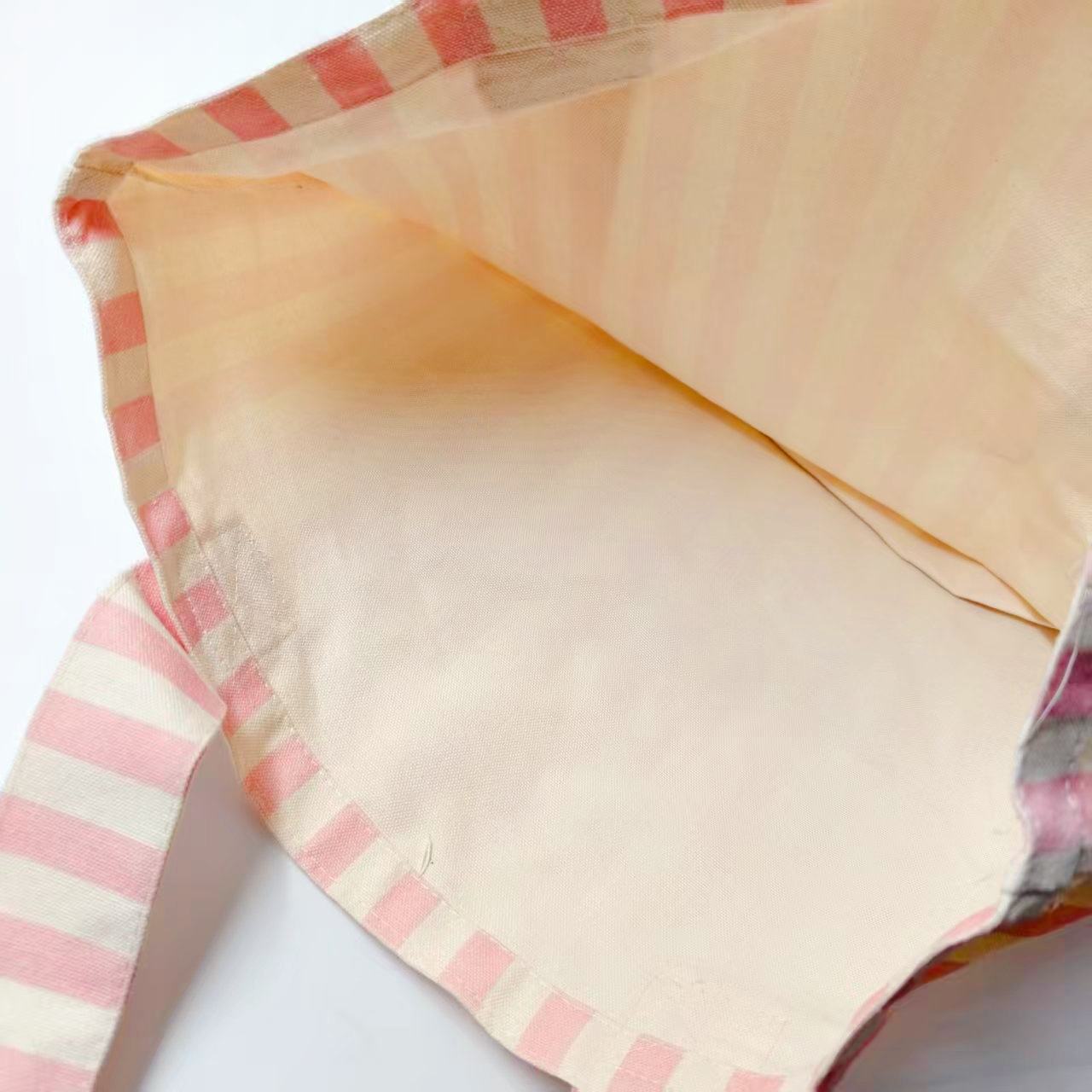
Seams, lining, binding and inner layers must be included in the finished-item evidence review.
Standards, tests and certifications do different jobs
A laboratory report, certificate and supplier declaration are not interchangeable. Each answers a different question.
A test report describes one tested sample
Review the report issuer, accreditation where relevant, method, standard edition, sample description, dates, results and pass criteria. Then check whether the sample matches the material grade, thickness, colour, ink and construction proposed for the order.
A certification adds scheme rules and surveillance
A certification may add licence conditions, mark-use rules, product listings, factory or supply-chain controls and renewal requirements. It is only as useful as its scope. Verify holder name, product code, valid dates, manufacturing site where applicable, allowed artwork and public catalogue entry.
A supplier declaration supports traceability, not independent proof
Declarations can document composition, change control and batch linkage. They should not be presented as third-party certification. If a claim requires independent testing or certification in the target market, a declaration alone is not enough.
| Evidence type | Strongest use | Buyer must verify | Common misuse |
|---|---|---|---|
| Technical data sheet | Grade identity and processing information | Current revision and exact grade | Treated as finished-bag proof |
| Lab report | Performance of the tested sample | Method, scope, result, dates and sample match | Applied to a different thickness or construction |
| Certification | Conformity under a named scheme | Holder, product, site, validity and mark rules | Supplier-level logo used as a blanket company claim |
| Public catalogue | Independent scope cross-check | Exact item/grade and current status | Similar trade name accepted as a match |
| Supplier declaration | Batch, composition and change-control record | Signatory, date and traceable inputs | Presented as an independent certificate |
| Purchase/production record | Order-level linkage | Lot codes and material reconciliation | Missing connection to test or certified input |
A practical standard-selection map
Do not begin by asking a supplier for “a biodegradable certificate.” Begin with the target market, product classification, disposal route and exact marketing wording. The following map helps structure the conversation; it is not legal advice and does not replace current market review.
| Intended claim | Useful reference point | What it establishes | What remains to verify |
|---|---|---|---|
| Measured bio-based content | ASTM D6866; USDA BioPreferred where applicable | Percentage of modern bio-based carbon under the method/scheme | Finished material relationship and precise wording |
| Industrially compostable plastic/product | ISO 17088:2021 | Specifications for organic recycling under industrial conditions | Certification route, market rules, whole-item scope and local acceptance |
| US industrial compostability label | ASTM D6400-26; certification scheme such as BPI | Requirements for aerobically compostable plastics/products in municipal/industrial facilities | Exact certified item, facility acceptance and allowed mark |
| EU compostable packaging | EN 13432 and relevant EU/national requirements | Industrial compostability criteria used for packaging | Current legal need, collection route and approved certification mark |
| Packaging organic recycling | ISO 18606:2013 | Requirements for packaging suitable for organic recycling | Component separation and jurisdictional rules |
| Home compostability | Market-recognised home-compost scheme | Performance in a defined home-compost protocol | Exact product listing, consumer instructions and local interpretation |
Do not confuse compostability with circularity
Composting can be useful where a product is likely to be contaminated with food and an accepting organics system exists. It is not automatically the preferred route for a shopping bag whose main function is carrying retail goods.
Start with the waste hierarchy and use case
The European Commission's policy framework says bio-based, biodegradable and compostable plastics should be considered within the waste hierarchy. Prevent unnecessary material first; enable repeated use when it produces a credible functional benefit; preserve material value through suitable recycling where available; and use compostability for applications whose context justifies it.
For a retail programme, that means comparing:
- anticipated number of uses and return behaviour;
- bag weight, dimensions and over-specification risk;
- load, seam and handle performance;
- local recycling and organics collection;
- contamination after use;
- customer instructions and likelihood of correct sorting;
- transport and carton efficiency;
- replacement rate and total quantity distributed.
Our guide to how many times a reusable shopping bag must be used explains why there is no universal break-even number. For a broader decision between recovery and repeated use, see recyclable vs reusable shopping bags.
Write claims that match the evidence
Accurate language names the feature and its boundaries. Avoid compressing several different attributes into “eco,” “green,” “earth-safe” or “plastic-free” unless every reasonable interpretation is supported.
Better wording patterns
Use specific formulations such as:
- “Bag body contains X% bio-based content, measured using [method],” if the evidence covers that body material;
- “Certified for industrial composting under [scheme/standard]; check local acceptance,” if the exact finished SKU and mark use are valid;
- “Not suitable for home composting,” when only industrial scope applies;
- “Remove [component] before placing the accepted portion in [route],” only when separation is practical and compliant;
- “Designed for repeated use; follow the stated load and care instructions,” when durability evidence supports it.
Before launch, use our separate workflows for defensible sustainability claims and avoiding greenwashing in reusable bag marketing. Those guides cover claim files and creative-release controls; this article covers the underlying material vocabulary.
Claims to pause until evidence is complete
Pause “100% biodegradable,” “compostable anywhere,” “breaks down harmlessly,” “zero waste,” “ocean safe” and similar broad statements unless current, claim-specific evidence supports every communicated meaning. Under the FTC Green Guides, an unqualified compostable claim needs reliable scientific evidence that the whole item will break down safely and in a timely manner in an appropriate composting facility or home system; material limitations and facility availability may require prominent qualification.
Use this RFQ checklist before requesting a quote
A precise RFQ makes evidence review faster and reduces redesign after sampling.
Define the commercial and functional brief
Specify target country, channel, bag dimensions, gusset, load, expected uses, colour, print area, packing method, order quantity and launch date. Commercial details, material availability, MOQ and lead time remain subject to the final specification and written confirmation.
Define the claim and proof brief
Attach the exact proposed sentence and certification mark. Request the applicable standard, certificate holder, product/grade code, validity, public listing, test reports, component list, ink/coating scope, batch traceability and mark-use approval. State whether the intended route is industrial composting, home composting, recycling or repeated use.
| RFQ field | What to write | Acceptance checkpoint |
|---|---|---|
| Target market | Country, sales channel and customer group | Legal/label review assigned |
| Intended use | Load, contents, use cycles and care | Functional test plan defined |
| Material claim | Exact percentage/attribute and component | No vague whole-bag expansion |
| End-of-life route | Named facility/system, not “green disposal” | Infrastructure checked locally |
| Evidence package | Standard, scheme, report, listing, validity | Exact SKU and all components matched |
| Artwork | Claim sentence, mark, qualification and disposal text | Scheme/brand/legal approval recorded |
| Change control | Materials, supplier, colour, thickness and print variables | Reapproval triggers written into order file |
Verify production matches the approved evidence
Approval should not end with the pre-production sample. Material substitution, altered thickness, a new colour masterbatch or a different adhesive can disconnect a production run from its evidence.
Freeze evidence-critical variables
Place the material grade, supplier, percentage, thickness, colour system, ink/coating, thread and accessories in the specification. Identify which changes require written approval and whether retesting or certificate confirmation is needed.
Keep an order-level evidence pack
The pack should connect the purchase order and approved sample to incoming material documents, lot records, inspection results, final artwork and shipment. Retain the certificate or report version actually relied upon rather than an undated screenshot.
For the construction and inspection side, pair this process with a custom shopping bag quality-control checklist and a complete custom shopping bag tech pack.
Company-claim boundary: the following section is LUCKYSTAR publisher self-description. It does not prove that a specific bag, resin, fabric or component is bio-based at a stated percentage, biodegradable in a named environment, industrially/home compostable, recyclable, certified, locally accepted or environmentally superior. Materials, component scope, tests, certificate and logo permissions, disposal instructions, MOQ, price, schedule and delivery are subject to current order-level evidence, final specification, buyer compliance review and written confirmation.
Why work with LUCKYSTAR on claim-sensitive bags?
LUCKYSTAR helps buyers turn an environmental idea into a reviewable bag specification. The practical value is coordination: material selection, dimensions, handles, print, accessories, sample approval, inspection points and evidence requests must stay connected to the same order.
We separate product choice from environmental proof
Our custom shopping bag range supports multiple constructions and customisation routes. We do not treat a natural appearance, material name or supplier brochure as proof of compostability. Instead, the requested claim can be mapped to the relevant component, document and target market before artwork is approved.
We support specification and sample control
Buyers can define bag format, material, dimensions, handles, print position, packaging and order-level quality checkpoints. A pre-production sample helps confirm the physical product; evidence-critical variables can then be recorded for change control. Final availability, commercial terms and timing are subject to specification and written confirmation.
We keep certification language within verified scope
LUCKYSTAR should not be described as holding a blanket company-wide bio-based, biodegradable or compostable certification. Where an order requires a particular material or finished-item claim, the current holder, standard, product scope, validity, manufacturing relationship and mark-use conditions must be verified for that order. This protects the buyer's packaging claim and prevents a raw-material document from being misapplied to the finished bag.
For supplier evaluation beyond environmental claims, review our custom bag manufacturer guide and how to choose a custom shopping bag manufacturer.

LUCKYSTAR product imagery shows customisation possibilities; the order's environmental claim must still be supported separately.
Buyer decision workflow
Step 1: identify the job the bag must do
Define the contents, load, number of intended uses, retail experience and failure risks. Do not let an end-of-life label compromise the bag's primary function.
Step 2: map the real disposal system
Ask local collectors or facilities what they accept. Record labelling restrictions, contamination limits and whether customers can realistically access the route.
Step 3: choose a material and construction
Evaluate the whole bag, not only the body. Minimise incompatible permanent components and unnecessary weight while preserving required durability.
Step 4: verify before using the words or logo
Check the exact certificate, catalogue listing, report and scheme-mark rules. Confirm that the production specification remains within scope.
Step 5: test the physical bag
Run load, seam, handle, print and other fit-for-use checks. Compostability does not compensate for premature failure during use.
Step 6: approve instructions and lock the order
Place qualifications where customers will see them. Link QR evidence only as support, not as a substitute for a necessary on-pack limitation. Record change-control triggers.
Frequently asked questions
Are all bio-based shopping bags biodegradable?
No. Bio-based refers to feedstock origin, while biodegradable refers to breakdown under defined conditions. A bio-based polymer may be durable and non-biodegradable.
Are all biodegradable bags compostable?
No. Compostability is a more specific, testable claim with defined criteria. A generic biodegradation result does not prove conformity with an industrial or home compostability standard.
Can an industrially compostable bag go in a home compost bin?
Not unless separate evidence and labelling support home compostability. Industrial systems use controlled conditions that household composting may not reach.
Can a compostable bag go in plastic recycling?
Usually it should not be mixed with conventional plastic recycling unless the local programme expressly accepts it. Follow local collector instructions.
Does a compostable resin certificate cover a printed shopping bag?
Not automatically. Thickness, handles, thread, inks, coatings, adhesives, labels and closures can affect the finished-item scope. Verify the exact SKU or an accepted component/separation route.
Is a paper or cotton bag automatically biodegradable?
No blanket claim should be made from the visible material alone. Coatings, wet-strength agents, inks, adhesives, blends and accessories can change performance and the appropriate recovery route.
Which claim is most sustainable?
There is no universal winner. The better option depends on avoiding unnecessary production, actual reuse, product lifetime, material weight, local collection, transport, contamination and credible evidence. Compare the complete programme rather than one label.
What should I send LUCKYSTAR first?
Send the target market, bag size, load, expected use cycles, preferred material, print artwork, quantity, packing requirement, end-of-life route and exact claim you want to make. If a certificate or logo is mandatory, name the scheme and required scope at RFQ stage.
Get an evidence-aware shopping bag quote
Bio-based, biodegradable and compostable shopping bags can be specified responsibly when feedstock, function, components, end-of-life infrastructure and evidence are treated as separate decisions. Start with a precise brief, verify the whole finished item and keep the public wording narrower than the proof—not broader.

Send LUCKYSTAR your specification and intended environmental claim through the inquiry page. We can review the bag construction and evidence request with you before sampling. Material, certification, MOQ, testing, lead time and commercial terms remain subject to the final specification, current document scope and written confirmation.
Official references used for this guide
- European Commission: bio-based, biodegradable and compostable plastics
- US EPA: plastic recycling and composting FAQ
- FTC: Environmental Claims—Summary of the Green Guides
- ISO 17088:2021: specifications for compostable plastics
- ISO 18606:2013: packaging suitable for organic recycling
- ASTM D6400-26: compostable plastics labelling specification
- BPI: compostability certification
- USDA BioPreferred: certification for companies
This article provides a buyer's technical and claim-management framework, not legal advice. Confirm current requirements, facility acceptance and certification rules in each target market before production and publication.
Request a finished-product evidence review
Send the exact claim, finished construction and real disposal route together so the quotation, sample, evidence pack and consumer instructions cover the same SKU and market.
Review LUCKYSTAR custom shopping bag options, then send your claim-sensitive bag brief through the contact form or Email a project brief. The email link opens a draft for your review before sending.
Bio-based content, biodegradation or compostability wording, test and certificate scope, logo use, materials, availability, price, MOQ, packing, schedule and delivery terms are subject to current evidence, local acceptance, market-specific compliance review, final specification and written confirmation.