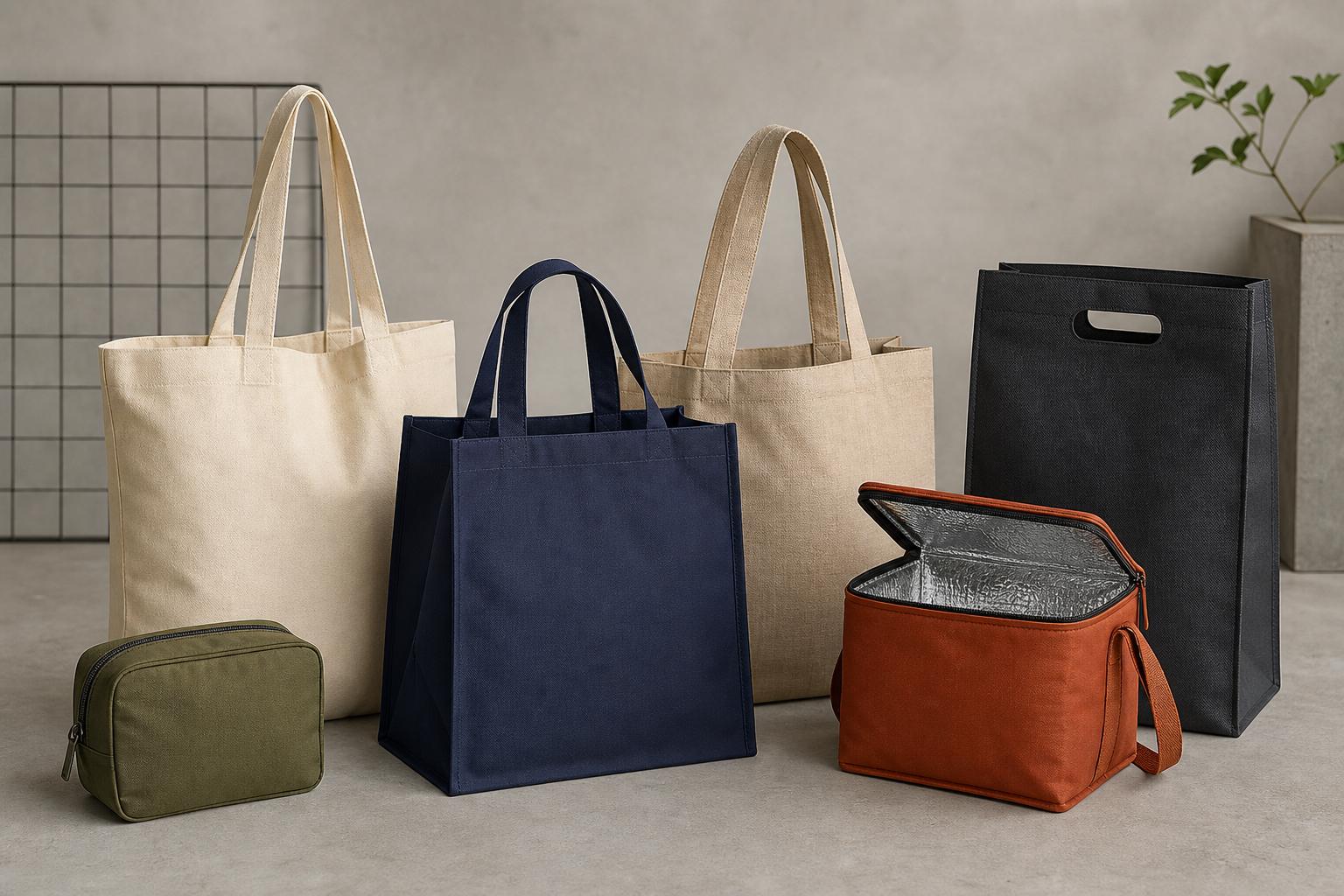
Choosing a bag supplier is not a beauty contest for the lowest quotation. It is a risk decision. The right partner must understand the product, translate your brief into repeatable specifications, control production, and communicate early when something changes. A polished website or a fast reply may help you build a shortlist, but neither proves that the supplier can deliver your bag consistently.
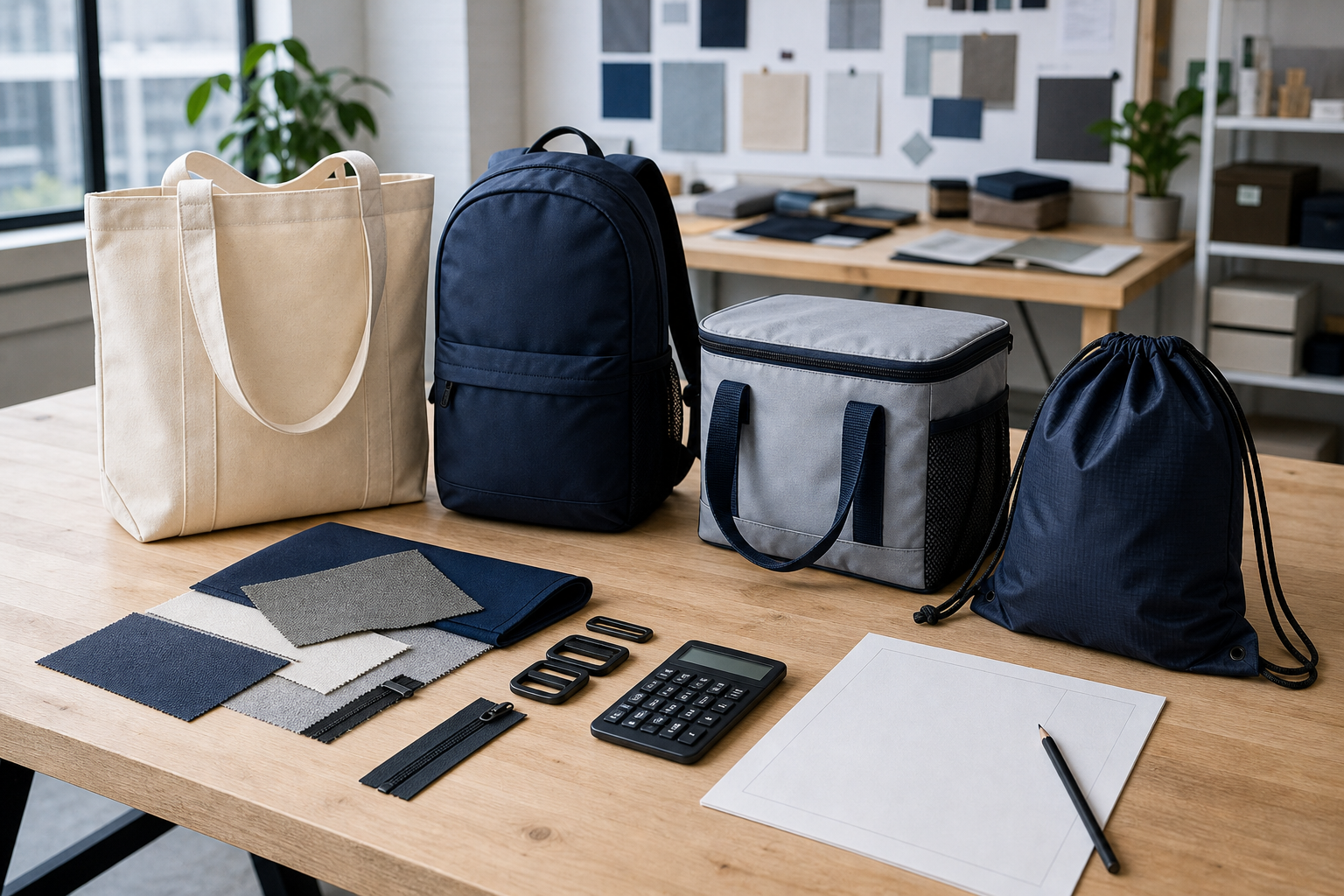
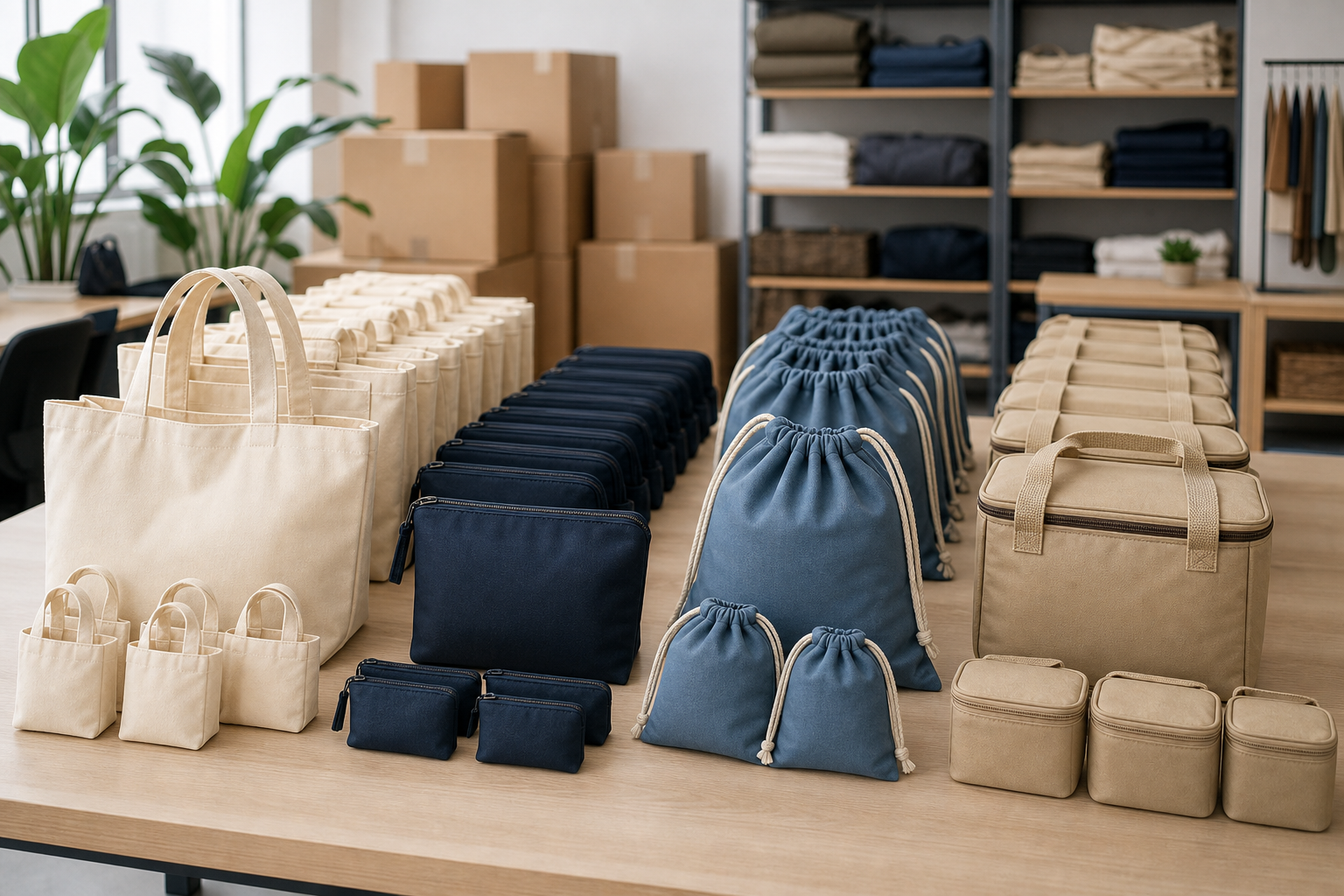
This guide explains how to choose a custom bag manufacturer using evidence you can check before placing a production order. It is written for brand teams, promotional product distributors, retailers, importers, and procurement managers comparing factories for tote bags, cosmetic bags, cooler bags, backpacks, shopping bags, and other sewn products.
If you are still mapping product categories, materials, decoration options, and the overall OEM/ODM workflow, start with our complete Custom Bag Manufacturer buyer’s guide. Use the page below when you are ready to turn a long list of suppliers into a defensible final choice.
Start with a clear sourcing brief
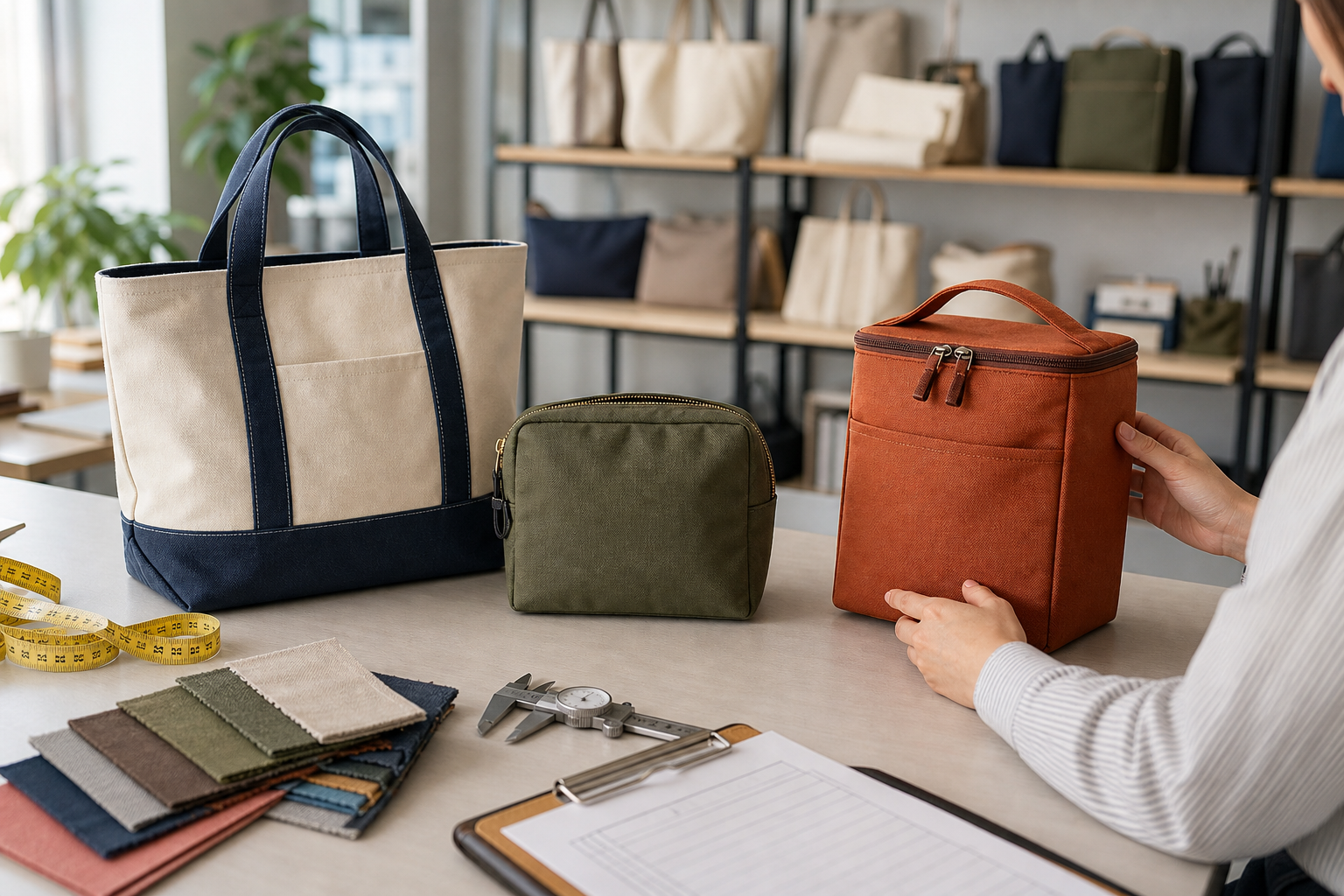
Before contacting factories, write down what success means for the order. A vague request such as “quote 10,000 canvas totes” forces each supplier to make different assumptions. One may price a light fabric and simple packing; another may include a heavier cloth, reinforced handles, and individual bags. Their prices cannot be compared fairly.
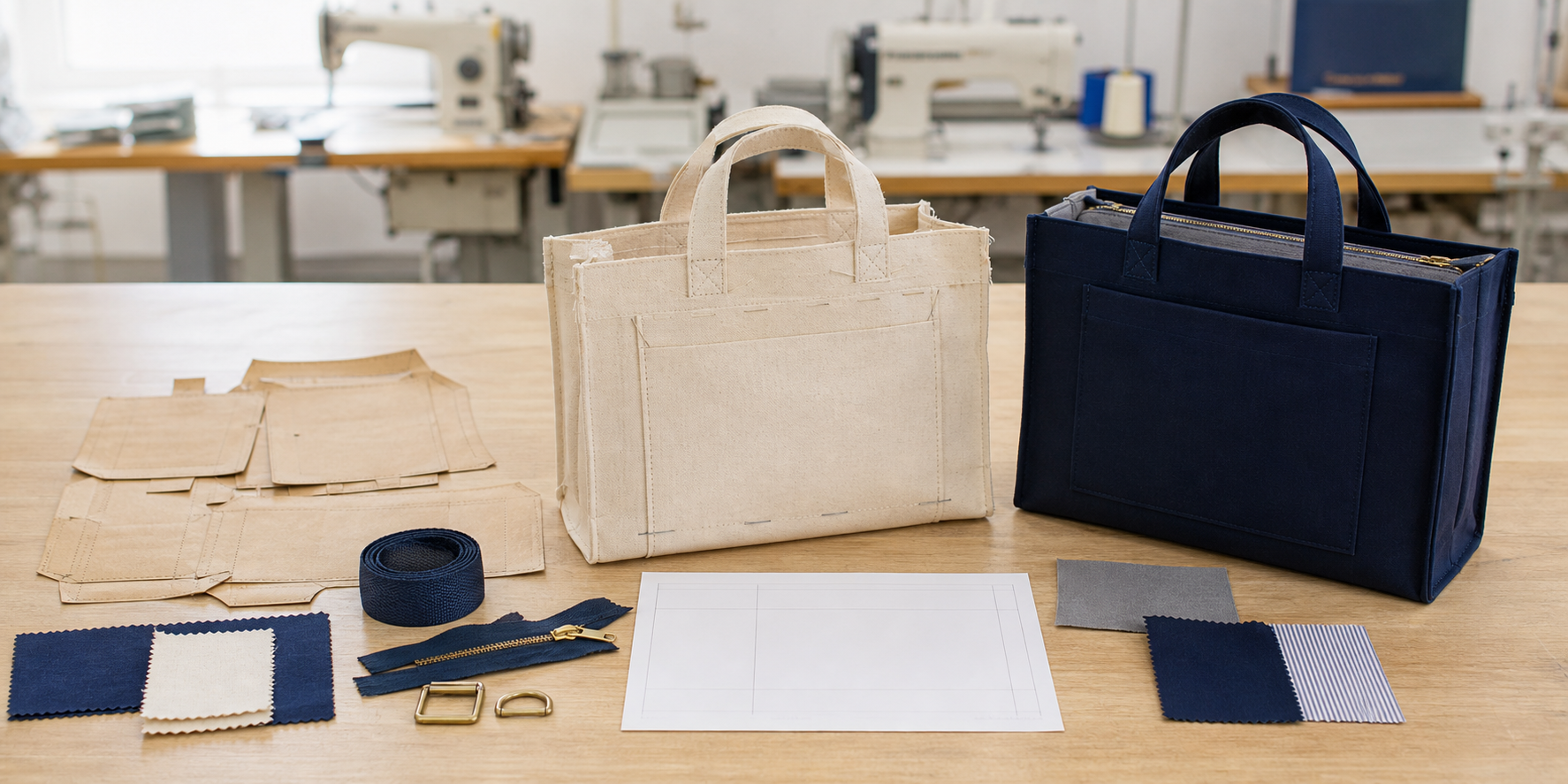
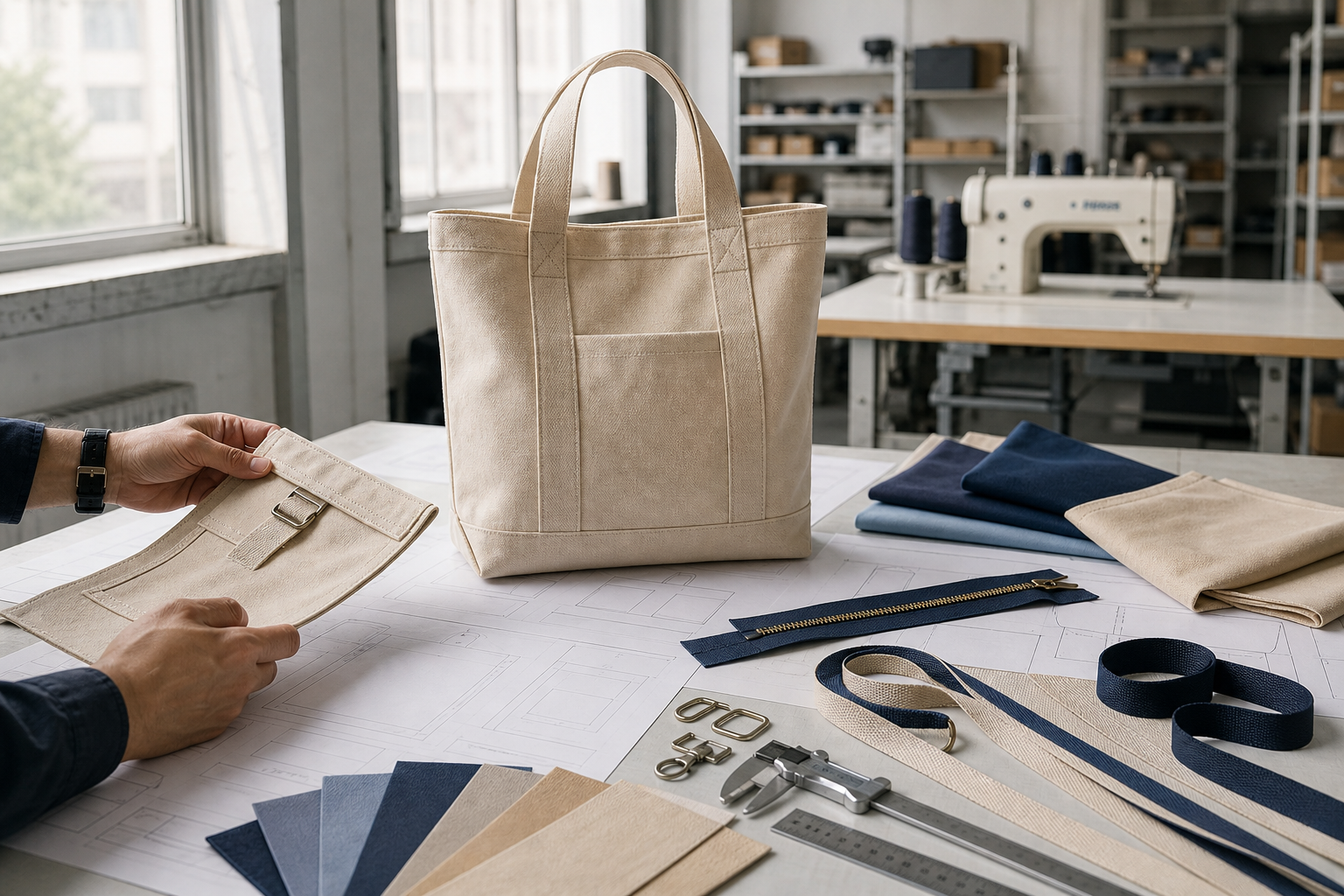
A useful sourcing brief does not need to be a finished technical pack, but it should identify the product’s intended use, target dimensions, material preference, construction features, logo method, estimated quantity, delivery destination, and required date. Add reference photos and mark which details are mandatory. If a feature is still open, say so and ask the supplier to recommend an option with the reason and price impact.
Define the risks that matter most
Not every order has the same risk profile. A giveaway tote with a one-color print is different from a structured cosmetic case with fitted compartments. A cooler bag depends on insulation, seam construction, and lining performance. A backpack must carry weight comfortably and withstand repeated stress at the straps. List the three failures your customer would notice first. Those risks should shape your sample tests and supplier score.
Check relevant experience, not just years in business
“We have made bags for many years” is too broad to be useful. Ask for examples that match your bag’s material, structure, decoration, and market. A factory experienced in flat non-woven shopping bags may still need a learning curve for padded travel organizers or insulated coolers. Relevant experience reduces development errors because the team already understands the likely construction problems.
Request two or three comparable examples and ask what was difficult about them. A capable supplier can usually explain the trade-offs: why a certain zipper gauge was selected, how a print was positioned across a pocket, or where reinforcement was added. The answer matters more than a showroom full of unrelated samples.
Verify the operating model
Some suppliers own production lines; others coordinate specialized partner factories; many use a combination. None of these models is automatically wrong. The important question is who controls development, material purchasing, production scheduling, quality inspection, and corrective action.
Ask which steps are completed in-house and which are outsourced. For outsourced printing, embroidery, lamination, or special hardware, ask how incoming work is inspected. You should also know who will hold the approved sample and who has authority to stop production if the result drifts from it.
Use an evidence-based supplier scorecard
A scorecard keeps the decision from being dominated by price or personality. The weighting below is a practical starting point. Adjust it for your product: a fashion launch may give more weight to development and appearance, while a repeat promotional program may emphasize delivery control and consistency.
| Evaluation area | Suggested weight | Evidence to request | What a strong answer looks like |
|---|---|---|---|
| Relevant category experience | 15 | Comparable samples and project examples | Explains specific construction choices and risks |
| Technical development | 15 | Tech-pack review, pattern and sample process | Finds missing details before quoting or sampling |
| Material and trim control | 10 | Swatches, specifications, supplier records | Can identify grade, tolerance, color, and substitute policy |
| Sample quality | 15 | Physical sample against agreed specification | Dimensions, function, workmanship, and appearance align |
| Production and QC control | 15 | Control plan, inspection records, defect handling | Checks are tied to product risks and approved standards |
| Capacity and delivery transparency | 10 | Production plan and material lead times | Gives a realistic schedule with decision deadlines |
| Commercial clarity | 10 | Itemized quotation and terms | Assumptions, exclusions, and validity are visible |
| Communication and change control | 10 | Written recap and revision records | Questions are precise and changes are documented |
Score every supplier from 1 to 5 in each area, multiply by the weight, and record the evidence behind the score. A supplier should not receive full points for an unsupported promise. This creates an audit trail that a colleague can understand later.
Compare quotations on the same specification
A quotation is only comparable when the assumptions are aligned. If one price appears much lower, do not immediately treat it as a saving. Check whether the material weight, lining, reinforcement, hardware, logo size, packaging, testing, and shipping basis are identical. A missing feature often reappears later as a surcharge or, worse, a quality compromise.
| Quote item | Record in your comparison sheet | Why it changes cost or risk |
|---|---|---|
| Material | Fiber, weave, weight/thickness, coating, color | Similar names can hide different grades and performance |
| Construction | Size, seams, lining, pockets, reinforcement | Extra operations affect labor and durability |
| Branding | Method, colors, size, position, both sides or one | Setup, coverage, and placement affect price and reject risk |
| Packing | Individual or bulk, inserts, labels, carton limit | Packing affects labor, volume, and retail readiness |
| Quantity and tolerance | Order quantity, color split, over/under policy | Small color runs and strict quantities can raise cost |
| Development | Sample fee, tooling, revisions, courier | Unit price alone does not show pre-production cost |
| Schedule and trade term | Sample time, production time, Incoterm, quote validity | Different delivery scopes can make prices look misleading |
Ask each shortlisted factory to confirm the completed comparison sheet. For a deeper view of what should happen after the quote, read our overview of the custom bag manufacturing process from sketch to shipment.
Treat sampling as a test of the working relationship
The sample is not only a preview of the bag. It reveals how the supplier interprets instructions, manages materials, reports deviations, and closes comments. A strong sample team highlights conflicts before cutting. If a requested zipper cannot fit the opening or a print is too close to a seam, you want to hear that before the sample is finished.
Send comments in one numbered document with annotated photographs. For each point, state the observed issue, required correction, and acceptance method. Ask the supplier to return the list with a response beside every item. This is more reliable than scattered messages across email and chat.
Inspect the sample as a user, not only as a buyer
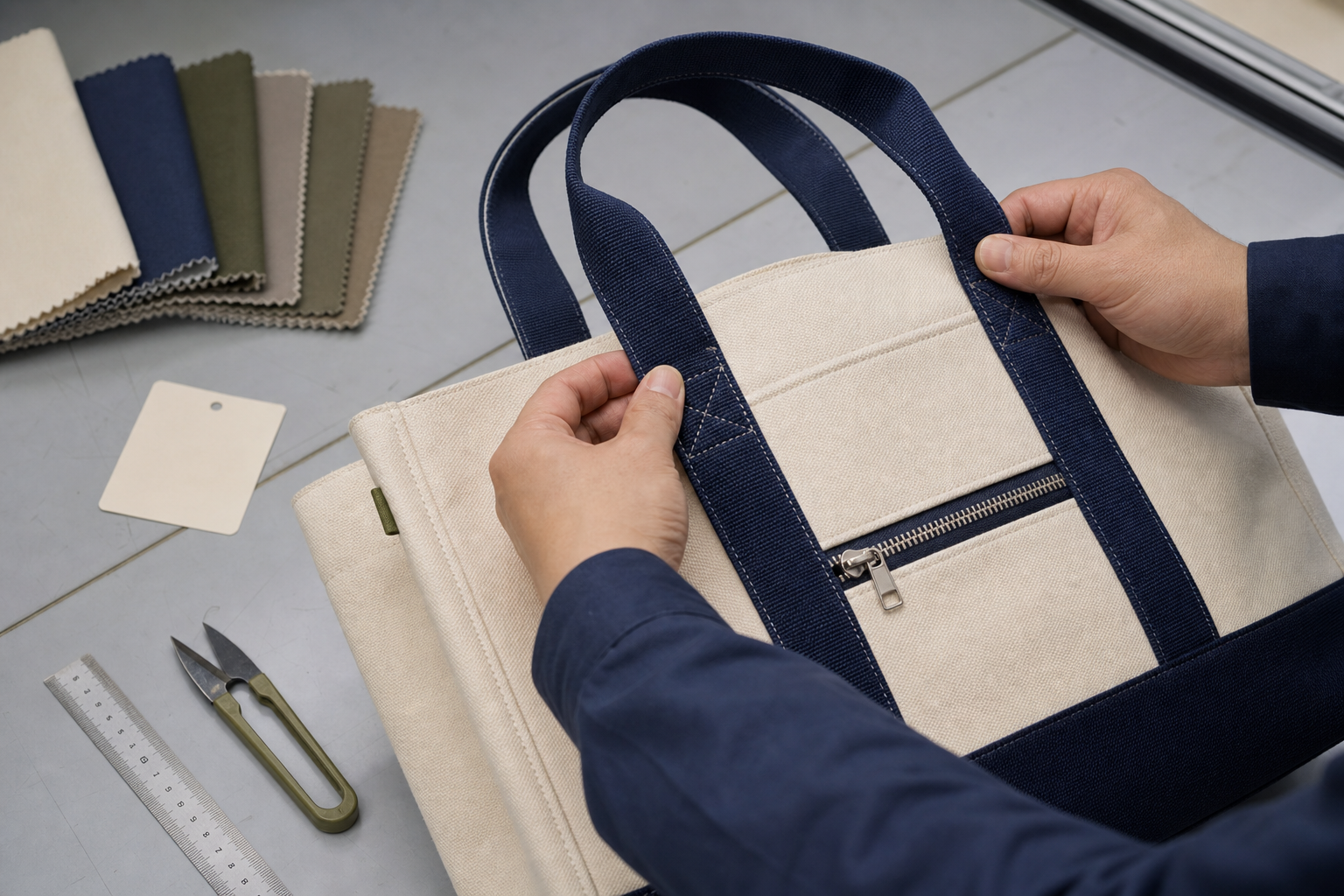
Measure the bag, but also use it. Load it with a realistic weight. Open the zipper repeatedly. Check whether handles twist, pockets are reachable, the lining pulls out, a closure catches, or the base collapses. Look at the bag from normal viewing distance, then inspect stitches, edges, print registration, and internal finishing more closely.
| Check | Practical method | Record |
|---|---|---|
| Dimensions | Measure flat using one agreed method | Actual result and allowed tolerance |
| Load and handling | Pack expected contents; lift and carry | Strain, deformation, comfort, and balance |
| Closures and hardware | Open, close, and operate repeatedly | Smoothness, alignment, and security |
| Seams and stress points | Inspect handle joins, corners, zipper ends, and pocket edges | Stitch consistency and reinforcement |
| Decoration | Compare position and color with approved artwork | Size, registration, surface, and adhesion |
| Appearance and packing | View as the end customer receives it | Shape, cleanliness, odor, creasing, and presentation |
Ask how quality is controlled during production
A good pre-production sample is necessary, but it does not guarantee that every production unit will match. Ask the supplier to explain its control points for incoming material, cutting, decoration, sewing, assembly, finishing, packing, and final inspection. The plan should focus on the product’s highest risks rather than offer the same generic checklist for every bag.
Clarify which sample becomes the approval standard and how changes are documented. For color-sensitive projects, agree on the approved reference and viewing conditions. For dimensional features, state the measuring method and tolerance. For functional features, agree on a clear pass/fail method. Our guide on preventing quality issues in custom bags explains why these decisions belong before mass production.
Test capacity and lead-time claims
“Production takes 30 days” is not a complete schedule. Ask when the clock starts and which approvals must be finished first. Material booking, dyed fabric, custom hardware, artwork confirmation, sample approval, production, inspection, rework allowance, and freight handover can each affect the critical path.
Give the supplier your required arrival date, not only the ship date. Then ask for a reverse schedule showing when you must approve the sample, colors, and packaging. A credible manufacturer will explain where the schedule is tight and what decision could delay it. Be cautious when a supplier agrees to an aggressive date without checking material availability or current capacity.
Evaluate communication with real work
Fast replies are useful, but precision is more important. During quotation and sampling, observe whether the contact person separates confirmed facts from assumptions, asks focused questions, and summarizes decisions. Good communication reduces the chance that a casual message becomes an unintended production instruction.
Ask who will manage the order after the deposit, who reviews technical details, and who acts if the main contact is unavailable. Send a small controlled revision—such as a pocket dimension change—and check whether the new version number, price, sample, and delivery impact are all updated. That is a simple change-control test.
Red flags that deserve a pause
- The supplier gives a firm price before confirming material, construction, logo, packing, quantity, and delivery basis.
- Comparable product examples are promised but never provided, or the team cannot explain how they were made.
- Every requested date is accepted immediately, with no discussion of approvals or material lead time.
- Sample deviations are dismissed as “mass production will be better” without a documented corrective action.
- Material substitutions are treated as routine and do not require written approval.
- Quotation revisions change the total but do not show what changed.
- The supplier resists defining tolerances, inspection points, or a final approval standard.
One red flag may have an innocent explanation. Several together usually indicate a system problem. Ask direct follow-up questions and document the answer before you commit.
How to Choose a Custom Bag Manufacturer: A Practical Shortlist Process
- Send one standardized brief to a small number of suitable suppliers.
- Compare questions as well as prices. The best technical questions often reveal the strongest development team.
- Normalize the quotations so material, construction, packing, quantity, schedule, and trade terms match.
- Sample with the top candidates when the project value or risk justifies it.
- Score evidence using the same weighted criteria.
- Resolve every open point and freeze the approved specification before the production order.
Before making the final call, use our list of questions to ask a bag factory before an OEM order. You can also review our custom bag product range to organize your inquiry by bag category.
Frequently asked questions
Should I choose the lowest-priced custom bag manufacturer?
Not automatically. First normalize every quotation and estimate the cost of quality failures, late delivery, rework, and internal management time. The strongest commercial choice is the supplier that provides the best total value for the required specification and risk level.
How many manufacturers should I compare?
A focused shortlist is more useful than a large list of weak matches. Select enough candidates to compare capability and commercial terms, but keep the group small enough that you can review their evidence, questions, and samples carefully.
Is a factory audit always necessary?
It depends on order value, product risk, customer requirements, and what you already know about the supplier. An audit can provide useful evidence, but it does not replace product-specific sampling, specification control, and inspection.
What should be approved before production?
At minimum, approve the product specification, materials and colors, construction, dimensions and tolerances, artwork and placement, packaging, quantity policy, quality standard, approved sample, schedule, and commercial terms. Record every approval in writing.
Choose the manufacturer that makes risk visible
Learning how to choose a custom bag manufacturer is ultimately about making risk visible before production. The best partner is not the one that says every request is easy. It is the one that identifies the difficult points early, proposes workable options, and controls the approved result through production. When you compare evidence, normalized quotes, sample performance, quality systems, schedules, and communication, the decision becomes far more reliable.
Share your drawings, reference sample, target quantity, destination, and required date with our team. We can review the brief and discuss a practical development route for your custom bag project.

Ningbo Luckystar Commodities Co., Ltd.
Tel / WeChat / WhatsApp: +86 15957446693
Email: sales@luckystarcreation.com
Address: Room 2202, Meijin Building, No. 125 Mingyuan Lane, Ningbo, Zhejiang, China 315104